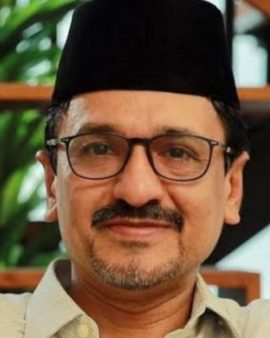
Zameeruddin Shah: A Soldier-Scholar at the Helm of Indian Academia
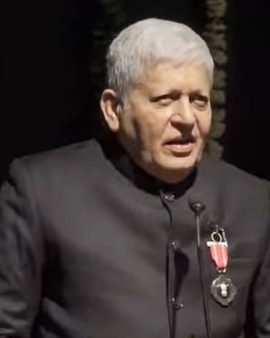
Zameeruddin Shah is a figure who defies easy categorization. A former Lieutenant General of the Indian Army, a diplomat, an academic administrator, and the former Vice-Chancellor of Aligarh Muslim University (AMU), Shah’s life reflects an unusual convergence of discipline, intellect, and public service. His journey from the battlefield to the university campus is a testament to leadership shaped by principle rather than position.
Born into a family steeped in education and public life, Zameeruddin Shah was exposed early to the values of learning and service. His academic foundations were strong, but it was his decision to join the Indian Army that would most decisively shape his worldview. Over a distinguished military career spanning nearly four decades, Shah served in diverse and demanding roles, including counterinsurgency operations and high-level command positions. Rising to the rank of Lieutenant General, he earned a reputation for integrity, decisiveness, and calm leadership under pressure.
After retiring from the armed forces, Shah transitioned into diplomacy and public administration, serving as India’s Ambassador to Saudi Arabia. This role required a different kind of leadership—one rooted in negotiation, cultural sensitivity, and strategic foresight. His tenure strengthened India’s engagement with the Gulf region, particularly in areas concerning the Indian diaspora, labor welfare, and bilateral cooperation.
Zameeruddin Shah returned to national prominence with his appointment as Vice-Chancellor of Aligarh Muslim University in 2012. His tenure at AMU was marked by both reform and controversy, reflecting the complex realities of leading one of India’s most historic and politically sensitive educational institutions. Shah sought to instill discipline, improve administrative efficiency, and modernize governance structures, often drawing on his military background. Supporters credited him with restoring order and asserting institutional authority; critics questioned his methods in a campus environment traditionally defined by academic autonomy and debate.
What set Shah apart as an academic leader was his insistence that universities must balance freedom with responsibility. He repeatedly emphasized that institutions of higher learning should be spaces for rigorous scholarship, not perpetual agitation. His approach sparked debate, but it also forced a larger national conversation about governance, accountability, and leadership in Indian universities.
Beyond his formal roles, Zameeruddin Shah is a thoughtful writer and public commentator. His memoirs and essays offer rare insights into the intersections of the military, diplomacy, and education in India. Written with candor and restraint, his reflections reveal a leader deeply conscious of institutional decay and the moral challenges facing public life.
Colleagues often describe Shah as austere yet approachable, firm yet reflective. He is known for his personal simplicity and his belief that leadership is fundamentally about example. Faith, discipline, and a strong moral compass quietly inform his decisions, though he rarely foregrounds them publicly.
In an era when leadership is often reduced to optics and rhetoric, Zameeruddin Shah represents an older, less performative tradition—one where authority is earned through service and sustained by integrity. Whether admired or contested, his career underscores a central truth: institutions matter, discipline matters, and leadership, at its best, is a lifelong commitment to the public good.