Malik Motasim Khan: A Life of Leadership, Learning, and Public Service
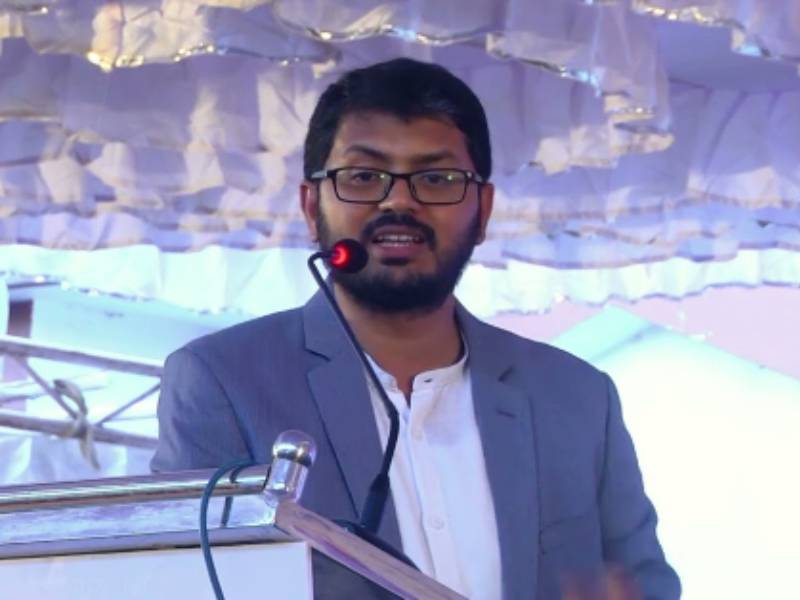
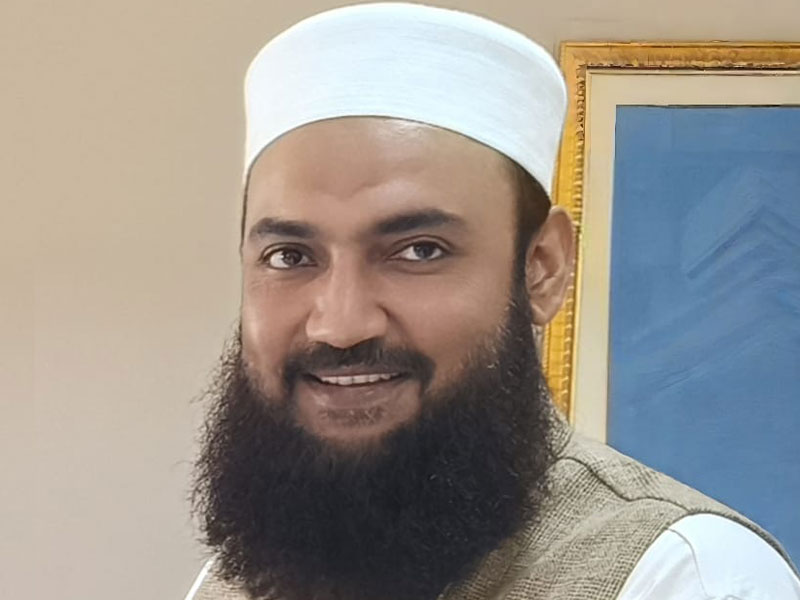
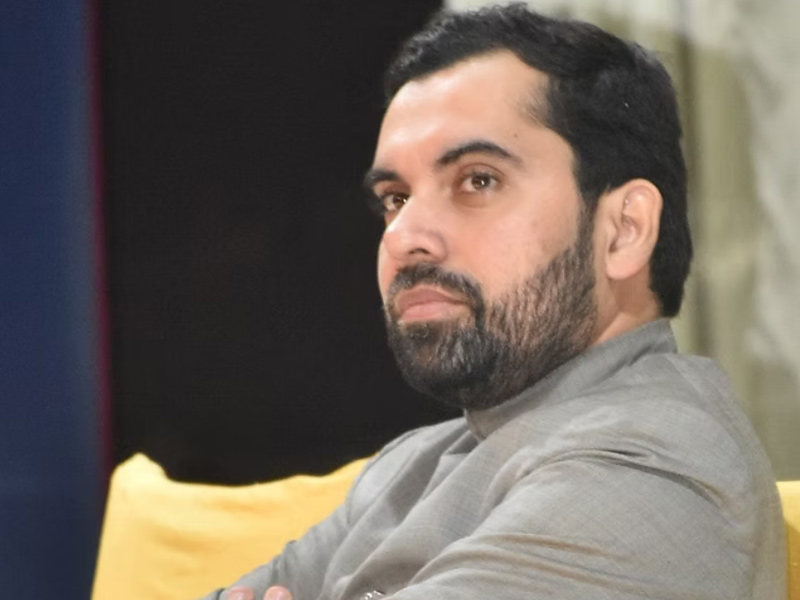
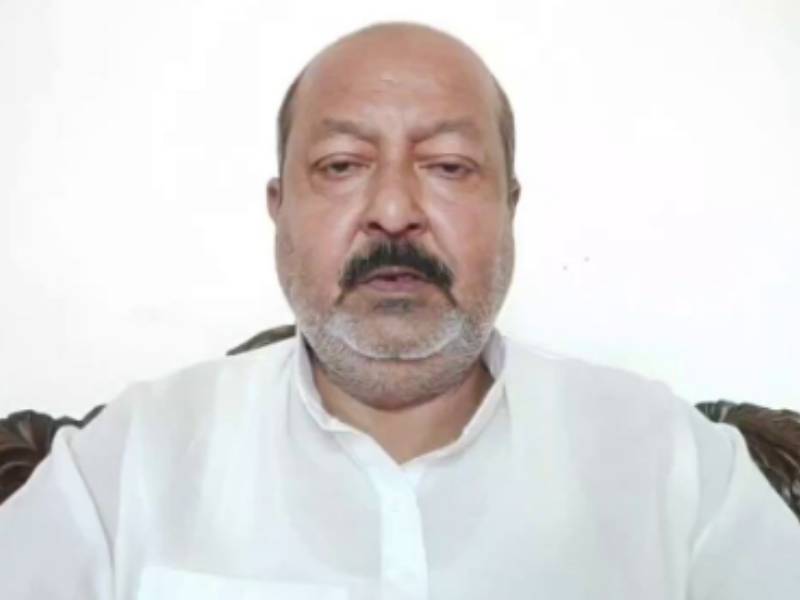
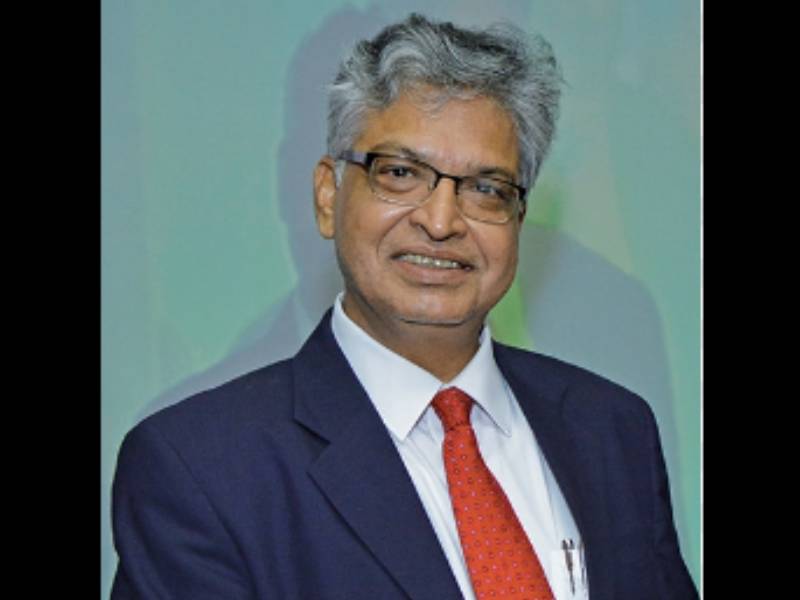
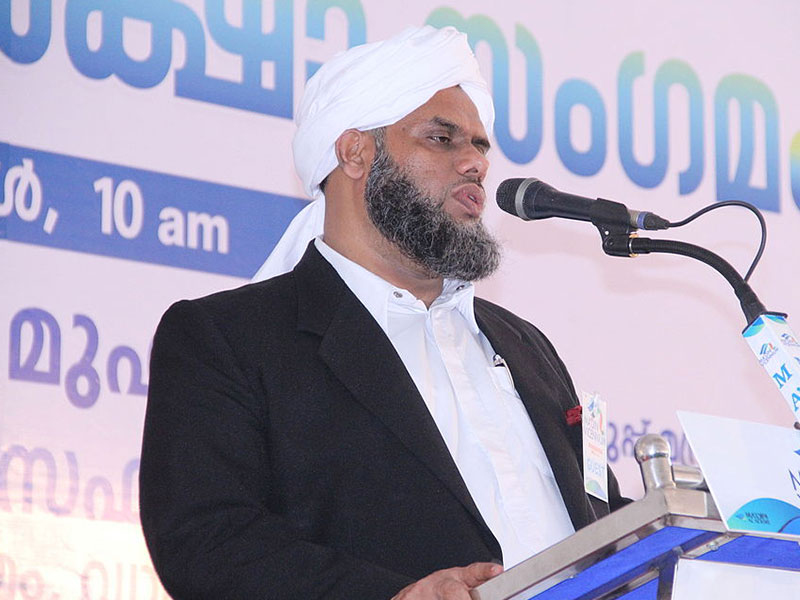
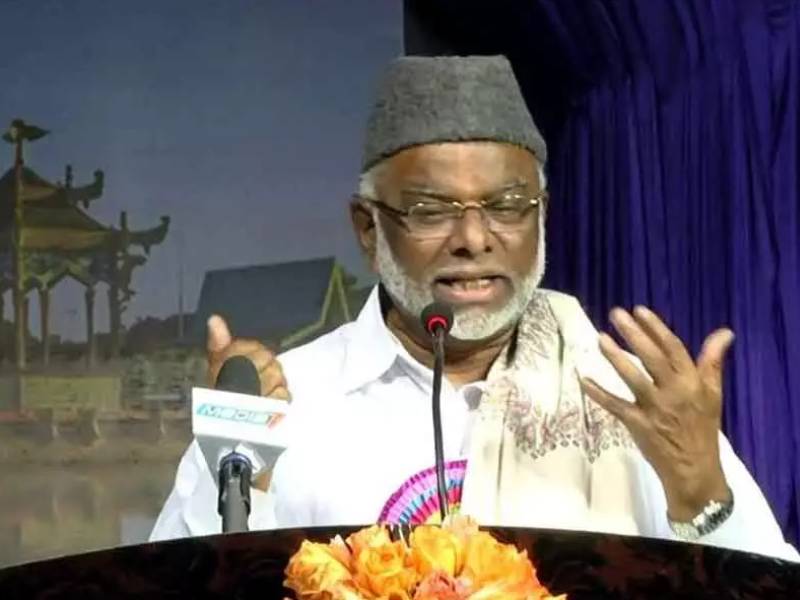
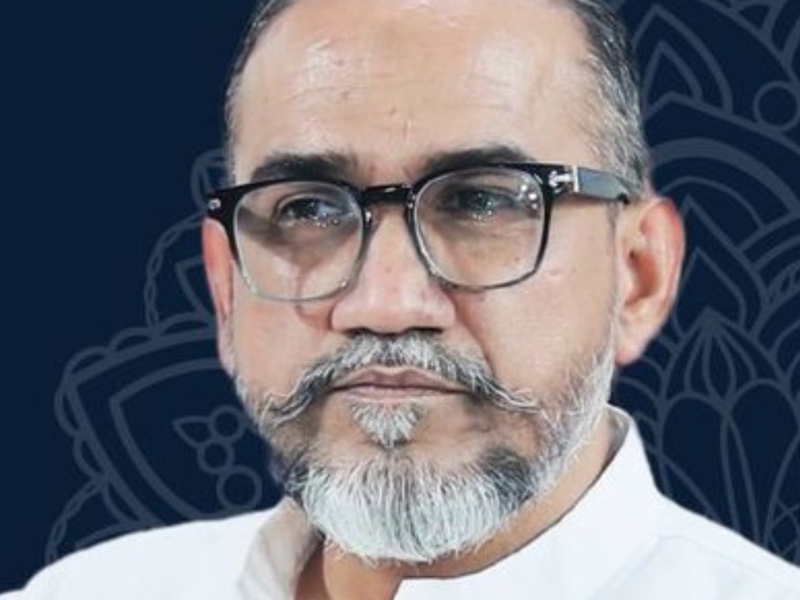
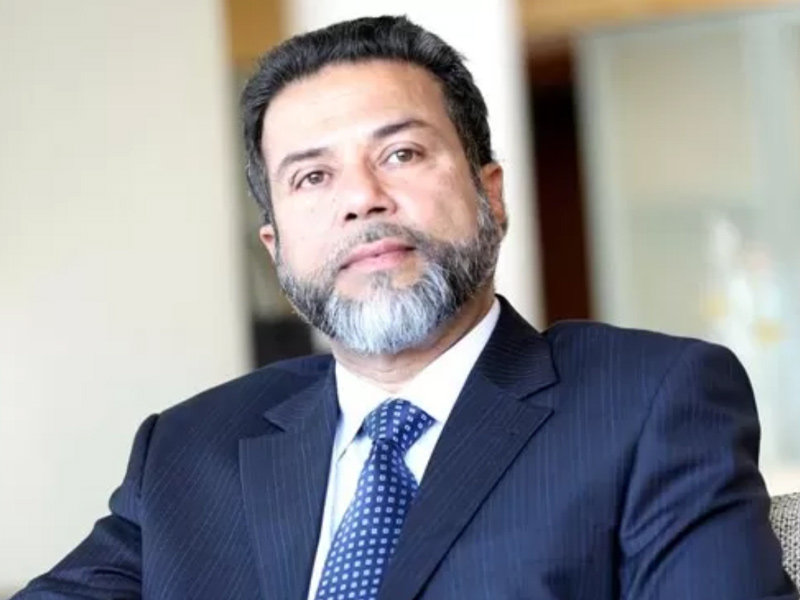
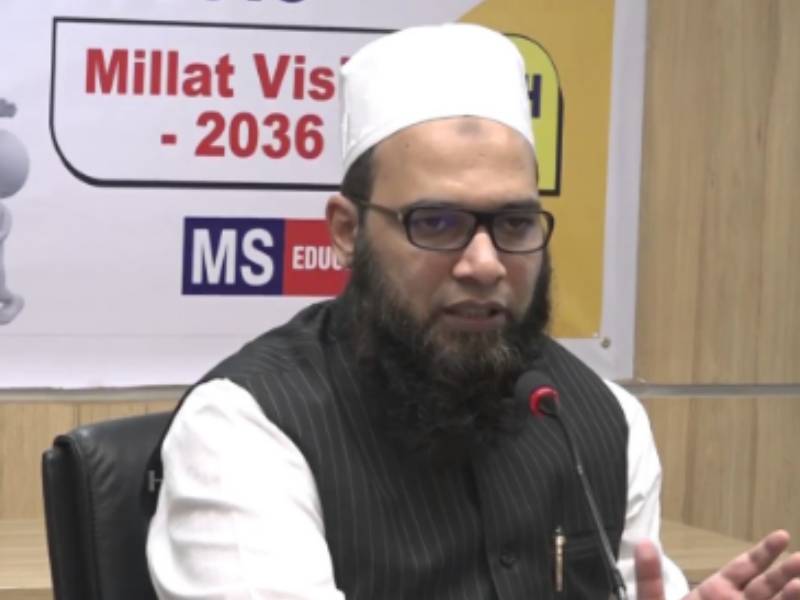
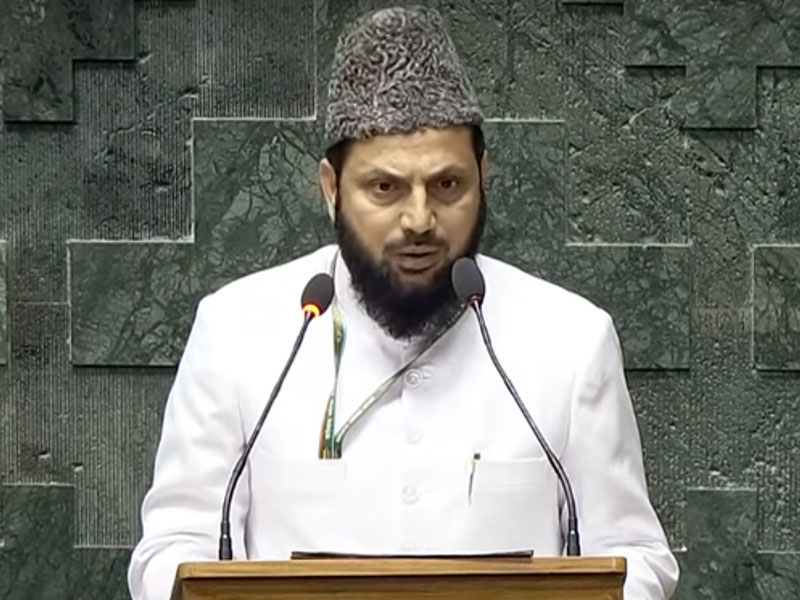
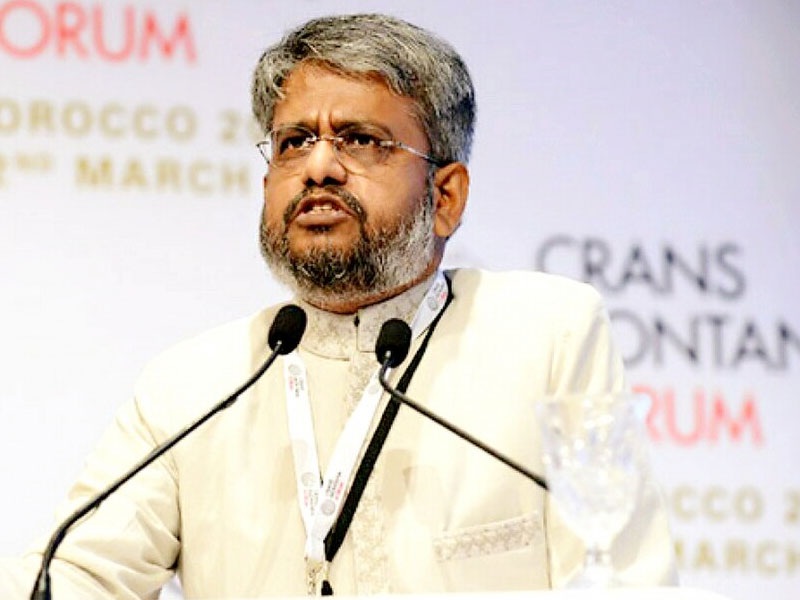
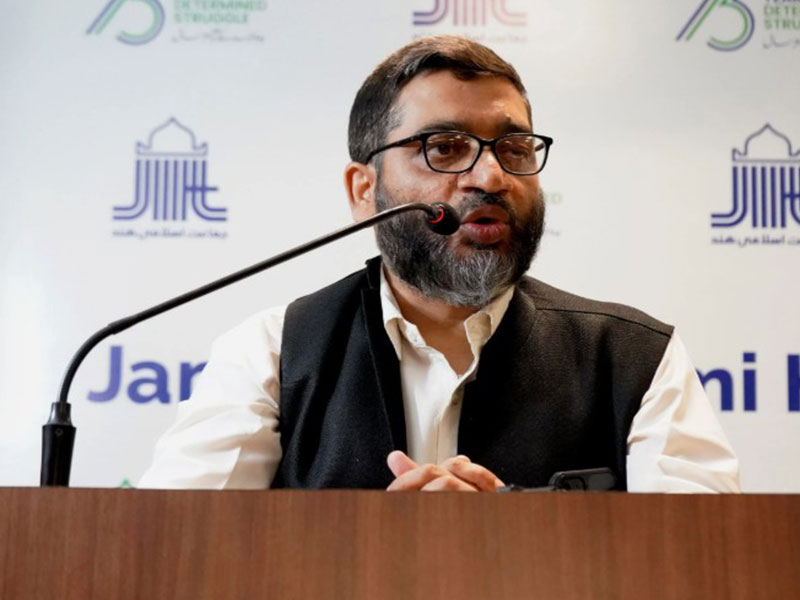
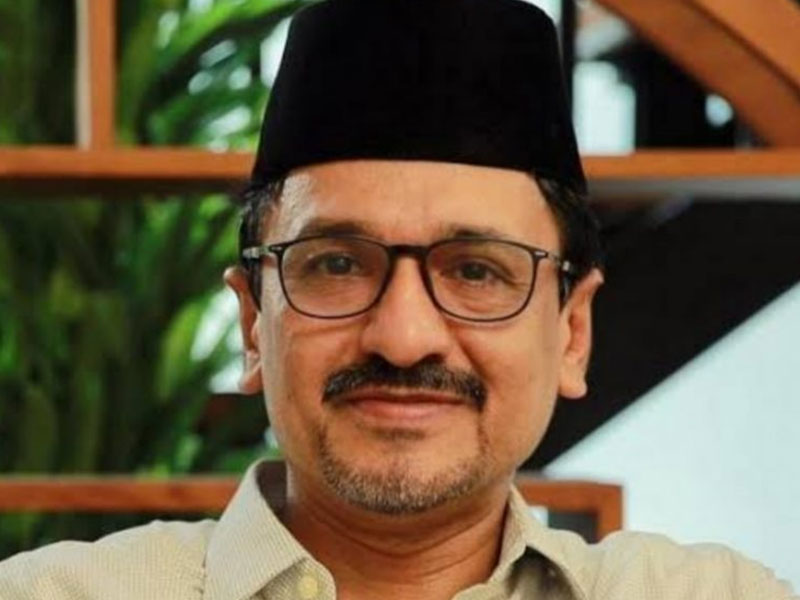
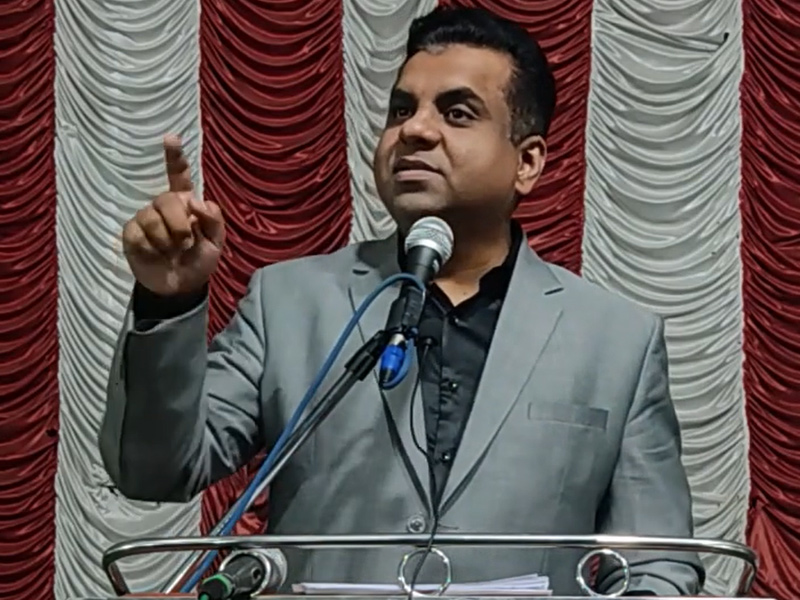
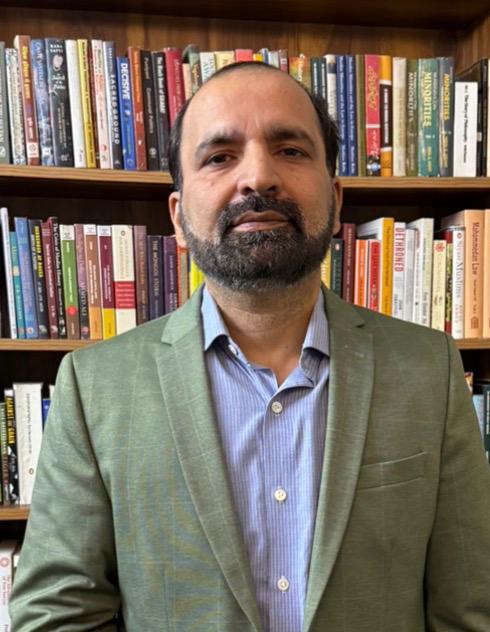
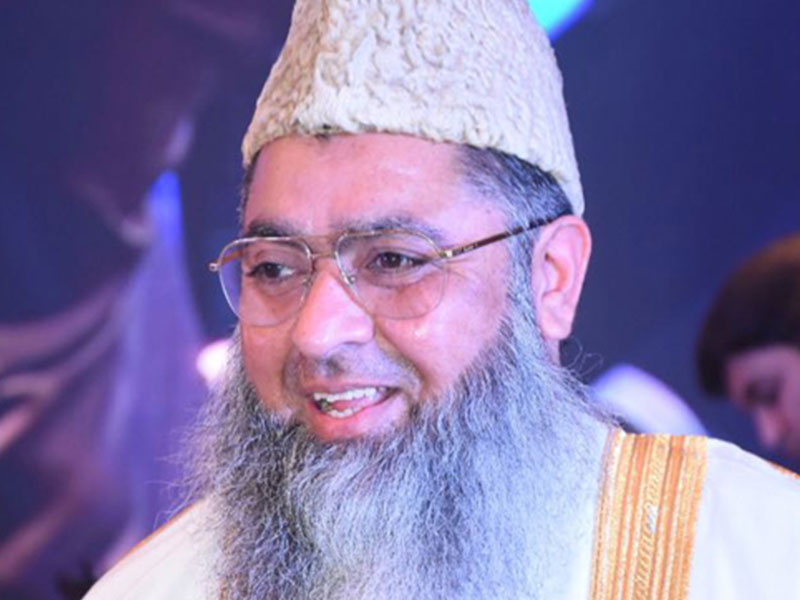
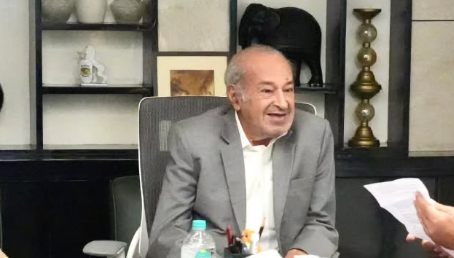
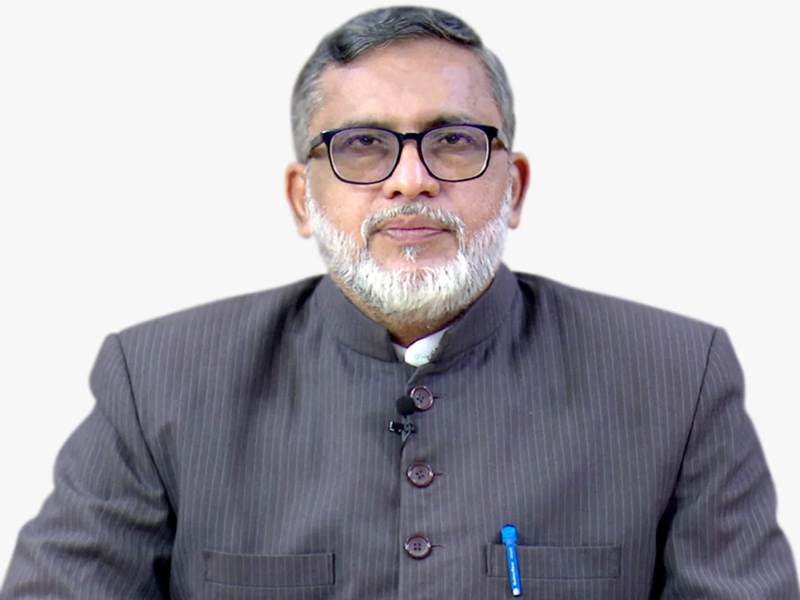
Mr. Malik Motasim Khan (1967-) born in Mudhole of present-day Nirmal district, Telangana, has emerged as a prominent figure in social leadership, and community development. Mudhole was earlier part of the undivided Adilabad district, which was later reorganized in 2016 into four districts—Adilabad, Komaram Bheem, Mancherial, and Nirmal—reflecting the region’s evolving administrative landscape.
With over two decades of experience in administration, leadership, people management, and community engagement, Mr. Khan’s journey has been shaped by a strong academic foundation and a deep commitment to public causes. He began his career as a school teacher in Telangana. His dedication to education was inspired in part by his father, Mr. Ashfaque Ali Khan, a respected and well-known teacher in the region.
During his student years, he emerged as an active student leader and went on to serve the Students Islamic Organisation of India (SIO) in various capacities, from state leadership roles to National President for a two-year term.
His organizational journey continued with Jamaat-e-Islami Hind (JIH), where he served as Zonal President for Andhra Pradesh and Odisha from 2007 to 2011. From 2019 to 2023, he functioned as National Secretary of JIH’s Department of Community Affairs, before assuming the role of Vice President. He is also a member of JIH’s highest decision-making body, the Central Advisory Council, Convenor of the Central Political Committee, and a member of the Telangana State Wakf Board.
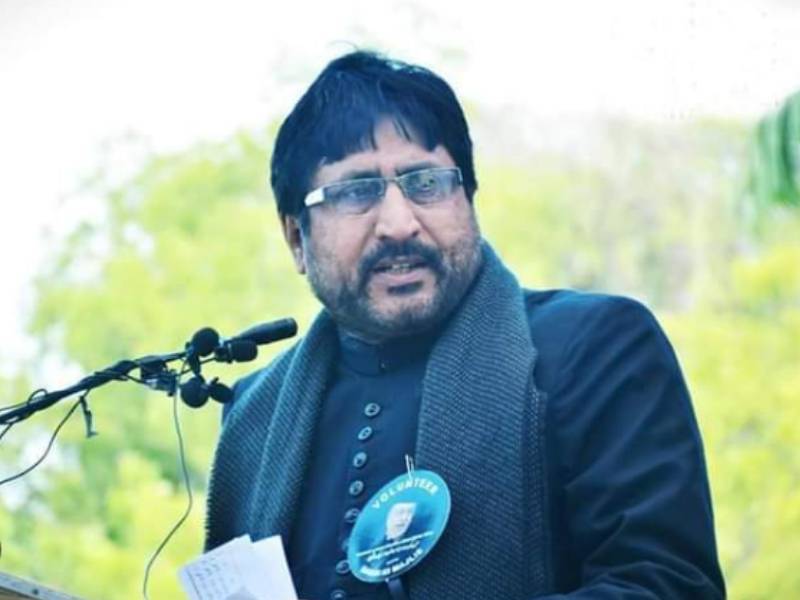
Actively involved in the Telangana movement, Mr. Khan played a significant role in mobilizing public support, including leading the historic ‘Telangana Garjana’ mass gathering in 2010. A compelling orator who reflected his enduring commitment to justice, education, and democratic participation.
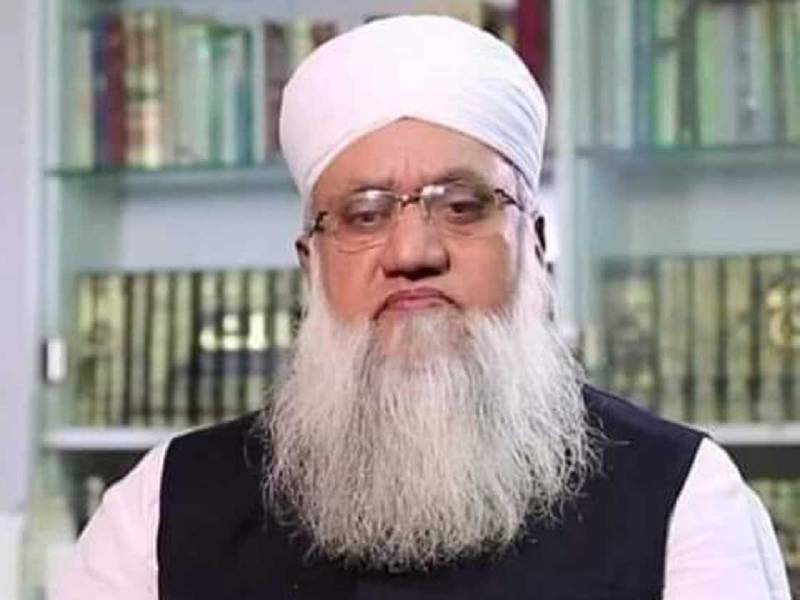
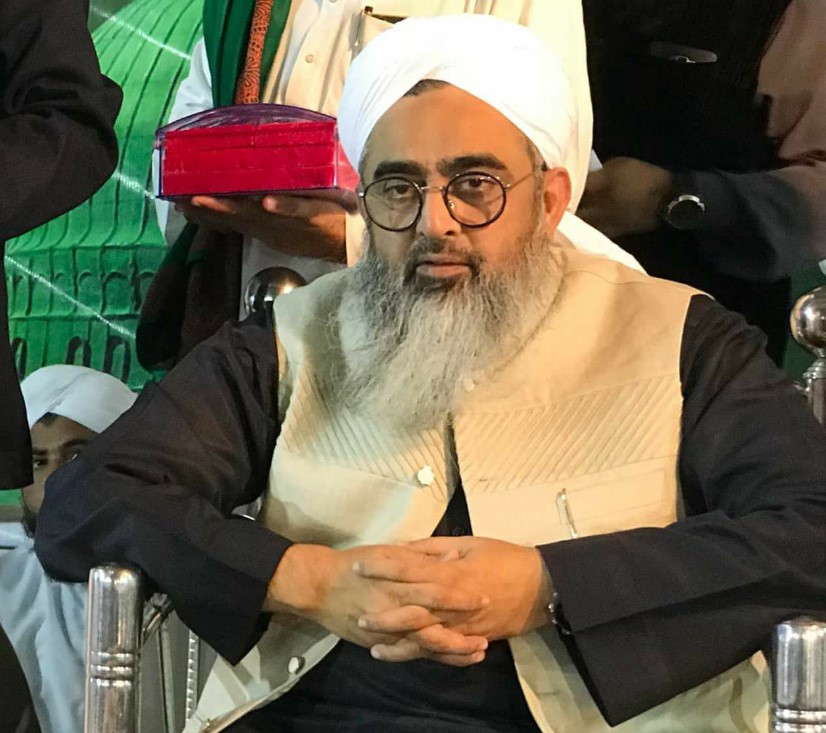
Qumruzzama Azmi: Islamic Scholar
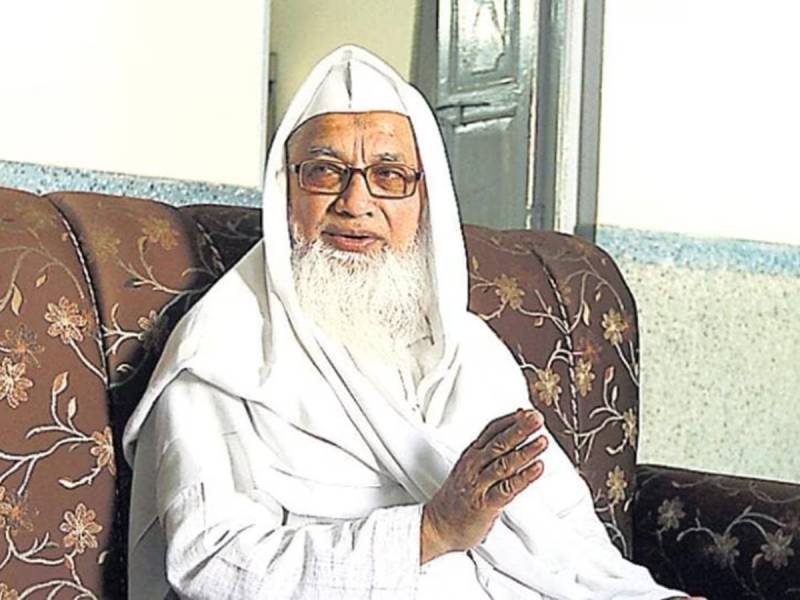
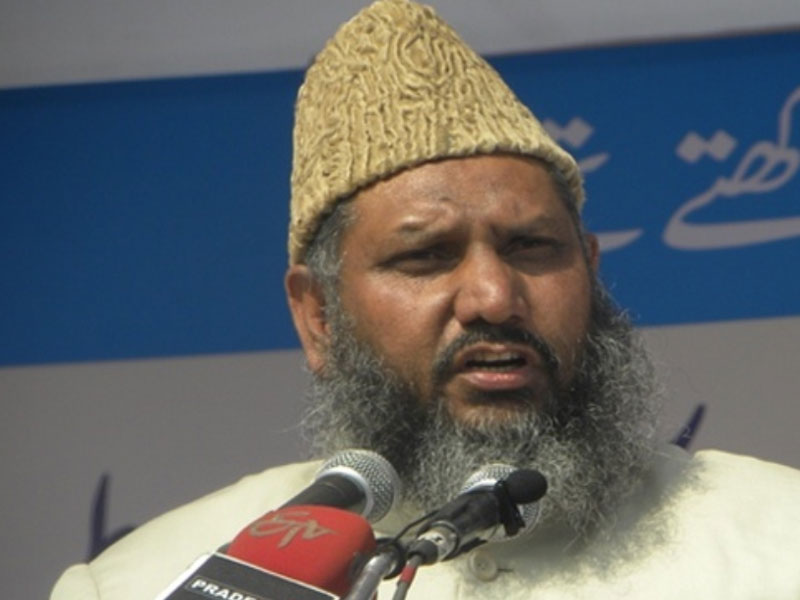
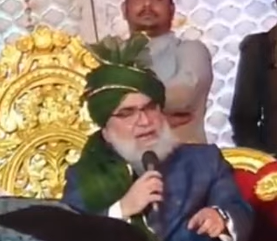
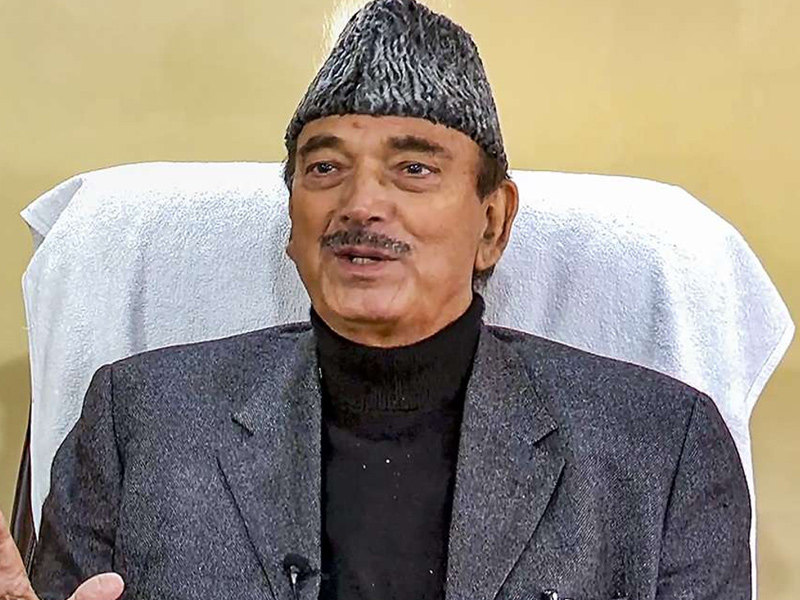
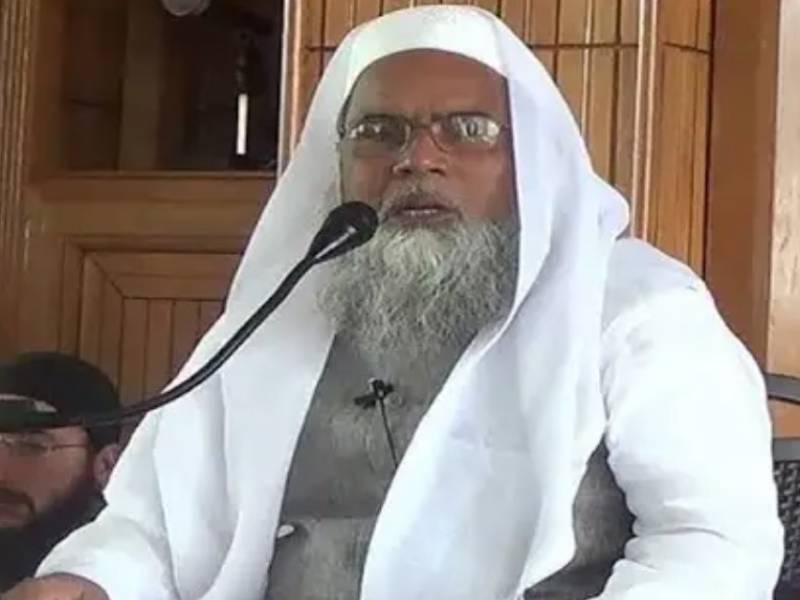
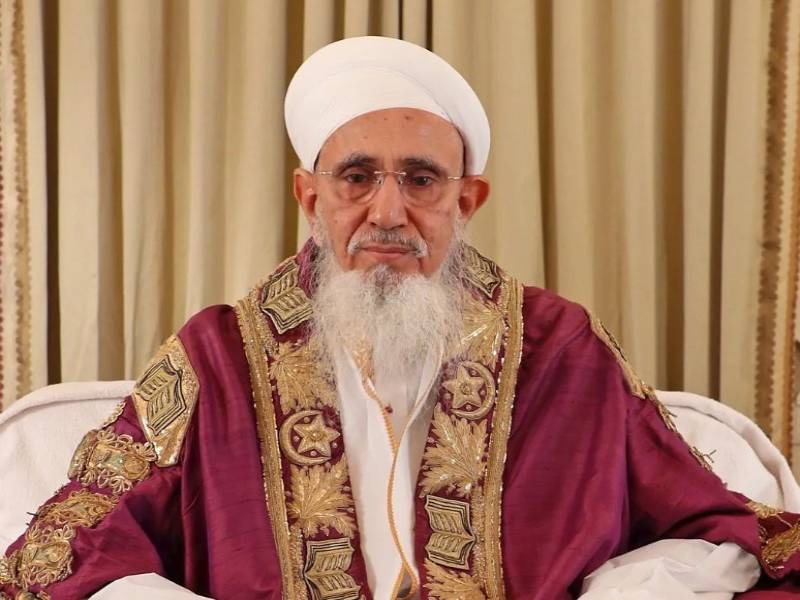
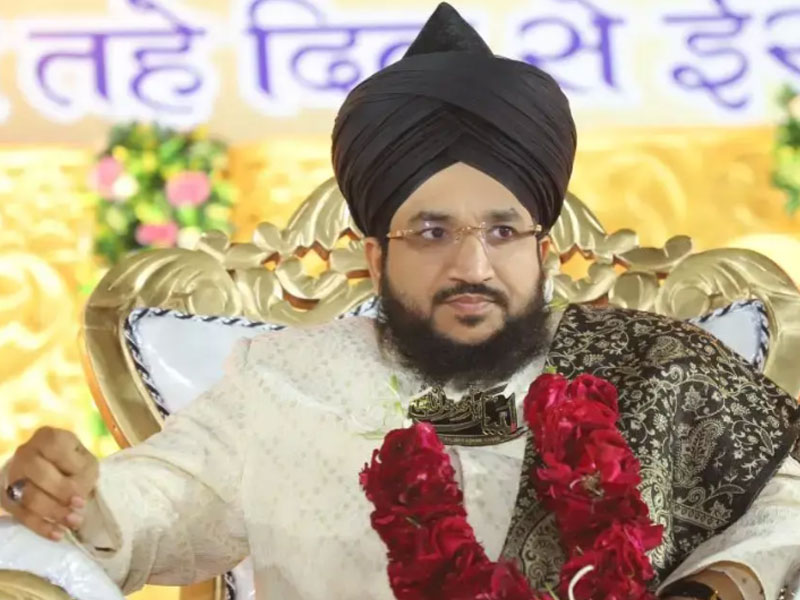
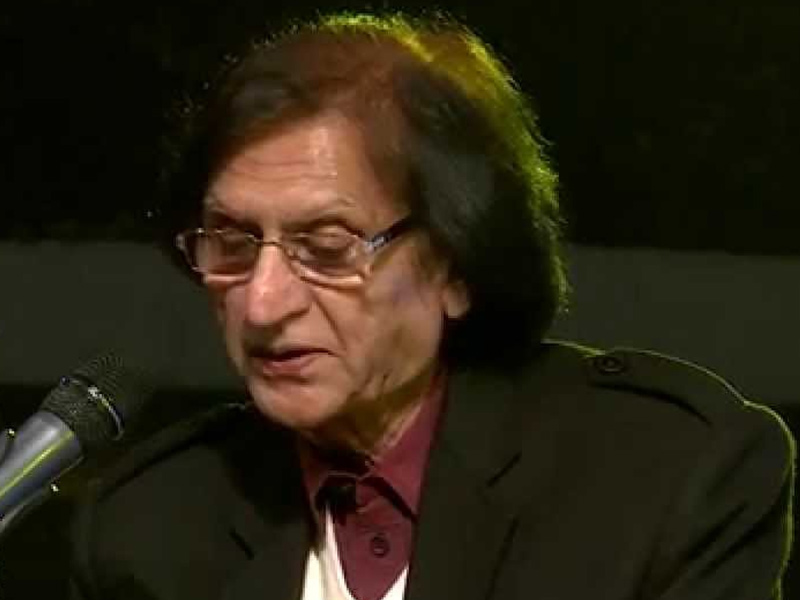
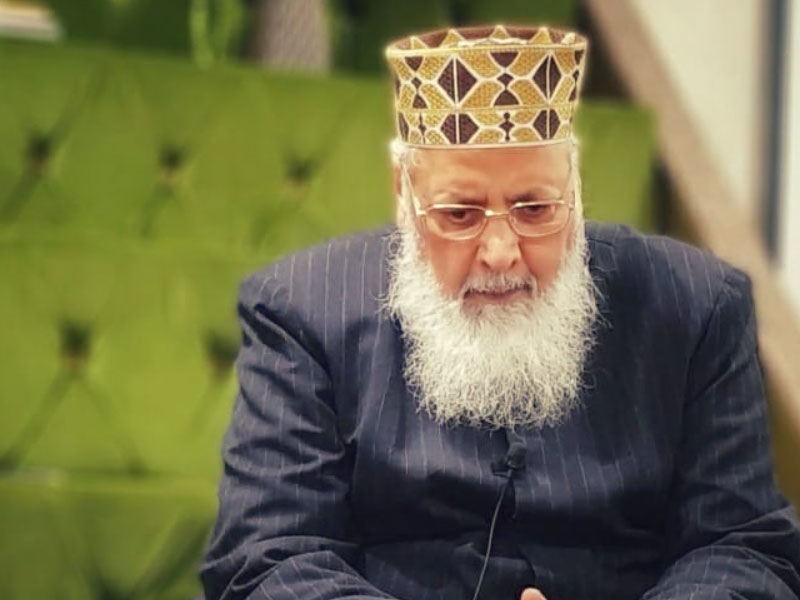
Qumruzzama Azmi (born 1946) widely respected as Maulana Azmi, is a distinguished Islamic scholar and one of the most influential voices in contemporary Islamic thought and leadership. Born in Azamgarh, Uttar Pradesh, India, in 1946, he received his early Islamic education at the esteemed Al Jamiatul Ashrafia, Mubarakpur, where he excelled in Islamic jurisprudence, theology, and Arabic literature.
Maulana Azmi’s profound understanding of Islamic teachings, coupled with his eloquence and insight, quickly earned him a reputation as a dynamic leader. His efforts to bridge gaps between communities and promote Islamic values in modern contexts have made him a sought-after scholar worldwide.
Azmi has dedicated much of his life to serving the Muslim community globally. He is closely associated with the World Islamic Mission (WIM), a prominent organization committed to promoting unity among Muslims and addressing the challenges they face. As the General Secretary of WIM, he has played a pivotal role in establishing mosques, Islamic centers, and educational institutions in various countries, particularly in Europe and North America.
An ardent advocate of peaceful coexistence, Maulana Azmi emphasizes the importance of interfaith dialogue and communal harmony. His lectures and writings have inspired countless Muslims to uphold the principles of justice, compassion, and ethical conduct.
Maulana Azmi is also deeply committed to the socio-economic upliftment of marginalized communities. He has initiated programs for education, healthcare, and poverty alleviation, ensuring the integration of Islamic values with humanitarian service.
Despite his international commitments, he remains rooted in his scholarship, dedicating time to writing, teaching, and guiding students of Islamic sciences. His intellectual contributions and spiritual leadership continue to influence generations of Muslims worldwide.
Qumruzzama Azmi’s legacy is one of knowledge, service, and unwavering dedication to the cause of Islam and humanity.