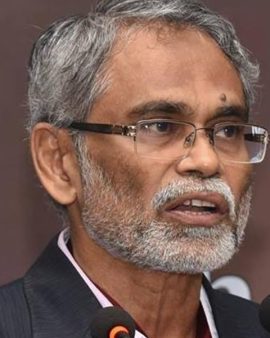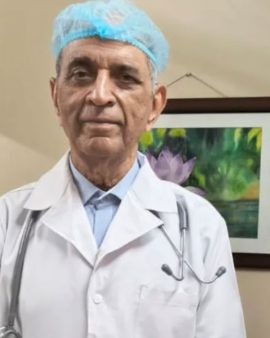
Dr. Ejaz Ali: The Messiah of the Poor
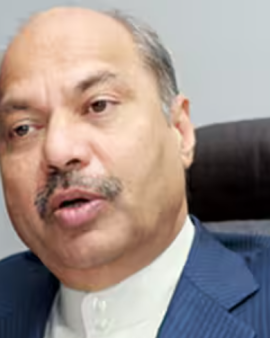
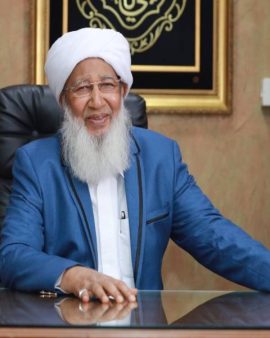
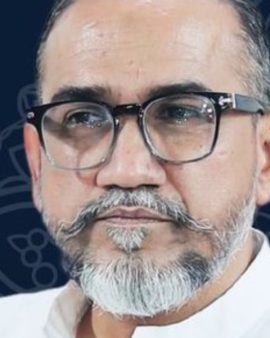
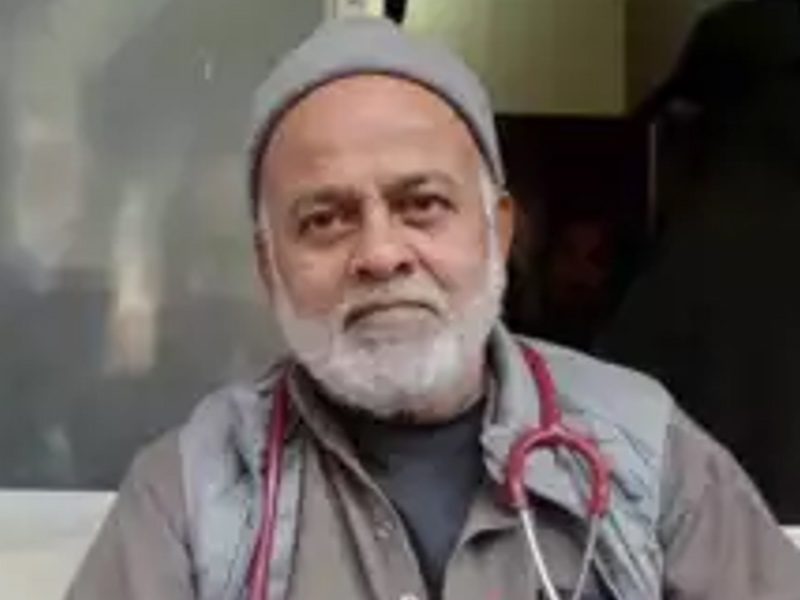
Dr. Ejaz Ali is widely revered as “The Messiah of the Poor” for his lifelong dedication to serving the underprivileged with compassion, integrity, and unwavering selflessness. A doctor by profession and a humanitarian by conviction, he has devoted his life to ensuring that quality healthcare reaches those who are most often excluded from mainstream medical systems—the poor, marginalized, and voiceless.
In an era when medical consultations and treatments often cost thousands of rupees, Dr. Ejaz Ali stands as a rare exception. For more than four decades in Patna, he has charged just ₹10 for consultations, a practice rooted in his belief that healthcare should remain accessible to all, regardless of economic status. His work has made him a household name among the urban poor and rural migrants who see him not merely as a doctor, but as a lifeline.
While many healthcare institutions prioritize profit and efficiency, Dr. Ali prioritizes people and compassion. His surgeries are performed at minimal cost, and he ensures that every patient is seen on the same day, sparing them additional expenses on travel, accommodation, or repeat visits. “I get satisfaction from such service to society,” he once remarked, capturing the philosophy that guides his life and practice.
Service runs deep in his family. His late wife shared the same values of compassion and social responsibility. Today, his legacy continues through his three children, all of whom are doctors. His son, trained at a prestigious institute in the United States, charges a nominal ₹100, while his daughter, a gynecologist, charges just ₹50. In many cases, even these modest fees are waived or accepted in easy installments.
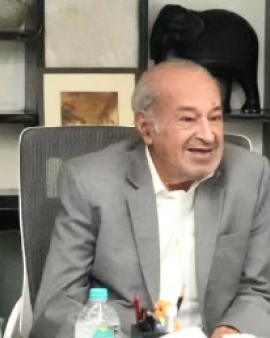
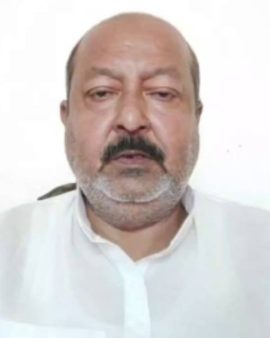
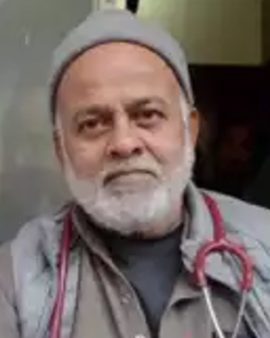
Clad in a simple kurta-pyjama and seated on a plastic chair, Dr. Ejaz Ali treats over 100 patients daily and performs seven to eight surgeries, embodying the profound truth that medicine is not merely a profession—it is an act of humanity.