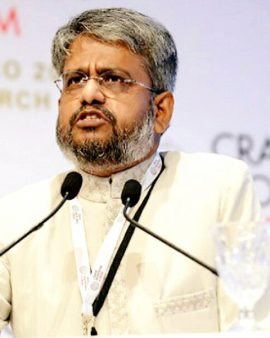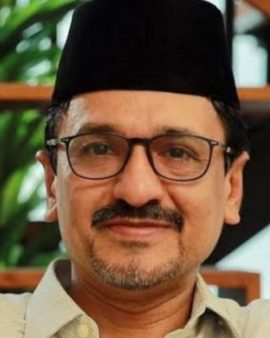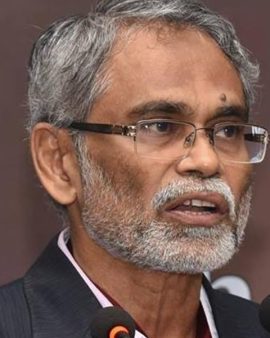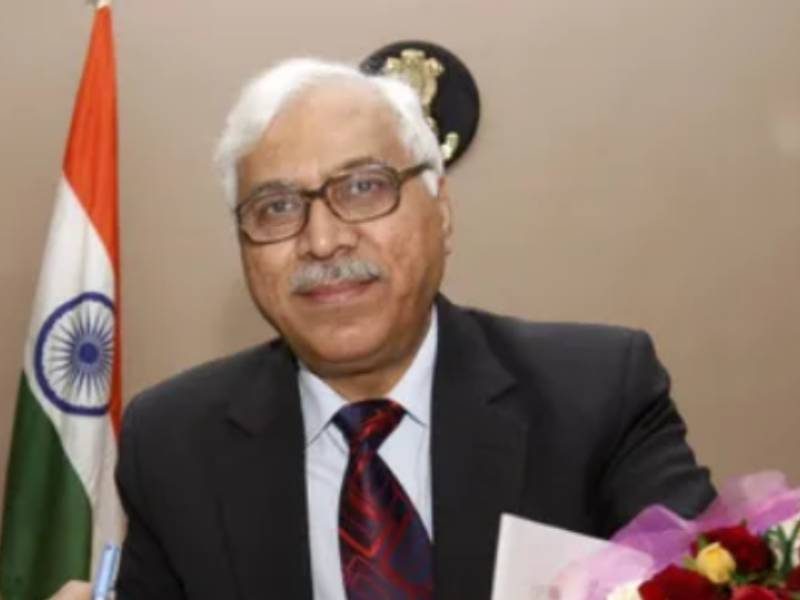
Shahabuddin Yaqoob Quraishi – A Distinguished Civil Servant and Electoral Reformer
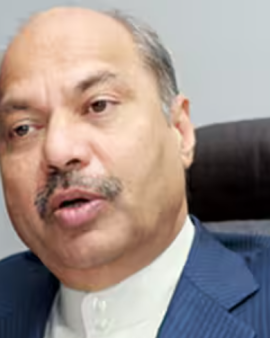
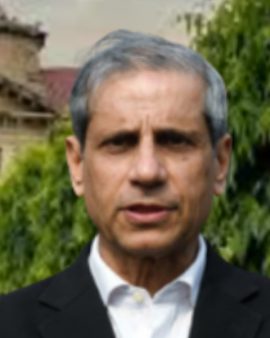
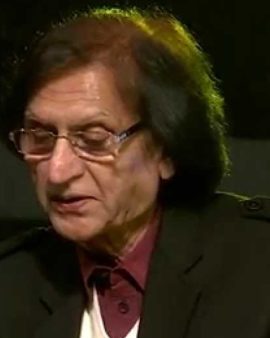
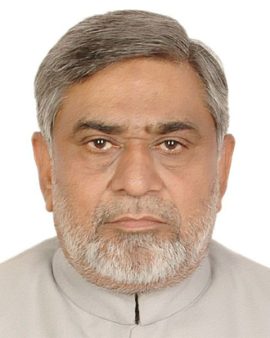
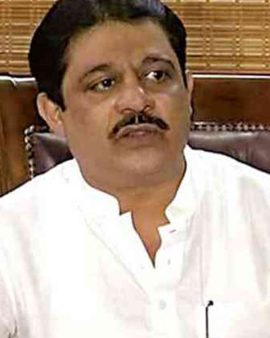
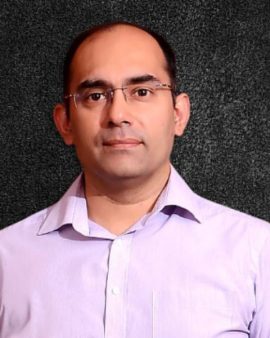
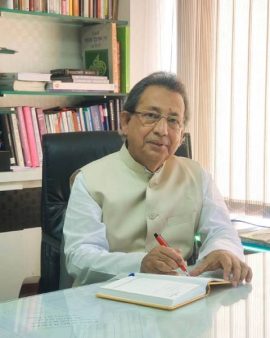
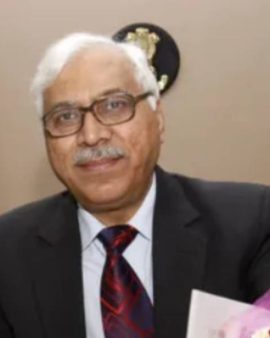
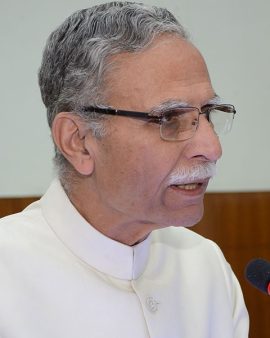
Dr. Shahabuddin Yaqoob Quraishi, born on 11 June 1947, is a retired Indian Administrative Service (IAS) officer who served as the 17th Chief Election Commissioner (CEC) of India from 2010 to 2012. A member of the 1971 Haryana cadre, Quraishi’s career is marked by his groundbreaking work in electoral reforms and his contributions to India’s democratic processes.
Quraishi made history by becoming the first Muslim to hold the position of Chief Election Commissioner. His tenure saw several significant electoral reforms and improvements in the transparency and efficiency of the Election Commission. He succeeded Navin Chawla as CEC on 30 July 2010 and demitted office on 10 June 2012.
Before becoming the CEC, Quraishi had a distinguished career as an IAS officer, including serving as the Secretary in the Ministry of Youth Affairs and Sports. He also holds a Ph.D. in communications and social marketing, highlighting his academic and professional depth.
Apart from his work in the public sector, Quraishi is an accomplished author. His book "An Undocumented Wonder – The Making of the Great Indian Election" provides a detailed exploration of the complexity and scale of India’s elections. He also wrote "Old Delhi: Living Traditions", a coffee-table book that captures the cultural and social life of the historic city of Delhi. His latest work, "The Population Myth", challenges common misconceptions about the demographic growth of Muslims in India, addressing myths spun by right-wing narratives about population and family planning.
Quraishi has been recognized for his influence, featuring in The Indian Express list of the 100 Most Powerful Indians in 2011 and 2012. He currently mentors students as an Honorary Professor at the Cluster Innovation Centre, University of Delhi, and serves as a member of the International Elections Advisory Council.
In 2016, Quraishi was awarded the Honorary Fellowship of the National Indian Students Union UK, joining other luminaries such as Shabana Azmi and Javed Akhtar.
An advocate for electoral reform and democratic participation, Quraishi’s legacy continues to inspire future generations.