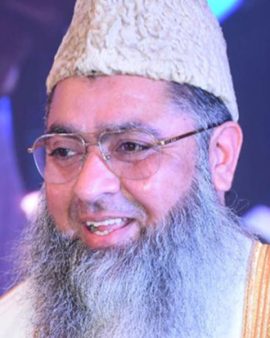
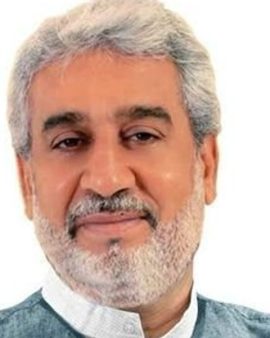
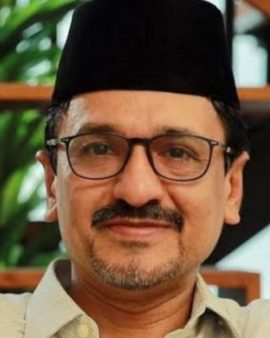
Syed Ubaidur Rahman: Chronicler of Forgotten Histories
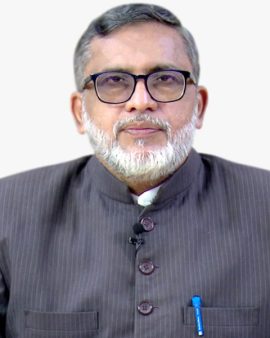
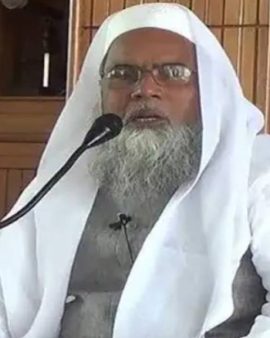
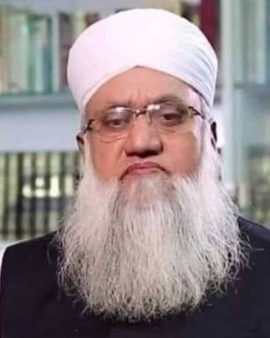
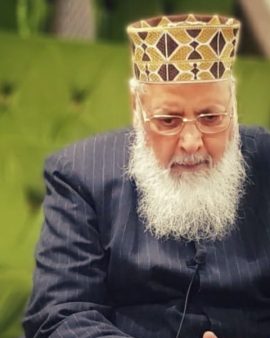
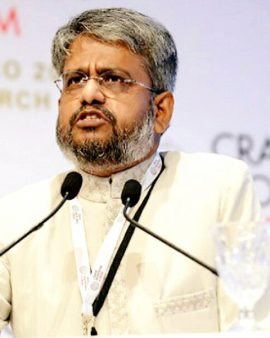
Syed Ubaidur Rahman is a Delhi-based historian and author known for his meticulous scholarship and passionate engagement with India’s social, political, and intellectual history. With a rare ability to bridge academic rigor and accessible storytelling, Rahman has emerged as an important voice documenting narratives that often remain absent from mainstream historical discourse.
Trained in history and deeply rooted in archival research, Rahman’s work focuses on the lived experiences of marginalized communities, the evolution of Muslim societies in South Asia, and the complex interplay between power, politics, and identity in modern India. His writings are marked by a strong commitment to factual accuracy, critical inquiry, and moral clarity, making them valuable both to scholars and general readers.
Based in New Delhi, Rahman has spent years engaging with libraries, archives, and oral histories, carefully piecing together accounts that challenge simplistic or one-sided interpretations of the past. As an author, he is particularly respected for his ability to contextualize historical events within broader social and political frameworks, helping readers understand how history continues to shape contemporary realities.
Beyond books, Syed Ubaidur Rahman is also a regular contributor to journals, magazines, and digital platforms, where he writes essays and commentaries on history, culture, and current affairs. His articles often spark thoughtful debate, as they combine historical depth with sharp analysis of present-day issues. Colleagues and readers alike admire his calm, evidence-based approach in an era increasingly marked by polarised narratives.
Rahman’s work reflects a larger mission: to preserve historical truth, promote informed dialogue, and encourage critical thinking among younger generations. By foregrounding neglected voices and uncomfortable questions, he has carved a distinct space for himself in India’s intellectual landscape. As a historian and author, Syed Ubaidur Rahman continues to remind readers that history is not merely about the past—it is an essential guide to understanding the present and shaping a more just future.