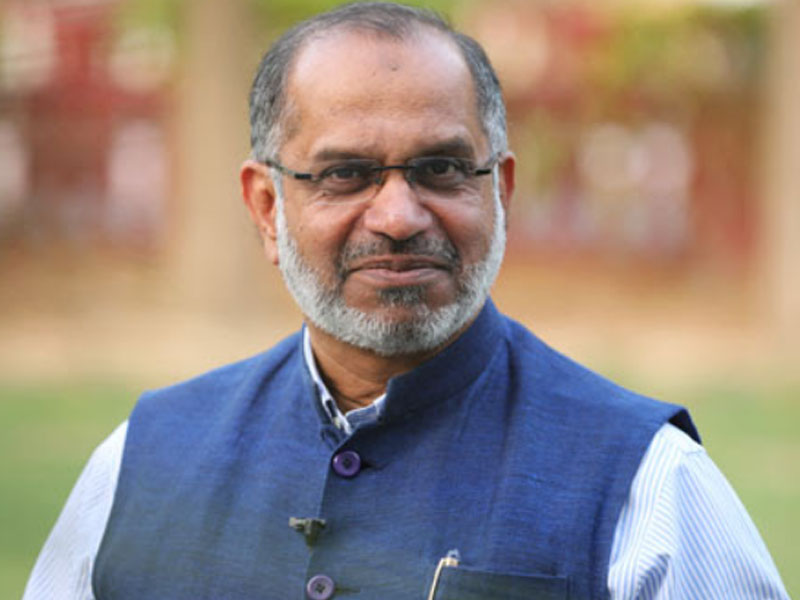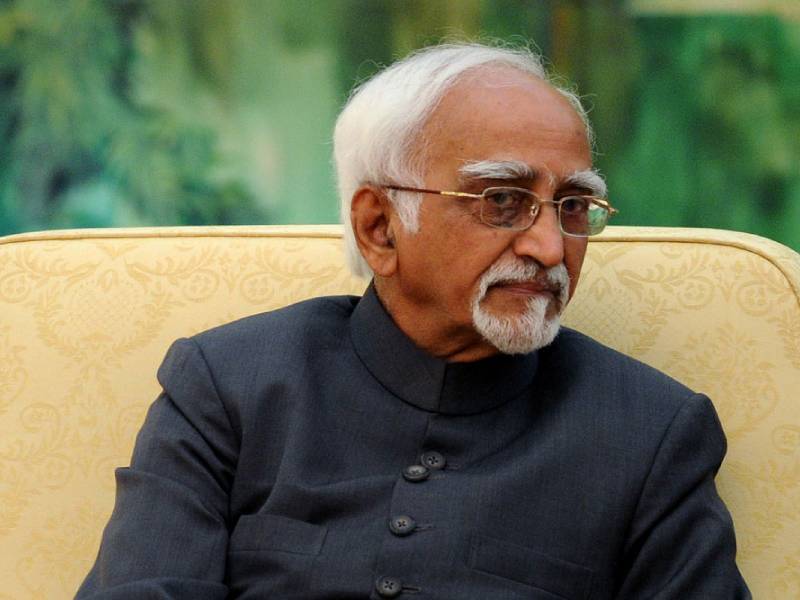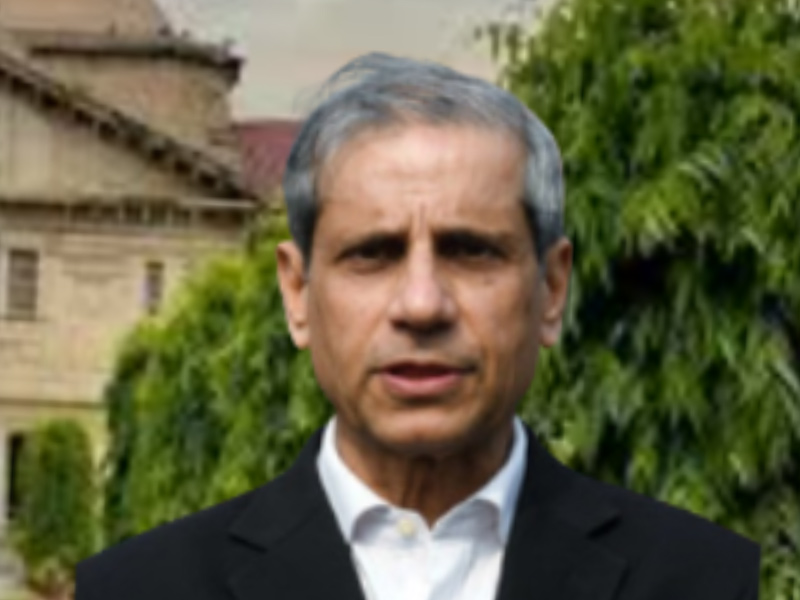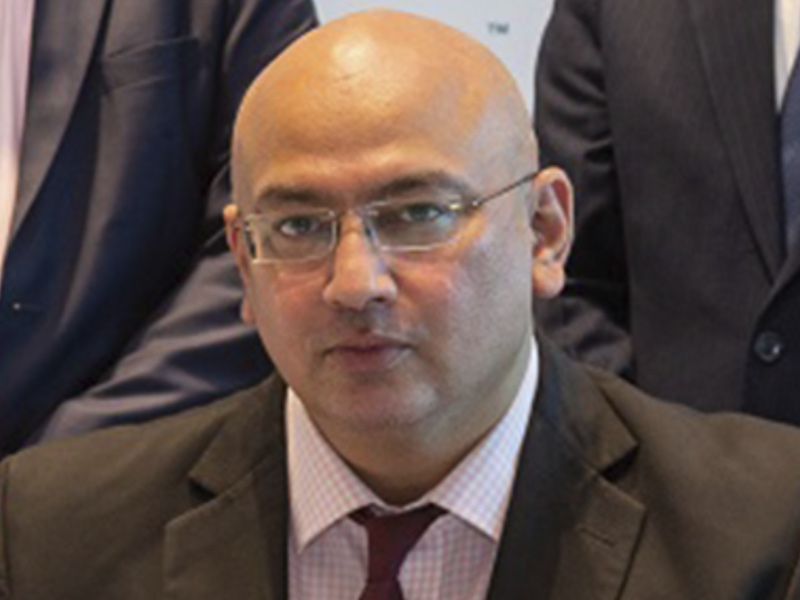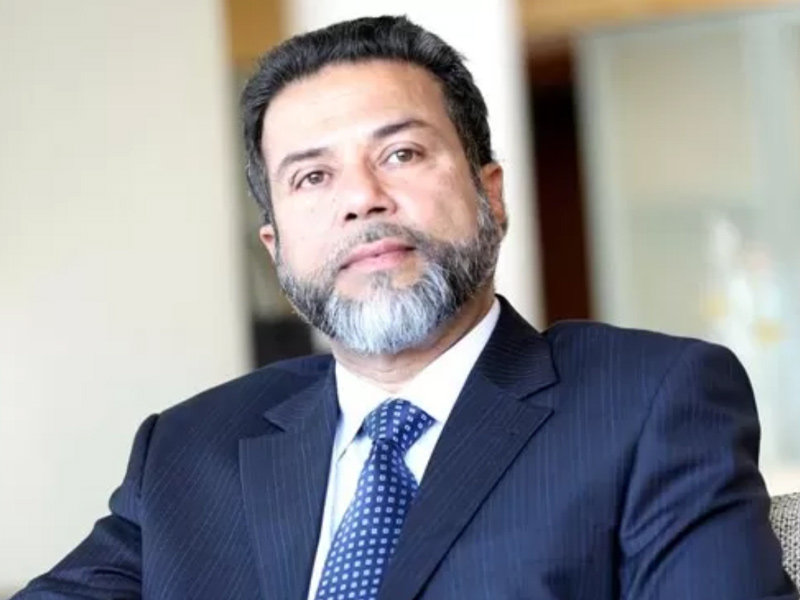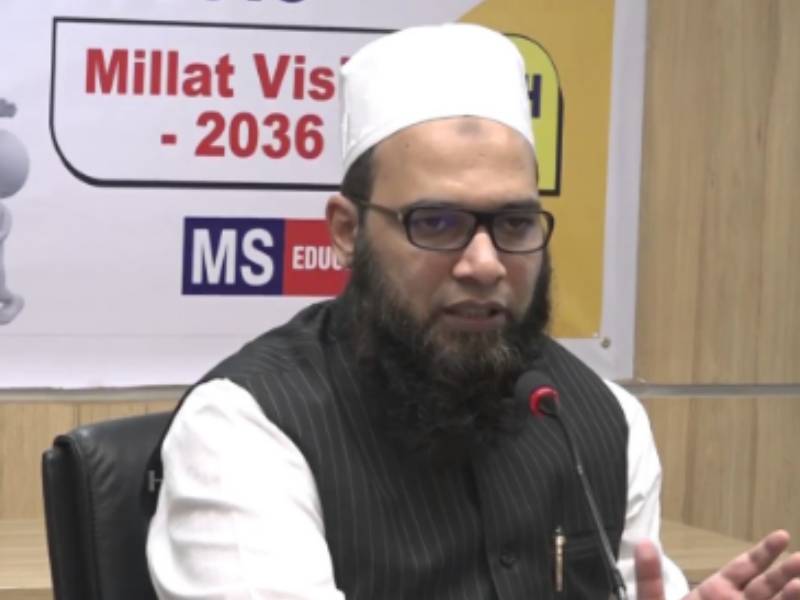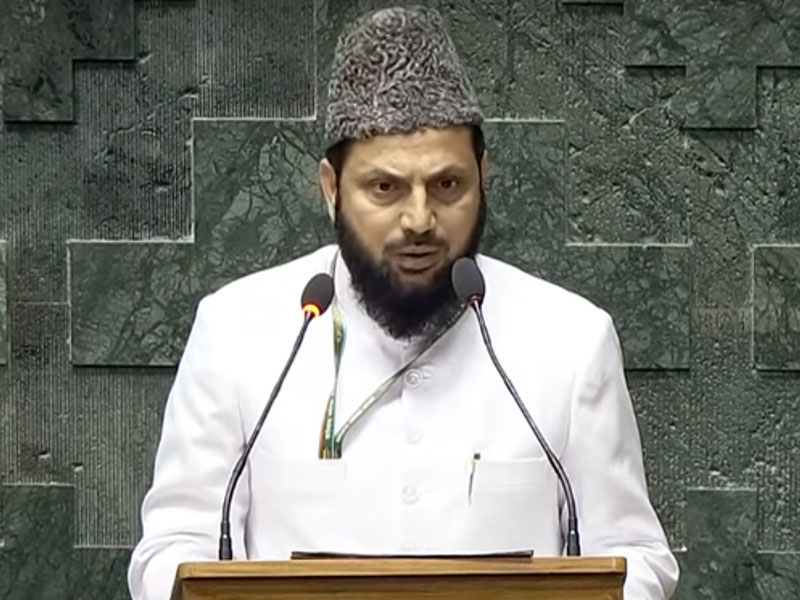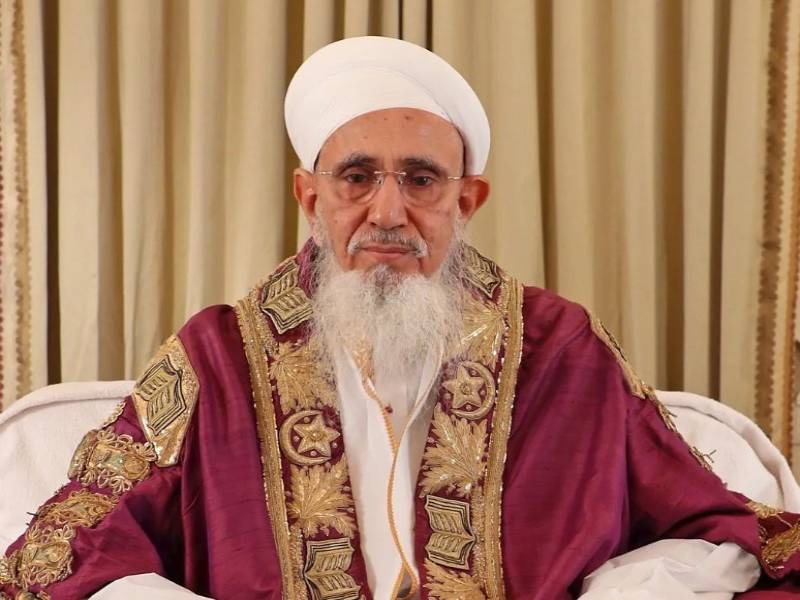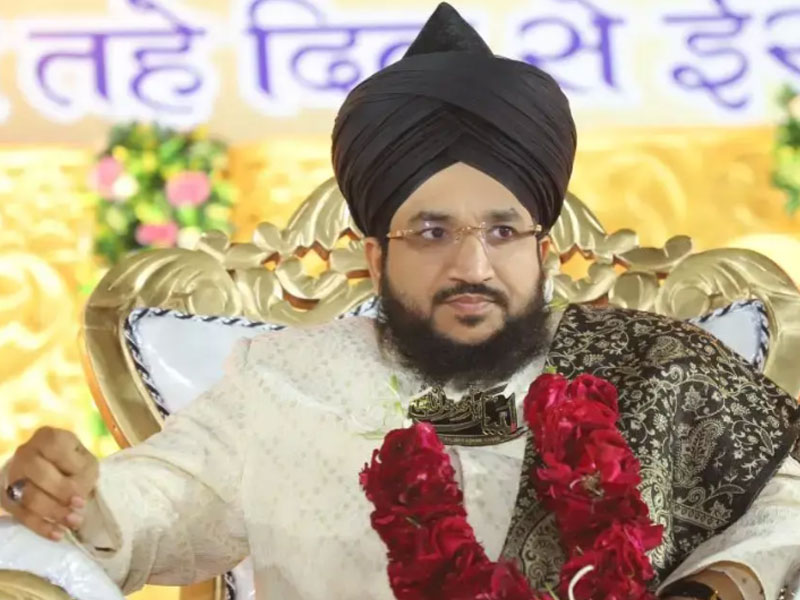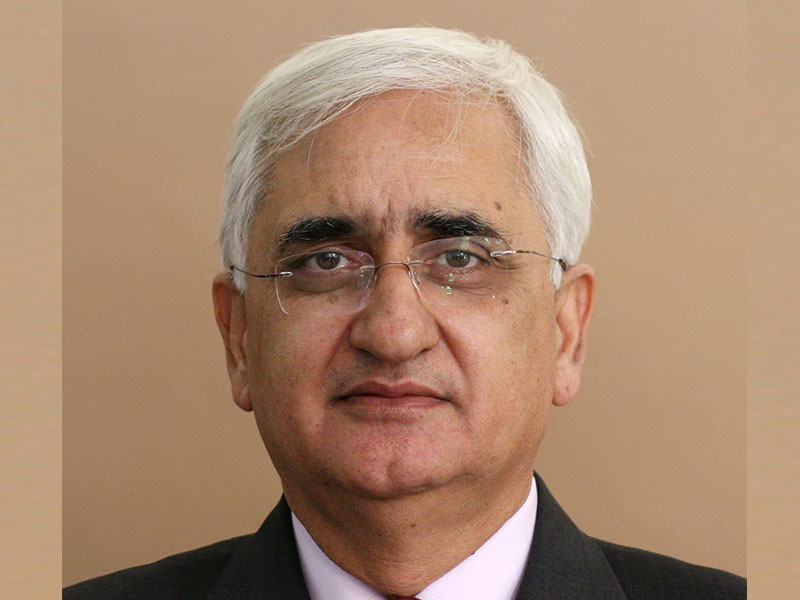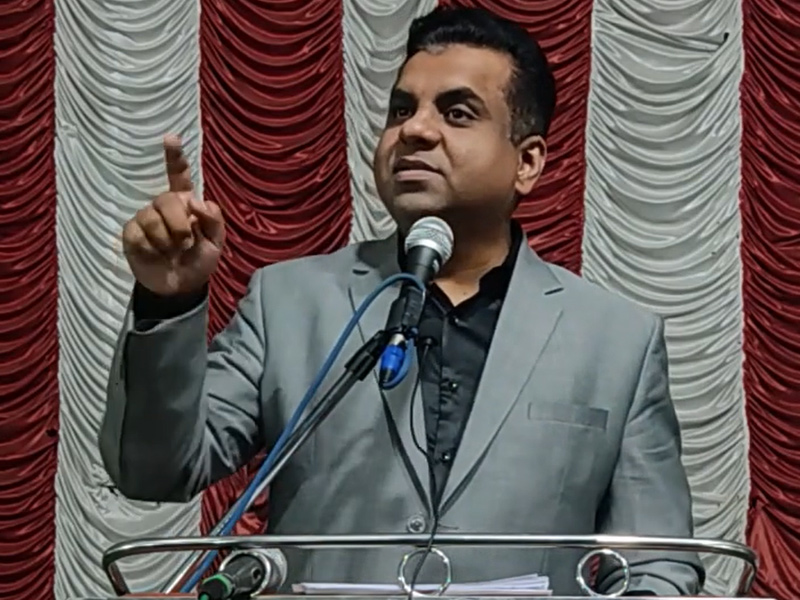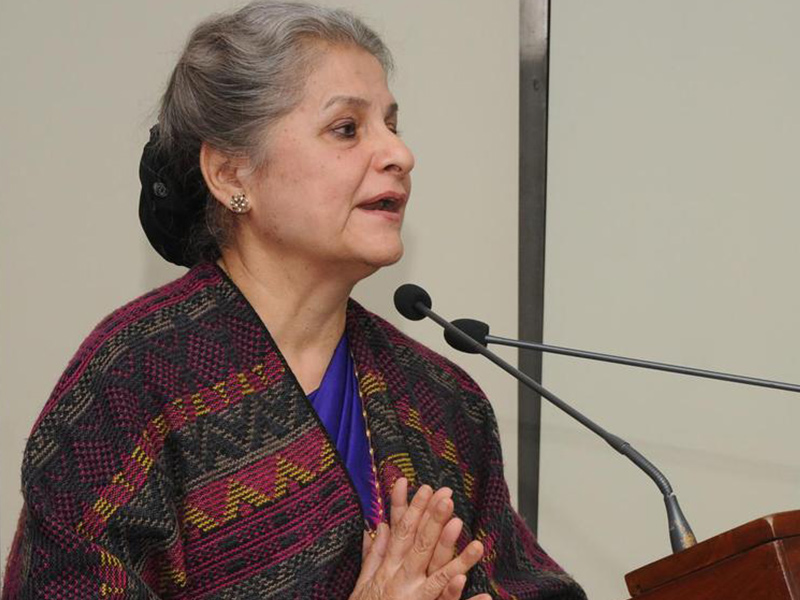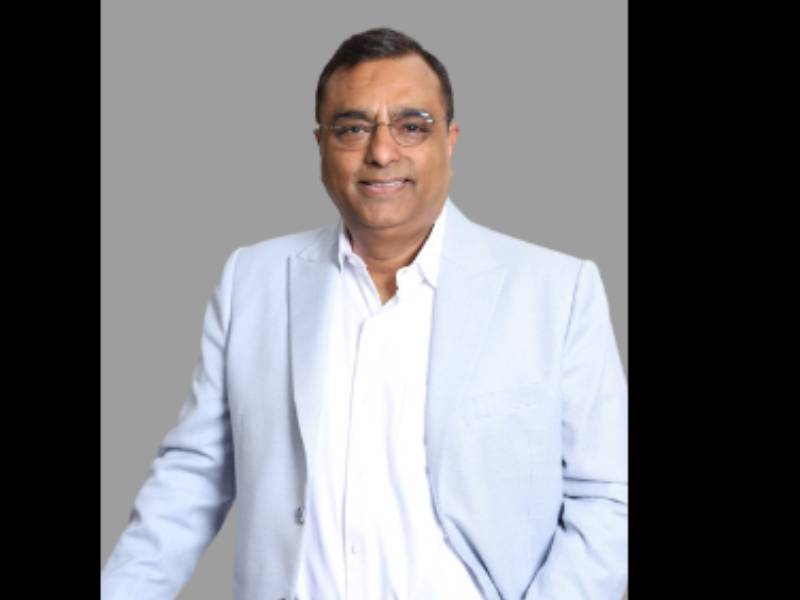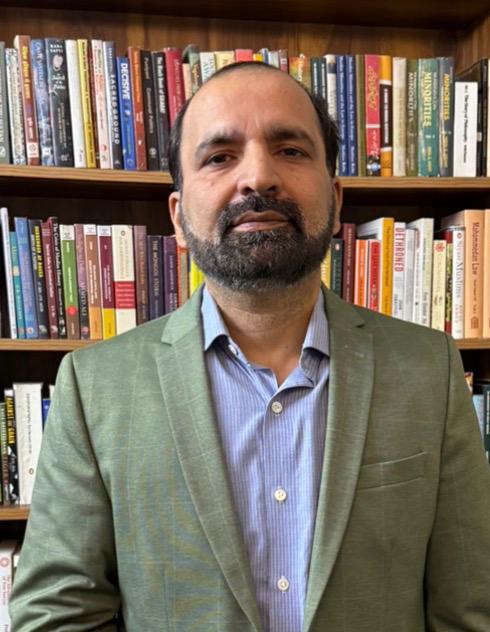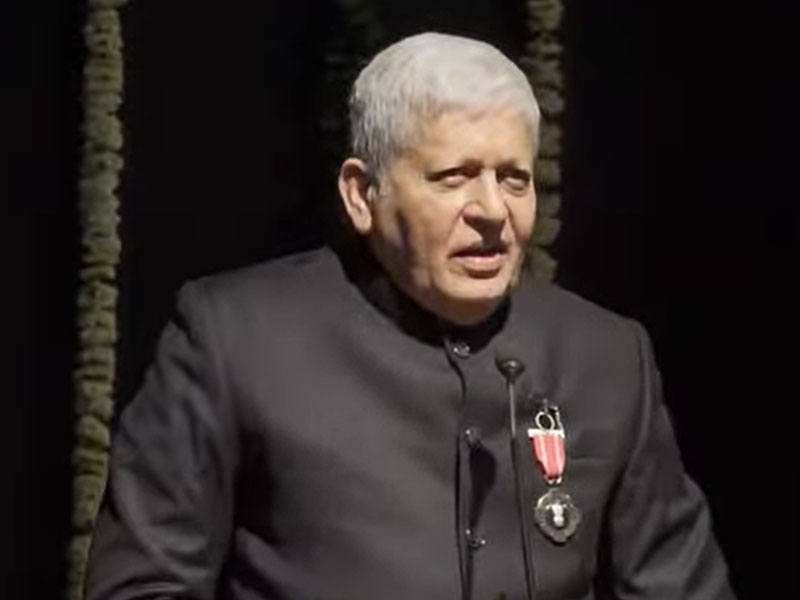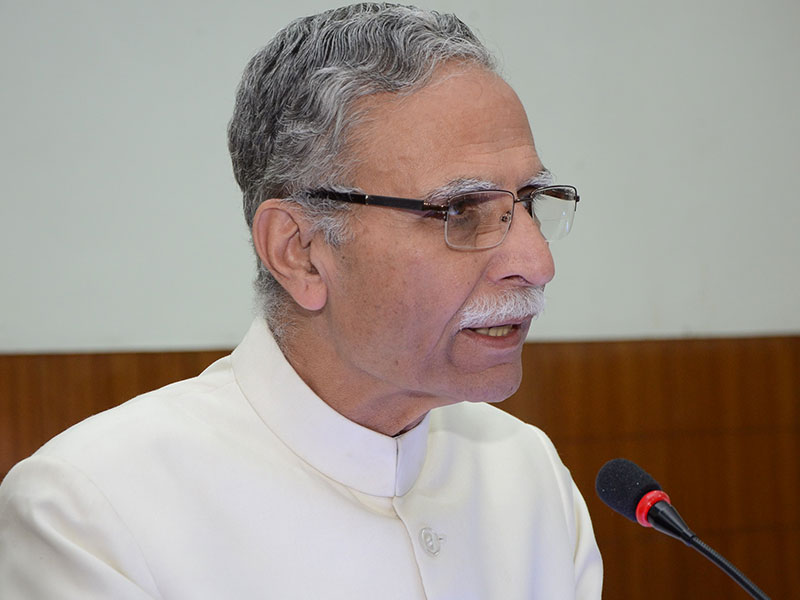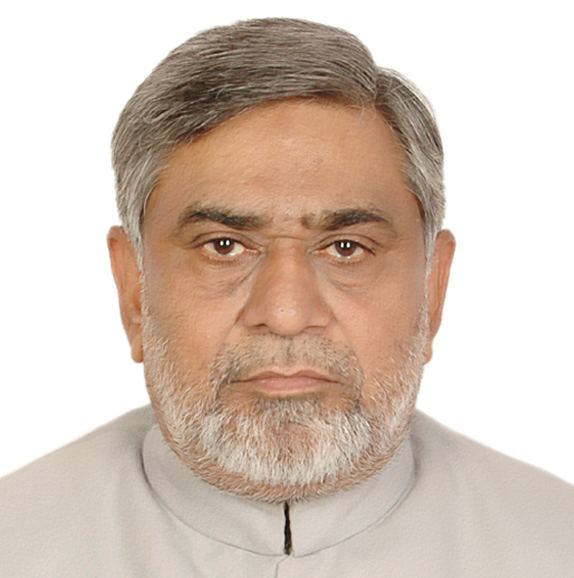
Prof. Akhtarul Wase: A Scholar Bridging Faith, Knowledge, and Contemporary Discourse
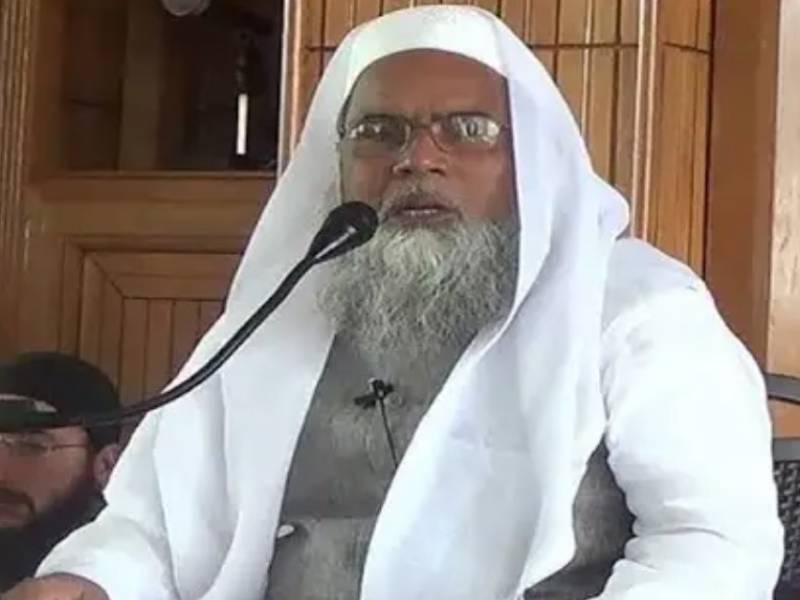
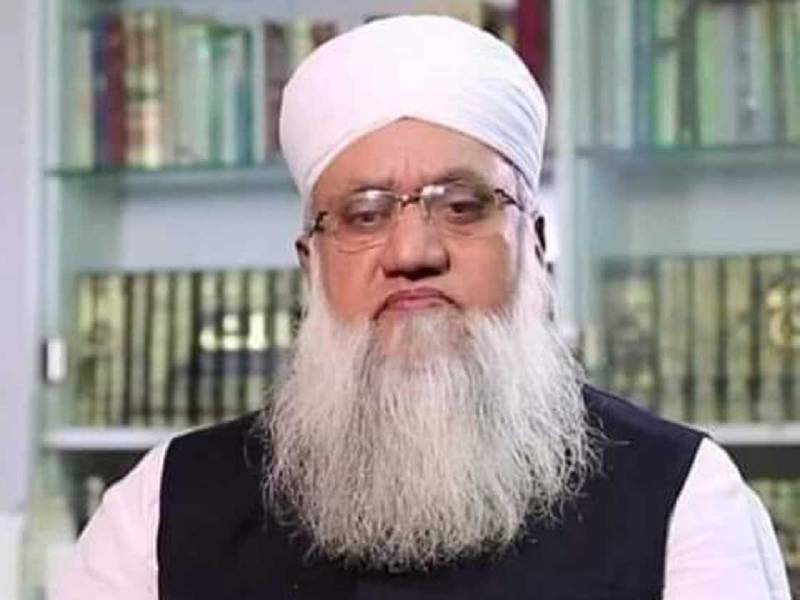
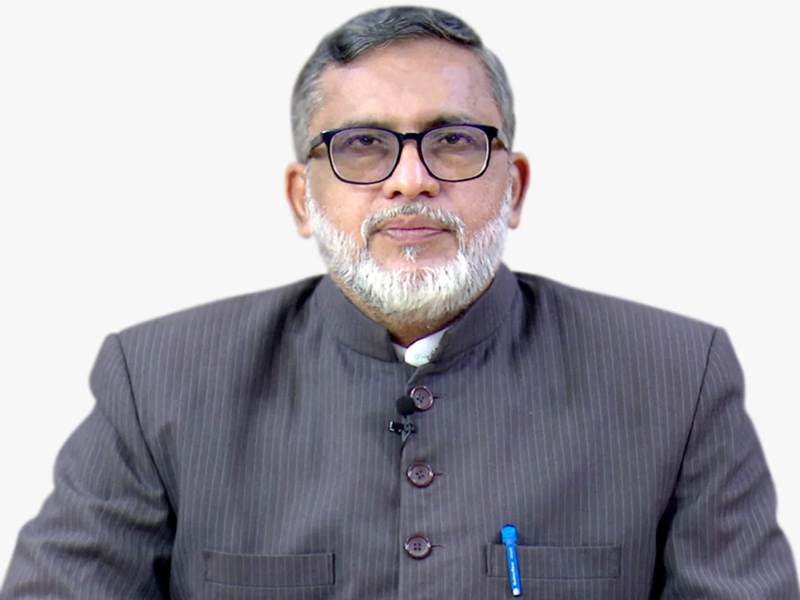
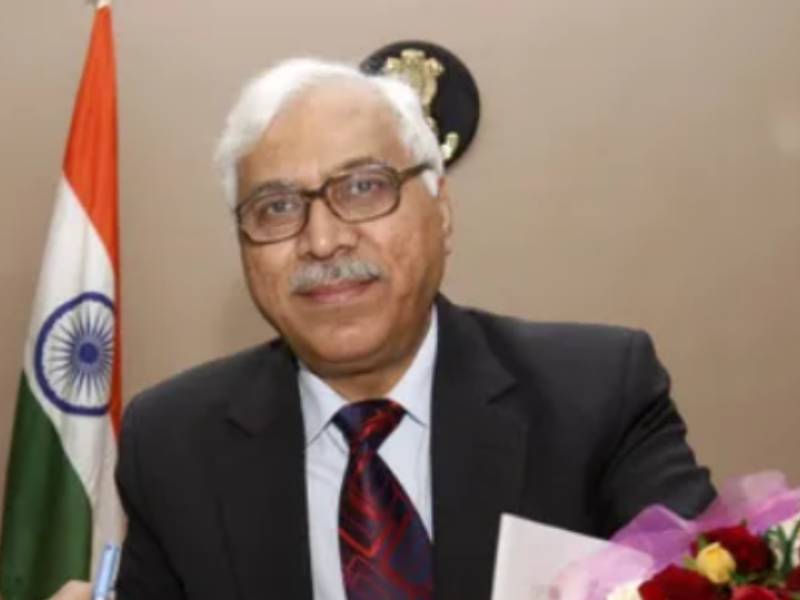
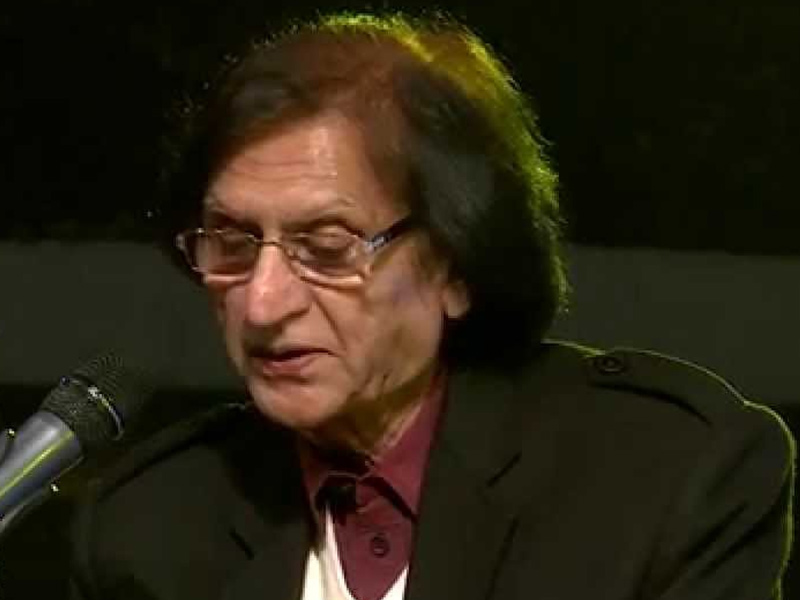
Prof. Akhtarul Wase is widely regarded as one of India’s most respected Islamic scholars—an academic whose life has been devoted to teaching, dialogue, and the thoughtful interpretation of Islam within a modern, plural society. Known for his clarity of thought, balanced scholarship, and gentle demeanor, he has played a pivotal role in shaping contemporary Islamic studies in India.
Born into a family that valued education and moral discipline, Prof. Wase developed an early engagement with classical Islamic learning. He pursued advanced studies in Arabic, Qur’anic sciences, and Islamic theology, while also grounding himself firmly in modern academic traditions. This dual training—deeply rooted in tradition yet open to critical inquiry—became the hallmark of his intellectual approach.
Much of Prof. Wase’s academic career was spent at Jamia Millia Islamia, where he served as Professor and later as Head of the Department of Islamic Studies. During his tenure, he strengthened academic rigor, promoted interdisciplinary research, and mentored generations of students. Many of his protégés have gone on to become scholars, educators, and public intellectuals, carrying forward his emphasis on ethical scholarship and intellectual integrity.
A defining feature of Prof. Wase’s work is his insistence that Islamic scholarship must engage constructively with contemporary realities. He has consistently argued that faith cannot exist in isolation from society, and that modern challenges—such as education, ethics, pluralism, and social justice—require informed and contextual interpretation rather than rigid literalism. His lectures and writings reflect a commitment to moderation, reasoned dialogue, and intellectual openness.
Beyond academia, Prof. Akhtarul Wase has been an active voice in interfaith and intercultural dialogue, representing Indian Muslims at national and international forums. His calm, measured interventions have often countered both extremism and misrepresentation, earning him respect across religious and ideological lines.
As an author writing in Urdu, Arabic, and English, Prof. Wase has explored Qur’anic interpretation, Islamic civilization, ethics, and the relationship between religion and modernity. Marked by humility and approachability, he remains a patient mentor who values questions as deeply as answers.
In an age of polarized religious discourse, Prof. Akhtarul Wase stands as a symbol of balance, compassion, and intellectual depth—demonstrating how faith, guided by reason and ethics, can meaningfully engage the modern world.
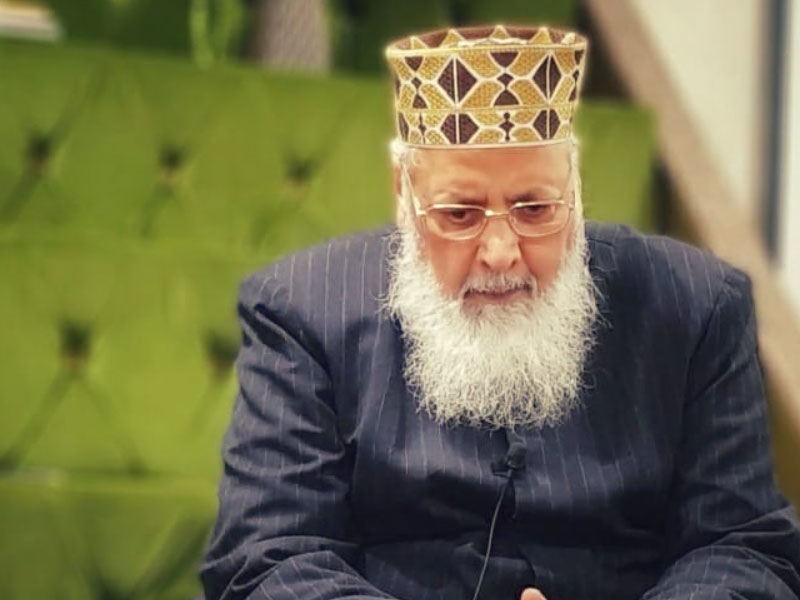
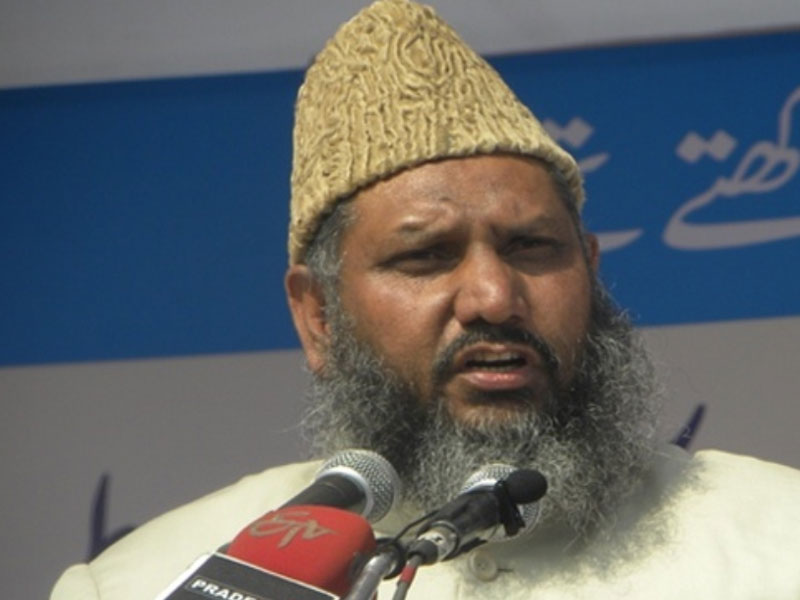
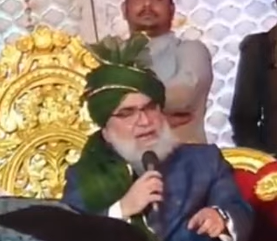
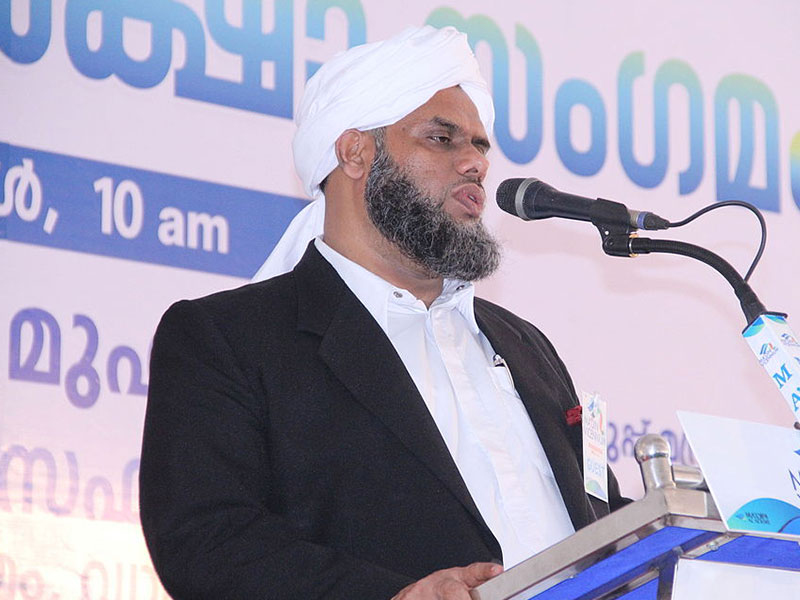
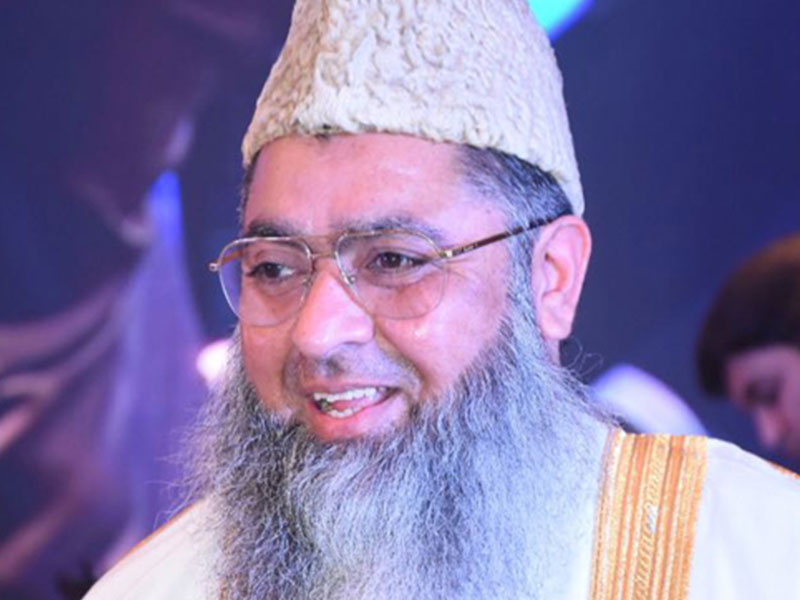
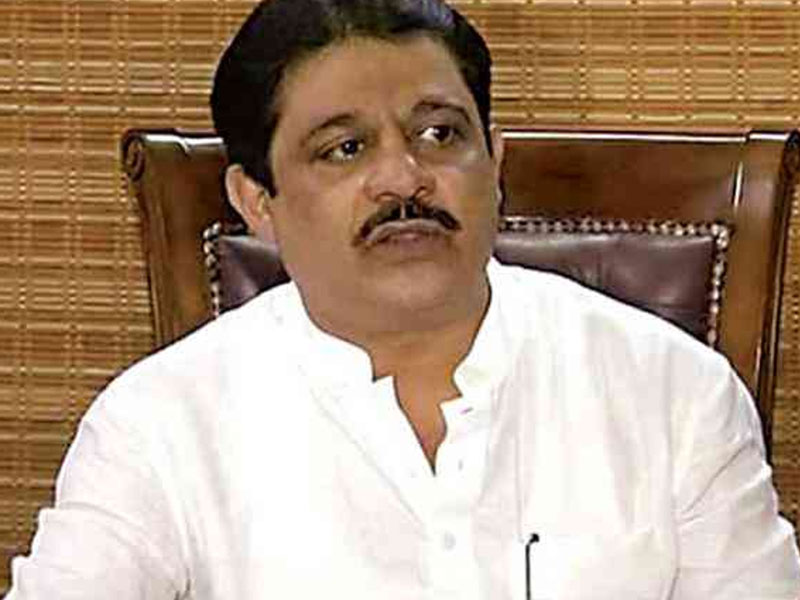
Qumruzzama Azmi: Islamic Scholar
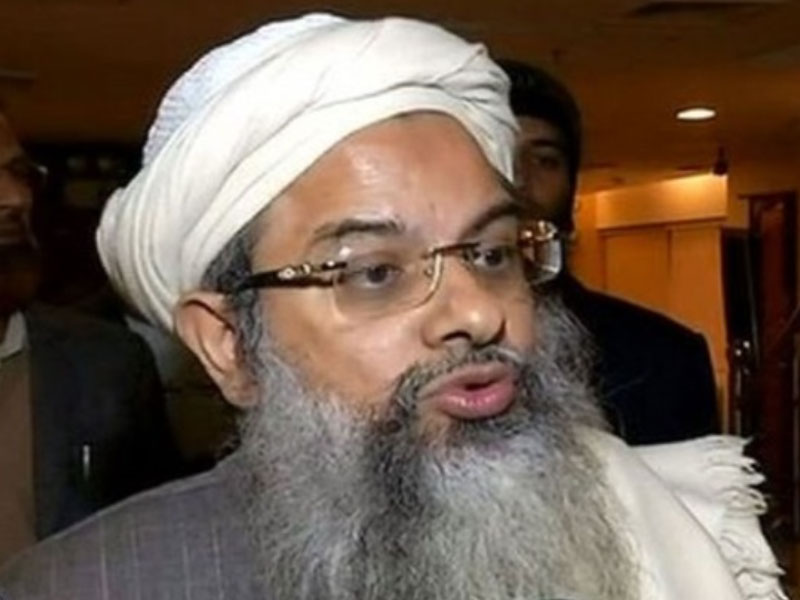
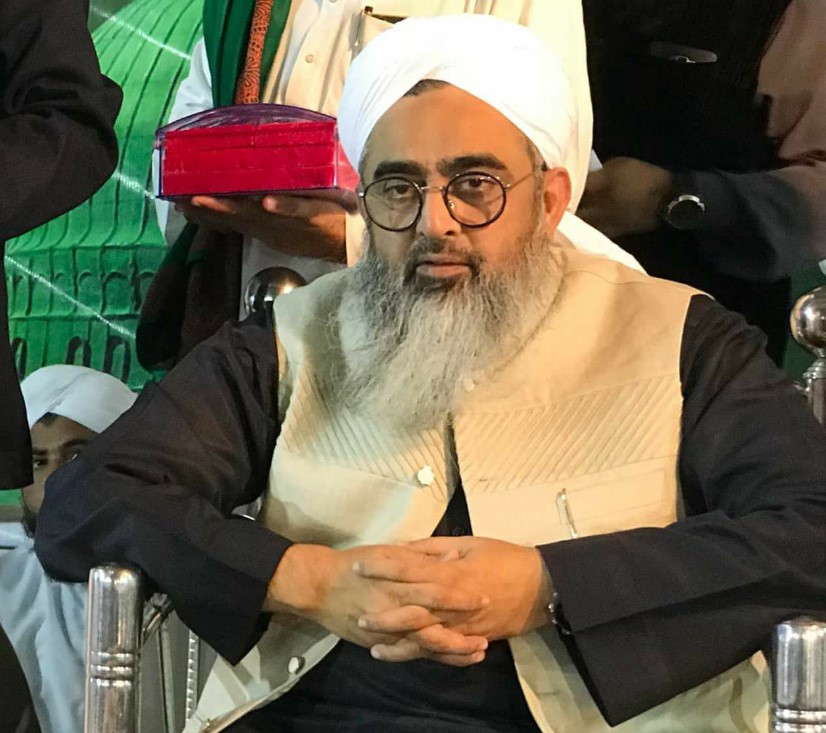
Qumruzzama Azmi (born 1946) widely respected as Maulana Azmi, is a distinguished Islamic scholar and one of the most influential voices in contemporary Islamic thought and leadership. Born in Azamgarh, Uttar Pradesh, India, in 1946, he received his early Islamic education at the esteemed Al Jamiatul Ashrafia, Mubarakpur, where he excelled in Islamic jurisprudence, theology, and Arabic literature.
Maulana Azmi’s profound understanding of Islamic teachings, coupled with his eloquence and insight, quickly earned him a reputation as a dynamic leader. His efforts to bridge gaps between communities and promote Islamic values in modern contexts have made him a sought-after scholar worldwide.
Azmi has dedicated much of his life to serving the Muslim community globally. He is closely associated with the World Islamic Mission (WIM), a prominent organization committed to promoting unity among Muslims and addressing the challenges they face. As the General Secretary of WIM, he has played a pivotal role in establishing mosques, Islamic centers, and educational institutions in various countries, particularly in Europe and North America.
An ardent advocate of peaceful coexistence, Maulana Azmi emphasizes the importance of interfaith dialogue and communal harmony. His lectures and writings have inspired countless Muslims to uphold the principles of justice, compassion, and ethical conduct.
Maulana Azmi is also deeply committed to the socio-economic upliftment of marginalized communities. He has initiated programs for education, healthcare, and poverty alleviation, ensuring the integration of Islamic values with humanitarian service.
Despite his international commitments, he remains rooted in his scholarship, dedicating time to writing, teaching, and guiding students of Islamic sciences. His intellectual contributions and spiritual leadership continue to influence generations of Muslims worldwide.
Qumruzzama Azmi’s legacy is one of knowledge, service, and unwavering dedication to the cause of Islam and humanity.