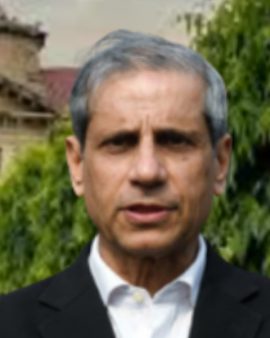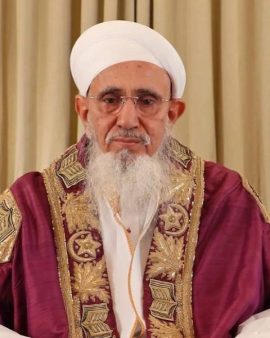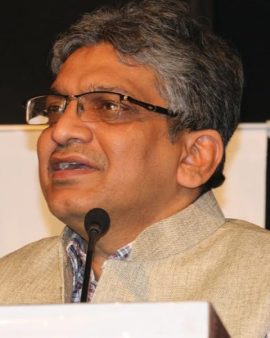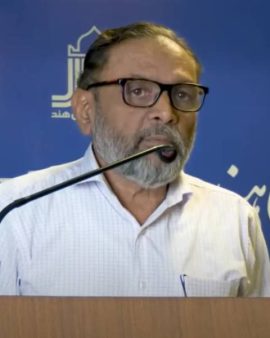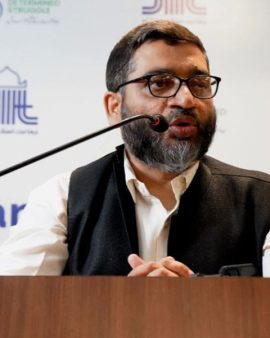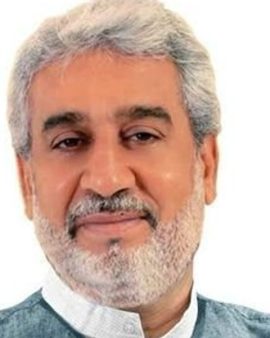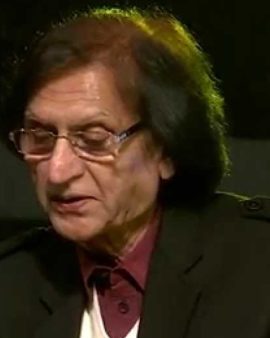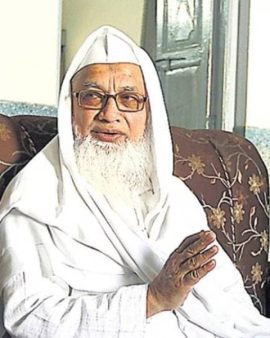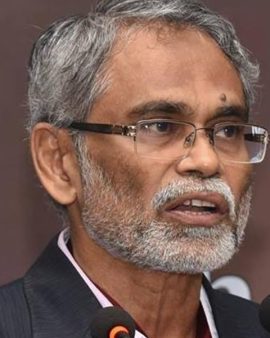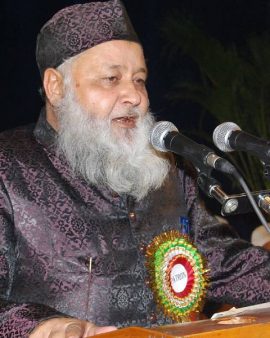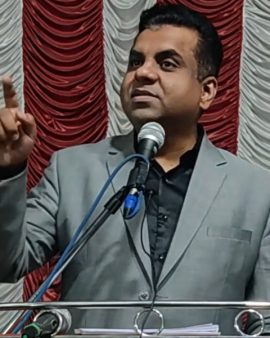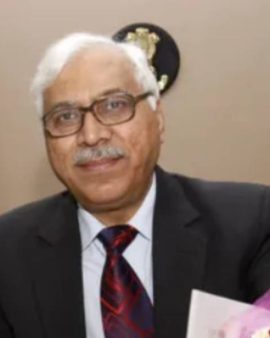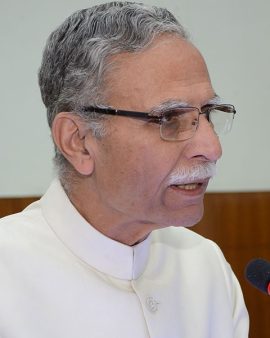
Muhammad Shakir Ali Noori: Islamic Scholar
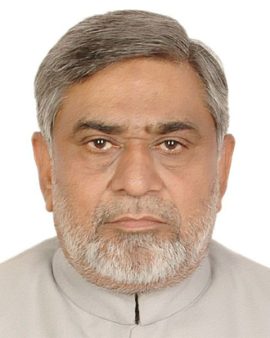
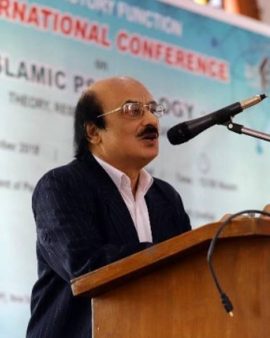
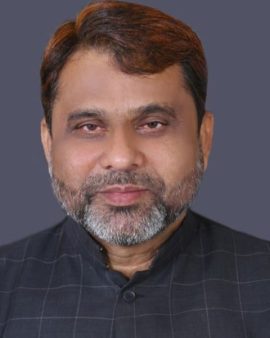
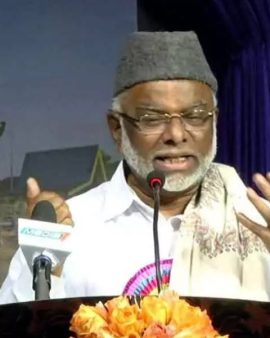
Muhammad Shakir Ali Noori is an influential Indian Muslim scholar, preacher, and reformer from the Sunni school of thought. He founded the Sunni Dawat-e-Islami movement in 1992, which has since gained prominence both in India and globally.
Born in 1960 in Junagadh, Gujarat, to Abdul Karim Memon Noori, Shakir Ali Noori has dedicated his life to Islamic education and community reform. The Sunni Dawat-e-Islami movement, established in Mumbai, quickly became a driving force for spreading Islamic values and education. Through his eloquence, he continues to inspire millions while authoring works that guide the Muslim community.
Shakir Ali Noori has established numerous Islamic seminaries and schools, including English-medium institutions, with a vision to set up 111 such centers. To date, 25 have been successfully launched. His impactful contributions have earned him recognition in the Royal Islamic Strategic Studies Centre's (Jordan) prestigious annual list of the world's 500 most influential Muslims in 2009 and 2014-2015.
He holds Ijazah wa Khilafah in Sufi orders from eminent figures such as Taj al-Shari'ah Mufti Akhtar Raza Khan Azhari and Hazrat Syed Hasnain Miyan Nazmi Marahrawi. He is deeply involved in preaching, training Islamic scholars, and managing religious institutions. Every three years, he organizes a three-day Fiqh Seminar at Jamia Ashrafia Mubarakpur, fostering scholarly discourse.
His notable works include 1- How to Spend Ramadan, 2- The glory of the month of Muharram and Imam Hussain, 3- A bouquet of Sirat-un-Nabi and 4- Modesty in Islam, among others, which underscore his intellectual depth and commitment to reform.
Shakir Ali Noori’s contributions as a scholar, reformer, and leader mark him as a vital figure in the landscape of modern Indian Islam.
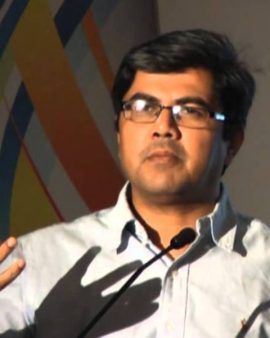
Qumruzzama Azmi: Islamic Scholar
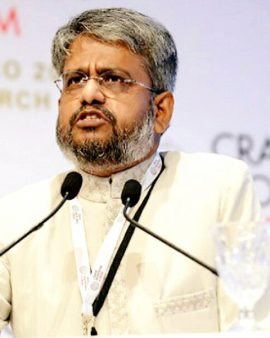
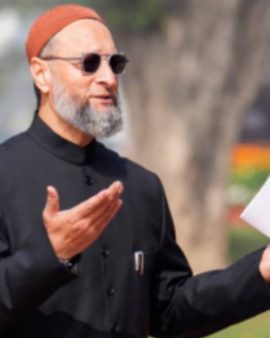
Qumruzzama Azmi (born 1946) widely respected as Maulana Azmi, is a distinguished Islamic scholar and one of the most influential voices in contemporary Islamic thought and leadership. Born in Azamgarh, Uttar Pradesh, India, in 1946, he received his early Islamic education at the esteemed Al Jamiatul Ashrafia, Mubarakpur, where he excelled in Islamic jurisprudence, theology, and Arabic literature.


Maulana Azmi’s profound understanding of Islamic teachings, coupled with his eloquence and insight, quickly earned him a reputation as a dynamic leader. His efforts to bridge gaps between communities and promote Islamic values in modern contexts have made him a sought-after scholar worldwide.
Azmi has dedicated much of his life to serving the Muslim community globally. He is closely associated with the World Islamic Mission (WIM), a prominent organization committed to promoting unity among Muslims and addressing the challenges they face. As the General Secretary of WIM, he has played a pivotal role in establishing mosques, Islamic centers, and educational institutions in various countries, particularly in Europe and North America.
An ardent advocate of peaceful coexistence, Maulana Azmi emphasizes the importance of interfaith dialogue and communal harmony. His lectures and writings have inspired countless Muslims to uphold the principles of justice, compassion, and ethical conduct.
Maulana Azmi is also deeply committed to the socio-economic upliftment of marginalized communities. He has initiated programs for education, healthcare, and poverty alleviation, ensuring the integration of Islamic values with humanitarian service.
Despite his international commitments, he remains rooted in his scholarship, dedicating time to writing, teaching, and guiding students of Islamic sciences. His intellectual contributions and spiritual leadership continue to influence generations of Muslims worldwide.
Qumruzzama Azmi’s legacy is one of knowledge, service, and unwavering dedication to the cause of Islam and humanity.