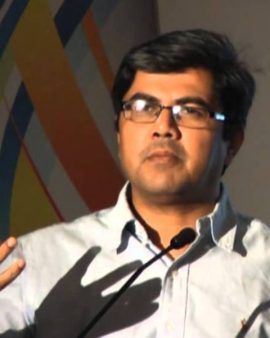
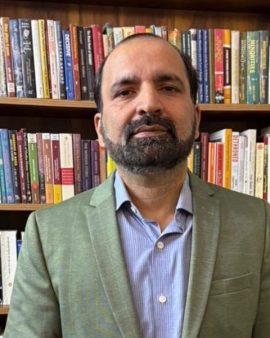
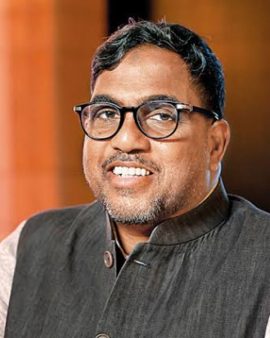
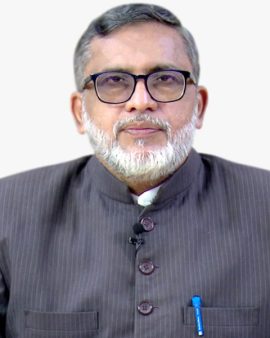
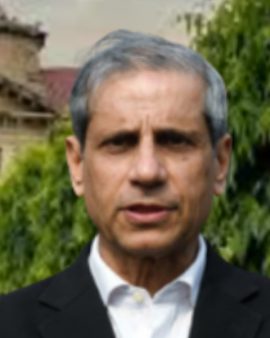
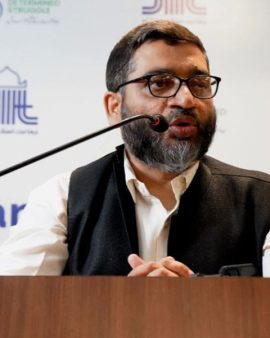
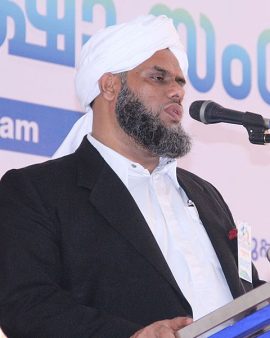
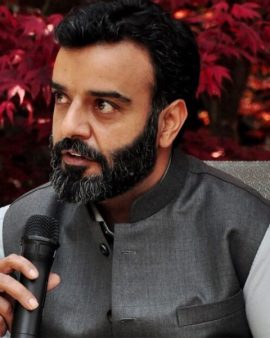
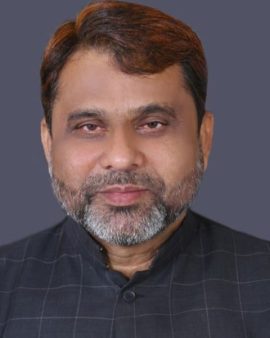
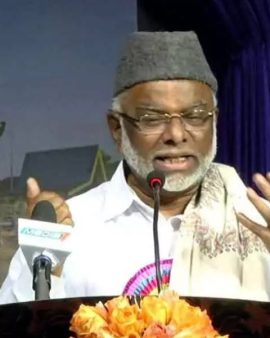
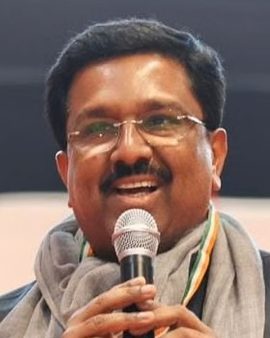
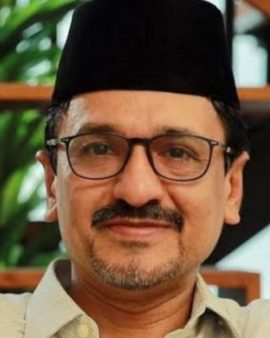
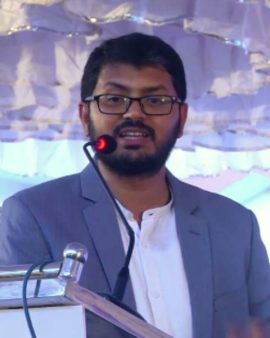
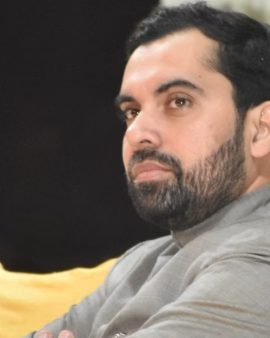
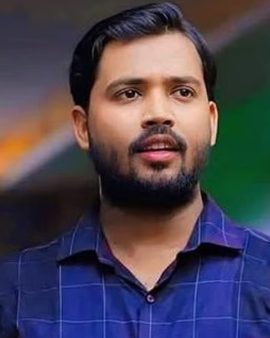
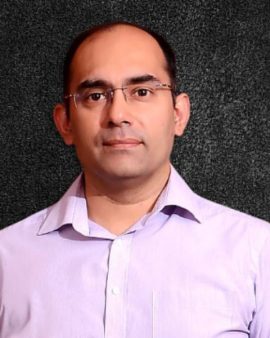
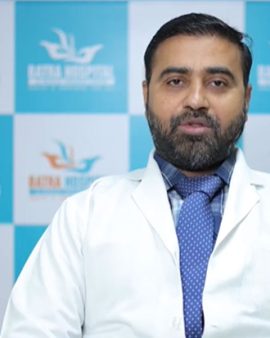
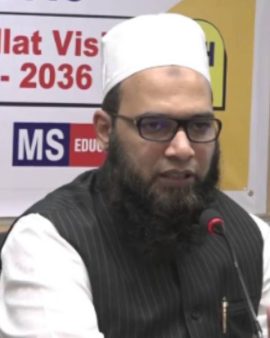
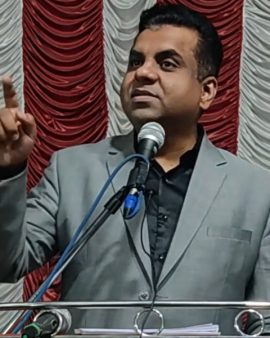
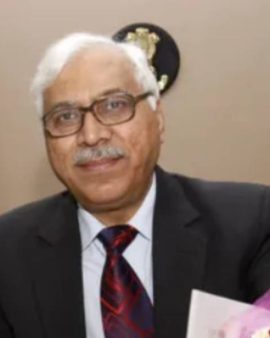
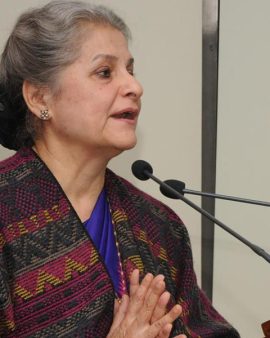
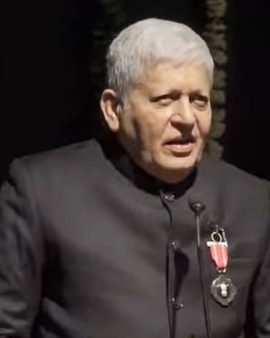
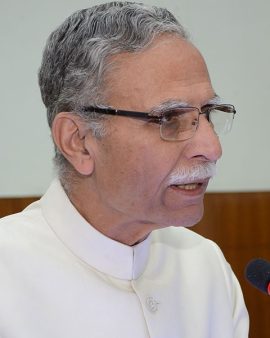
Syed Sadatullah Husaini: Islamic Scholar/ Community Leader
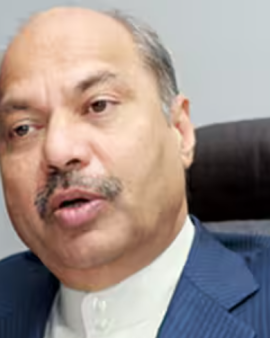
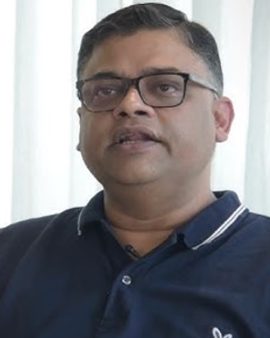
Syed Sadatullah Husaini (born in 1973) is a prominent Indian leader serving as the President (Amir) of Jamaat-e-Islami Hind (JIH) and Vice President of the All India Muslim Personal Law Board (AIMPLB). Formerly, he led the Students' Islamic Organisation of India (SIO) as National President for two consecutive terms (1999–2003) and directed JIH’s Study and Research Department. He regularly contributes columns to major publications, addressing socio-political and contemporary issues.
Husaini graduated in electronics and telecommunication engineering from Nanded, Maharashtra. As a student, he was deeply involved with SIO and later became the youngest member of JIH’s Central Advisory Council (Markazi Majlis-e-Shura). Over the years, he has participated in various social and academic organizations across India.
Husaini critiques modern globalization for perpetuating economic and cultural inequality, advocating instead for Islam’s emphasis on universal brotherhood. On feminism, he highlights shortcomings in both traditional Muslim societies and the West, urging a balanced approach that preserves women's dignity and rights as prescribed by Islam.
In Indian Muslim politics, Husaini calls for constructive dialogue with the majority community, promoting nation-building while rejecting divisive narratives. His critique of postmodernism centers on its contradictions, asserting that Islam provides a balanced framework of absolute divine truths and relative human understanding.
Husaini has also voiced concerns over the Right to Education Act (RTE), arguing that it undermines the constitutional rights of minorities, particularly affecting their ability to manage religious educational institutions.
Through his intellectual contributions and leadership, Husaini plays a vital role in fostering social harmony and addressing contemporary challenges while upholding Islamic values.