K. Rahman Khan: A Statesman of Consensus and Community
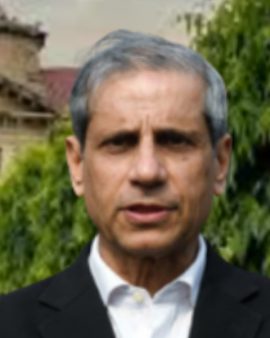
K. Rahman Khan’s political career spans decades of service, advocacy, and institution-building, marking him as one of India’s distinguished statesmen. Known for his measured leadership and commitment to inclusive governance, Khan’s journey reflects a dedication to public service grounded in dialogue, consensus, and community engagement.
Born in 1939 in Karnataka, K. Rahman Khan pursued higher education with a focus on law and political science, equipping himself with the intellectual tools that would later underpin his political philosophy. His early life was shaped by an awareness of social inequalities and the importance of constitutional rights, which inspired him to enter public life with a vision that combined advocacy with practical governance.
Khan’s political trajectory is closely associated with the Indian National Congress, where he rose through the ranks on the strength of his organizational skills, integrity, and capacity to build consensus across diverse groups. His tenure as Union Minister of Minority Affairs and as a member of the Rajya Sabha brought him into national prominence, enabling him to influence policy on education, minority welfare, and social justice.
One of K. Rahman Khan’s defining traits as a politician is his emphasis on dialogue and consensus-building. At a time when political discourse often leans toward polarization, Khan has consistently sought to bridge divides, both within his party and across the broader political spectrum. Colleagues describe him as a patient negotiator—someone who listens attentively, weighs evidence, and crafts solutions that balance competing interests without compromising on principles.
As Union Minister of Minority Affairs, Khan focused on improving educational and economic opportunities for marginalized communities. He championed initiatives that aimed to increase literacy, expand access to higher education, and support skill development. For him, empowerment was not about temporary relief, but about creating sustainable pathways for growth, opportunity, and social integration.
Khan’s leadership style is defined by integrity, humility, and public accountability. Despite holding influential positions, he has remained approachable and deeply connected to grassroots realities. His speeches and interventions often reflect a thoughtful consideration of both policy and human impact, highlighting his belief that governance must be measured by its effects on ordinary lives.
Beyond policy, K. Rahman Khan has contributed to strengthening institutions and civic structures. He has played a role in parliamentary committees, advisory councils, and community forums, consistently emphasizing the importance of institutional robustness over personal ambition. For him, democracy thrives not through rhetoric, but through transparent institutions and participatory engagement.
Even after decades in public life, Khan’s commitment to service remains undiminished. He continues to advocate for education, social equity, and communal harmony, leveraging his experience to mentor young leaders and advise policymakers. His enduring influence stems from a rare combination of principled leadership, pragmatic strategy, and moral courage.
K. Rahman Khan’s career exemplifies a vision of politics as a vehicle for constructive change. In an era where governance is often reduced to spectacle, he stands out as a politician who demonstrates that true leadership is rooted in service, dialogue, and the pursuit of justice for all.