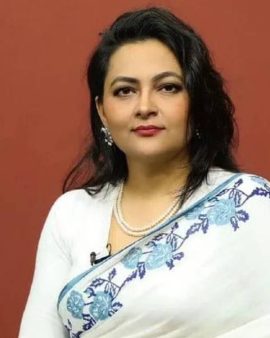
Iqra Hasan: A Young Parliamentarian Shaping a New Political Narrative
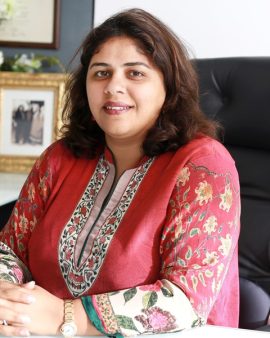
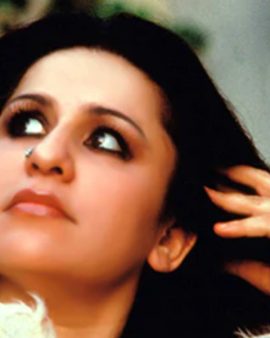
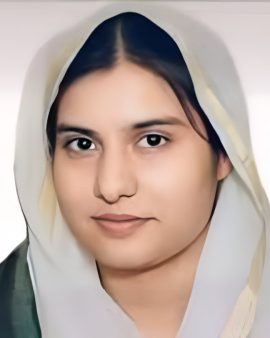
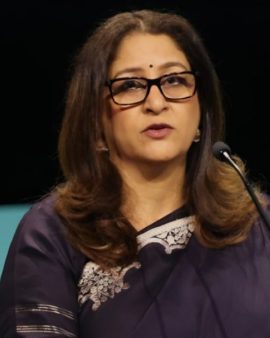
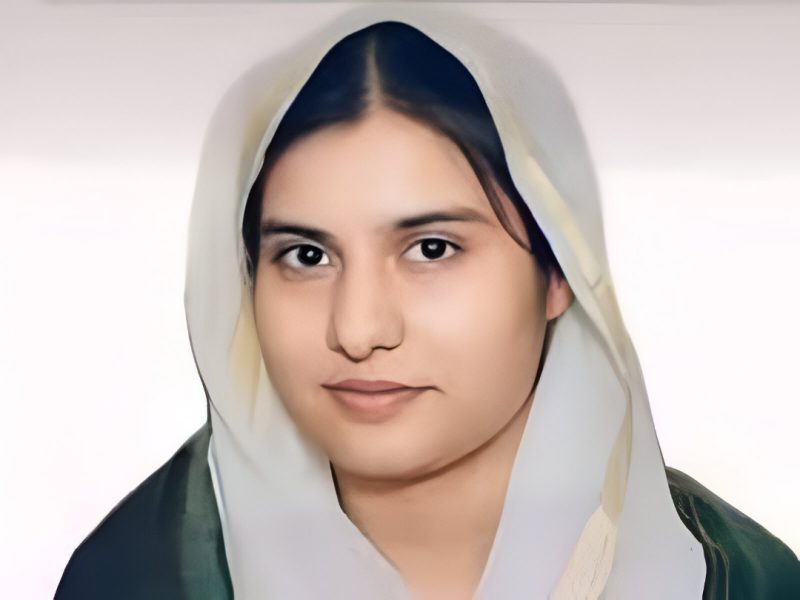
Iqra Hasan represents a new generation of Indian political leadership—educated, articulate, and deeply rooted in constitutional values. As a Member of Parliament, she has emerged as a significant voice for representation, social justice, and democratic engagement, particularly at a time when Indian politics is witnessing intense polarization and generational change.
Born into a politically active family, Iqra Hasan grew up observing public life closely. She is the daughter of the late Chaudhary Munawwar Hasan, a respected political figure from western Uttar Pradesh. While her lineage provided early exposure to politics, her journey has been defined by personal merit, academic rigor, and a strong sense of responsibility toward public service. She pursued higher education at prestigious institutions in India and abroad, equipping herself with a global outlook and a firm grounding in law, governance, and democratic principles.
Iqra Hasan entered electoral politics at a relatively young age, carrying with her the aspirations of a constituency that has often felt unheard. Her election to Parliament was widely seen as a generational shift—one that brought youthful energy, professionalism, and a modern sensibility into legislative politics. As an MP, she has consistently emphasized issues such as constitutional rights, rule of law, women’s empowerment, social harmony, and equitable development.
What distinguishes Iqra Hasan’s political style is her calm yet firm articulation. She avoids incendiary rhetoric and instead relies on reasoned arguments, data, and constitutional language. In Parliament and public forums, she has spoken about the importance of protecting democratic institutions, safeguarding minority rights, and ensuring that governance remains inclusive. Her approach reflects a belief that dissent is not disloyalty, but an essential pillar of democracy.
As a young woman in a male-dominated political space, Iqra Hasan’s presence itself carries symbolic significance. She has become a role model for young women who aspire to participate in public life but often face structural and cultural barriers. Rather than projecting herself as an exception, she consistently emphasizes the need to normalize women’s leadership and expand opportunities for broader participation.
Iqra Hasan is also known for her strong connect with the grassroots. She remains actively engaged with constituents, addressing everyday concerns related to education, healthcare, livelihoods, and civic administration. Her politics is grounded not only in national debates, but also in the lived realities of people—farmers, students, women, and small traders—who seek dignity and fairness from the system.
In an era where politics is often driven by spectacle and soundbites, Iqra Hasan represents a quieter, more substantive form of leadership. She belongs to a generation that values preparation over provocation and dialogue over domination. Her confidence comes not from aggression, but from clarity of purpose and belief in constitutional morality.
Iqra Hasan’s journey is still unfolding, but her rise already signals an important shift in Indian politics. She embodies the promise of a leadership that is youthful yet responsible, assertive yet empathetic. For many young Indians, she stands as proof that politics can still be a space for integrity, intelligence, and meaningful change—where public office is not about power alone, but about service, representation, and hope for a more just future.