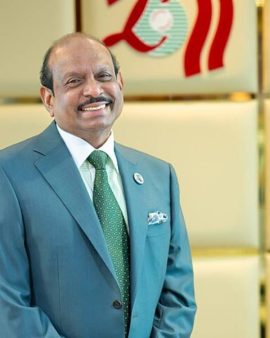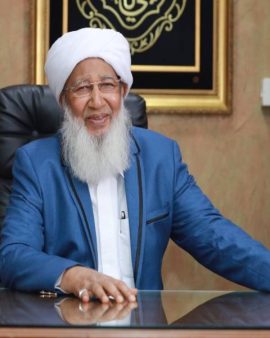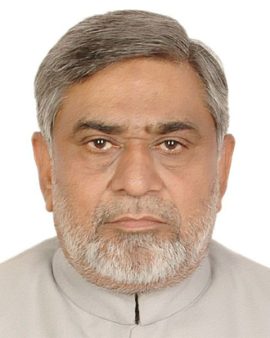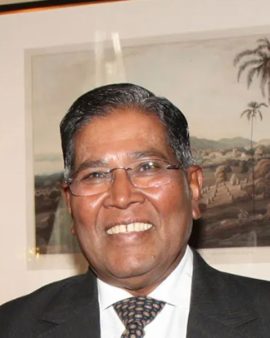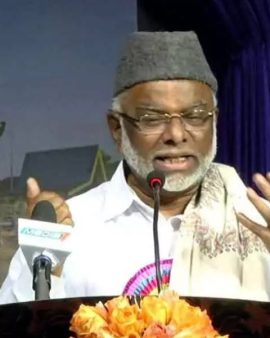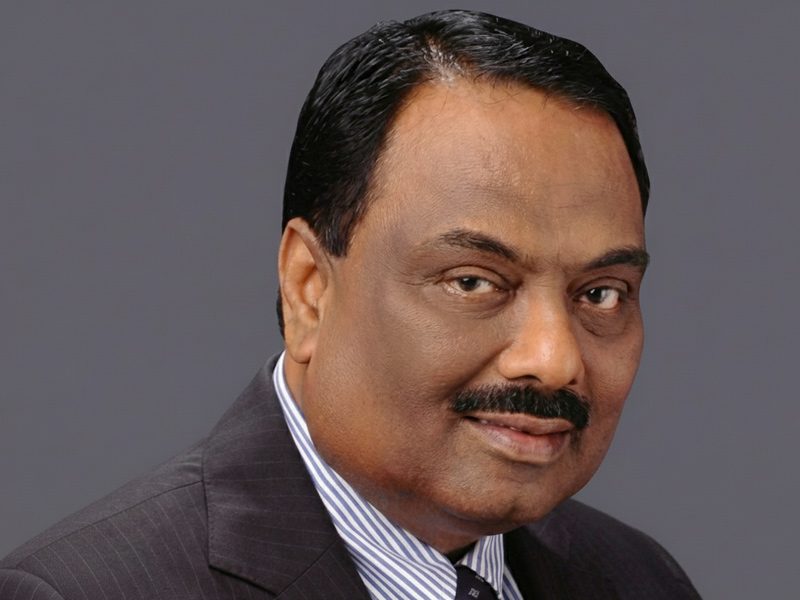
Mecca Rafeeque Ahmed: Entrepreneurship Guided by Faith, Integrity, and Service
Mecca Rafeeque Ahmed’s life story is a powerful example of how entrepreneurship, when guided by integrity and purpose, can become a force for social good. An Indian businessman and entrepreneur from Tamil Nadu, he is widely respected not only for his commercial success but also for his unwavering commitment to ethical business practices and community welfare. His contributions were nationally recognized when he was conferred the Padma Shri Award in 2011, one of India’s f highest civilian honors.
Rooted deeply in faith and discipline, Mecca Rafeeque Ahmed built his entrepreneurial journey on principles that transcend profit. From humble beginnings, he demonstrated an early understanding that business success must rest on trust, transparency, and long-term relationships. Over the years, he established himself as a credible and visionary entrepreneur, earning respect across industries for his honesty, consistency, and people-centric approach.
What sets Mecca Rafeeque Ahmed apart is his belief that wealth is a responsibility rather than a privilege. For him, entrepreneurship has always been inseparable from service. He has consistently emphasized that business leaders must play an active role in uplifting society, especially the marginalized. This philosophy has guided his involvement in a wide range of philanthropic and social initiatives, many of which focus on education, social harmony, and humanitarian relief.
Education occupies a central place in his vision for social transformation. He firmly believes that empowering young minds is the most sustainable way to build a just and progressive society. Through his support for educational institutions, scholarships, and learning initiatives, he has helped create opportunities for students who might otherwise be denied access to quality education. His approach goes beyond charity—it is about enabling self-reliance and dignity.
Mecca Rafeeque Ahmed is also admired for his role in promoting communal harmony and ethical leadership. In an increasingly polarized world, he has consistently advocated dialogue, compassion, and mutual respect. His public life reflects a quiet commitment to bridge-building—between communities, between commerce and conscience, and between individual success and collective well-being.
The Padma Shri Award in 2011 was a recognition not just of his achievements as a businessman, but of his broader contribution to society. It acknowledged a life shaped by balance—where commercial growth coexists with moral clarity. Yet, despite such national recognition, Mecca Rafeeque Ahmed remains known for his humility. He avoids the spotlight, preferring that attention remain focused on causes rather than on himself.
Those who know him describe him as soft-spoken, disciplined, and deeply principled. Faith plays a guiding role in his worldview, influencing both his personal conduct and professional decisions. For him, success is meaningful only when it aligns with values and leaves a positive imprint on society.
Mecca Rafeeque Ahmed’s journey offers a compelling lesson for aspiring entrepreneurs: that it is possible to grow without compromising ethics, to lead without arrogance, and to give without seeking applause. His life stands as a reminder that true leadership lies not merely in building businesses, but in building trust, nurturing communities, and leaving behind a legacy of service.