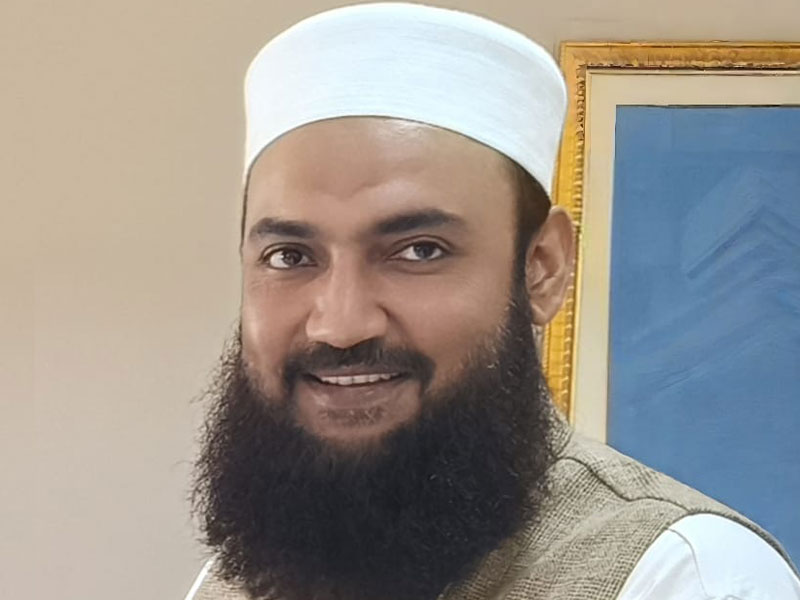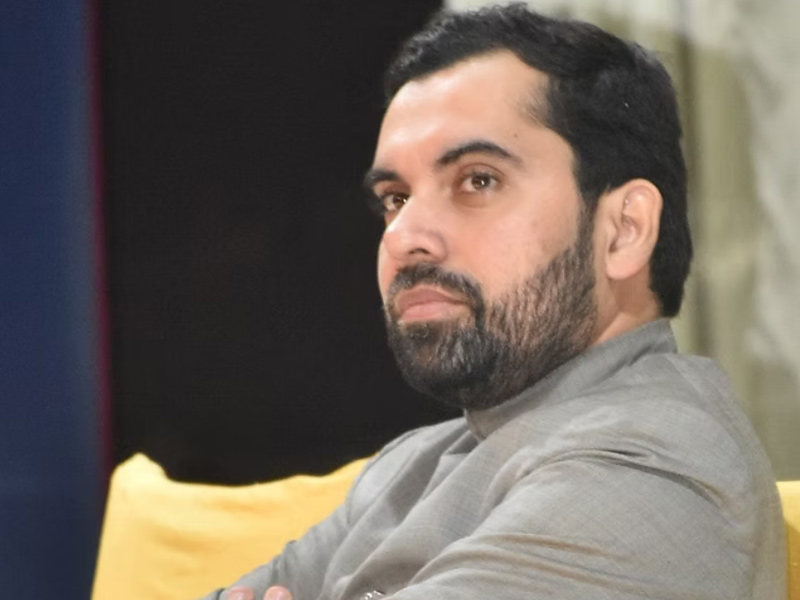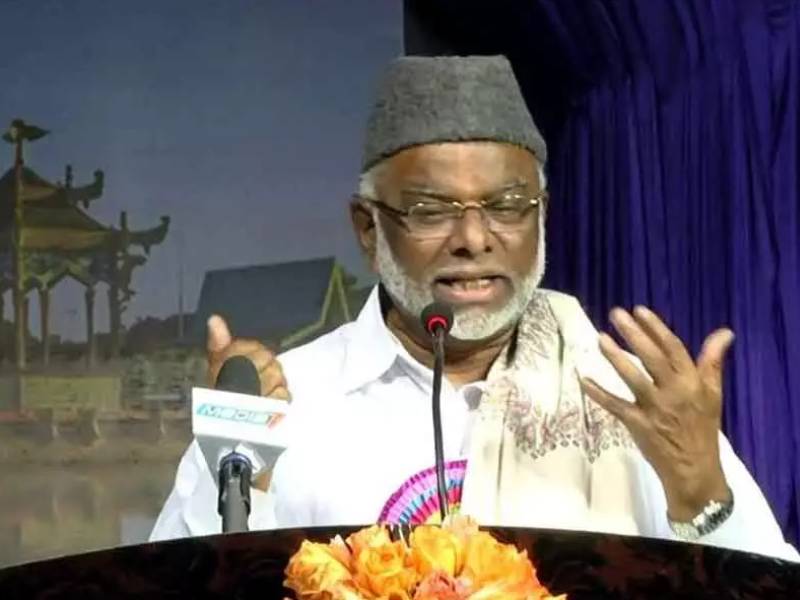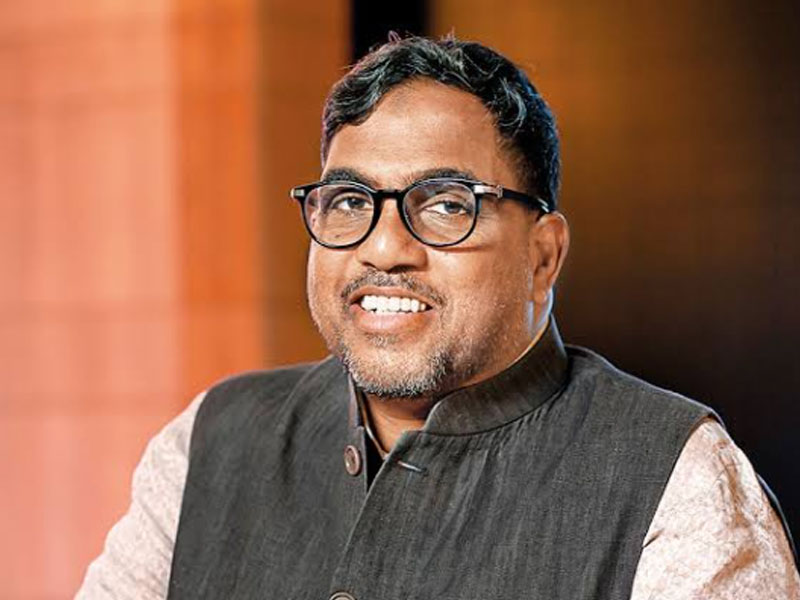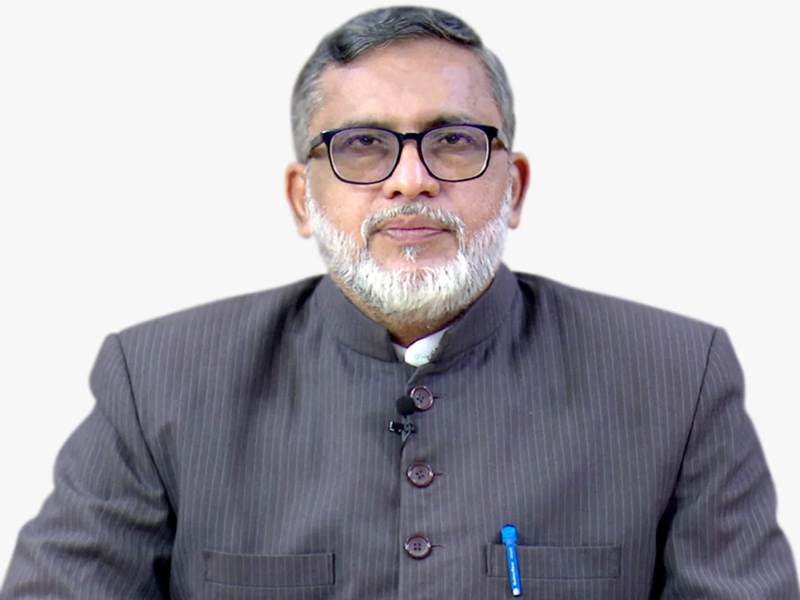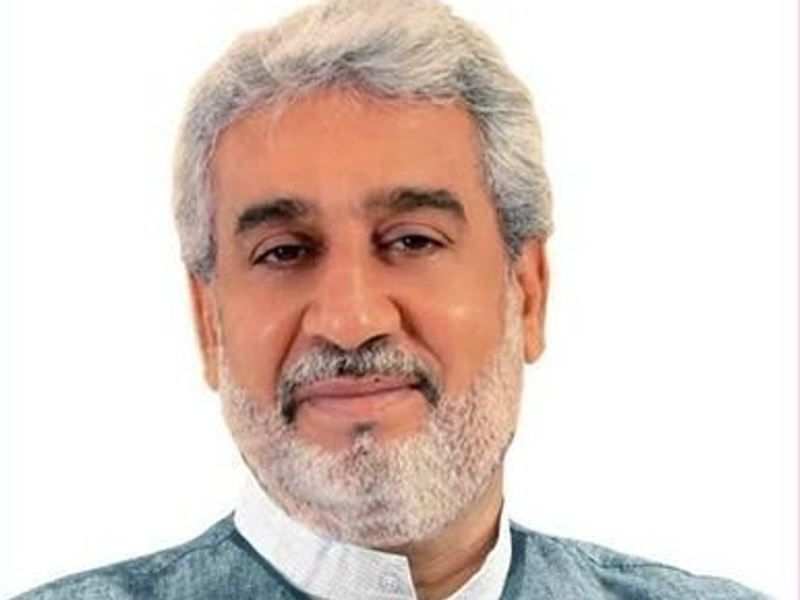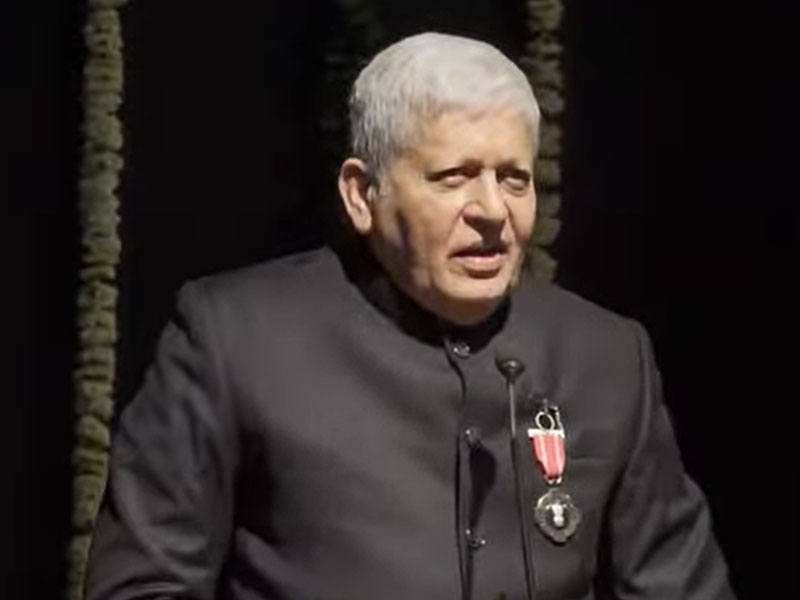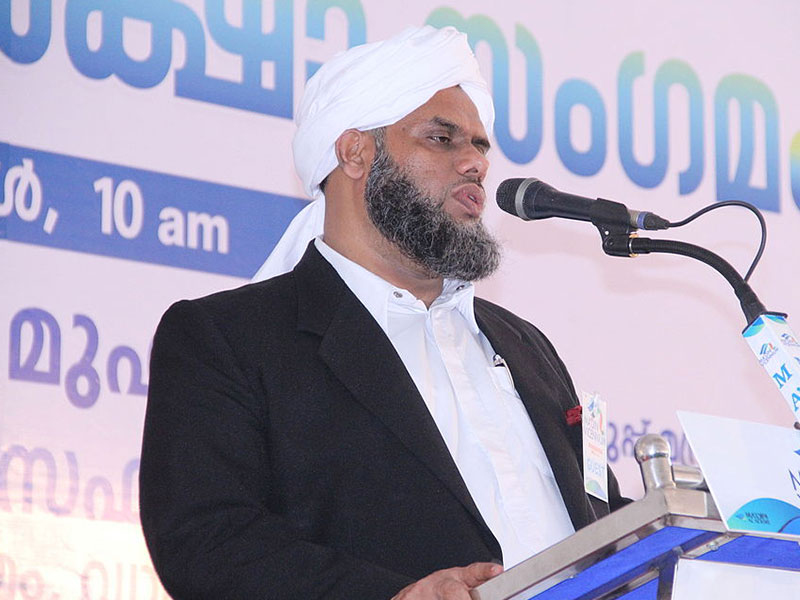
Sayyid Ibraheem Khaleel Al Bukhari: Islamic Scholar
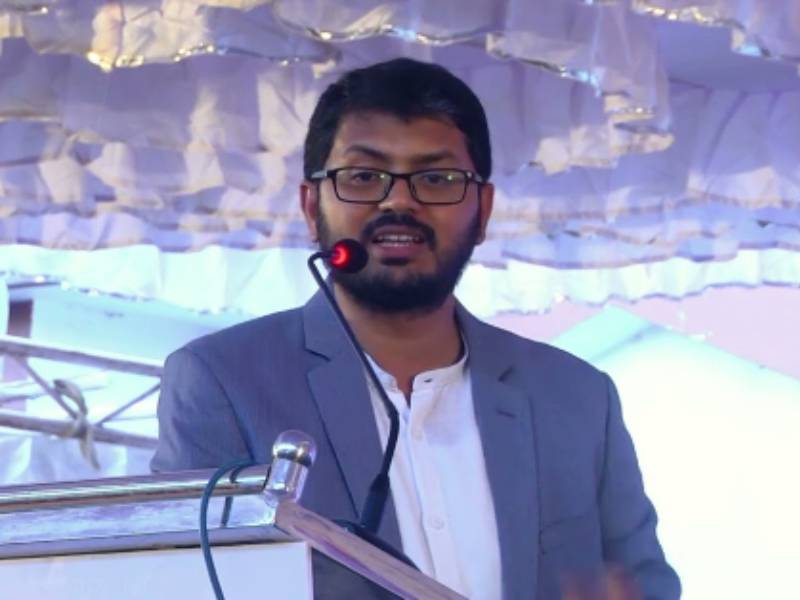
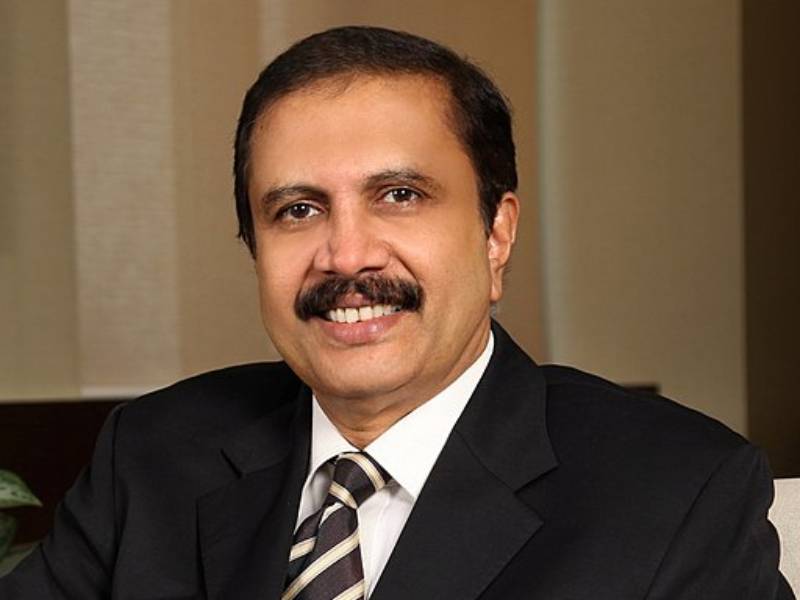
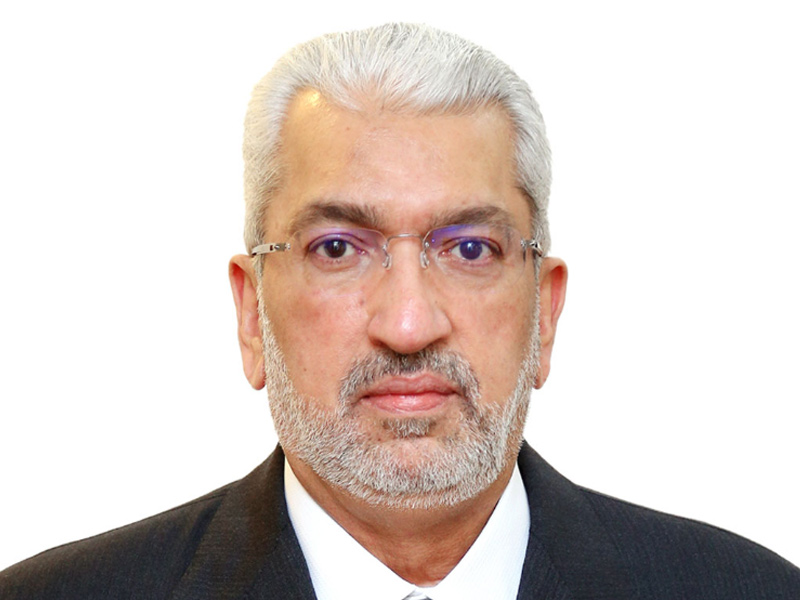
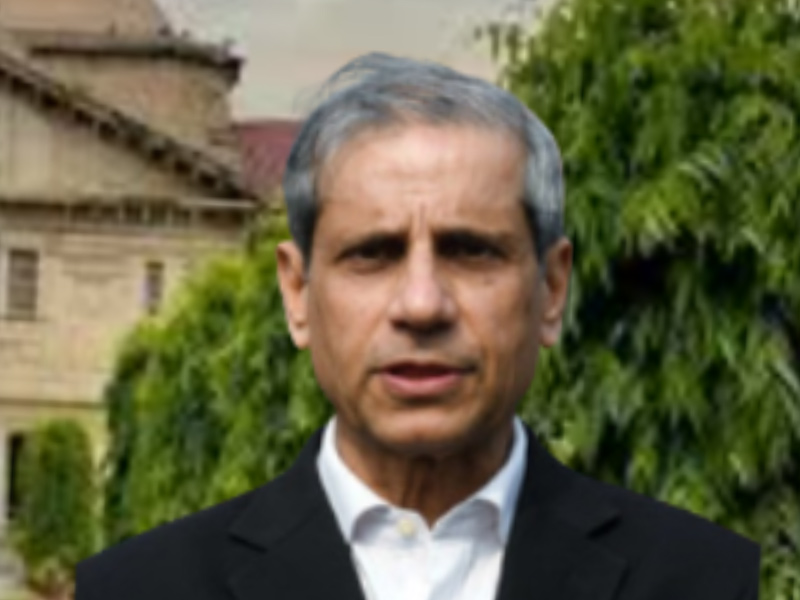
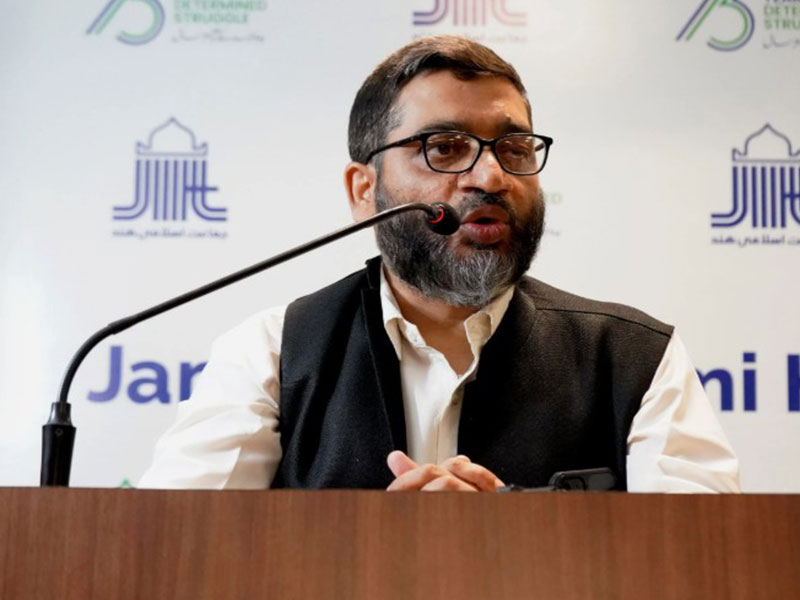
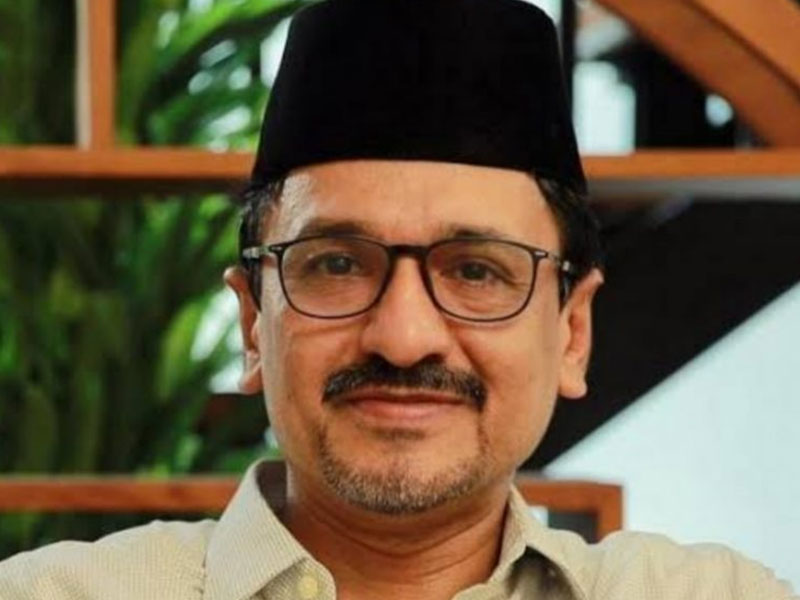
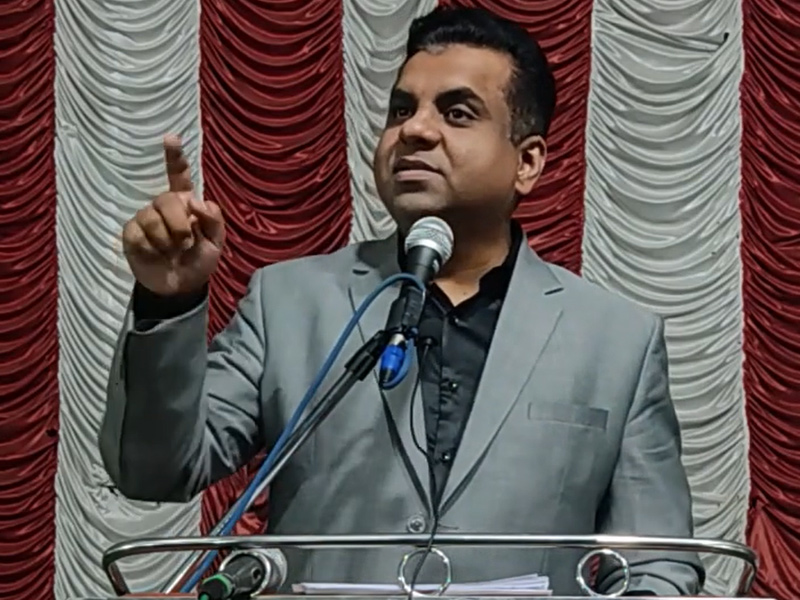
Sayyid Ibraheem Khaleel Al Bukhari, born in 1964 in Kadalundi, Kerala, is a distinguished Sunni Islamic scholar and influential community leader. Hailing from a lineage of scholars that traces its origins to Uzbekistan, he was raised in a family steeped in religious education. His primary education was imparted by his father, Sayyid Ahmed Bukhari, a respected spiritual guide in the region. Bukhari later pursued higher education in Islamic theology, graduating with second rank from Baqiyat Salihat Arabic College in Tamil Nadu.
In 1997, Bukhari founded Ma'din Academy in Malappuram, which has since grown into a significant educational institution serving over 22,000 students across 28 campuses. Under his leadership, Ma'din Academy has flourished, offering a wide range of programs from primary education to postgraduate studies, with a focus on both Islamic and contemporary education. His global influence is also reflected in his extensive travels and lectures on educational and social issues.
Bukhari holds several key leadership roles, including serving as the Joint Secretary of Samastha Kerala Jamiyyathul Ulama and General Secretary of Kerala Muslim Jamaat, an umbrella organization representing various Muslim groups in Kerala. He is also a member of the Muslim 500, a recognition of the most influential Muslims worldwide, and manages the international journal Armonia, which promotes pluralism and holistic education.
He has been a prominent representative at global forums, including the G20 Interfaith Forum, and led India's delegation to the Vatican for interfaith dialogues. Notable achievements include organizing the annual Ramadan Peace Conference and initiating the Knowledge Hunt, a program that exposes scholars to diverse cultural and religious destinations worldwide. Bukhari’s work in interfaith dialogue and education continues to have a profound impact both in India and internationally.
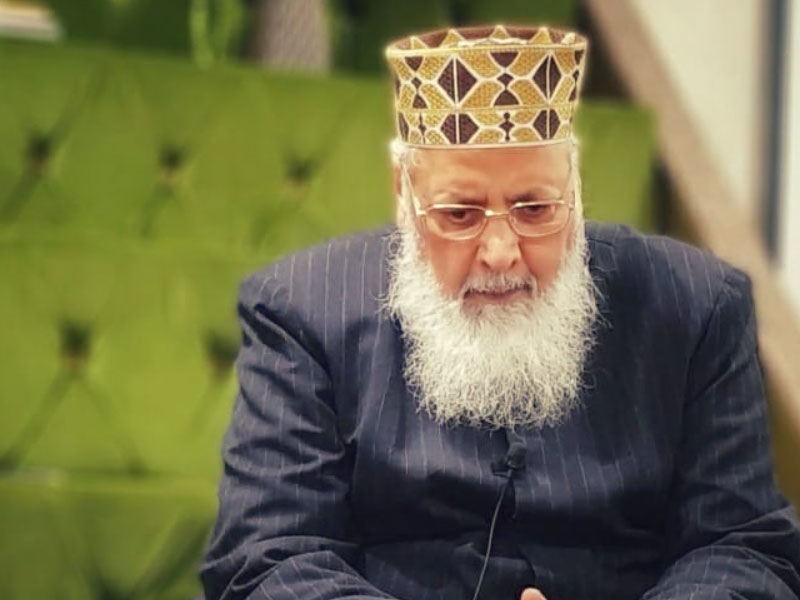
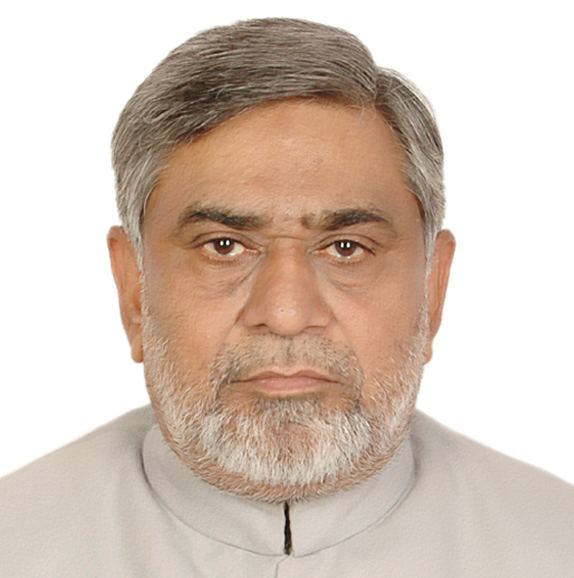
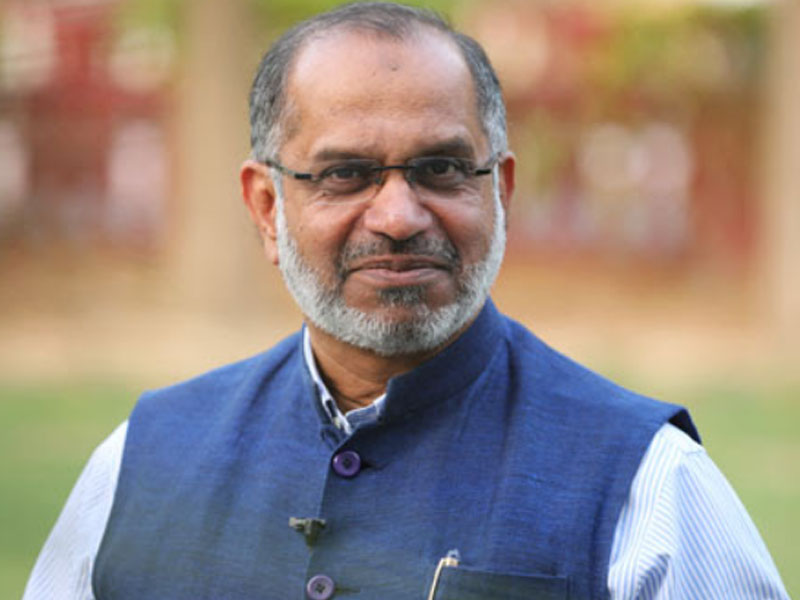
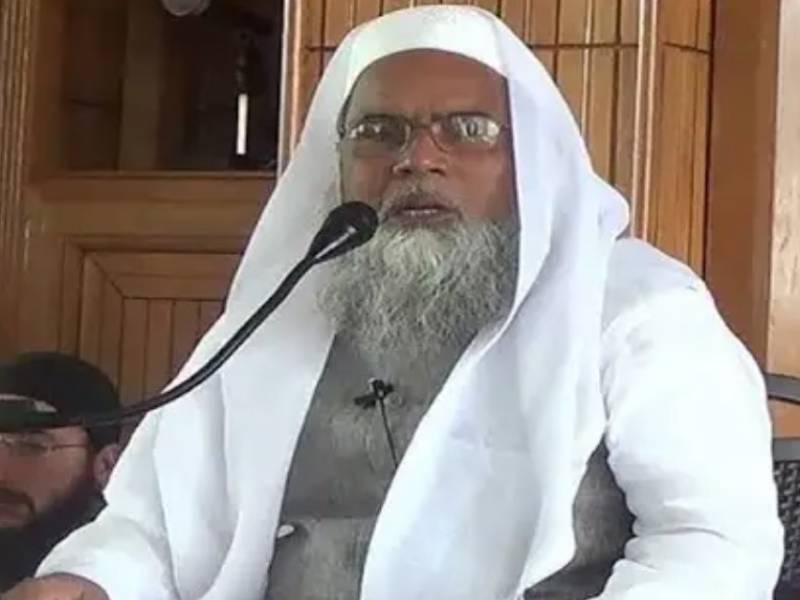
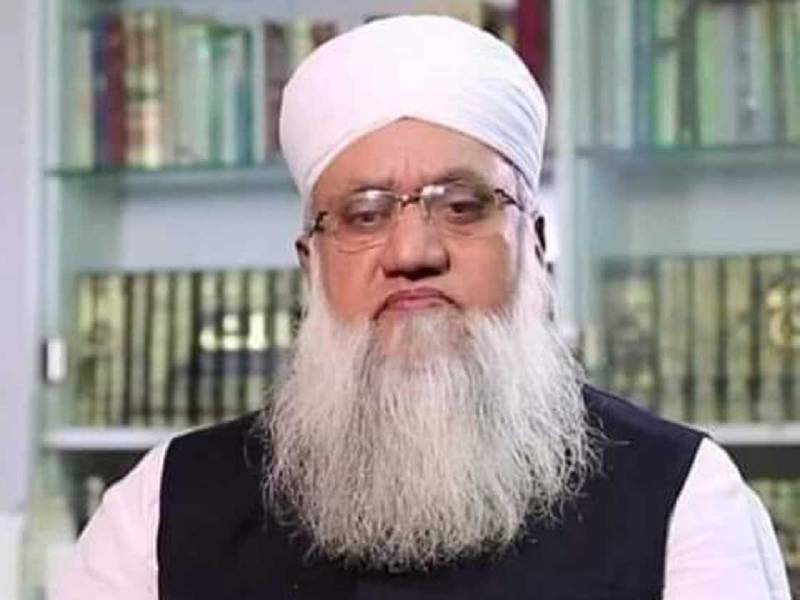
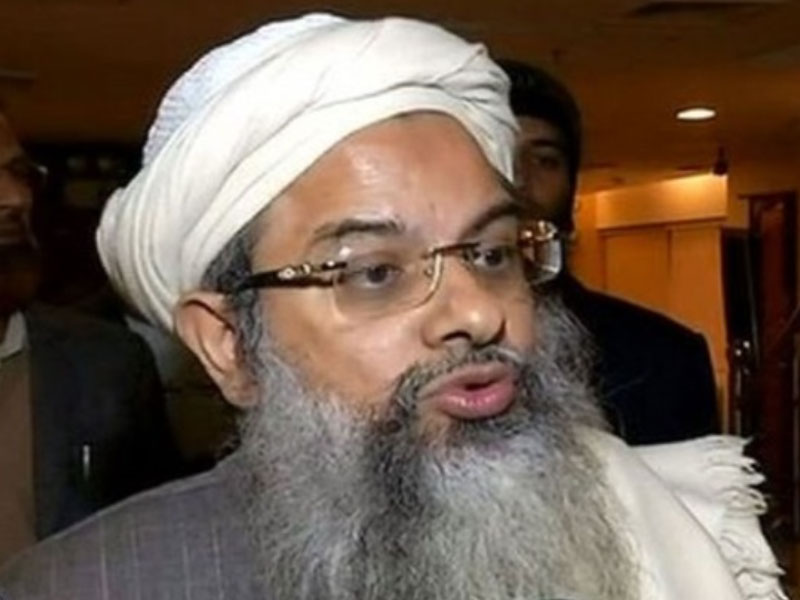
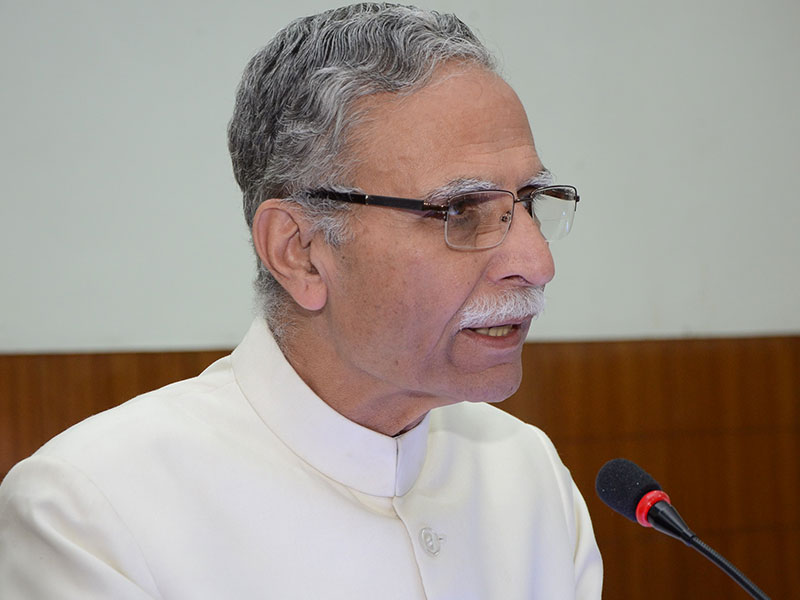
Qumruzzama Azmi: Islamic Scholar
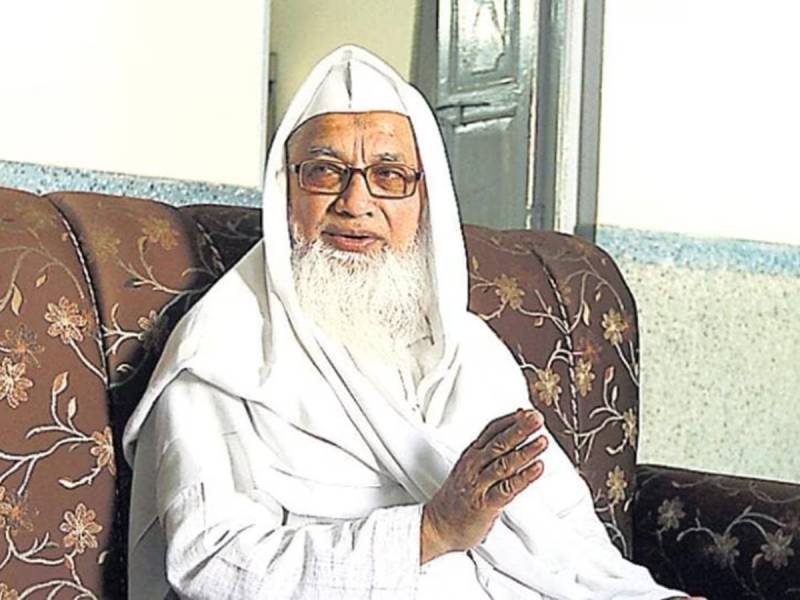
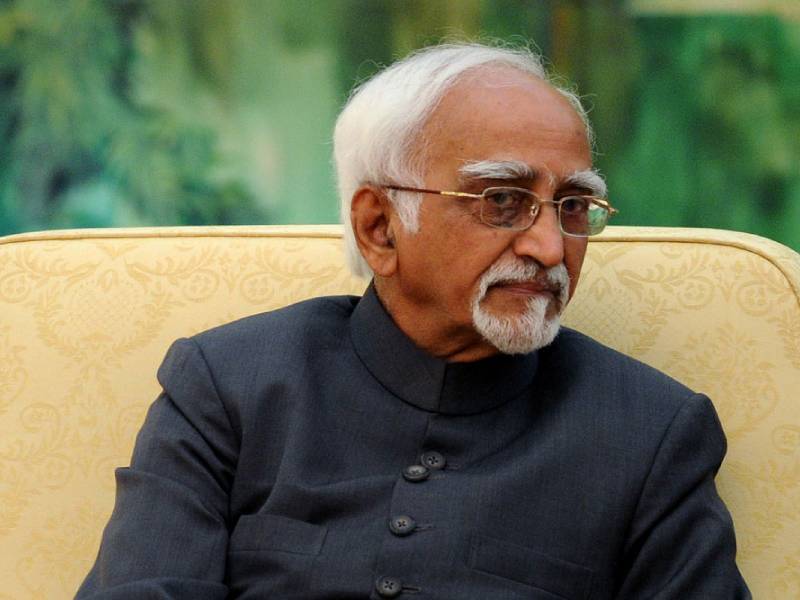
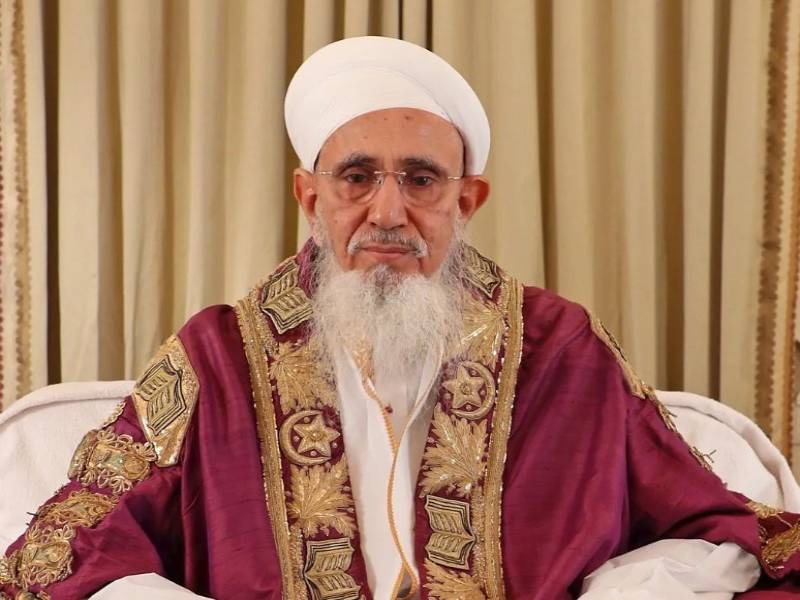
Qumruzzama Azmi (born 1946) widely respected as Maulana Azmi, is a distinguished Islamic scholar and one of the most influential voices in contemporary Islamic thought and leadership. Born in Azamgarh, Uttar Pradesh, India, in 1946, he received his early Islamic education at the esteemed Al Jamiatul Ashrafia, Mubarakpur, where he excelled in Islamic jurisprudence, theology, and Arabic literature.
Maulana Azmi’s profound understanding of Islamic teachings, coupled with his eloquence and insight, quickly earned him a reputation as a dynamic leader. His efforts to bridge gaps between communities and promote Islamic values in modern contexts have made him a sought-after scholar worldwide.
Azmi has dedicated much of his life to serving the Muslim community globally. He is closely associated with the World Islamic Mission (WIM), a prominent organization committed to promoting unity among Muslims and addressing the challenges they face. As the General Secretary of WIM, he has played a pivotal role in establishing mosques, Islamic centers, and educational institutions in various countries, particularly in Europe and North America.
An ardent advocate of peaceful coexistence, Maulana Azmi emphasizes the importance of interfaith dialogue and communal harmony. His lectures and writings have inspired countless Muslims to uphold the principles of justice, compassion, and ethical conduct.
Maulana Azmi is also deeply committed to the socio-economic upliftment of marginalized communities. He has initiated programs for education, healthcare, and poverty alleviation, ensuring the integration of Islamic values with humanitarian service.
Despite his international commitments, he remains rooted in his scholarship, dedicating time to writing, teaching, and guiding students of Islamic sciences. His intellectual contributions and spiritual leadership continue to influence generations of Muslims worldwide.
Qumruzzama Azmi’s legacy is one of knowledge, service, and unwavering dedication to the cause of Islam and humanity.