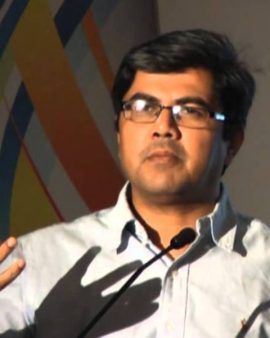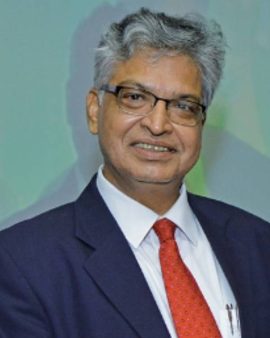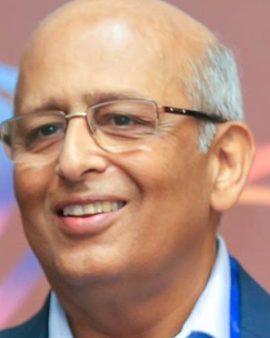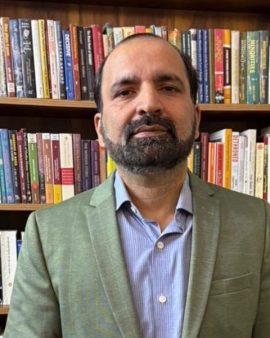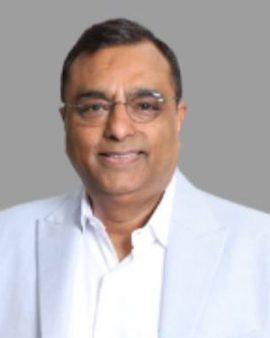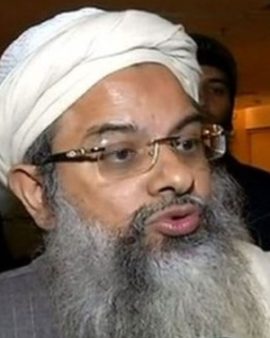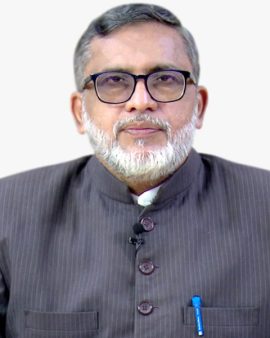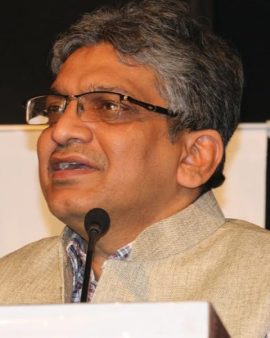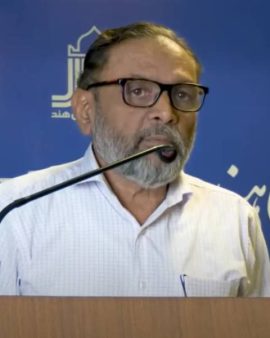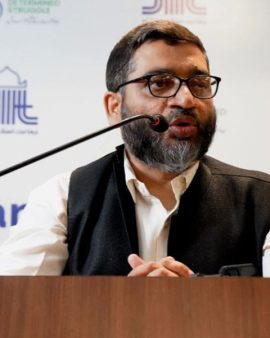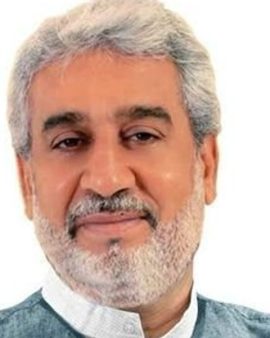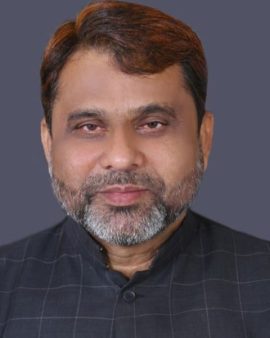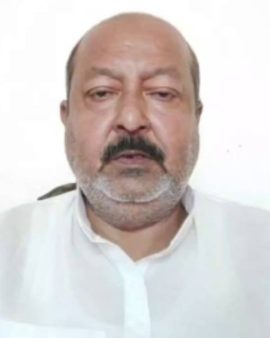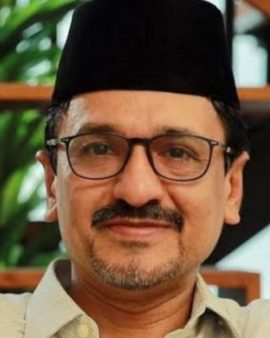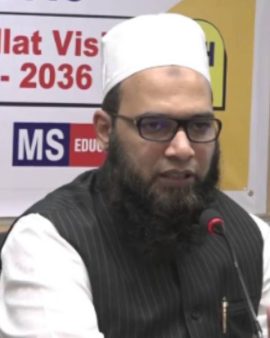
Md Shafi: Steering SDPI Through a Crucial Political Moment
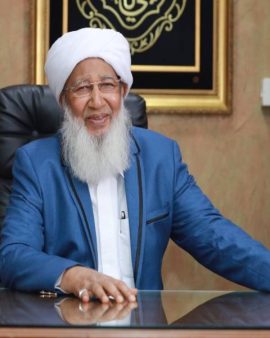
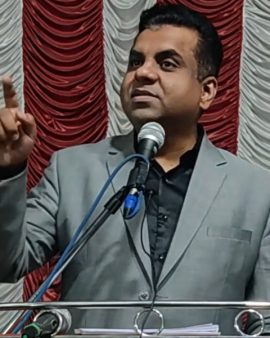
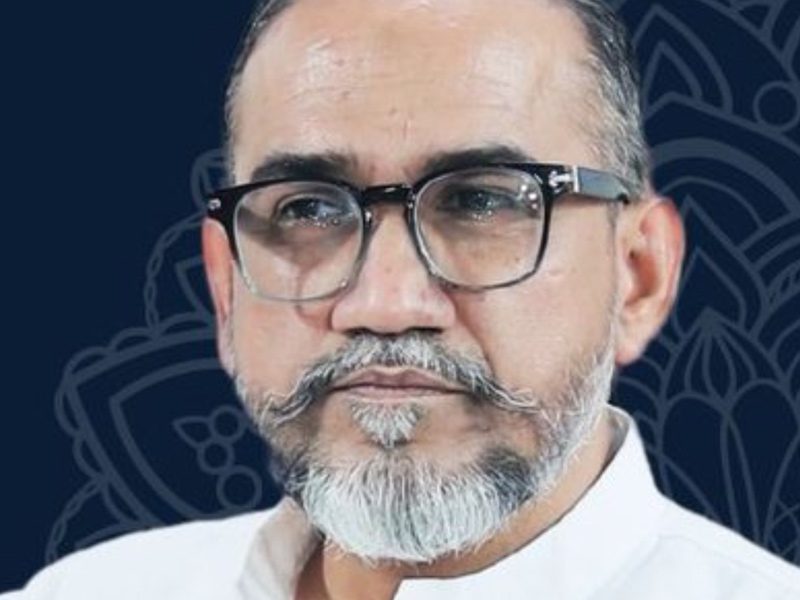
Md Shafi has emerged as an important organizational leader within India’s evolving political landscape as the Acting President of the Social Democratic Party of India (SDPI). Known for his measured approach, grassroots orientation, and ideological clarity, Shafi represents a phase of consolidation and transition for the party at a time when questions of democracy, social justice, and representation occupy the national discourse.
A long-time associate of SDPI, Md Shafi’s political journey has been shaped more by organizational work than by spectacle. He is regarded as a cadre-based leader who rose through sustained engagement at the ground level, working closely with party workers, community groups, and civil society platforms. This background has given him a practical understanding of political mobilization, internal discipline, and the challenges faced by marginalized sections of society.
As Acting President, Md Shafi assumed responsibility during a sensitive period for the party, requiring steadiness rather than rhetoric. His leadership has focused on maintaining organizational cohesion, strengthening internal structures, and reinforcing SDPI’s ideological commitment to constitutional values, social democracy, and peaceful political participation. Party insiders describe him as a consensus-builder who values consultation and collective decision-making over centralized authority.
Md Shafi’s political outlook is rooted in the belief that democracy must function beyond elections alone. He has consistently emphasized issues such as civil liberties, minority rights, economic justice, and the protection of constitutional institutions. Under his stewardship, SDPI has continued to articulate concerns related to discrimination, social exclusion, and governance failures, while positioning itself as a platform for democratic assertion rather than confrontation.
Unlike leaders who rely heavily on personal branding, Md Shafi has kept a relatively low public profile, preferring to work behind the scenes. His public statements tend to be restrained and issue-focused, reflecting an effort to engage the political process through argument, law, and dialogue. This approach has helped him project SDPI as an organization-driven party rather than one centered on individual personalities.
Organizational discipline has been a key feature of his leadership style. Md Shafi is known for emphasizing training, ideological orientation, and ethical conduct among party workers. He believes that credibility in politics is built slowly—through consistency in words and actions—and that parties representing marginalized voices must hold themselves to especially high standards of accountability.
At a time when Indian politics is increasingly polarized, Md Shafi’s role as Acting President has involved navigating both external pressures and internal expectations. His challenge has been to sustain the party’s political relevance while ensuring that its engagement remains firmly within democratic and constitutional boundaries. Observers note that his calm demeanor and institutional focus have helped SDPI maintain continuity during a period of transition.
Md Shafi’s political journey may not yet be defined by mass electoral success or headline-grabbing moments, but it reflects a different kind of leadership—one rooted in patience, organization, and ideological persistence. As SDPI continues to define its role in India’s political ecosystem, his tenure as Acting President underscores the importance of steady leadership during uncertain times.
In a political environment often driven by immediacy and noise, Md Shafi represents a quieter tradition of politics—where leadership is exercised through structure, principle, and long-term commitment to democratic participation.