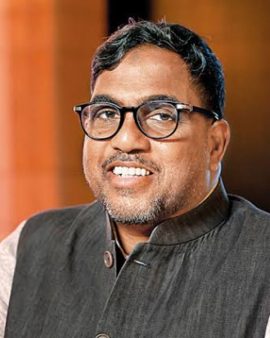
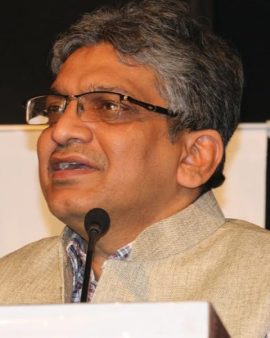
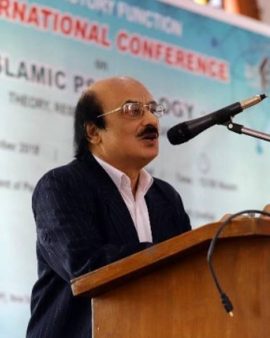
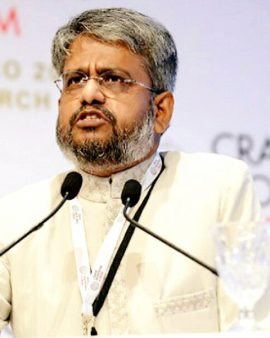
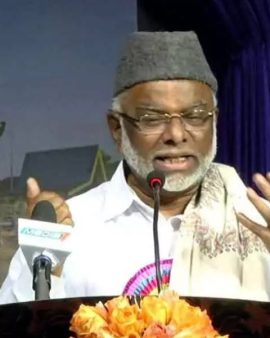
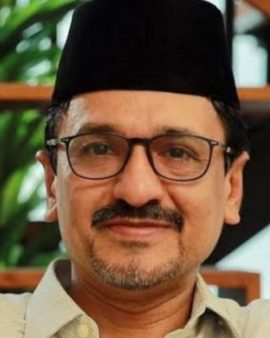
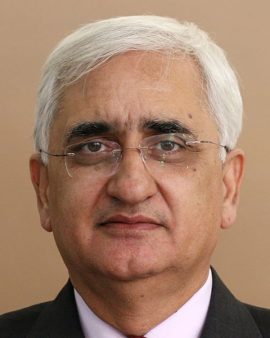
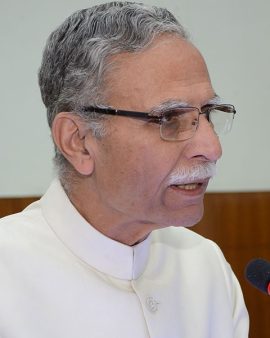
Amir Ullah Khan: Shaping Policy with Knowledge, Purpose, and Compassion
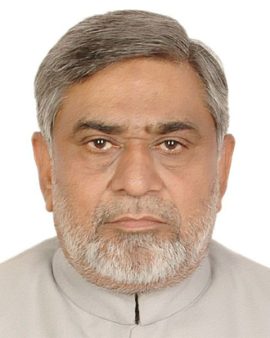
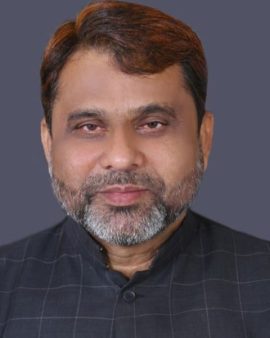
Amir Ullah Khan is an economist, academic, and public policy thinker whose career reflects a deep commitment to inclusive development and social transformation. Working at the intersection of economics, governance, and human welfare, Prof. Khan has devoted decades to addressing some of India’s most pressing challenges—healthcare access, educational equity, agricultural sustainability, and institutional reform.
His journey spans some of the most influential policy and academic spaces in India and abroad. Prof. Khan has worked with the Ministry of Finance, Government of India, and the United Nations Development Programme, contributing to reforms aimed at preparing India for a globalized economy. As Deputy Director and Policy Advisor to the Bill & Melinda Gates Foundation, he helped shape development strategies grounded in evidence, equity, and long-term impact.
Equally passionate about education, Prof. Khan has inspired generations of students as a Visiting Professor at the Indian School of Business and NALSAR University of Law, and as guest faculty at NMIMS Hyderabad. He has held transformative leadership roles, including Founder–Vice Chancellor of Glocal University, and has taught at premier institutions such as IIFT Delhi, Manipal Institute of Technology, and FORE School of Management. His global engagement includes serving as Adjunct Professor at Edith Cowan University and delivering lectures at institutions such as Harvard University and the US–India Policy Institute in Washington, DC.
A widely respected public intellectual, Prof. Khan writes influential columns for livemint and Etemaad Daily, translating complex economic debates into insights that empower citizens and policymakers alike. He also edits SAGE’s Journal of Development Policy and Practice, nurturing rigorous and ethical scholarship.
Beyond classrooms and conferences, Prof. Khan serves on the boards of leading educational and social institutions and is the Founder Trustee of the E&H Foundation, dedicated to expanding quality education and healthcare for underserved communities, particularly in Uttar Pradesh. Through Policy Talks, he brings public policy education to young minds, affirming his belief that informed citizens are the foundation of a just and prosperous society.
Amir Ullah Khan’s life exemplifies how knowledge, when guided by purpose and compassion, can become a powerful force for lasting change.