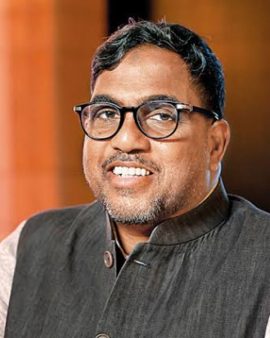
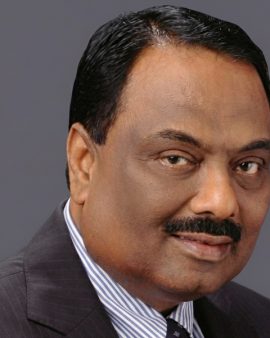
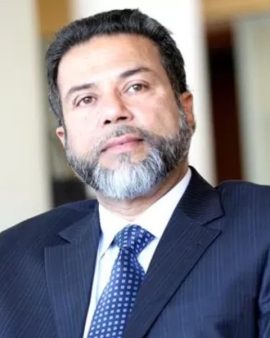
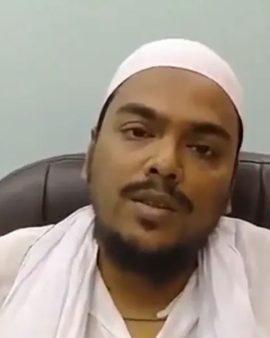
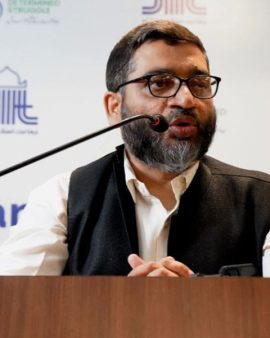
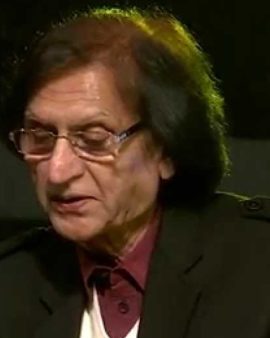
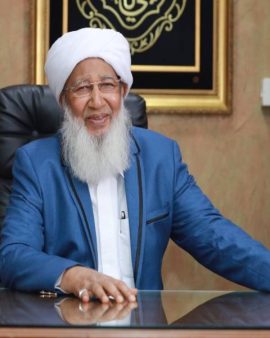
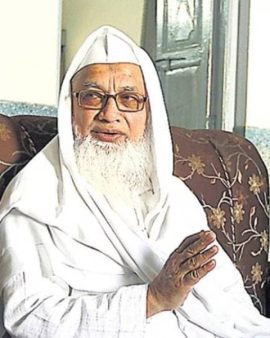
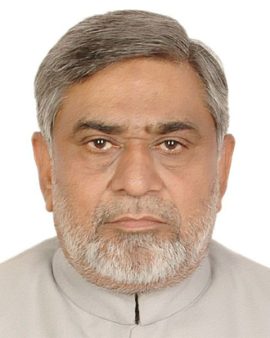
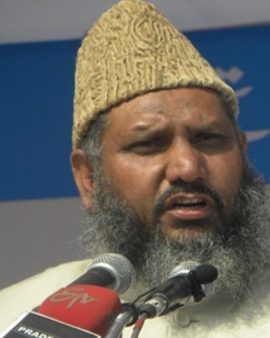
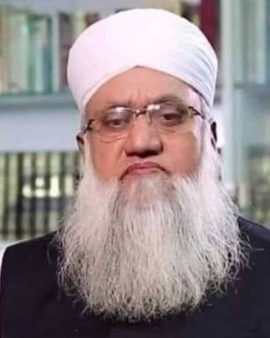
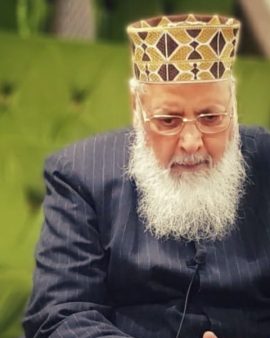
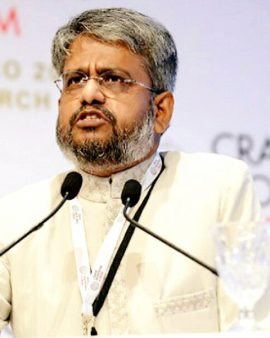
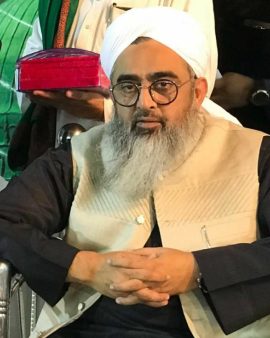
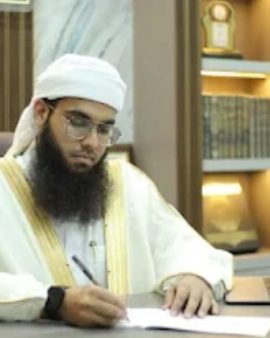
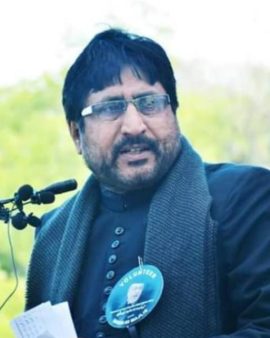
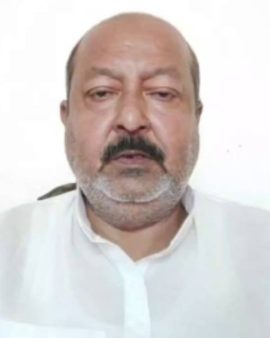
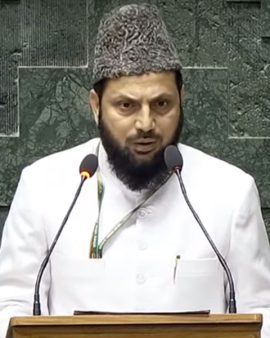
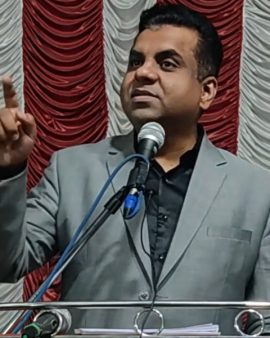
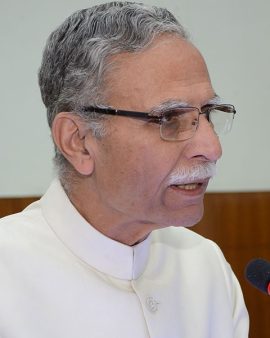
Maulana Mohammad Mirza Yasoob Abbas – Renowned Islamic Cleric and Speaker
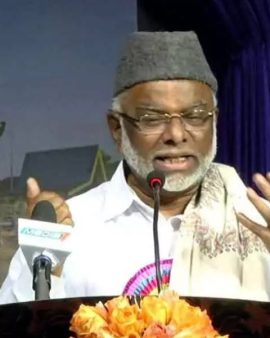
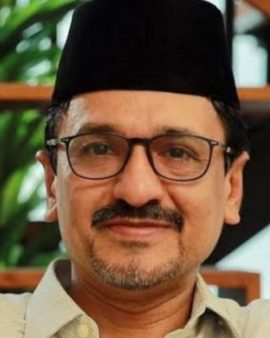
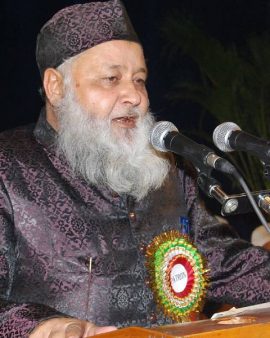
Maulana Mohammad Mirza Yasoob Abbas is a distinguished Islamic scholar, prominent cleric, and the current speaker of the All India Shia Personal Law Board (AISPLB). He is also a respected member of both the India Islamic Culture Centre in Delhi and Shia College in Lucknow. Known for his deep knowledge of Islamic jurisprudence and his eloquent oratory, Maulana Yasoob Abbas has become a key figure in modern Shia scholarship in India.
As a vocal advocate for the rights of Muslims, Maulana Abbas has not shied away from speaking out on important socio-political issues. He has been an outspoken critic of the Uttar Pradesh government’s directive to make madrasas participate in Independence Day celebrations while exempting other educational institutions. Abbas argued that such selective mandates were discriminatory and unfair.
A strong supporter of Muslim women’s rights, Maulana Abbas welcomed the Supreme Court’s verdict banning the practice of triple talaq, calling it a significant victory for Muslim women. He emphasized that such practices were not part of the teachings of Prophet Muhammad and advocated for a comprehensive legal framework against triple talaq, similar to the laws that abolished the practice of Sati.
In his role as a representative of the All India Shia Personal Law Board, Maulana Abbas also condemned former Uttar Pradesh Shia Waqf Board chairman Waseem Rizvi’s petition to remove certain Quranic verses, labeling it an insult to Muslims worldwide. He strongly criticized Rizvi’s actions, stressing the importance of upholding the sanctity of the Quran.
Furthermore, Maulana Yasoob Abbas has consistently highlighted the plight of Shia Muslims in Pakistan, especially in the context of ongoing terrorism targeting the community. He has called for peace and humanity, invoking the teachings of Prophet Muhammad and his family. His efforts to foster interfaith dialogue include inviting Pakistani cleric Shahenshah Naqvi to mediate and promote peace, an initiative that helped improve relations and also benefited regional cooperation.
Despite facing criticism and allegations regarding his involvement in controversies related to Shia College in Lucknow, Maulana Abbas remains a respected figure dedicated to promoting justice, peace, and the well-being of the Shia community.