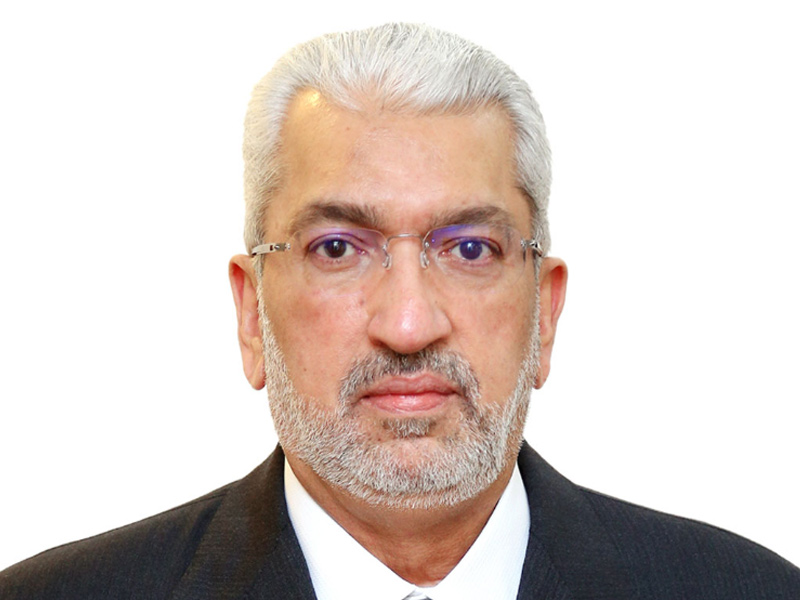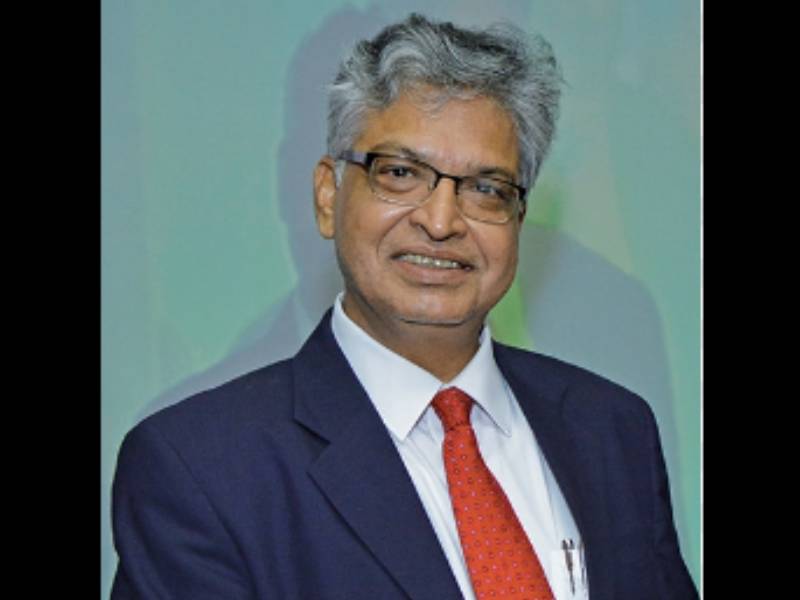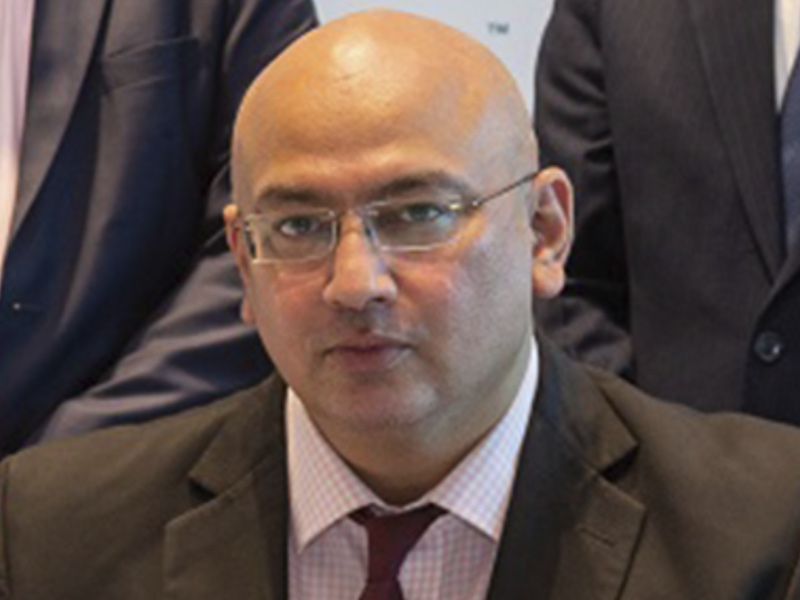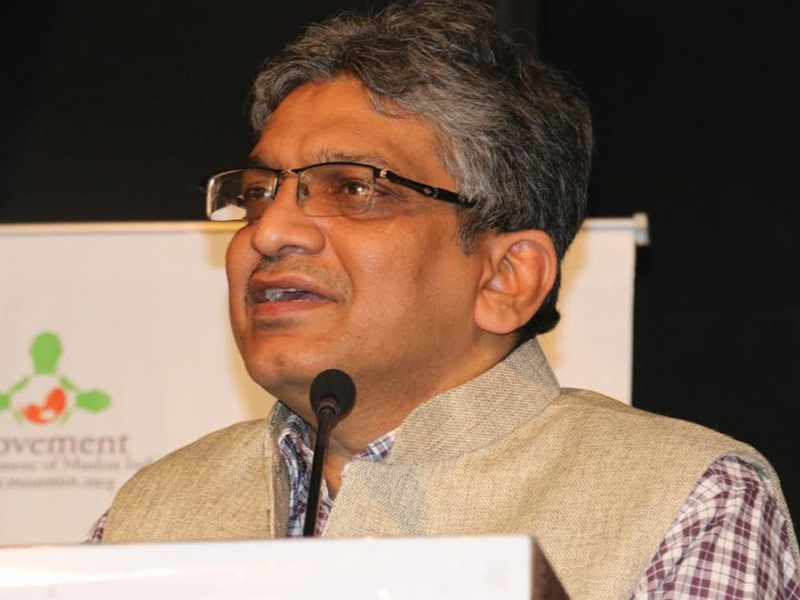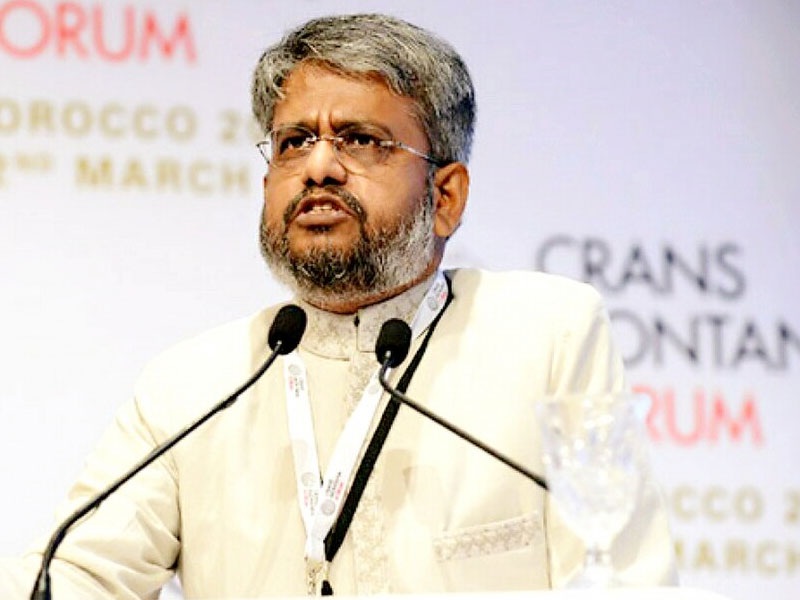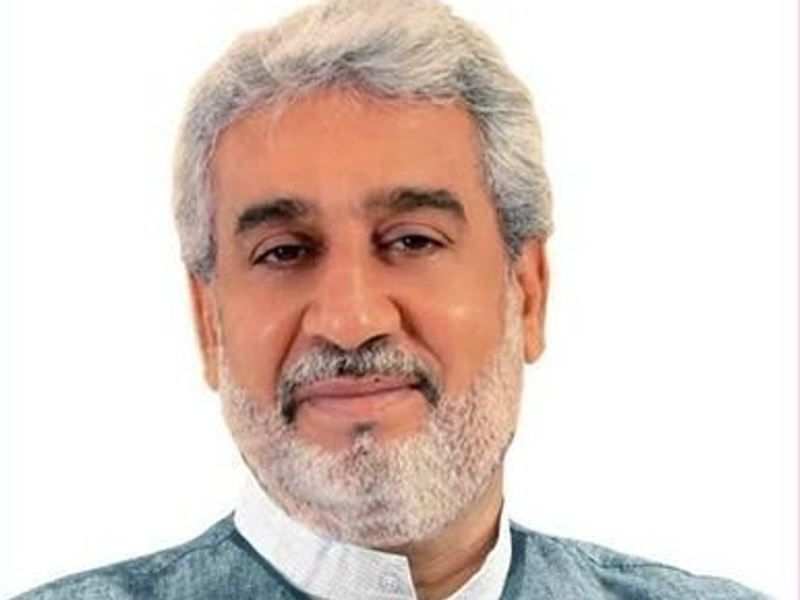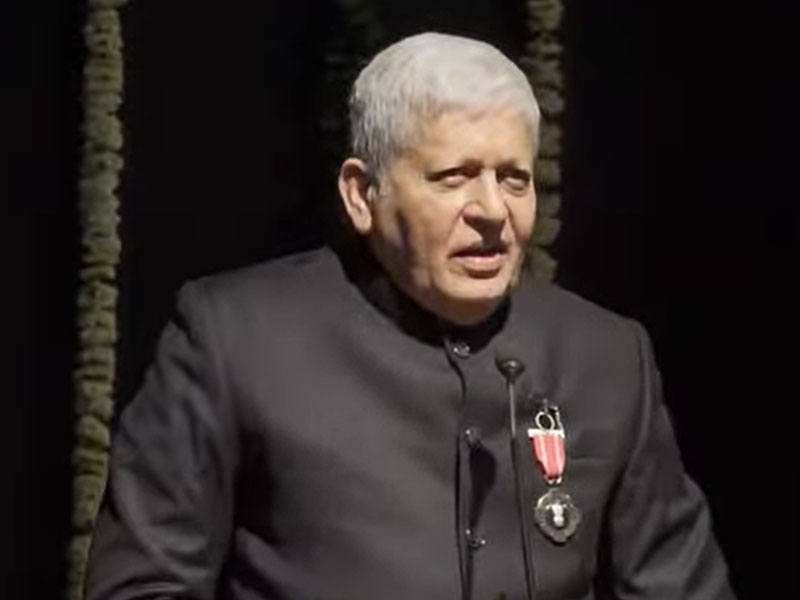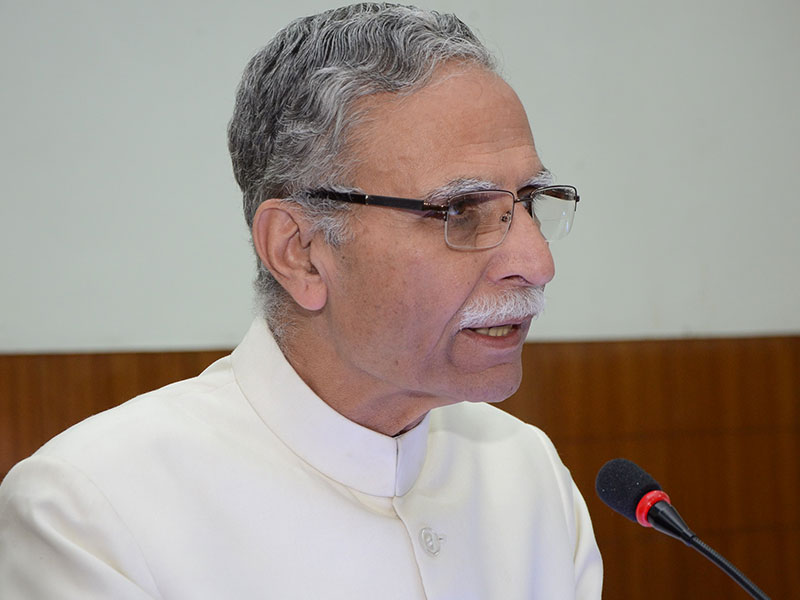
Dr. Shahid Jameel: At the Forefront of Science, Innovation, and Public Health
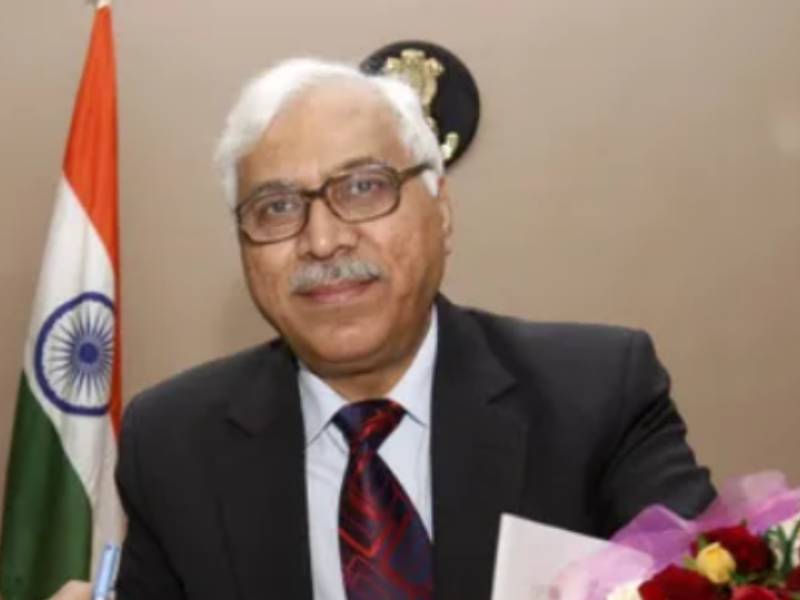
Dr. Shahid Jameel stands as one of India’s most distinguished scientists, renowned for his contributions to virology, public health, and biomedical research. With a career spanning decades of groundbreaking work, he has earned recognition not only for scientific excellence but also for his efforts to bridge the gap between research, policy, and society. For Dr. Jameel, science is not confined to laboratories—it is a tool for improving lives and shaping national health priorities.
Born and raised in India, Dr. Jameel showed an early curiosity about the natural world, a trait that led him to pursue studies in medicine and molecular biology. He later specialized in virology, a field that would define his career, combining meticulous laboratory research with a commitment to addressing pressing public health challenges. His academic rigor and analytical approach quickly established him as a leading voice in biomedical science.
Dr. Jameel’s research focuses on viruses that impact human health, particularly hepatitis and HIV, as well as emerging infectious diseases. His work on understanding viral mechanisms, transmission, and treatment strategies has had significant implications for both national and global health. Over the years, he has published extensively in high-impact scientific journals, contributing knowledge that guides policy decisions and informs public health interventions.
Beyond his laboratory achievements, Dr. Jameel has been a tireless advocate for building robust scientific institutions in India. As a leader of premier research organizations, he has championed interdisciplinary collaboration, mentorship of young scientists, and the creation of research infrastructure that meets global standards. His leadership style is marked by inclusivity, intellectual rigor, and the belief that the next generation of scientists must be equipped not only with technical expertise but also with a sense of responsibility toward society.
During public health crises, Dr. Jameel has been a prominent voice in translating complex scientific findings for policymakers, media, and the general public. He believes that effective science communication is essential for informed decision-making, particularly in a world increasingly shaped by epidemiological threats. His ability to articulate research in accessible terms has made him a trusted advisor in both governmental and academic circles.
Colleagues describe Dr. Jameel as methodical, disciplined, and deeply committed to ethical research practices. He has consistently emphasized the importance of evidence-based science in shaping health interventions, resisting shortcuts or sensationalism. At the same time, he fosters creativity and innovation, encouraging his teams to explore bold hypotheses while adhering to rigorous standards.
Beyond his professional accomplishments, Dr. Jameel is also known for his mentorship and engagement with the broader community of scientists. He actively supports programs to nurture young talent, promote scientific literacy, and inspire students—especially from underrepresented communities—to pursue careers in research. For him, science is as much about creating knowledge as it is about cultivating curiosity and opportunity.
Dr. Shahid Jameel’s career is a testament to the power of discipline, vision, and societal commitment in science. In an era when biomedical research is critical to global health security, he exemplifies the scientist as a public servant, mentor, and innovator. His work continues to inspire both the scientific community and the broader society, reinforcing the idea that rigorous research, ethical leadership, and public engagement together drive meaningful progress.

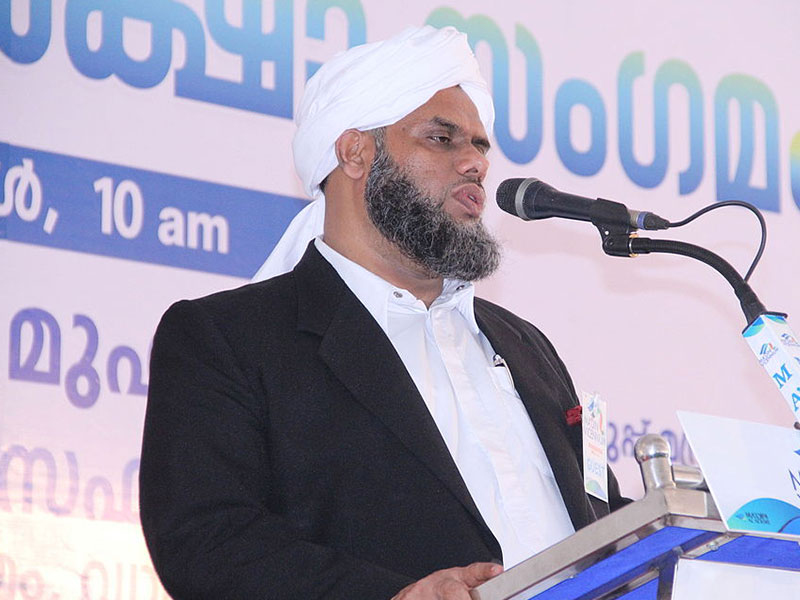
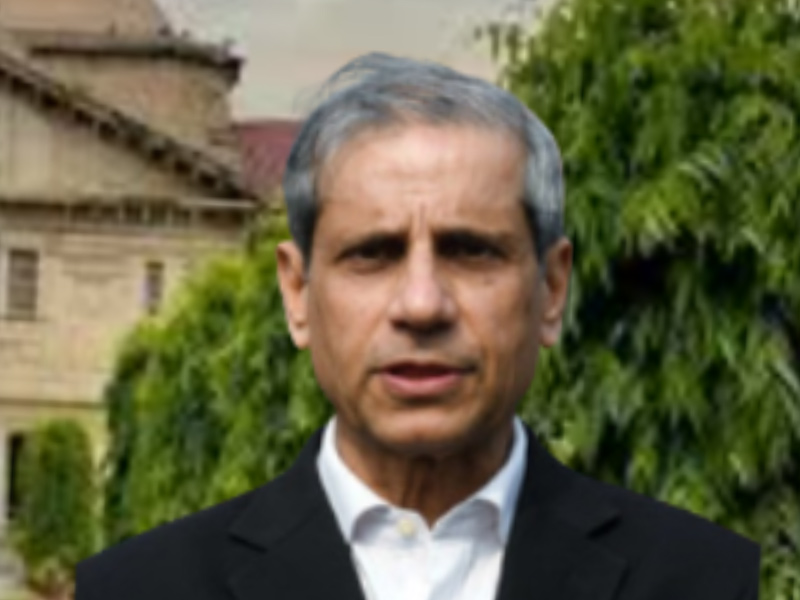
Qumruzzama Azmi: Islamic Scholar
Qumruzzama Azmi (born 1946) widely respected as Maulana Azmi, is a distinguished Islamic scholar and one of the most influential voices in contemporary Islamic thought and leadership. Born in Azamgarh, Uttar Pradesh, India, in 1946, he received his early Islamic education at the esteemed Al Jamiatul Ashrafia, Mubarakpur, where he excelled in Islamic jurisprudence, theology, and Arabic literature.
Maulana Azmi’s profound understanding of Islamic teachings, coupled with his eloquence and insight, quickly earned him a reputation as a dynamic leader. His efforts to bridge gaps between communities and promote Islamic values in modern contexts have made him a sought-after scholar worldwide.
Azmi has dedicated much of his life to serving the Muslim community globally. He is closely associated with the World Islamic Mission (WIM), a prominent organization committed to promoting unity among Muslims and addressing the challenges they face. As the General Secretary of WIM, he has played a pivotal role in establishing mosques, Islamic centers, and educational institutions in various countries, particularly in Europe and North America.
An ardent advocate of peaceful coexistence, Maulana Azmi emphasizes the importance of interfaith dialogue and communal harmony. His lectures and writings have inspired countless Muslims to uphold the principles of justice, compassion, and ethical conduct.
Maulana Azmi is also deeply committed to the socio-economic upliftment of marginalized communities. He has initiated programs for education, healthcare, and poverty alleviation, ensuring the integration of Islamic values with humanitarian service.
Despite his international commitments, he remains rooted in his scholarship, dedicating time to writing, teaching, and guiding students of Islamic sciences. His intellectual contributions and spiritual leadership continue to influence generations of Muslims worldwide.
Qumruzzama Azmi’s legacy is one of knowledge, service, and unwavering dedication to the cause of Islam and humanity.