Muslim Mirror 100: The Most Influential Indian Muslims 2025

Changemakers

Browse Lists by Year:


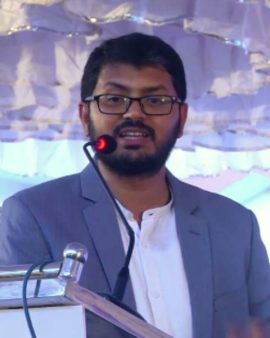
Abdul Subhan - selected in the list of  - 2025

Abdul Subhan

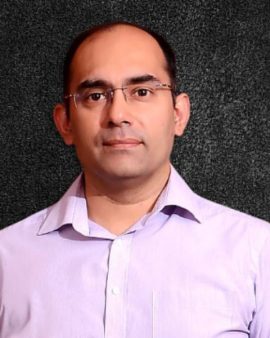
Dr. Abdul Subhan: A Young Visionary Redefining Education with Purpose

Dr. Abdul Subhan stands out as a new-generation educationist whose vision, energy, and commitment are reshaping the educational landscape through the Falcon Group of Institutions. Young in age but mature in thought, he represents a breed of leaders who see education not merely as a system of degrees, but as a powerful tool for social transformation.

As the driving force behind the Falcon Group of Institutions, Dr. Subhan has worked tirelessly to build institutions that blend academic excellence with strong moral and ethical values. His approach goes beyond conventional teaching methods, emphasizing critical thinking, innovation, and character-building. Under his leadership, Falcon institutions have emerged as vibrant centres of learning, nurturing students to become confident, skilled, and socially responsible individuals.

Dr. Subhan’s vision is deeply rooted in inclusivity. He strongly believes that quality education should be accessible to all, regardless of socio-economic background. This belief has translated into initiatives aimed at supporting first-generation learners and students from marginalized communities, empowering them with knowledge and opportunities to transform their lives.

What truly sets Dr. Abdul Subhan apart is his ability to inspire. He leads by example, combining humility with determination, and passion with discipline. His focus on modern pedagogy, technology-driven learning, and continuous faculty development reflects his forward-looking mindset and readiness to adapt to the evolving needs of the global education system.

For Dr. Subhan, education is not just a profession—it is a mission. His journey with the Falcon Group of Institutions is a testament to how youthful vision, when guided by purpose and perseverance, can create institutions that shape minds, build futures, and contribute meaningfully to nation-building. Through his work, Dr. Abdul Subhan continues to inspire students and educators alike to dream bigger and strive for excellence with integrity.


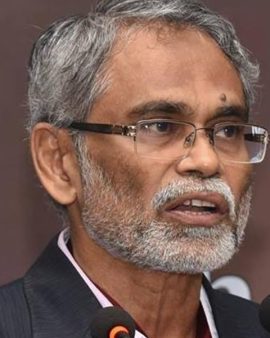
Abdur Rahiman - selected in the list of  - 2025

Abdur Rahiman

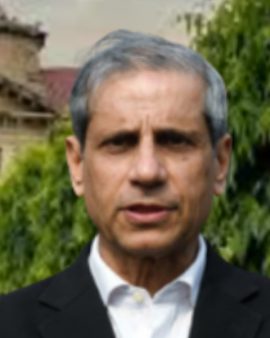
E.M. Abdul Rahiman: A Grassroots Reformer Championing Empowerment and Constitutional Values

E.M. Abdul Rahiman is a grassroots social reformer and community leader best known as the founder of the Empower India Foundation, an organisation dedicated to advancing social justice, educational uplift, and civic empowerment among India’s marginalised communities. With a philosophy rooted in constitutional values and inclusive development, Abdul Rahiman has emerged as a consistent voice for dignity, equal opportunity, and peaceful democratic engagement.

Under his leadership, the Empower India Foundation has focused on translating ideas of empowerment into practical action. The organisation has worked at the intersection of education, awareness-building, and community mobilisation—encouraging young people to pursue learning, understand their rights, and participate constructively in public life. Abdul Rahiman believes that sustainable change begins with informed citizens, and much of his work has centred on creating platforms for dialogue, mentorship, and social responsibility.

Known for his calm yet firm articulation of issues affecting minorities and disadvantaged groups, Abdul Rahiman has emphasised non-violence, constitutional morality, and unity across communities. He has often spoken about the importance of education as the most powerful tool for breaking cycles of poverty and exclusion, urging families and institutions alike to invest in learning, skills, and ethical leadership.

Colleagues describe him as a patient organiser with a long-term vision—someone who prioritises institution-building over personal visibility. Through workshops, campaigns, and partnerships with civil society actors, the Empower India Foundation under his guidance has sought to nurture confidence and self-reliance, particularly among youth.

E.M. Abdul Rahiman’s journey reflects a broader commitment to strengthening India’s social fabric through empathy and empowerment. By combining principled advocacy with community-level action, he continues to inspire many to believe that meaningful change is possible when citizens come together with purpose, discipline, and hope.


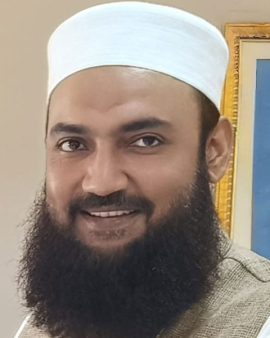
Ahmad Wali Faisal Rahmani - selected in the list of  - 2025

Ahmad Wali Faisal Rahmani

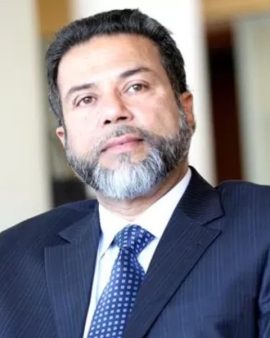
Faisal Rahmani: A Visionary Leader in Islamic Education and Social Reform

Faisal Rahmani is an influential figure in the realm of Islamic education and social reform, known for his commitment to empowering the Muslim community through knowledge and leadership. Born into a family with a strong tradition of religious scholarship, Faisal Rahmani was deeply inspired by his lineage and dedicated himself to the pursuit of Islamic learning from a young age.


Faisal Rahmani pursued his formal education in Islamic studies at some of the most esteemed institutions in India, where he excelled in various disciplines, including Fiqh (Islamic jurisprudence), Tafsir (Quranic exegesis), and Hadith (Prophetic traditions). His academic achievements were complemented by a strong sense of social responsibility, which led him to become actively involved in various community initiatives.

As a leader, Faisal Rahmani has been at the forefront of efforts to modernize and strengthen Islamic education in India. He has played a key role in the establishment and development of several educational institutions that aim to provide high-quality Islamic education alongside modern secular subjects. His vision is to create a generation of Muslims who are not only well-versed in their religious traditions but are also equipped to engage with the broader world in meaningful ways.

Beyond education, Faisal Rahmani is also a respected voice on issues of social justice and community development. He has been involved in numerous initiatives aimed at improving the socio-economic conditions of marginalized communities, advocating for their rights, and working towards their upliftment.

He has been General Secretary of All India Muslim Persoanl Law Board. Presently is is Sajjada Nasheen, Khanqah Rahmani, Munger, Bihar, Ameer-e-Shariat, Bihar, Orissa and Jharkhand and Presiden of Rahmani Mission.


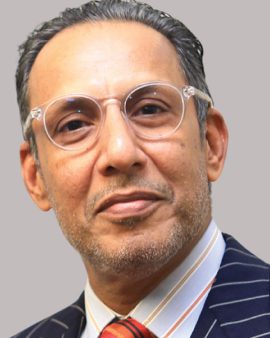
Ahmed Buhari - selected in the list of  - 2025

Ahmed Buhari

Ahmed Buhari: Entrepreneur, Phylonthropist

Ahmed Buhari (born in1969) is a dynamic Indian entrepreneur and phylonthropist known for his innovative approach to social work, business and entrepreneurship. 

Ahmed Buhari is the President of the United Economic Forum (UEF), a Chennai-based business and social organization Estd in 1979 by his father Dr. B.S. Abdur Rahman, a leading industrialist, educationalist, philanthropist, to uplift the socio-economic status of the community and society through Economic Empowerment, Education, and Social Development. 

Ahmed Buhari holds a Master’s degree in Shipping, Trading, and Finance from Bayes Business School, City - St. George’s University, London, and a Bachelor’s degree in Marketing from Bentley University, Boston, USA. Upon completion, he joined his family enterprise — ETA-ASCON-Buharia Group, founded by his father, Dr. B.S. Abdur Rahman.

 Driven by an entrepreneurial vision, Ahmed Buhari later founded the Coal & Oil Group, an India-centric integrated energy company that established a 1,200 MW thermal power plant in Tuticorin, Tamil Nadu — a landmark project contributing nearly 6% of the state’s power requirement. This remains one of the largest power plants in South India, symbolizing both industrial progress and community pride.

 He also serves as a Director of Buhari Holdings, Trustee of Seethakathi Trust, B.S. Abdur Rahman Crescent Institute of Science and Technology, Chairman of the Tuticorin Development Board, and Founding Trustee of the Keelakarai Town Development Trust.

 Since assuming leadership as President of UEF in 2011, AB has transformed UEF into a dynamic business chamber, expanded members' base and successfully organized four international summits where more than 10,000 people participated which includes , Chief Minister, Ministers,high profile dignitaries, speakers from around 30 countries and others.

 Through its initiatives, UEF has fostered impactful ventures, including Twin Health, a US based unicorn.

To date, UEF has facilitated projects valued at ~ USD 3. 6 billion.

In line with Viksit Bharat and GOI Startup India initiaitive as also IIT Madras research park he seeks to establish Entrepreneurship Hubs in 45 associated educational institutions as also in rest of India to support entrepreneurship. At their BS Abdur Rahman University's Crescent Innovation and Incubation Centre they have nurtured over 140 Startups, within 5 years, valued at over Rs. 3,000cr

 UEF’s initiatives extend to strategic and financial advisory services, knowledge sharing, and organizing international conferences

 Beyond his professional pursuits, AB is a deep-sea diver, endurance horse rider, and avid cyclist. He is also passionate about cooking, gardening, reading, and cherishes spending quality time with his family.


Ali al Hussaini - selected in the list of  - 2025

Ali al Hussaini

Dr. Syed Muhammad Ali al-Hussaini:  Carrying Forward a Legacy of Learning

Dr. Syed Muhammad Ali al-Hussaini represents a rare blend of tradition, vision, and modern leadership in the field of education. Introduced early to the noble mission of academic service through the lifelong dedication of his father and grandfather, he imbibed values of discipline, commitment, and quiet perseverance from a young age. Calm, soft-spoken, and deeply observant, Dr. al-Hussaini is known as an untiring worker with a thoughtful and practical approach to leadership.

An alumnus of the Khaja Education Society’s Sayyid Akbar Husayni ICSE School, Dr. al-Hussaini went on to earn a Master’s degree in Arabic from Osmania University, Hyderabad. He further expanded his academic horizons with a postgraduate degree in Islamic Studies from McGill University, Montreal—an experience that enriched his global outlook while deepening his scholarly foundations.

Closely associated with the administration of the Khaja Education Society and its institutions, Dr. al-Hussaini has played a pivotal role in steering their growth. His vision for development is firmly rooted in cultural continuity while embracing innovation and forward-looking practices. Well-versed in Arabic language and literature, and possessing a keen appreciation for the arts, music, and modern technology, he brings fresh perspectives to institutional planning and governance.

Having previously served as Pro-Chancellor of Khaja Bandanawaz University, Dr. al-Hussaini currently holds the office of Chancellor. In this role, he actively oversees progress across diverse sectors, including academics, infrastructure, information technology, sports, and healthcare. He has taken on the immense responsibility of developing the University’s expansive 37-acre campus, which houses professional colleges, multiple institutions, and the six-storeyed Khaja Bandanawaz Teaching & General Hospital—an area of special focus, with plans to transform it into a state-of-the-art healthcare facility.

A keen sportsman with a particular passion for cricket, Dr. al-Hussaini has championed team sports through initiatives such as the KBN House of Sports, the development of a 14-acre sports ground with international-standard cricket facilities, and the KBN Riding Club.

Guided by dynamic enthusiasm and a clear sense of purpose, Dr. Syed Muhammad Ali al-Hussaini is steadily shaping Khaja Bandanawaz University into one of the most aesthetically distinguished and academically vibrant campuses in the country.


Ameen Mian Qadri - selected in the list of  - 2025

Ameen Mian Qadri

Syed Muhammad Ameen Mian Qadri: A Global Sufi Leader Shaping Faith and Education

Syed Muhammad Ameen Mian Qadri is a distinguished Indian Sufi leader and scholar, serving as the Sajjada Nashin of Khanqah-e-Barkatiya Marehra Shareef, a prominent center of the Qadri Order and part of the Indian Sufi Barelvi movement. He is also the founder of Jamia Al Barkaat Aligarh, an institution serving over 50 million adherents worldwide.

Ameen Mian Qadri has had an illustrious academic career as a senior professor and Chairman of the Department of Urdu at the esteemed Aligarh Muslim University. His influence extends beyond academia; he was ranked 44th among the 500 Most Influential Muslims globally by the Royal Islamic Strategic Studies Centre in collaboration with Georgetown University's Prince Alwaleed Bin Talal Center. He was the sole Indian Muslim recognized in this prestigious list.

In 2006, Hindustan Times referred to him as the leading figure of the Ahle Sunnah sect. His spiritual lineage, Barkatiya, traces its roots to the revered Qadiriyya silsila of Baghdad and is followed by an estimated two million adherents in India and abroad. As a spiritual leader, he has presided over numerous gatherings both domestically and internationally, further strengthening his influence.

Ameen Mian Qadri has dedicated significant efforts to the educational empowerment of Indian Muslims. He established a network of institutions under the Al-Barkaat banner, including Al Barkaat Institute of Management Studies and Research, Al Barkaat Public Schools (for boys and girls), Al Barkaat Department of Education, Al Barkaat Institute of Graduate Studies, Al Barkaat Vocational Studies College, Al Barkaat Play and Learn Centre, and Jamia Ahsanul Barkaat. These institutions have played a transformative role in enhancing access to quality education and fostering socio-economic development within the Muslim community.


Ameer Ahamed - selected in the list of  - 2025

Ameer Ahamed

Ameer Ahamed: Pioneering social change through business and education

Ameer Ahamed Manappat, an alumnus of Aligarh Muslim University, is the Chairman and Managing Director of the Manappat Group of Companies, a Dubai-headquartered business conglomerate with over 20 business units spanning India, Oman, and the UK. His group operates across diverse sectors, including EPC, construction, manufacturing, trading, interior design, fit-outs, and education, embodying a culture rooted in ethical values and teamwork.

A re-engineering specialist, Ameer Ahamed revitalizes struggling businesses, transforming them into profitable ventures. In recognition of his entrepreneurial acumen, he received the Outstanding Entrepreneur Award from the Kerala State Industrial Development Corporation in 2011. Beyond business, he is deeply committed to social causes, focusing on education, health, interest-free microfinance, and skill development.

Through the Manappat Foundation, Ameer Ahamed spearheads transformative educational initiatives, especially for Hafiz-e-Quran students. His flagship project, Vision International Academy in Phulat, Uttar Pradesh, empowers underprivileged students by bridging traditional Islamic and modern education. The academy nurtures bright Hafiz-e-Quran students to excel in fields like engineering, medicine, and law, aiming to create empowered citizens and community role models.

His work extends beyond education. Ameer Ahamed’s projects include the Paravur Punarjani Project to assist Kerala’s 2018 flood victims, school initiatives in Aligarh, and relief programs in Kushinagar. Recently, an MoU was signed with Cheraman Malik Manzil Orphanage to establish a Vision International Academy branch in Kodungallur, Kerala.

A passionate advocate for social upliftment, he envisions establishing 100+ Vision International Academies across India with the support of like-minded philanthropists. Under his leadership, impactful projects such as the Social Advancement Foundation of India (SAFI) College, a NAAC A++ accredited institution in Kerala, have also flourished.

Driven by a relentless quest to uplift marginalized communities, Ameer Ahamed’s contributions are a beacon of hope. His commitment to humanity and social progress continues to inspire, with the potential to leave an enduring legacy for the betterment of the Ummah and society at large.


Banu Mushtaq - selected in the list of  - 2025

Banu Mushtaq

Banu Mushtaq: Giving Voice to the Unheard

Banu Mushtaq’s literary journey is a quiet revolution—one written not in grand gestures, but in precise, compassionate prose that lays bare the lives of those often pushed to the margins. A celebrated Kannada writer, lawyer, and social activist, Mushtaq rose to international prominence after winning the Booker Prize, a recognition that brought global attention to her deeply rooted, socially conscious body of work. Yet, long before international acclaim, she had already established herself as one of the most fearless and empathetic voices in Indian literature.

Born and raised in Karnataka, Banu Mushtaq’s worldview was shaped by close observation of everyday life, particularly the experiences of Muslim women navigating patriarchy, poverty, and silence. Trained as a lawyer, she brought to her writing a sharp sense of justice and an unflinching eye for structural inequality. Law gave her the language of rights; literature gave her the freedom to explore pain, resistance, and dignity in all their complexity.

Mushtaq began writing in Kannada, choosing deliberately to work within a regional language tradition. This choice was both political and personal. She believed that the most authentic stories emerge from the languages people dream, argue, and suffer in. Her short stories, essays, and novels focus on ordinary lives—women confined by rigid norms, families fractured by social hypocrisy, and individuals quietly rebelling against imposed identities. There is no melodrama in her work, only a steady insistence on truth.

What distinguishes Banu Mushtaq’s writing is its moral courage. She writes about uncomfortable realities—gender injustice, religious conservatism, domestic oppression—without caricature or condemnation. Her characters are flawed, human, and deeply recognizable. Rather than speaking for them, she allows them to speak for themselves, trusting readers to confront the questions her stories raise. This restraint is precisely what gives her work its power.

The Booker Prize marked a turning point, not only for Mushtaq, but for Kannada literature itself. It signaled global recognition of stories rooted in local realities and affirmed the importance of translation as an act of cultural bridge-building. For Mushtaq, the award was never an endpoint. She has repeatedly emphasized that literary recognition matters only insofar as it amplifies silenced voices. The spotlight, she insists, belongs not to the author but to the lives reflected in her pages.

Beyond literature, Banu Mushtaq has been an active advocate for women’s rights and social reform. As a lawyer, she worked with vulnerable communities, and as a public intellectual, she has spoken against injustice with clarity and calm resolve. Her activism and writing are not separate pursuits; they are extensions of the same ethical commitment—to stand with those denied dignity and to question systems that normalize suffering.

Despite international acclaim, Mushtaq remains grounded and understated. She resists literary celebrity, preferring the discipline of writing and the intimacy of readers who see their own lives mirrored in her work. Her success has inspired a new generation of writers, particularly women writing in Indian languages, to trust their stories and their voices.

Banu Mushtaq’s achievement lies not only in winning a prestigious prize, but in redefining what literary success can mean. Her work reminds us that the most powerful stories are not always loud or spectacular. Sometimes, they are quiet acts of truth—written with honesty, empathy, and an unshakeable belief that literature can still be a force for justice.


Ejaz Ali - selected in the list of  - 2025

Ejaz Ali

Dr. Ejaz Ali: The Messiah of the Poor

Dr. Ejaz Ali is widely revered as “The Messiah of the Poor” for his lifelong dedication to serving the underprivileged with compassion, integrity, and unwavering selflessness. A doctor by profession and a humanitarian by conviction, he has devoted his life to ensuring that quality healthcare reaches those who are most often excluded from mainstream medical systems—the poor, marginalized, and voiceless.

In an era when medical consultations and treatments often cost thousands of rupees, Dr. Ejaz Ali stands as a rare exception. For more than four decades in Patna, he has charged just ₹10 for consultations, a practice rooted in his belief that healthcare should remain accessible to all, regardless of economic status. His work has made him a household name among the urban poor and rural migrants who see him not merely as a doctor, but as a lifeline.

While many healthcare institutions prioritize profit and efficiency, Dr. Ali prioritizes people and compassion. His surgeries are performed at minimal cost, and he ensures that every patient is seen on the same day, sparing them additional expenses on travel, accommodation, or repeat visits. “I get satisfaction from such service to society,” he once remarked, capturing the philosophy that guides his life and practice.

Service runs deep in his family. His late wife shared the same values of compassion and social responsibility. Today, his legacy continues through his three children, all of whom are doctors. His son, trained at a prestigious institute in the United States, charges a nominal ₹100, while his daughter, a gynecologist, charges just ₹50. In many cases, even these modest fees are waived or accepted in easy installments.

Clad in a simple kurta-pyjama and seated on a plastic chair, Dr. Ejaz Ali treats over 100 patients daily and performs seven to eight surgeries, embodying the profound truth that medicine is not merely a profession—it is an act of humanity.


Faiz Syed - selected in the list of  - 2025

Faiz Syed

Advocate Faiz Syed: A Voice of Knowledge, Clarity, and Social Reform

Advocate Faiz Syed is a well-known Indian Islamic scholar, speaker, and educationist, widely respected for his efforts to promote authentic Islamic knowledge and social welfare. He is the Founder and President of the Islamic Research Centre (IRC) Education & Welfare Trust, a non-profit organization dedicated to religious education, community upliftment, and skill development. Through his work, he has emerged as a prominent voice addressing misconceptions about Islam with reason, scholarship, and clarity.

Trained in law and Islamic studies, Adv. Faiz Syed brings a unique combination of legal reasoning and religious scholarship to his lectures. His talks, delivered in both Urdu and English, focus on the Qur’an and Sunnah while engaging directly with contemporary social, ethical, and spiritual challenges. Known for his structured presentations and interactive question-and-answer sessions, he appeals especially to youth seeking rational and practical understanding of faith in modern times.

Under his leadership, the IRC Trust has expanded its mission beyond religious education to include vocational and technical training. Through IRC and its associated foundations, Adv. Faiz Syed has promoted skill-based education in areas such as computer literacy, digital marketing, data analytics, and other employability-focused programs. These initiatives aim to empower young men and women with practical skills while grounding them in strong moral and ethical values.

Adv. Faiz Syed is also a prolific digital content creator. His lectures and educational series are widely accessible through platforms such as YouTube and Instagram, including IRC TV and his personal channels. With a global online audience, his content reaches millions, making Islamic education accessible beyond physical boundaries.

Focusing on issues such as charity (zakat), personal conduct, family life, and community responsibility, Adv. Faiz Syed continues to play a vital role in educating, guiding, and empowering society—bridging faith, intellect, and social responsibility in a rapidly changing world.


Faizal Khan - selected in the list of  - 2025

Faizal Khan

Khan Sir: The Teacher Who Turned Education Into a Movement

In an era dominated by coaching empires, glossy classrooms, and high-priced education, Khan Sir of Patna stands apart as a phenomenon rooted in simplicity, sincerity, and service. Known nationally for his distinctive teaching style and deeply relatable explanations, Khan Sir is more than an educator—he is a movement that has redefined what accessible education can look like in contemporary India.

Based in Patna, Khan Sir rose to prominence not through aggressive marketing or elite affiliations, but through word of mouth and the unwavering trust of students. His classroom, modest in appearance, became a space where complex subjects were broken down into everyday language, local metaphors, and real-life examples. Geography, history, current affairs, and science were no longer intimidating; they became understandable, engaging, and even enjoyable. For millions of students preparing for competitive examinations, especially those from economically weaker backgrounds, Khan Sir became a beacon of hope.

What makes Khan Sir’s journey truly inspirational is his uncompromising commitment to affordability. At a time when coaching fees often push families into debt, he deliberately kept his fees minimal, believing that financial constraints should never determine a student’s future. This decision, often described as economically irrational, reflects a deeper moral conviction: education is a public good, not a luxury product. His success challenges the notion that quality education must come at a high cost.

Khan Sir’s teaching philosophy is grounded in clarity and conscience. He does not merely prepare students for exams; he encourages them to think critically, understand social realities, and develop a sense of responsibility toward the nation. His lectures often blend academic content with lessons on ethics, civic duty, and national awareness. This holistic approach has earned him respect not only as a teacher, but as a mentor and guide.

The digital expansion of his classroom during the rise of online education amplified his reach exponentially. Through YouTube and digital platforms, Khan Sir’s lectures reached millions across India, including students in remote villages who had limited access to quality teaching. Despite his massive online following, he remained rooted in his original mission—using technology as a tool to democratize knowledge, not commercialize it excessively.

Leadership, in Khan Sir’s case, is quiet and principled. He avoids personal glorification, rarely discusses his private life, and consistently redirects attention toward students and learning. His humility and discipline resonate deeply in a society often enamored with celebrity culture. Students frequently describe him as strict yet caring, demanding yet deeply invested in their success.

Khan Sir’s impact extends beyond examination results. He has inspired a generation of educators to rethink pedagogy and purpose. By proving that empathy, innovation, and integrity can coexist with excellence, he has challenged entrenched hierarchies in the education system.

In a country where education remains the most powerful ladder of social mobility, Khan Sir represents its truest spirit. His story reminds us that transformative leadership does not always emerge from positions of power—it often rises from classrooms, chalkboards, and a relentless belief in students’ potential. Khan Sir’s legacy is not just in the number of successful candidates he has taught, but in the millions he has empowered to believe that learning can change lives.


Hamid Ahmed - selected in the list of  - 2025

Hamid Ahmed

Mr. Hamid Ahmed – CEO, Hamdard Laboratories

Mr. Hamid Ahmed is the Chief Executive Officer of Hamdard Laboratories, one of India's leading manufacturers of traditional herbal products and pharmaceuticals. With a deep-rooted connection to the company’s legacy and a passion for its vision, Mr. Ahmed has been instrumental in expanding Hamdard's reach and impact on both the Indian and global markets.

Hamdard Laboratories, founded in 1906, is renowned for its commitment to producing high-quality herbal medicines, wellness products, and cosmetics. Under Mr. Hamid Ahmed's leadership, the company has evolved into a modern, technology-driven enterprise while preserving its century-old heritage of promoting health and well-being through natural remedies. His strategic insights and forward-thinking approach have been pivotal in elevating Hamdard's status as a trusted brand for millions.

With a background in management and an extensive understanding of the pharmaceutical and FMCG sectors, Mr. Ahmed has played a key role in driving the company’s growth. He has overseen the introduction of innovative product lines, improved production techniques, and modernized the company's distribution network. His leadership also emphasizes sustainability, quality control, and corporate responsibility, ensuring that Hamdard continues to maintain its reputation as a leader in herbal health solutions.

Under Mr. Ahmed's guidance, Hamdard Laboratories has expanded its presence not just across India, but also in international markets, making its products available in numerous countries. His focus on research and development has allowed the company to stay ahead in the competitive herbal medicine industry, maintaining its legacy while embracing contemporary advancements in health and wellness.

Mr. Hamid Ahmed’s dedication to innovation, customer satisfaction, and ethical practices continues to drive Hamdard Laboratories toward new milestones, solidifying its role as a pioneering force in the herbal and wellness sector.


Mahbubul Hoque - selected in the list of  - 2025

Mahbubul Hoque

Mahbubul Hoque: The Edupreneur Redefining Education and Healthcare in Northeast India

Mahbubul Hoque, an Aligarh Muslim University (AMU) alumnus (1993-2000), is a visionary edupreneur and the founder of multiple educational institutions, including the University of Science and Technology Meghalaya (USTM) and the Chairman of the Education Research and Development Foundation (ERDF) Guwahati, is one such inspiring figure. His vision has not only reshaped the educational prospect in Northeast India but has also brought advanced medical facilities closer to the region’s underserved population. Recently, the Ministry of Health and Family Welfare and the National Medical Commission (NMC) approved the establishment of the PA Sangma International Medical College (PIMC), a collaborative venture between USTM and the Government of Meghalaya, marking a new milestone in Hoque’s journey.

Network of institutions founded by Hoque include schools and colleges specializing in pharmacy, ayurveda, medicine, law, education, engineering, business, and several other streams of education. These are part of the University of Science and Technology Meghalaya, which ranks among the top 200 universities in the country and is accredited with an A grade by NAAC.

Born into a rural family in Karimganj, Assam, Mahbubul Hoque faced a challenging childhood. He lost both his parents and an elder brother at a young age and had to support himself through private tutoring and selling home-grown vegetables to continue his studies. Despite these hardships, he excelled academically, earning first-class marks throughout his career. He completed his B.Sc. and MCA from the prestigious AMU in 2000.

Driven by a deep commitment to education, Hoque returned to Assam with a vision to transform the region’s educational landscape. Rejecting lucrative job offers, he embarked on his entrepreneurial journey in 2001 with just Rs 85, a single computer, and four students. His first venture was a study center housed in a rented building, which he funded by selling assembled computers to establish a computer lab. This initiative quickly became the second-best study center of the Manipal Group nationwide.

Hoque’s journey from a struggling student in rural Assam to a trailblazing educational entrepreneur is a testament to his resilience and visionary leadership. Through ERDF and USTM, he has transformed the lives of thousands of students, provided affordable healthcare, and created a network of institutions dedicated to serving the region. His initiatives continue to reshape the educational and healthcare landscape in Northeast India, making quality education and healthcare more accessible to those in need.

By dedicating himself to his community and country at large, Mahbubul Hoque has established a legacy of hope and opportunity. His life story is a powerful reminder that with determination, innovation, and empathy, one individual can indeed create a ripple effect of positive change.


Majid Ahmed - selected in the list of  - 2025

Majid Ahmed

Dr. Majid Ahmed Talikoti: A Pioneer of Surgical Oncology Transforming Cancer Care in India

Dr. Majid Ahmed Talikoti is a distinguished oncologist and surgeon whose career exemplifies excellence, compassion, and dedication to cancer care. With over 16,000 successful surgeries to his credit, Dr. Talikoti has emerged as a leading figure in the field of surgical oncology in India.

Dr. Talikoti is currently the Director of Surgical Oncology at Moolchand Healthcare, New Delhi, and serves as a consultant at Batra Hospital and Medical Research Center. His expertise spans across various cancers, with a focus on innovative surgical techniques and personalized patient care. His commitment to advancing oncological treatment has earned him widespread respect among peers and patients alike.

A visionary in healthcare, Dr. Talikoti has been instrumental in establishing and advancing oncology departments at several institutions. Notably, he introduced oncosurgery at Majeedia Hospital, Hamdard University, and at the Faculty of Medical Sciences, KBN University, Gulbarga. As a visiting faculty member and consultant at various medical colleges, he has mentored numerous young doctors, sharing his expertise and inspiring a new generation of healthcare professionals.

Beyond his clinical achievements, Dr. Talikoti is an advocate for universal healthcare access. He strongly believes in providing high-quality care to all patients, including those who cannot afford treatment. His outreach initiatives and philanthropic efforts aim to bridge the gap between medical advancements and accessibility for underprivileged communities.

Dr. Talikoti’s dedication extends to public awareness campaigns about cancer prevention and early detection, underscoring his holistic approach to healthcare. His combination of surgical skill, empathetic care, and advocacy for equitable healthcare makes him a beacon of hope for countless cancer patients.

Dr. Majid is also the Founder, Chairman, and CMD of Medicant Hospital, a 600-bed facility dedicated to providing exceptional healthcare services to the people of Jharkhand and neighboring regions at an affordable cost.


Mehmood Pracha - selected in the list of  - 2025

Mehmood Pracha

Mehmood Pracha: The Defiant Lawyer

Mehmood Pracha is a prominent Indian lawyer known for his fearless advocacy, unwavering commitment to civil liberties, and consistent defense of constitutional values. Widely described as “The Defiant Lawyer,” Pracha has carved a distinct space for himself in India’s legal landscape by representing victims of communal violence, wrongful arrests, and state excesses—often in cases that others hesitate to take up.

Based in Delhi, Mehmood Pracha practices primarily in criminal law and human rights litigation. Over the years, he has represented numerous individuals accused under stringent laws, including terror-related and national security statutes, ensuring that due process, fair trial, and legal safeguards are upheld. His work reflects a deep belief that the strength of a democracy lies in its ability to protect the rights of its most vulnerable citizens, even in times of political pressure and public hostility.

Pracha gained national attention for his legal interventions in cases related to communal riots, mob violence, and custodial abuse. He has consistently challenged arbitrary arrests, coerced confessions, and investigative lapses, often taking on powerful institutions in court. His legal strategy combines rigorous constitutional reasoning with meticulous attention to facts, making him a formidable presence in the courtroom.

Beyond litigation, Mehmood Pracha is also known for his outspoken public stance on rule of law, minority rights, and judicial accountability. He frequently participates in legal awareness programs and public discussions, emphasizing the importance of constitutional morality and equal justice before law. His forthright approach has earned him admiration from civil rights groups as well as criticism from political quarters—yet he remains undeterred.

Despite facing personal risks, professional challenges, and intense scrutiny, Mehmood Pracha continues to stand firm in his mission. His career exemplifies legal courage rooted in principle rather than convenience. As “The Defiant Lawyer,” he symbolizes resistance through law—using the Constitution not merely as a document, but as a living shield for justice, dignity, and democratic rights.


Mohamed Beary - selected in the list of  - 2025

Mohamed Beary

Syed Mohamed Beary: Leadership Rooted in Vision, Values, and Service

Syed Mohamed Beary’s life story is a powerful reminder that true leadership is not defined by how much wealth one accumulates, but by how meaningfully that wealth is used to shape society. As the founder and chairman of the Bearys Group, he has emerged as a rare blend of entrepreneur, institution-builder, and social visionary—someone who leads not from the spotlight, but through quiet conviction and lasting impact.

Raised in coastal Karnataka in modest surroundings, Beary’s early years were shaped by discipline, faith, and a deep respect for hard work. These formative experiences would later define his leadership philosophy: progress must be ethical, success must be shared, and growth must serve a purpose larger than oneself. From the outset, his ambitions were not limited to personal advancement; they were anchored in a desire to build something enduring and meaningful.

Under his stewardship, the Bearys Group evolved into a diversified conglomerate with interests spanning real estate, hospitality, education, healthcare, and infrastructure. What distinguishes Beary’s leadership is not merely expansion across sectors, but his insistence on quality, credibility, and long-term value. Colleagues often describe him as a leader who thinks in decades rather than quarters—patient in execution, cautious in risk, and uncompromising in ethics.

Yet, it is in the realm of education that Syed Mohamed Beary’s leadership finds its most profound expression. He firmly believes that education is the most powerful engine of transformation—capable of lifting families, empowering communities, and reshaping futures. Driven by this belief, he founded and supported multiple educational institutions, including engineering and medical colleges, creating opportunities for thousands of students who might otherwise have been denied access to professional education. For Beary, these institutions are not just campuses; they are investments in human potential.

Healthcare, too, occupies a central place in his vision of leadership. Through hospitals, medical colleges, and charitable health initiatives, he has worked to make quality healthcare accessible and dignified. His approach reflects a leader’s understanding that societal progress is hollow if basic human needs remain unmet. Healing bodies, he believes, is as vital as educating minds.

Despite overseeing large enterprises and institutions, Syed Mohamed Beary remains known for his simplicity and humility. He avoids self-promotion and shuns grand rhetoric, preferring action over applause. Employees and associates speak of a leader who listens carefully, decides thoughtfully, and leads by example. Faith plays a quiet but guiding role in his life, shaping his moral compass and reinforcing his commitment to service.

Awards and recognition have followed, but Beary measures success differently. For him, leadership is validated when students graduate with confidence, when patients receive care with dignity, and when institutions stand strong beyond the individual who founded them.

In a time when leadership is often equated with visibility and power, Syed Mohamed Beary offers a different model—one grounded in vision, restraint, compassion, and responsibility. His journey demonstrates that the most enduring leaders are those who build not just businesses, but futures, leaving behind institutions that continue to serve long after they step aside.


Mohammed Abdul Lateef Khan - selected in the list of  - 2025

Mohammed Abdul Lateef Khan

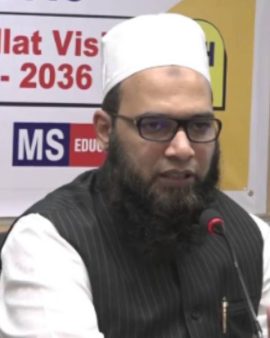
Mohammed Abdul Lateef Khan: “Memory Khan” and the Mission to Democratize Excellence in Education

Mohammed Abdul Lateef Khan, popularly known as “Memory Khan,” is a visionary educationist, internationally certified memory trainer, and the Founder and Chairman of the Hyderabad-based MS Education Academy. With an unwavering belief that intelligence is not a privilege but a skill that can be cultivated, Memory Khan has dedicated his life to transforming the way students learn, think, and succeed.

Renowned for his expertise in memory science, accelerated learning, and brain-based education, Memory Khan has trained thousands of students, educators, and professionals across India and abroad. His workshops and training programs focus on practical techniques that dramatically improve concentration, retention, recall, and exam performance—skills often neglected in conventional education systems. As a certified international memory trainer, he blends global best practices with culturally rooted pedagogy, making complex learning methods accessible to learners from diverse backgrounds.

At the heart of his mission lies MS Education Academy, an institution he founded with the aim of providing quality, value-based education to students, especially from underprivileged and first-generation learner communities. Under his leadership, the academy has grown into a respected educational platform known for academic excellence, competitive exam preparation, personality development, and ethical grounding. The institution emphasizes not just marks, but mindset—encouraging discipline, confidence, and lifelong learning.

Memory Khan is widely admired for his ability to inspire students who struggle academically, helping them rediscover self-belief through scientifically proven learning strategies. His motivational sessions often stress that memory is not about rote learning but about understanding, visualization, and structured thinking.

Beyond classrooms and seminar halls, Mohammed Abdul Lateef Khan is a sought-after speaker at educational conferences and community forums, where he advocates for inclusive education and skill-oriented learning. His work represents a powerful shift from exam-centric teaching to learner-centric growth.

Through his vision, Memory Khan continues to prove that with the right guidance and tools, every mind has the potential to excel.


Mukhtar Alam - selected in the list of  - 2025

Mukhtar Alam

Prof. Brigadier Dr. Mukhtar Alam: A Life of Healing, Discipline, and Leadership

Prof. Brigadier Dr. Mukhtar Alam exemplifies a rare synthesis of medical excellence, military discipline, and compassionate leadership. As Chairman of the Department of Gynaecology at Ruby Hall Hospital, Pune, he has built a reputation not only as an outstanding clinician and academician, but also as a mentor and institution-builder whose work has touched thousands of lives across decades.

Trained in medicine at a time when resources were limited and expectations exacting, Dr. Mukhtar Alam’s journey has been shaped by rigor, resilience, and an unwavering commitment to service. His association with the Indian Armed Forces Medical Services instilled in him the values of discipline, precision, and duty—principles that would later define his approach to both medicine and leadership. Rising to the rank of Brigadier, he served with distinction, handling complex medical responsibilities under demanding conditions while upholding the highest standards of professional ethics.

Transitioning from military service to civilian healthcare, Dr. Alam carried forward the same sense of mission. At Ruby Hall Hospital, one of India’s most respected healthcare institutions, he has played a pivotal role in strengthening the Department of Gynaecology. Under his leadership, the department has grown into a centre known for clinical excellence, innovation, and patient-centric care. His work spans high-risk obstetrics, advanced gynaecological procedures, and the integration of modern technology with compassionate treatment.

What truly sets Prof. Brigadier Dr. Mukhtar Alam apart is his deep commitment to women’s health as a social responsibility, not merely a medical specialty. He believes that caring for women is foundational to building healthy families and communities. This belief has guided his emphasis on ethical practice, patient education, and dignity in care—particularly for women from disadvantaged backgrounds who often lack access to quality medical services.

As an academician, Dr. Alam has been a dedicated teacher and mentor to generations of medical students and young doctors. Known for his clarity, discipline, and approachability, he has inspired many to pursue excellence without losing empathy. His leadership style is firm yet nurturing—demanding high standards while encouraging continuous learning and moral responsibility. For him, producing competent doctors is as important as shaping humane professionals.

Beyond hospital walls, Prof. Brigadier Dr. Mukhtar Alam has been actively involved in professional bodies, medical conferences, and training programs, contributing to the advancement of gynaecological practice in India. His contributions reflect a lifelong belief that medicine must evolve through knowledge-sharing, research, and collaboration.

Despite his achievements and seniority, Dr. Alam is widely admired for his humility and simplicity. Colleagues describe him as calm under pressure, decisive in critical moments, and deeply respectful toward patients and staff alike. His leadership is not driven by authority alone, but by trust earned through consistency, competence, and character.

In an age where healthcare is increasingly challenged by commercialization and burnout, Prof. Brigadier Dr. Mukhtar Alam stands as a reminder of medicine’s noblest calling—to heal, to serve, and to lead with integrity. His life’s work reflects the enduring power of discipline guided by compassion, and expertise strengthened by purpose. For young doctors and healthcare leaders, his journey offers an enduring lesson: that true success in medicine lies not only in skill, but in service to humanity.


Nurul Islam - selected in the list of  - 2025

Nurul Islam

M. Nurul Islam: The Visionary Who Built Al Ameen Mission and Transformed Muslim Education in Bengal

M Nurul Islam is the visionary founder of Al Ameen Mission, a pioneering educational movement dedicated to uplifting underprivileged Muslim students in West Bengal and other parts of India. Born in 1953 in the small village of Khalatpur in Howrah district, West Bengal, Nurul Islam came from a modest background, but his passion for education and community service shaped his life's mission. 

M. Nurul Islam, the Secretary General of Al-Ameen Mission, established Khalatpur Junior High Madrasa in 1976 while still a 10th-standard student. In May 1984, he founded the Institute of Islamic Culture and, in 1986, set up a hostel within the madrasa building. This initiative was funded through a unique community effort—collecting a fistful of rice from every household in his village, Khalatpur. In January 1987, the institution was renamed Al-Ameen Mission.

Beyond education, Al-Ameen Mission is actively involved in charitable work, particularly for the Muslim community. It has provided loans to unemployed Muslims and runs scholarship programs to support underprivileged students from various communities.

Al-Ameen Mission is a residential educational institution located near Khalatpur, Udaynarayanpur, Howrah, West Bengal, India. Established in 1986, it has expanded to 56 branches across 15 districts in the state, currently housing around 12,000 residential students. Over the years, approximately 16,000 students have graduated from the institution.

The mission follows the curriculum of WBBSE, WBHSE, and CBSE boards. In recognition of its contributions to education, Al-Ameen Mission was honored with the prestigious Banga Bhushan Award in 2015.

Under Nurul Islam's leadership, Al Ameen Mission became known for its emphasis on holistic education, blending modern academics with ethical and moral values rooted in Islam. The Mission has been particularly successful in preparing students for competitive exams like NEET and JEE, enabling many of its alumni to secure admission to top medical, engineering, and other professional institutions in India. 

Nurul Islam's work has been widely lauded for transforming the educational landscape for Muslim students in Bengal. His mission has not only raised the standard of education but also instilled a sense of hope and empowerment among Muslim youth. His dedication to social upliftment through education has made him a respected figure, not only in the Muslim community but across India. Nurul Islam continues to inspire future generations with his unwavering commitment to education and community service.


Sabahat S Azim - selected in the list of  - 2025

Sabahat S Azim

Dr. Sabahat S. Azim: Redefining Healthcare Leadership with Purpose and Compassion

Dr. Sabahat S. Azim stands among India’s most compelling healthcare leaders—an entrepreneur whose vision goes beyond building hospitals to transforming how healthcare reaches the underserved. As the Founder and Chairman of Glocal Healthcare Systems, he has pioneered a model that blends clinical excellence with accessibility, proving that world-class healthcare need not be confined to metropolitan cities.

Trained as a medical professional, Dr. Azim’s leadership journey has been shaped by first-hand exposure to the inequities embedded in India’s healthcare landscape. Early in his career, he recognized a stark contradiction: while medical technology and expertise were advancing rapidly, large sections of the population—particularly in Tier II and Tier III towns—remained excluded from quality care. Rather than accept this gap as inevitable, he chose to challenge it.

This conviction led to the creation of Glocal Healthcare Systems, a healthcare network designed around a simple but powerful idea: deliver affordable, high-quality, technology-enabled healthcare closer to where people live. Under Dr. Azim’s leadership, Glocal hospitals have focused on regions often overlooked by large corporate healthcare chains, bringing modern diagnostics, skilled doctors, and standardized care protocols to semi-urban and rural India.

What distinguishes Dr. Azim as a leader is his ability to combine medical insight with entrepreneurial discipline. He approaches healthcare not merely as a service, but as a system that must be efficient, scalable, and ethical. His leadership philosophy emphasizes sustainability over spectacle—building institutions that can endure, adapt, and serve communities over the long term. For him, success is not measured by the size of balance sheets alone, but by the number of lives reached with dignity and care.

Dr. Azim is also known for his belief in technology as an equalizer. Through digitization, telemedicine, and standardized clinical pathways, Glocal Healthcare has sought to bridge the urban-rural divide in medical expertise. This forward-looking approach has helped optimize resources while ensuring that patients in smaller towns receive care comparable to that available in major cities.

Equally central to his leadership is a strong commitment to human capital. Dr. Azim believes that hospitals are only as strong as the people who run them. He has consistently invested in training doctors, nurses, and administrators, fostering a culture of professionalism, empathy, and accountability. Those who work with him describe a leader who sets high standards while remaining deeply accessible—someone who listens, mentors, and leads by example.

Beyond business strategy, Dr. Azim’s work reflects a broader moral vision. He has been vocal about the need for healthcare systems that prioritize patients over profits and access over exclusivity. His model challenges the notion that affordability requires compromise in quality, demonstrating instead that thoughtful leadership can align both.

In an era when healthcare is often viewed through the lens of commercialization, Dr. Sabahat S. Azim represents a different archetype of leadership—one rooted in purpose, inclusion, and long-term impact. Through Glocal Healthcare Systems, he is not just building hospitals; he is building trust, resilience, and hope in communities that need it most. His journey stands as a reminder that the most powerful leaders are those who dare to see healthcare not as a privilege, but as a fundamental right.


Safeena Husain - selected in the list of  - 2025

Safeena Husain

Safeena Husain: Championing Girls’ Education in Rural India

Safeena Husain is a globally respected social entrepreneur and education reformer, best known as the founder of Educate Girls, a non-governmental organization that has transformed the landscape of girls’ education in some of India’s most marginalized rural communities.

In 2025, her pioneering work received international recognition when Educate Girls was conferred the prestigious Ramon Magsaysay Award, making it the first Indian organization to receive this honour for its impact in the field of education and gender equity.

Safeena Husain founded Educate Girls in 2007 with a clear and urgent mission: to end gender disparity in education by ensuring that every girl has access to quality schooling. At a time when millions of girls in rural India were excluded from classrooms due to poverty, early marriage, social norms, and lack of infrastructure, she envisioned a community-led movement that would address these barriers at their roots.

Under her leadership, Educate Girls adopted a unique model that combines grassroots mobilisation with rigorous data-driven strategies. The organization works closely with village communities, local leaders, parents, and government schools to identify out-of-school girls, re-enrol them, and support their continued education. Central to this approach is the training of local volunteers—often women—who become champions of change within their own villages.

Educate Girls has achieved remarkable scale and impact. The organisation has successfully enrolled millions of out-of-school girls into formal education and significantly improved learning outcomes in foundational literacy and numeracy across thousands of government schools. Its innovative use of metrics, outcome-based financing, and accountability has made it a global case study in evidence-based social impact.

The Ramon Magsaysay Award in 2025 recognised Safeena Husain’s visionary leadership and the organisation’s proven ability to deliver measurable change at scale. Beyond awards, her work stands as a powerful testament to how community participation, gender equity, and education can reshape futures.

Safeena Husain continues to inspire policymakers, educators, and social entrepreneurs, firmly establishing girls’ education as not only a moral imperative but a cornerstone of India’s social and economic progress.


Sameer Siddiqui - selected in the list of  - 2025

Sameer Siddiqui

Sameer Siddiqui: Inspiring Minds, Empowering Lives

Sameer Siddiqui is a dynamic motivational speaker, mentor, and youth influencer whose work is rooted in purpose, resilience, and self-belief. Known for his powerful storytelling and relatable style, Sameer has emerged as a compelling voice for personal growth, especially among students and young professionals navigating uncertainty, self-doubt, and social pressures.

Coming from a background shaped by real-life struggles rather than privilege, Sameer Siddiqui’s journey itself serves as a source of inspiration. He firmly believes that true success is not defined by external validation or material wealth, but by clarity of purpose, discipline, and consistency. His sessions focus on helping individuals unlock their inner potential and transform adversity into opportunity.

Sameer’s motivational talks blend life lessons, practical psychology, and spiritual wisdom, making his message both grounded and impactful. Whether addressing large audiences at educational institutions or engaging in intimate mentoring sessions, he connects deeply with people by speaking in a language they understand—honest, simple, and solution-oriented. His emphasis on mindset, goal-setting, emotional intelligence, and ethical living has earned him widespread appreciation.

A strong advocate of self-education and lifelong learning, Sameer Siddiqui encourages youth to move beyond fear and comfort zones. He frequently highlights the importance of self-discipline, time management, and personal accountability in achieving long-term success. His message resonates strongly in today’s fast-paced digital age, where distractions are many but direction is often lacking.

Beyond the stage, Sameer is actively involved in mentoring aspiring speakers and young changemakers, guiding them to use their voice responsibly and purposefully. His growing presence on social media platforms has further amplified his reach, allowing his motivational content to inspire thousands across regions and backgrounds.

Driven by authenticity and compassion, Sameer Siddiqui continues to empower individuals to believe in themselves, rise above limitations, and live lives of meaning and impact. His journey stands as a reminder that with determination, clarity, and faith, transformation is possible for anyone.


Shahabuddin Yaqoob Quraishi - selected in the list of  - 2025

Shahabuddin Yaqoob Quraishi

Shahabuddin Yaqoob Quraishi – A Distinguished Civil Servant and Electoral Reformer

Dr. Shahabuddin Yaqoob Quraishi, born on 11 June 1947, is a retired Indian Administrative Service (IAS) officer who served as the 17th Chief Election Commissioner (CEC) of India from 2010 to 2012. A member of the 1971 Haryana cadre, Quraishi’s career is marked by his groundbreaking work in electoral reforms and his contributions to India’s democratic processes.

Quraishi made history by becoming the first Muslim to hold the position of Chief Election Commissioner. His tenure saw several significant electoral reforms and improvements in the transparency and efficiency of the Election Commission. He succeeded Navin Chawla as CEC on 30 July 2010 and demitted office on 10 June 2012.

Before becoming the CEC, Quraishi had a distinguished career as an IAS officer, including serving as the Secretary in the Ministry of Youth Affairs and Sports. He also holds a Ph.D. in communications and social marketing, highlighting his academic and professional depth.

Apart from his work in the public sector, Quraishi is an accomplished author. His book "An Undocumented Wonder – The Making of the Great Indian Election" provides a detailed exploration of the complexity and scale of India’s elections. He also wrote "Old Delhi: Living Traditions", a coffee-table book that captures the cultural and social life of the historic city of Delhi. His latest work, "The Population Myth", challenges common misconceptions about the demographic growth of Muslims in India, addressing myths spun by right-wing narratives about population and family planning.

Quraishi has been recognized for his influence, featuring in The Indian Express list of the 100 Most Powerful Indians in 2011 and 2012. He currently mentors students as an Honorary Professor at the Cluster Innovation Centre, University of Delhi, and serves as a member of the International Elections Advisory Council.

In 2016, Quraishi was awarded the Honorary Fellowship of the National Indian Students Union UK, joining other luminaries such as Shabana Azmi and Javed Akhtar.

An advocate for electoral reform and democratic participation, Quraishi’s legacy continues to inspire future generations.


Syeda Hameed - selected in the list of  - 2025

Syeda Hameed

Syeda Saiyidain Hameed: A Life of Conscience, Scholarship, and Public Service

Syeda Saiyidain Hameed is one of India’s most respected voices at the intersection of women’s rights, minority empowerment, and constitutional values. An activist, writer, and public intellectual, her life’s work reflects a sustained commitment to justice rooted in scholarship, empathy, and moral courage. Over decades, she has emerged as a bridge between grassroots realities and policy-making spaces, combining quiet persistence with principled advocacy.

Born into an intellectually rich and socially conscious milieu, Syeda Saiyidain Hameed was shaped early by the values of education, inquiry, and service. Her academic grounding—particularly her deep engagement with Islamic studies, history, and gender—has profoundly influenced her activism. Unlike approaches that frame faith and feminism as oppositional, Hameed has consistently argued that justice, dignity, and equality are intrinsic to ethical and religious traditions, and must be reclaimed through informed interpretation and dialogue.

She came into national prominence through her work with the Planning Commission of India, where she served as a member and later as a special invitee. In these roles, she played a crucial part in shaping policy discussions on women, minorities, education, and social inclusion. Her contribution was marked by a rare ability to translate lived experiences—especially of marginalized women—into policy language without stripping them of nuance or humanity.

Syeda Saiyidain Hameed is perhaps best known for her fearless advocacy on issues concerning Muslim women’s rights. At a time when debates around personal law were often polarized between conservative resistance and external stereotyping, she carved out a principled middle ground. She challenged patriarchal practices while firmly opposing cultural vilification, insisting that reform must emerge from within communities through knowledge, dialogue, and constitutional safeguards.

Her activism has never been loud or confrontational, yet it has been deeply influential. Hameed’s strength lies in her moral clarity and intellectual honesty. Whether speaking on education, communal harmony, or women’s empowerment, she has consistently emphasized that democracy must be judged by how it treats its most vulnerable citizens. For her, activism is not a moment of protest but a lifelong discipline of engagement.

As a writer and thinker, Syeda Saiyidain Hameed has contributed extensively to public discourse through essays, reports, and lectures. Her writing is marked by empathy and rigor, avoiding ideological shortcuts in favor of careful analysis. She is particularly attentive to the everyday struggles of women—access to education, healthcare, legal protection, and dignity—issues that are often lost in abstract debates.

Despite her proximity to power at various points, Hameed has remained deeply grounded. Colleagues and contemporaries describe her as gentle yet resolute, deeply principled, and unwavering in her commitment to secularism and pluralism. She believes that activism must be anchored in listening, and that lasting change is built through patience as much as passion.

In an era increasingly defined by polarization and noise, Syeda Saiyidain Hameed represents a quieter, enduring tradition of Indian activism—one rooted in conscience, scholarship, and compassion. Her life’s work stands as a reminder that meaningful social change does not always arrive through dramatic gestures, but through sustained effort, ethical courage, and an unshakeable belief in human dignity.


Zahir Ishaq Kazi - selected in the list of  - 2025

Zahir Ishaq Kazi

Zahir Ishaq Kazi: Community leader/ Educationist

Dr. Zahir Ishaq Kazi (born1954) is a prominent figure in education, literature, and medicine, serving as the President of Anjuman-I-Islam, the largest educational conglomerate catering to minorities in India, founded in 1874. He earned his MBBS from Goa Medical College and pursued advanced medical training in Radiology, with fellowships at prestigious institutions in the U.S. Dr. Kazi's extensive medical career includes significant roles in renowned hospitals in Mumbai and an international assignment at King Fahad Hospital in Saudi Arabia.

His association with Anjuman-I-Islam spans over 30 years, where he has held various leadership positions, ultimately becoming its president for the last 15 years. Under his leadership, the organization has experienced substantial growth, introducing new institutions and programs while ensuring accreditation and financial stability. Notably, Dr. Kazi championed women's empowerment by appointing over 85% of women as heads of institutions and transforming orphanages into compliant and graded homes for women.

Dr. Kazi's impact extends beyond education into governance, where he has served on multiple committees in Maharashtra and Goa, influenced national education policy as Chair of the National Monitoring Committee of Minority Education, and held significant roles in the Government of India. He also supports various educational trusts and has served as a Senate member at the University of Mumbai.

His contributions have been recognized through numerous national and international awards, including the “Life Time Achievement Award” from the Ministry of AYUSH and the Sir Syed Excellence National Award from Aligarh Muslim University. Dr. Kazi's visionary leadership has solidified Anjuman-I-Islam's status as a leading institution at both national and international levels.


Zameer Uddin Shah - selected in the list of  - 2025

Zameer Uddin Shah

Zameeruddin Shah: A Soldier-Scholar at the Helm of Indian Academia

Zameeruddin Shah is a figure who defies easy categorization. A former Lieutenant General of the Indian Army, a diplomat, an academic administrator, and the former Vice-Chancellor of Aligarh Muslim University (AMU), Shah’s life reflects an unusual convergence of discipline, intellect, and public service. His journey from the battlefield to the university campus is a testament to leadership shaped by principle rather than position.

Born into a family steeped in education and public life, Zameeruddin Shah was exposed early to the values of learning and service. His academic foundations were strong, but it was his decision to join the Indian Army that would most decisively shape his worldview. Over a distinguished military career spanning nearly four decades, Shah served in diverse and demanding roles, including counterinsurgency operations and high-level command positions. Rising to the rank of Lieutenant General, he earned a reputation for integrity, decisiveness, and calm leadership under pressure.

After retiring from the armed forces, Shah transitioned into diplomacy and public administration, serving as India’s Ambassador to Saudi Arabia. This role required a different kind of leadership—one rooted in negotiation, cultural sensitivity, and strategic foresight. His tenure strengthened India’s engagement with the Gulf region, particularly in areas concerning the Indian diaspora, labor welfare, and bilateral cooperation.

Zameeruddin Shah returned to national prominence with his appointment as Vice-Chancellor of Aligarh Muslim University in 2012. His tenure at AMU was marked by both reform and controversy, reflecting the complex realities of leading one of India’s most historic and politically sensitive educational institutions. Shah sought to instill discipline, improve administrative efficiency, and modernize governance structures, often drawing on his military background. Supporters credited him with restoring order and asserting institutional authority; critics questioned his methods in a campus environment traditionally defined by academic autonomy and debate.

What set Shah apart as an academic leader was his insistence that universities must balance freedom with responsibility. He repeatedly emphasized that institutions of higher learning should be spaces for rigorous scholarship, not perpetual agitation. His approach sparked debate, but it also forced a larger national conversation about governance, accountability, and leadership in Indian universities.

Beyond his formal roles, Zameeruddin Shah is a thoughtful writer and public commentator. His memoirs and essays offer rare insights into the intersections of the military, diplomacy, and education in India. Written with candor and restraint, his reflections reveal a leader deeply conscious of institutional decay and the moral challenges facing public life.

Colleagues often describe Shah as austere yet approachable, firm yet reflective. He is known for his personal simplicity and his belief that leadership is fundamentally about example. Faith, discipline, and a strong moral compass quietly inform his decisions, though he rarely foregrounds them publicly.

In an era when leadership is often reduced to optics and rhetoric, Zameeruddin Shah represents an older, less performative tradition—one where authority is earned through service and sustained by integrity. Whether admired or contested, his career underscores a central truth: institutions matter, discipline matters, and leadership, at its best, is a lifelong commitment to the public good.


Muslim Mirror 100: The Most Influential Indian Muslims 2025

Copyright © 2024 | All rights reserved. | Website Designed & Maintained by Aash App Developers