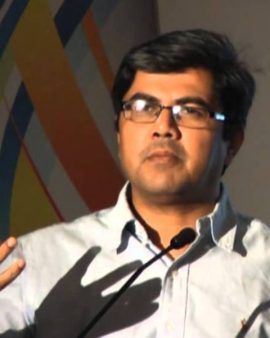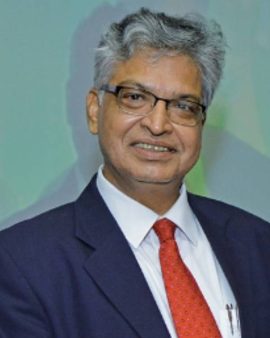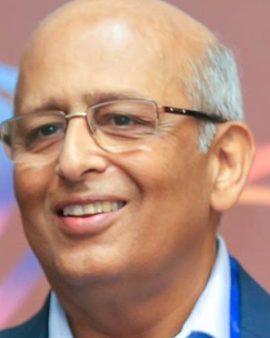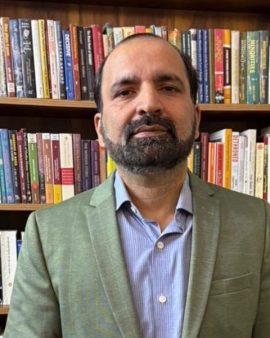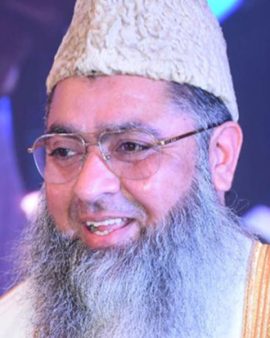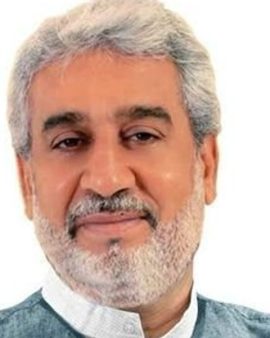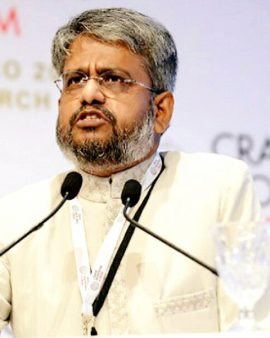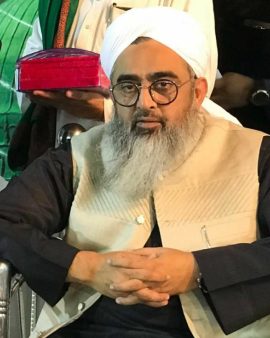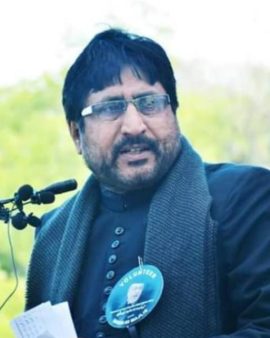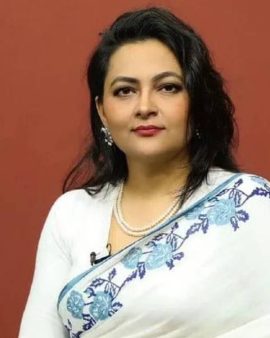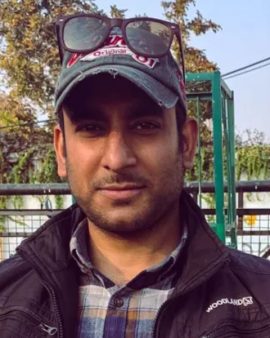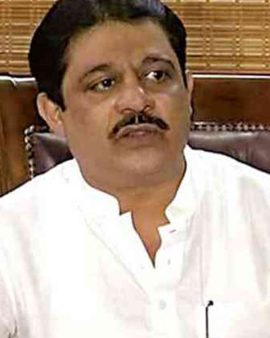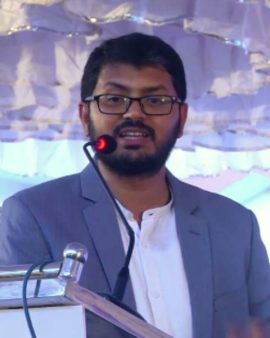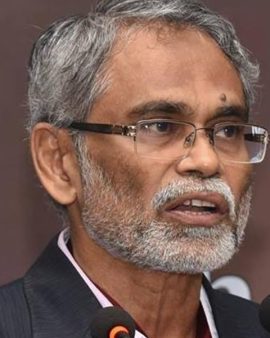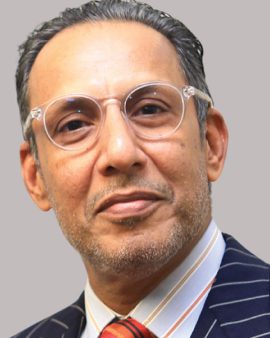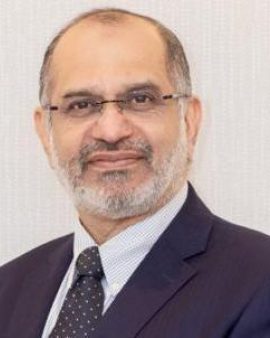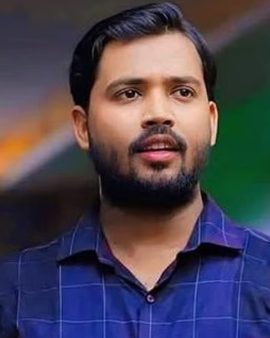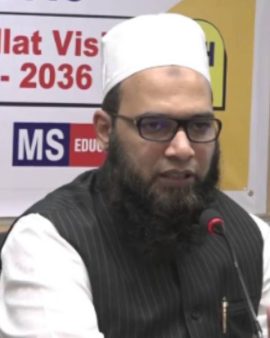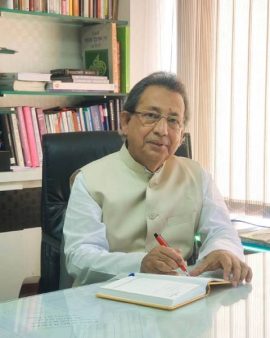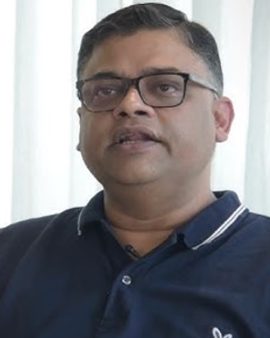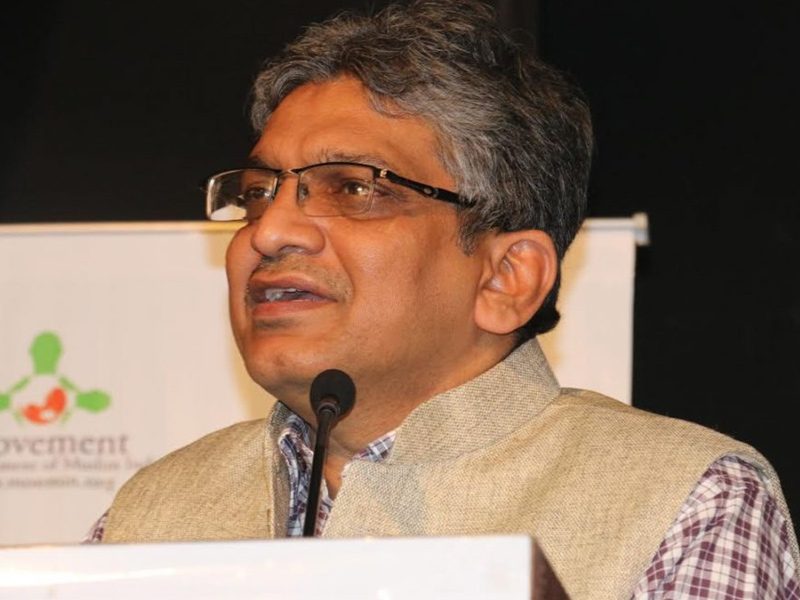
Navaid Hamid: Advocacy, Institution-Building, and the Pursuit of Democratic Engagement
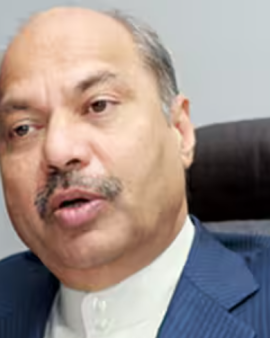
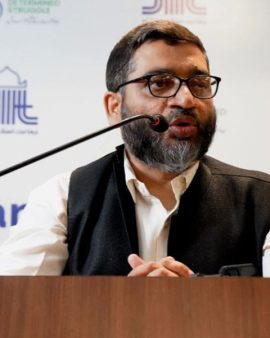
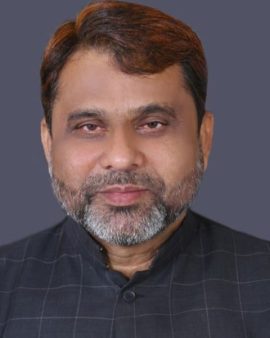
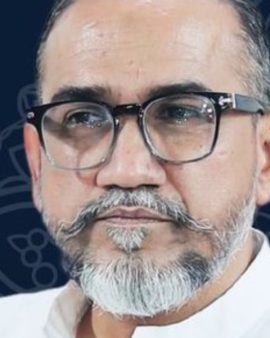
Navaid Hamid has long been a familiar name in India’s civil society and minority advocacy circles, known for his role as the former President of the All India Muslim Majlis-e-Mushawarat (AIMMM). A thoughtful organizer rather than a headline-driven figure, Hamid’s public life has been shaped by sustained engagement with issues of constitutional rights, social justice, and democratic participation.
AIMMM, founded in the 1960s as an umbrella platform for Muslim organizations and scholars, has historically sought to articulate community concerns within the framework of India’s Constitution. Navaid Hamid’s association with the organization evolved over years of involvement in dialogue, coordination, and public advocacy. When he assumed the presidency, he inherited both a legacy of principled engagement and the challenge of navigating an increasingly polarized political climate.
As president, Hamid emphasized institutional relevance over reactive politics. He sought to reposition AIMMM as a forum for consultation, research-based advocacy, and legal-constitutional engagement rather than street-level mobilization alone. His leadership style reflected a belief that minority voices are most effective when they are organized, informed, and articulated through democratic mechanisms.
One of the defining features of Navaid Hamid’s tenure was his consistent emphasis on constitutionalism. Whether addressing questions of civil liberties, discrimination, or communal harmony, he repeatedly framed arguments in the language of fundamental rights, rule of law, and democratic accountability. This approach helped AIMMM maintain credibility among civil society actors, legal professionals, and rights-based organizations beyond the Muslim community.
Hamid was also attentive to the internal diversity of Muslim society in India. Under his leadership, AIMMM attempted to broaden conversations to include issues of education, socio-economic marginalization, and representation, recognizing that religious identity intersects with class, region, and gender. While progress was incremental, his efforts reflected a desire to move beyond symbolic politics toward more substantive engagement.
Publicly, Navaid Hamid is known for his measured tone. He avoids inflammatory rhetoric, preferring deliberation and dialogue—even with ideological opponents. This restraint has drawn both appreciation and criticism. Supporters see it as strategic maturity in a volatile environment; critics argue that such an approach risks being overshadowed by more aggressive narratives. Hamid, however, has consistently maintained that long-term democratic gains are built through persistence rather than provocation.
Beyond AIMMM, Hamid has been active in broader civil society discussions, engaging with journalists, academics, and rights groups on questions of pluralism and social cohesion. His interventions tend to be issue-driven rather than personality-centered, reinforcing his belief that movements must outlast individuals.
Since stepping down as president, Navaid Hamid has continued to be regarded as an experienced voice in minority affairs—someone who understands both the limitations and possibilities of institutional advocacy in India’s democratic framework. His career underscores the often-unseen labor of coordination, negotiation, and principled dissent that sustains civil society spaces.
In an era marked by sharp polarization and shrinking room for dialogue, Navaid Hamid’s public life reflects a quieter tradition of leadership—one grounded in institutions, constitutional faith, and the conviction that democratic engagement, though slow and imperfect, remains the most enduring path toward justice and inclusion.