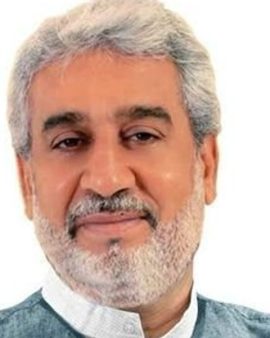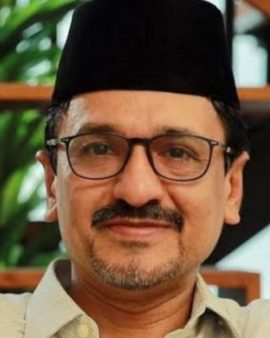
Wasim Barelvi: A Luminous Voice of Contemporary Urdu Poetry
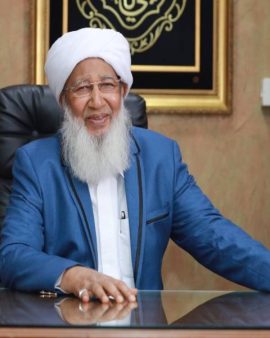
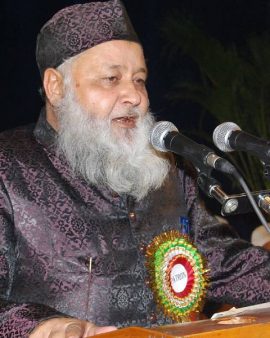
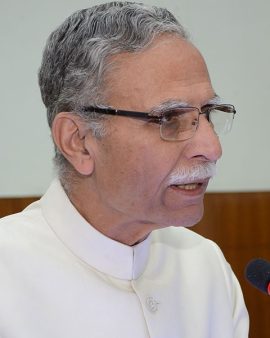
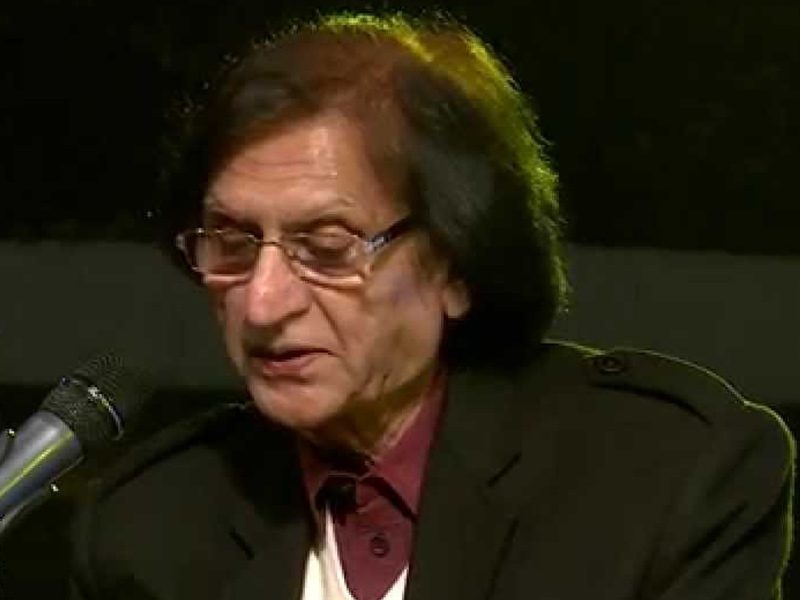
Zahid Hussain, popularly known by his pen name Wasim Barelvi, is one of the most distinguished and widely admired poets of contemporary Urdu literature. Born on 18 February 1940 in Bareilly, Uttar Pradesh, Wasim Barelvi has spent over six decades enriching Urdu poetry with his refined sensibility, emotional depth, and lyrical elegance. His work, deeply rooted in classical traditions yet responsive to modern concerns, has earned him an enduring place in the literary landscape of South Asia.
Wasim Barelvi is best known for his ghazals, many of which have been immortalized by legendary singer Jagjit Singh and other prominent voices of Indian music. His poetry, marked by simplicity of expression and profundity of thought, resonates equally with scholars and the general public, making him one of the rare poets to bridge literary sophistication and popular appeal.
Academically, Wasim Barelvi began his career as an Assistant Professor and later rose to become Associate Professor and Head of the Urdu Department at Bareilly College, Bareilly. His scholarly contribution to Urdu poetry and criticism is as significant as his creative output. His poems have been widely published in leading literary magazines across India, Pakistan, and several other countries.
A recipient of numerous national and international honors, he has been awarded the Firaq Gorakhpuri International Award, the Kalidas Gold Medal by the Government of Haryana, the Begum Akhtar Kala Dharmi Award, and the Naseem-e-Urdu Award, among others. He currently serves as the Vice-Chairman of the National Council for Promotion of Urdu Language (NCPUL) and has been a Member of the Uttar Pradesh Legislative Council since 2016.
Wasim Barelvi has published more than six collections of poetry in Urdu and two in Hindi. Notable works include Tabassum-e-Gham, Mizaj, Aankh Aansu Hui, and Mausam Andar Bahar Ke. Through his poetry, Wasim Barelvi continues to inspire generations, affirming the timeless beauty and relevance of Urdu literature.