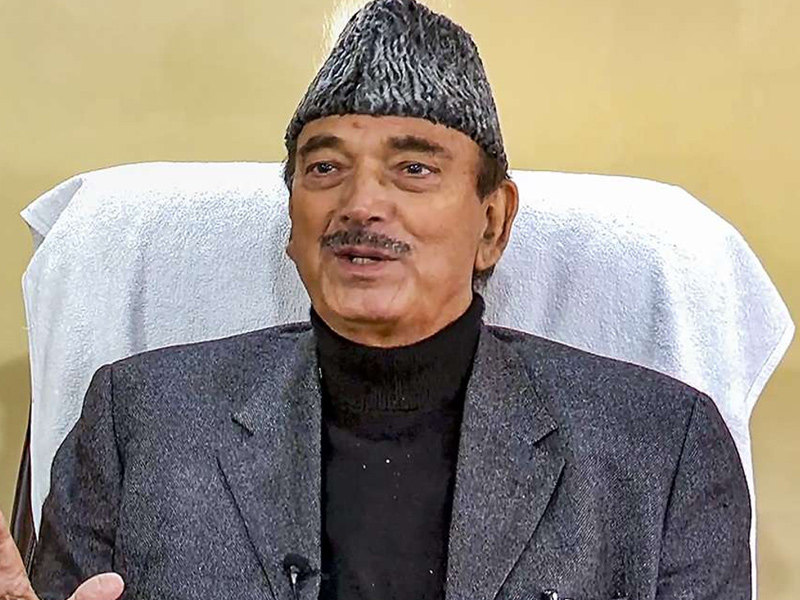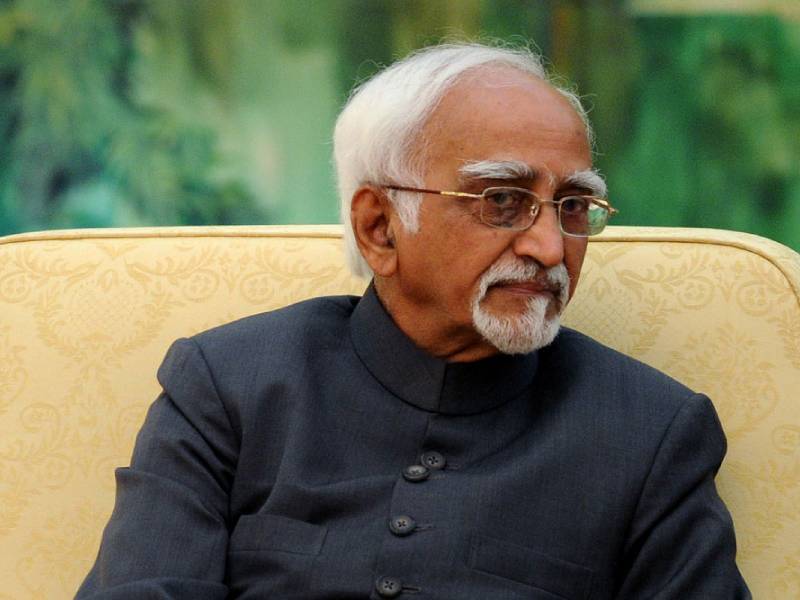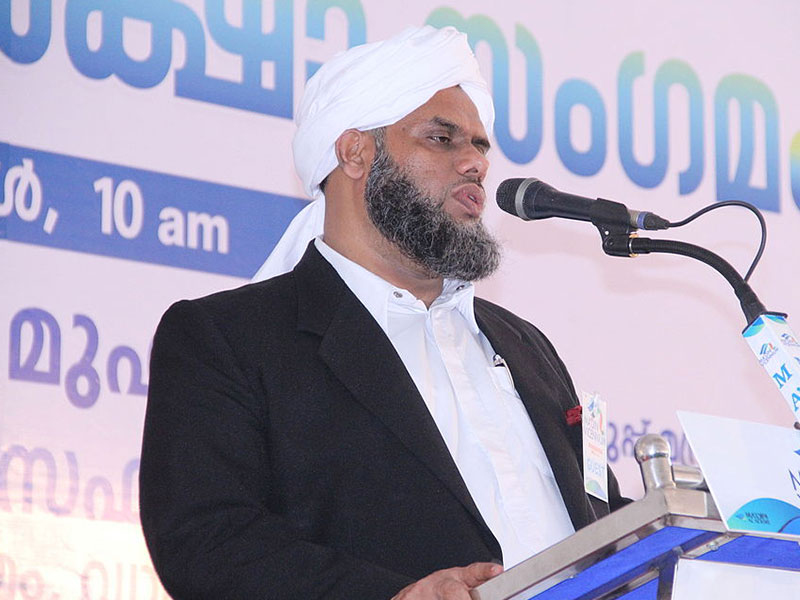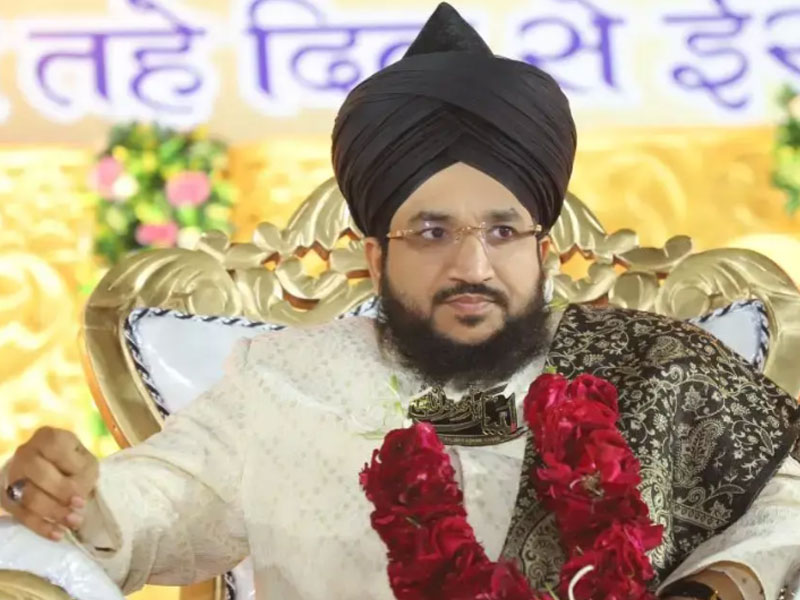
Tauqeer Raza Khan: Religious Leader
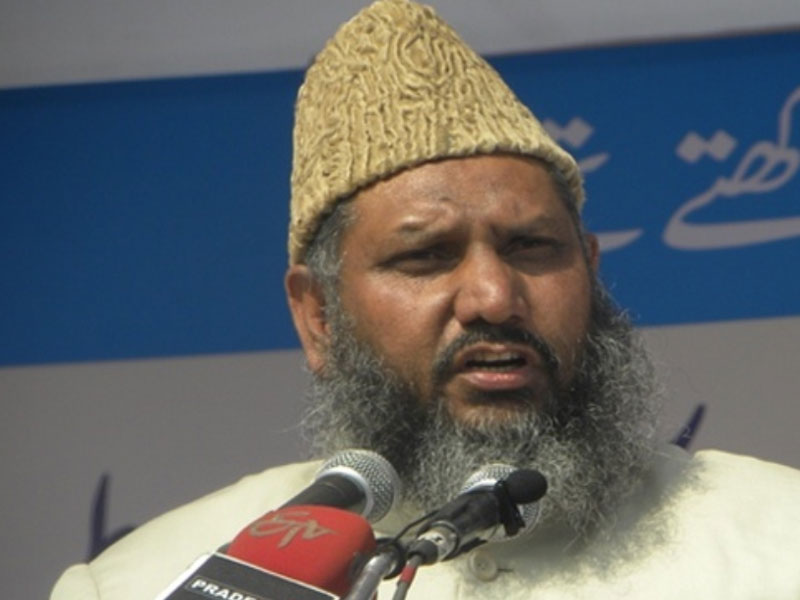
Tauqeer Raza Khan is an Indian Islamic scholar and politician, known as the founder of the Ittehad-e-Millat Council, a political party based in Uttar Pradesh, and a prominent figure among Barelvi Sunni Muslims. He is a great-grandson of Ahmad Raza Khan, the founder of the Barelvi movement. Khan has served as the head of the All India Muslim Personal Law Board (Jadeed), which he established to address perceived discrimination by the Deobandi faction of the board. His political career began in 2001, and he has garnered support from various parties throughout his political journey, including the Indian National Congress and the Samajwadi Party, often calling for communal solidarity among Muslims.
Khan's career has not been without controversy. In 2016, he sought unity with Deobandi scholars but faced backlash from Barelvi clerics, resulting in an apology after a religious ruling deemed his actions sinful. He has also been accused of inciting hatred against Hindus. His political activism often aligns with religious undertones, as seen in his calls for Muslims to vote based on their faith. He has made headlines for several incidents, including issuing a reward for the head of Bangladeshi author Taslima Nasrin and being arrested during riots in Bareilly in 2010.
On a more contemporary note, in 2024, he condemned government actions during the Haldwani violence, urging self-defense for his community and criticizing the ruling authorities. Khan's rhetoric has repeatedly sparked polarization along religious lines, reflecting the complexity of religious and political interactions in India today. His controversial statements and actions highlight the intertwining of communal identity and politics in his advocacy for the Muslim community in India.
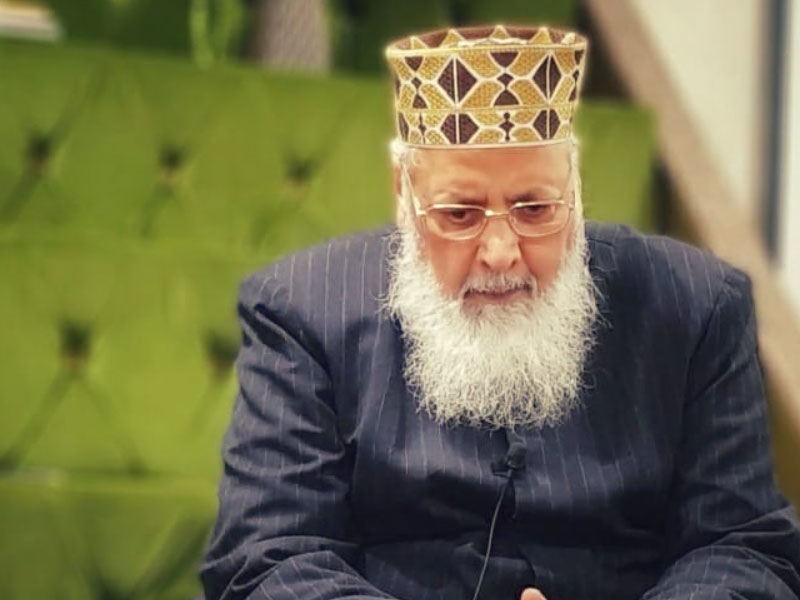
Qumruzzama Azmi: Islamic Scholar
Qumruzzama Azmi (born 1946) widely respected as Maulana Azmi, is a distinguished Islamic scholar and one of the most influential voices in contemporary Islamic thought and leadership. Born in Azamgarh, Uttar Pradesh, India, in 1946, he received his early Islamic education at the esteemed Al Jamiatul Ashrafia, Mubarakpur, where he excelled in Islamic jurisprudence, theology, and Arabic literature.
Maulana Azmi’s profound understanding of Islamic teachings, coupled with his eloquence and insight, quickly earned him a reputation as a dynamic leader. His efforts to bridge gaps between communities and promote Islamic values in modern contexts have made him a sought-after scholar worldwide.
Azmi has dedicated much of his life to serving the Muslim community globally. He is closely associated with the World Islamic Mission (WIM), a prominent organization committed to promoting unity among Muslims and addressing the challenges they face. As the General Secretary of WIM, he has played a pivotal role in establishing mosques, Islamic centers, and educational institutions in various countries, particularly in Europe and North America.
An ardent advocate of peaceful coexistence, Maulana Azmi emphasizes the importance of interfaith dialogue and communal harmony. His lectures and writings have inspired countless Muslims to uphold the principles of justice, compassion, and ethical conduct.
Maulana Azmi is also deeply committed to the socio-economic upliftment of marginalized communities. He has initiated programs for education, healthcare, and poverty alleviation, ensuring the integration of Islamic values with humanitarian service.
Despite his international commitments, he remains rooted in his scholarship, dedicating time to writing, teaching, and guiding students of Islamic sciences. His intellectual contributions and spiritual leadership continue to influence generations of Muslims worldwide.
Qumruzzama Azmi’s legacy is one of knowledge, service, and unwavering dedication to the cause of Islam and humanity.