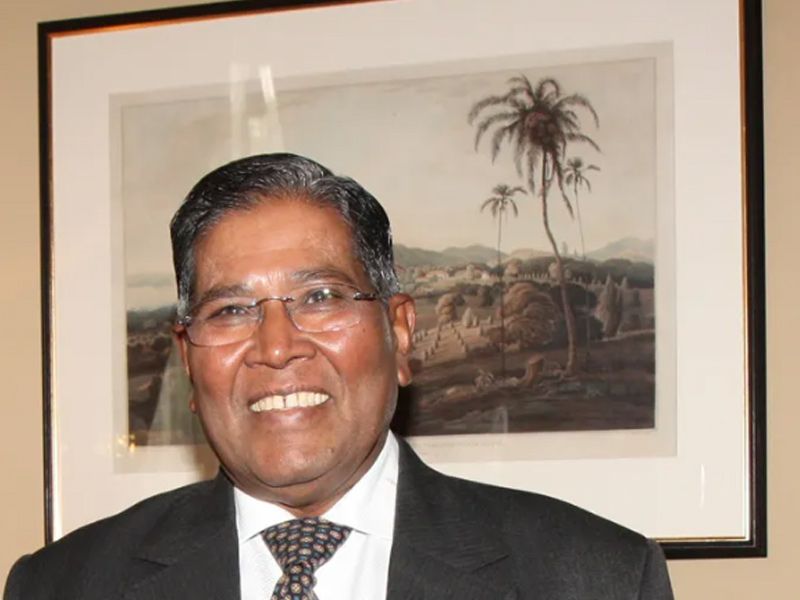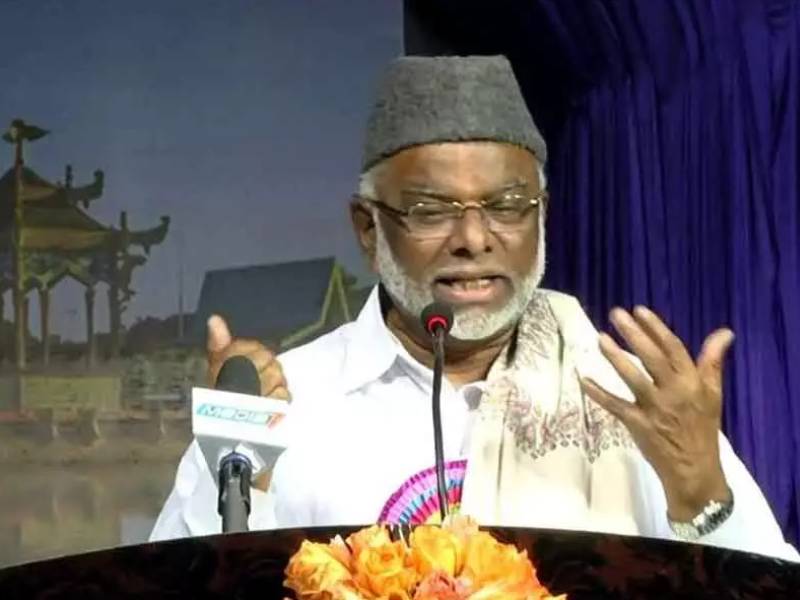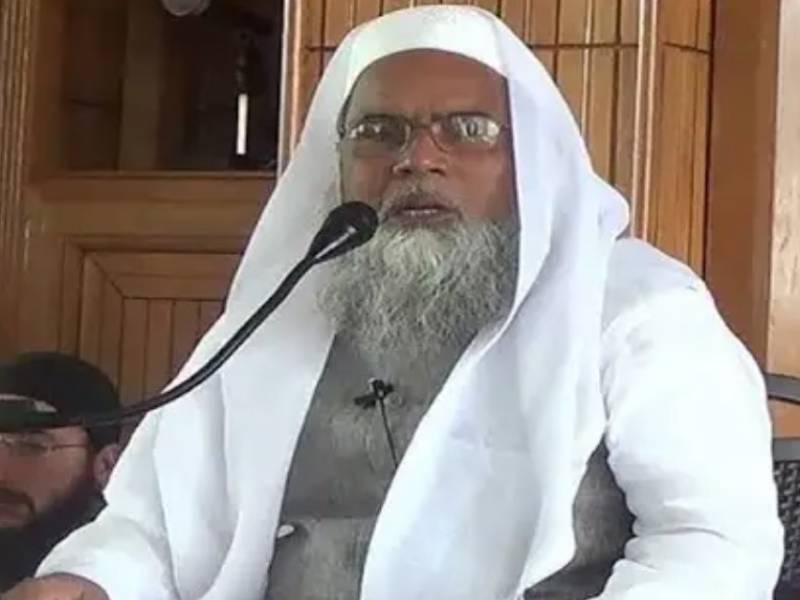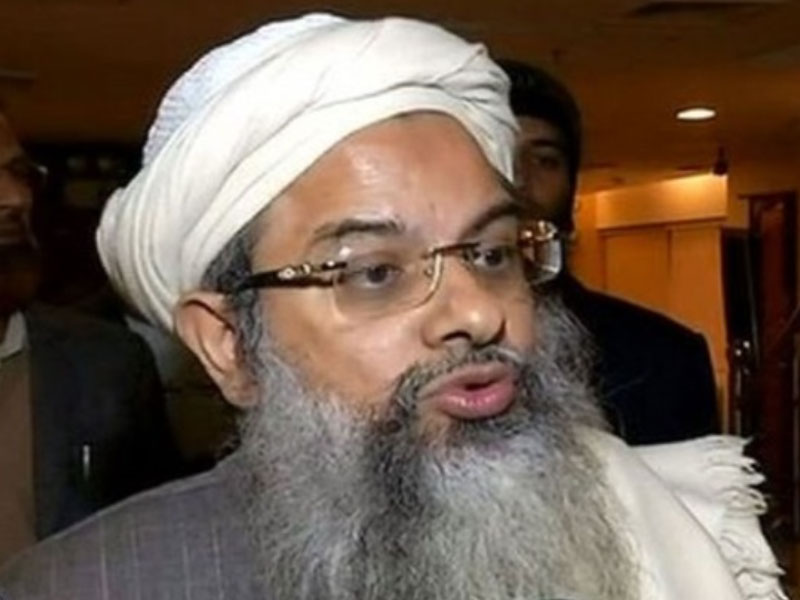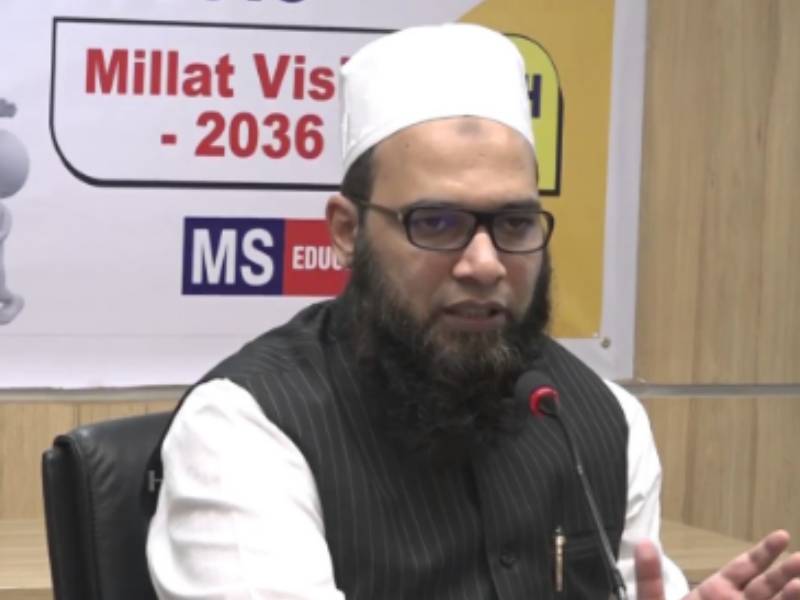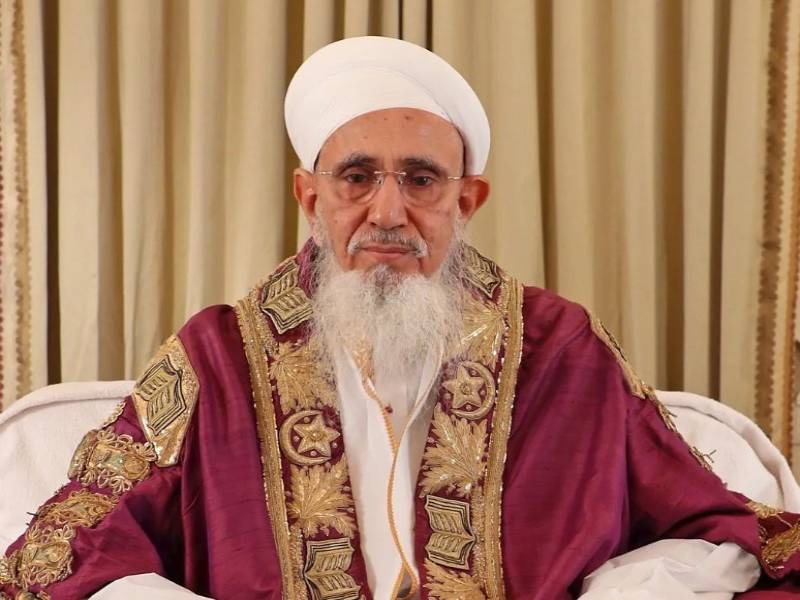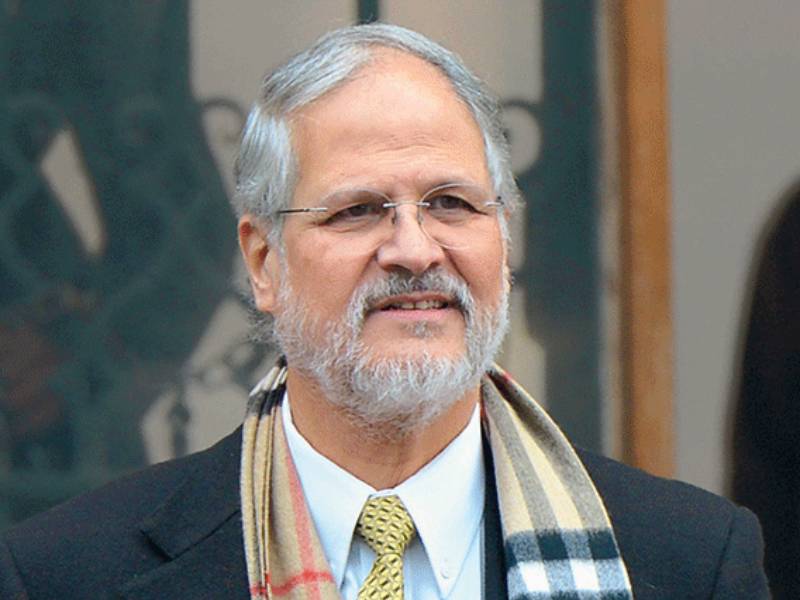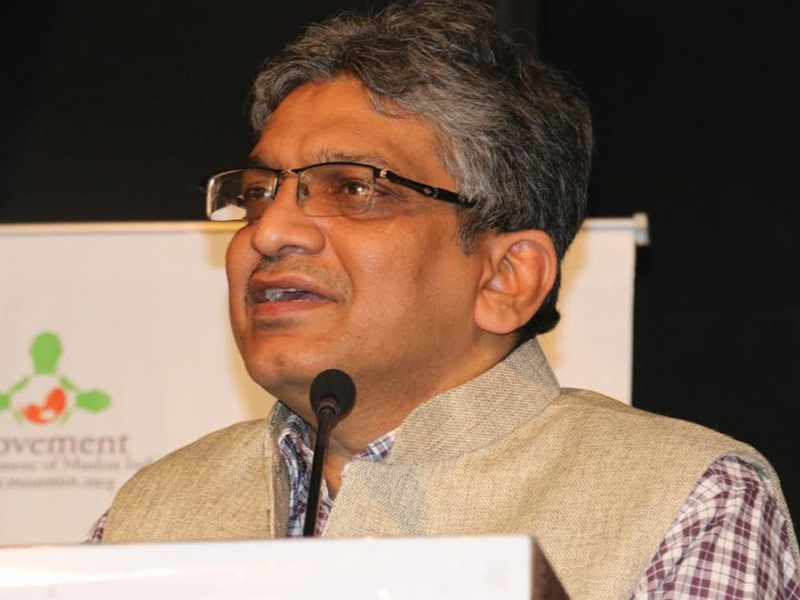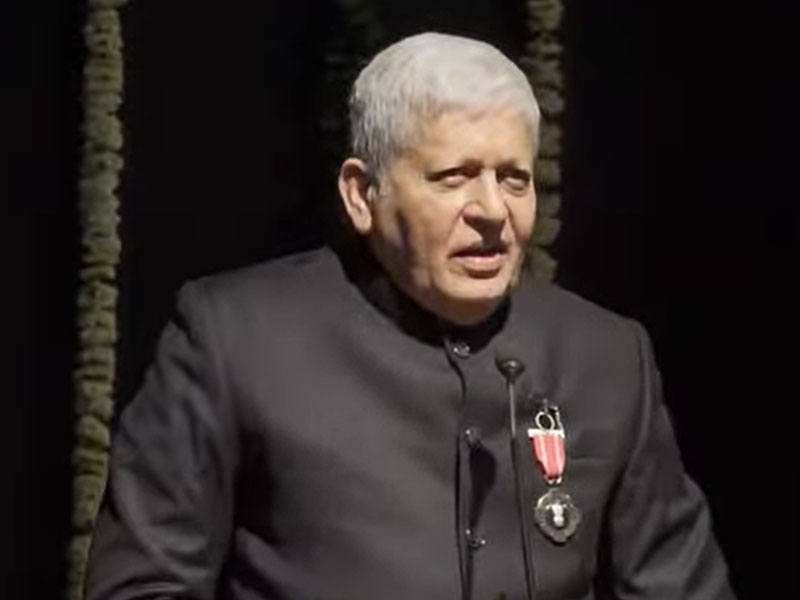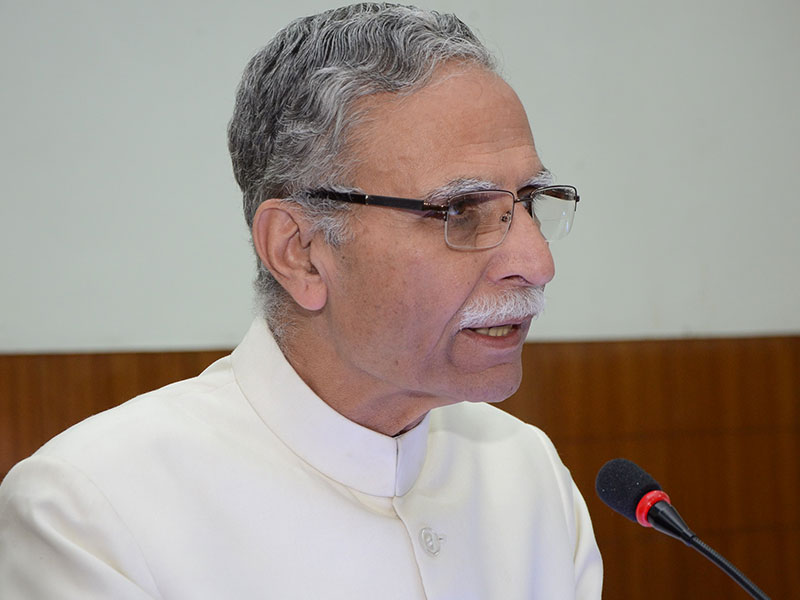
Sharjeel Imam: Scholar, Activist
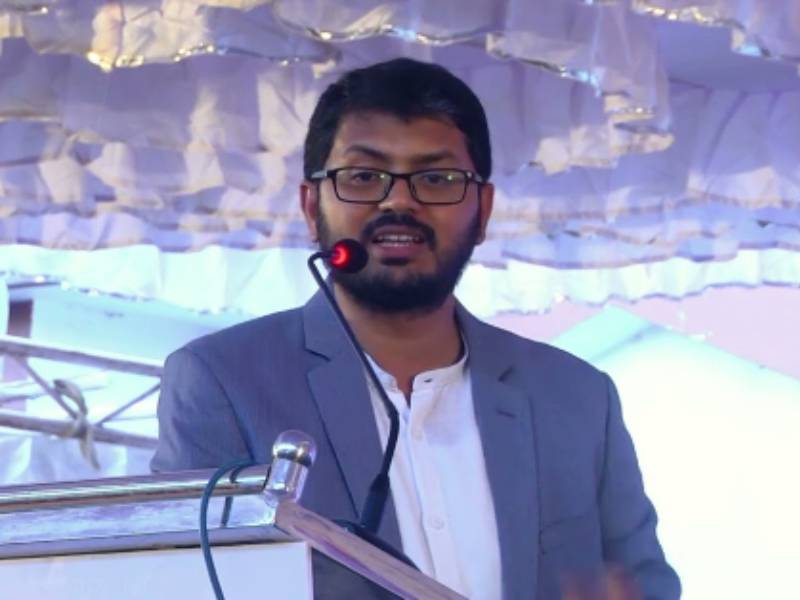
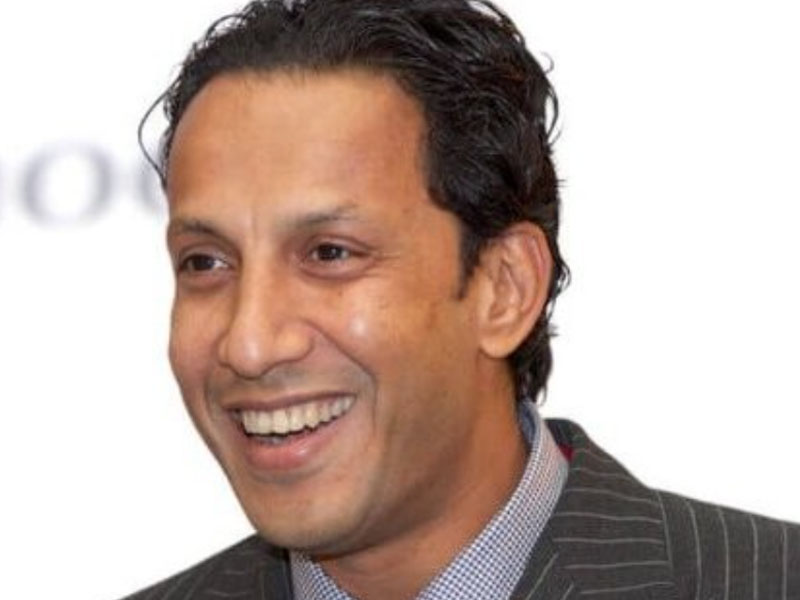
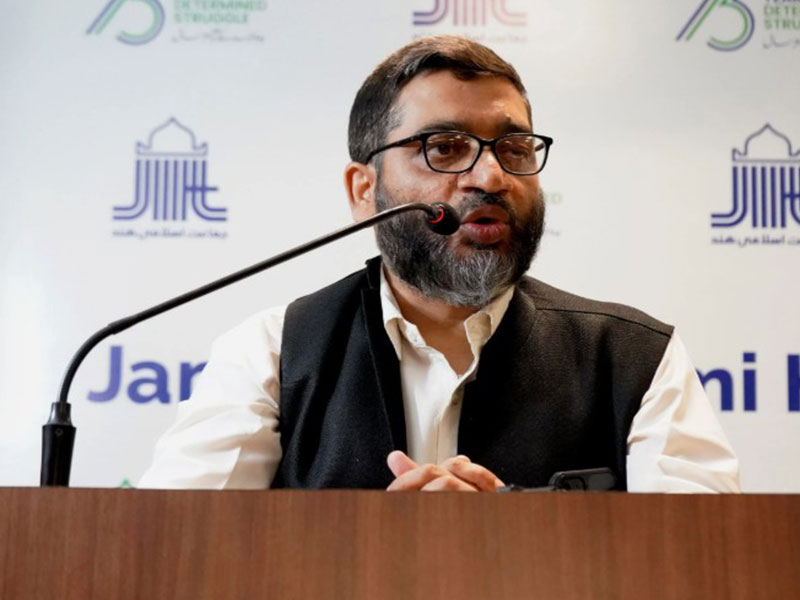
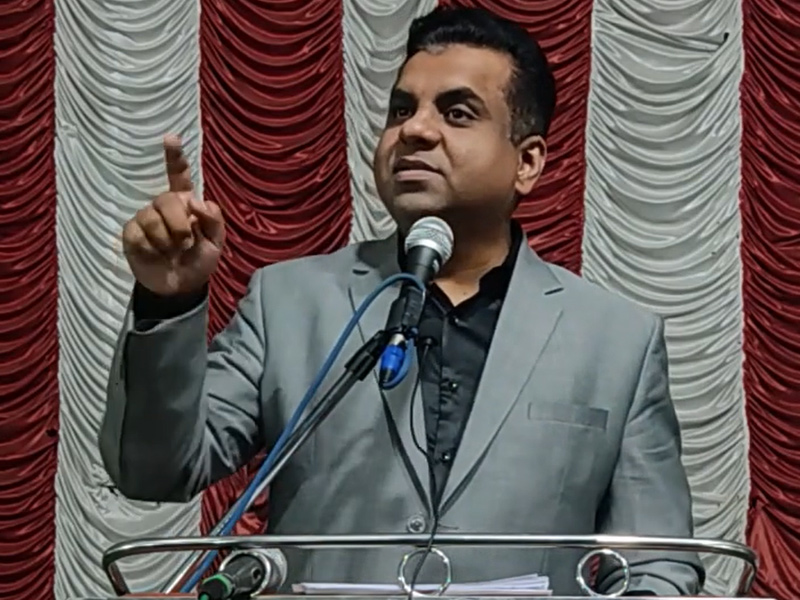
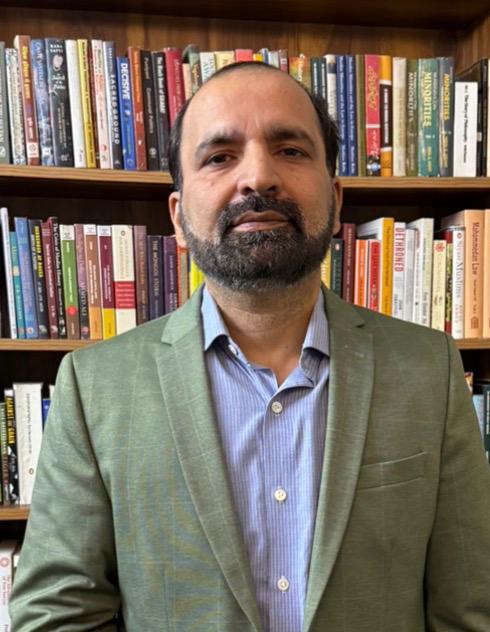
Sharjeel Imam (born in 1988) is a noted Indian Muslim activist from Kako village, Jehanabad, Bihar. An alumnus of IIT-Bombay, he completed his B.Tech. and M.Tech. in Computer Engineering before pursuing a master’s and Ph.D. in Modern History at Jawaharlal Nehru University (JNU). Known for his role in the anti-Citizenship Amendment Act (CAA) protests, Imam has faced sedition charges for allegedly inflammatory speeches.
Sharjeel’s father, Akbar Imam, was a politician, while his mother is a homemaker. Educated at missionary schools in Patna and Delhi Public School, Vasant Kunj, he graduated in 2006 and worked in the tech industry before returning to academia in 2013.
Imam gained recognition for organizing anti-CAA protests, including the iconic Shaheen Bagh sit-in. His speeches, particularly one advocating a blockade of the Siliguri Corridor, led to accusations of sedition and charges under the Unlawful Activities Prevention Act (UAPA). Arrested in January 2020, he has been detained since, facing multiple cases in states like Assam, Uttar Pradesh, and Delhi.
Critics, including activists and academics, argue that Imam’s speeches were misinterpreted and that the charges against him are politically motivated. Prominent voices like Aakar Patel and Justice Markandey Katju have called for his release, emphasizing freedom of expression. Imam’s arrest has been widely condemned, with support from students, teachers, and rights organizations across India.
Despite receiving bail in some cases, Imam remains in custody for alleged involvement in a larger conspiracy related to the 2020 Delhi riots. His detention highlights ongoing debates on dissent, minority rights, and state actions in India.
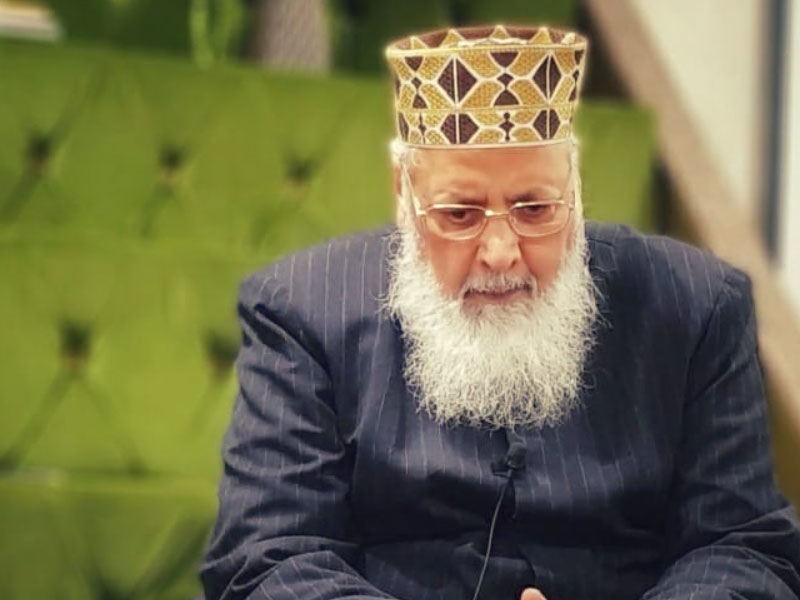
Qumruzzama Azmi: Islamic Scholar
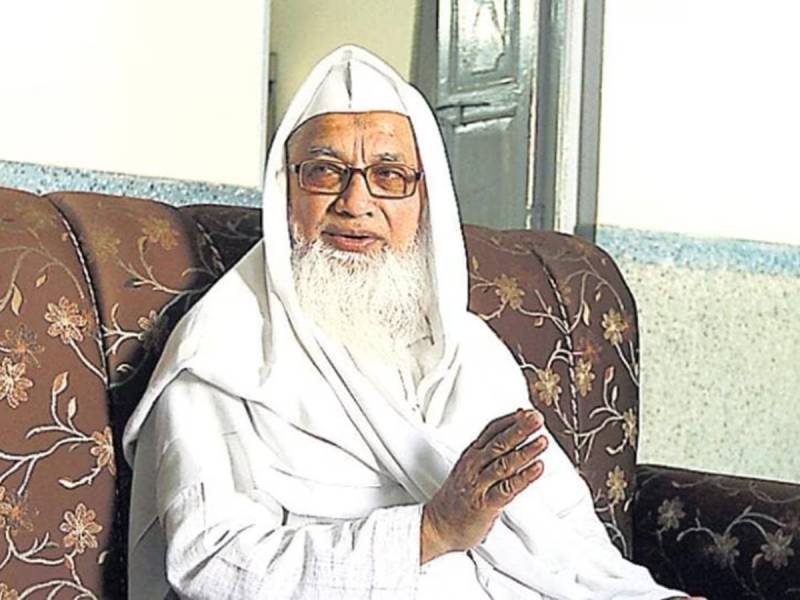
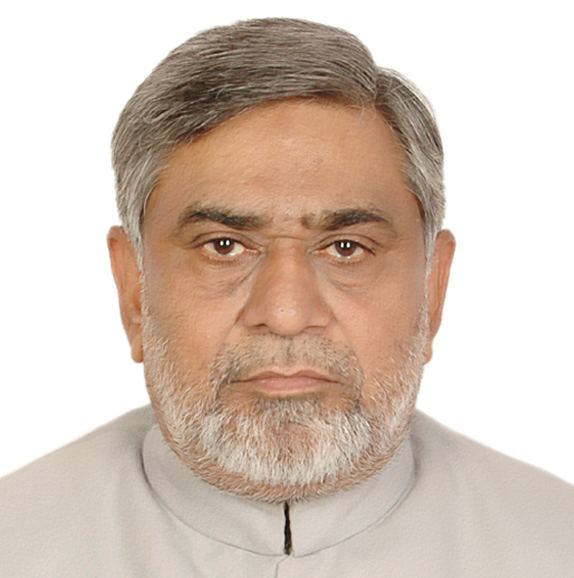
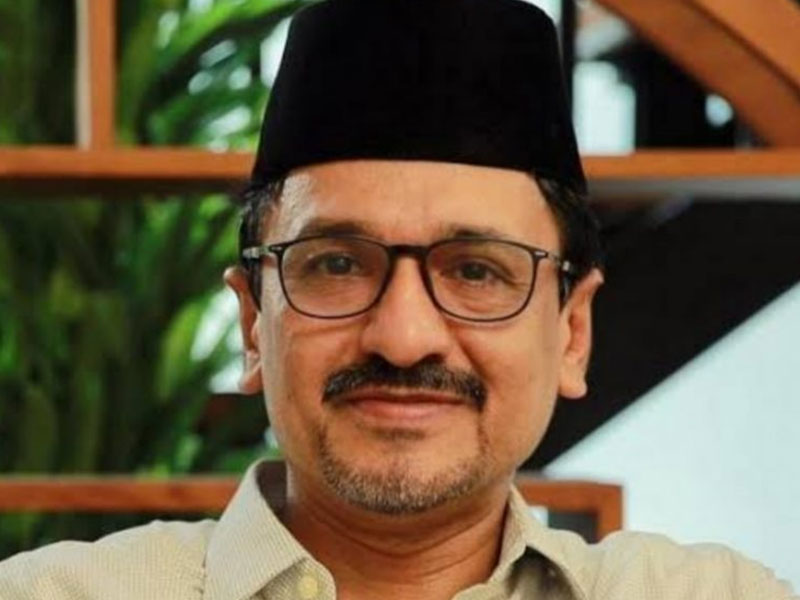
Qumruzzama Azmi (born 1946) widely respected as Maulana Azmi, is a distinguished Islamic scholar and one of the most influential voices in contemporary Islamic thought and leadership. Born in Azamgarh, Uttar Pradesh, India, in 1946, he received his early Islamic education at the esteemed Al Jamiatul Ashrafia, Mubarakpur, where he excelled in Islamic jurisprudence, theology, and Arabic literature.
Maulana Azmi’s profound understanding of Islamic teachings, coupled with his eloquence and insight, quickly earned him a reputation as a dynamic leader. His efforts to bridge gaps between communities and promote Islamic values in modern contexts have made him a sought-after scholar worldwide.
Azmi has dedicated much of his life to serving the Muslim community globally. He is closely associated with the World Islamic Mission (WIM), a prominent organization committed to promoting unity among Muslims and addressing the challenges they face. As the General Secretary of WIM, he has played a pivotal role in establishing mosques, Islamic centers, and educational institutions in various countries, particularly in Europe and North America.
An ardent advocate of peaceful coexistence, Maulana Azmi emphasizes the importance of interfaith dialogue and communal harmony. His lectures and writings have inspired countless Muslims to uphold the principles of justice, compassion, and ethical conduct.
Maulana Azmi is also deeply committed to the socio-economic upliftment of marginalized communities. He has initiated programs for education, healthcare, and poverty alleviation, ensuring the integration of Islamic values with humanitarian service.
Despite his international commitments, he remains rooted in his scholarship, dedicating time to writing, teaching, and guiding students of Islamic sciences. His intellectual contributions and spiritual leadership continue to influence generations of Muslims worldwide.
Qumruzzama Azmi’s legacy is one of knowledge, service, and unwavering dedication to the cause of Islam and humanity.