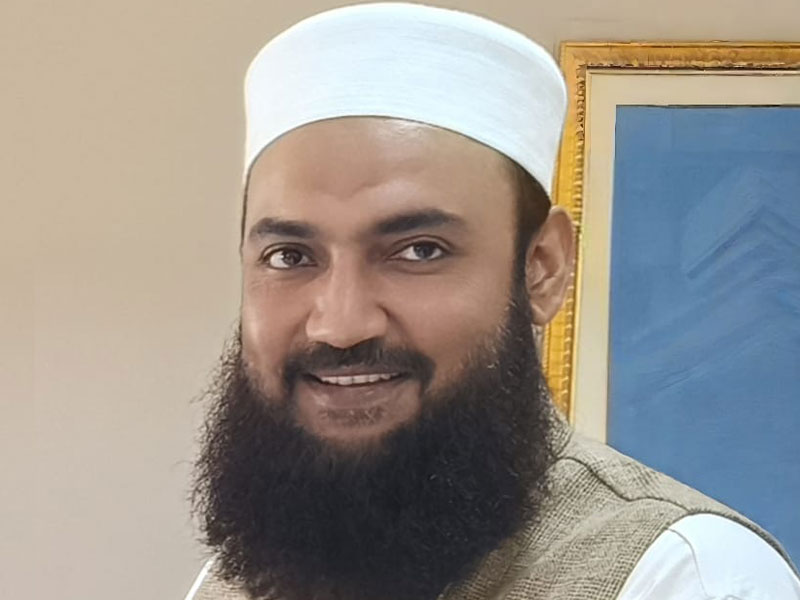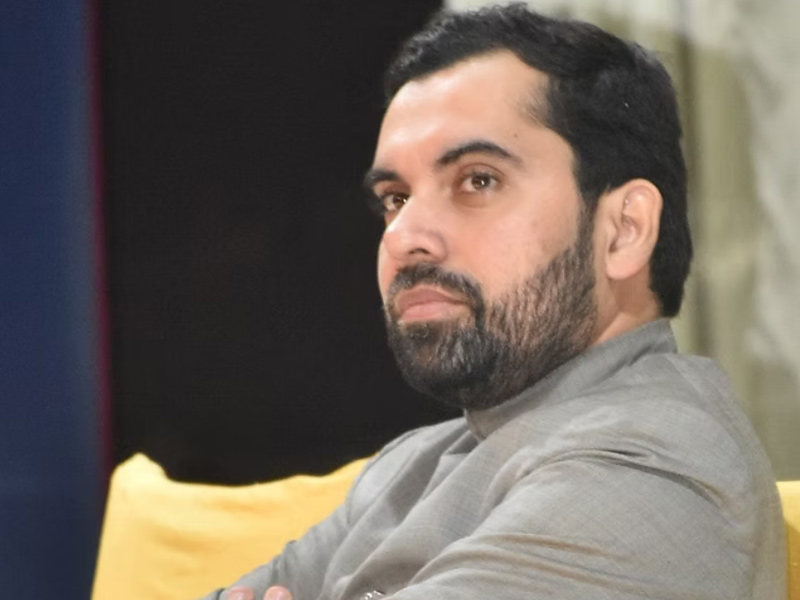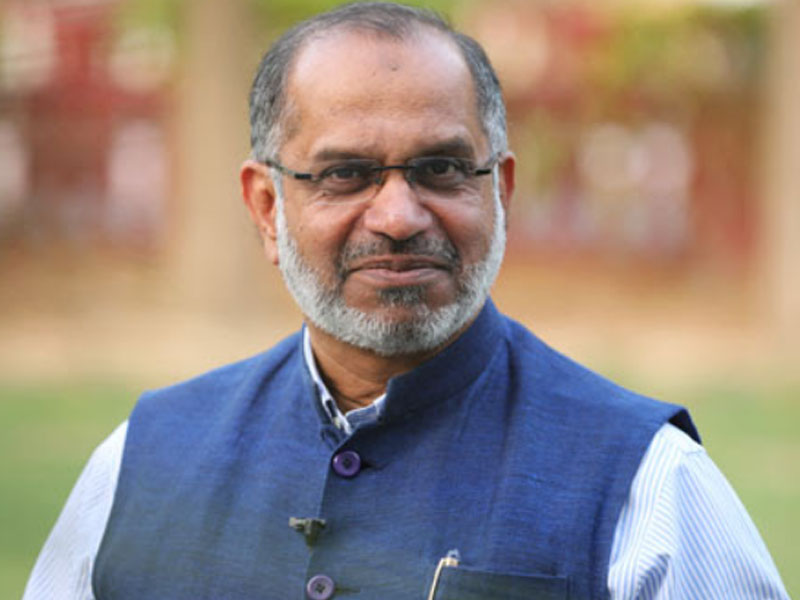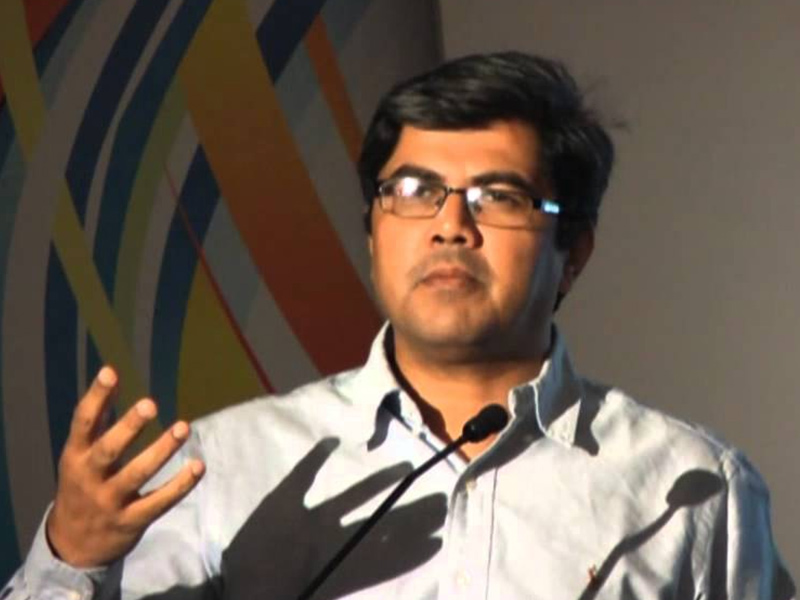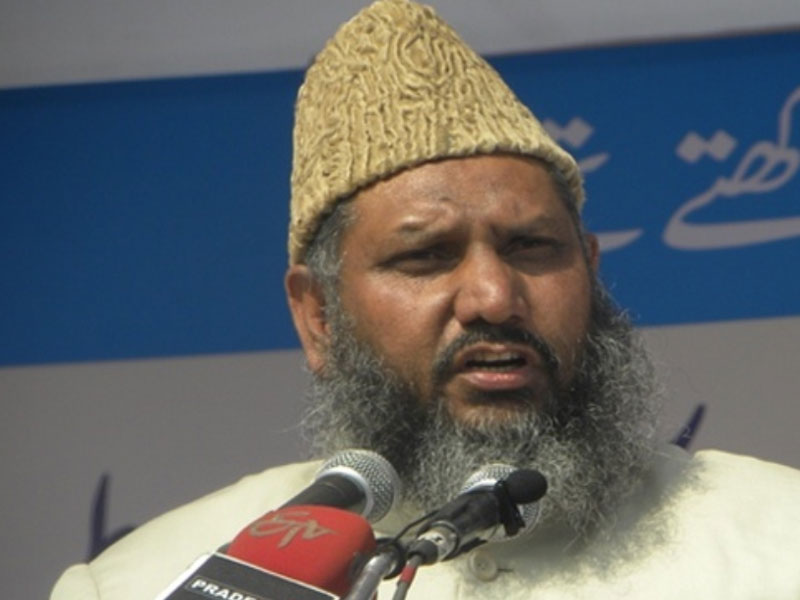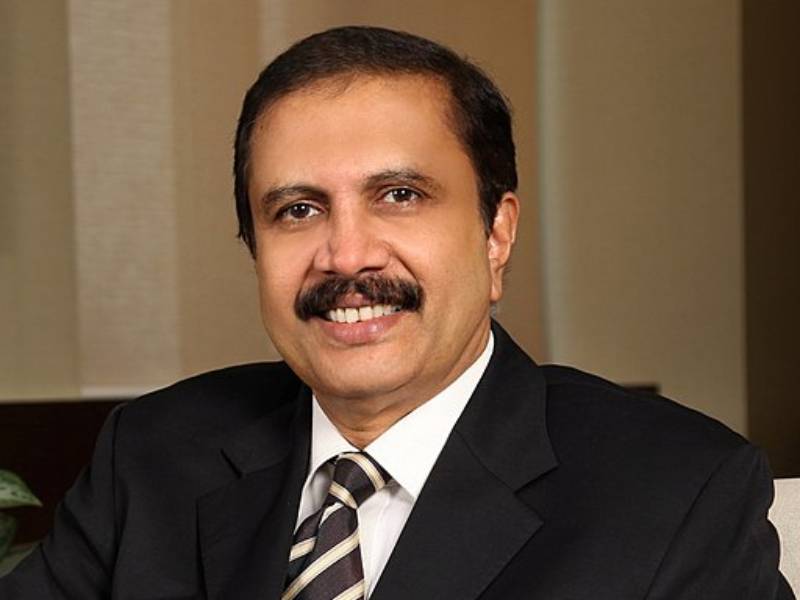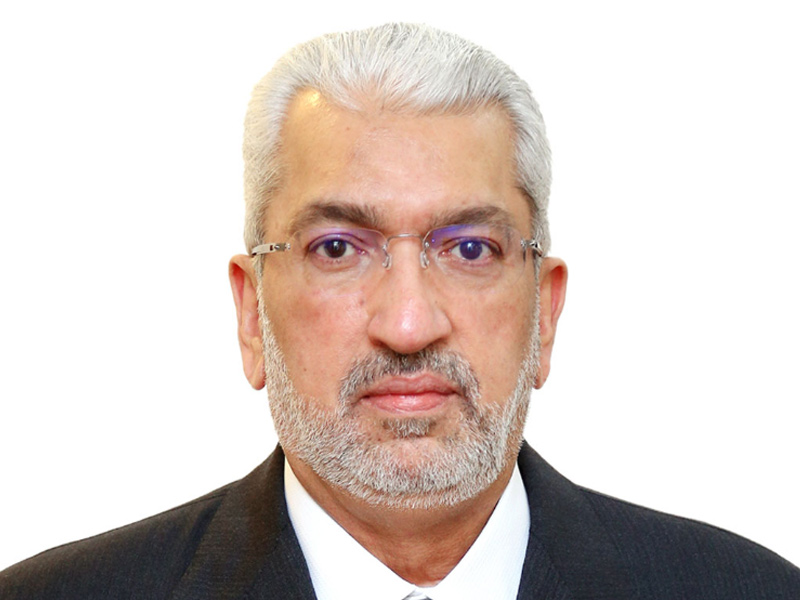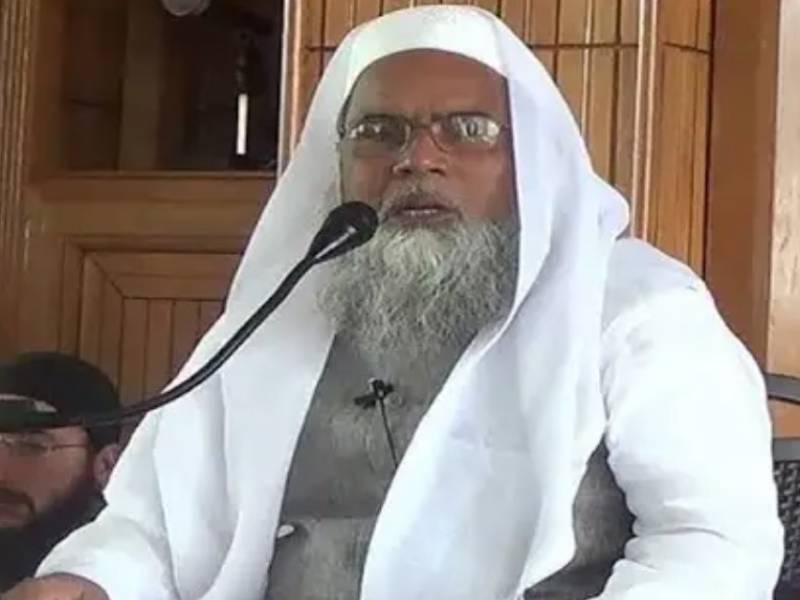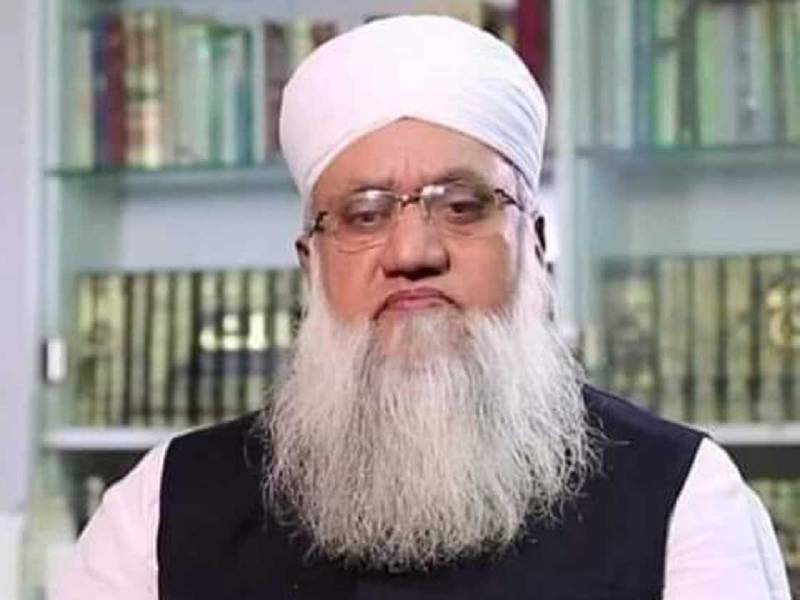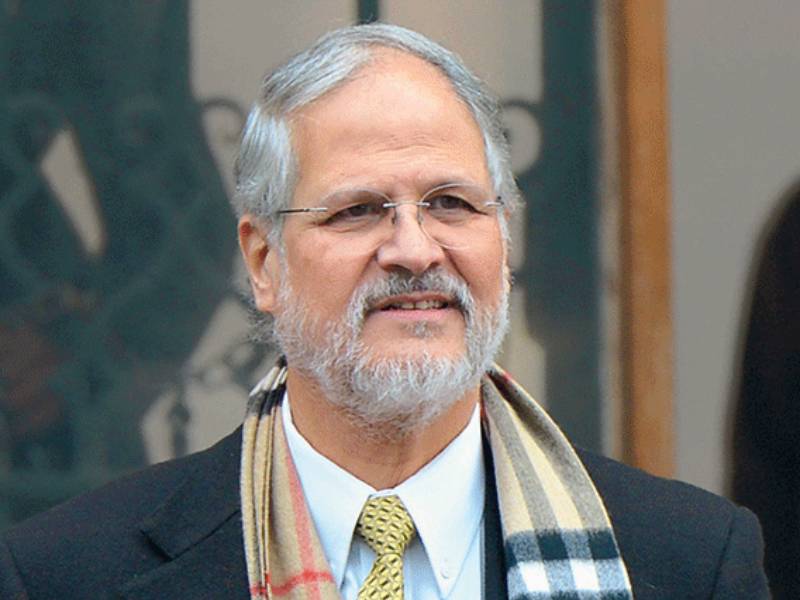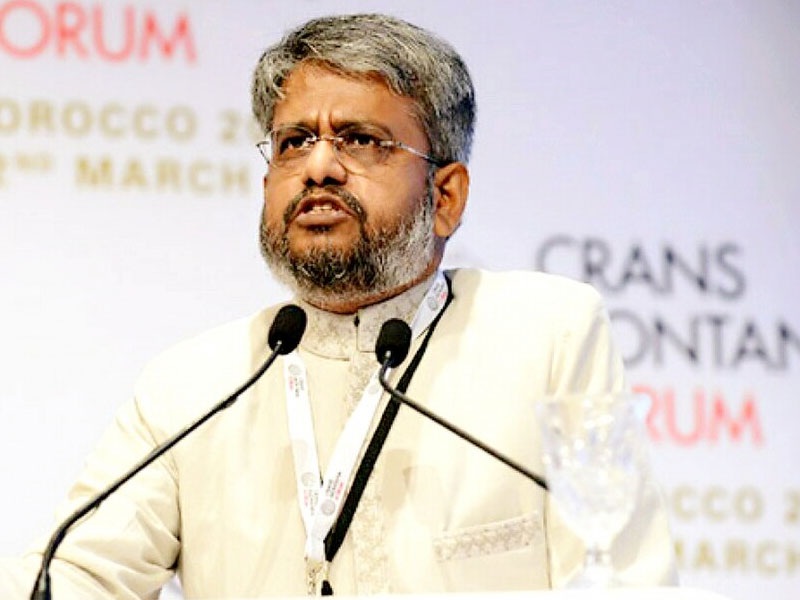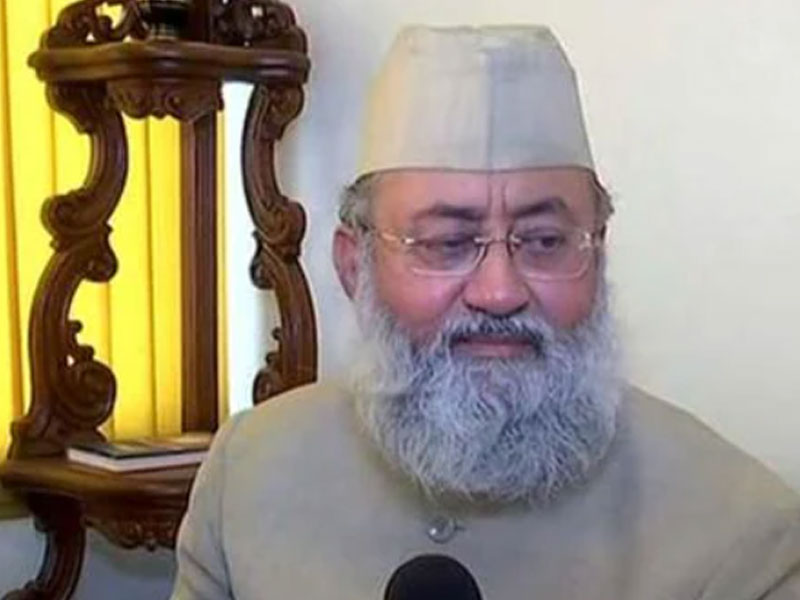
Syed Salman Husaini Nadwi: Islamic scholar
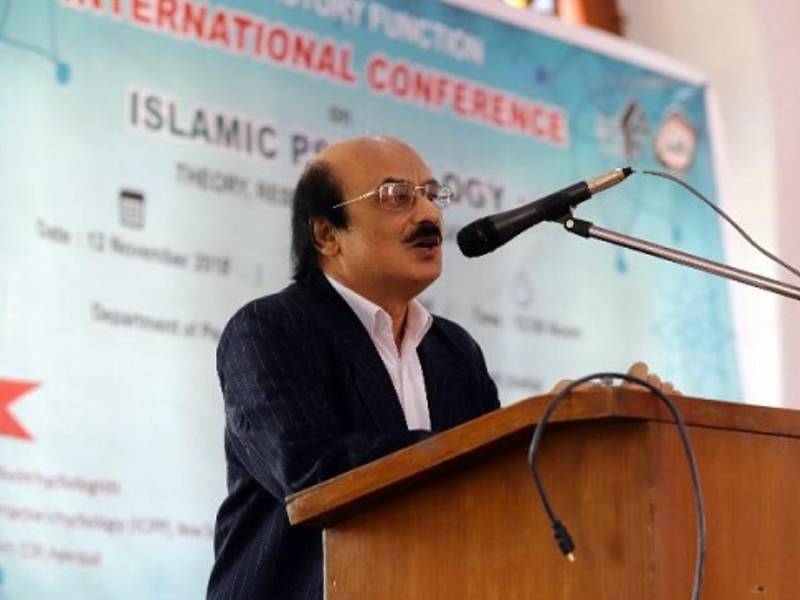
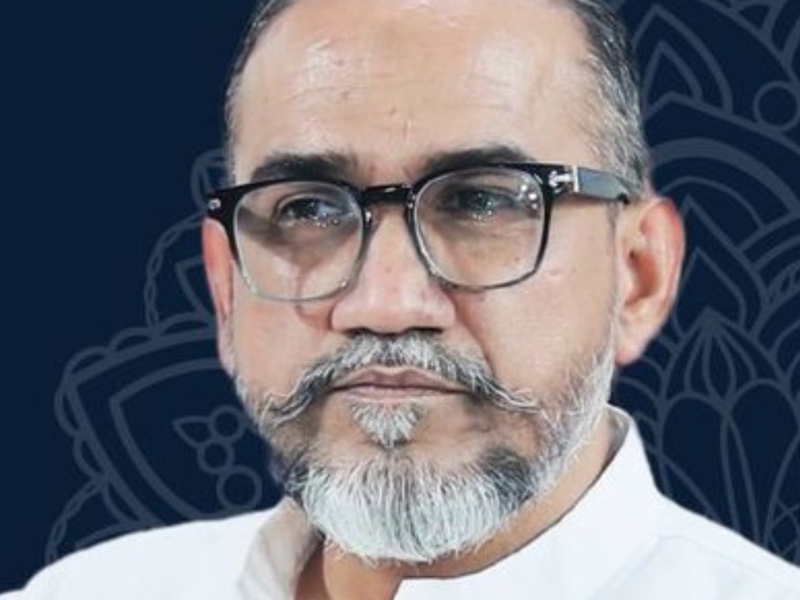
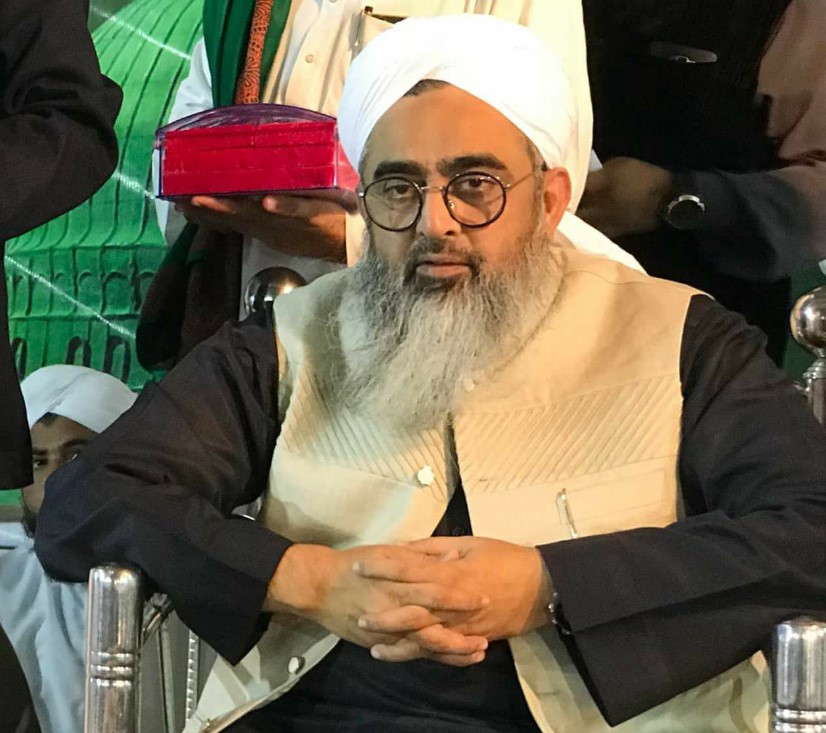
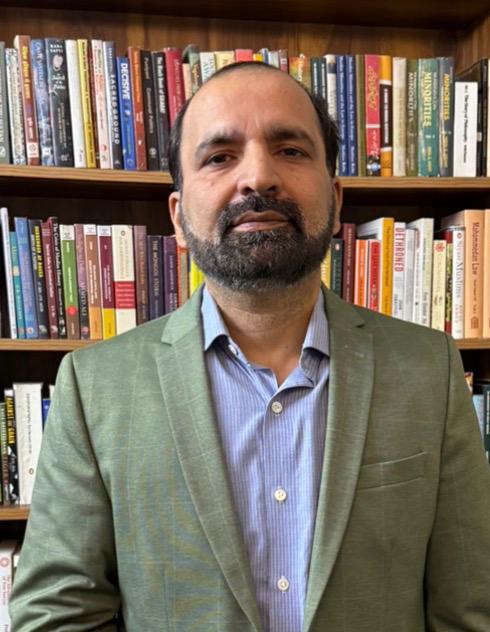
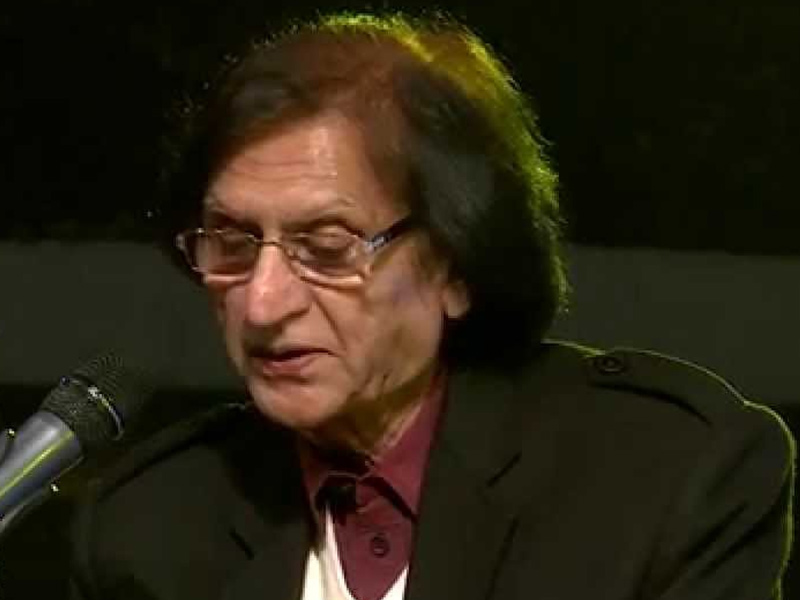
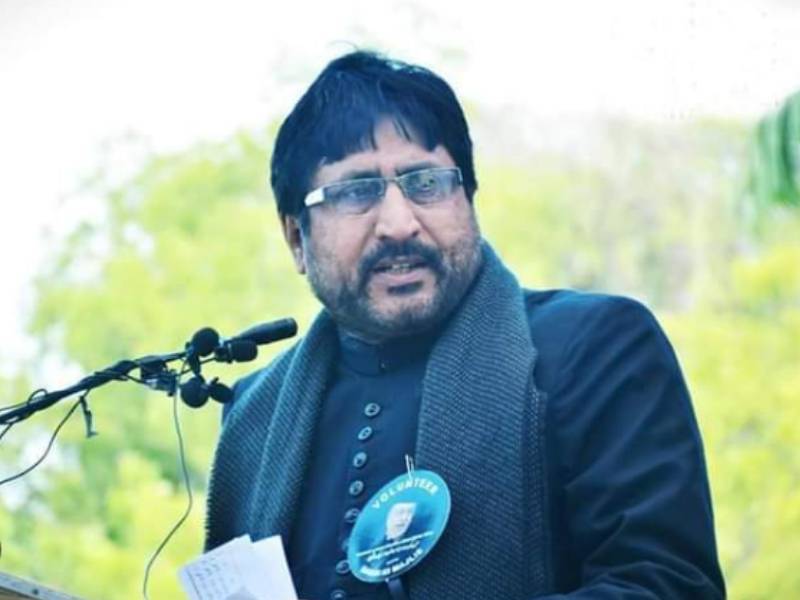
Salman Husaini Nadwi (born 1952) is a renowned Indian scholar and professor specializing in Islamic sciences. He has authored numerous scholarly works in Arabic and Urdu and has served as the Dean of the Faculty of Dawah at Darul Uloom Nadwatul Ulama, a prominent Islamic seminary in Lucknow. In addition to his academic contributions, Nadwi holds various leadership roles, including Chairman of the Dr. Abdul Ali Unani Medical College and Hospital, Chancellor of Darul Uloom Syed Ahmad Shaheed in Katoli, and President of Jamiat Shabaab ul Islam. He is also a founding member of several medical, IT, and engineering colleges across India. Furthermore, he edits and co-edits 13 periodicals in multiple languages, including English, Urdu, Persian, and Arabic.
Born in 1954 in Lucknow, Salman Nadwi traces his lineage to Husayn ibn Ali, the grandson of the Prophet Muhammad. His mother was the niece of Abul Hasan Ali Hasani Nadwi, a prominent Islamic scholar who greatly influenced him. Salman Nadwi began his education at Darul Uloom Nadwatul Ulama, where he memorized the Qur’an and pursued Islamic studies. He completed his master's degree in Hadith at Nadwa in 1976, later advancing his studies at Imam Muhammad ibn Saud Islamic University under the mentorship of prominent scholars like Abd al-Fattah Abu Ghuddah.
Nadwi’s career includes founding the Jam’iat Shabaab al-Islam, now one of India’s most active Islamic organizations, and contributing to the establishment of Madrasat al-Imam Ahmad ibn Irfan al-Shahid al-Islamiyyah. However, his proposal in 2014 to the Saudi government for raising a 500,000-strong Sunni militia stirred controversy, as it called for global Islamic military collaboration.
A prolific author and educator, Nadwi remains a significant figure in Islamic scholarship and community leadership.
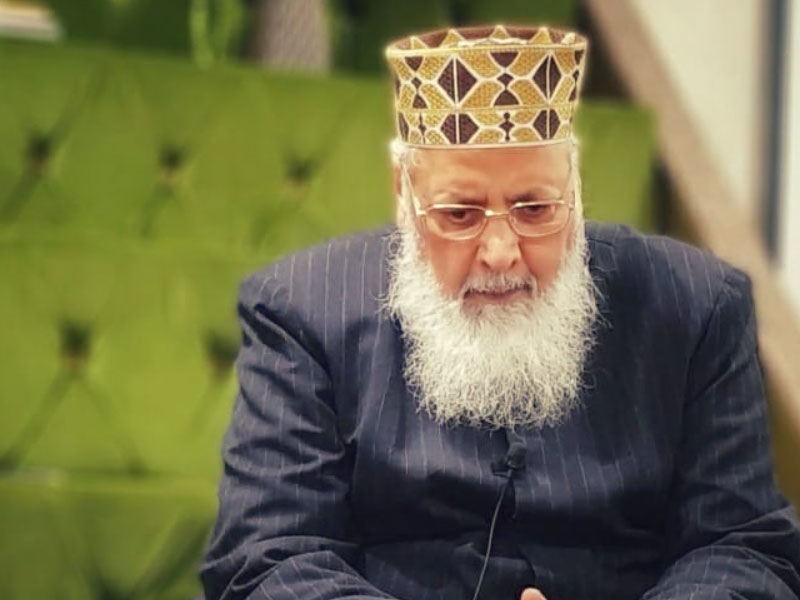
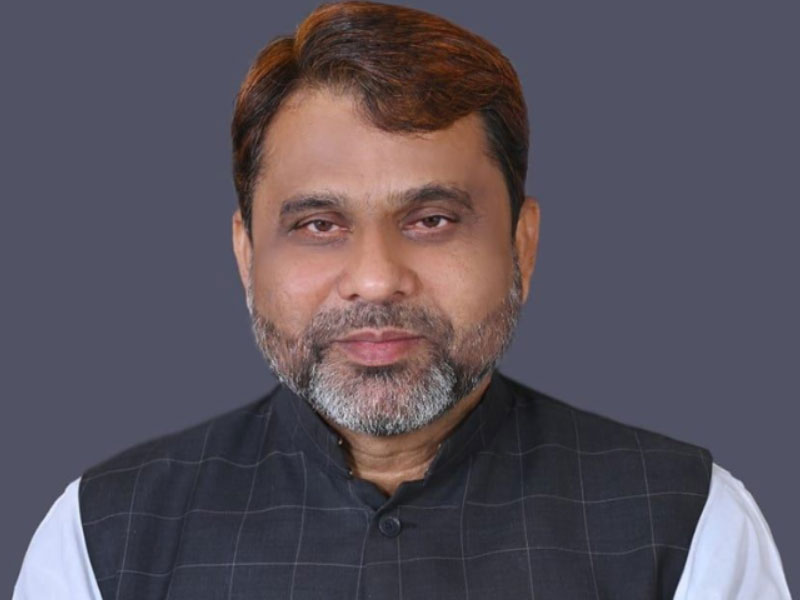
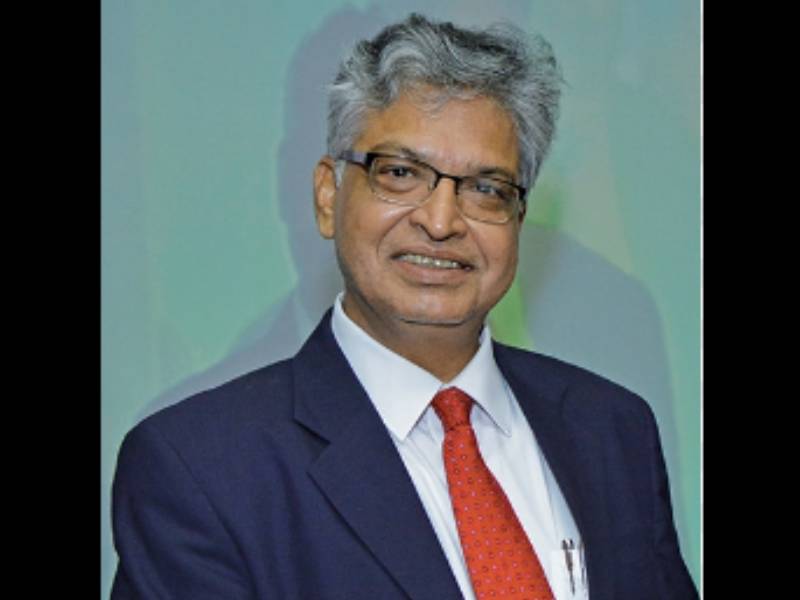
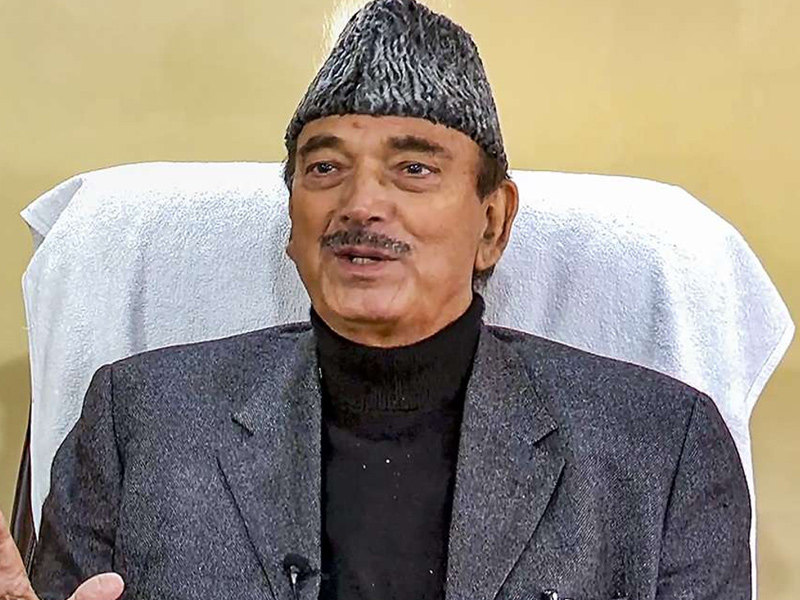
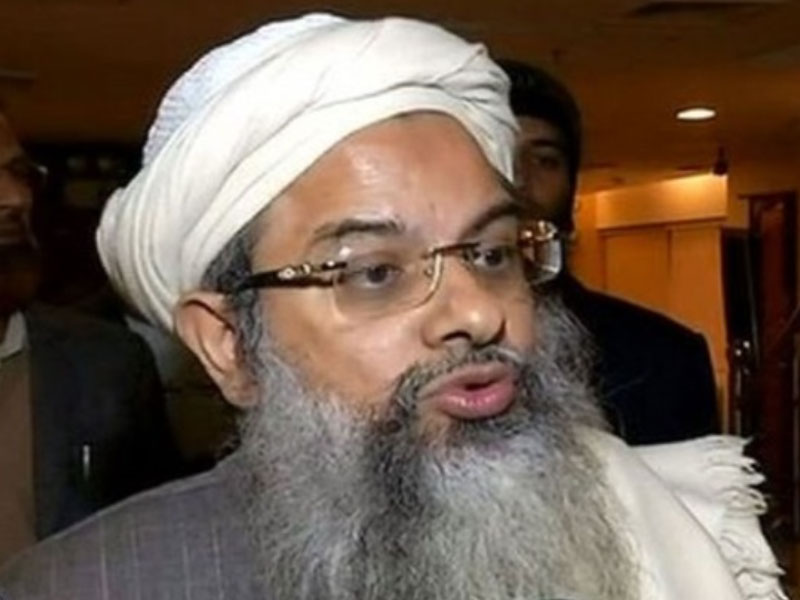
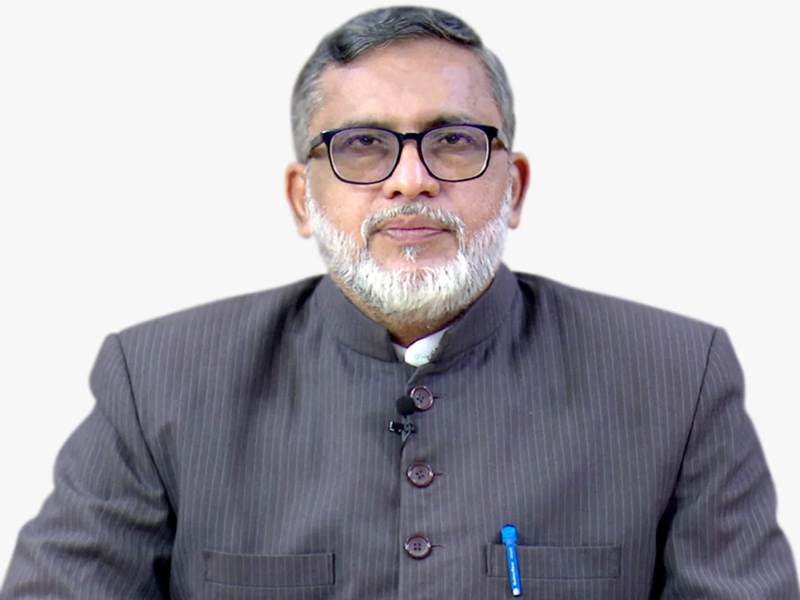
Qumruzzama Azmi: Islamic Scholar
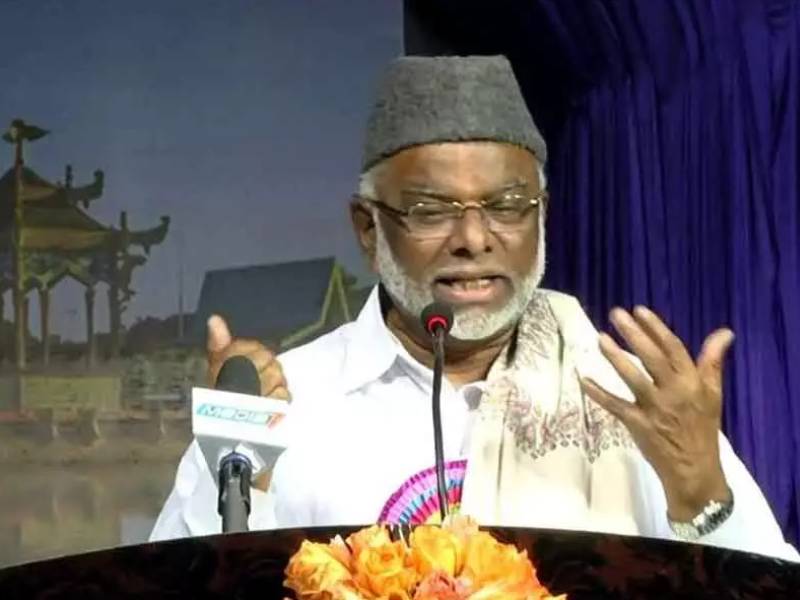
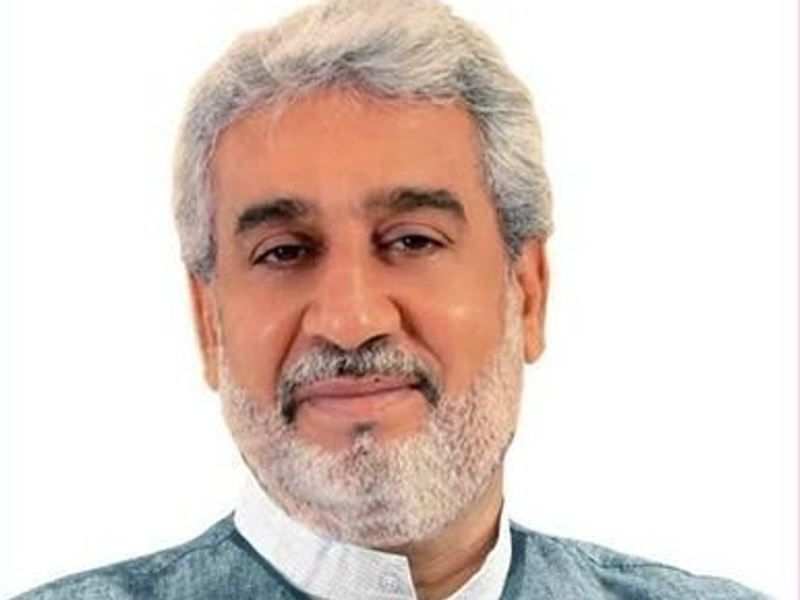
Qumruzzama Azmi (born 1946) widely respected as Maulana Azmi, is a distinguished Islamic scholar and one of the most influential voices in contemporary Islamic thought and leadership. Born in Azamgarh, Uttar Pradesh, India, in 1946, he received his early Islamic education at the esteemed Al Jamiatul Ashrafia, Mubarakpur, where he excelled in Islamic jurisprudence, theology, and Arabic literature.
Maulana Azmi’s profound understanding of Islamic teachings, coupled with his eloquence and insight, quickly earned him a reputation as a dynamic leader. His efforts to bridge gaps between communities and promote Islamic values in modern contexts have made him a sought-after scholar worldwide.
Azmi has dedicated much of his life to serving the Muslim community globally. He is closely associated with the World Islamic Mission (WIM), a prominent organization committed to promoting unity among Muslims and addressing the challenges they face. As the General Secretary of WIM, he has played a pivotal role in establishing mosques, Islamic centers, and educational institutions in various countries, particularly in Europe and North America.
An ardent advocate of peaceful coexistence, Maulana Azmi emphasizes the importance of interfaith dialogue and communal harmony. His lectures and writings have inspired countless Muslims to uphold the principles of justice, compassion, and ethical conduct.
Maulana Azmi is also deeply committed to the socio-economic upliftment of marginalized communities. He has initiated programs for education, healthcare, and poverty alleviation, ensuring the integration of Islamic values with humanitarian service.
Despite his international commitments, he remains rooted in his scholarship, dedicating time to writing, teaching, and guiding students of Islamic sciences. His intellectual contributions and spiritual leadership continue to influence generations of Muslims worldwide.
Qumruzzama Azmi’s legacy is one of knowledge, service, and unwavering dedication to the cause of Islam and humanity.