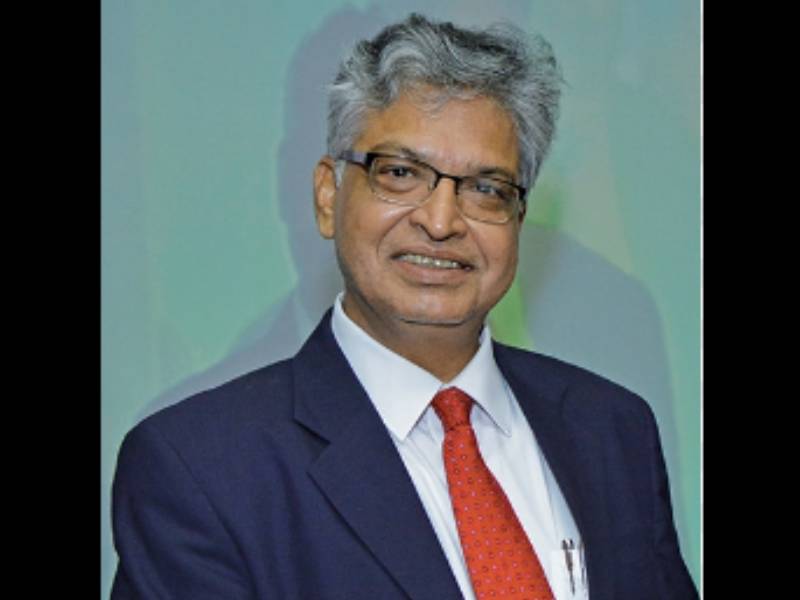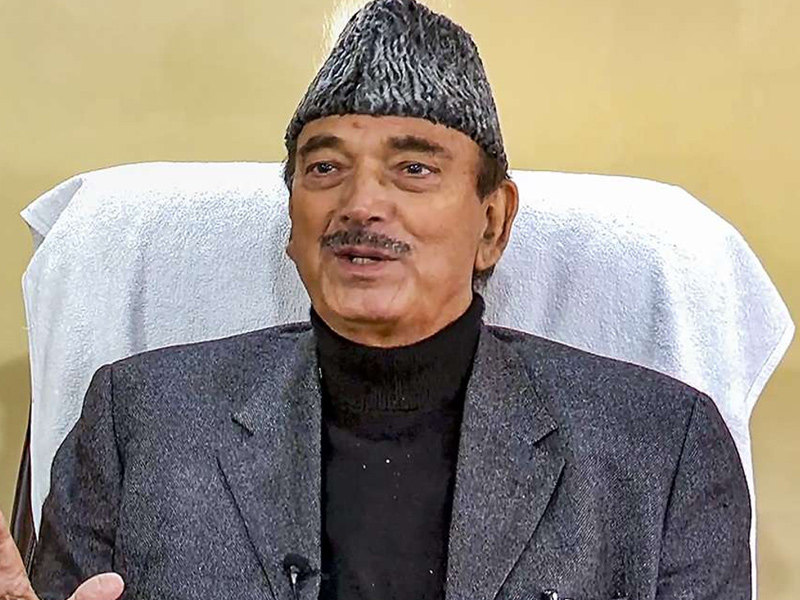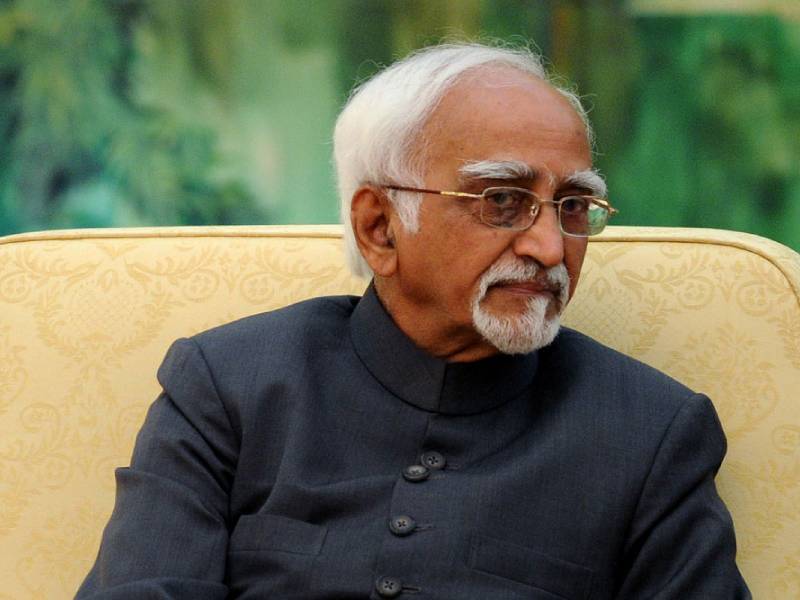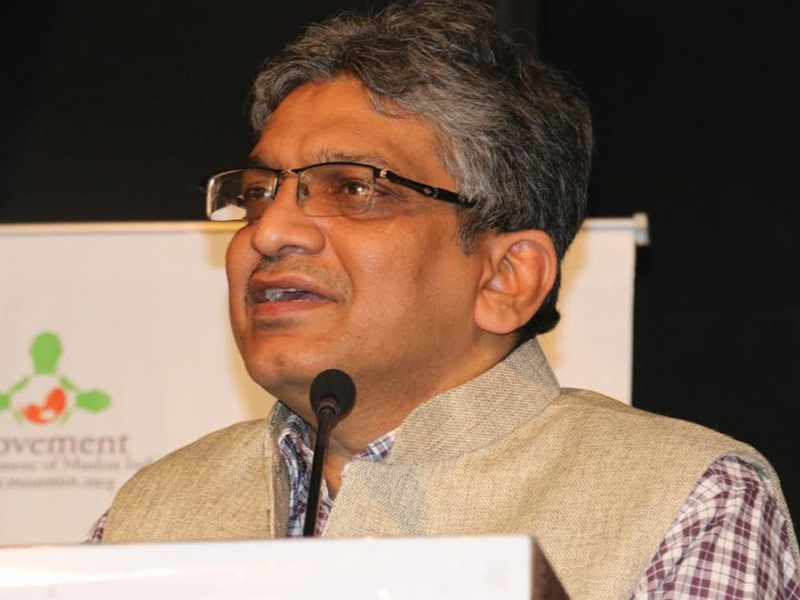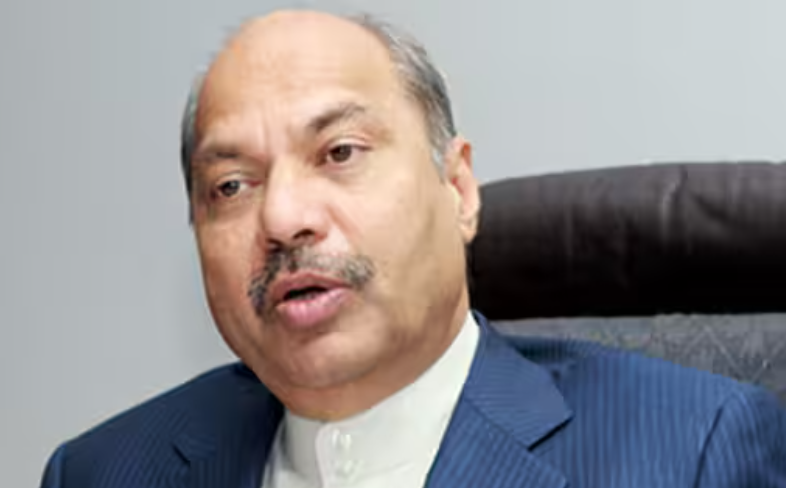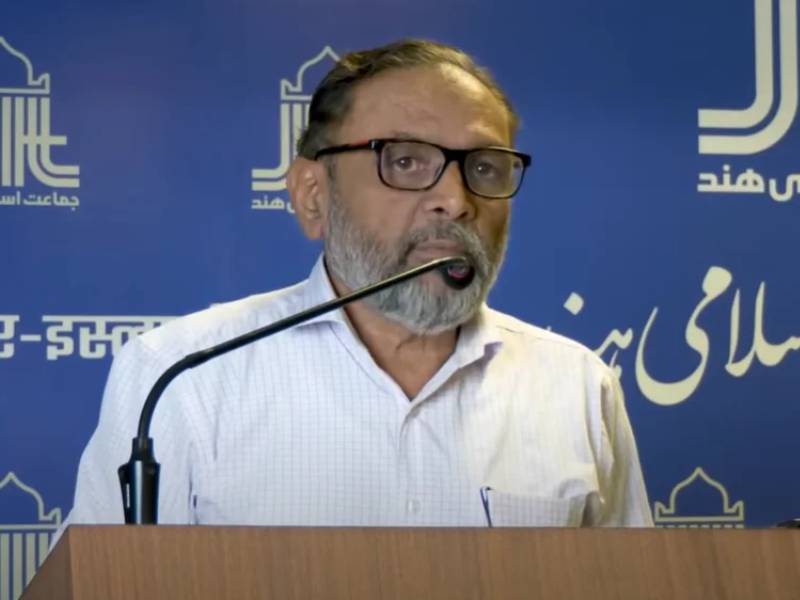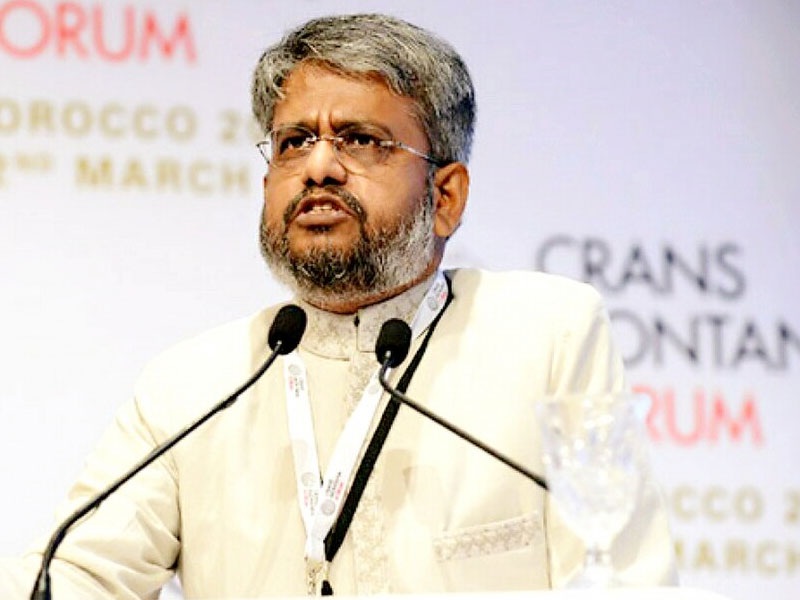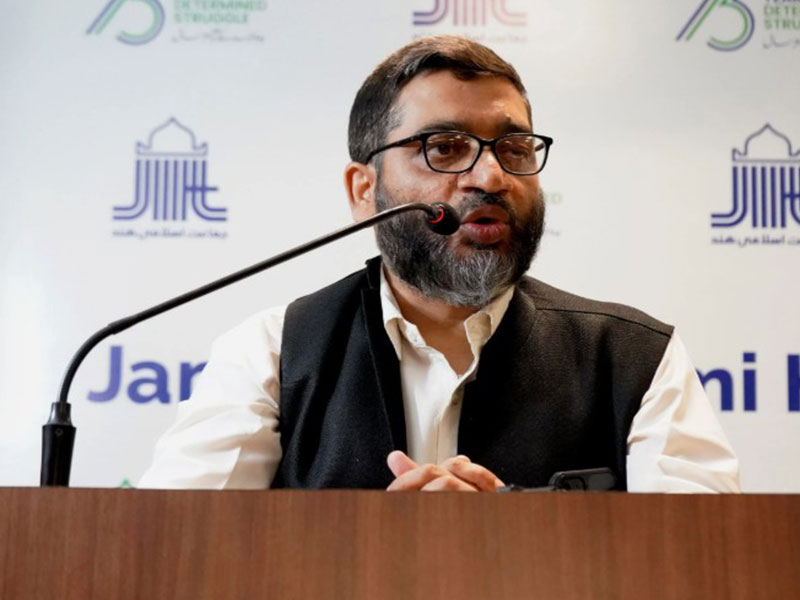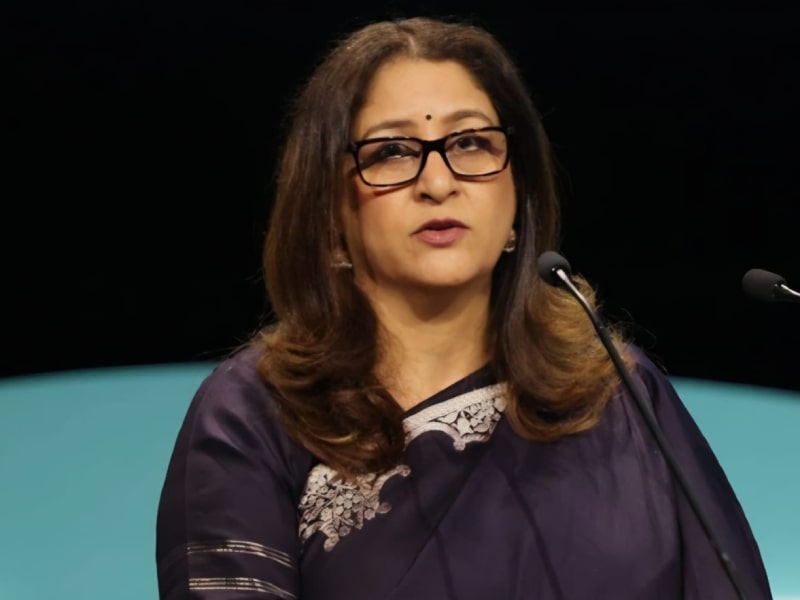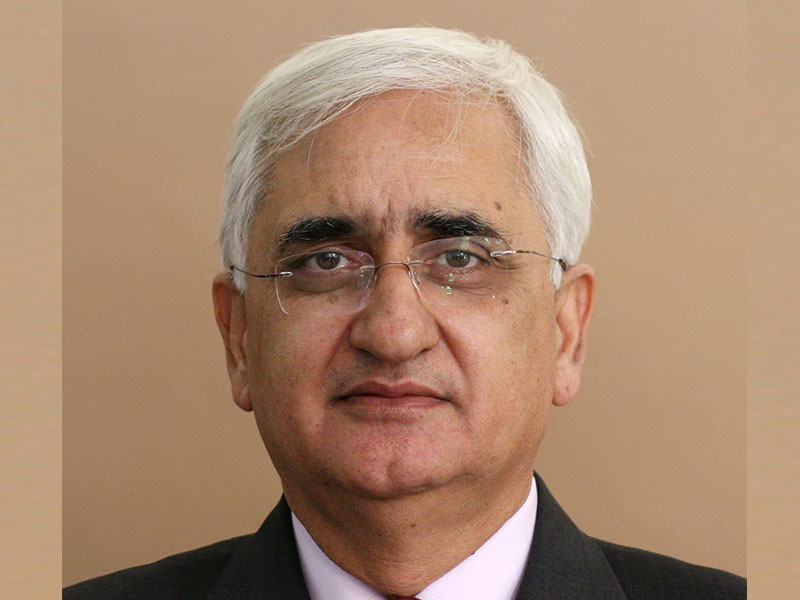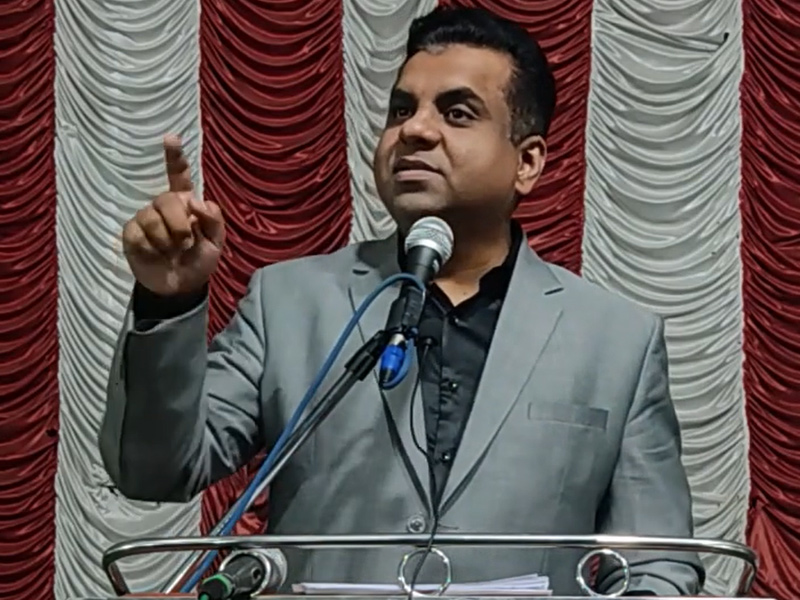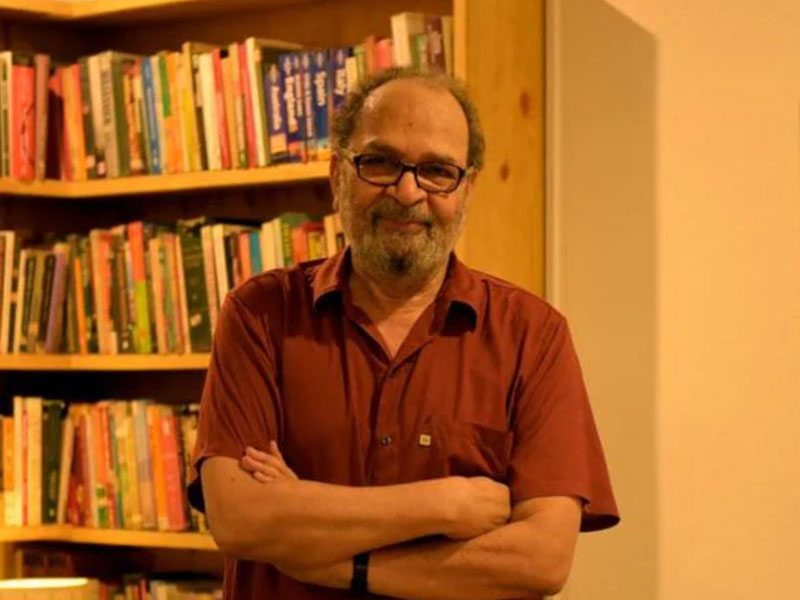
Saeed Naqvi: Journalist, Author and Commentator
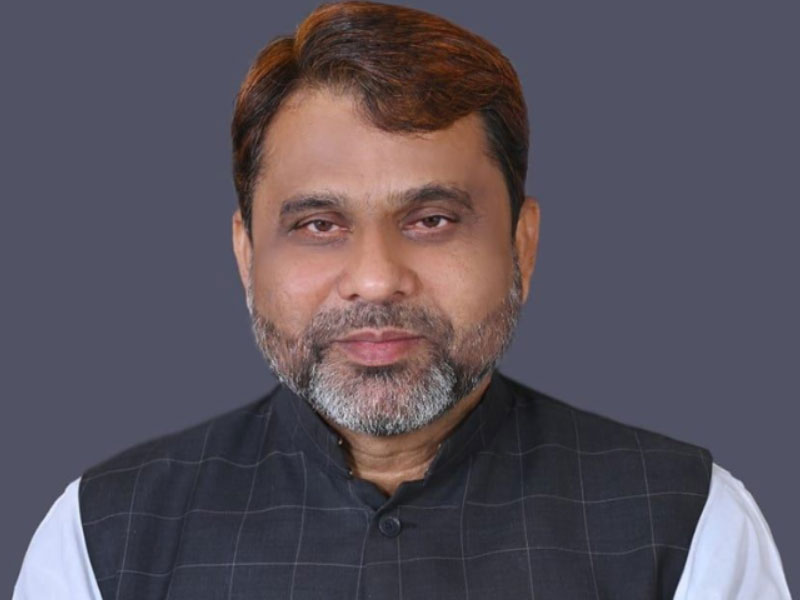
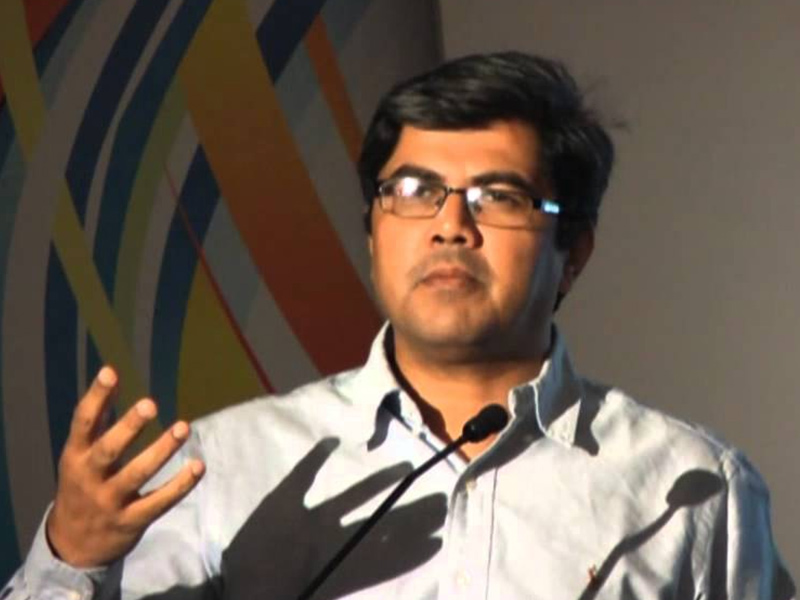
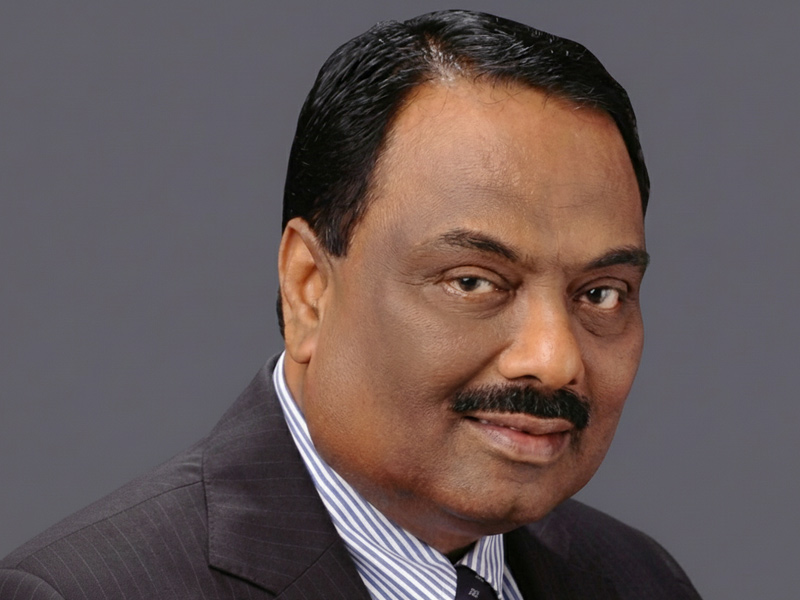
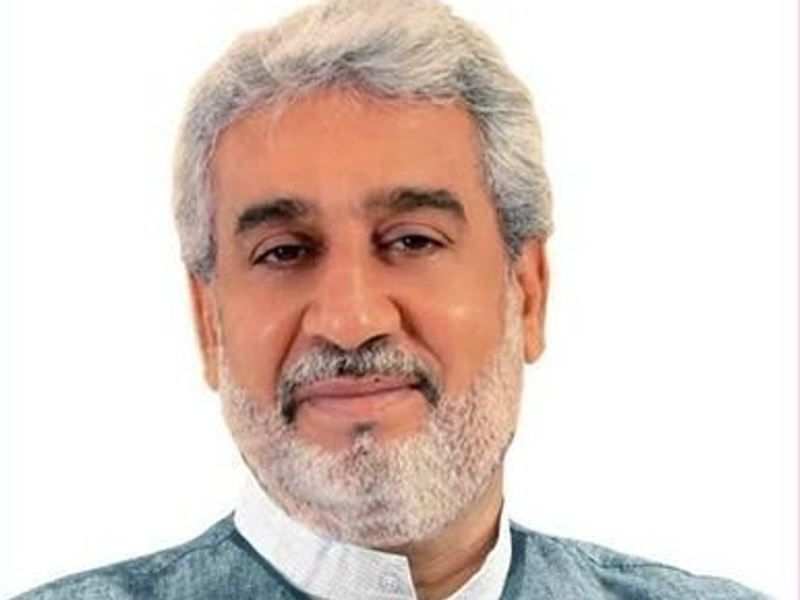
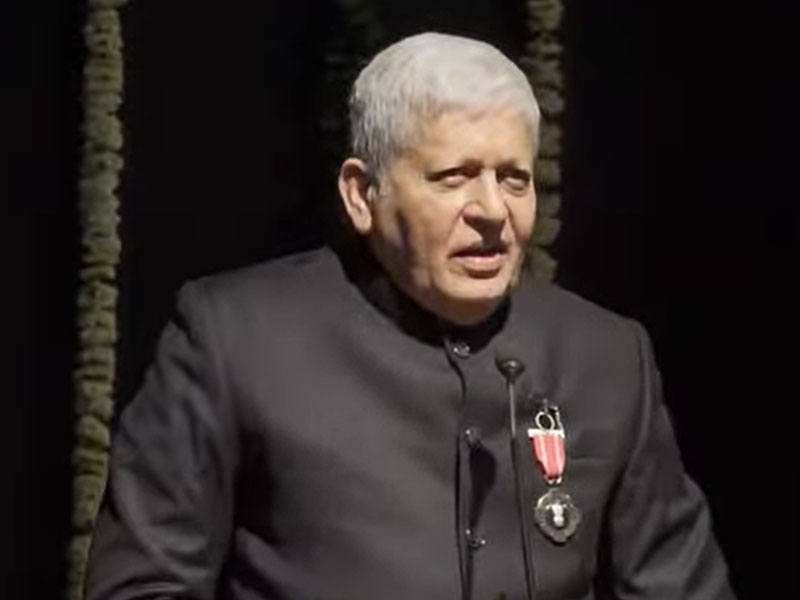
Saeed Naqvi is a distinguished Indian journalist, television commentator, and interviewer, known for his extensive work in journalism over several decades. He began his career as a staff reporter with The Statesman in 1964 before moving on to become editor of the Sunday Magazine. He gained international recognition for his reporting during The Beatles' visit to India, capturing insights from their stay at Maharishi Mahesh Yogi’s ashram in Rishikesh.
Throughout his career, Naqvi has interviewed numerous global leaders, including Nelson Mandela, Fidel Castro, and Gorbachev, and has served as the editor of World Report, focusing on foreign affairs. His work has been featured in prestigious publications such as The New York Times, The Guardian, and The Washington Post. He played a key role in producing television content, notably for Doordarshan and Star TV, and was pivotal in creating programs that highlighted international affairs and India's diverse culture.
As an author, Naqvi's most recent work, titled "The Muslim Vanishes," explores themes of identity and societal issues, sparking discussion among scholars. He has participated in various prestigious lecture events, such as a TEDx Talk at Jamia Millia Islamia and has delivered talks at institutions like Columbia University.
Born and raised in Lucknow, Naqvi has a strong educational background, having attended La Martinière College. He is married to Aruna Naqvi and has three daughters, including journalist Saba Naqvi and writer Farah Naqvi. Over the years, Saeed Naqvi has established himself as a crucial voice in Indian journalism and remains influential in discussions about social and political issues in India and beyond.
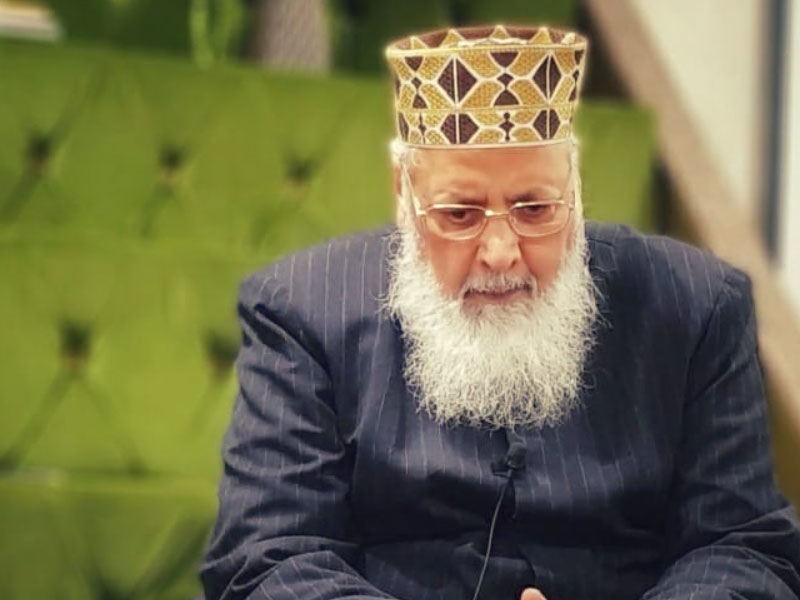
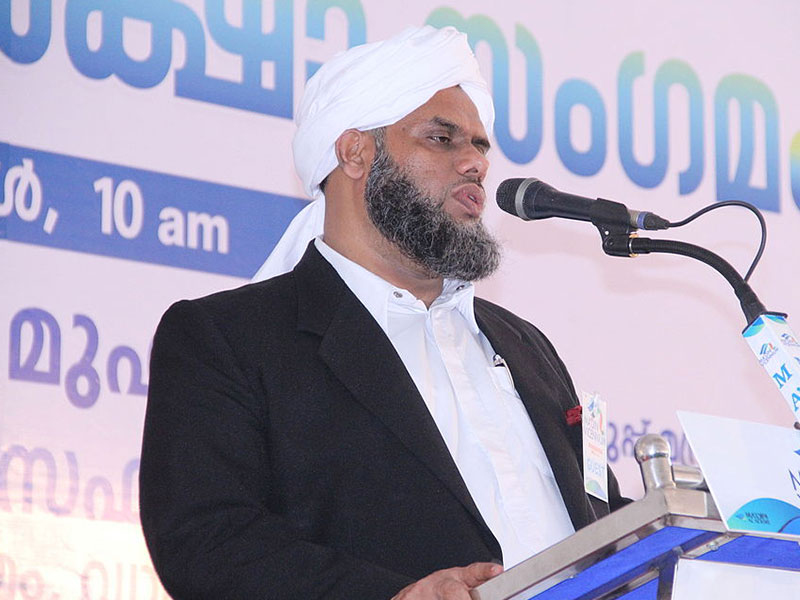
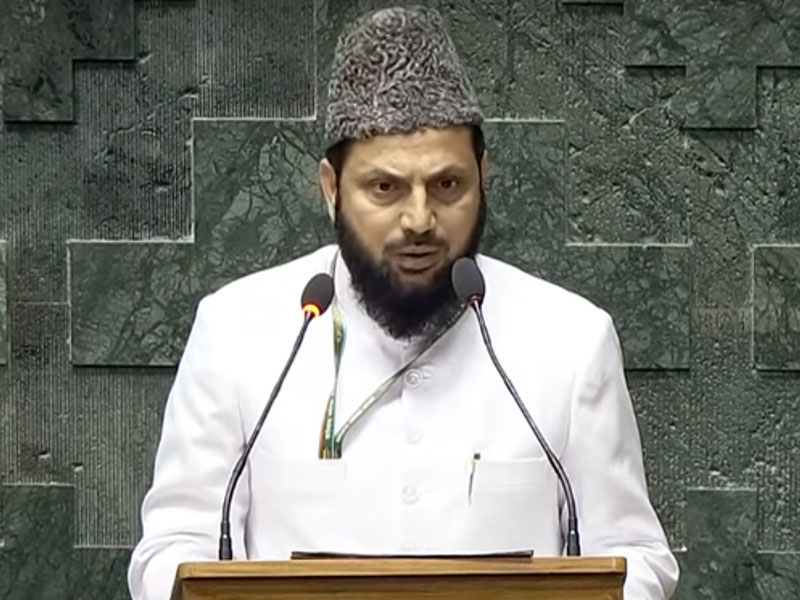
Qumruzzama Azmi: Islamic Scholar
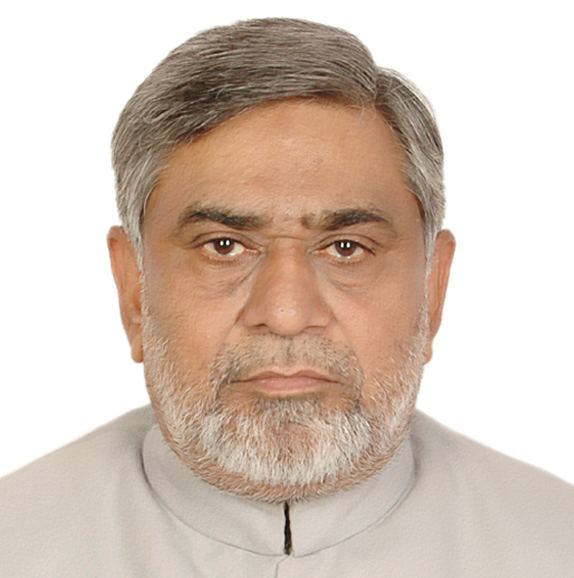
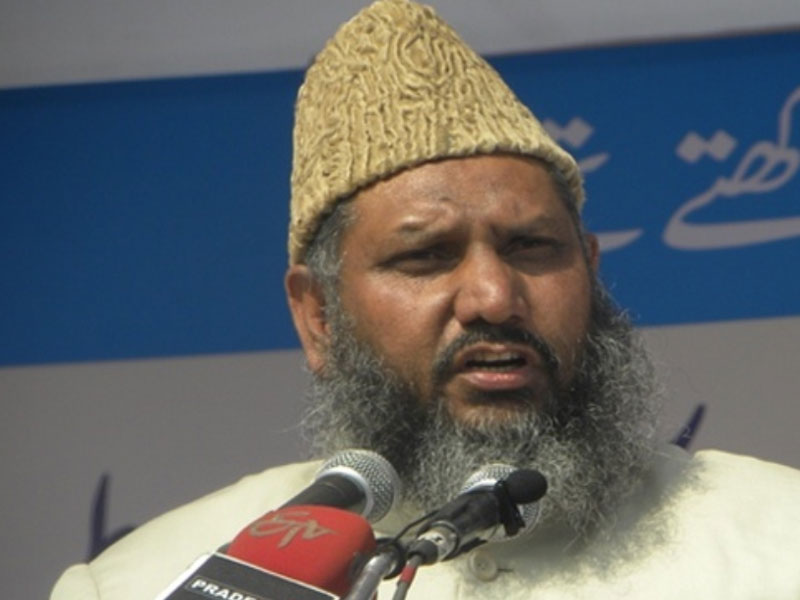
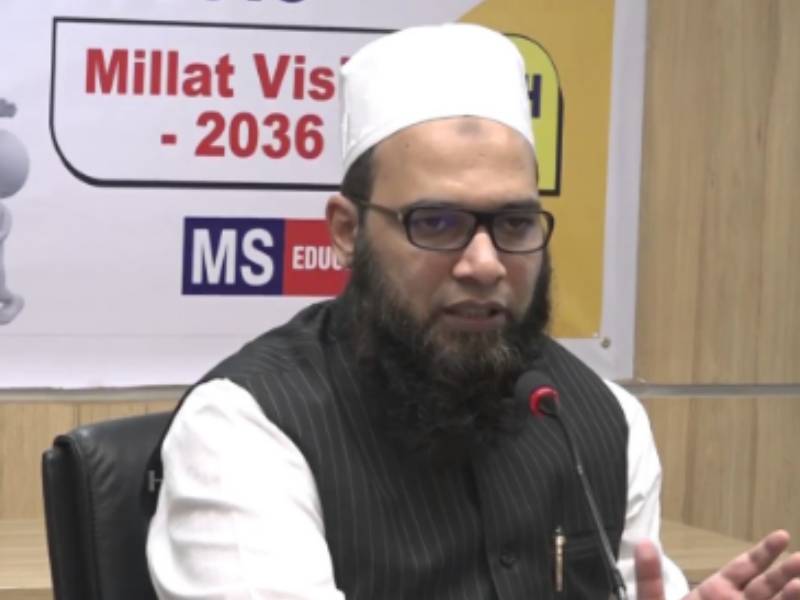
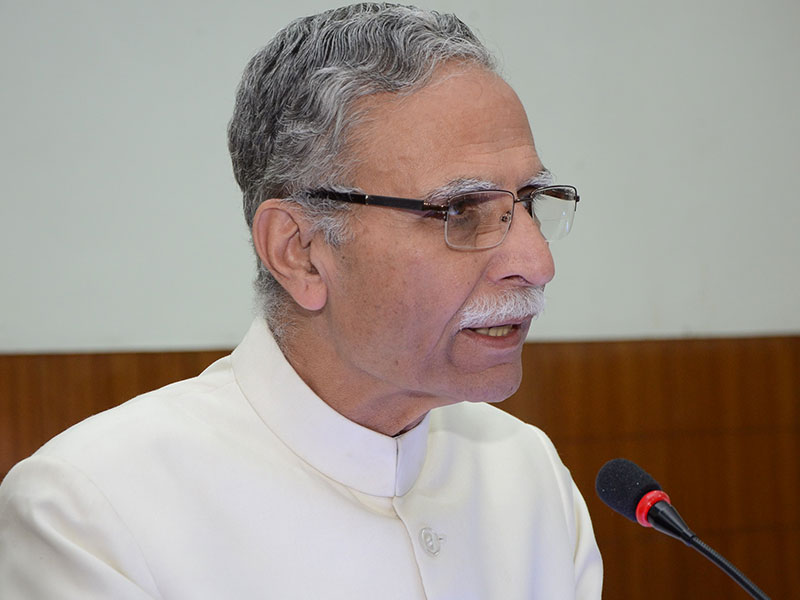
Qumruzzama Azmi (born 1946) widely respected as Maulana Azmi, is a distinguished Islamic scholar and one of the most influential voices in contemporary Islamic thought and leadership. Born in Azamgarh, Uttar Pradesh, India, in 1946, he received his early Islamic education at the esteemed Al Jamiatul Ashrafia, Mubarakpur, where he excelled in Islamic jurisprudence, theology, and Arabic literature.
Maulana Azmi’s profound understanding of Islamic teachings, coupled with his eloquence and insight, quickly earned him a reputation as a dynamic leader. His efforts to bridge gaps between communities and promote Islamic values in modern contexts have made him a sought-after scholar worldwide.
Azmi has dedicated much of his life to serving the Muslim community globally. He is closely associated with the World Islamic Mission (WIM), a prominent organization committed to promoting unity among Muslims and addressing the challenges they face. As the General Secretary of WIM, he has played a pivotal role in establishing mosques, Islamic centers, and educational institutions in various countries, particularly in Europe and North America.
An ardent advocate of peaceful coexistence, Maulana Azmi emphasizes the importance of interfaith dialogue and communal harmony. His lectures and writings have inspired countless Muslims to uphold the principles of justice, compassion, and ethical conduct.
Maulana Azmi is also deeply committed to the socio-economic upliftment of marginalized communities. He has initiated programs for education, healthcare, and poverty alleviation, ensuring the integration of Islamic values with humanitarian service.
Despite his international commitments, he remains rooted in his scholarship, dedicating time to writing, teaching, and guiding students of Islamic sciences. His intellectual contributions and spiritual leadership continue to influence generations of Muslims worldwide.
Qumruzzama Azmi’s legacy is one of knowledge, service, and unwavering dedication to the cause of Islam and humanity.