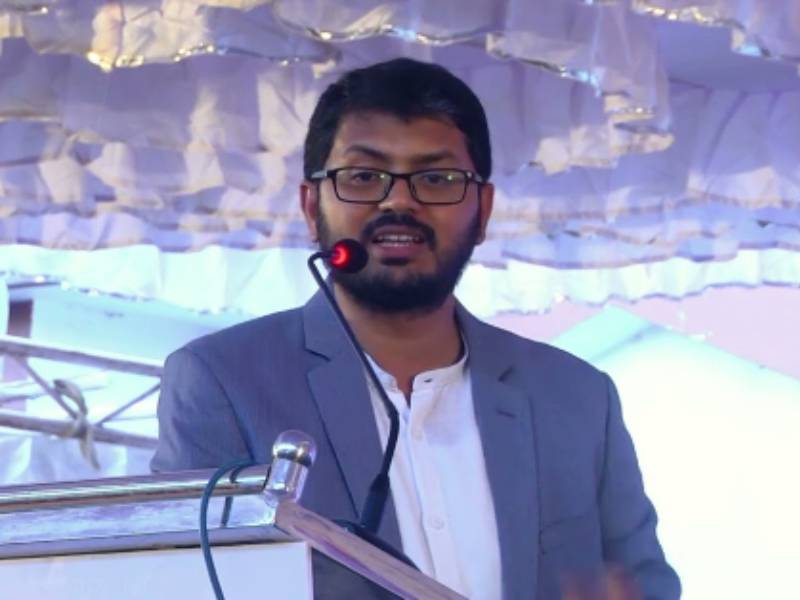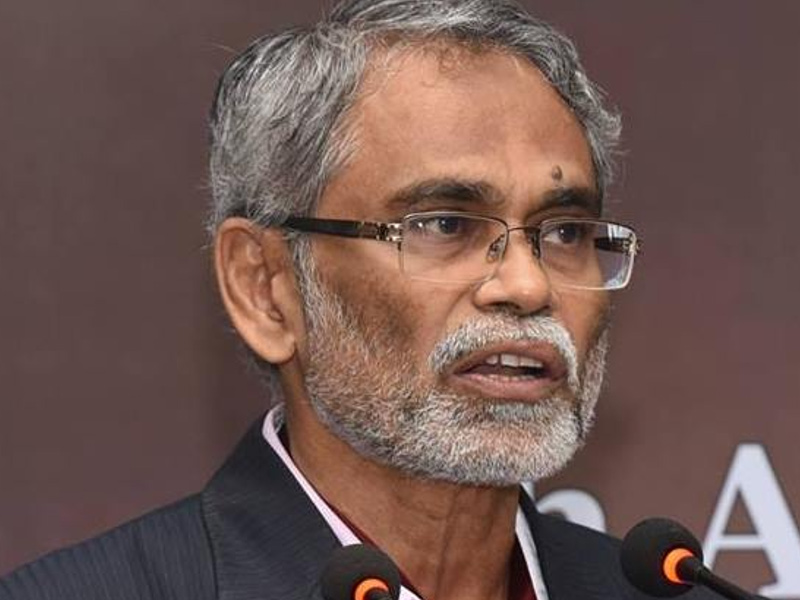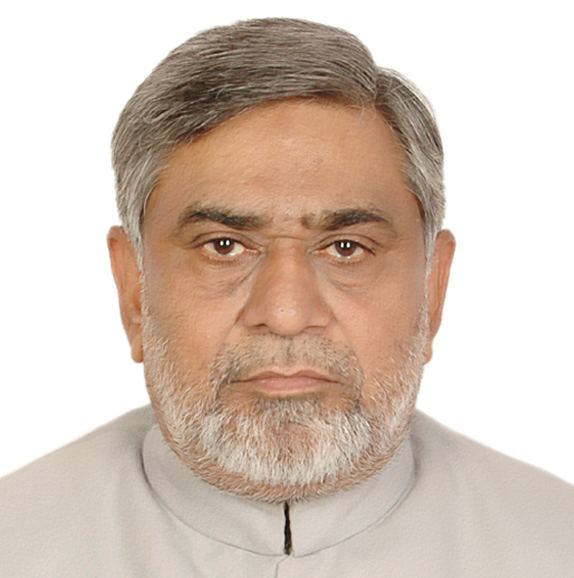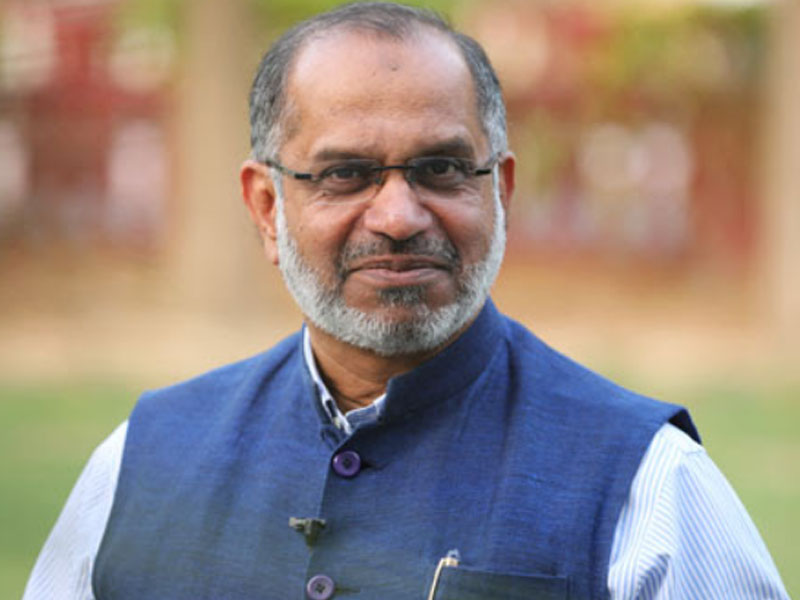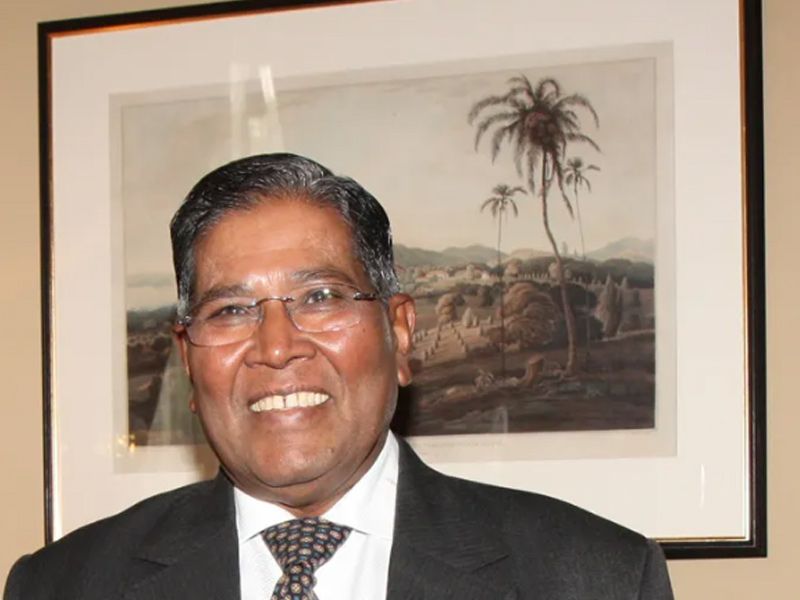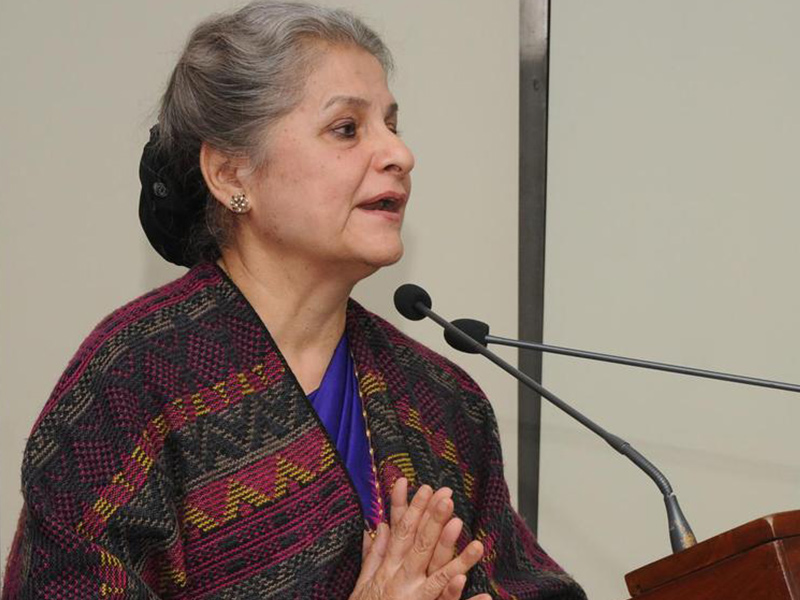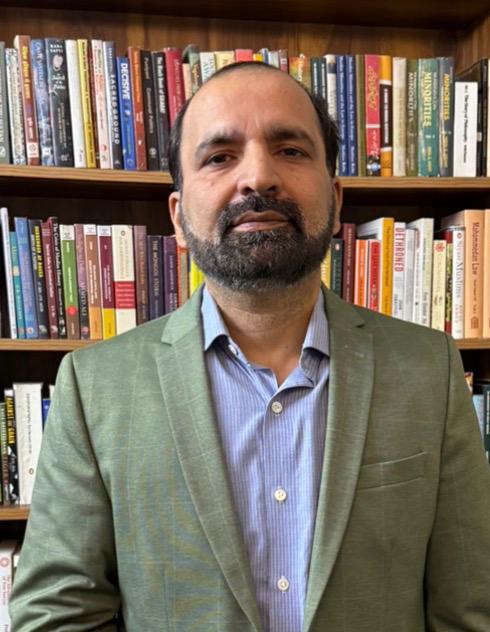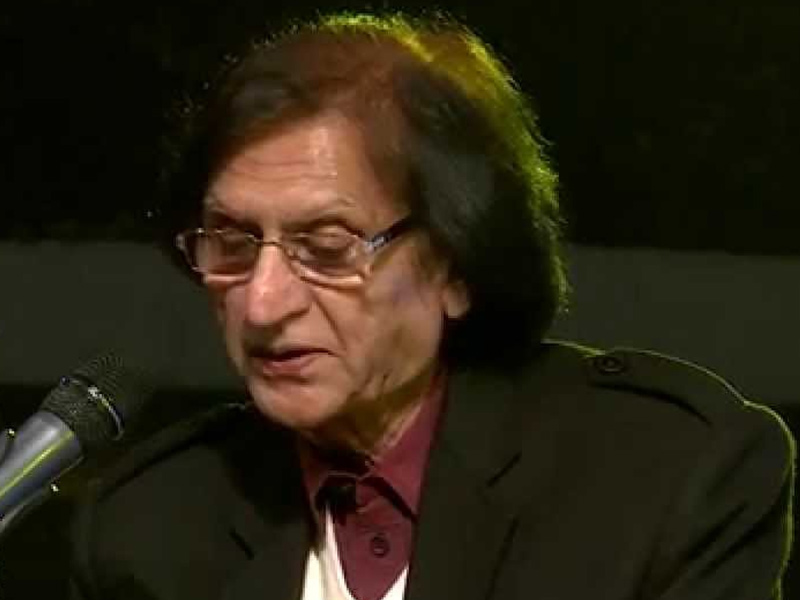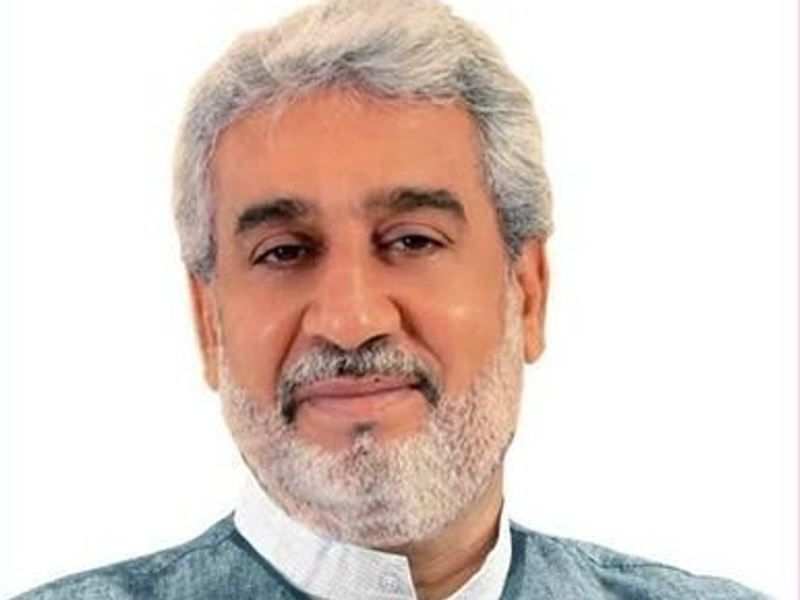
P. A. Inamdar: Educationist
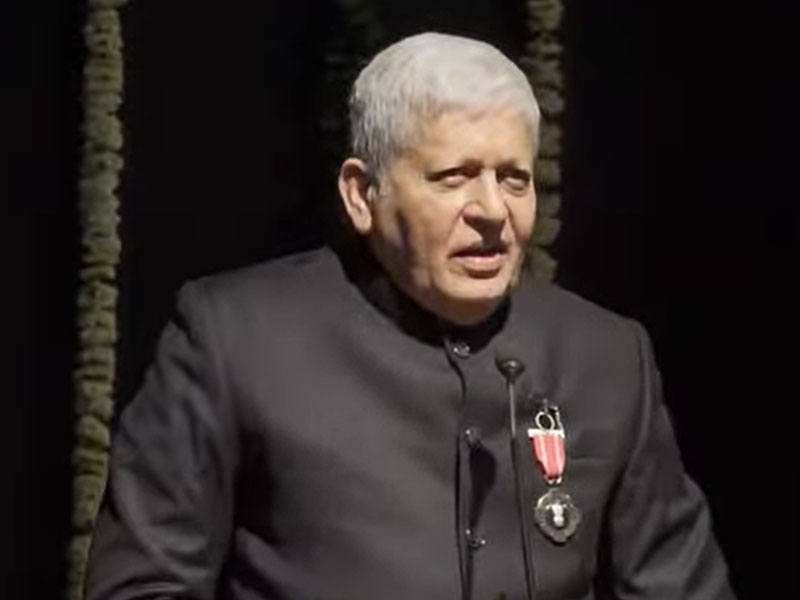
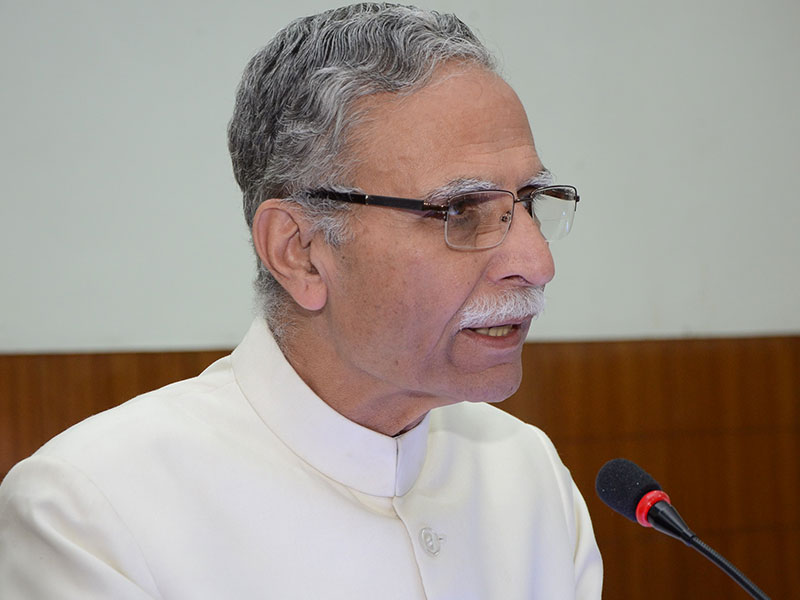
P. A. Inamdar (born 945) is a renowned educationist, lawyer, and social reformer whose contributions have significantly shaped the landscape of modern education in India, particularly among the Muslim community. Based in Pune, Maharashtra, Inamdar is best known as the driving force behind the Maharashtra Cosmopolitan Education Society (MCES), under which he has established a network of educational institutions catering to diverse disciplines and promoting inclusive, quality education.
Born in a modest family, Inamdar’s journey is one of resilience and determination. He pursued his legal education and practiced law, but his passion for education led him to focus on creating institutions that empower individuals through knowledge and skill development. His vision was to address the educational and socio-economic challenges faced by marginalized communities and provide opportunities for holistic growth.
Under his leadership, MCES has flourished, with notable institutions such as the Azam Campus in Pune, which is home to over 25 colleges and schools offering courses in engineering, law, management, pharmacy, and more. Azam Campus stands as a beacon of excellence and communal harmony, attracting students from various backgrounds.
Inamdar is also recognized for his pivotal role in the landmark P. A. Inamdar vs. State of Maharashtra case (2005), where the Supreme Court upheld the rights of minority institutions to maintain autonomy in admissions and administration. This judgment reinforced the constitutional protections for minority rights in education.
Inamdar’s efforts extend beyond academia. He actively engages in social initiatives, advocating for gender equality, interfaith harmony, and community development. His dedication to empowering society through education has earned him accolades and respect as a visionary leader and reformer.
P. A. Inamdar’s enduring legacy lies in his belief that education is the most powerful tool for societal transformation and the key to building a progressive, equitable future.
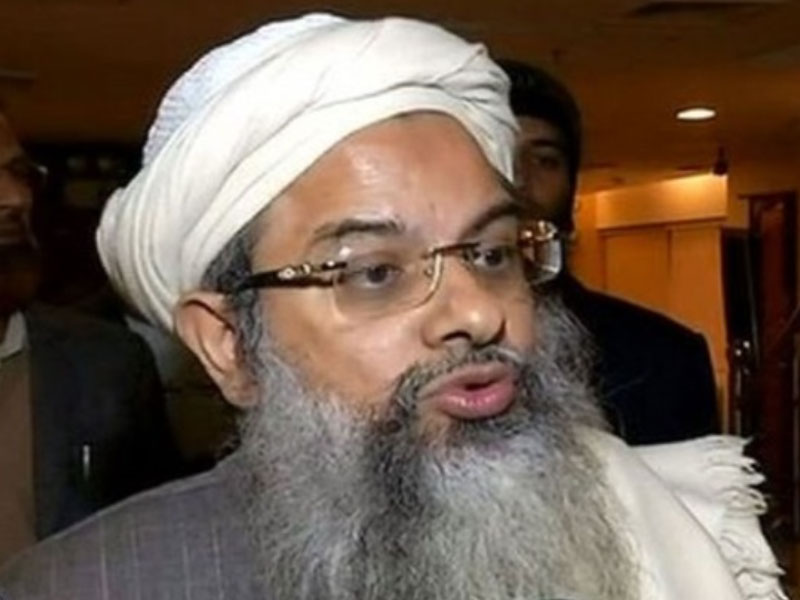
Qumruzzama Azmi: Islamic Scholar
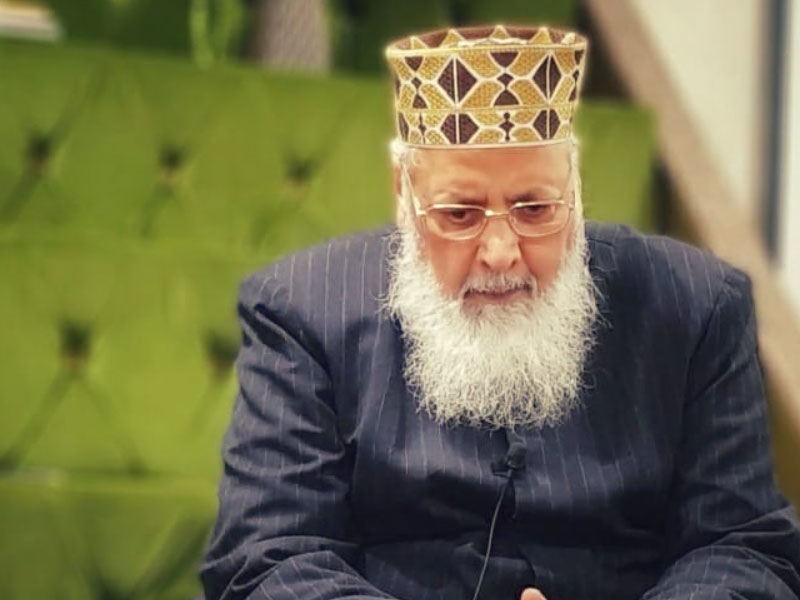
Qumruzzama Azmi (born 1946) widely respected as Maulana Azmi, is a distinguished Islamic scholar and one of the most influential voices in contemporary Islamic thought and leadership. Born in Azamgarh, Uttar Pradesh, India, in 1946, he received his early Islamic education at the esteemed Al Jamiatul Ashrafia, Mubarakpur, where he excelled in Islamic jurisprudence, theology, and Arabic literature.
Maulana Azmi’s profound understanding of Islamic teachings, coupled with his eloquence and insight, quickly earned him a reputation as a dynamic leader. His efforts to bridge gaps between communities and promote Islamic values in modern contexts have made him a sought-after scholar worldwide.
Azmi has dedicated much of his life to serving the Muslim community globally. He is closely associated with the World Islamic Mission (WIM), a prominent organization committed to promoting unity among Muslims and addressing the challenges they face. As the General Secretary of WIM, he has played a pivotal role in establishing mosques, Islamic centers, and educational institutions in various countries, particularly in Europe and North America.
An ardent advocate of peaceful coexistence, Maulana Azmi emphasizes the importance of interfaith dialogue and communal harmony. His lectures and writings have inspired countless Muslims to uphold the principles of justice, compassion, and ethical conduct.
Maulana Azmi is also deeply committed to the socio-economic upliftment of marginalized communities. He has initiated programs for education, healthcare, and poverty alleviation, ensuring the integration of Islamic values with humanitarian service.
Despite his international commitments, he remains rooted in his scholarship, dedicating time to writing, teaching, and guiding students of Islamic sciences. His intellectual contributions and spiritual leadership continue to influence generations of Muslims worldwide.
Qumruzzama Azmi’s legacy is one of knowledge, service, and unwavering dedication to the cause of Islam and humanity.