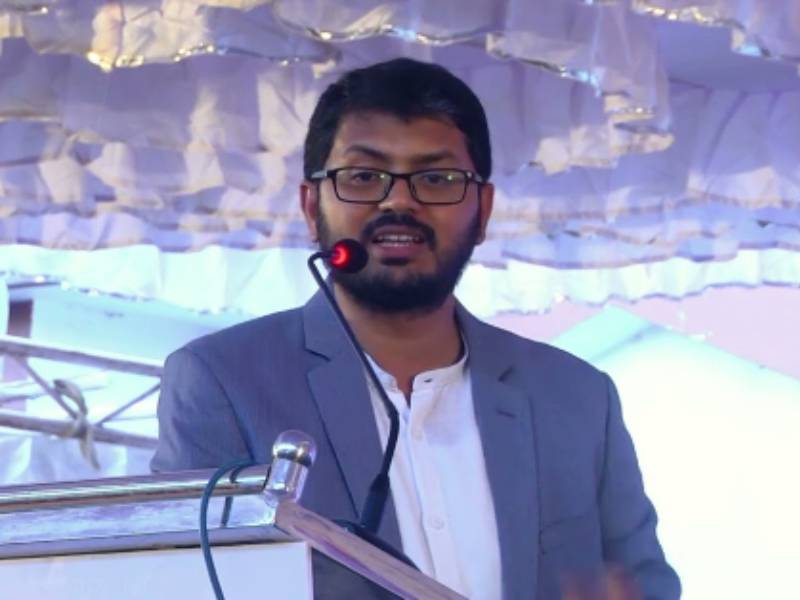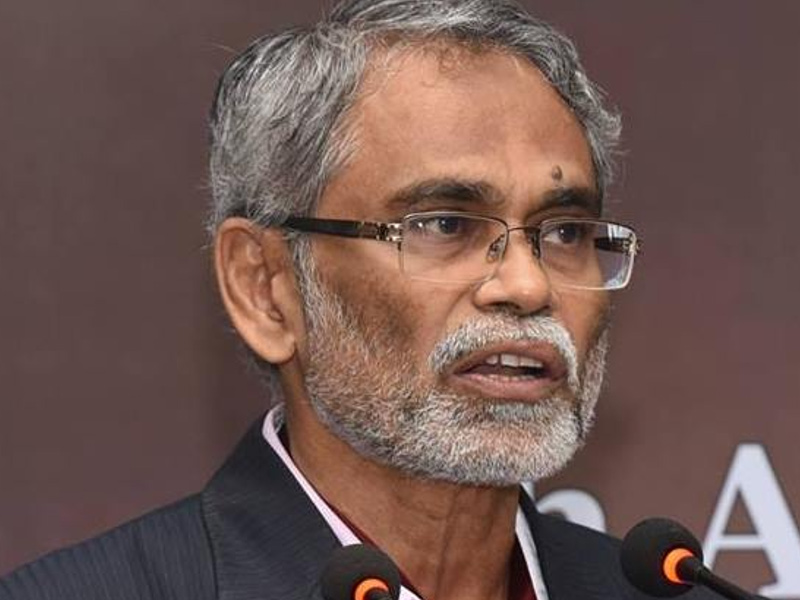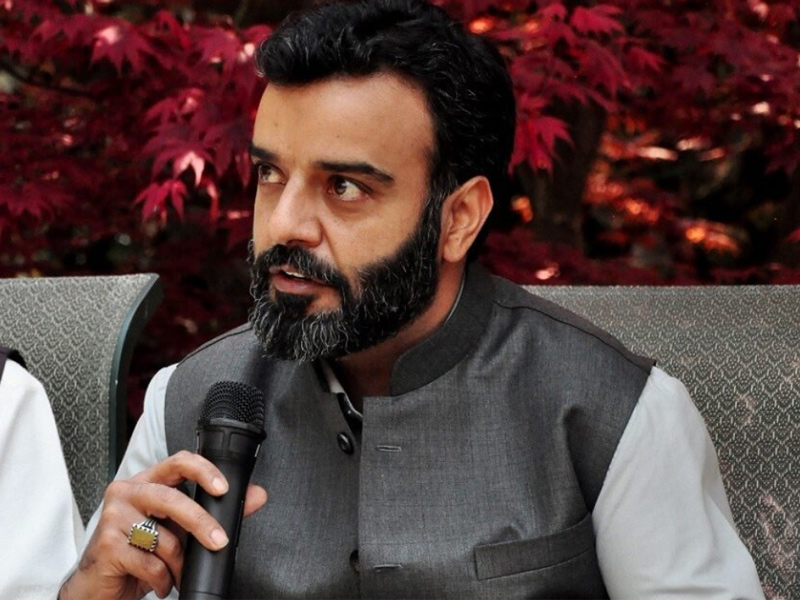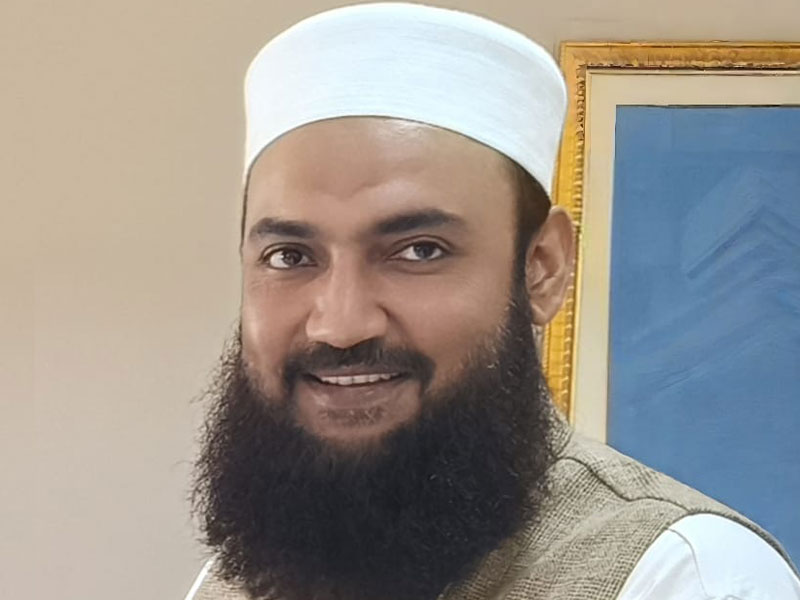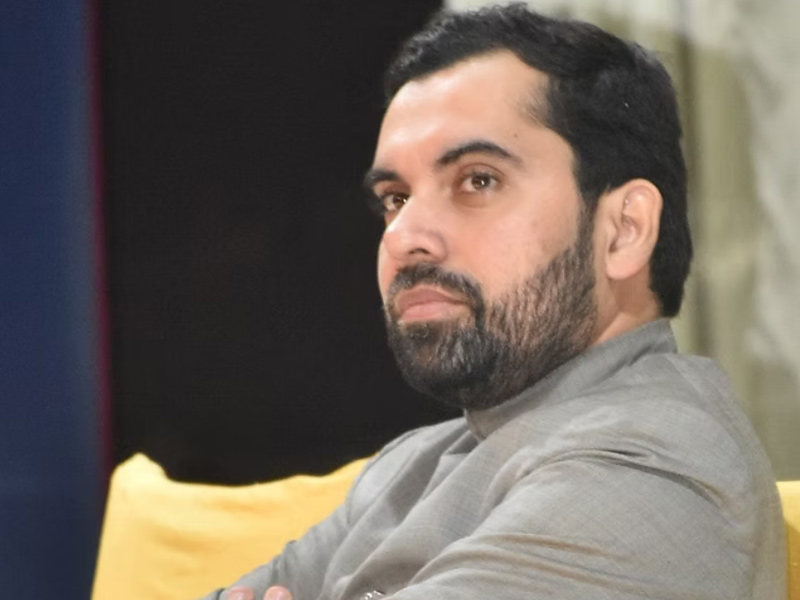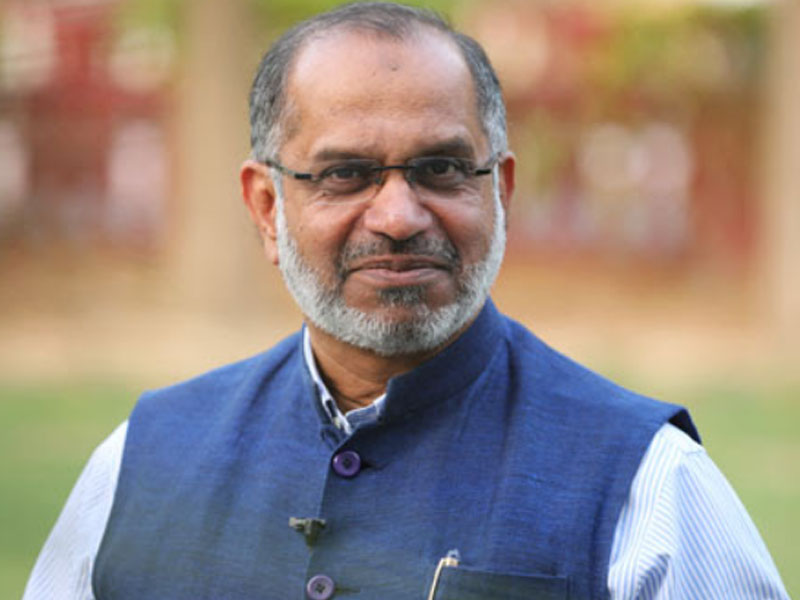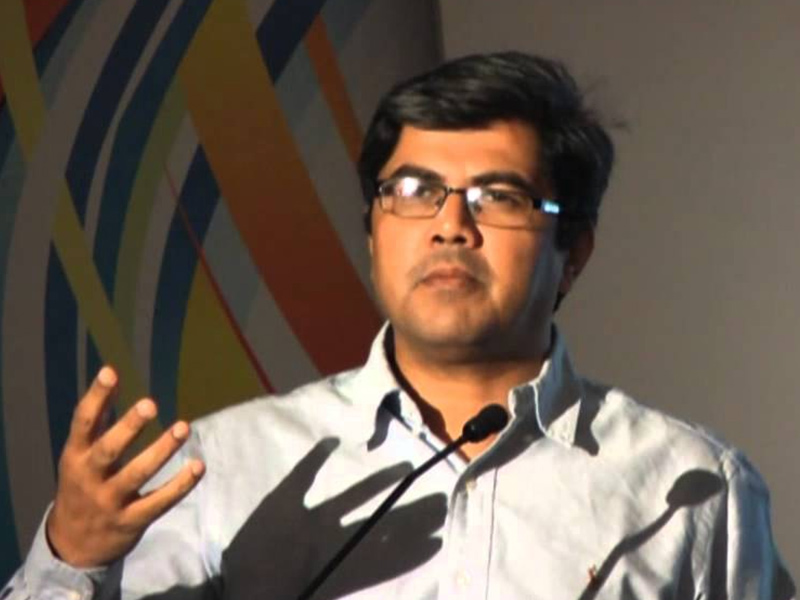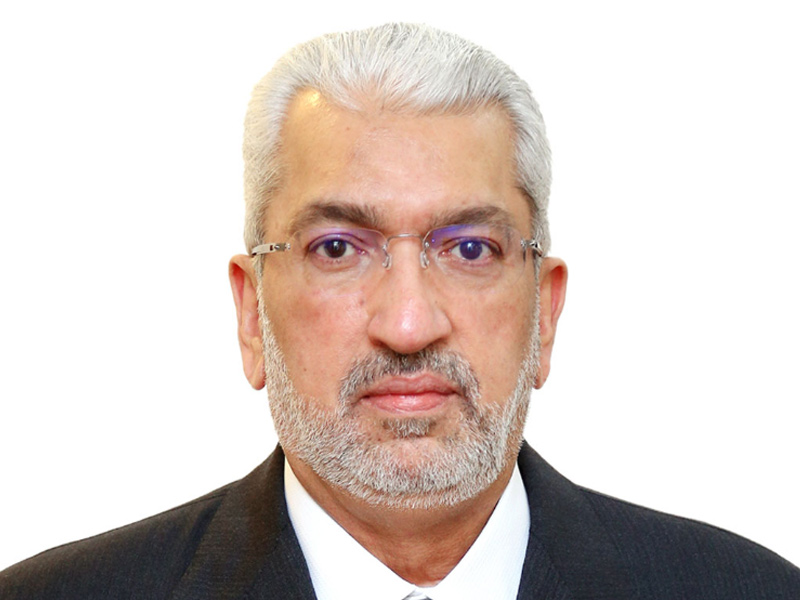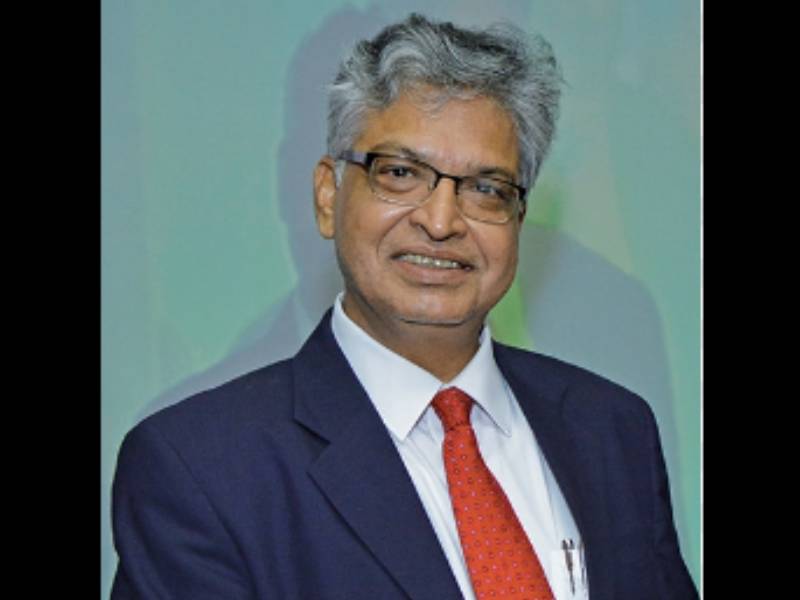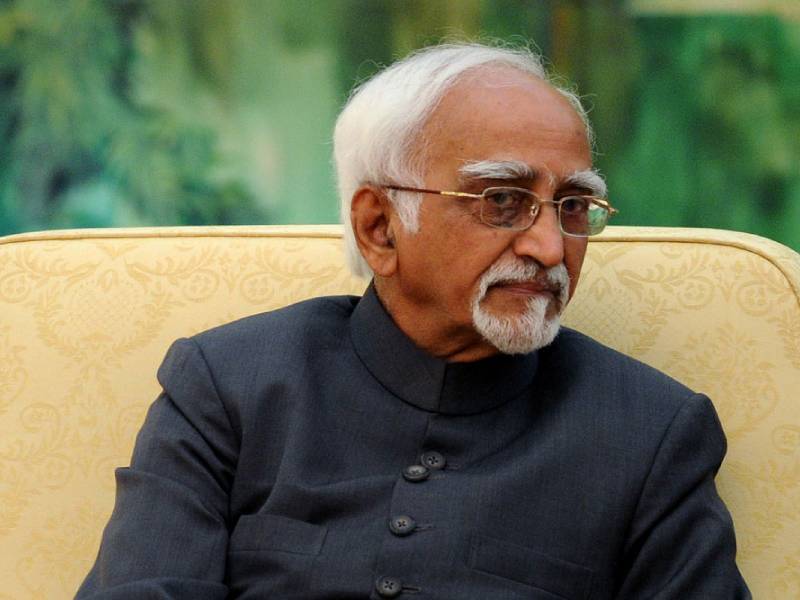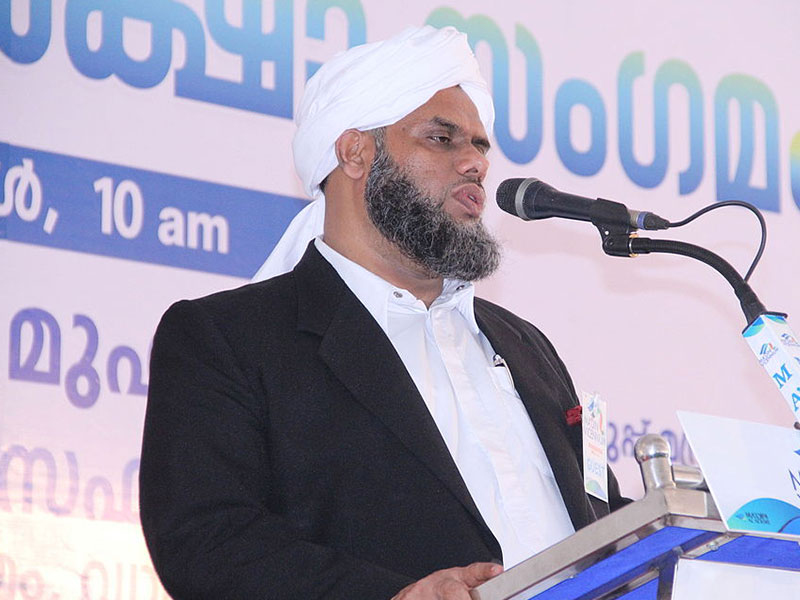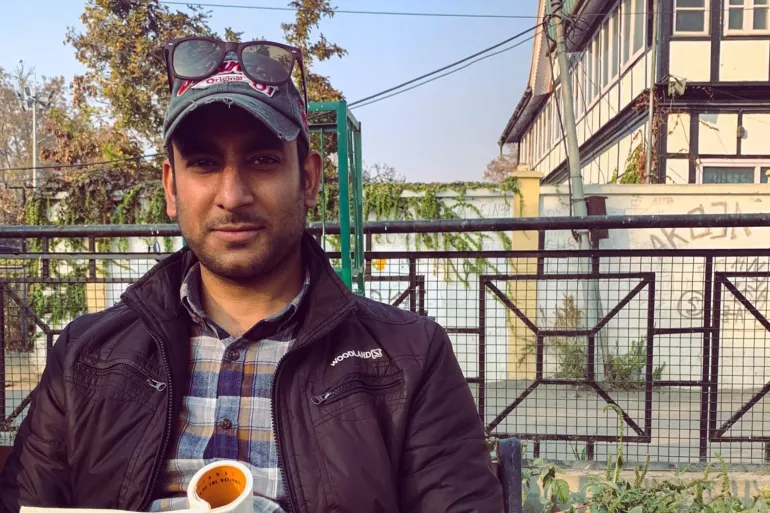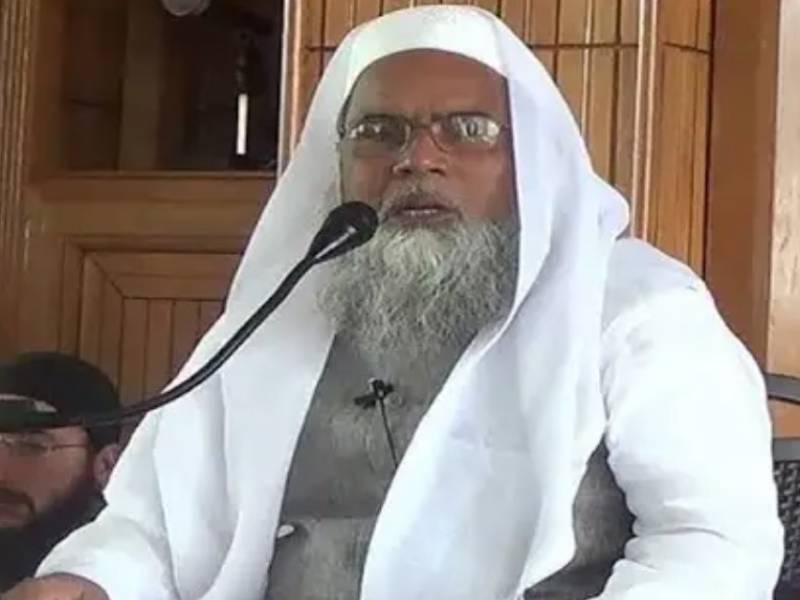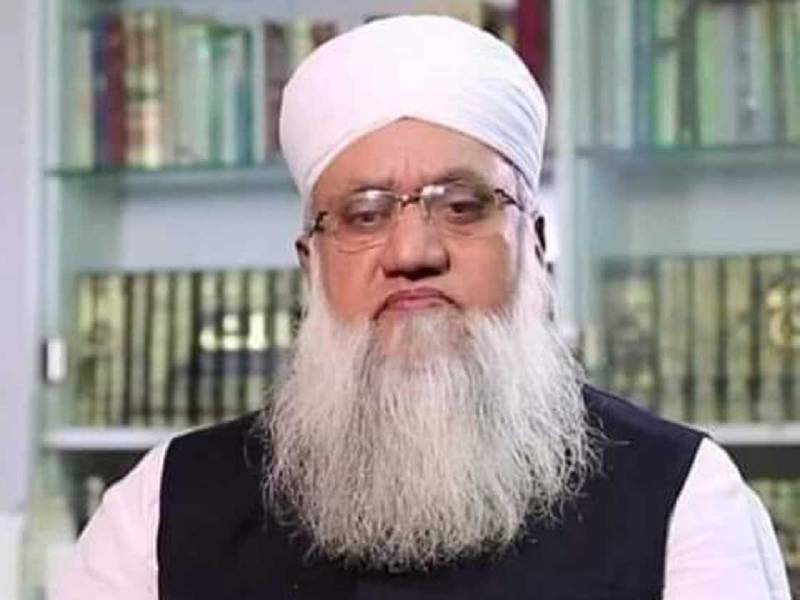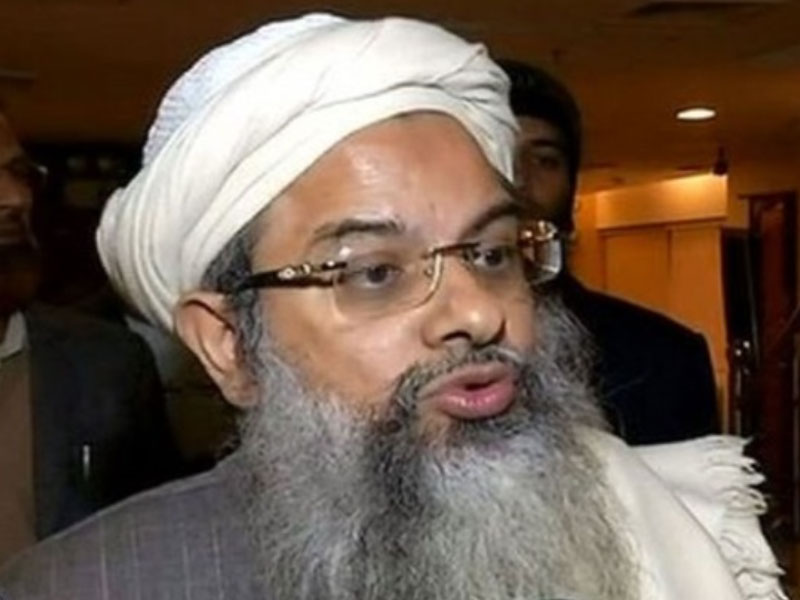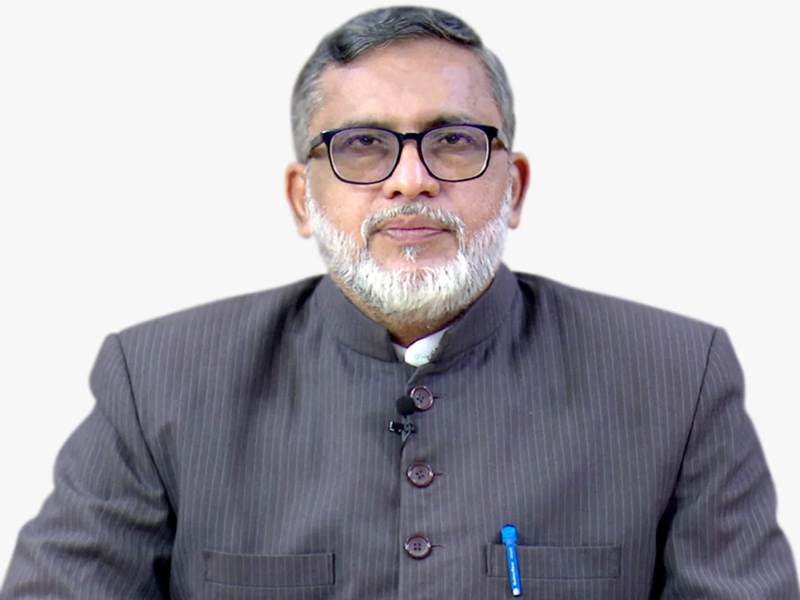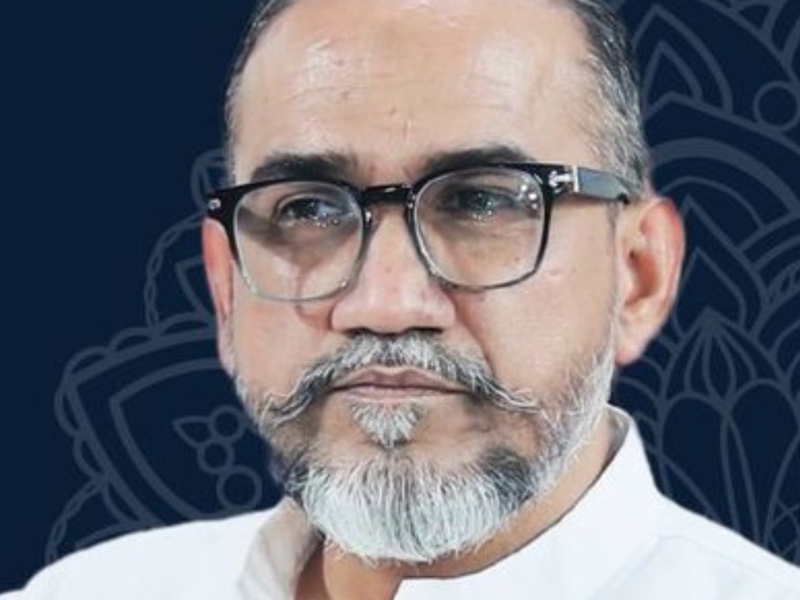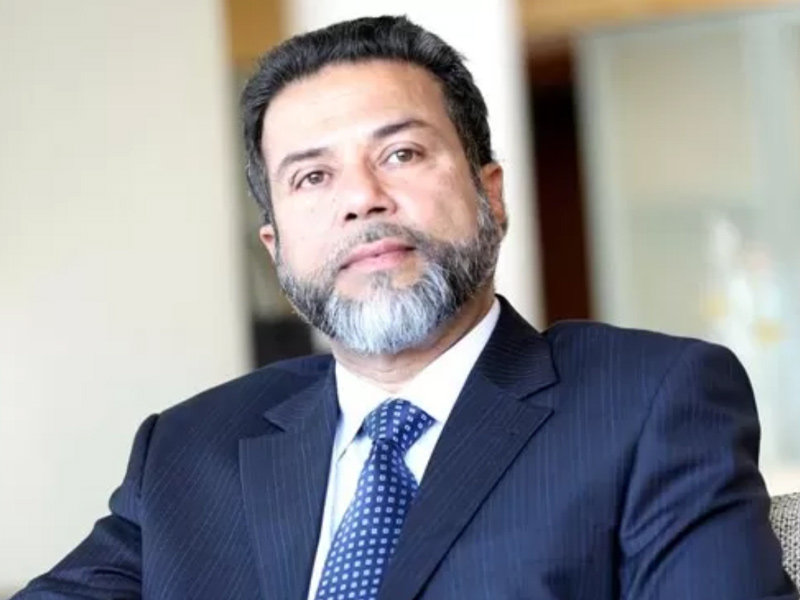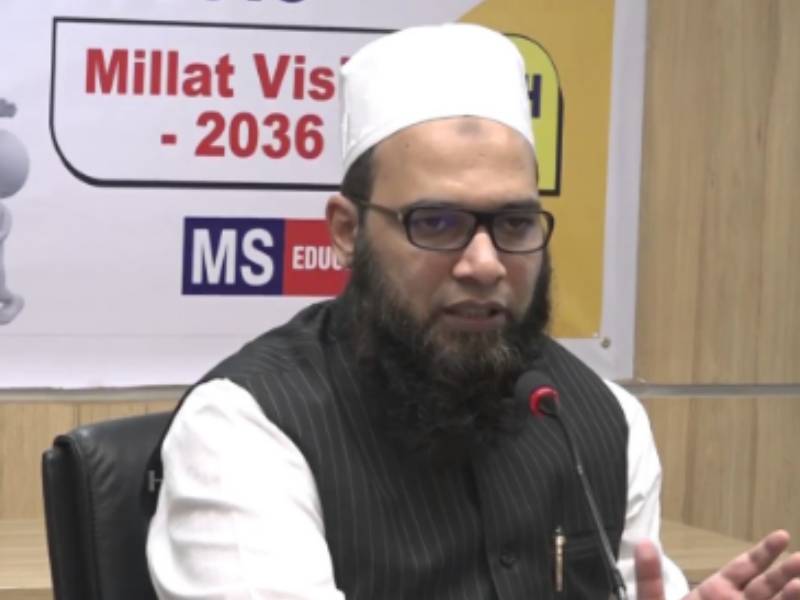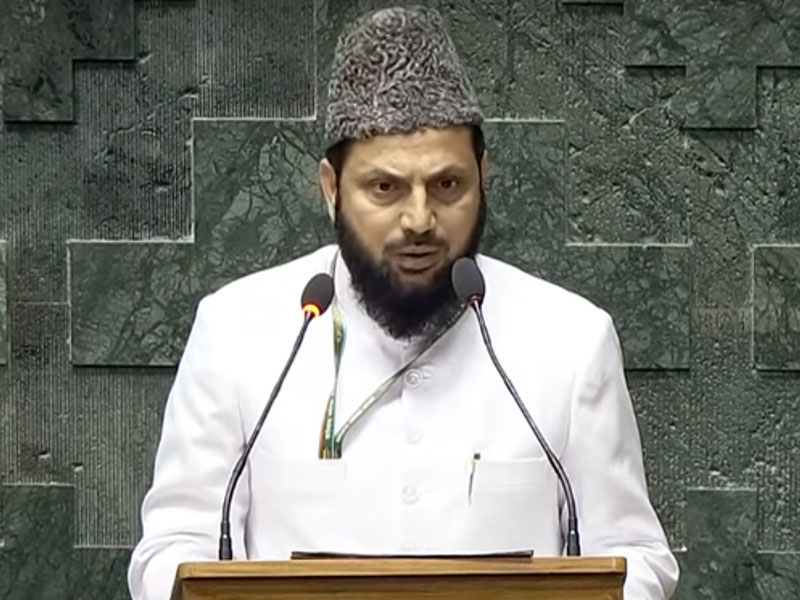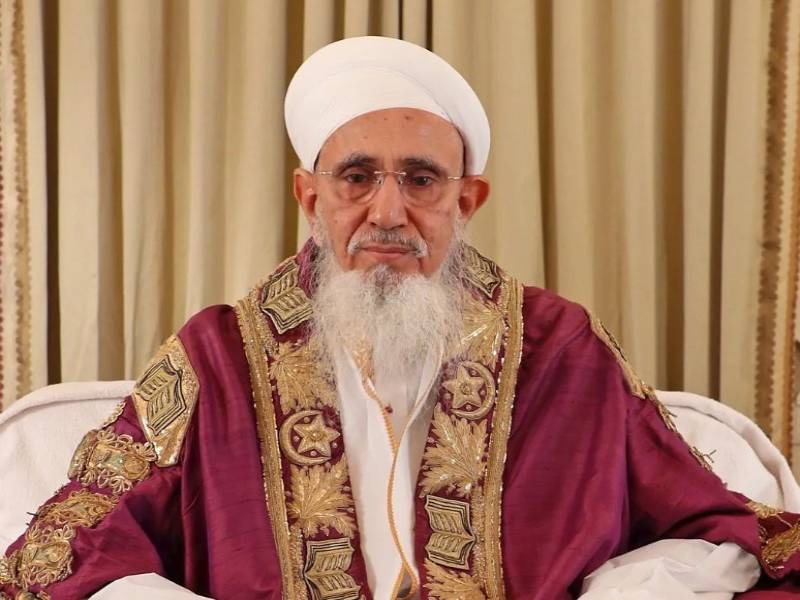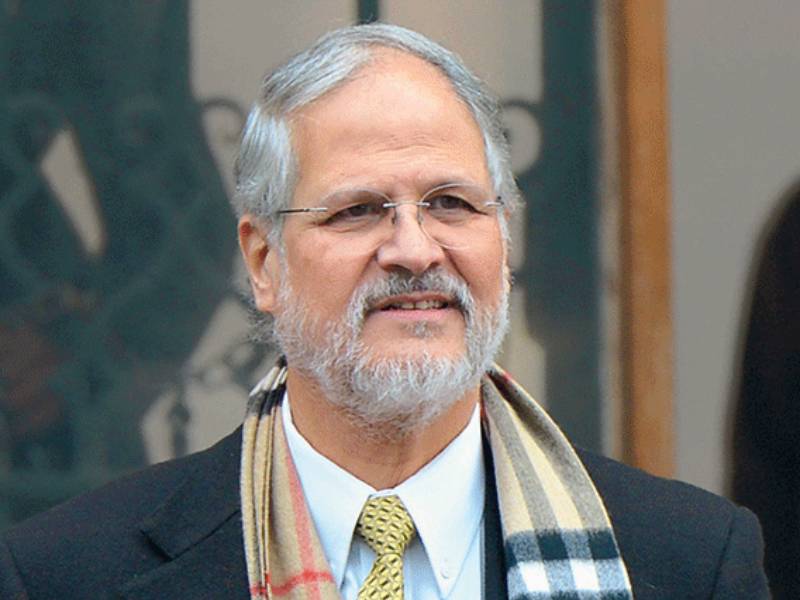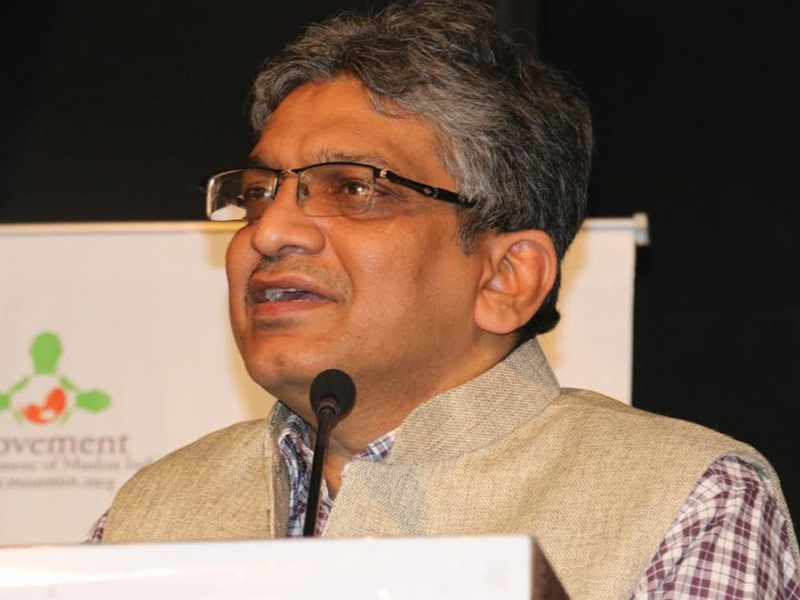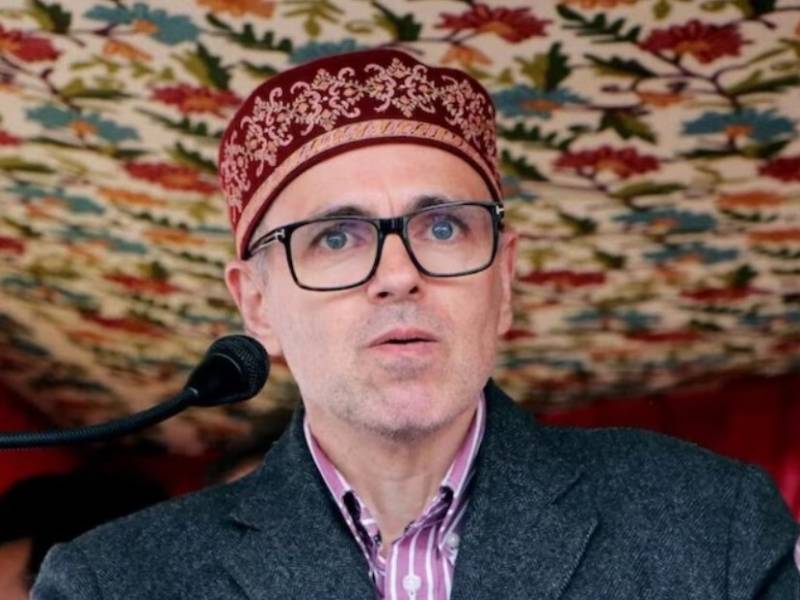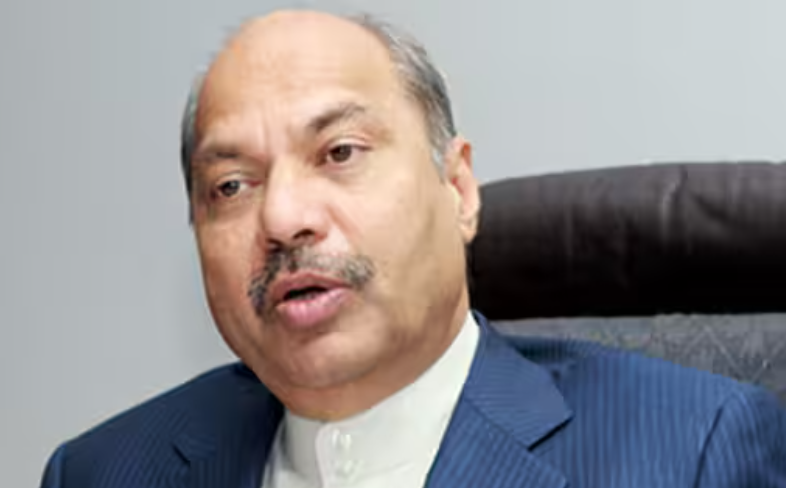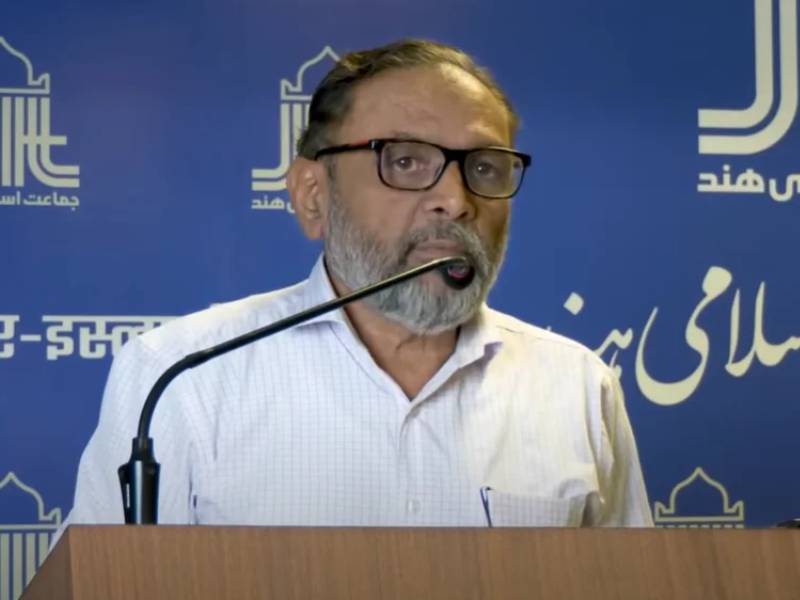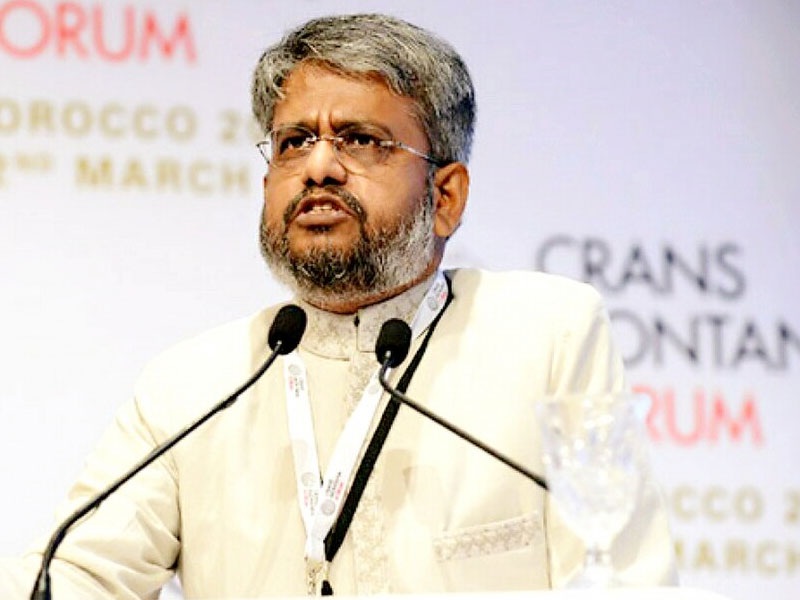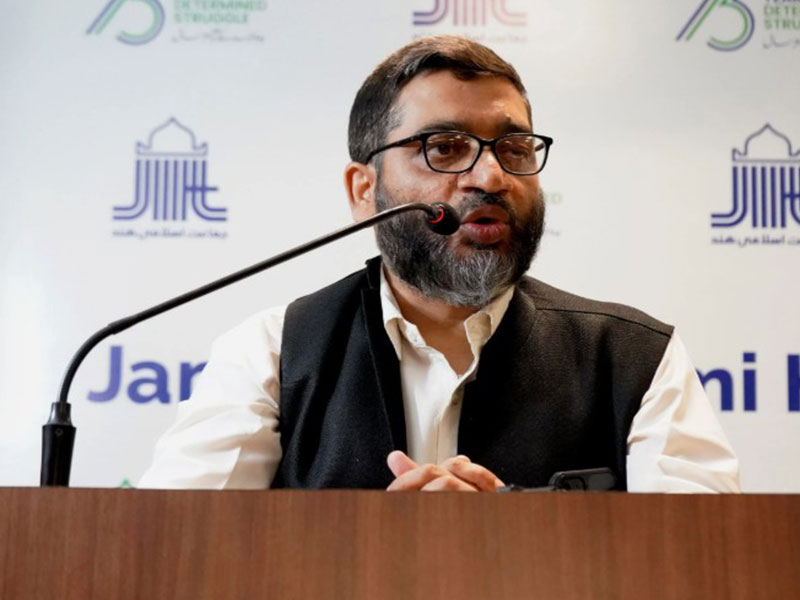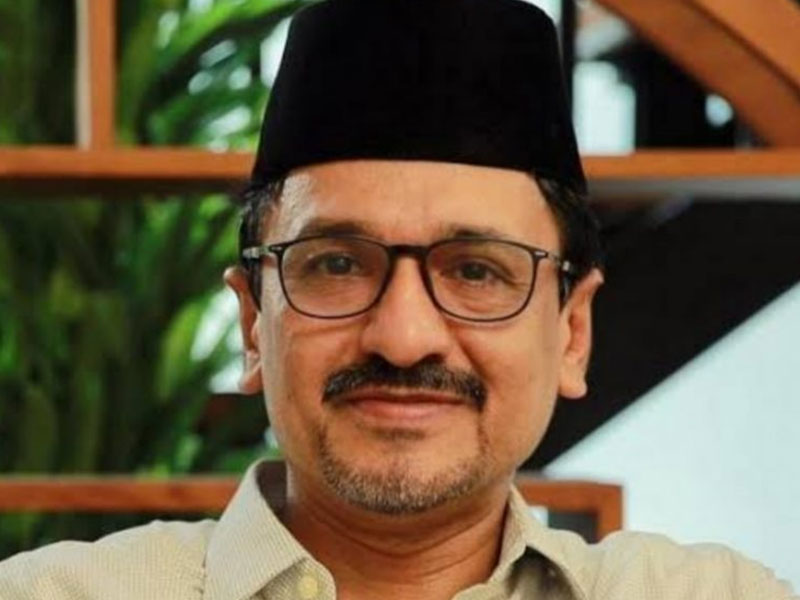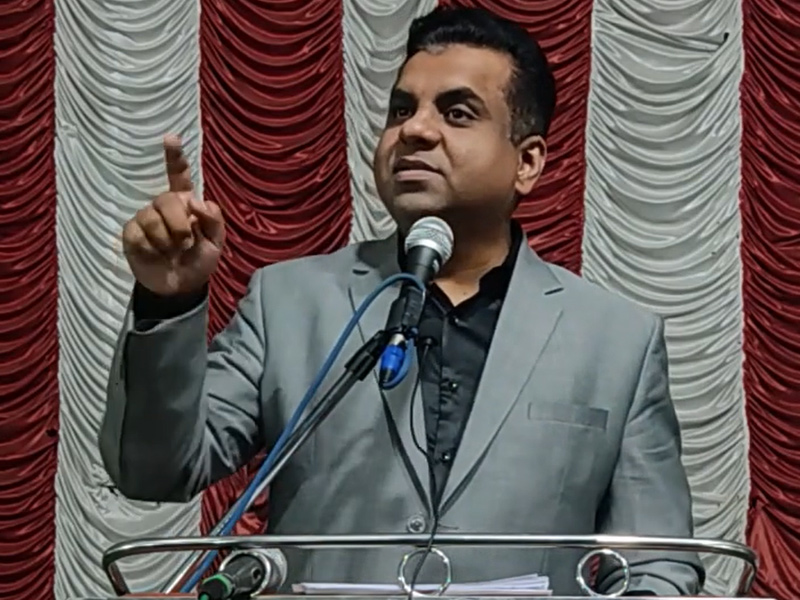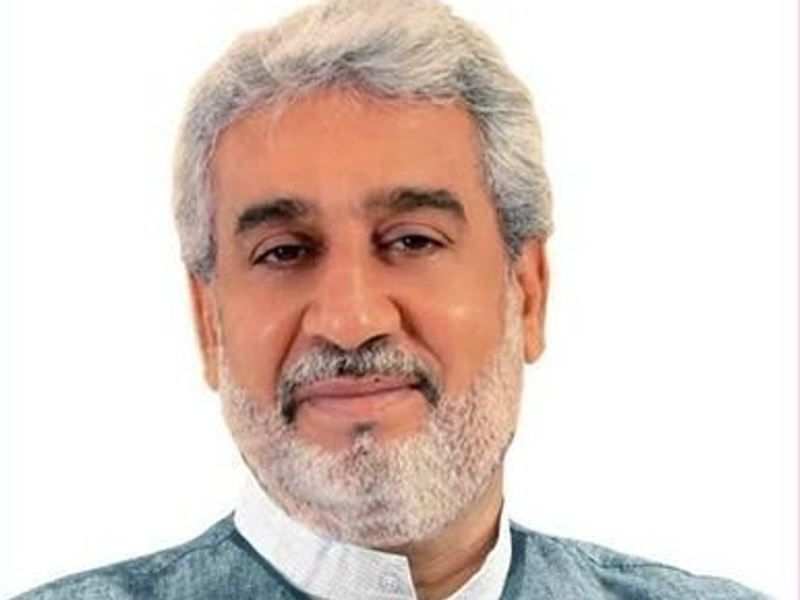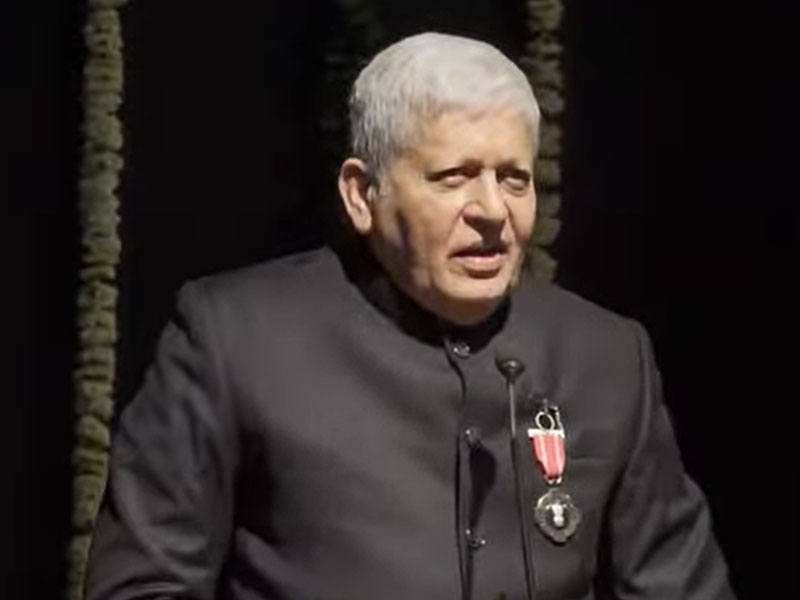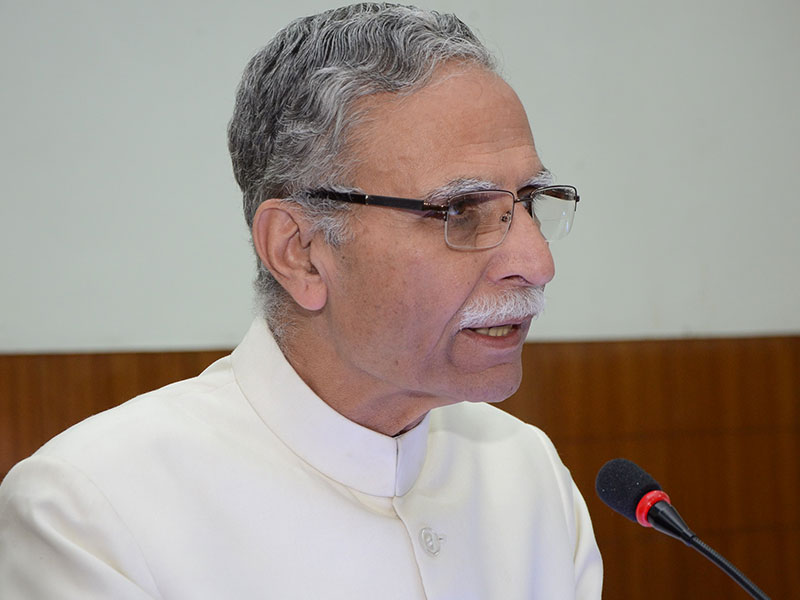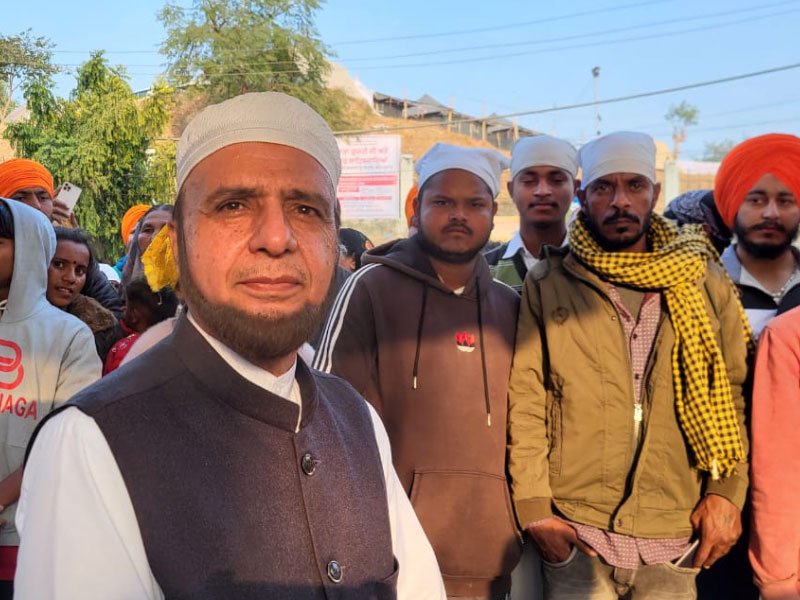
Nasir Akhtar: Activist/ Religious Leader
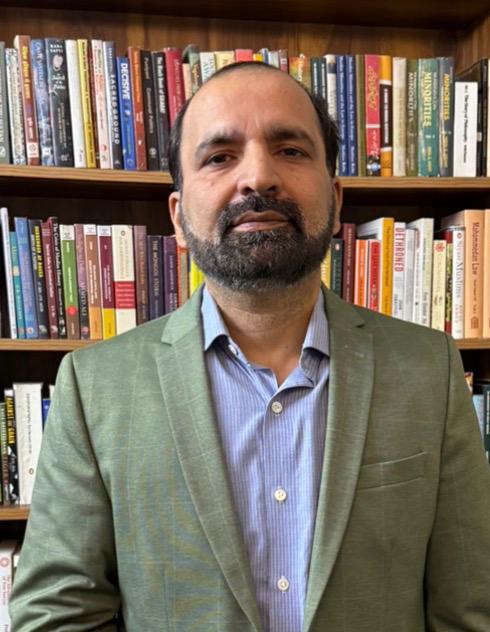
Dr. Naseer Akhtar (born in 1967) has dedicated his life to fostering Sikh-Muslim unity, addressing historical misconceptions and bridging the gap between the two communities. Hailing from Malerkotla, Punjab—a city protected by Guru Gobind Singh’s Hukumnama for Nawab Sher Mohammed Khan's protest against the persecution of the Guru's sons—Dr. Akhtar grew up in an environment of harmony. However, he was deeply troubled by the animosity between Sikhs and Muslims in other parts of Punjab following Partition.
Twenty years ago, Dr. Akhtar left his medical practice to focus on promoting unity. He pursued higher studies in Punjabi literature, delving into texts written by Sikh scholars over 300 years ago. Through his research, he discovered the shared spiritual and ethical values between Sikhism and Islam. He began writing books in Punjabi, explaining Quranic verses and highlighting the common beliefs of both faiths, often quoting historical Sikh texts to dispel misconceptions.
One prevailing misconception he addressed was the belief that the sons of Guru Gobind Singh were bricked alive by Muslims. Dr. Akhtar’s research revealed the truth, helping to reduce hatred and foster understanding.
In 2020, under Dr. Akhtar’s leadership, Malerkotla Muslims donated 36 Tonnes of grain to the Golden Temple’s Langar, a gesture that earned widespread appreciation from the Sikh community globally.
During the Farmers’ Protest in Delhi, Dr. Akhtar’s team organized a Langar for protesting farmers, a gesture that further amplified his message of unity. This act of service brought international attention to his efforts, emphasizing the shared values of compassion and solidarity between Sikhs and Muslims.
Dr. Naseer Akhtar’s tireless work has become a beacon of hope, proving that mutual respect and understanding can overcome historical divides.
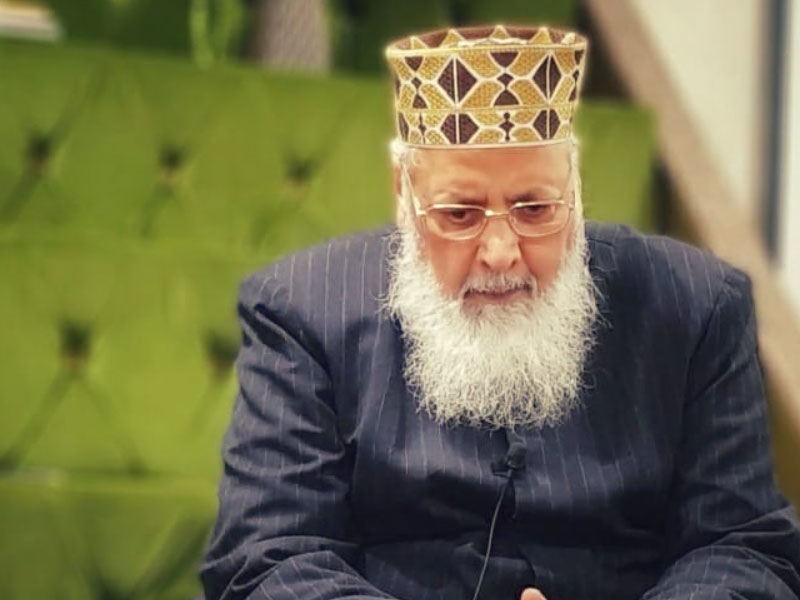
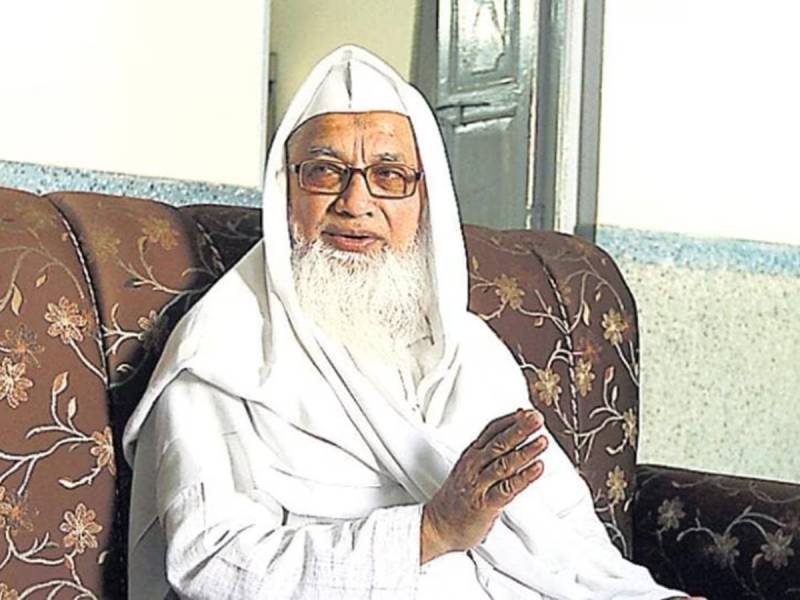
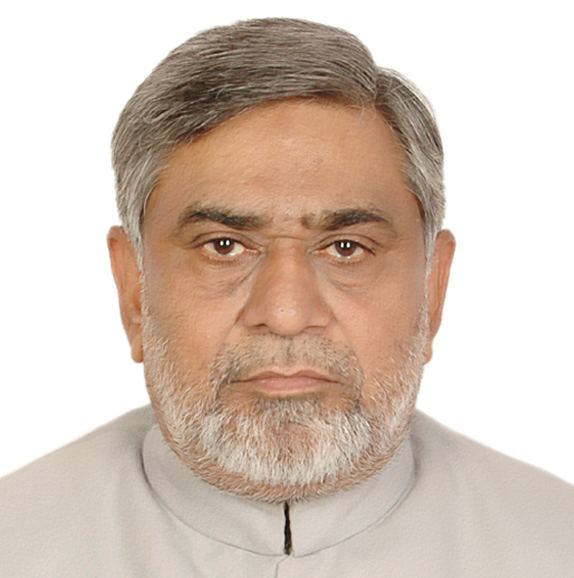
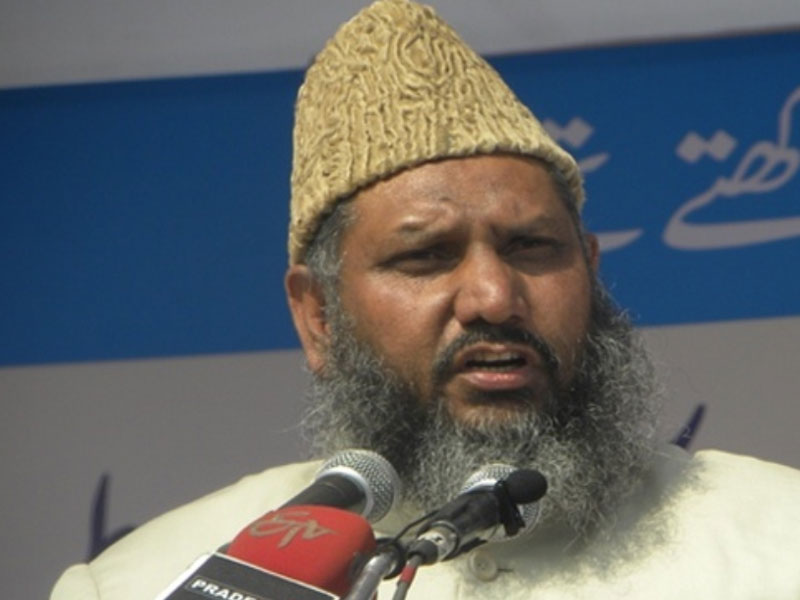
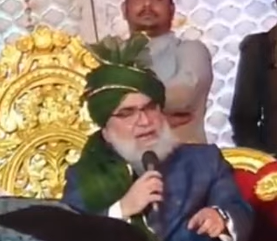
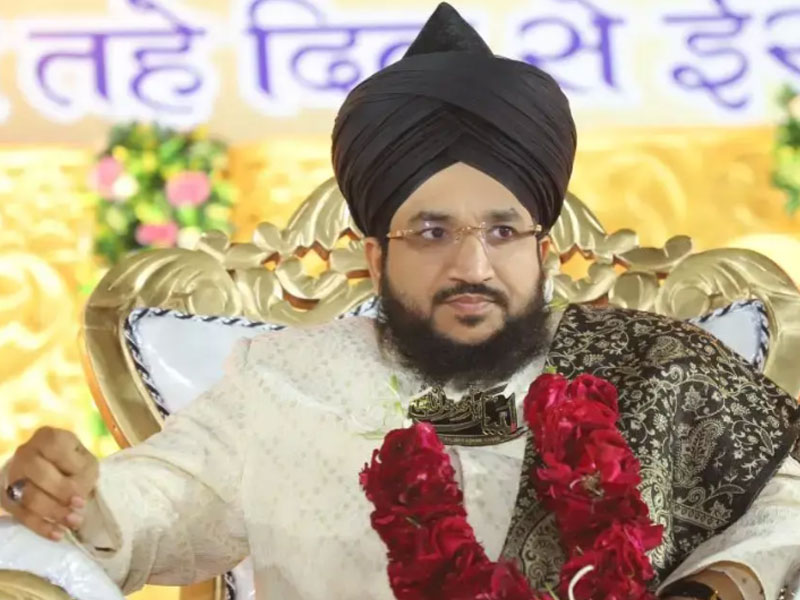
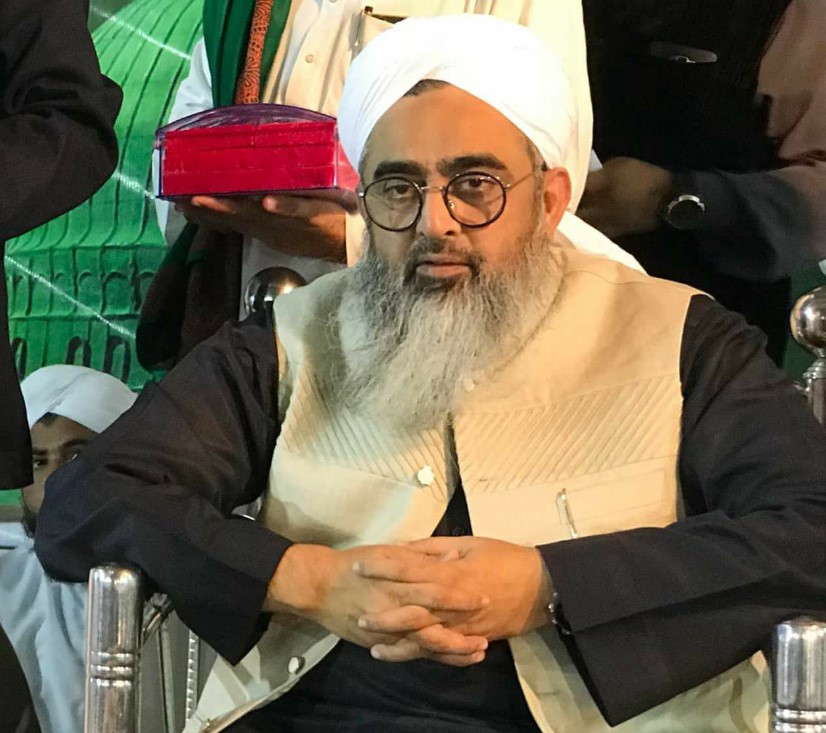
Qumruzzama Azmi: Islamic Scholar
Qumruzzama Azmi (born 1946) widely respected as Maulana Azmi, is a distinguished Islamic scholar and one of the most influential voices in contemporary Islamic thought and leadership. Born in Azamgarh, Uttar Pradesh, India, in 1946, he received his early Islamic education at the esteemed Al Jamiatul Ashrafia, Mubarakpur, where he excelled in Islamic jurisprudence, theology, and Arabic literature.
Maulana Azmi’s profound understanding of Islamic teachings, coupled with his eloquence and insight, quickly earned him a reputation as a dynamic leader. His efforts to bridge gaps between communities and promote Islamic values in modern contexts have made him a sought-after scholar worldwide.
Azmi has dedicated much of his life to serving the Muslim community globally. He is closely associated with the World Islamic Mission (WIM), a prominent organization committed to promoting unity among Muslims and addressing the challenges they face. As the General Secretary of WIM, he has played a pivotal role in establishing mosques, Islamic centers, and educational institutions in various countries, particularly in Europe and North America.
An ardent advocate of peaceful coexistence, Maulana Azmi emphasizes the importance of interfaith dialogue and communal harmony. His lectures and writings have inspired countless Muslims to uphold the principles of justice, compassion, and ethical conduct.
Maulana Azmi is also deeply committed to the socio-economic upliftment of marginalized communities. He has initiated programs for education, healthcare, and poverty alleviation, ensuring the integration of Islamic values with humanitarian service.
Despite his international commitments, he remains rooted in his scholarship, dedicating time to writing, teaching, and guiding students of Islamic sciences. His intellectual contributions and spiritual leadership continue to influence generations of Muslims worldwide.
Qumruzzama Azmi’s legacy is one of knowledge, service, and unwavering dedication to the cause of Islam and humanity.