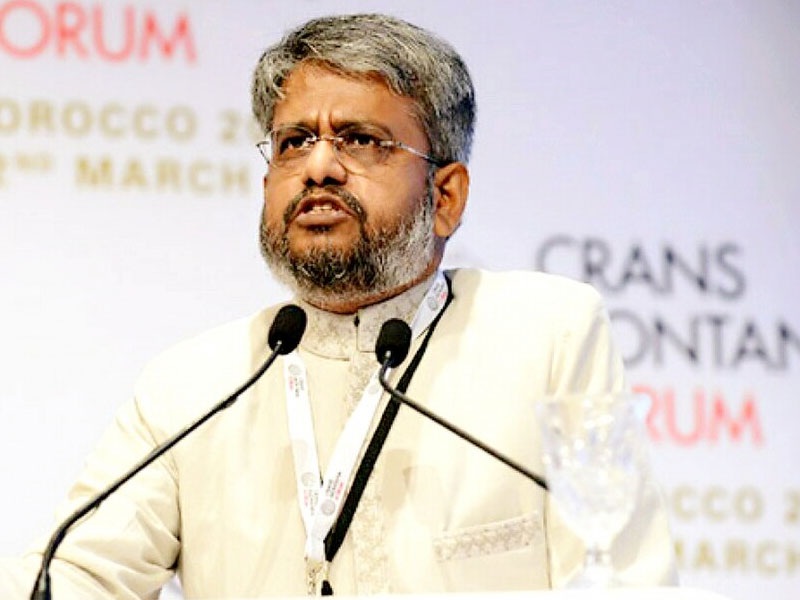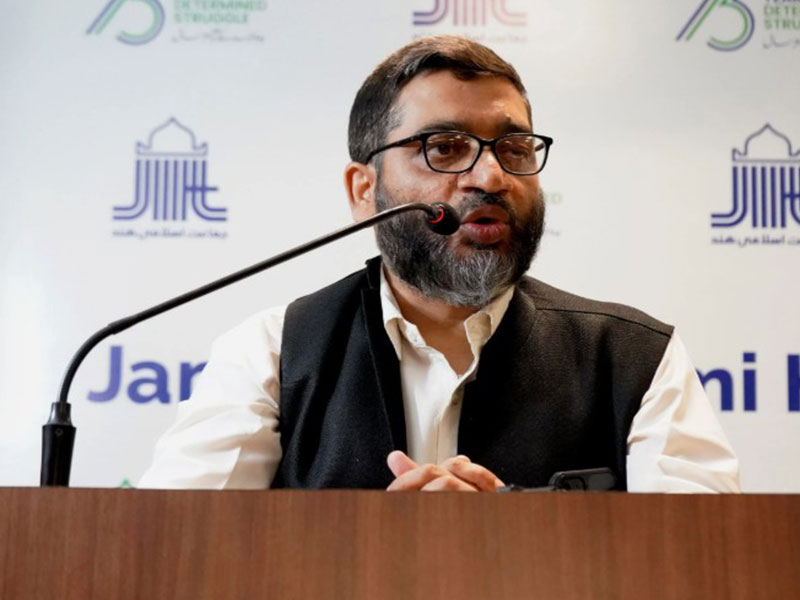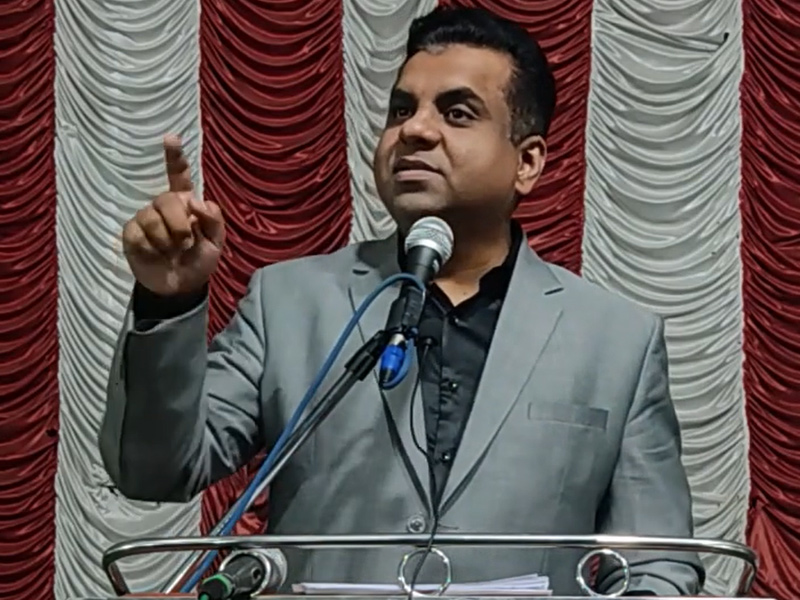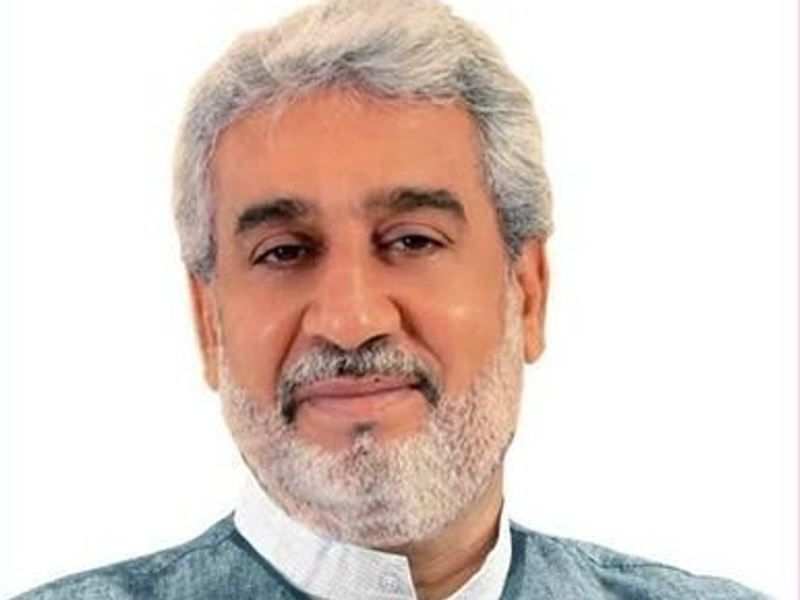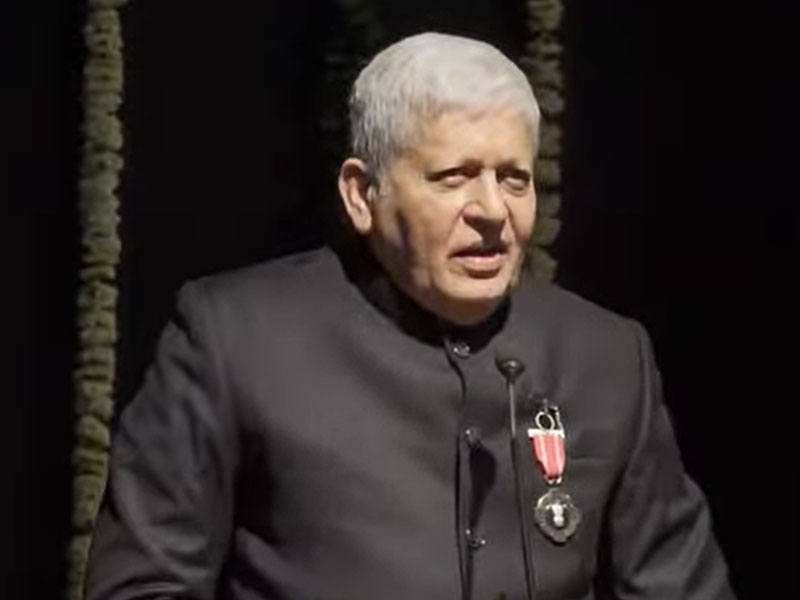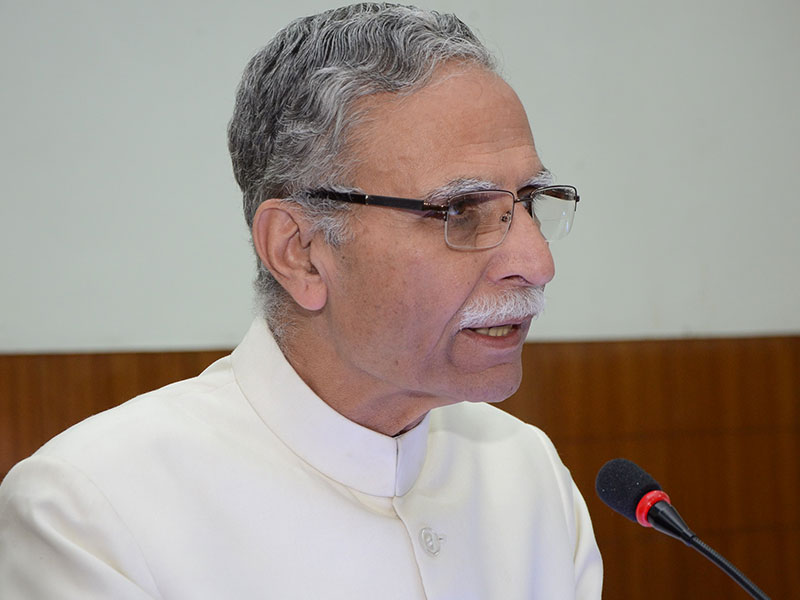
Syed Naseer Ahamad: Author /Historian
Syed Naseer Ahamad, a distinguished Telugu writer, journalist, and social activist from Andhra Pradesh is celebrated for his extensive contributions to literature and journalism. With a profound interest in exploring themes of politics, culture, and social issues, he has established himself as a prominent voice in Telugu literary circles. His work as a journalist with leading Telugu newspapers and his literary contributions have earned him widespread recognition and acclaim.
Ahamad is a pioneer in documenting Muslim participation inthe freedom movement. His prolific writing spans diverse genres, including literary criticism, short stories, novels, journalism, and translations. His literary criticism offers deep insights into the works of prominent Telugu writers, while his short stories and novels focus on themes like social justice, human relationships, and the struggles of marginalized communities. As a journalist, Ahamad has provided incisive commentary on political and cultural issues, and his translations from Urdu and English into Telugu have broadened the horizons of Telugu literature, introducing readers to fresh perspectives.
His impactful contributions have earned him several prestigious accolades, including Telugu University's "Best Literary Critic" award, the Andhra Pradesh Government's "Best Journalist" award, and the Sahitya Akademi's "Translation Award." Through his writing, Ahamad has amplified the voices of marginalized communities, inspired new generations of writers and activists, and enriched the landscape of Telugu literature with innovative themes and ideas.

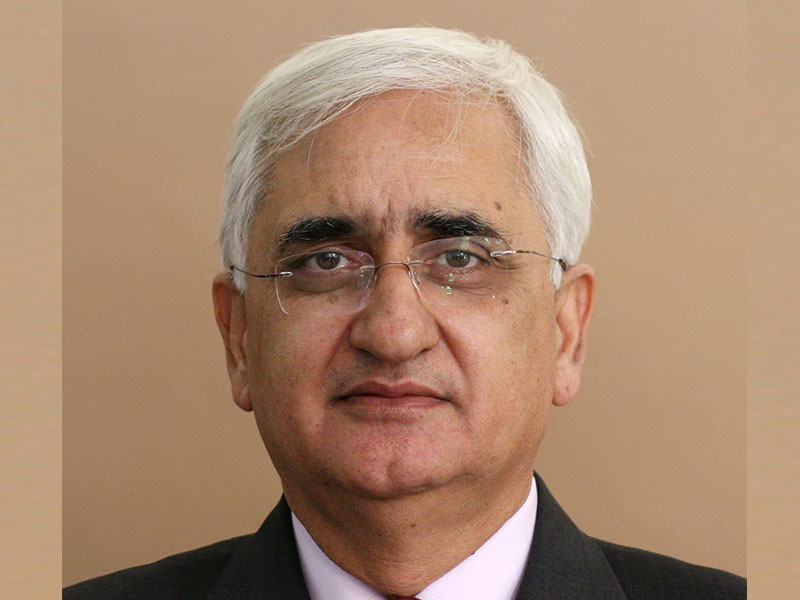
Qumruzzama Azmi: Islamic Scholar
Qumruzzama Azmi (born 1946) widely respected as Maulana Azmi, is a distinguished Islamic scholar and one of the most influential voices in contemporary Islamic thought and leadership. Born in Azamgarh, Uttar Pradesh, India, in 1946, he received his early Islamic education at the esteemed Al Jamiatul Ashrafia, Mubarakpur, where he excelled in Islamic jurisprudence, theology, and Arabic literature.
Maulana Azmi’s profound understanding of Islamic teachings, coupled with his eloquence and insight, quickly earned him a reputation as a dynamic leader. His efforts to bridge gaps between communities and promote Islamic values in modern contexts have made him a sought-after scholar worldwide.
Azmi has dedicated much of his life to serving the Muslim community globally. He is closely associated with the World Islamic Mission (WIM), a prominent organization committed to promoting unity among Muslims and addressing the challenges they face. As the General Secretary of WIM, he has played a pivotal role in establishing mosques, Islamic centers, and educational institutions in various countries, particularly in Europe and North America.
An ardent advocate of peaceful coexistence, Maulana Azmi emphasizes the importance of interfaith dialogue and communal harmony. His lectures and writings have inspired countless Muslims to uphold the principles of justice, compassion, and ethical conduct.
Maulana Azmi is also deeply committed to the socio-economic upliftment of marginalized communities. He has initiated programs for education, healthcare, and poverty alleviation, ensuring the integration of Islamic values with humanitarian service.
Despite his international commitments, he remains rooted in his scholarship, dedicating time to writing, teaching, and guiding students of Islamic sciences. His intellectual contributions and spiritual leadership continue to influence generations of Muslims worldwide.
Qumruzzama Azmi’s legacy is one of knowledge, service, and unwavering dedication to the cause of Islam and humanity.