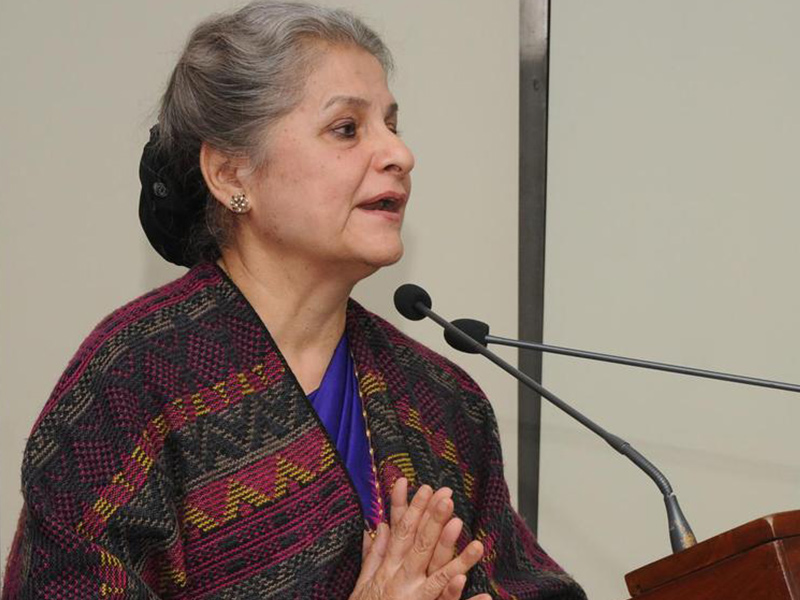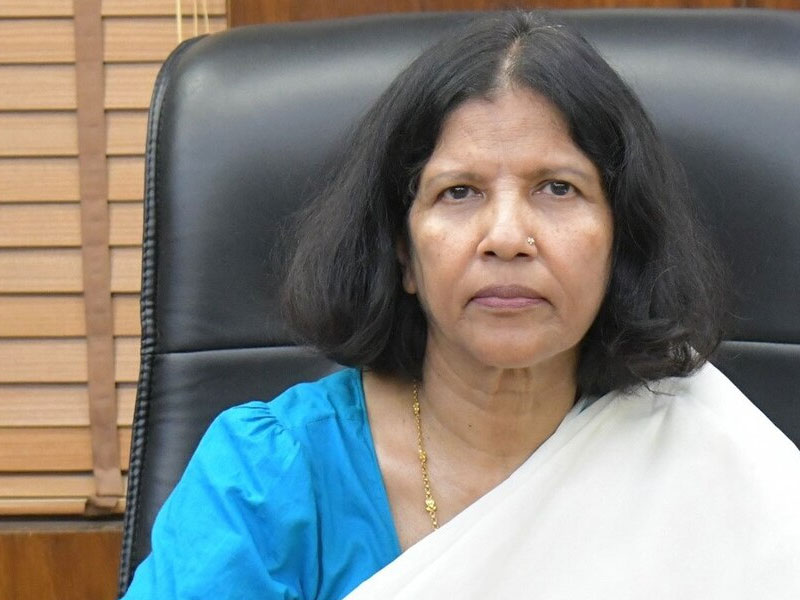
Naima Khatoon: Academic
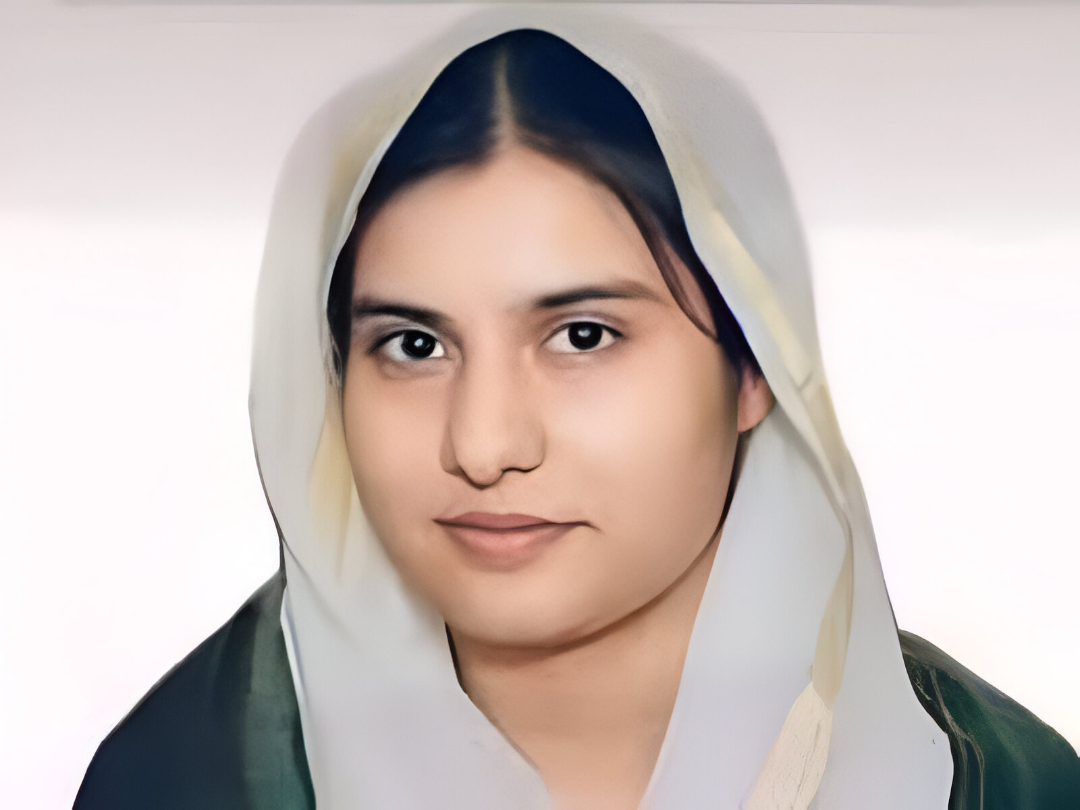
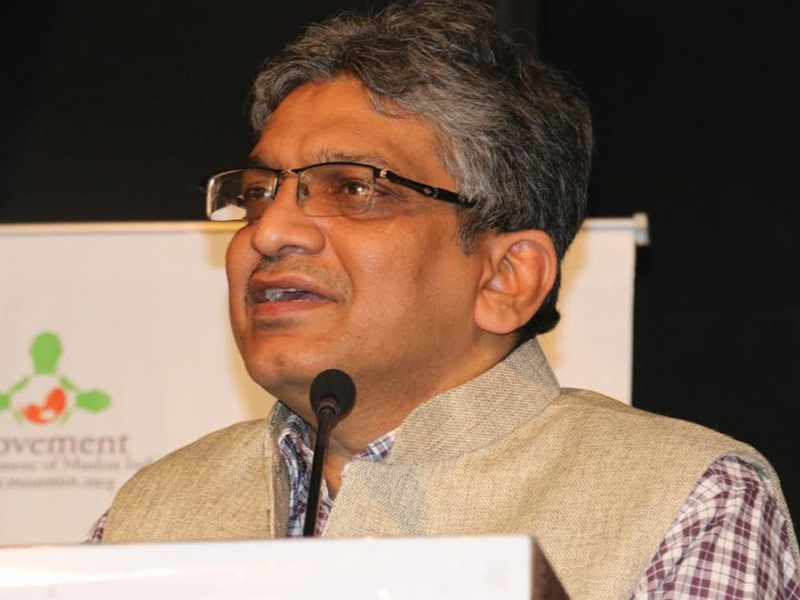
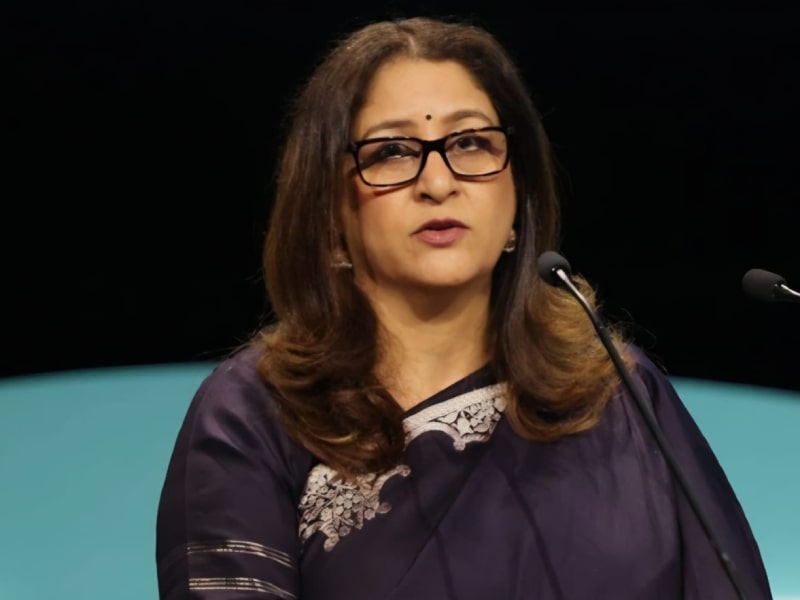
Naima Khatoon, a distinguished academic and administrator, etched her name in history as the first female Vice-Chancellor of Aligarh Muslim University (AMU). Her appointment marks a watershed moment for the institution, signaling a progressive stride in its long-standing legacy.
Dr. Khatoon, hailing from a modest background, pursued her academic journey with unparalleled determination. A graduate of AMU, she later earned her doctorate in Sociology from a prestigious global university. Her research, focusing on the intersection of education and gender empowerment in Muslim communities, earned her widespread acclaim. She has authored several books and numerous scholarly articles, cementing her reputation as a thought leader in her field.
Her career at AMU began as a faculty member in the Department of Sociology, where she inspired generations of students with her dedication and insightful teaching. Over the years, she took on administrative roles, including serving as the Dean of the Faculty of Social Sciences, where she spearheaded initiatives to enhance interdisciplinary research and student welfare programs.
As Vice-Chancellor, Dr. Khatoon is committed to fostering inclusivity, innovation, and academic excellence. Her leadership vision emphasizes empowering female students, enhancing research infrastructure, and promoting collaboration with global institutions. She has already introduced initiatives to provide scholarships for underprivileged students and improve access to modern technology for research and learning.
Dr. Khatoon’s ascent to this prestigious position resonates as a beacon of hope and inspiration for women aspiring to break barriers in academia and leadership. Her journey reflects a blend of intellectual brilliance, resilience, and an unwavering commitment to societal progress. Under her stewardship, AMU is poised to scale new heights, embracing a future rooted in equality and academic distinction.
Naima Khatoon’s legacy is not just about her position but about the transformative change she embodies.
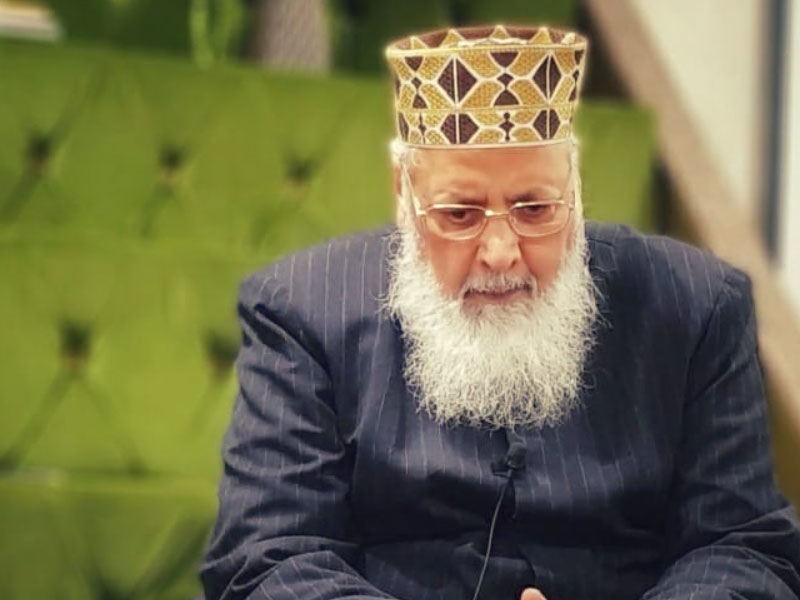
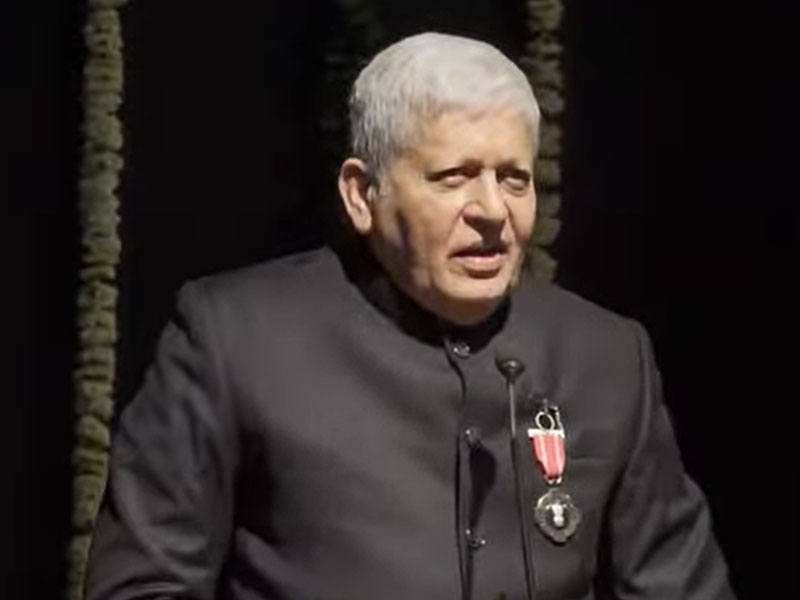
Qumruzzama Azmi: Islamic Scholar
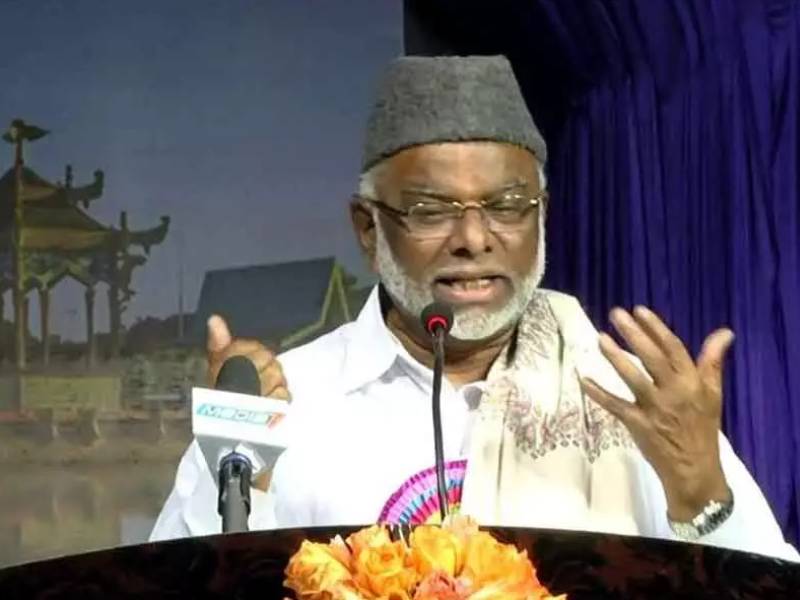
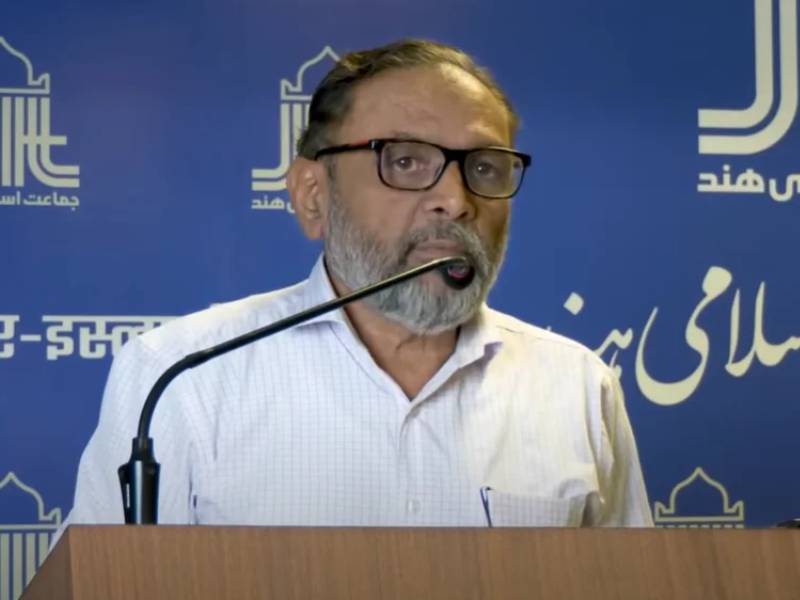
Qumruzzama Azmi (born 1946) widely respected as Maulana Azmi, is a distinguished Islamic scholar and one of the most influential voices in contemporary Islamic thought and leadership. Born in Azamgarh, Uttar Pradesh, India, in 1946, he received his early Islamic education at the esteemed Al Jamiatul Ashrafia, Mubarakpur, where he excelled in Islamic jurisprudence, theology, and Arabic literature.
Maulana Azmi’s profound understanding of Islamic teachings, coupled with his eloquence and insight, quickly earned him a reputation as a dynamic leader. His efforts to bridge gaps between communities and promote Islamic values in modern contexts have made him a sought-after scholar worldwide.
Azmi has dedicated much of his life to serving the Muslim community globally. He is closely associated with the World Islamic Mission (WIM), a prominent organization committed to promoting unity among Muslims and addressing the challenges they face. As the General Secretary of WIM, he has played a pivotal role in establishing mosques, Islamic centers, and educational institutions in various countries, particularly in Europe and North America.
An ardent advocate of peaceful coexistence, Maulana Azmi emphasizes the importance of interfaith dialogue and communal harmony. His lectures and writings have inspired countless Muslims to uphold the principles of justice, compassion, and ethical conduct.
Maulana Azmi is also deeply committed to the socio-economic upliftment of marginalized communities. He has initiated programs for education, healthcare, and poverty alleviation, ensuring the integration of Islamic values with humanitarian service.
Despite his international commitments, he remains rooted in his scholarship, dedicating time to writing, teaching, and guiding students of Islamic sciences. His intellectual contributions and spiritual leadership continue to influence generations of Muslims worldwide.
Qumruzzama Azmi’s legacy is one of knowledge, service, and unwavering dedication to the cause of Islam and humanity.