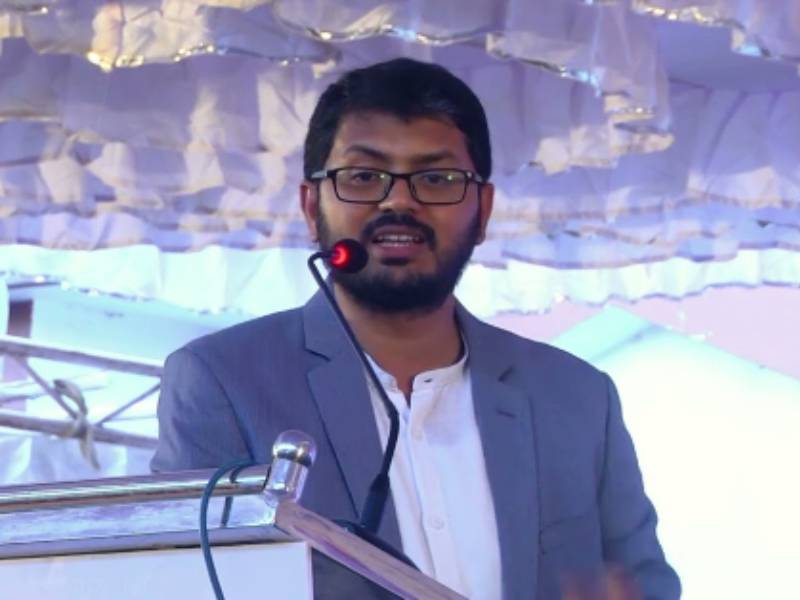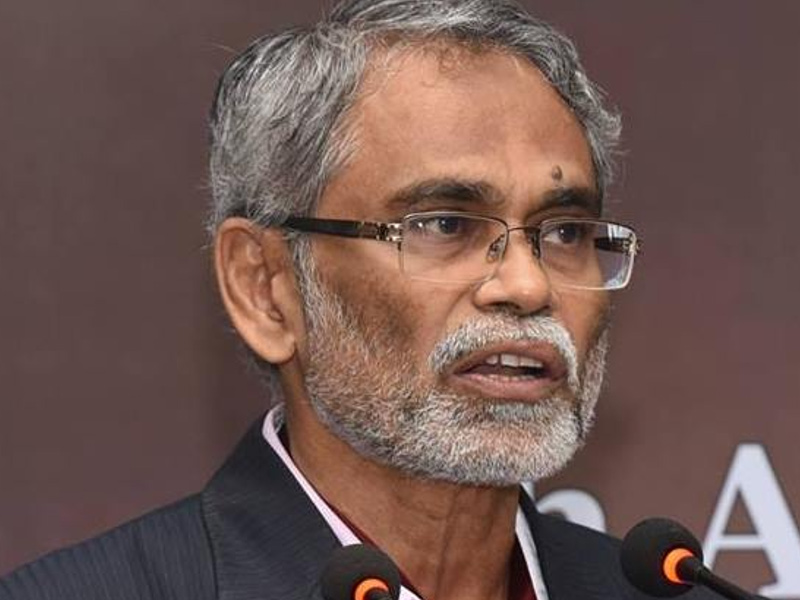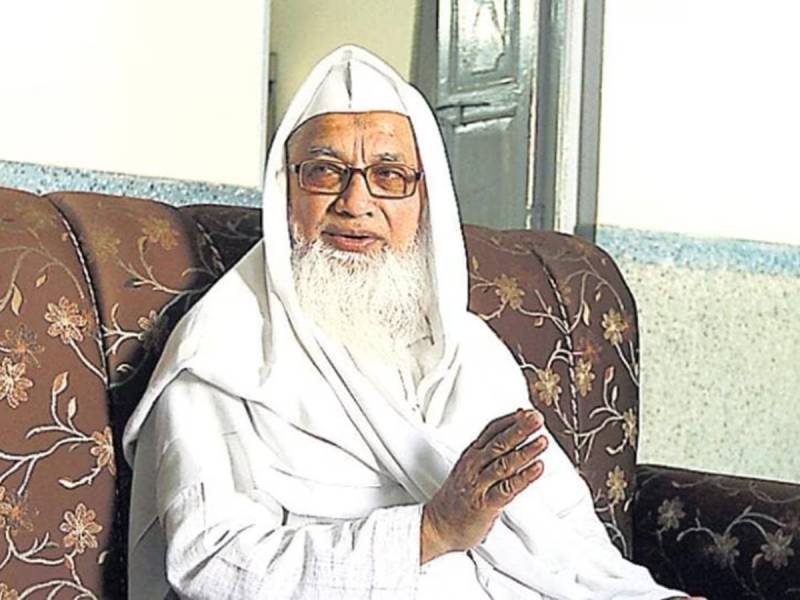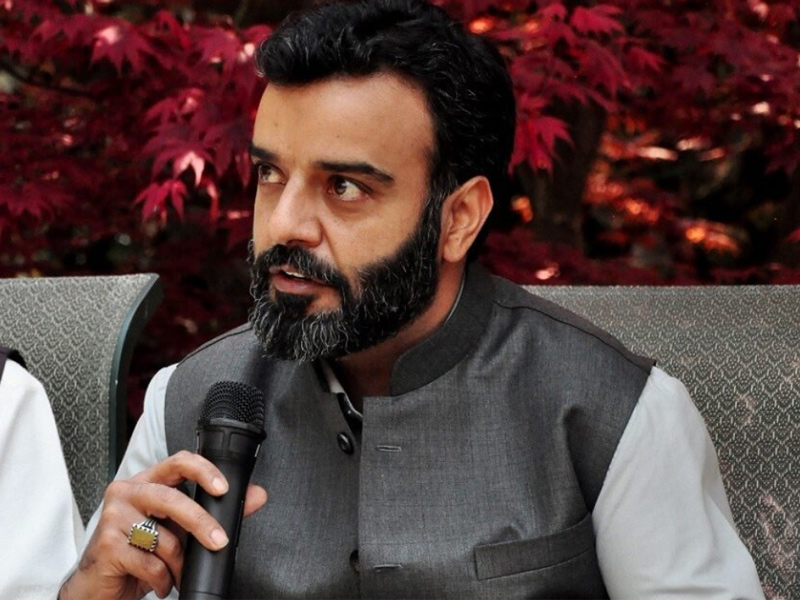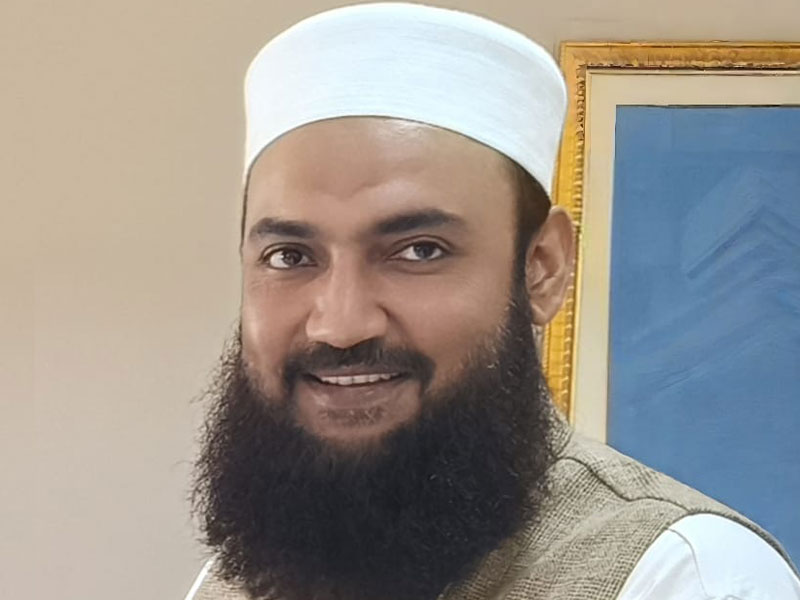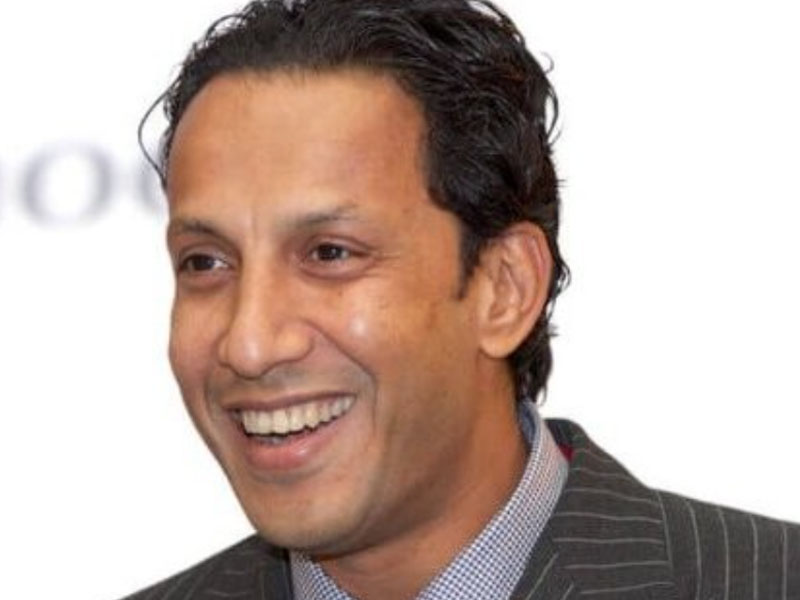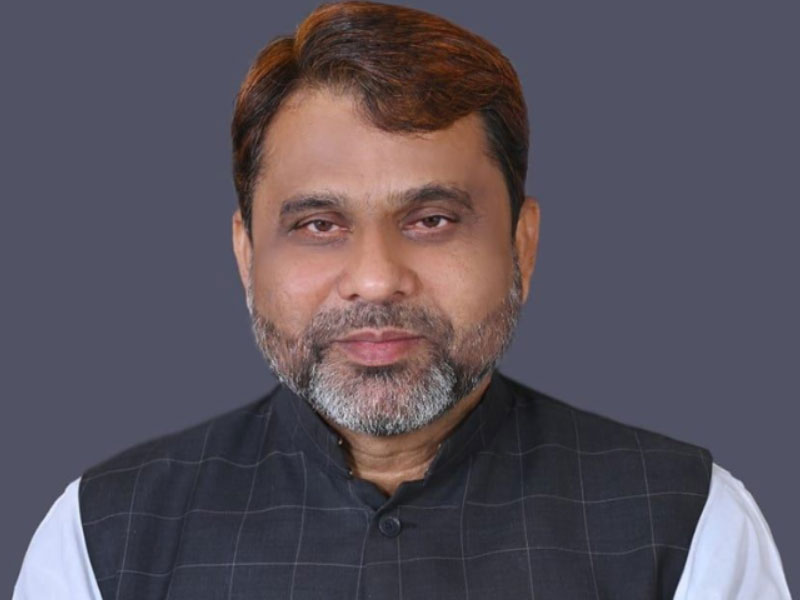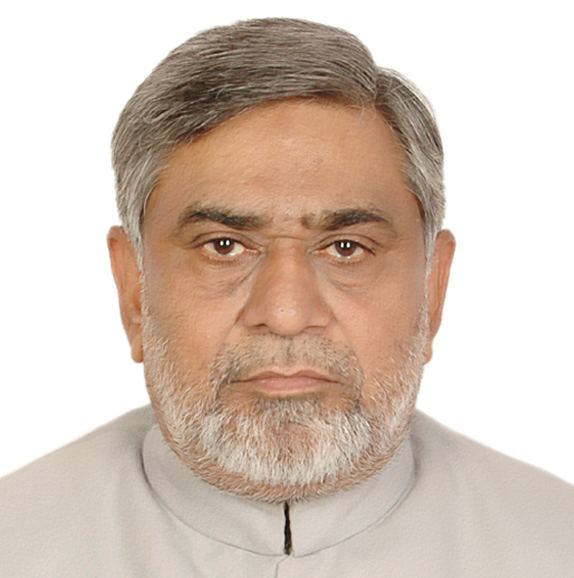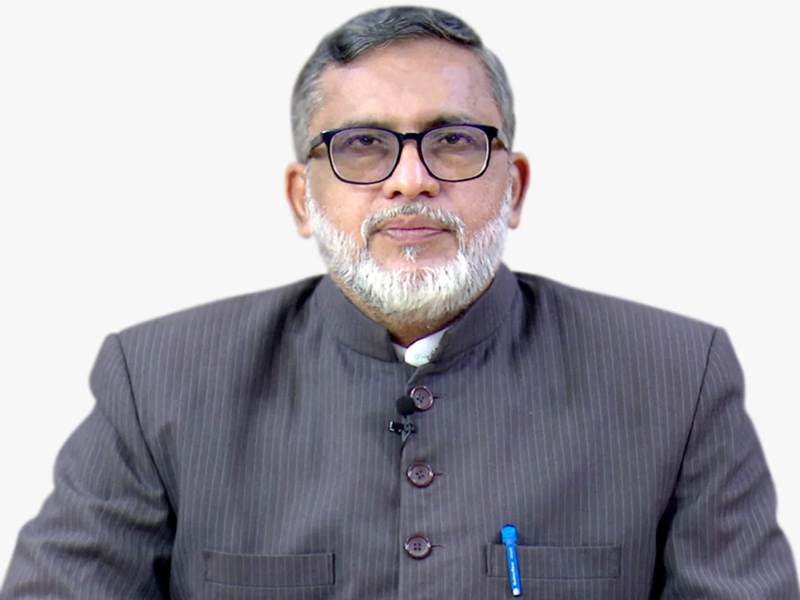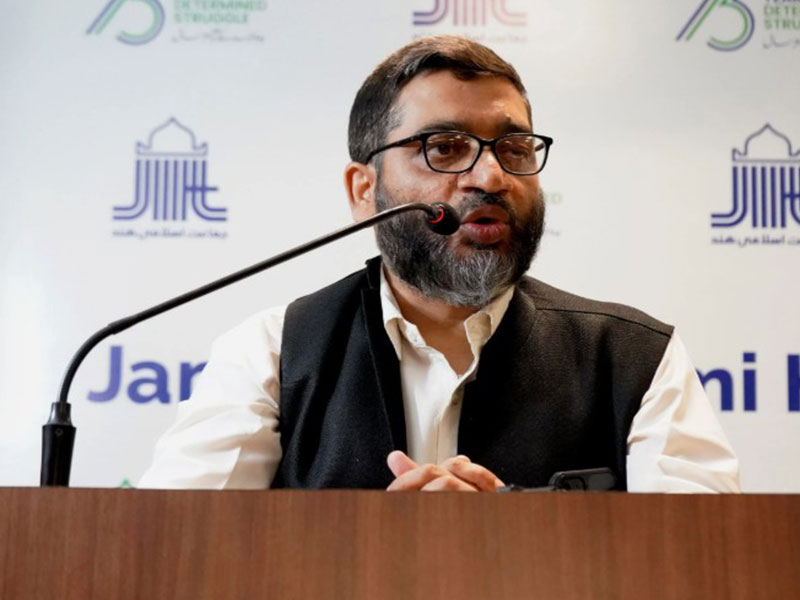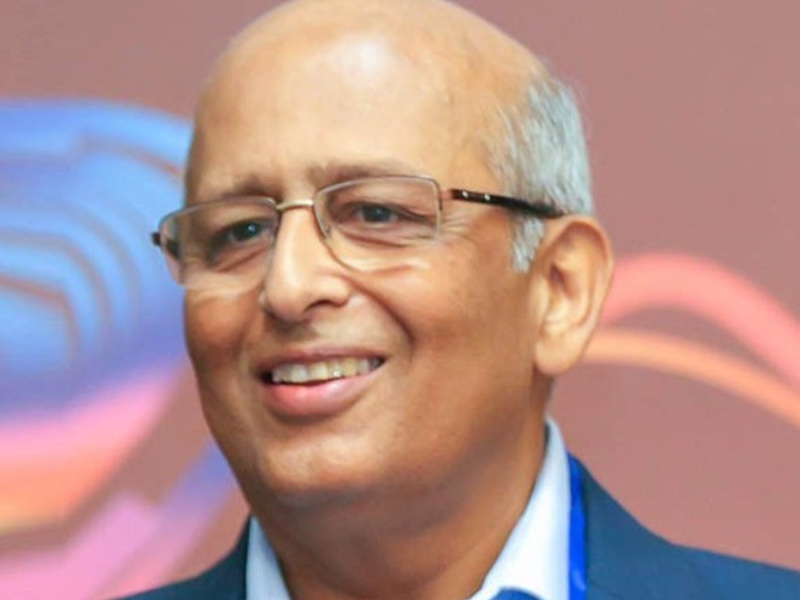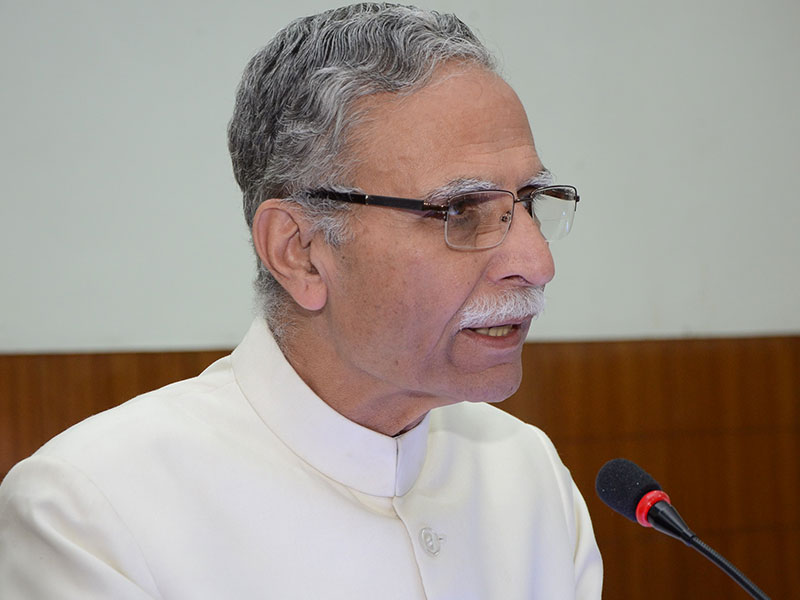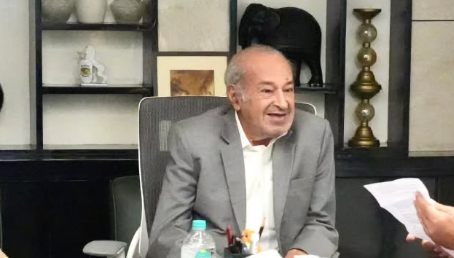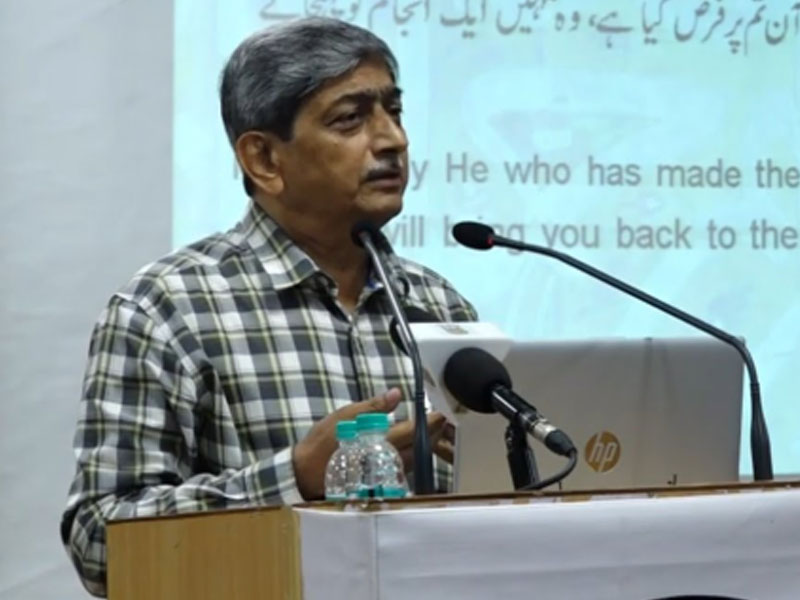
Dr. Mohammad Aslam Parvaiz: Bridging Science, Faith, and Urdu Education
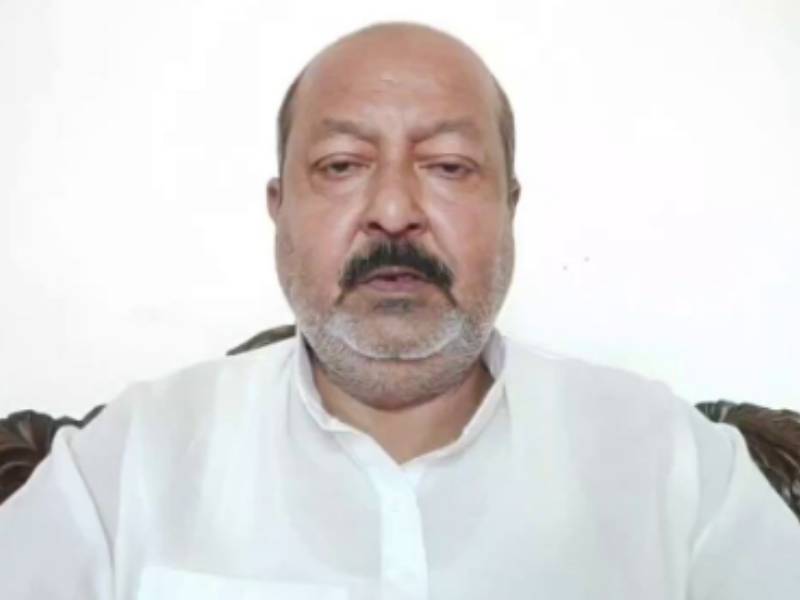
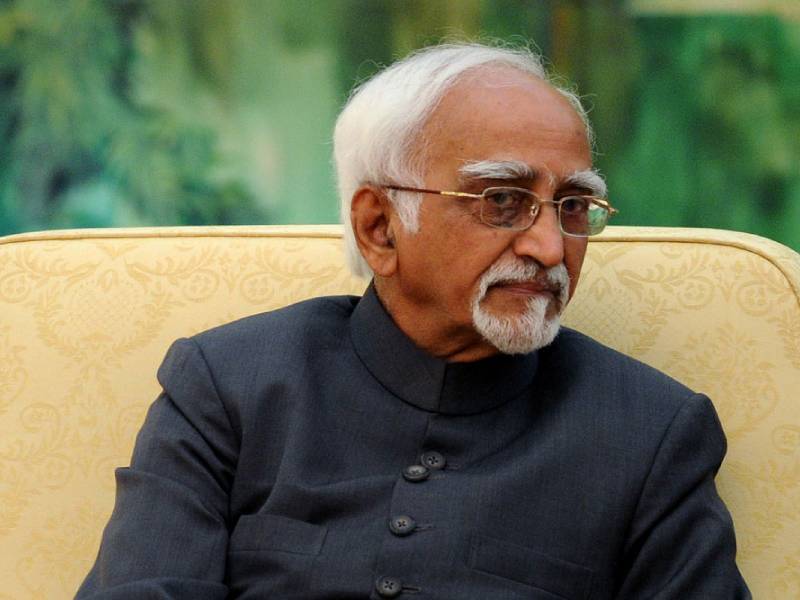
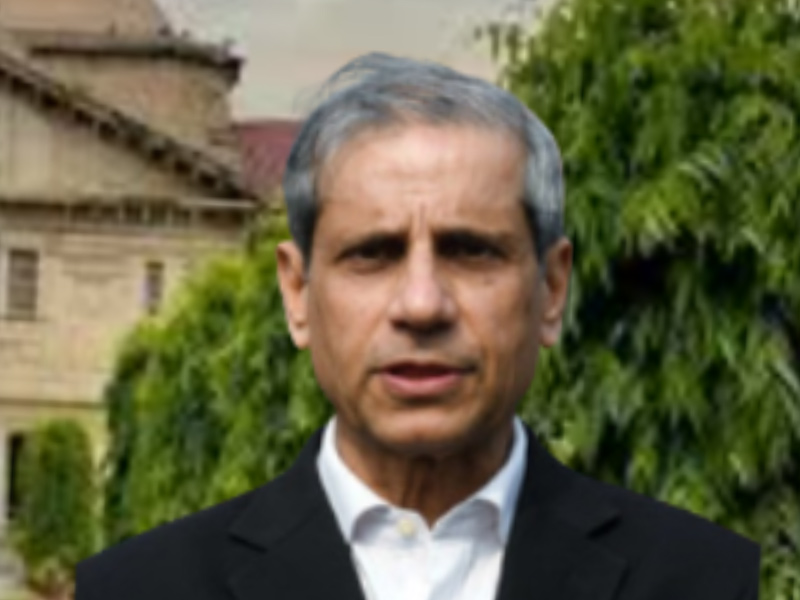
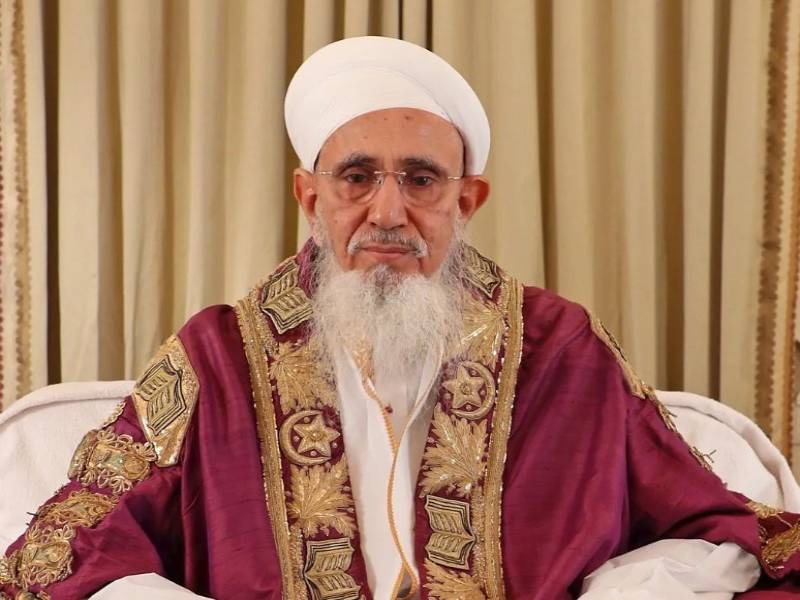
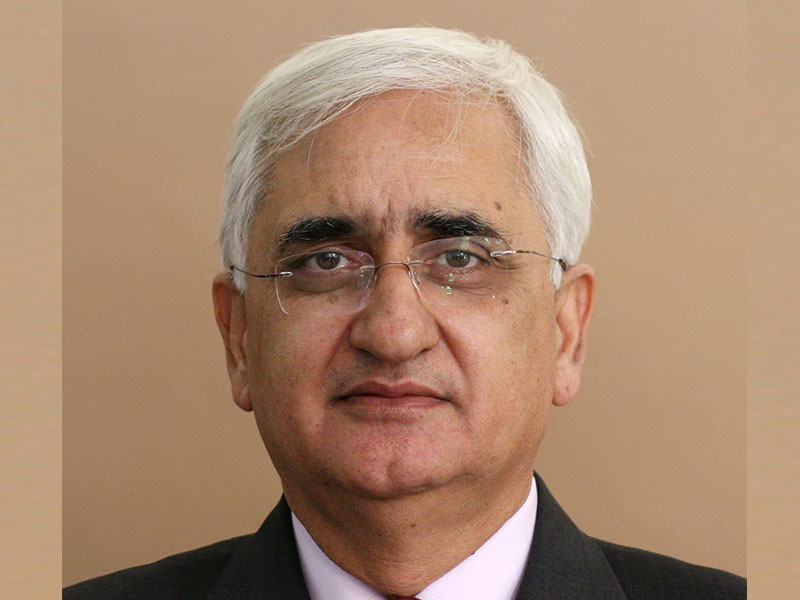
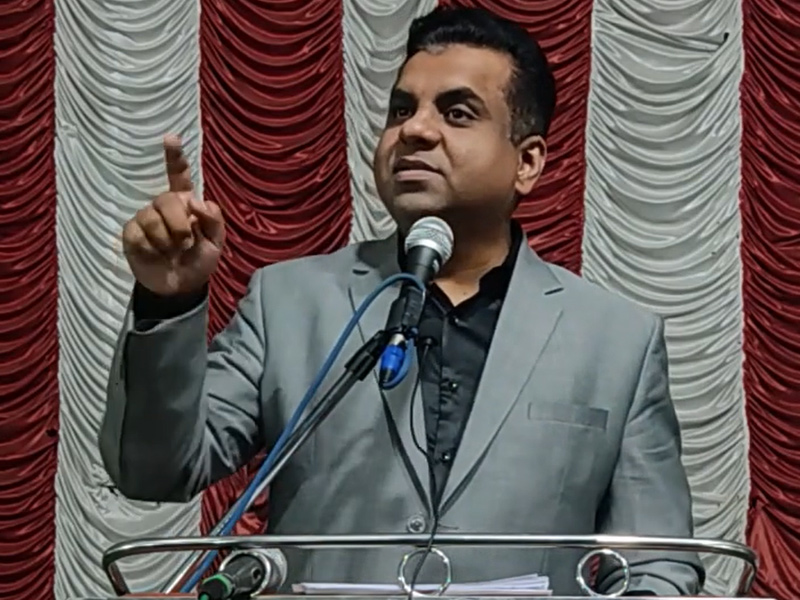
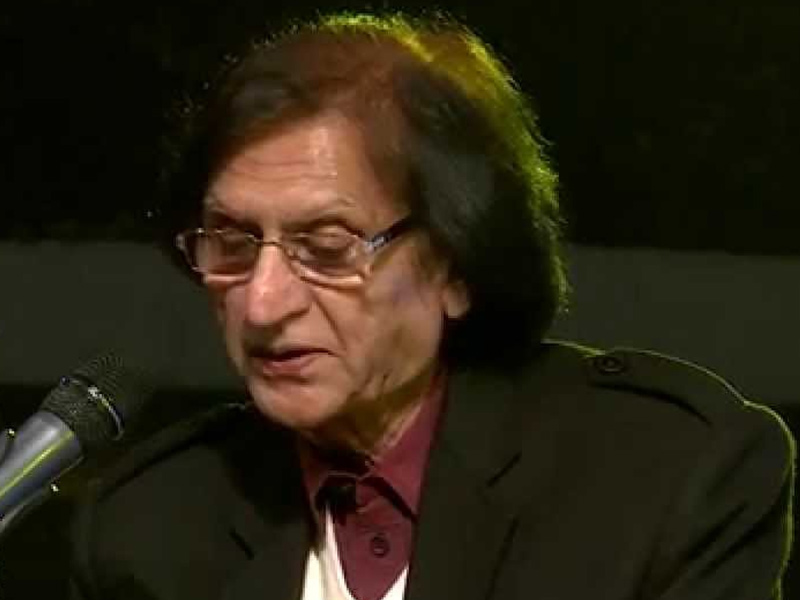
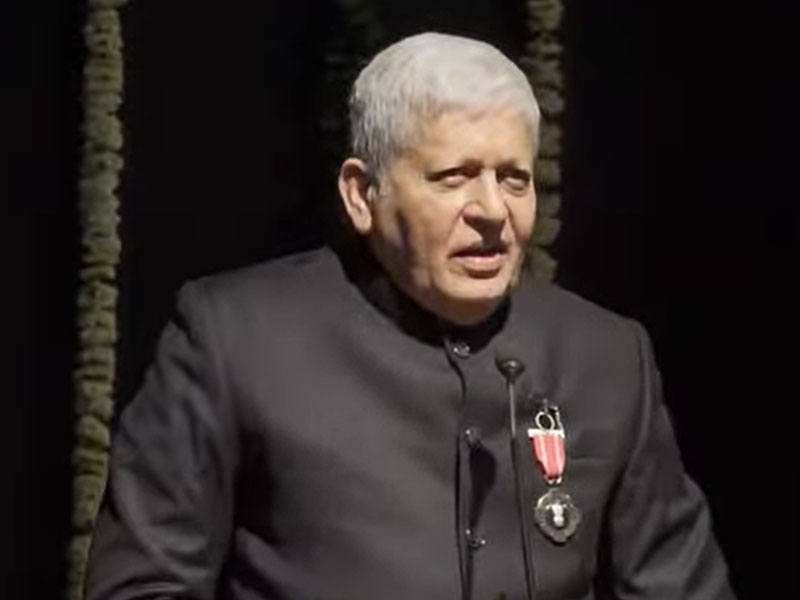
Dr. Mohammad Aslam Parvaiz, an eminent academic and administrator, is widely recognized for his contributions to education and science communication. He served as the Vice Chancellor of Maulana Azad National Urdu University (MANUU) from 2015 to 2020, where he played a pivotal role in promoting Urdu education and integrating modern scientific thought into traditional learning systems.
Born in 1954 in Delhi, Dr. Parvaiz pursued his early education in science and later specialized in plant physiology, earning a Ph.D. from Aligarh Muslim University. His academic journey reflects a rare blend of scientific expertise and deep engagement with Urdu, a language he passionately advocates for as a medium of modern education.
Dr. Parvaiz’s tenure as Vice Chancellor of MANUU was marked by significant reforms aimed at expanding access to quality education, particularly for marginalized communities. He emphasized the need for skill-based training and introduced several programs to enhance students’ employability. Under his leadership, MANUU saw increased collaborations with other institutions and a notable expansion of its academic infrastructure.
He has been editing and publishing the Urdu Science Monthly (Urdu Mahnama Science) since 1994. To promote a better understanding of Islam, he launched the YouTube channel Simply Quran, which focuses on explaining the fundamental teachings of Islam while addressing common misconceptions and false beliefs through a scientific and rational approach. Over the past five years, he has uploaded more than 500 videos covering these topics, making complex religious concepts accessible to a wide audience.
Beyond his administrative roles, Dr. Parvaiz is a prolific writer and speaker. He has authored numerous books and articles, many of which focus on the relationship between Islam and science. His notable works include Islam and Science: Religious Orthodoxy and the Battle for Rationality, which addresses the compatibility of faith and scientific inquiry.
Dr. Parvaiz has been a strong advocate for scientific temper and the need to dispel misconceptions about science in religious contexts. Through his initiatives, such as workshops and public lectures, he has inspired a generation of students and educators to think critically and embrace a holistic approach to knowledge.
Respected for his vision and dedication, Dr. Mohammad Aslam Parvaiz remains a significant figure in academia and public discourse, bridging traditional and modern educational paradigms.
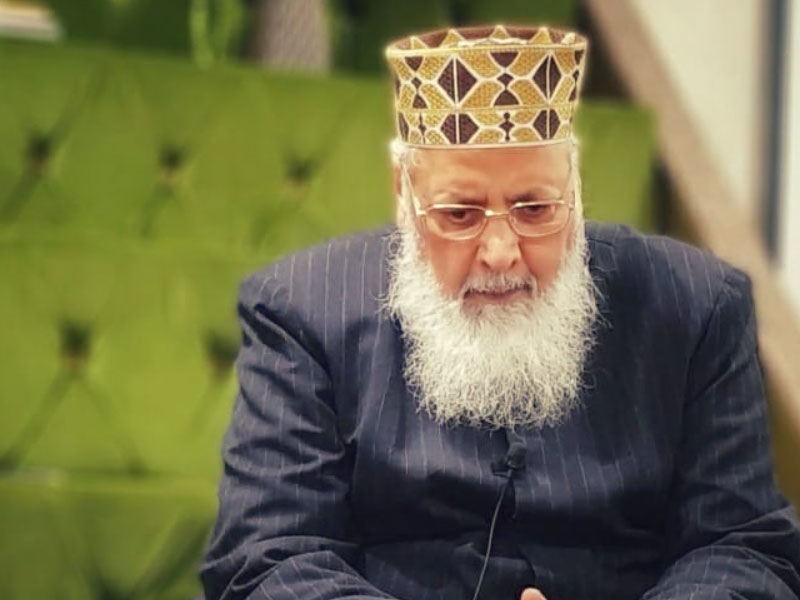
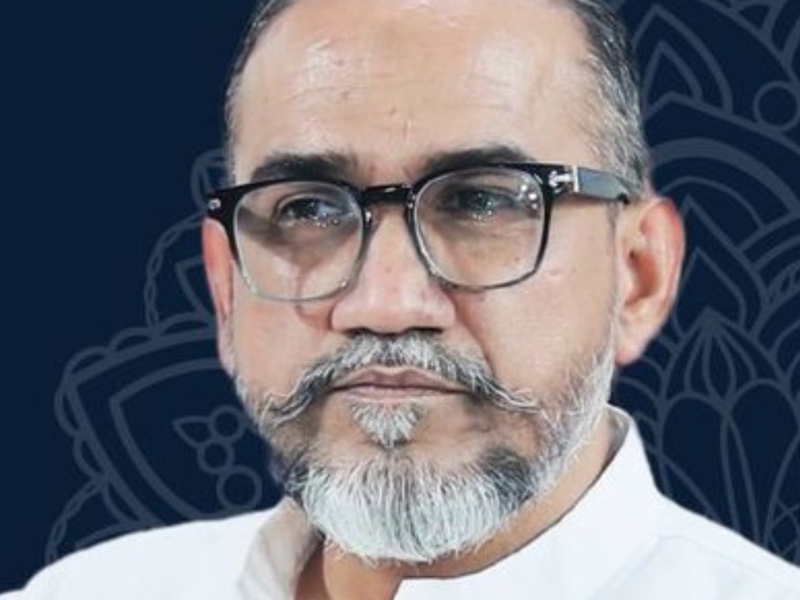
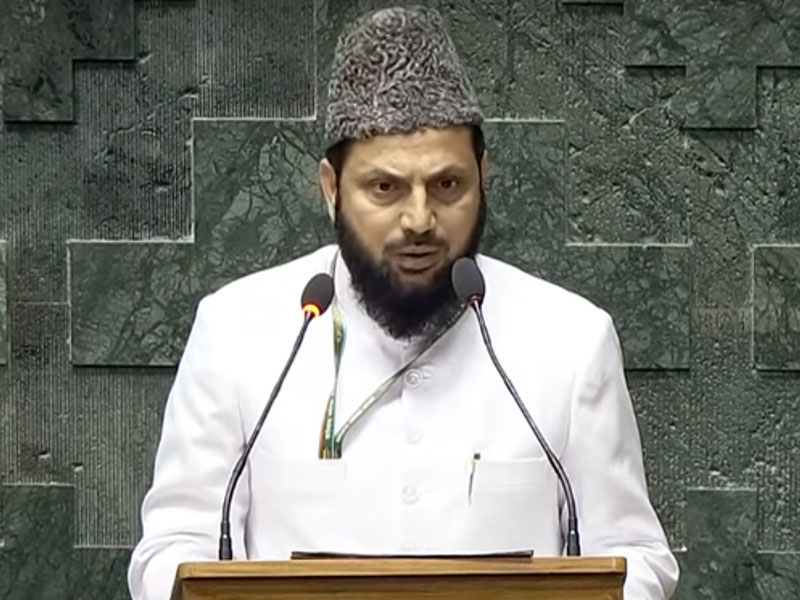
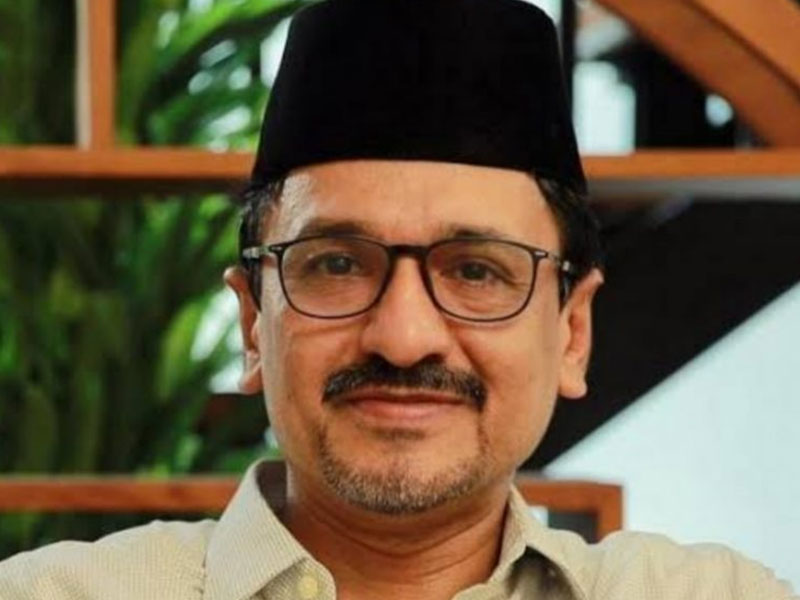
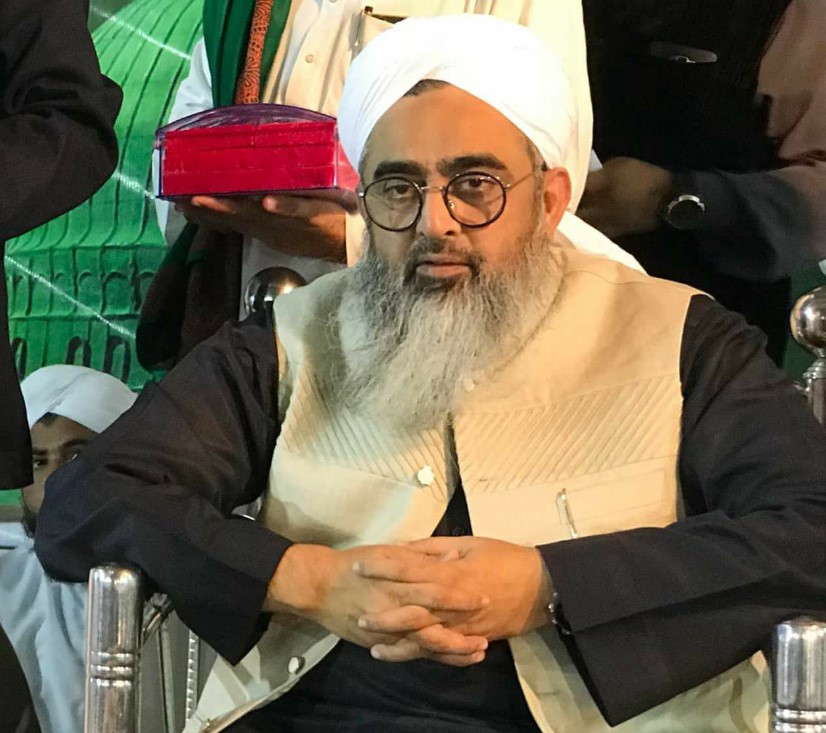
Qumruzzama Azmi: Islamic Scholar
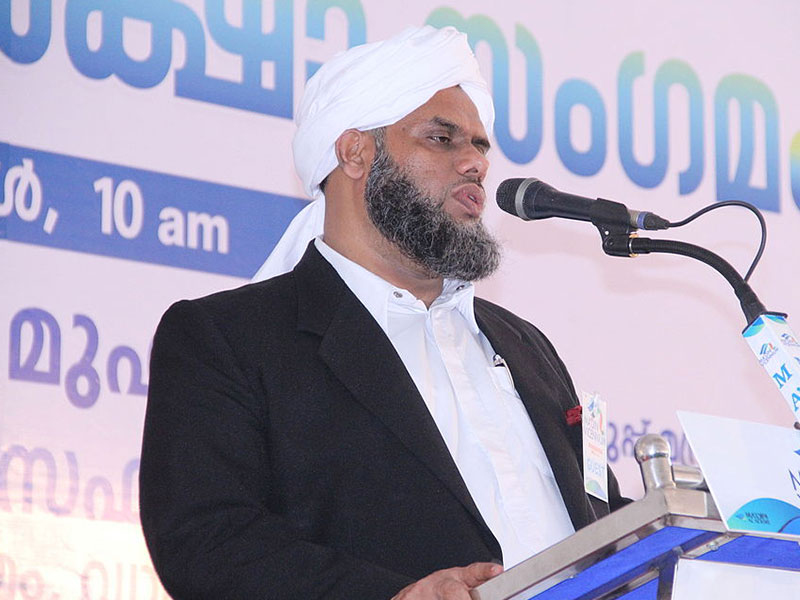
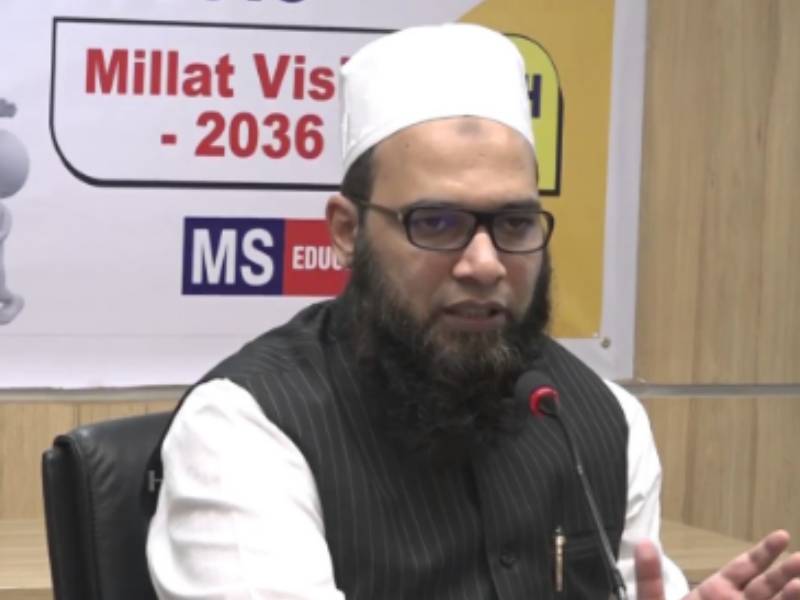
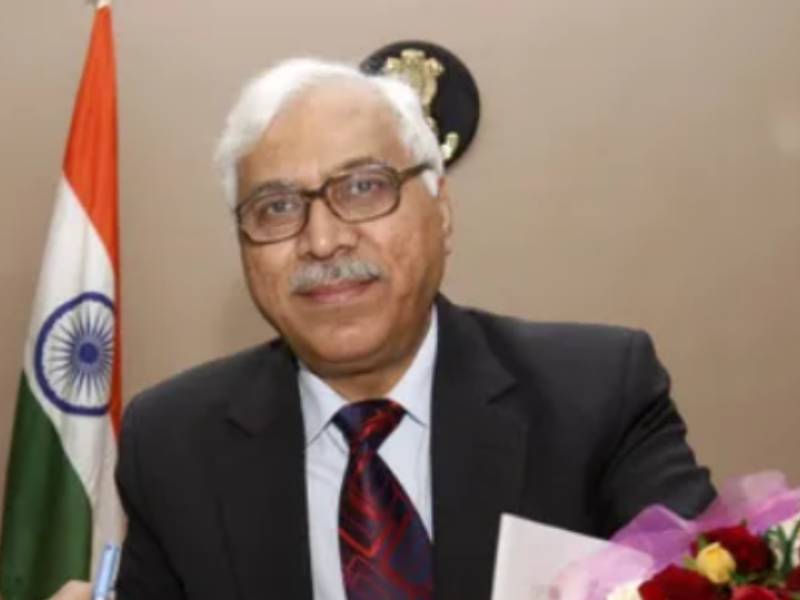
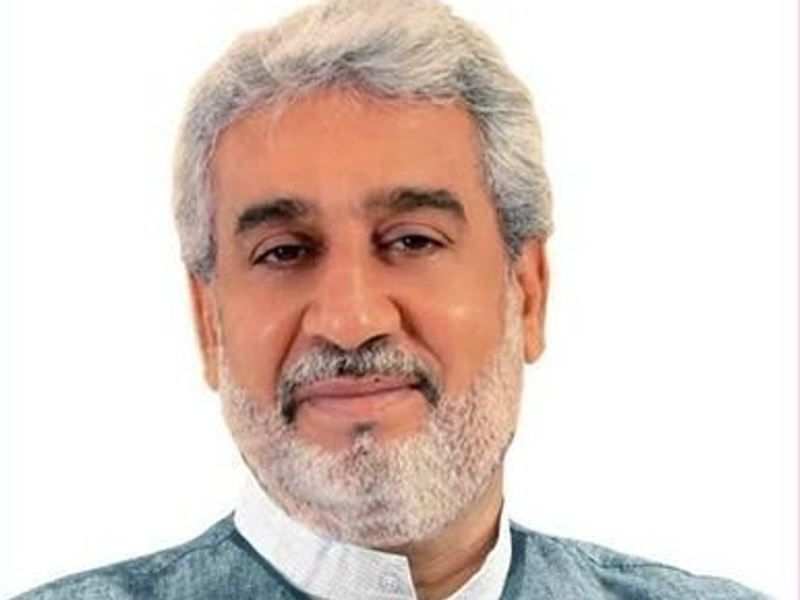
Qumruzzama Azmi (born 1946) widely respected as Maulana Azmi, is a distinguished Islamic scholar and one of the most influential voices in contemporary Islamic thought and leadership. Born in Azamgarh, Uttar Pradesh, India, in 1946, he received his early Islamic education at the esteemed Al Jamiatul Ashrafia, Mubarakpur, where he excelled in Islamic jurisprudence, theology, and Arabic literature.
Maulana Azmi’s profound understanding of Islamic teachings, coupled with his eloquence and insight, quickly earned him a reputation as a dynamic leader. His efforts to bridge gaps between communities and promote Islamic values in modern contexts have made him a sought-after scholar worldwide.
Azmi has dedicated much of his life to serving the Muslim community globally. He is closely associated with the World Islamic Mission (WIM), a prominent organization committed to promoting unity among Muslims and addressing the challenges they face. As the General Secretary of WIM, he has played a pivotal role in establishing mosques, Islamic centers, and educational institutions in various countries, particularly in Europe and North America.
An ardent advocate of peaceful coexistence, Maulana Azmi emphasizes the importance of interfaith dialogue and communal harmony. His lectures and writings have inspired countless Muslims to uphold the principles of justice, compassion, and ethical conduct.
Maulana Azmi is also deeply committed to the socio-economic upliftment of marginalized communities. He has initiated programs for education, healthcare, and poverty alleviation, ensuring the integration of Islamic values with humanitarian service.
Despite his international commitments, he remains rooted in his scholarship, dedicating time to writing, teaching, and guiding students of Islamic sciences. His intellectual contributions and spiritual leadership continue to influence generations of Muslims worldwide.
Qumruzzama Azmi’s legacy is one of knowledge, service, and unwavering dedication to the cause of Islam and humanity.