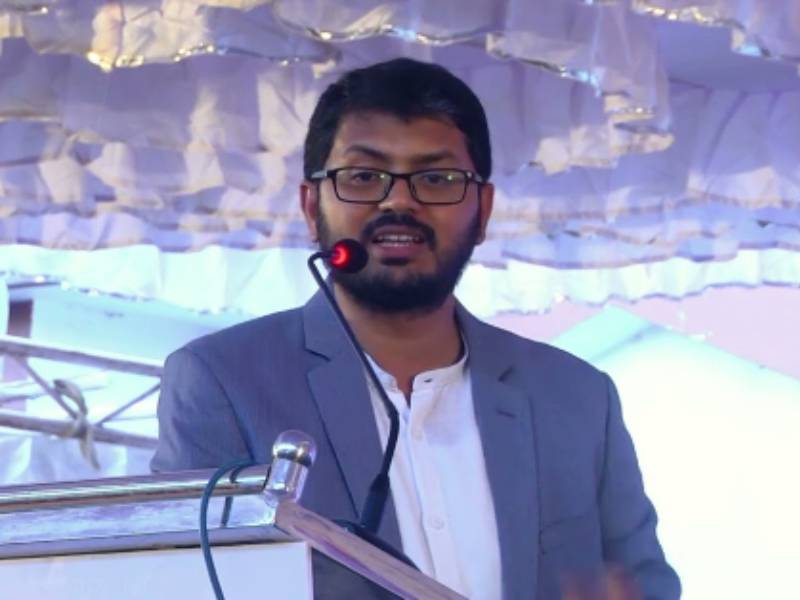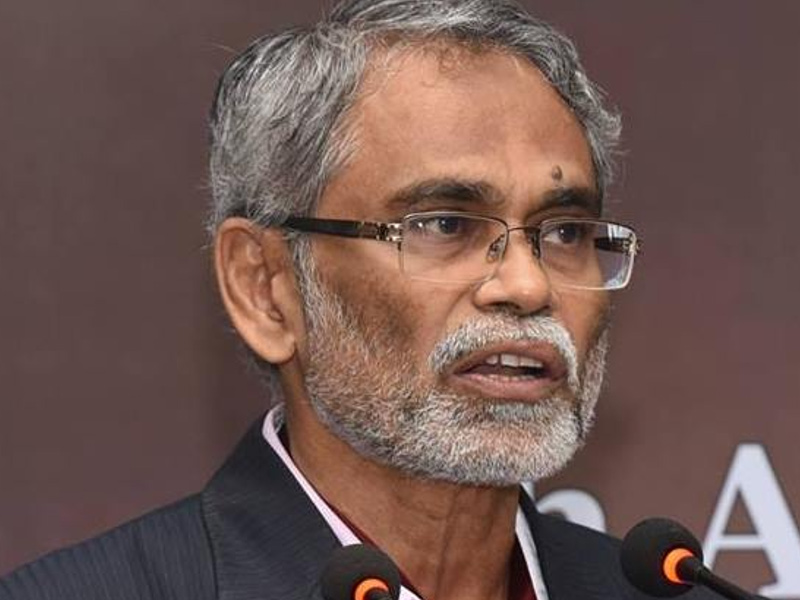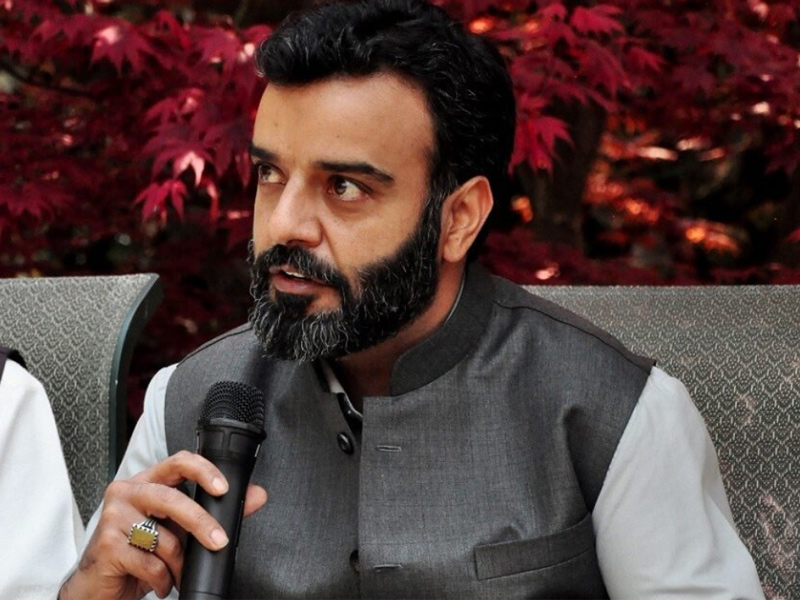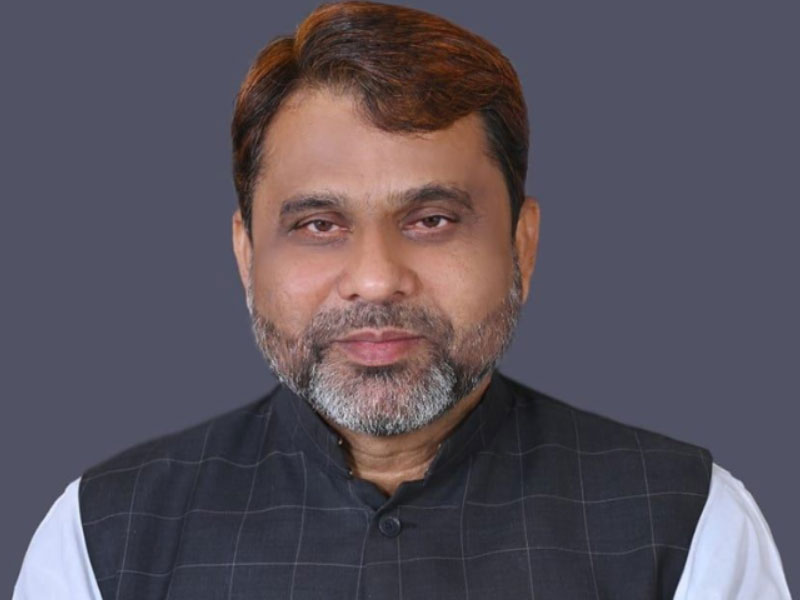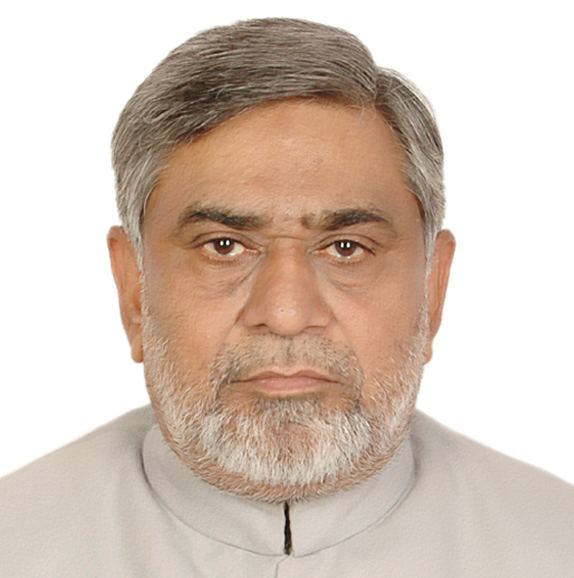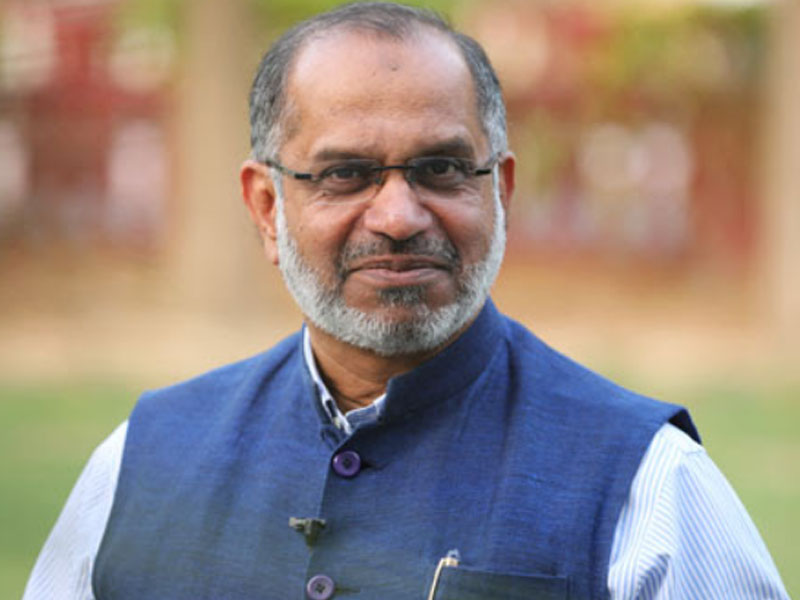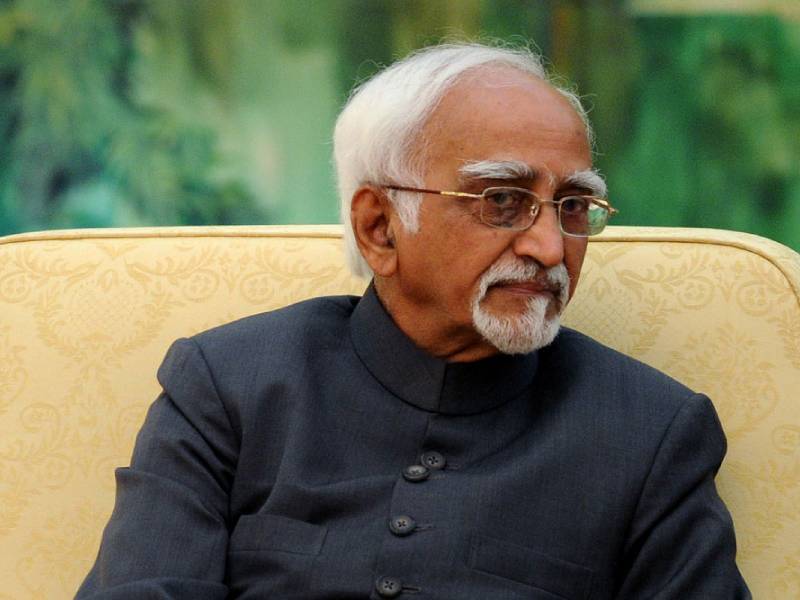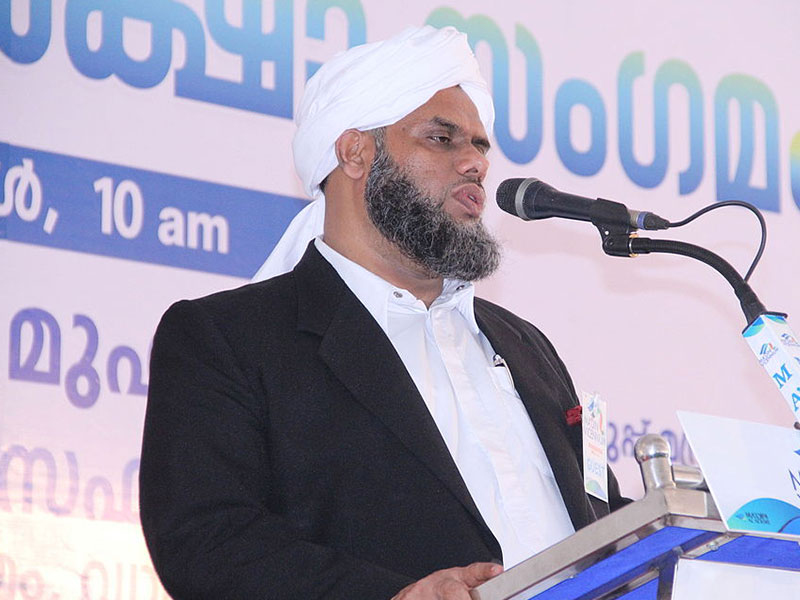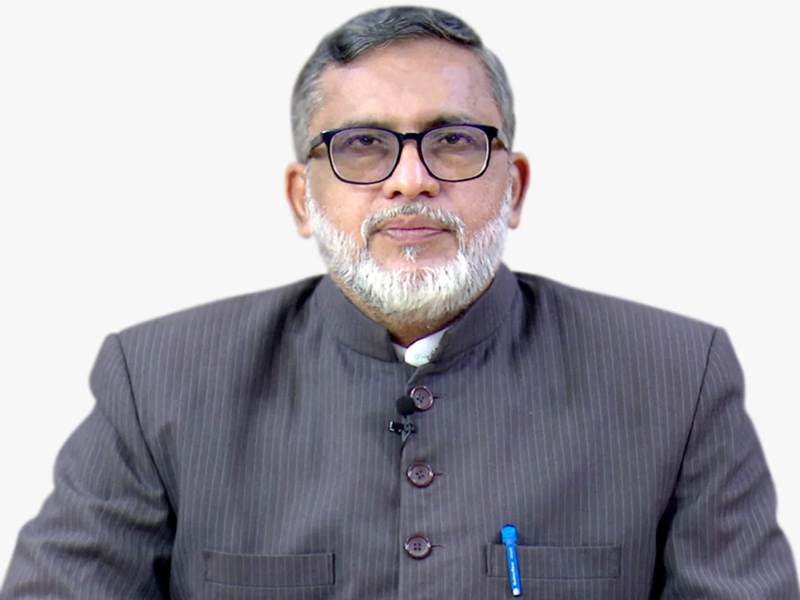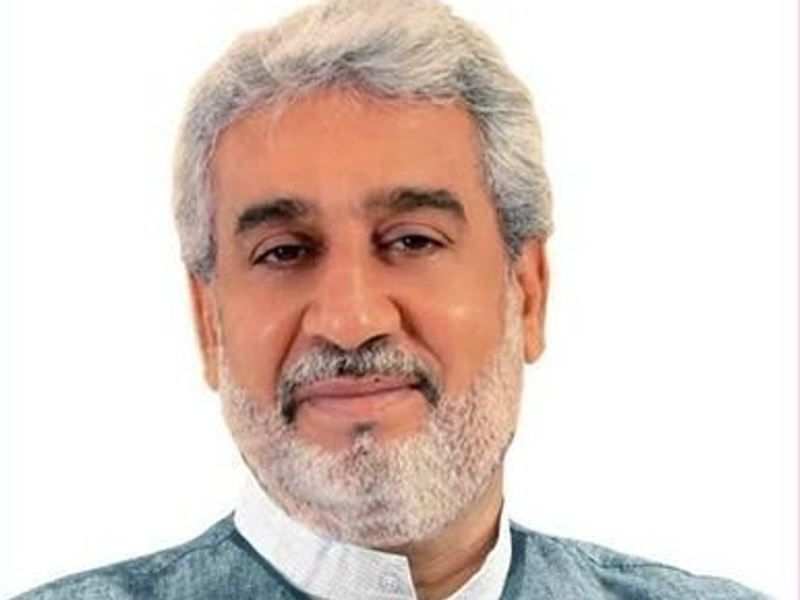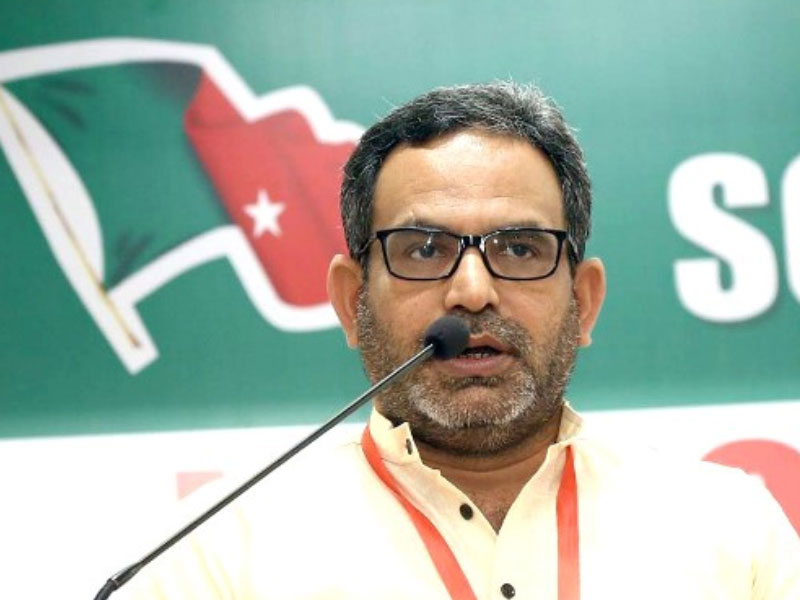
M. K. Faizi: Politician
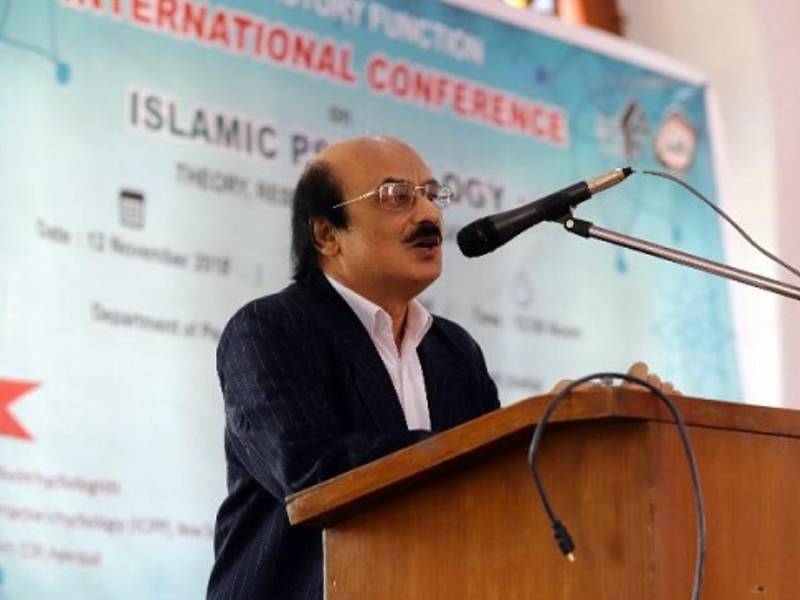
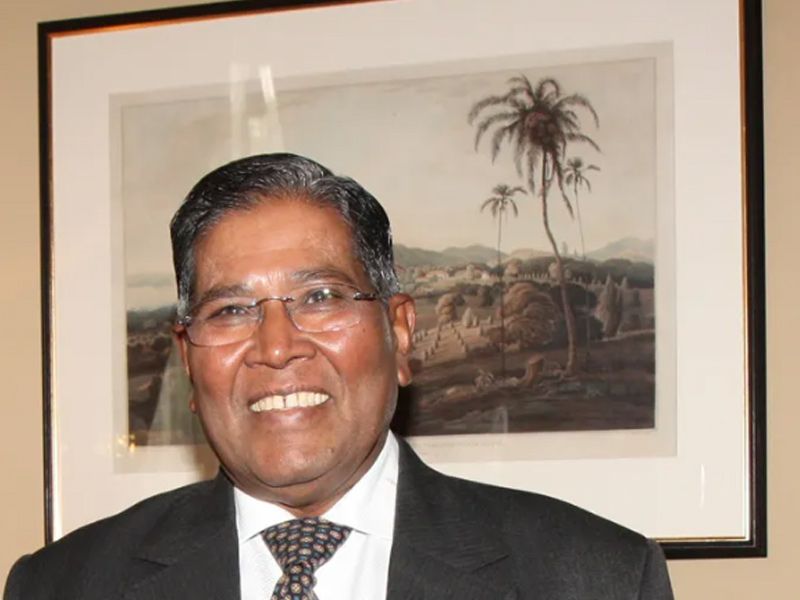
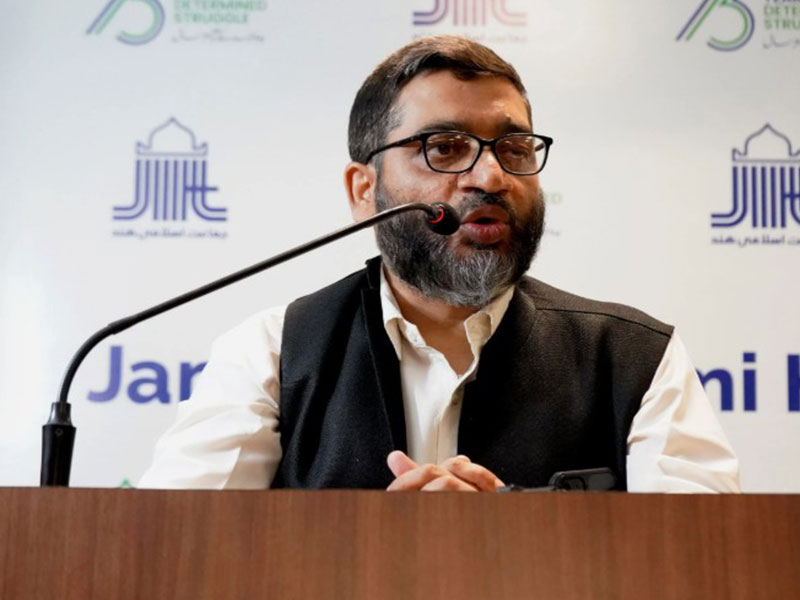
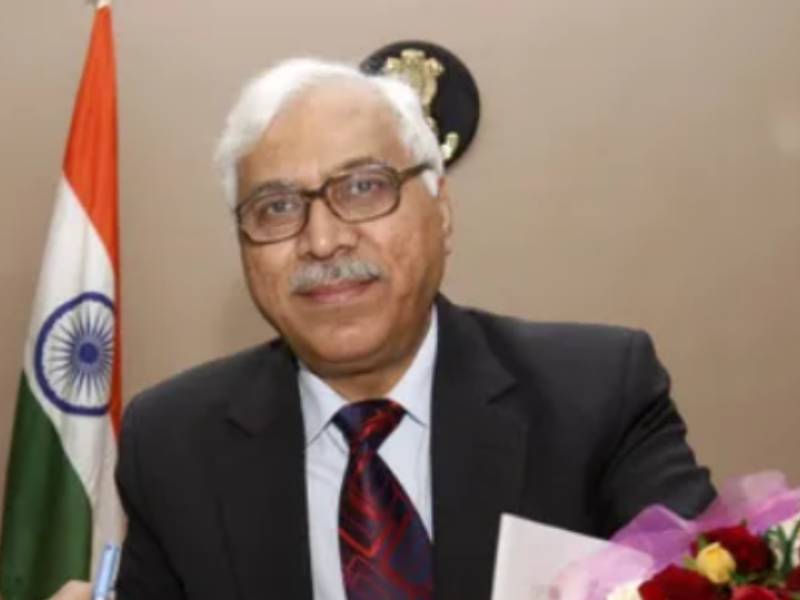
M. K. Faizi is an Indian politician and the National President of the Social Democratic Party of India (SDPI), a political organization committed to promoting social justice, equality, and the rights of marginalized communities. Faizi’s leadership has played a crucial role in shaping the party’s political strategy, particularly its focus on empowering Muslims, Dalits, and other underprivileged groups in India.
Born in Kerala, Faizi was actively involved in social and political movements from a young age. His early experiences with grassroots activism helped shape his understanding of the challenges faced by marginalized communities in the country. Before joining SDPI, Faizi was associated with various social organizations advocating for justice and human rights, particularly focusing on issues like communal harmony, economic disparity, and political representation of minorities.
As the National President of SDPI, Faizi has been a vocal advocate for a secular and inclusive India, consistently speaking out against policies and practices that marginalize minorities. Under his leadership, the SDPI has made significant strides in raising awareness about issues such as state-sponsored violence, discrimination, and the erosion of civil liberties. The party has also positioned itself as a defender of constitutional rights, often taking strong stances against divisive and communal politics.
Faizi’s leadership is characterized by his emphasis on grassroots mobilization and community engagement. He has played a pivotal role in expanding the SDPI’s influence across several Indian states, particularly in southern India, where the party has contested elections and built a loyal following.
Despite facing political and legal challenges, M. K. Faizi remains committed to his vision of an egalitarian society where every citizen, regardless of caste, religion, or economic status, has equal access to opportunities and justice. His work continues to inspire many within the social justice and political spheres in India.
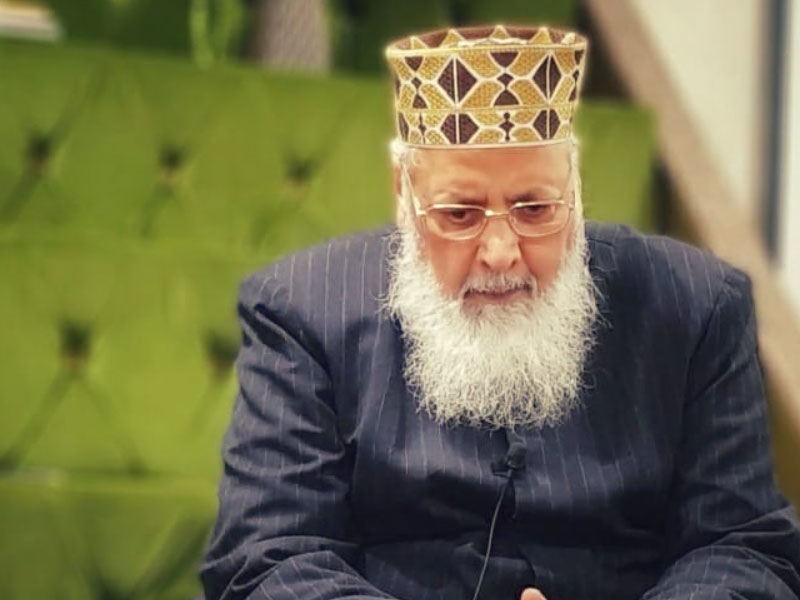
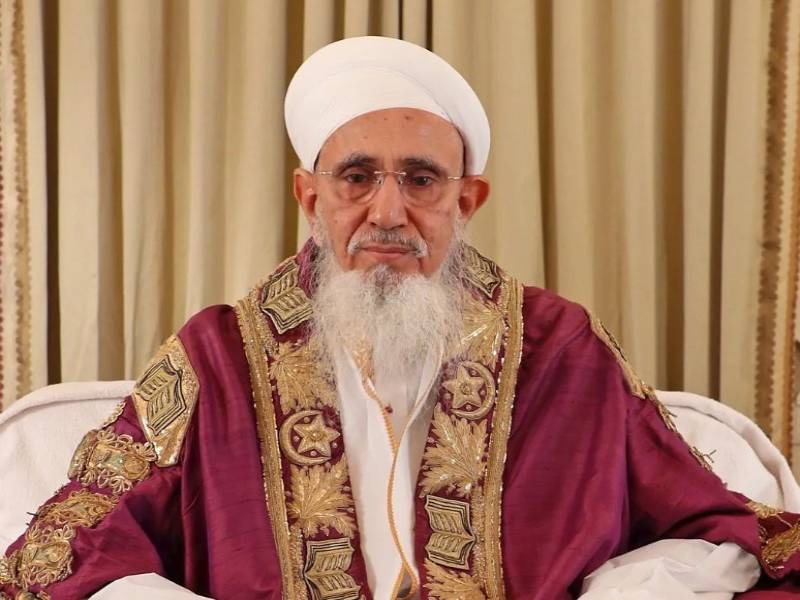
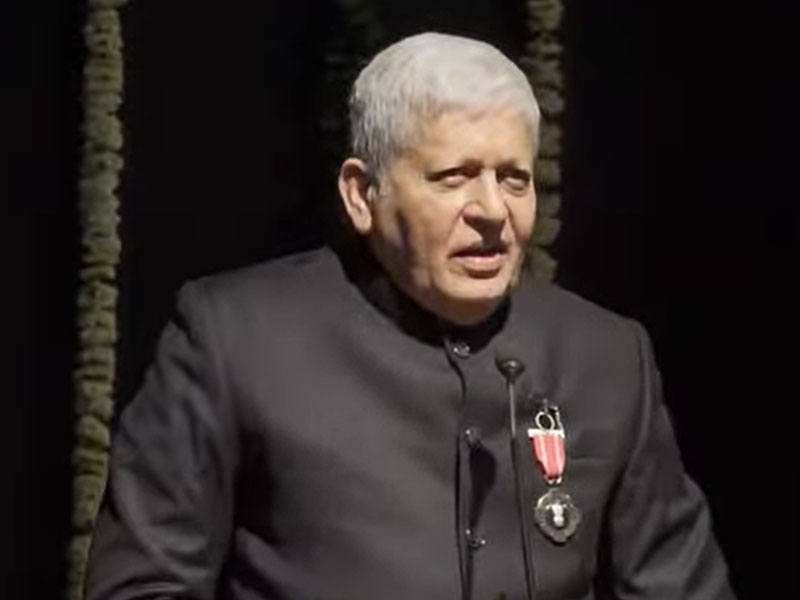
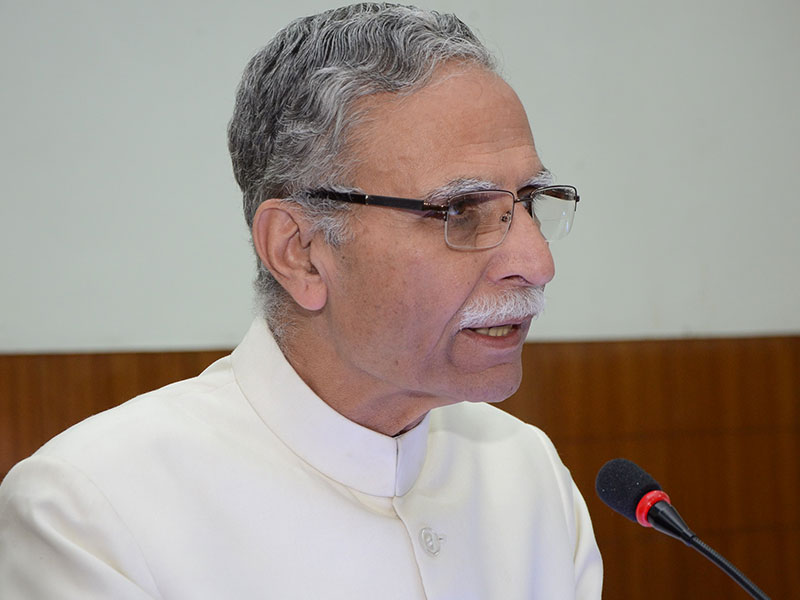
Qumruzzama Azmi: Islamic Scholar
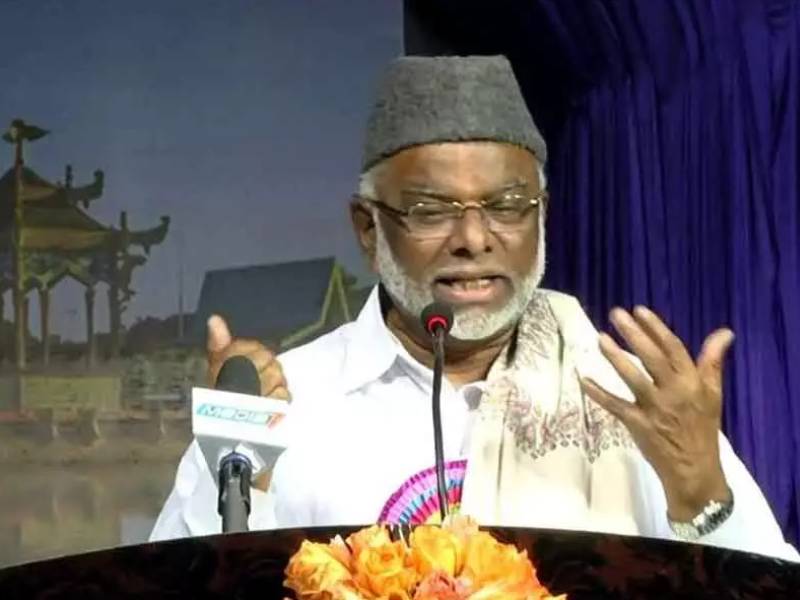
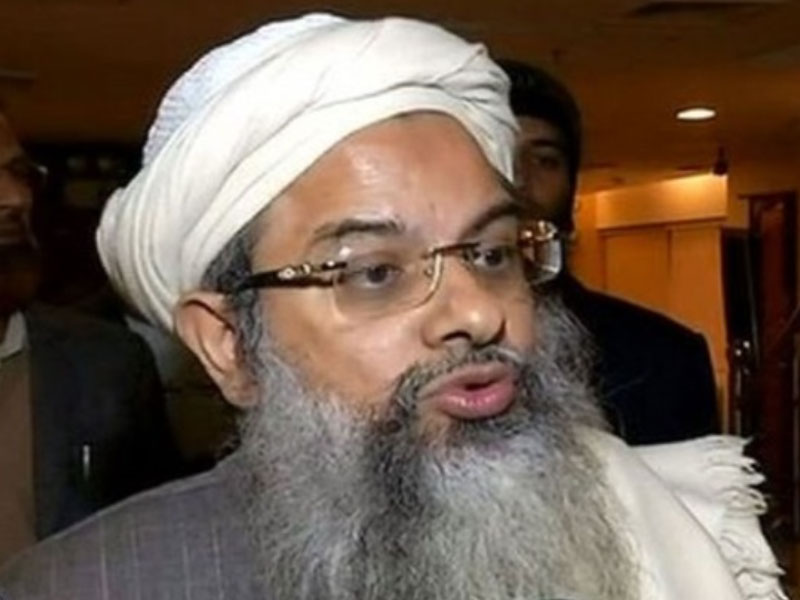
Qumruzzama Azmi (born 1946) widely respected as Maulana Azmi, is a distinguished Islamic scholar and one of the most influential voices in contemporary Islamic thought and leadership. Born in Azamgarh, Uttar Pradesh, India, in 1946, he received his early Islamic education at the esteemed Al Jamiatul Ashrafia, Mubarakpur, where he excelled in Islamic jurisprudence, theology, and Arabic literature.
Maulana Azmi’s profound understanding of Islamic teachings, coupled with his eloquence and insight, quickly earned him a reputation as a dynamic leader. His efforts to bridge gaps between communities and promote Islamic values in modern contexts have made him a sought-after scholar worldwide.
Azmi has dedicated much of his life to serving the Muslim community globally. He is closely associated with the World Islamic Mission (WIM), a prominent organization committed to promoting unity among Muslims and addressing the challenges they face. As the General Secretary of WIM, he has played a pivotal role in establishing mosques, Islamic centers, and educational institutions in various countries, particularly in Europe and North America.
An ardent advocate of peaceful coexistence, Maulana Azmi emphasizes the importance of interfaith dialogue and communal harmony. His lectures and writings have inspired countless Muslims to uphold the principles of justice, compassion, and ethical conduct.
Maulana Azmi is also deeply committed to the socio-economic upliftment of marginalized communities. He has initiated programs for education, healthcare, and poverty alleviation, ensuring the integration of Islamic values with humanitarian service.
Despite his international commitments, he remains rooted in his scholarship, dedicating time to writing, teaching, and guiding students of Islamic sciences. His intellectual contributions and spiritual leadership continue to influence generations of Muslims worldwide.
Qumruzzama Azmi’s legacy is one of knowledge, service, and unwavering dedication to the cause of Islam and humanity.