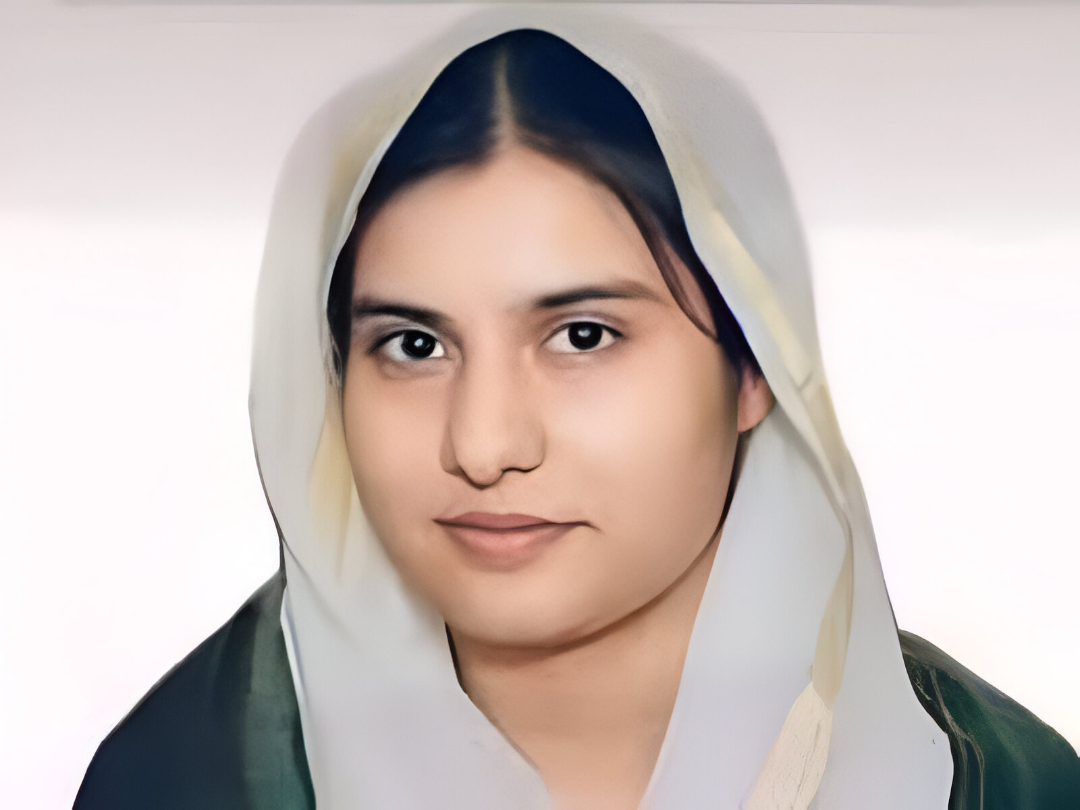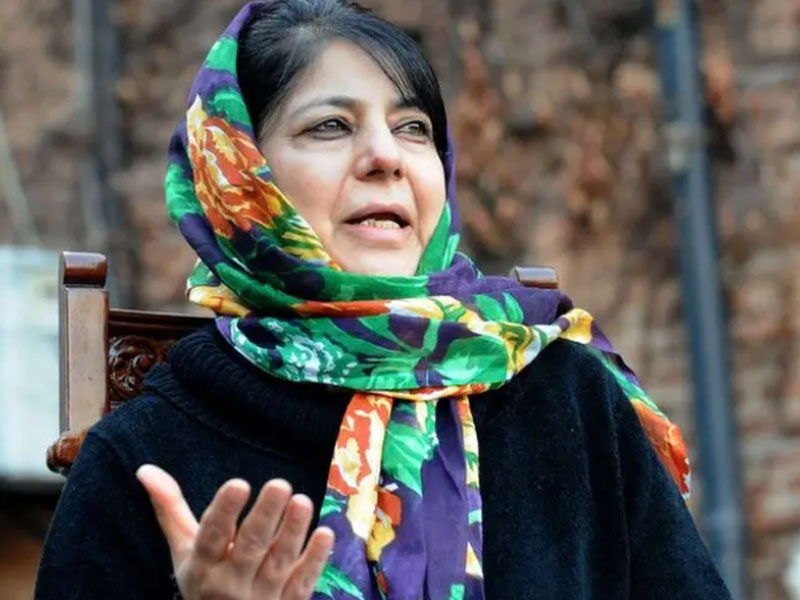
Gulfisha Fatima: Activist
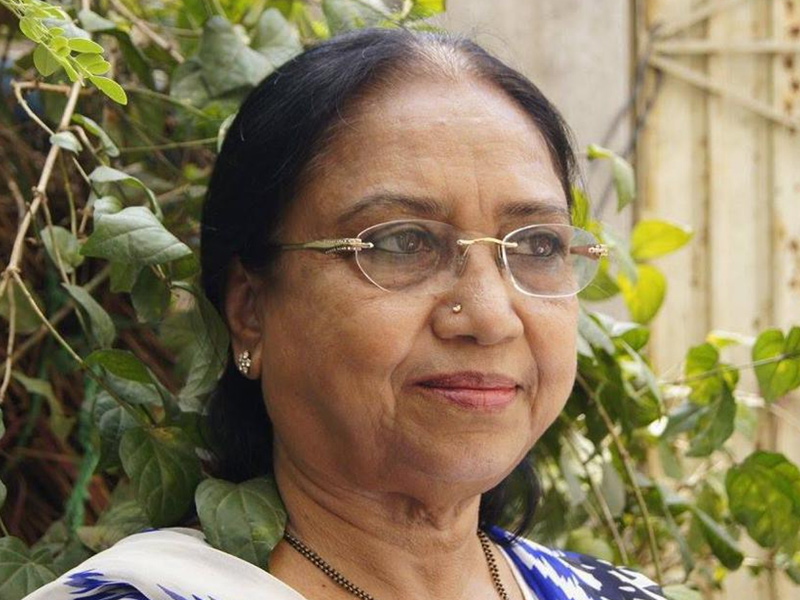
Currently lodged in Tihar Jail, Gulfisha Fatima is a young activist and student leader who gained prominence for her role in the protests against the Citizenship Amendment Act (CAA) in India. Born and raised in Seelampur, Delhi, Gulfisha was pursuing her studies when she became actively involved in the anti-CAA movement, which was sparked by concerns that the legislation discriminated against Muslims and threatened the secular fabric of the country.
Gulfisha emerged as a key organizer and voice in the peaceful protests, particularly in North East Delhi. She was known for her articulate speeches and her commitment to raising awareness about the implications of the CAA and the National Register of Citizens (NRC). Her activism was driven by a deep sense of justice and a desire to protect the rights of marginalized communities in India.
In April 2020, Gulfisha Fatima was arrested under the Unlawful Activities (Prevention) Act (UAPA) in connection with the violence that erupted in North East Delhi in February 2020. The Delhi Police accused her of being part of a larger conspiracy to incite communal violence, charges that Gulfisha and her supporters have vehemently denied. Her arrest sparked outrage among human rights activists and civil society, who view her detention as part of a broader crackdown on dissent.
Gulfisha’s imprisonment has drawn attention to the challenges faced by activists in India, particularly those from minority communities. Despite being behind bars, she has remained a symbol of resistance and courage for many. Her case continues to be a focal point in discussions about civil liberties, freedom of speech, and the treatment of political dissenters in India.
Gulfisha Fatima's story is one of resilience in the face of adversity, and she continues to inspire others to stand up for justice and equality, even in the most challenging circumstances.
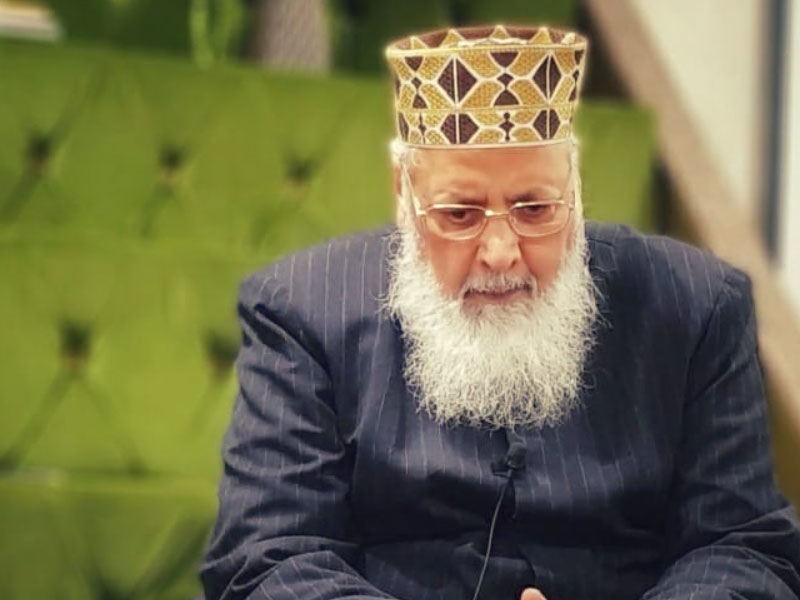
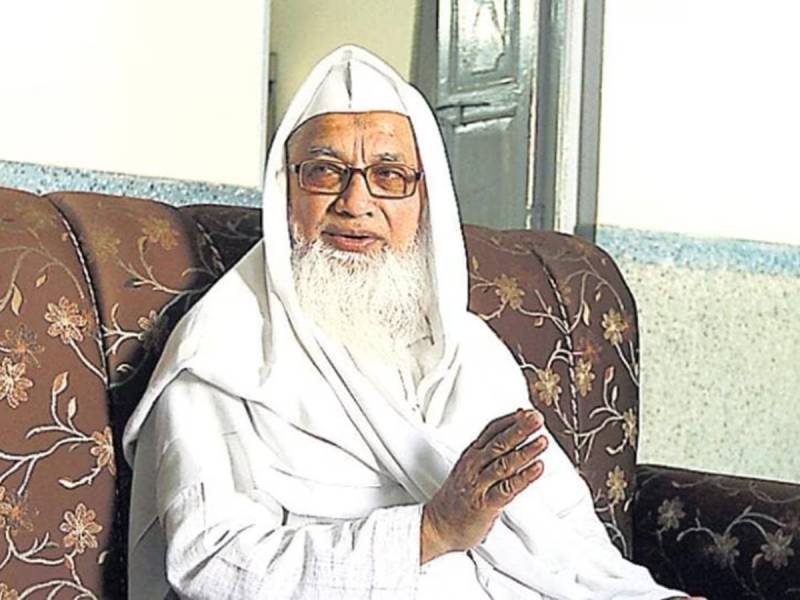
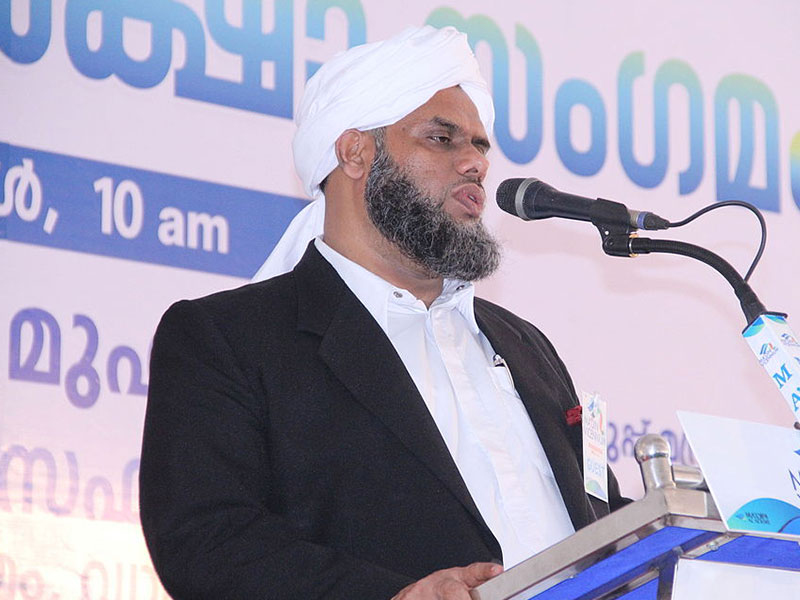
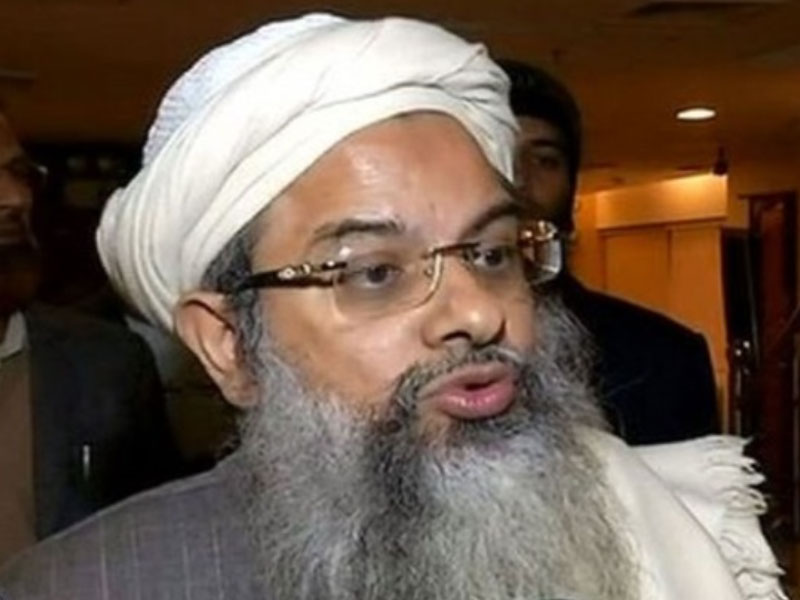
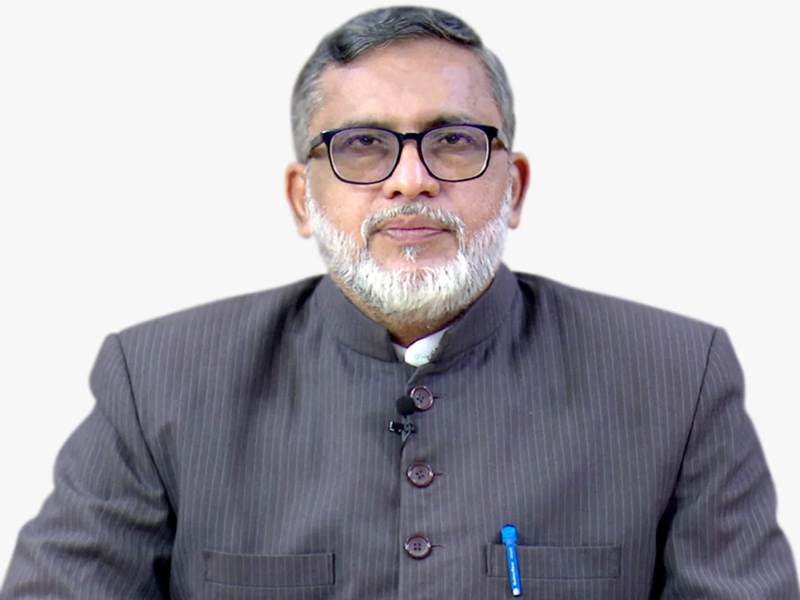
Qumruzzama Azmi: Islamic Scholar
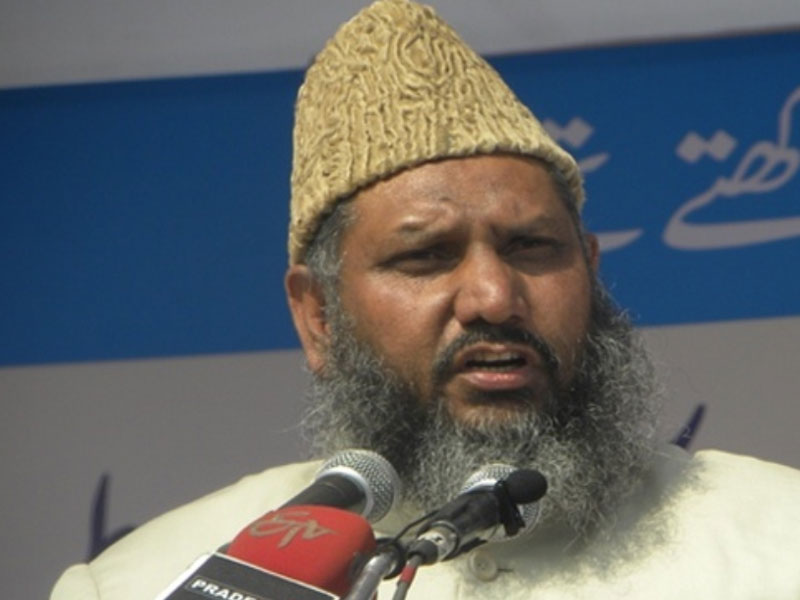
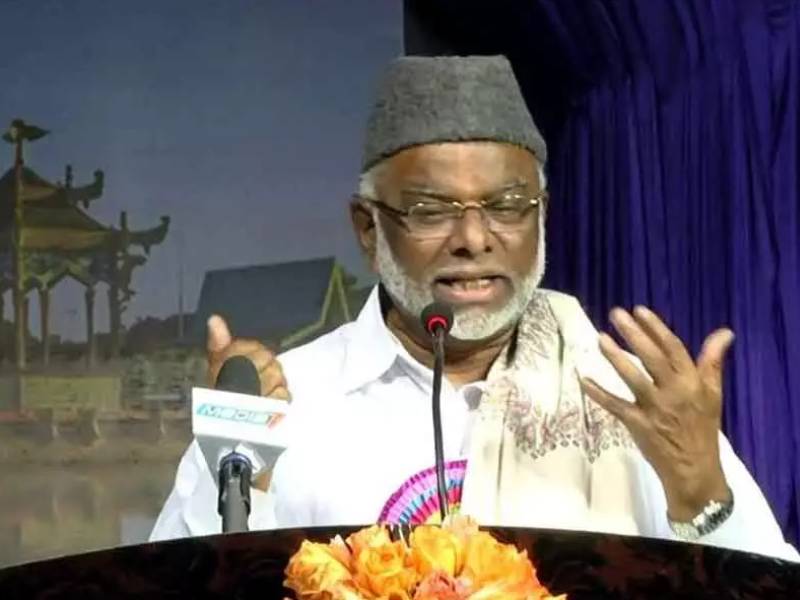
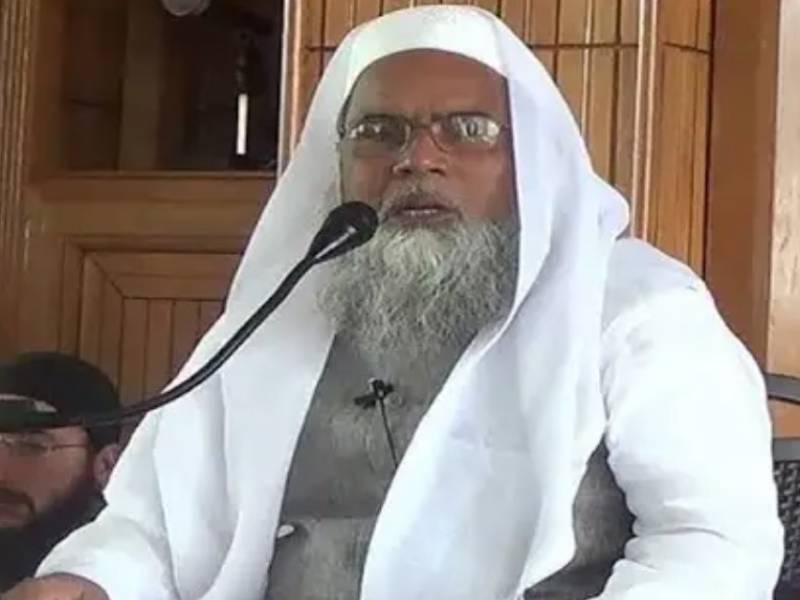
Qumruzzama Azmi (born 1946) widely respected as Maulana Azmi, is a distinguished Islamic scholar and one of the most influential voices in contemporary Islamic thought and leadership. Born in Azamgarh, Uttar Pradesh, India, in 1946, he received his early Islamic education at the esteemed Al Jamiatul Ashrafia, Mubarakpur, where he excelled in Islamic jurisprudence, theology, and Arabic literature.
Maulana Azmi’s profound understanding of Islamic teachings, coupled with his eloquence and insight, quickly earned him a reputation as a dynamic leader. His efforts to bridge gaps between communities and promote Islamic values in modern contexts have made him a sought-after scholar worldwide.
Azmi has dedicated much of his life to serving the Muslim community globally. He is closely associated with the World Islamic Mission (WIM), a prominent organization committed to promoting unity among Muslims and addressing the challenges they face. As the General Secretary of WIM, he has played a pivotal role in establishing mosques, Islamic centers, and educational institutions in various countries, particularly in Europe and North America.
An ardent advocate of peaceful coexistence, Maulana Azmi emphasizes the importance of interfaith dialogue and communal harmony. His lectures and writings have inspired countless Muslims to uphold the principles of justice, compassion, and ethical conduct.
Maulana Azmi is also deeply committed to the socio-economic upliftment of marginalized communities. He has initiated programs for education, healthcare, and poverty alleviation, ensuring the integration of Islamic values with humanitarian service.
Despite his international commitments, he remains rooted in his scholarship, dedicating time to writing, teaching, and guiding students of Islamic sciences. His intellectual contributions and spiritual leadership continue to influence generations of Muslims worldwide.
Qumruzzama Azmi’s legacy is one of knowledge, service, and unwavering dedication to the cause of Islam and humanity.