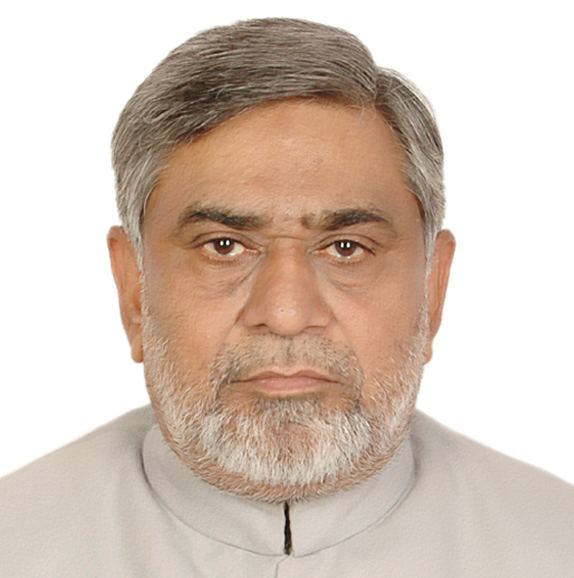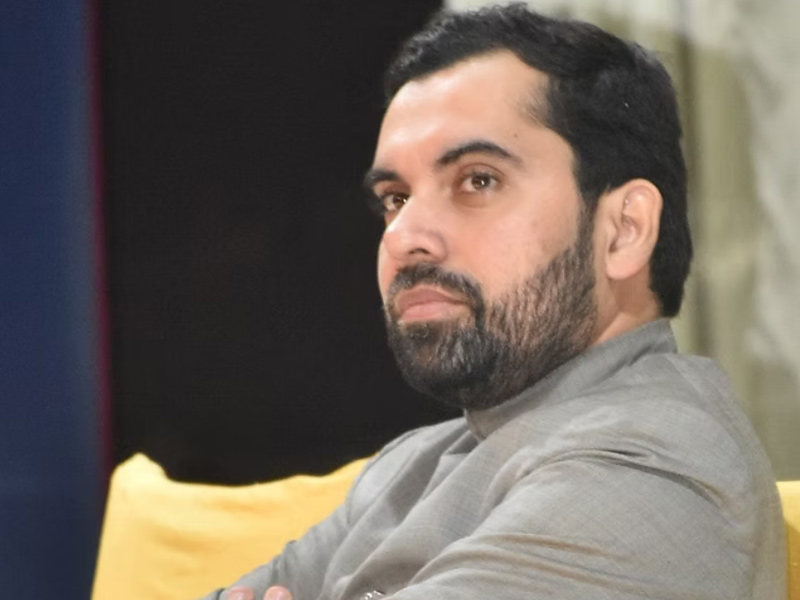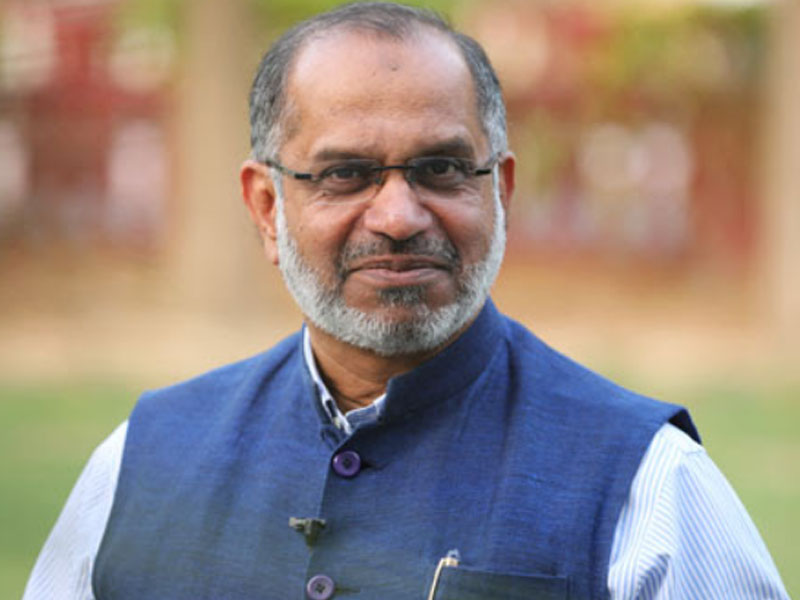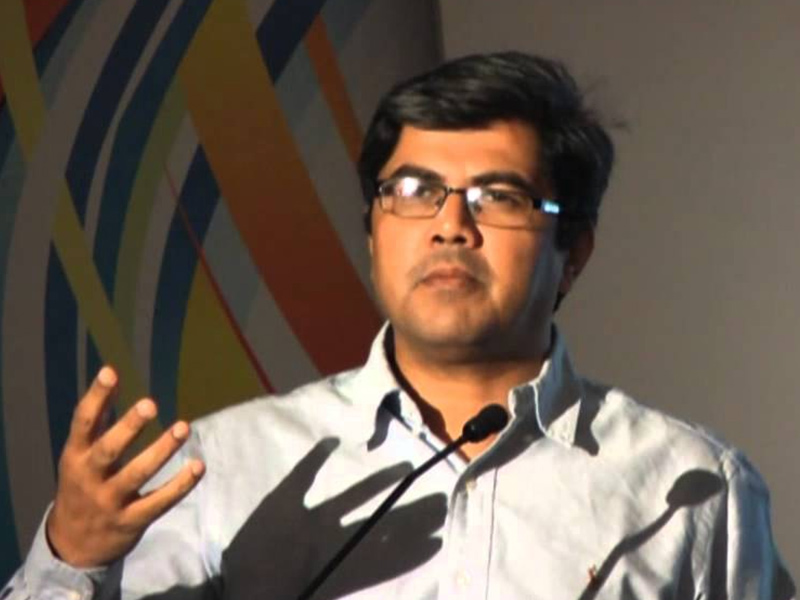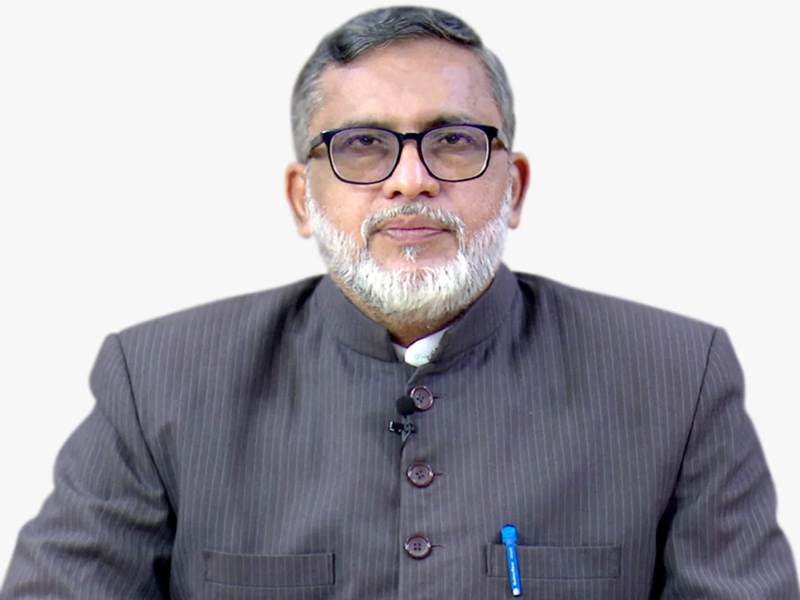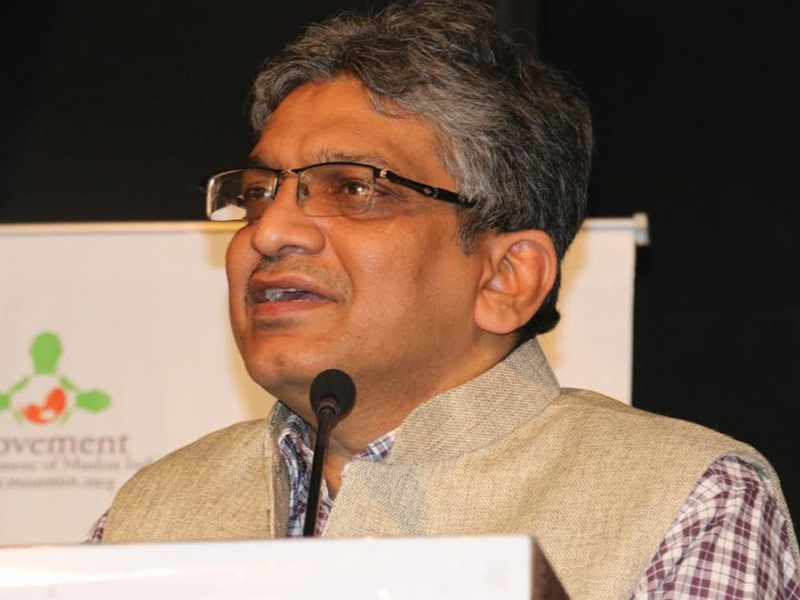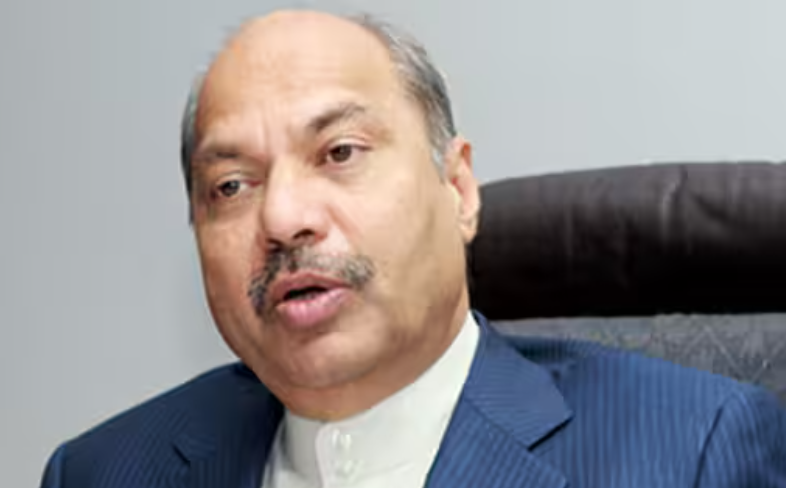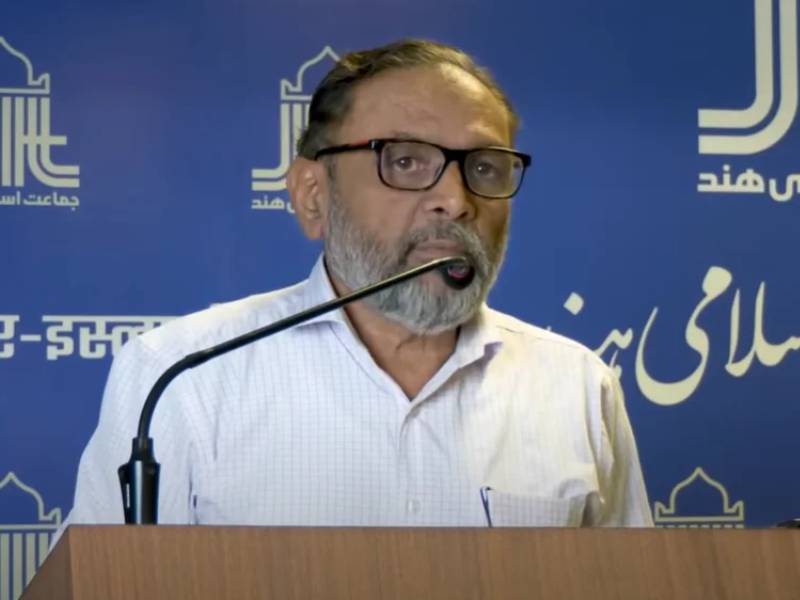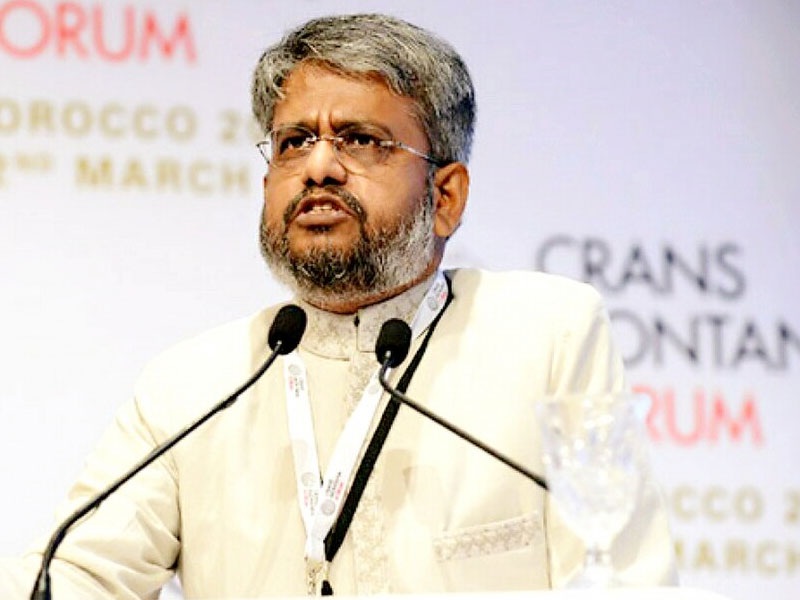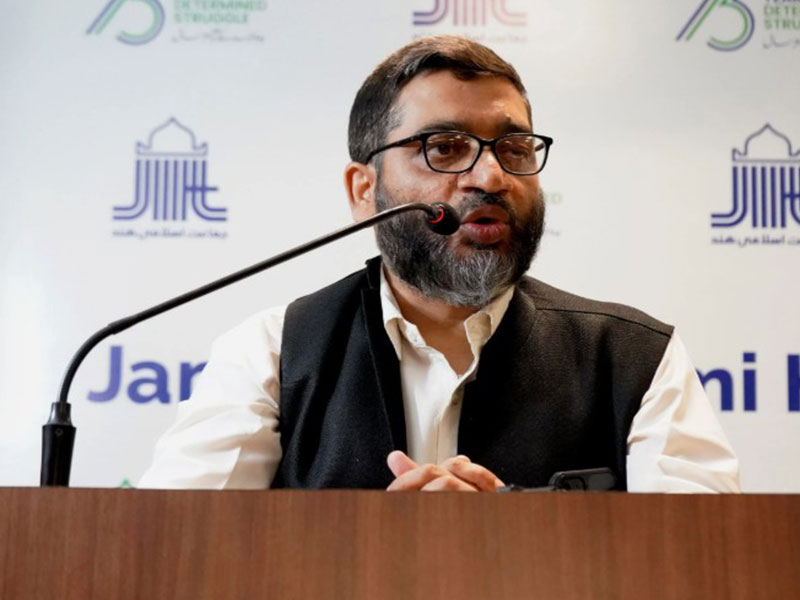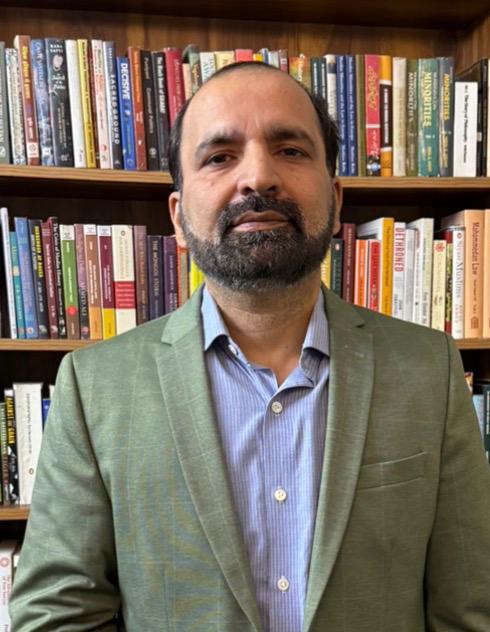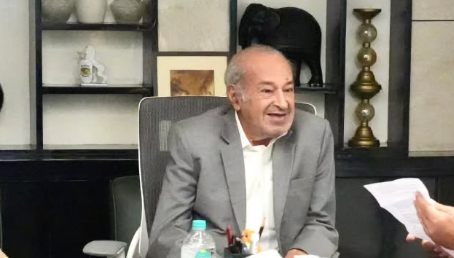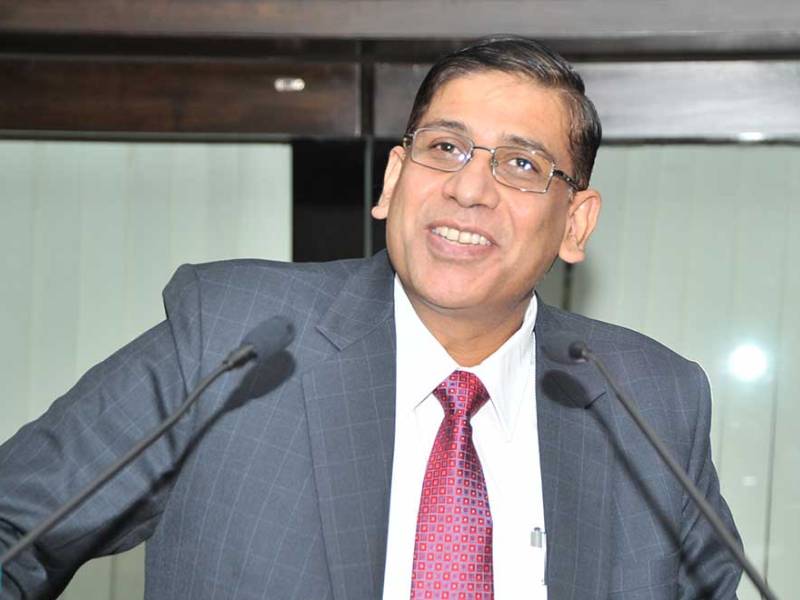
Faizan Mustafa: Academic / Legal Expert
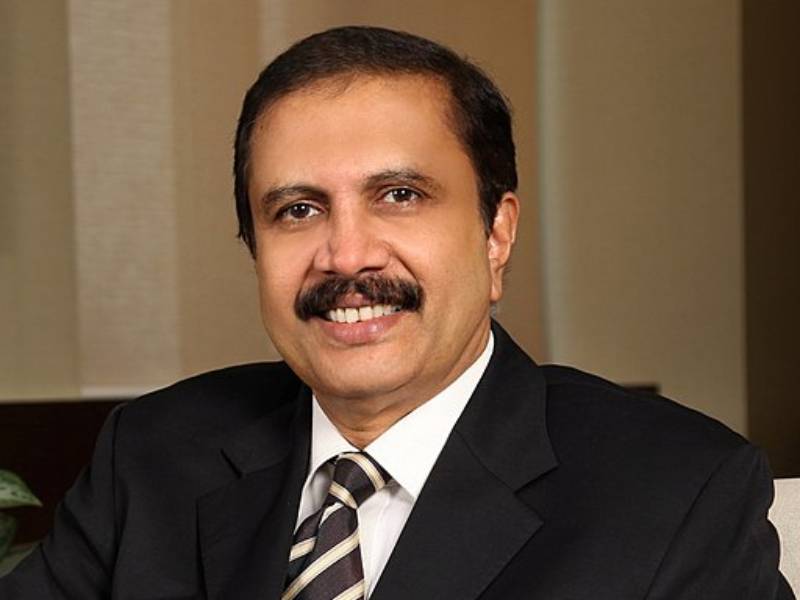
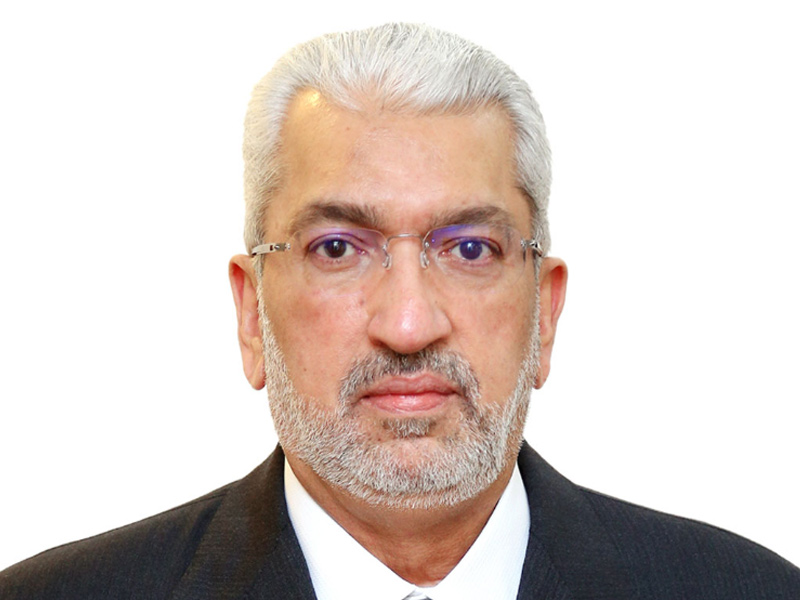
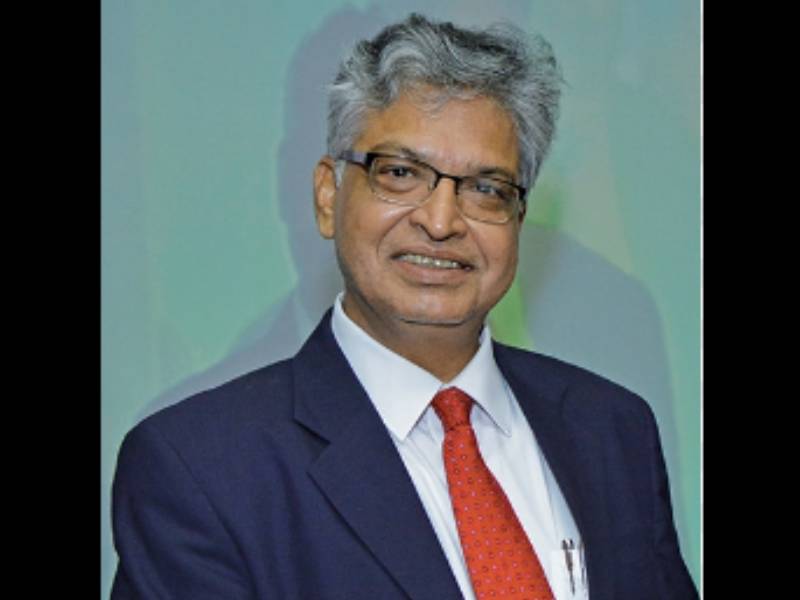
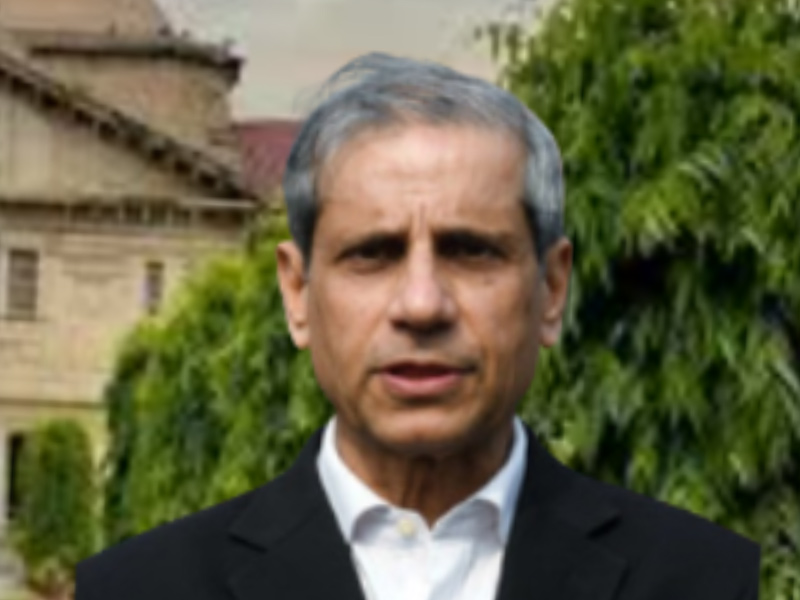
Faizan Mustafa is a prominent academic and legal scholar, renowned for his extensive contributions to legal education and scholarship. He has served as the Vice-Chancellor of NALSAR University of Law in Hyderabad and was the founding Vice-Chancellor of the National Law University Odisha (NLUO). Currently, he holds the position of Vice-Chancellor at Chanakya National Law University in Patna. Additionally, he is a member of the board of directors for T-Hub, a technology incubator.
Mustafa's educational background includes a degree in History and Law from Aligarh Muslim University, where he also earned his LL.M with distinction. He has a doctorate in Copyright Law and a diploma from the International Institute of Human Rights in International and Comparative Human Rights Law.
In his career, Mustafa has made significant strides as a legal educator and researcher. Before his role at NALSAR, he was the founding VC of NLUO and a former director at KIIT School of Law. He is a prolific author, having published numerous books and scholarly articles, and is noted for exploring novel areas such as HIV law. His scholarship includes contributions that have influenced judicial decisions, as evidenced by his article on religious freedom being cited in the Supreme Court's Sabarimala judgment in 2018.
Beyond academia, Mustafa engages with a broader audience through his YouTube channel, the Legal Awareness Web Series, where he discusses contemporary legal issues in simple language. He is a recurring legal expert on NDTV and writes columns for major publications like The Indian Express and The Hindu. His accolades include the Renne Cassin Gold Medal in 1999 and the SAARC Best Law Teacher Award in 2014, reflecting his esteemed status in the legal community.
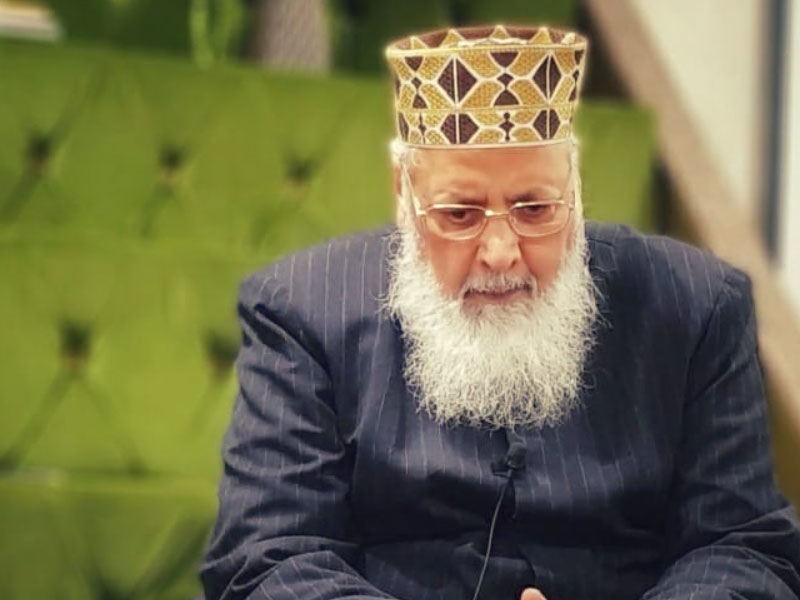
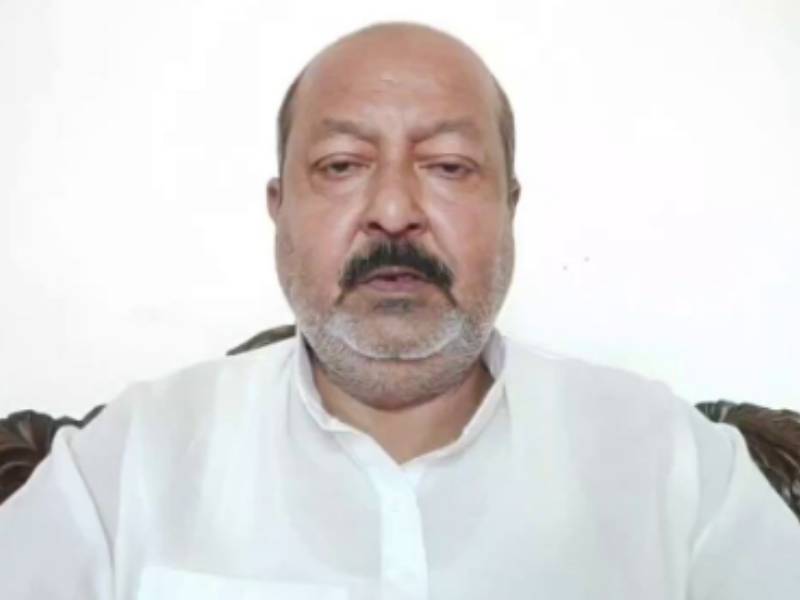
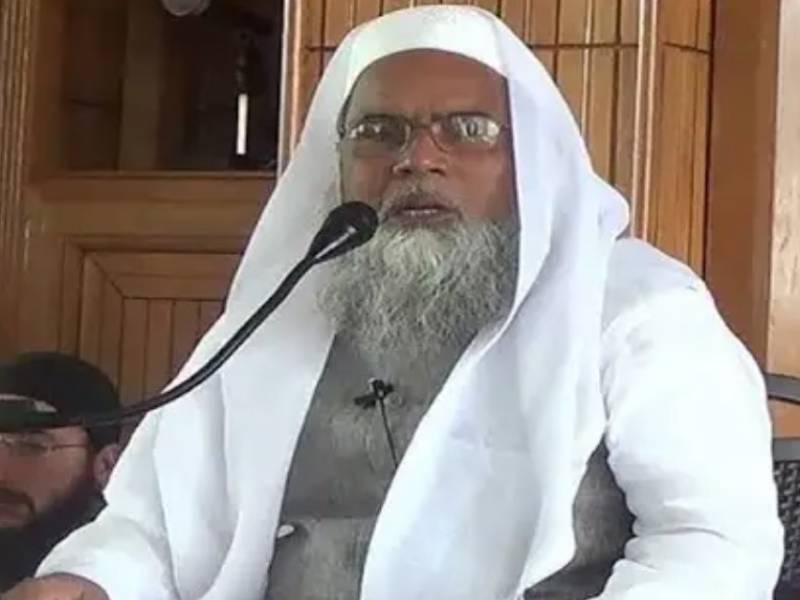
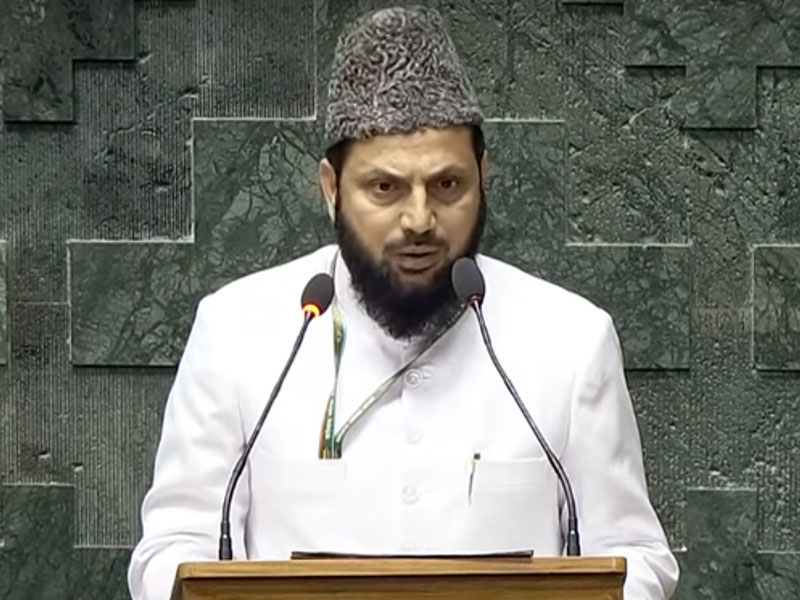
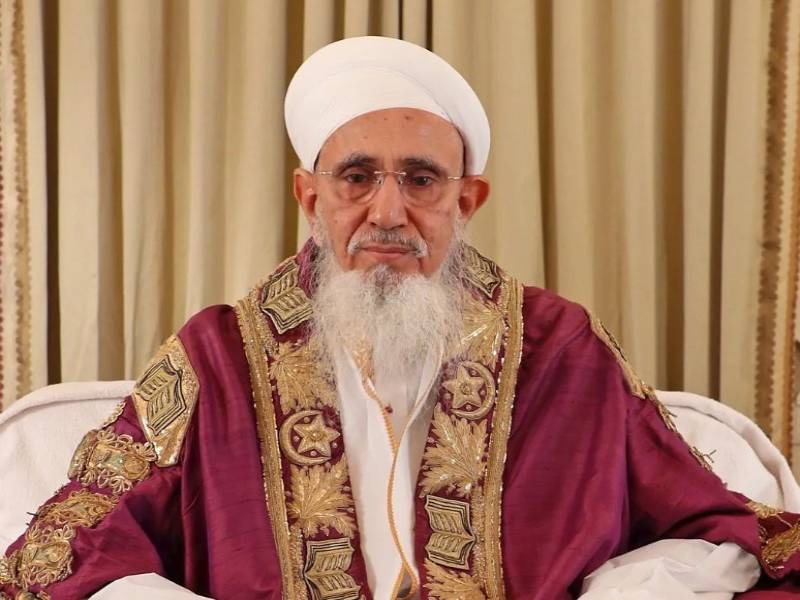
Qumruzzama Azmi: Islamic Scholar
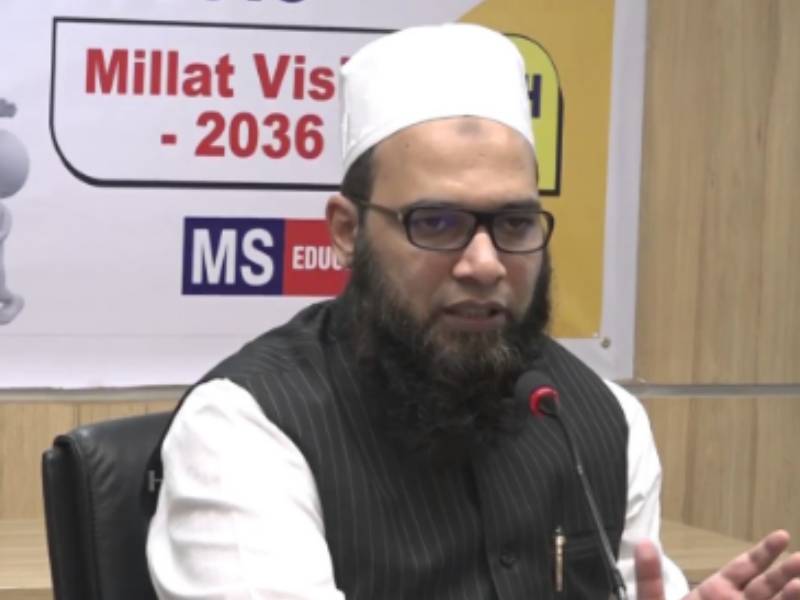
Qumruzzama Azmi (born 1946) widely respected as Maulana Azmi, is a distinguished Islamic scholar and one of the most influential voices in contemporary Islamic thought and leadership. Born in Azamgarh, Uttar Pradesh, India, in 1946, he received his early Islamic education at the esteemed Al Jamiatul Ashrafia, Mubarakpur, where he excelled in Islamic jurisprudence, theology, and Arabic literature.
Maulana Azmi’s profound understanding of Islamic teachings, coupled with his eloquence and insight, quickly earned him a reputation as a dynamic leader. His efforts to bridge gaps between communities and promote Islamic values in modern contexts have made him a sought-after scholar worldwide.
Azmi has dedicated much of his life to serving the Muslim community globally. He is closely associated with the World Islamic Mission (WIM), a prominent organization committed to promoting unity among Muslims and addressing the challenges they face. As the General Secretary of WIM, he has played a pivotal role in establishing mosques, Islamic centers, and educational institutions in various countries, particularly in Europe and North America.
An ardent advocate of peaceful coexistence, Maulana Azmi emphasizes the importance of interfaith dialogue and communal harmony. His lectures and writings have inspired countless Muslims to uphold the principles of justice, compassion, and ethical conduct.
Maulana Azmi is also deeply committed to the socio-economic upliftment of marginalized communities. He has initiated programs for education, healthcare, and poverty alleviation, ensuring the integration of Islamic values with humanitarian service.
Despite his international commitments, he remains rooted in his scholarship, dedicating time to writing, teaching, and guiding students of Islamic sciences. His intellectual contributions and spiritual leadership continue to influence generations of Muslims worldwide.
Qumruzzama Azmi’s legacy is one of knowledge, service, and unwavering dedication to the cause of Islam and humanity.