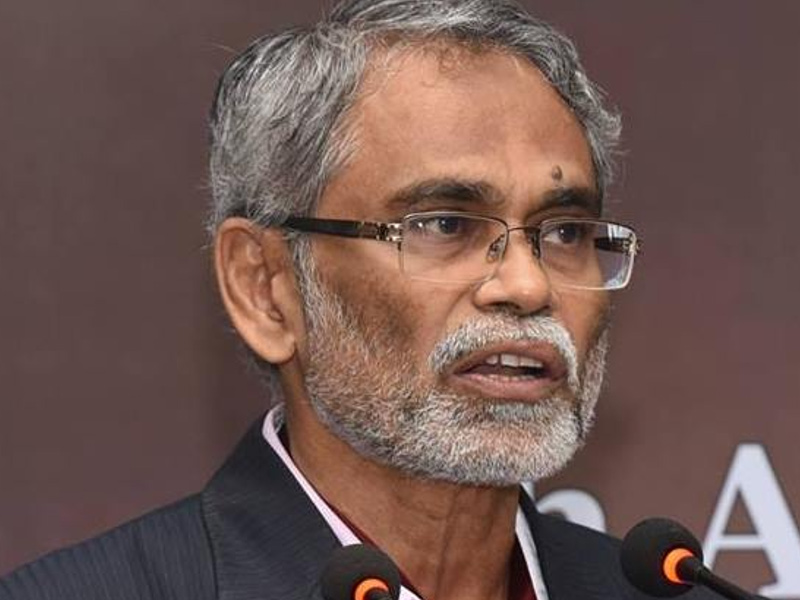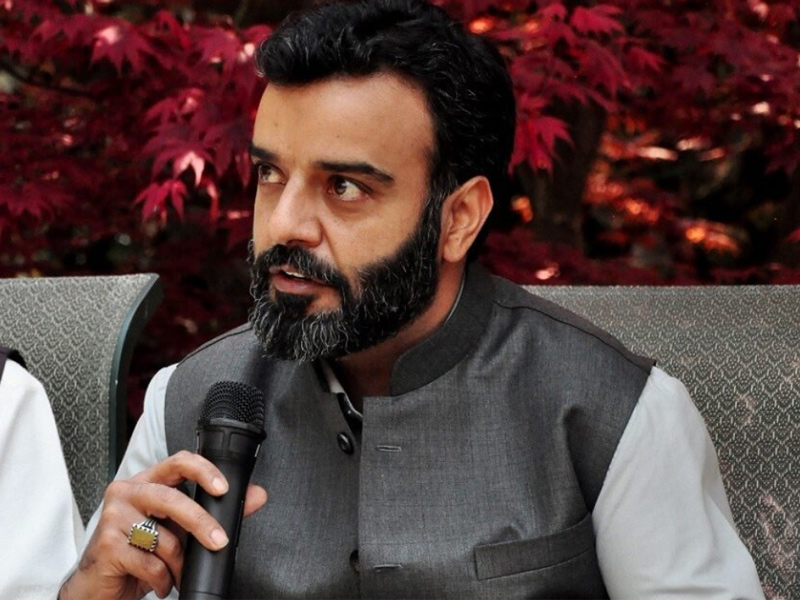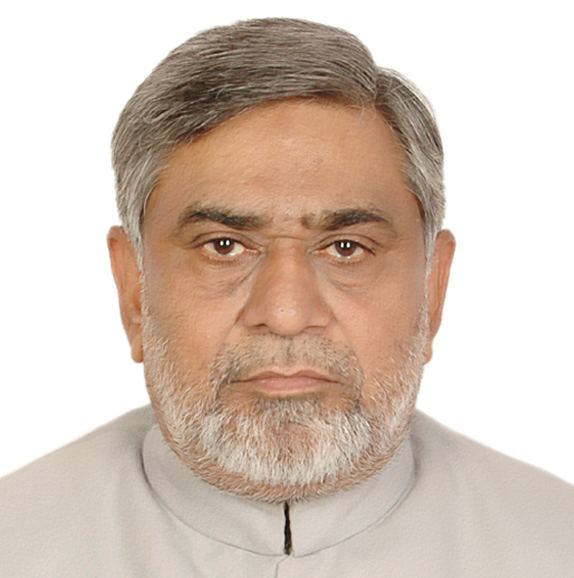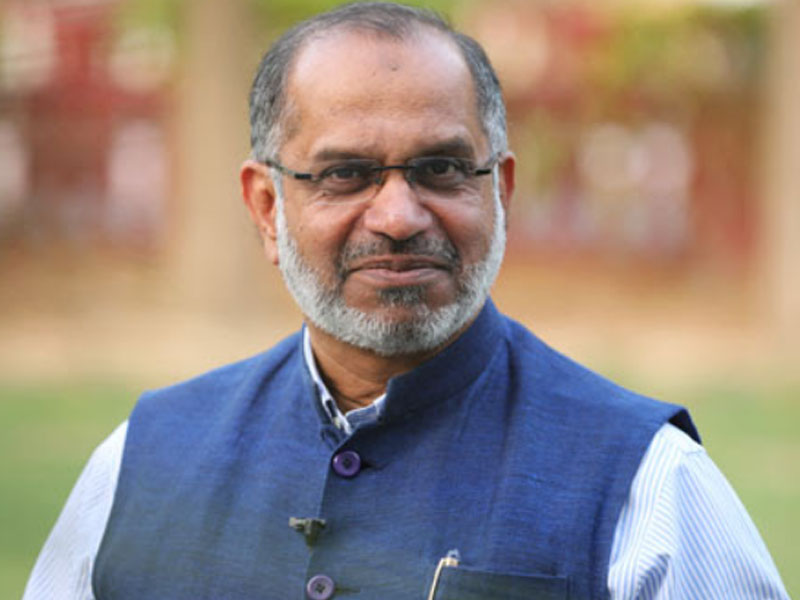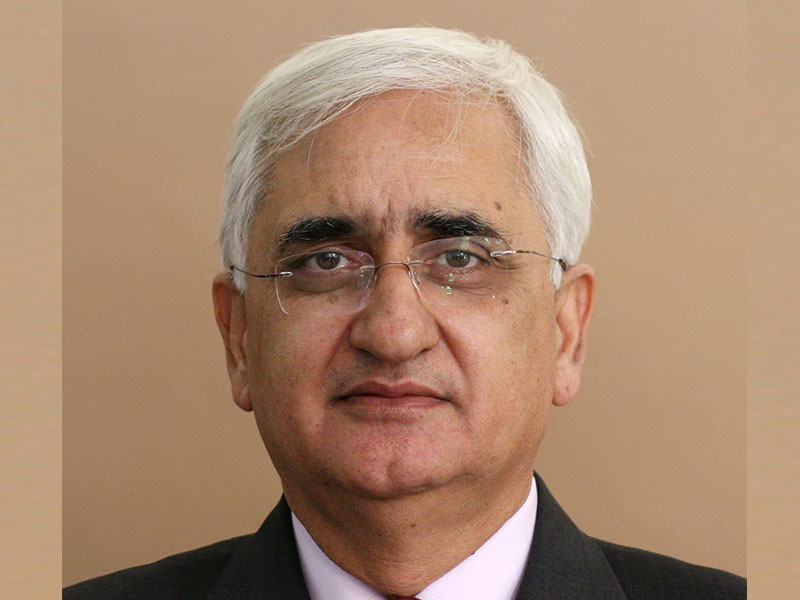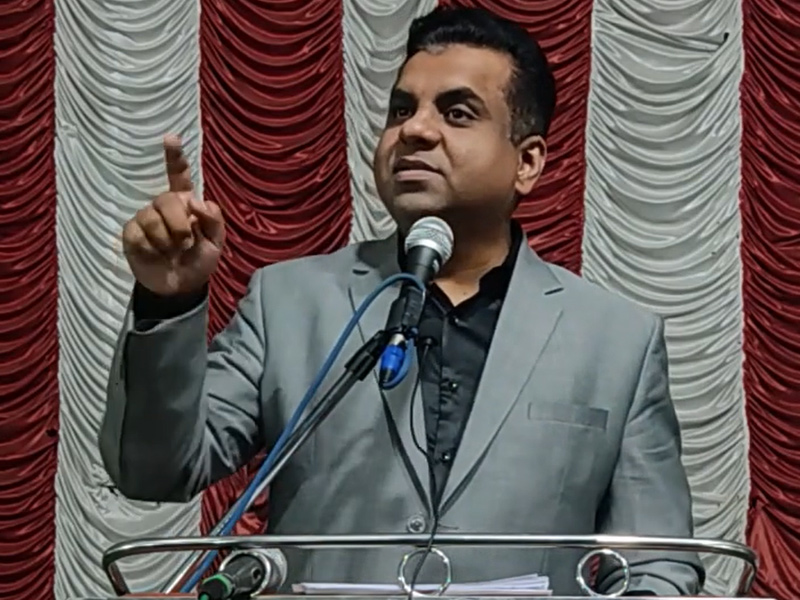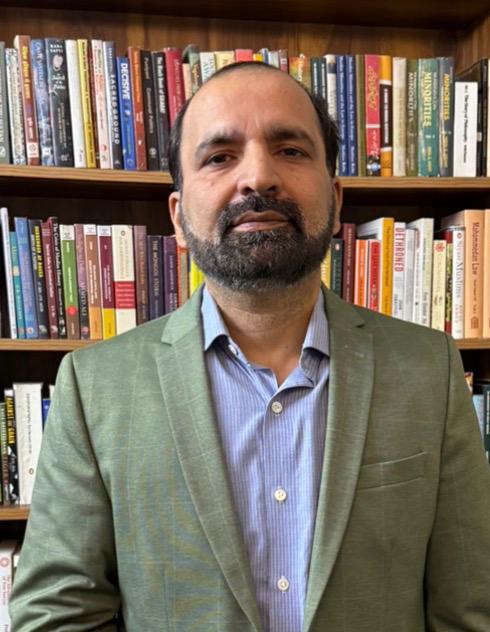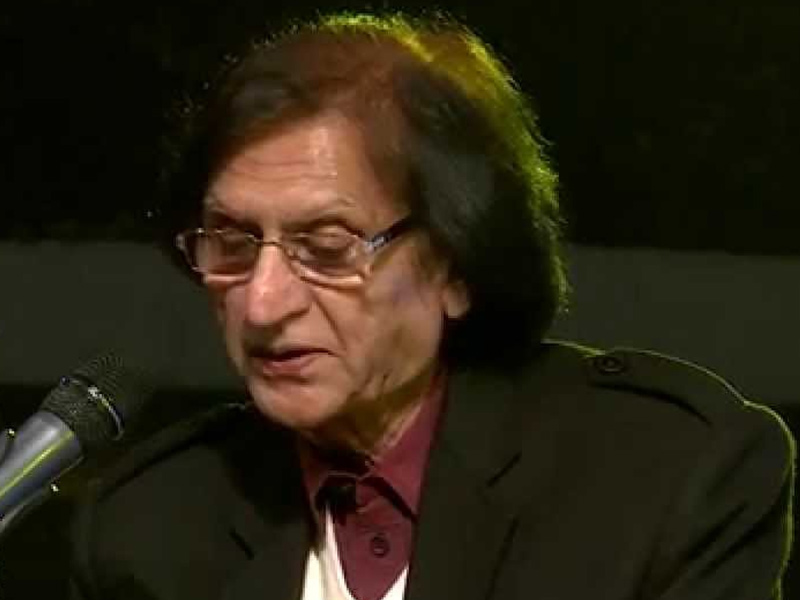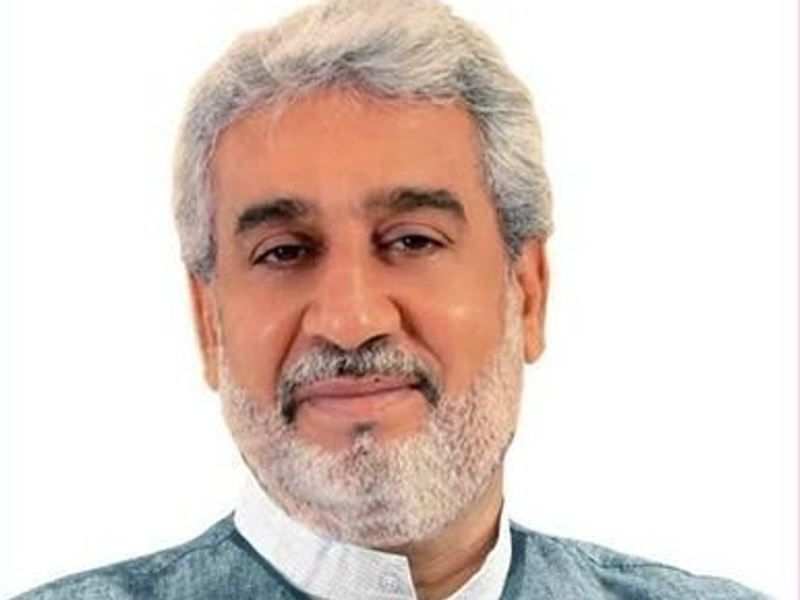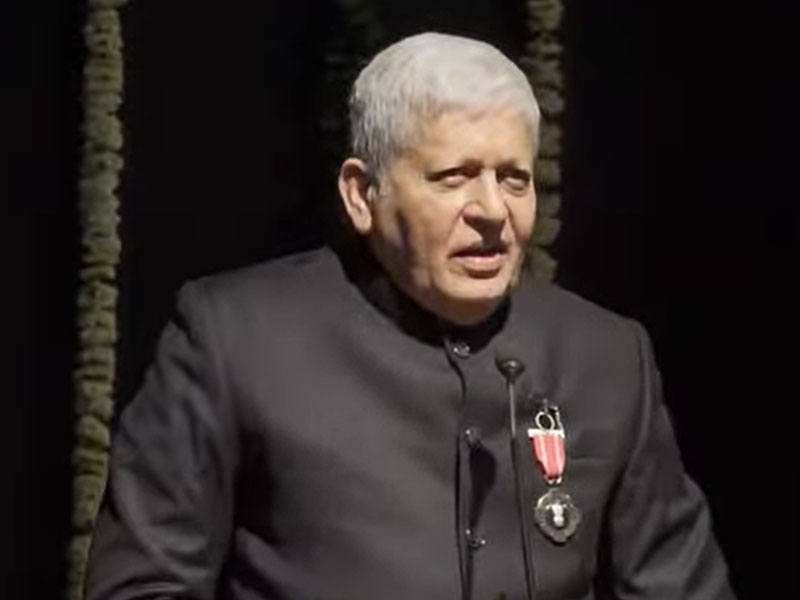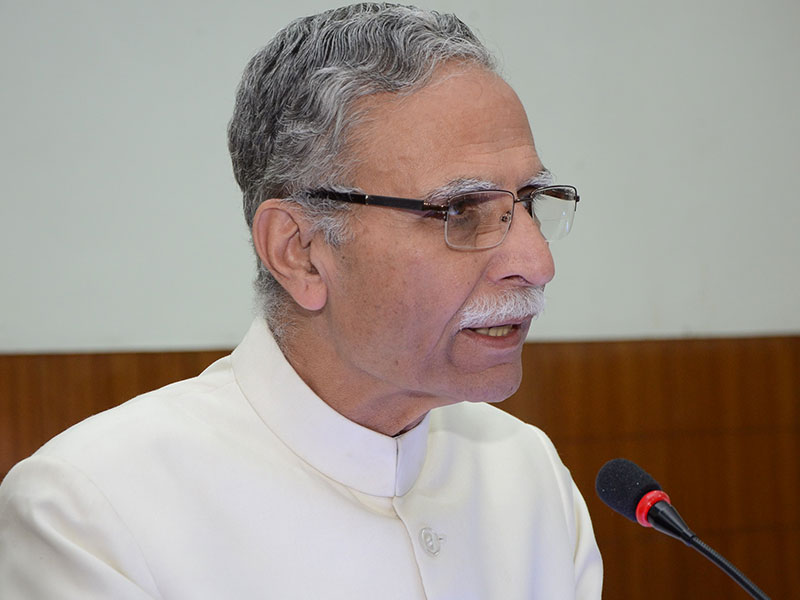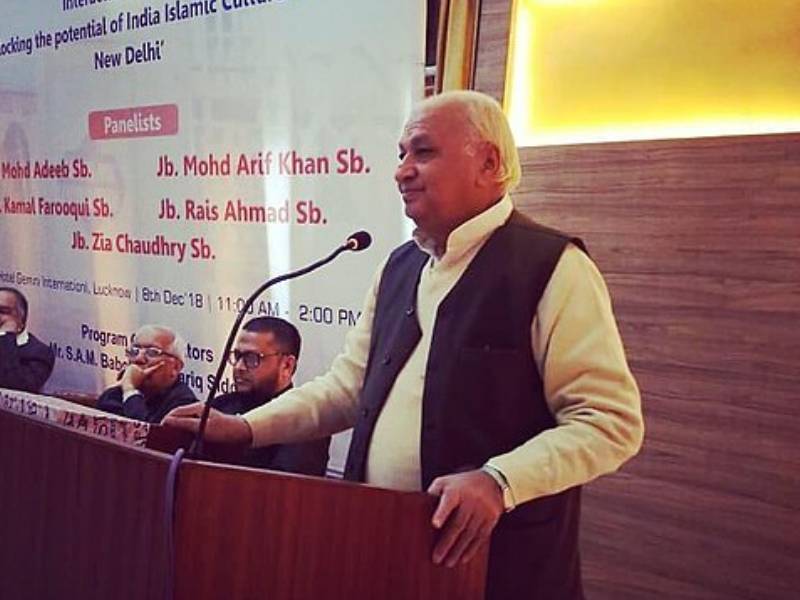
Arif Mohammad Khan: Politician
Arif Mohammad Khan (born in 1951) is a prominent Indian politician and former Union Minister, best known for his firm stance on Shah Bano issue. Born in the village of Bijnor in Uttar Pradesh, Khan emerged as an influential political figure with a background in both Islamic theology and modern political thought. His early education at Aligarh Muslim University (AMU) was followed by his active involvement in student politics, where he became a prominent leader in the National Students' Union of India (NSUI).
Khan first entered the national political scene as a member of the Indian National Congress and was elected to the Lok Sabha (the lower house of Parliament) in 1980. He went on to serve in various ministerial positions, including as the Minister of State for Communications and Minister of State for Civil Aviation during his tenure. He was particularly known for his candid stance on several key national issues, notably his principled opposition to the Shah Bano case judgment, which sparked national debate over the role of personal laws in India’s legal system.
In 1986, following his resignation from the Congress party, Arif Mohammad Khan emerged as a vocal advocate for the preservation of India’s secular constitution and the separation of religion from politics. He joined the Bharatiya Janata Party (BJP) in the 1990s and continued to advocate for reforms in both political and social spheres.
Apart from his political career, Khan is known for his scholarly work, particularly on Islamic thought, interfaith dialogue, and the integration of Islam with modern democratic values. Many of his writings have appeared in Organiser Weekly, a publication associated with the Rashtriya Swayamsevak Sangh (RSS). Khan is often considered to have a close relationship with the RSS leadership, and he has expressed support for certain aspects of Hindu nationalist ideology. His association with the RSS has been a subject of discussion, as he advocates for a vision of India that aligns with the ideals promoted by the RSS.
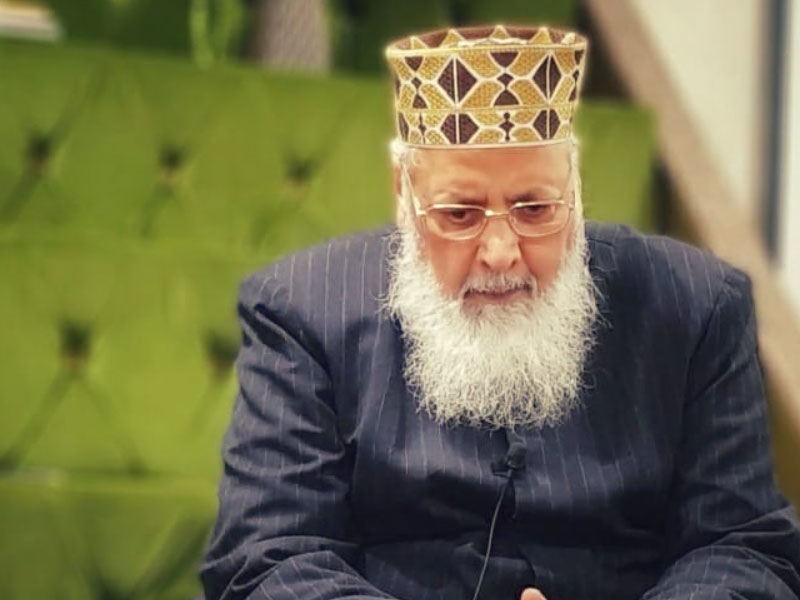
Qumruzzama Azmi: Islamic Scholar
Qumruzzama Azmi (born 1946) widely respected as Maulana Azmi, is a distinguished Islamic scholar and one of the most influential voices in contemporary Islamic thought and leadership. Born in Azamgarh, Uttar Pradesh, India, in 1946, he received his early Islamic education at the esteemed Al Jamiatul Ashrafia, Mubarakpur, where he excelled in Islamic jurisprudence, theology, and Arabic literature.
Maulana Azmi’s profound understanding of Islamic teachings, coupled with his eloquence and insight, quickly earned him a reputation as a dynamic leader. His efforts to bridge gaps between communities and promote Islamic values in modern contexts have made him a sought-after scholar worldwide.
Azmi has dedicated much of his life to serving the Muslim community globally. He is closely associated with the World Islamic Mission (WIM), a prominent organization committed to promoting unity among Muslims and addressing the challenges they face. As the General Secretary of WIM, he has played a pivotal role in establishing mosques, Islamic centers, and educational institutions in various countries, particularly in Europe and North America.
An ardent advocate of peaceful coexistence, Maulana Azmi emphasizes the importance of interfaith dialogue and communal harmony. His lectures and writings have inspired countless Muslims to uphold the principles of justice, compassion, and ethical conduct.
Maulana Azmi is also deeply committed to the socio-economic upliftment of marginalized communities. He has initiated programs for education, healthcare, and poverty alleviation, ensuring the integration of Islamic values with humanitarian service.
Despite his international commitments, he remains rooted in his scholarship, dedicating time to writing, teaching, and guiding students of Islamic sciences. His intellectual contributions and spiritual leadership continue to influence generations of Muslims worldwide.
Qumruzzama Azmi’s legacy is one of knowledge, service, and unwavering dedication to the cause of Islam and humanity.