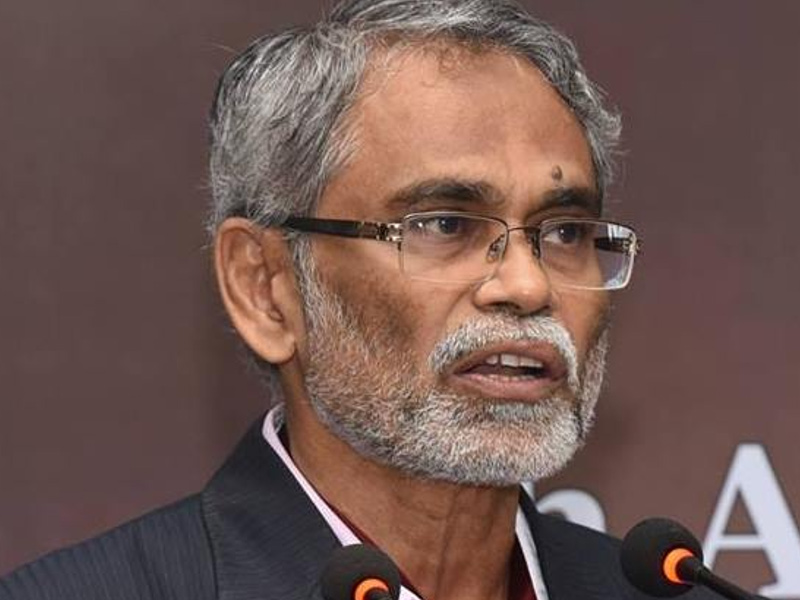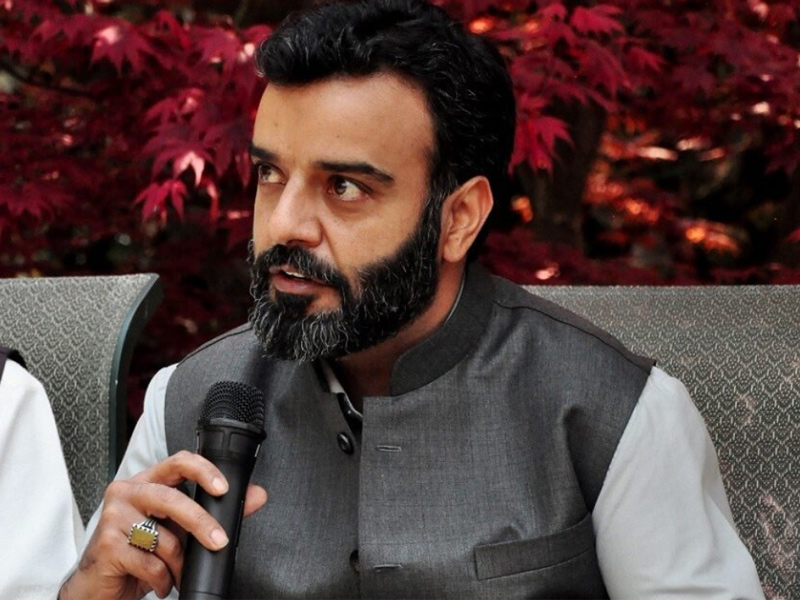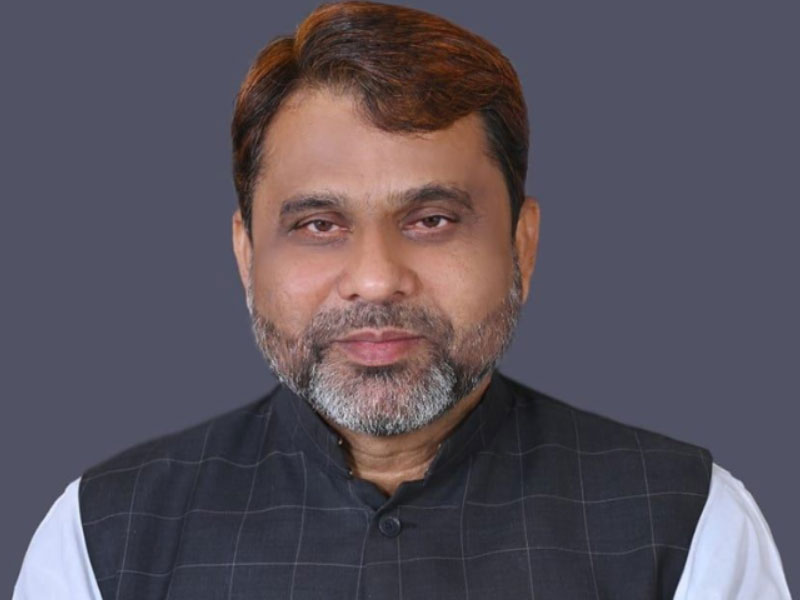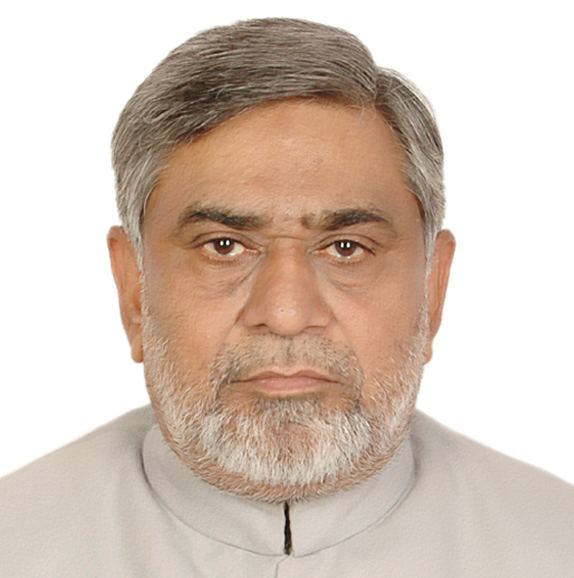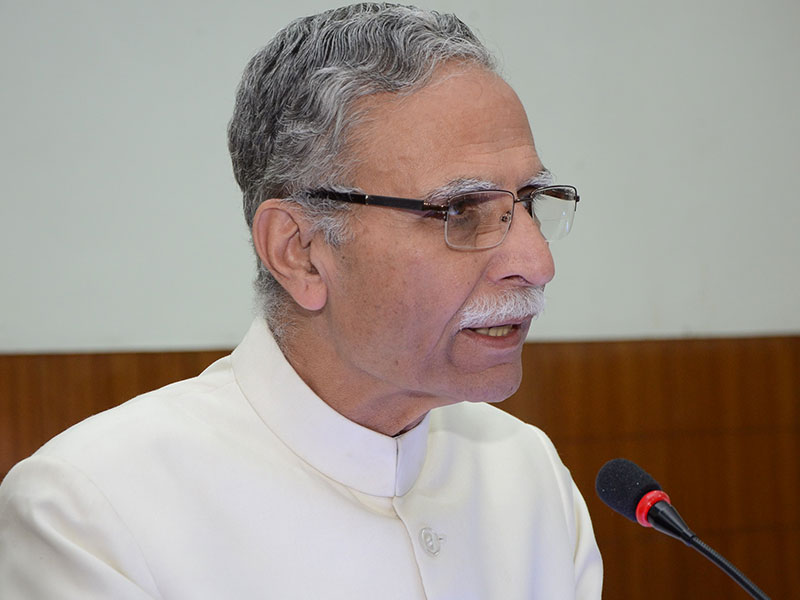
Abu Asim Azmi: Politician
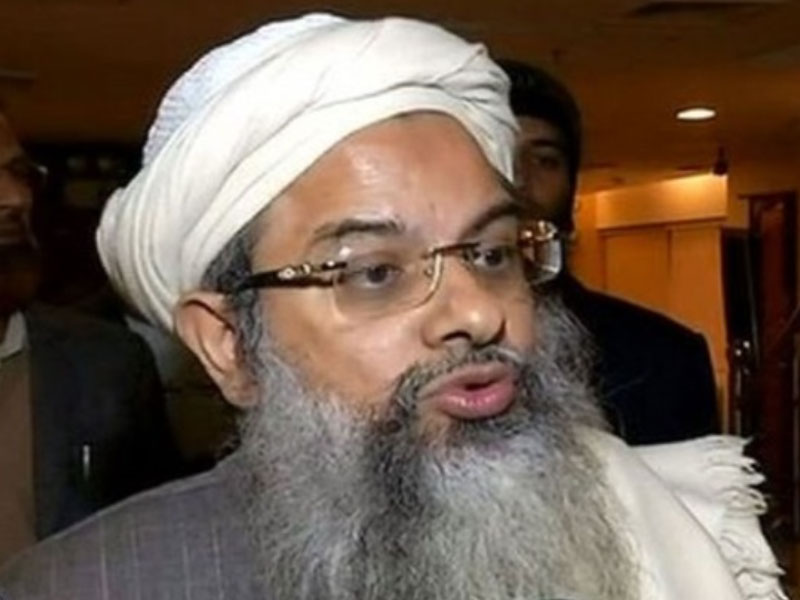
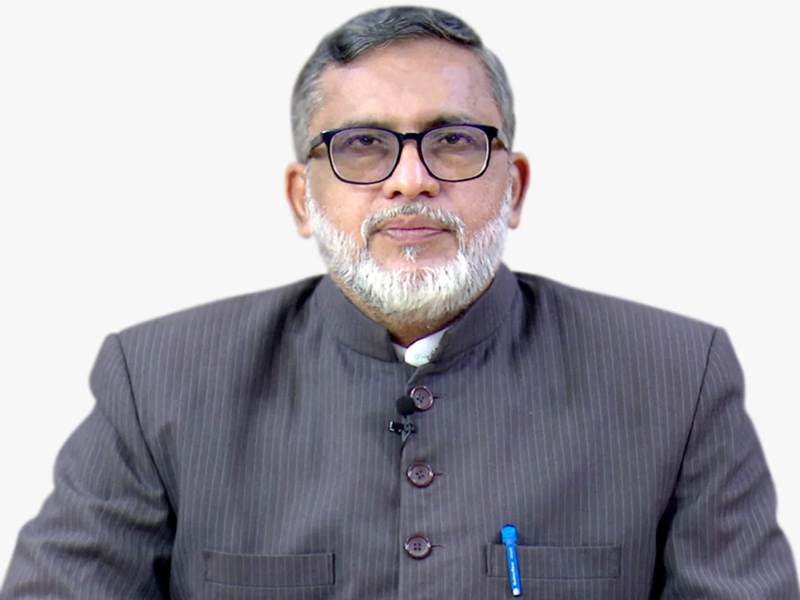
Abu Asim Azmi (born in 1955) in Azamgarh, Uttar Pradesh, is a seasoned Indian politician and a prominent member of the Samajwadi Party (SP). Known for his unwavering commitment to social justice and minority rights, Azmi has been an influential figure in Maharashtra politics and a vocal advocate for the Muslim community.
Azmi's political journey began in the early 1990s when he joined the Samajwadi Party, a party known for its socialist principles and focus on the welfare of marginalized communities. His deep-rooted connection to his constituents and his ability to address their concerns quickly earned him a reputation as a dedicated and effective leader.
Throughout his career, Azmi has held several key positions within the party and the government. He has been elected multiple times to the Maharashtra Legislative Assembly, representing the Mankhurd-Shivaji Nagar constituency. As a legislator, Azmi has been a vocal advocate for education, employment, and social welfare programs aimed at uplifting the economically and socially disadvantaged.
One of Azmi's most notable contributions has been his relentless efforts to improve the educational infrastructure for minorities. He has been instrumental in establishing schools and colleges that provide quality education to underprivileged students, thereby enabling them to pursue higher education and secure better career opportunities. His focus on education reflects his belief that it is the key to empowering communities and breaking the cycle of poverty.
Azmi has also been a staunch defender of minority rights and has often raised his voice against discrimination and injustice. His outspoken stance on issues affecting the Muslim community has made him a significant figure in national debates on secularism, communal harmony, and social justice. He has participated in numerous protests and advocacy campaigns, calling for equal treatment and opportunities for all citizens, regardless of their religious or socio-economic background.
Despite facing political challenges and controversies, Azmi's dedication to his principles and his community has remained steadfast. His resilience and ability to connect with people from diverse backgrounds have earned him a loyal following and respect across party lines.
Abu Asim Azmi's contributions to Indian politics, particularly his advocacy for minority rights and educational development, highlight his enduring commitment to social justice and equality.
His leadership continues to inspire many, as he strives to create a more inclusive and equitable society.

Qumruzzama Azmi: Islamic Scholar
Qumruzzama Azmi (born 1946) widely respected as Maulana Azmi, is a distinguished Islamic scholar and one of the most influential voices in contemporary Islamic thought and leadership. Born in Azamgarh, Uttar Pradesh, India, in 1946, he received his early Islamic education at the esteemed Al Jamiatul Ashrafia, Mubarakpur, where he excelled in Islamic jurisprudence, theology, and Arabic literature.
Maulana Azmi’s profound understanding of Islamic teachings, coupled with his eloquence and insight, quickly earned him a reputation as a dynamic leader. His efforts to bridge gaps between communities and promote Islamic values in modern contexts have made him a sought-after scholar worldwide.
Azmi has dedicated much of his life to serving the Muslim community globally. He is closely associated with the World Islamic Mission (WIM), a prominent organization committed to promoting unity among Muslims and addressing the challenges they face. As the General Secretary of WIM, he has played a pivotal role in establishing mosques, Islamic centers, and educational institutions in various countries, particularly in Europe and North America.
An ardent advocate of peaceful coexistence, Maulana Azmi emphasizes the importance of interfaith dialogue and communal harmony. His lectures and writings have inspired countless Muslims to uphold the principles of justice, compassion, and ethical conduct.
Maulana Azmi is also deeply committed to the socio-economic upliftment of marginalized communities. He has initiated programs for education, healthcare, and poverty alleviation, ensuring the integration of Islamic values with humanitarian service.
Despite his international commitments, he remains rooted in his scholarship, dedicating time to writing, teaching, and guiding students of Islamic sciences. His intellectual contributions and spiritual leadership continue to influence generations of Muslims worldwide.
Qumruzzama Azmi’s legacy is one of knowledge, service, and unwavering dedication to the cause of Islam and humanity.