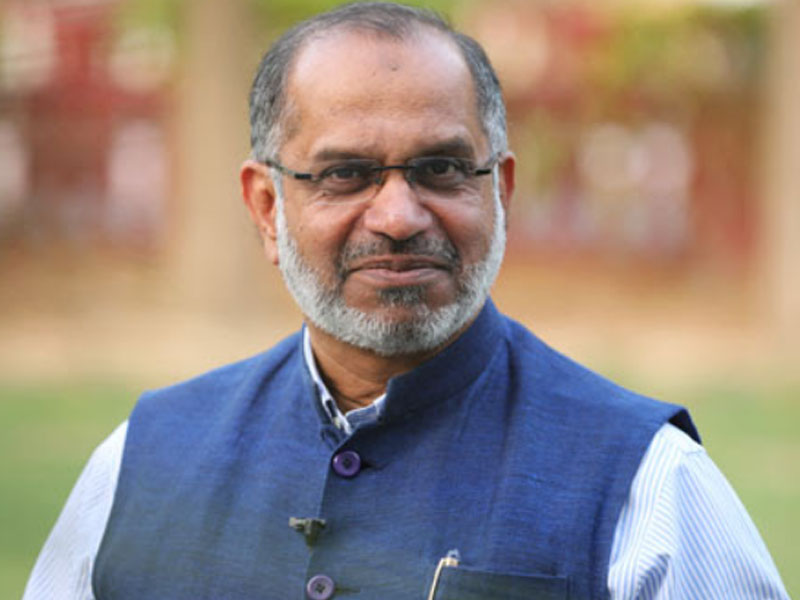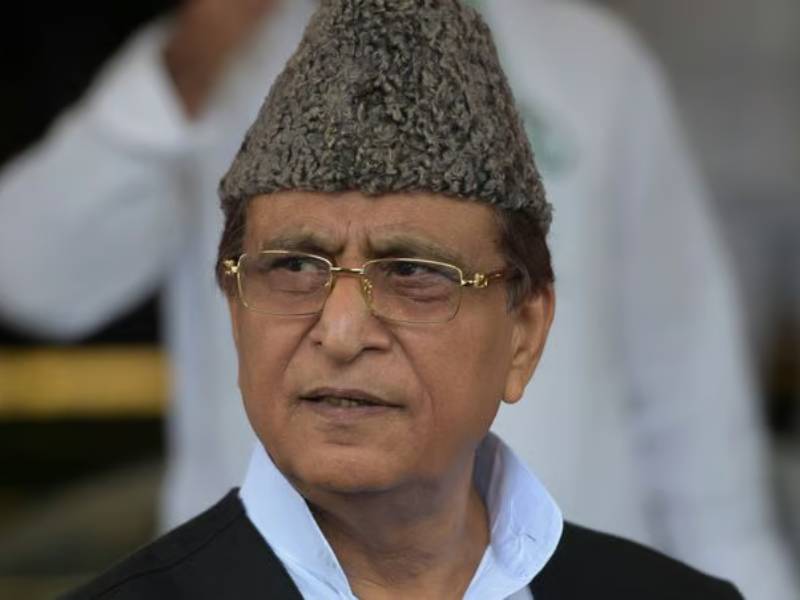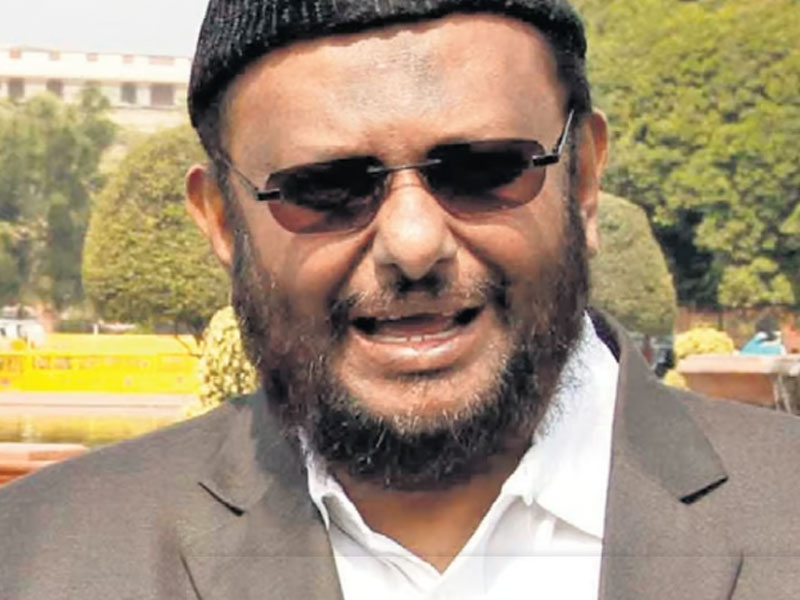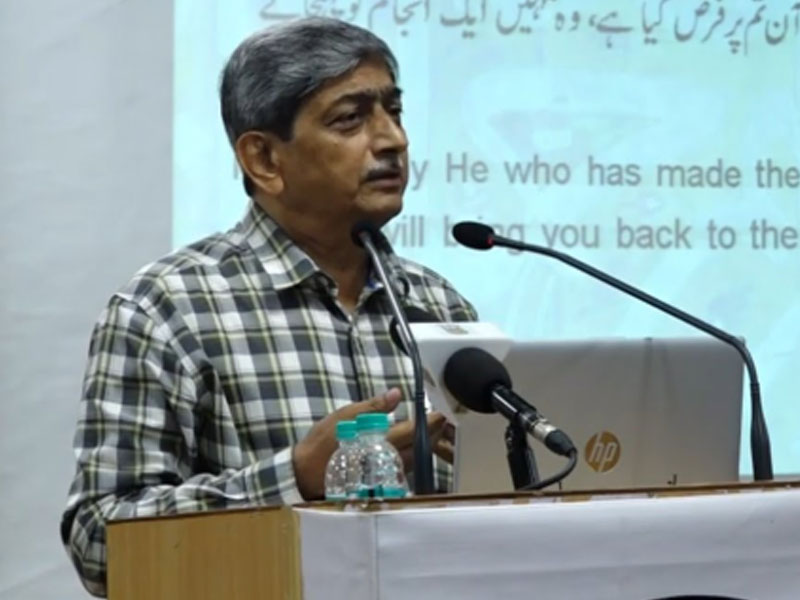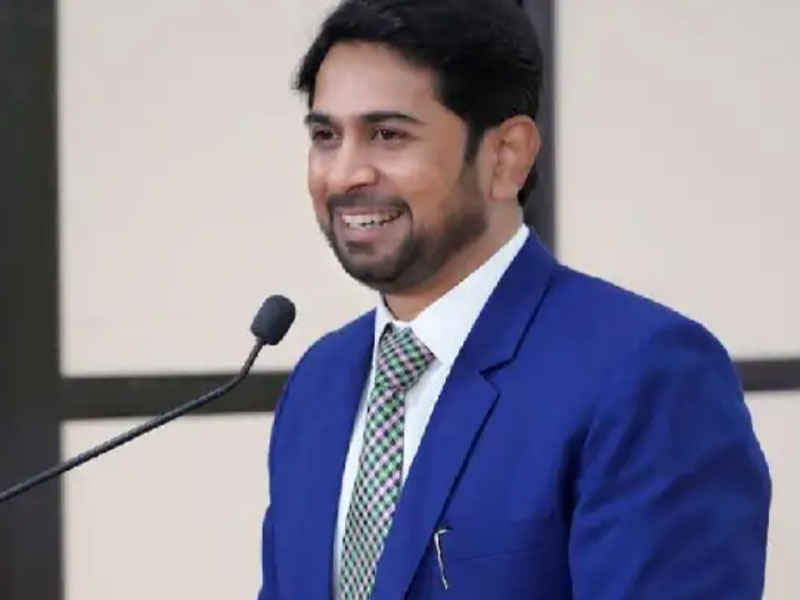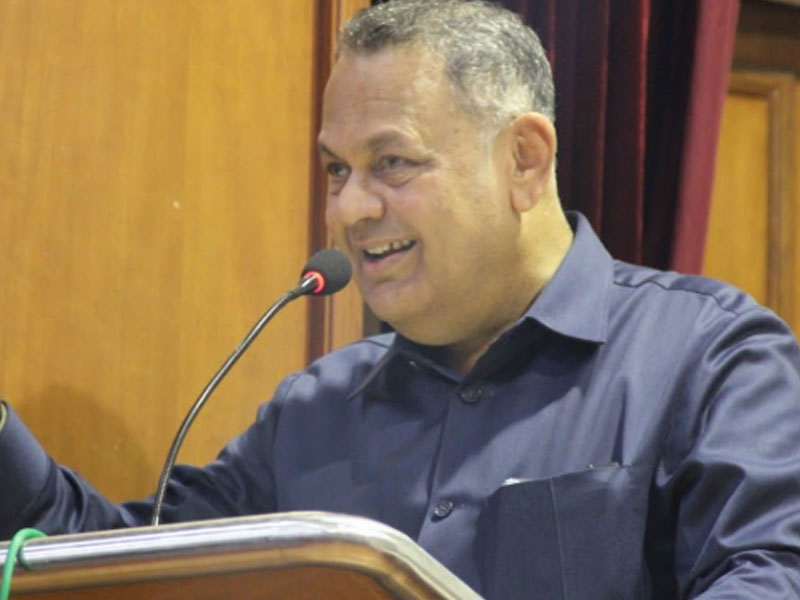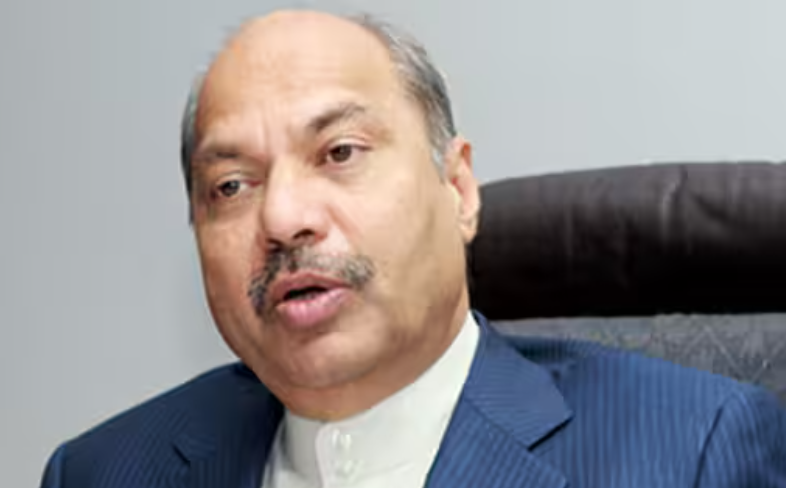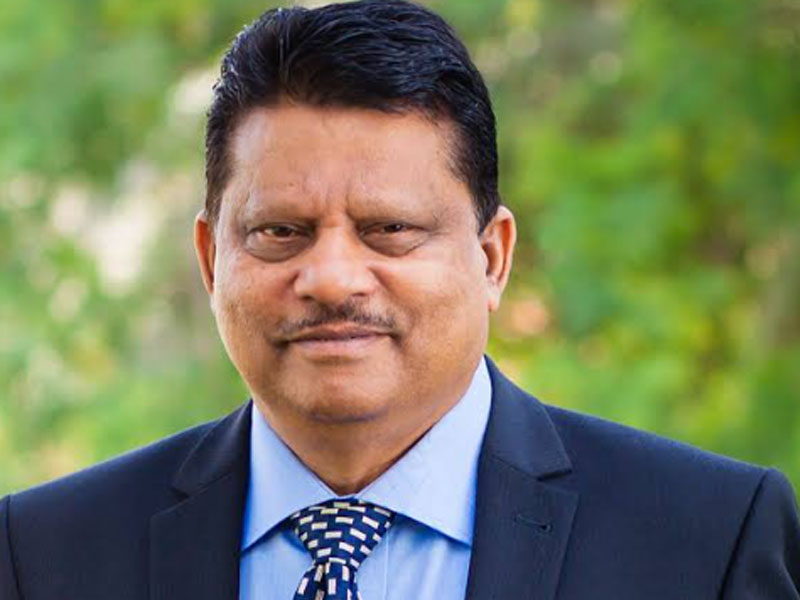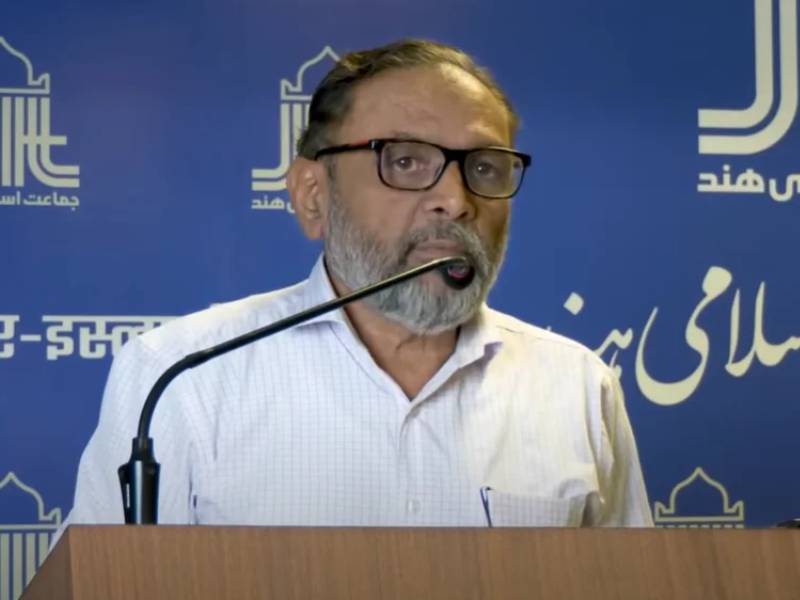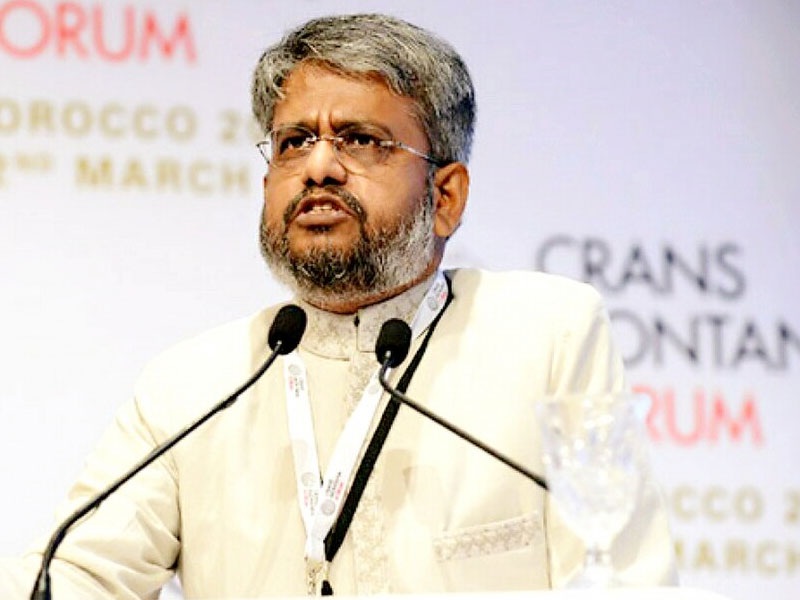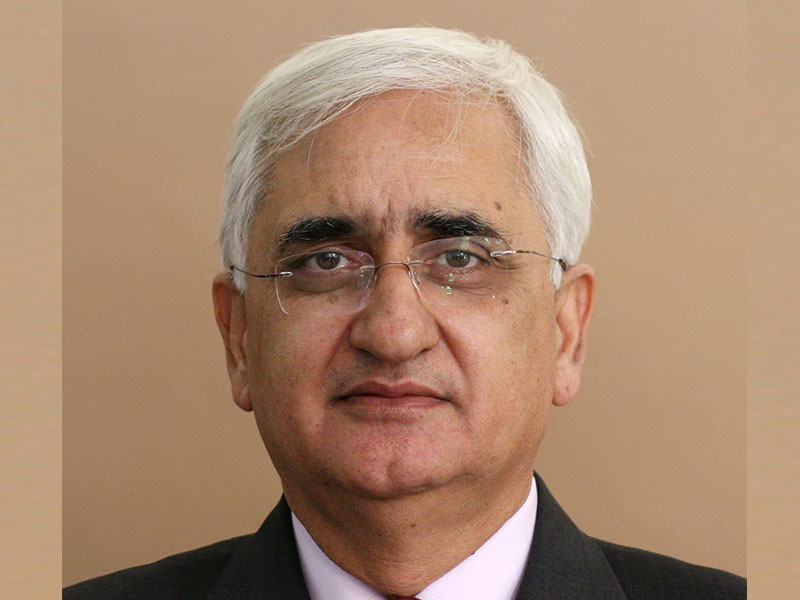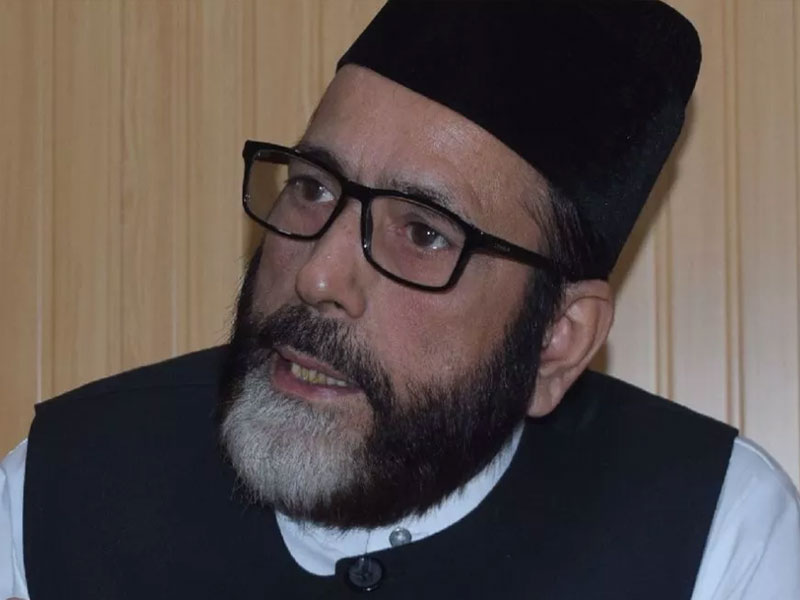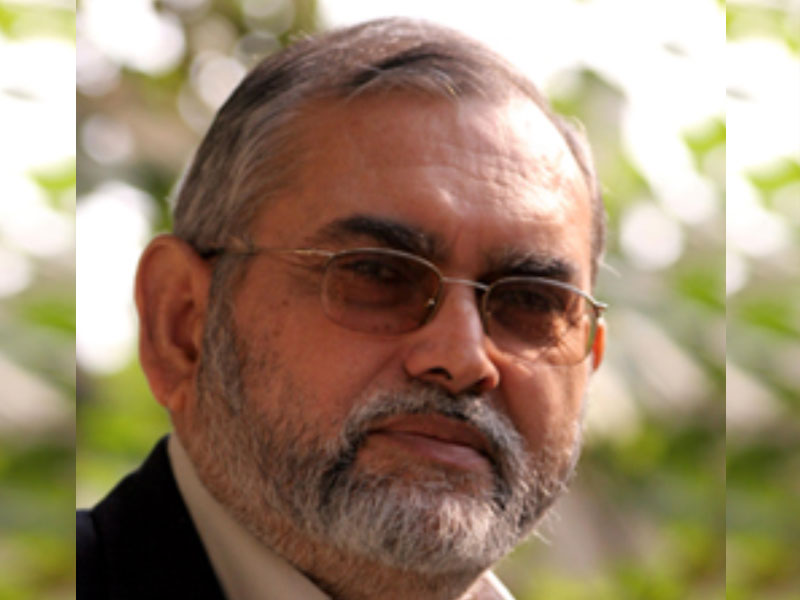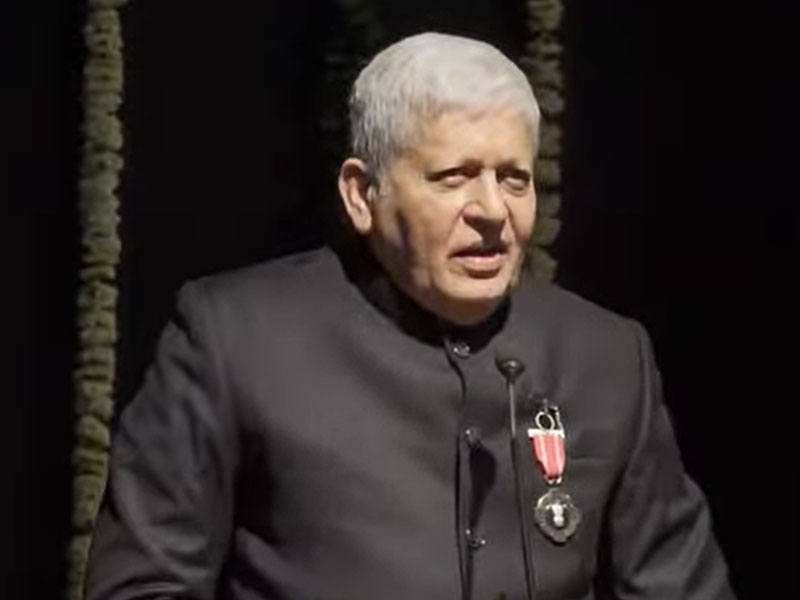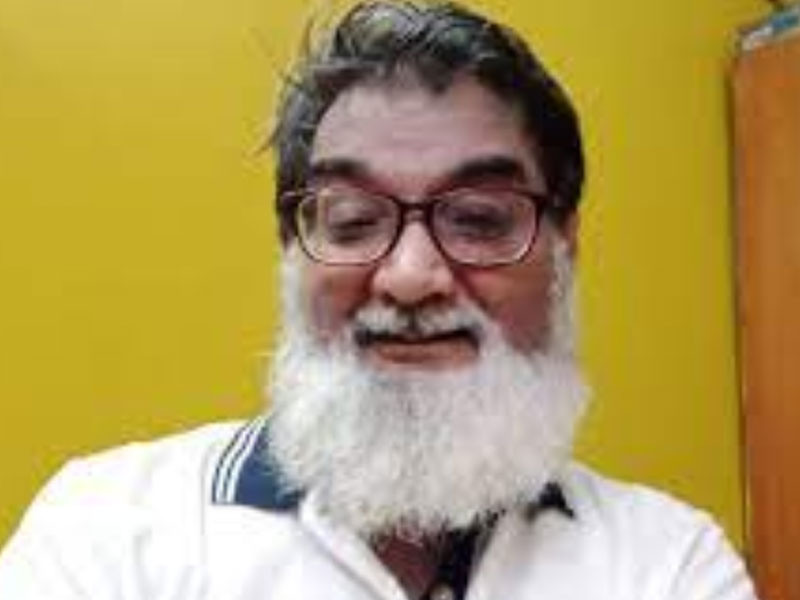
Ziya Us Salam: Journalist/ Author
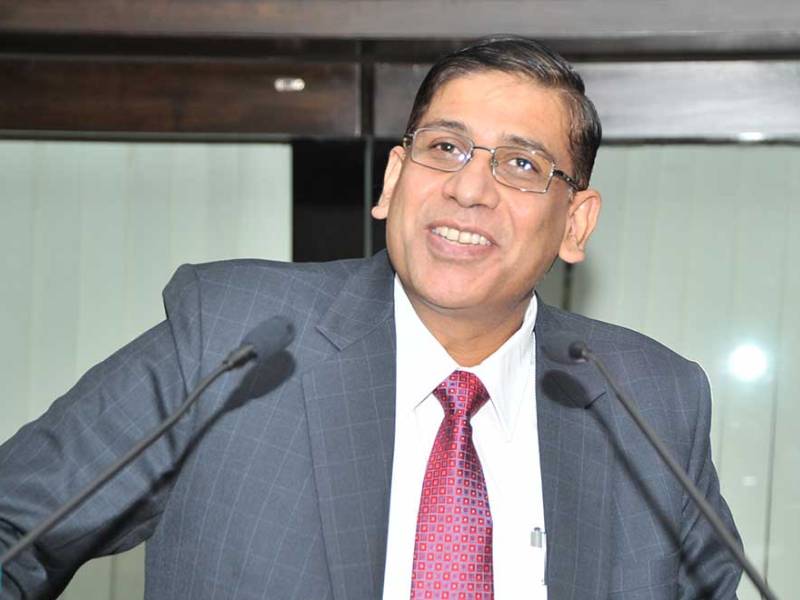
Ziya Us Salam (born in 1970) is a distinguished Indian author, literary critic, journalist, and social commentator. With a career spanning nearly three decades, Salam has become a prominent voice on sociocultural issues, literature, and the challenges faced by India's Muslim community.
Born into a family with an Islamic scholarly lineage, Salam’s father, Mufti Abdul Dayem Sahab, was a renowned Islamic scholar and hadith translator. After his father’s demise in 1983, Salam, his mother, and his sister moved to Delhi, where he pursued his education. He studied at Bluebells School International and later attended a convent school. Salam’s intellectual journey continued at St. Stephen's College, University of Delhi, where he earned a degree in History.
From an early age, Salam exhibited a passion for writing and journalism. By grade seven, his first article was published, and his early initiative of compiling and distributing handwritten notes foreshadowed his future career. In 1995, he officially began his journey as a journalist, working with leading publications such as The Statesman, The Times of India, and The Pioneer. Before joining The Hindu he was Associate Editor of Frontline
Salam is also a prolific author. His book Till Talaq Do Us Part: Understanding Talaq, Triple Talaq and Khula (2018) received acclaim for its clarity and depth in addressing misconceptions about Islamic marital laws. In the same year, he authored Of Saffron Flags and Skullcaps: Hindutva, Muslim Identity and the Idea of India, critically exploring discrimination against Muslims in India.
Salam's latest book Being Muslim in Hindu India is painstakingly researched, that talks of the constant 'othering' of Muslims, using tactics of both peace and violence.
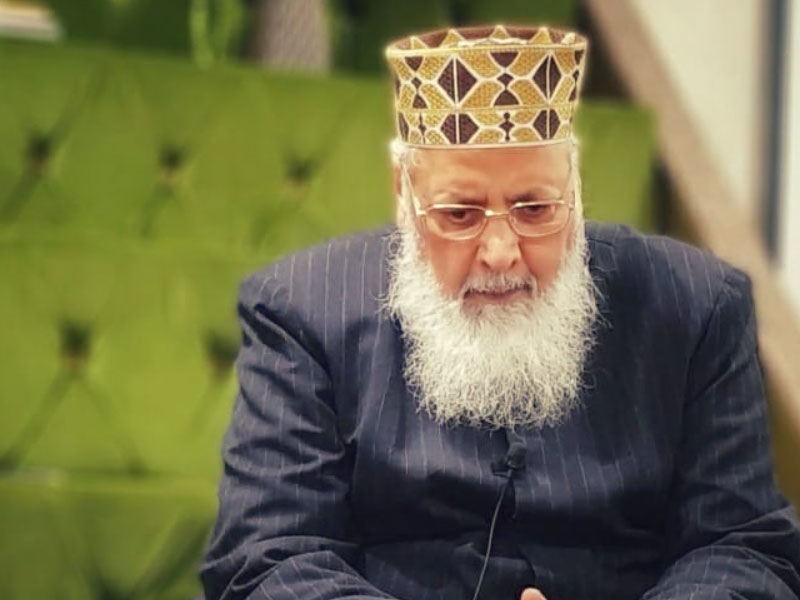
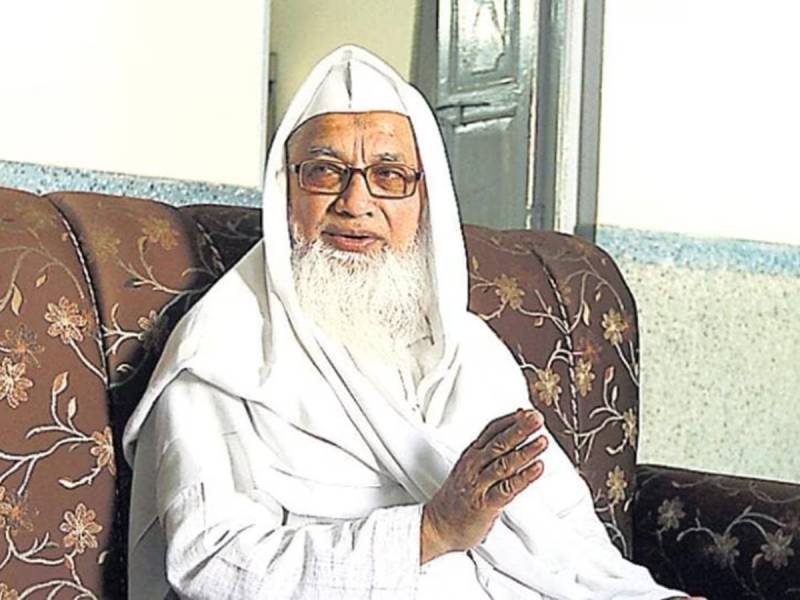
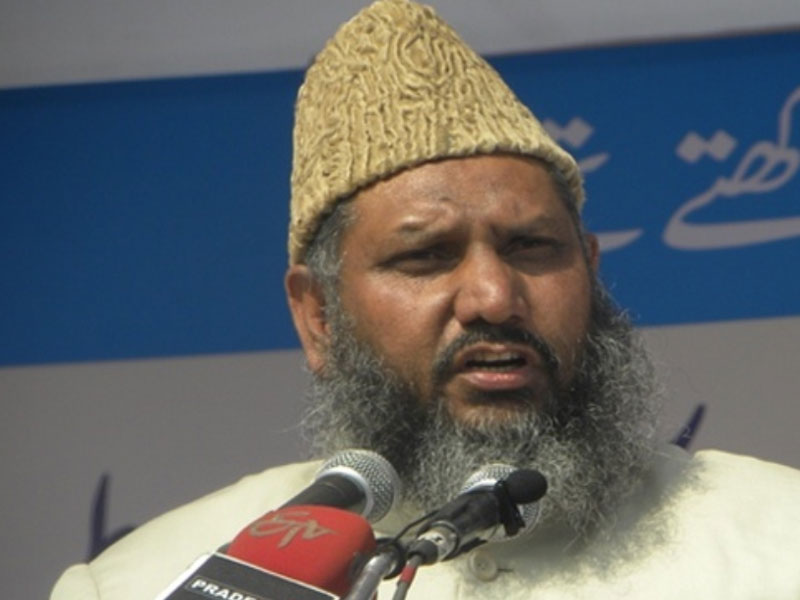
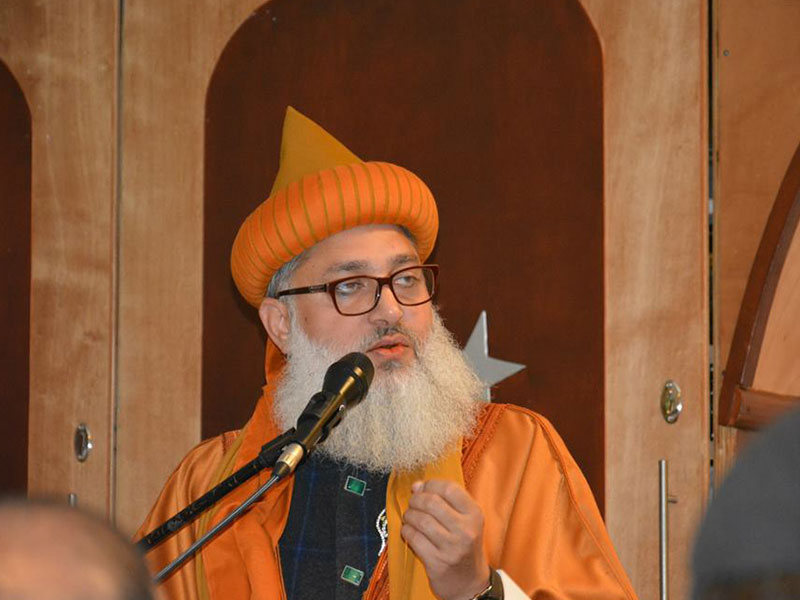
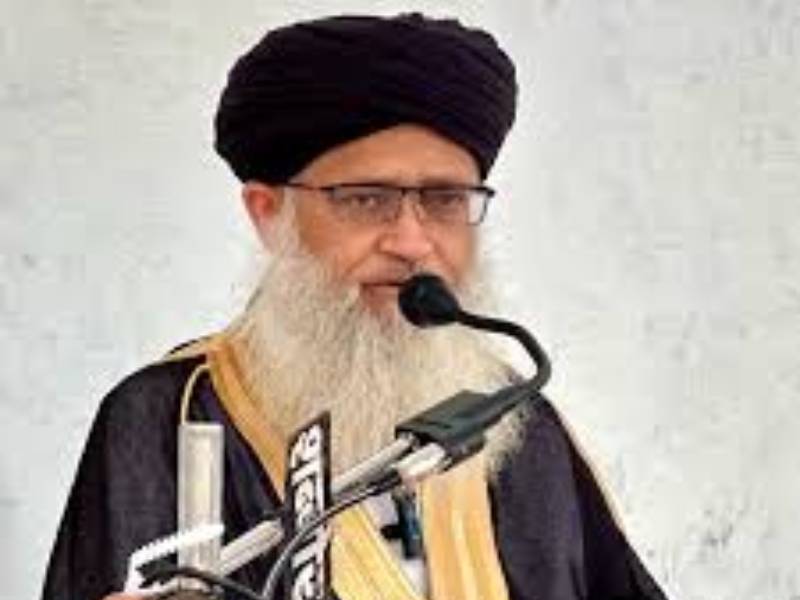
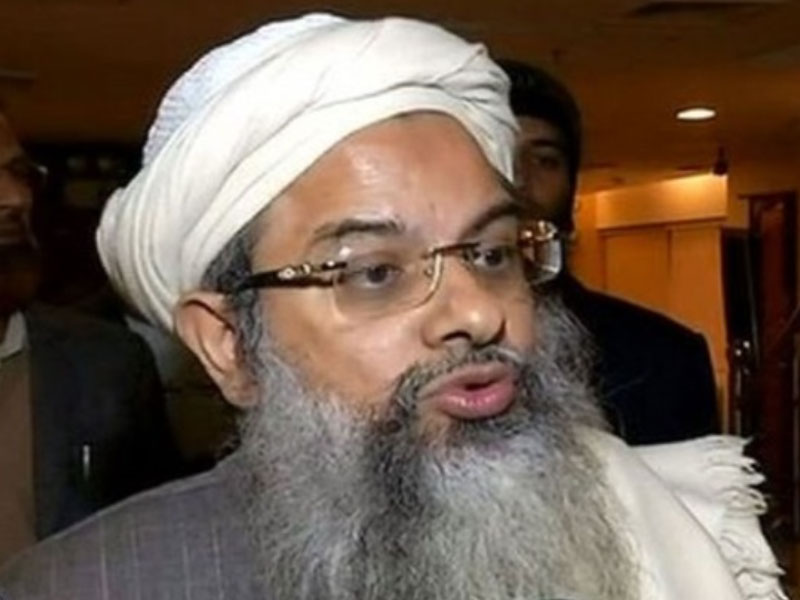
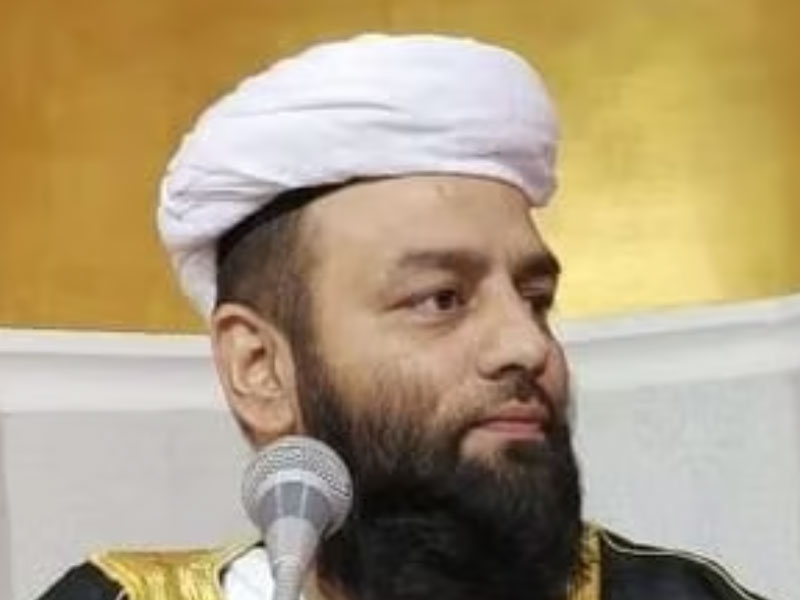
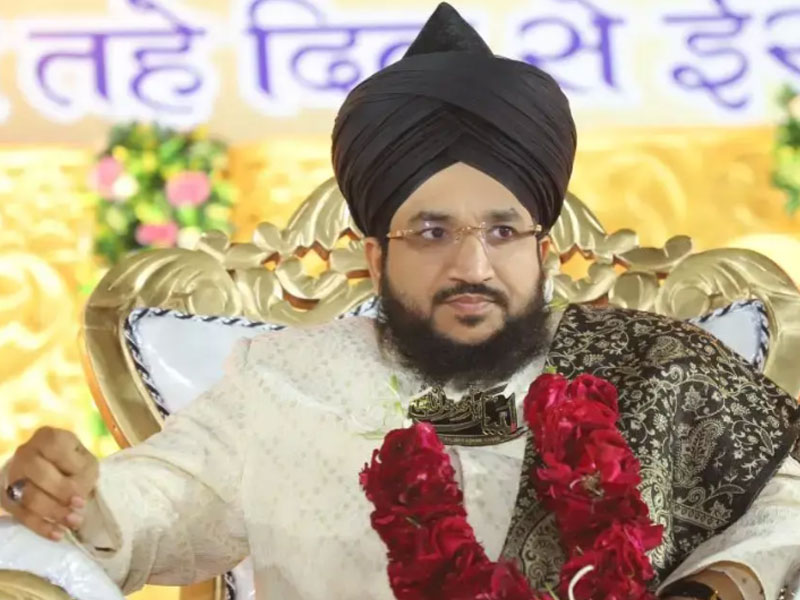
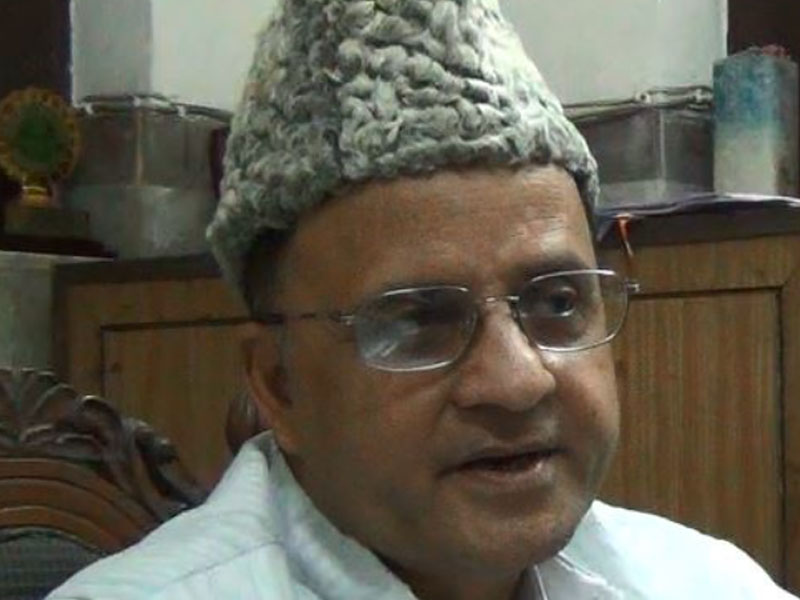
Qumruzzama Azmi: Islamic Scholar
Qumruzzama Azmi (born 1946) widely respected as Maulana Azmi, is a distinguished Islamic scholar and one of the most influential voices in contemporary Islamic thought and leadership. Born in Azamgarh, Uttar Pradesh, India, in 1946, he received his early Islamic education at the esteemed Al Jamiatul Ashrafia, Mubarakpur, where he excelled in Islamic jurisprudence, theology, and Arabic literature.
Maulana Azmi’s profound understanding of Islamic teachings, coupled with his eloquence and insight, quickly earned him a reputation as a dynamic leader. His efforts to bridge gaps between communities and promote Islamic values in modern contexts have made him a sought-after scholar worldwide.
Azmi has dedicated much of his life to serving the Muslim community globally. He is closely associated with the World Islamic Mission (WIM), a prominent organization committed to promoting unity among Muslims and addressing the challenges they face. As the General Secretary of WIM, he has played a pivotal role in establishing mosques, Islamic centers, and educational institutions in various countries, particularly in Europe and North America.
An ardent advocate of peaceful coexistence, Maulana Azmi emphasizes the importance of interfaith dialogue and communal harmony. His lectures and writings have inspired countless Muslims to uphold the principles of justice, compassion, and ethical conduct.
Maulana Azmi is also deeply committed to the socio-economic upliftment of marginalized communities. He has initiated programs for education, healthcare, and poverty alleviation, ensuring the integration of Islamic values with humanitarian service.
Despite his international commitments, he remains rooted in his scholarship, dedicating time to writing, teaching, and guiding students of Islamic sciences. His intellectual contributions and spiritual leadership continue to influence generations of Muslims worldwide.
Qumruzzama Azmi’s legacy is one of knowledge, service, and unwavering dedication to the cause of Islam and humanity.