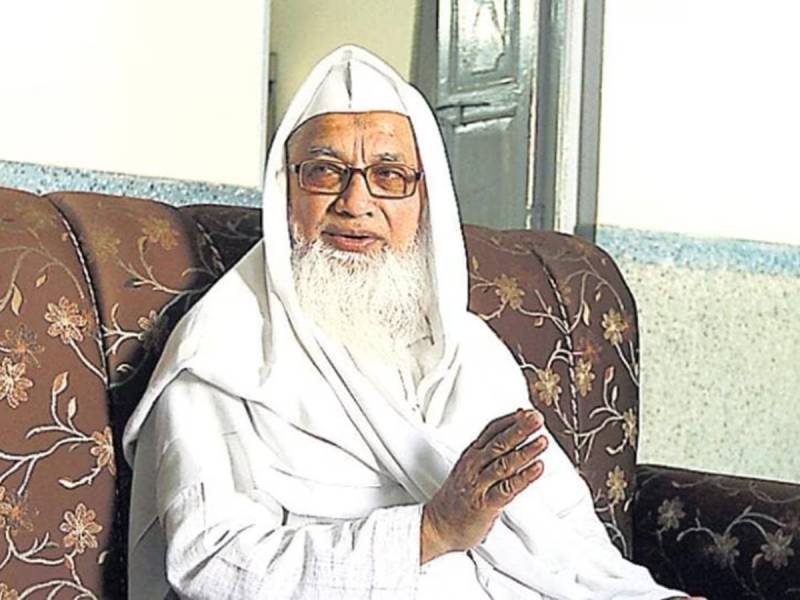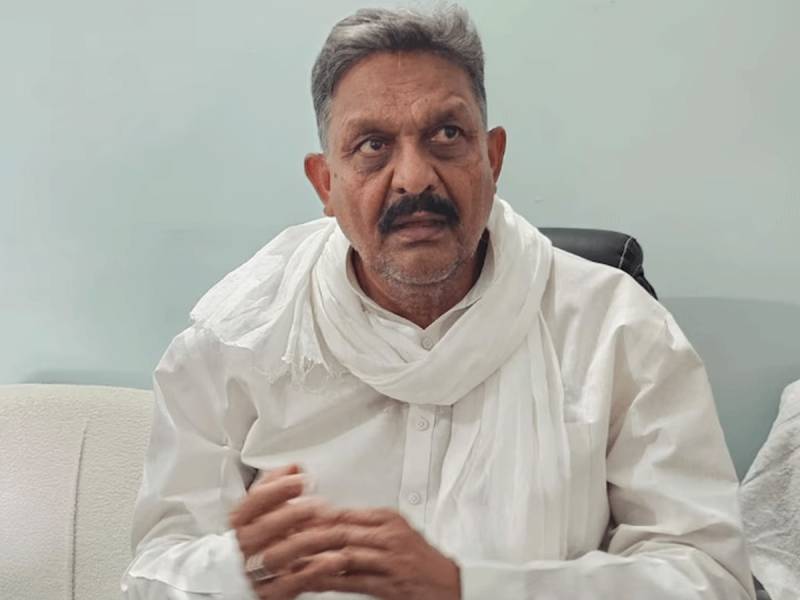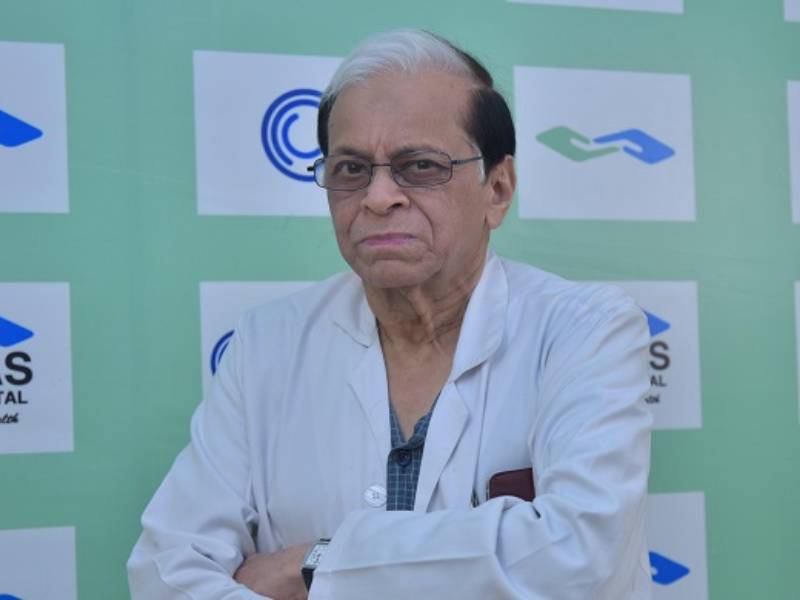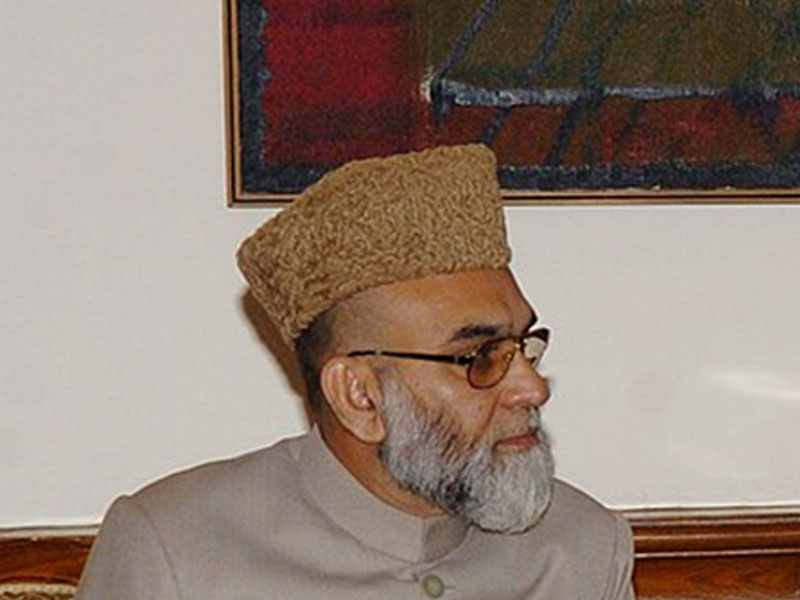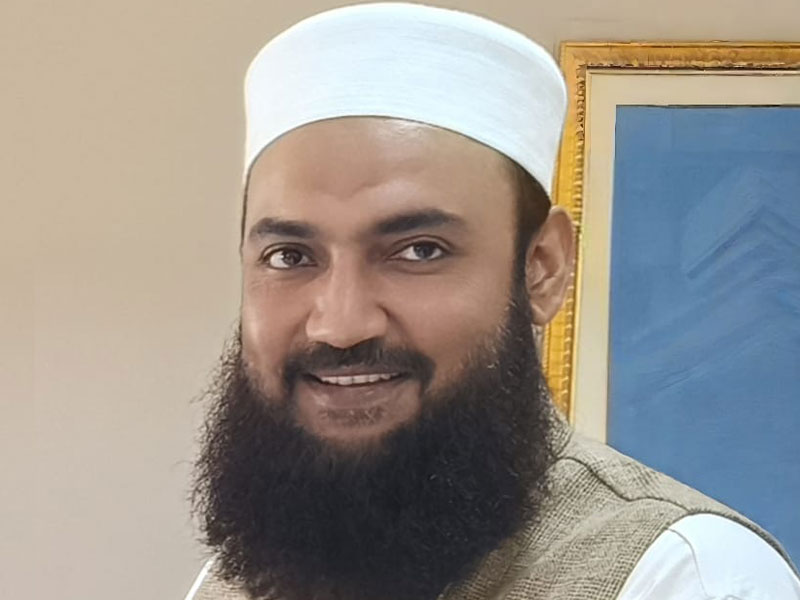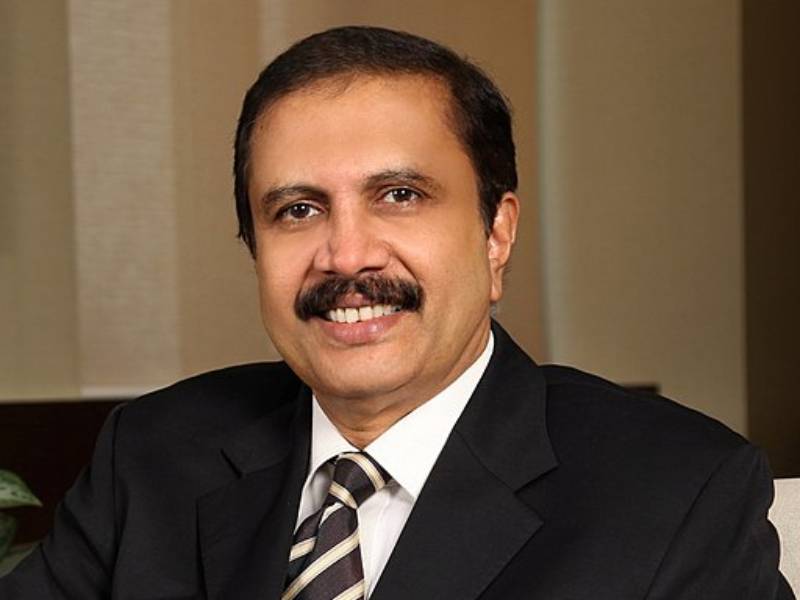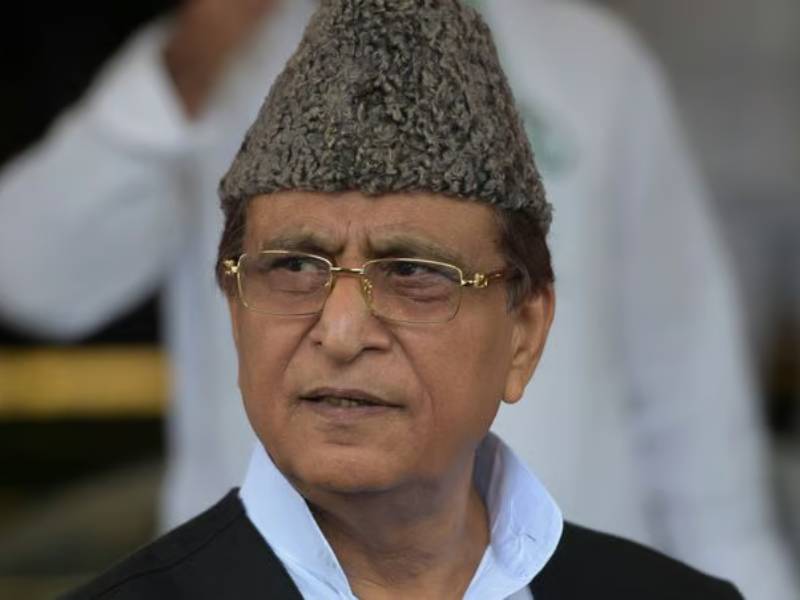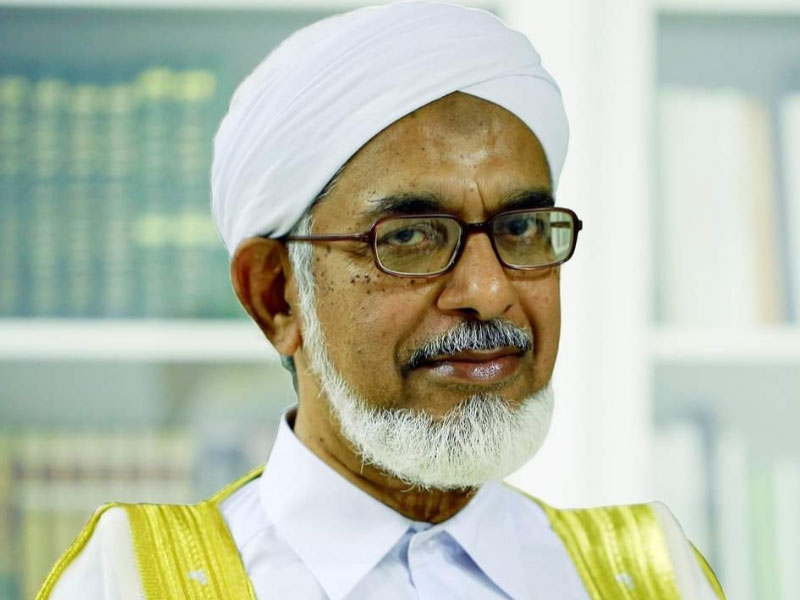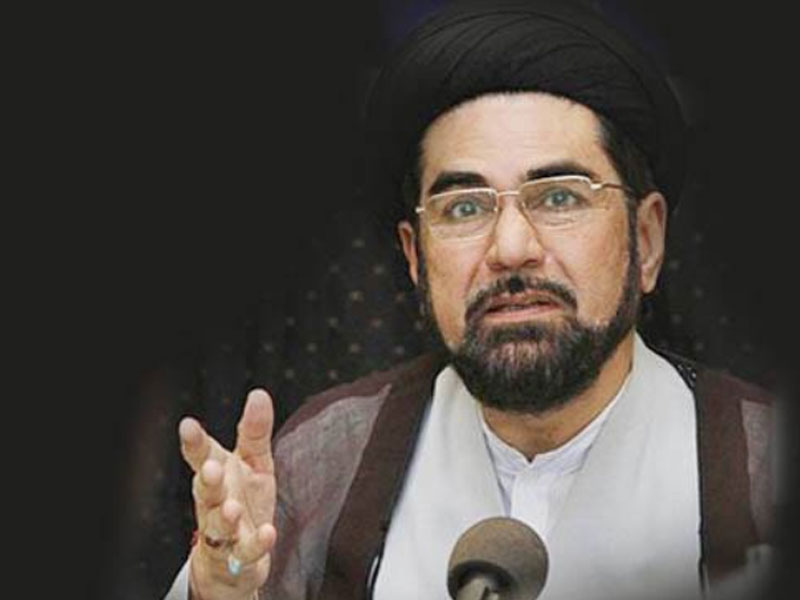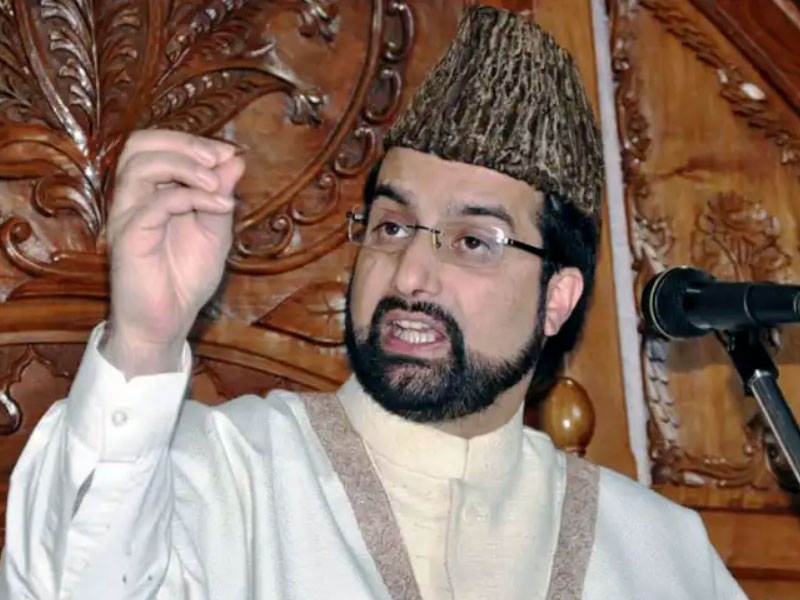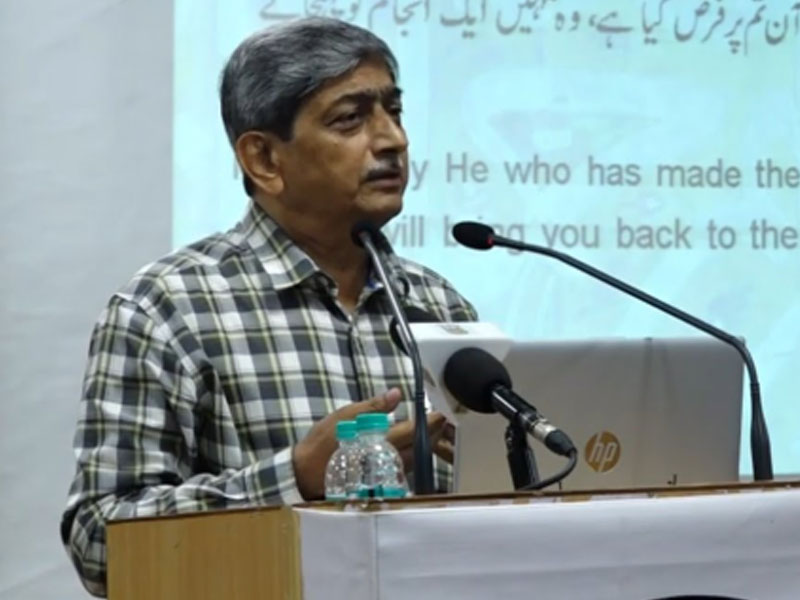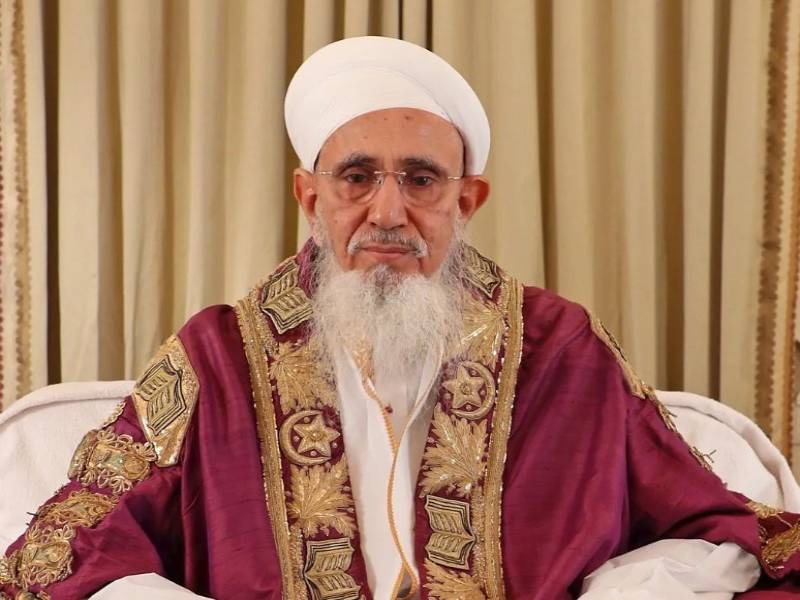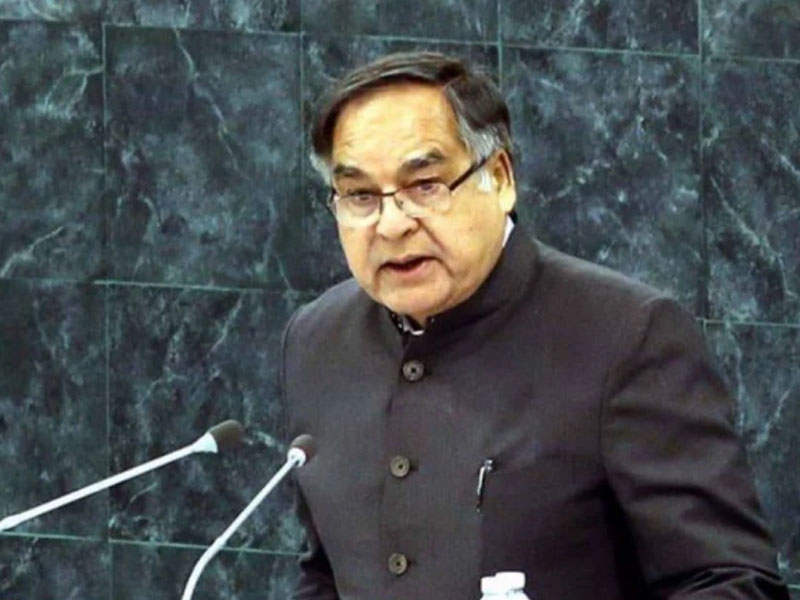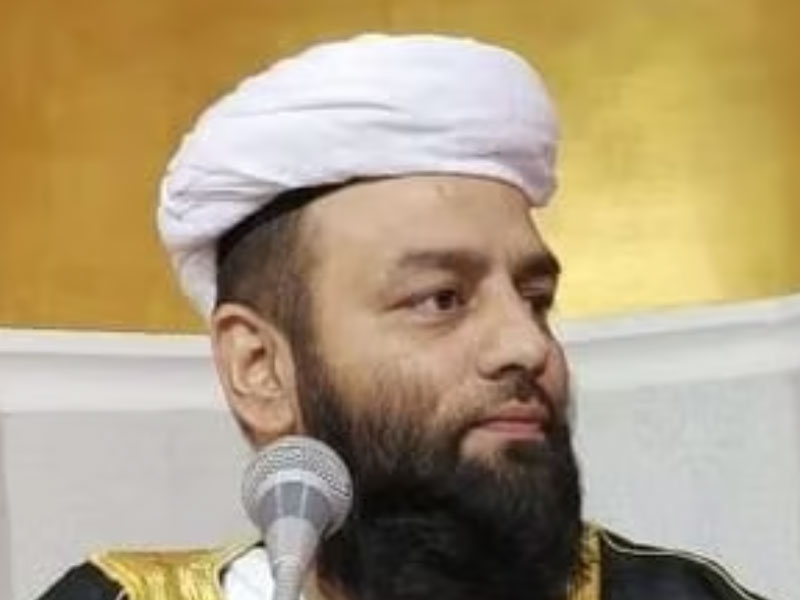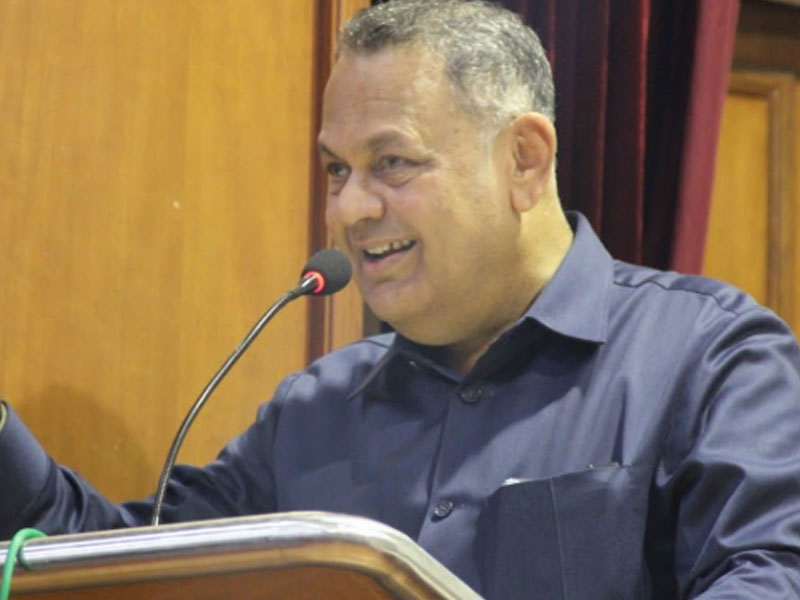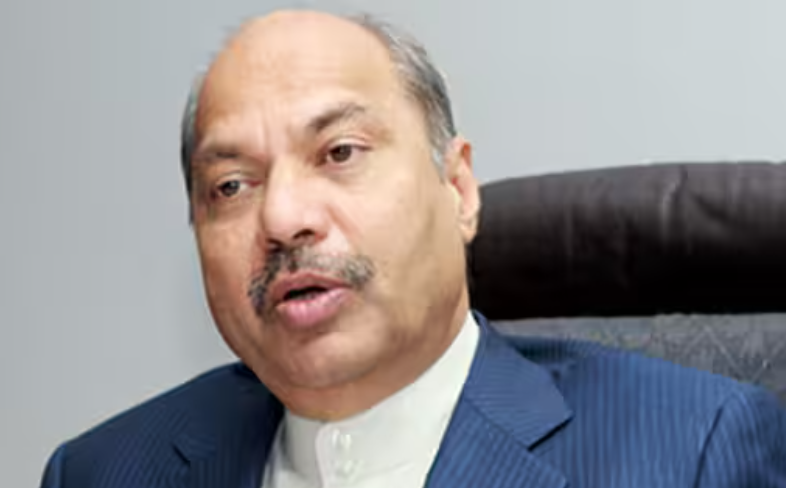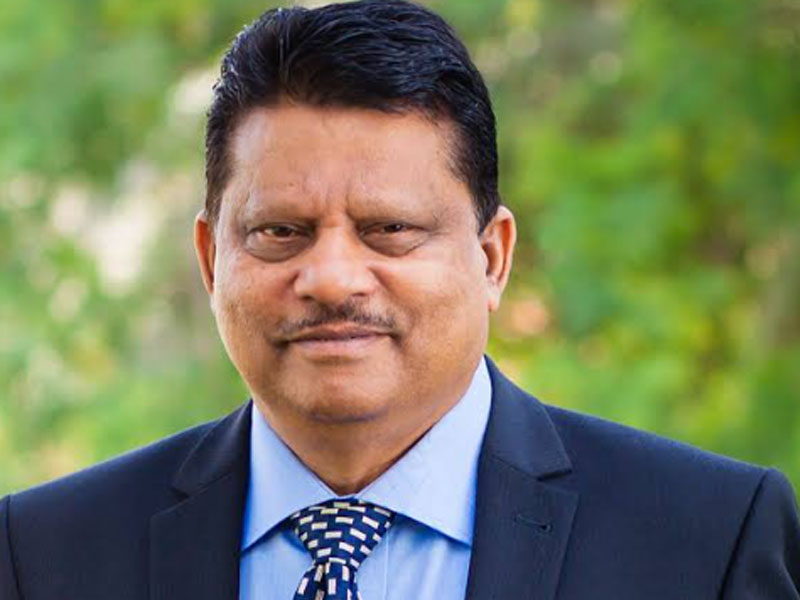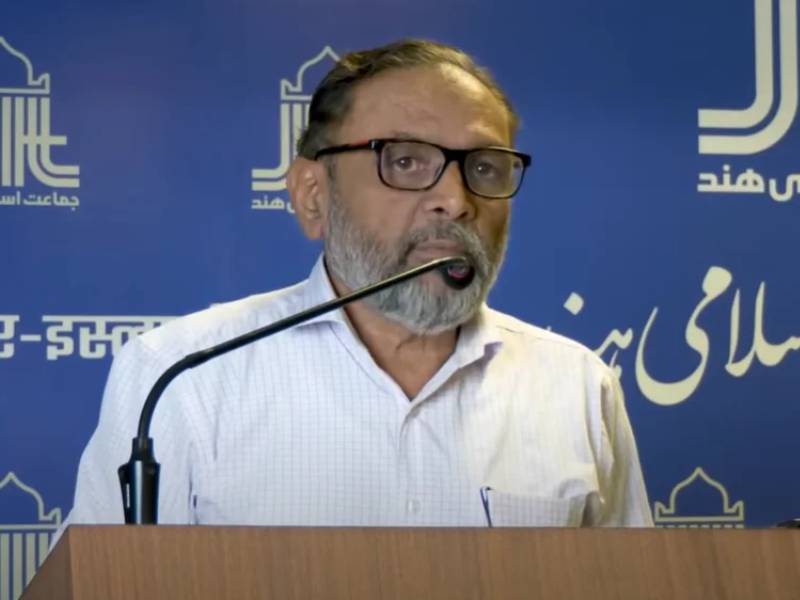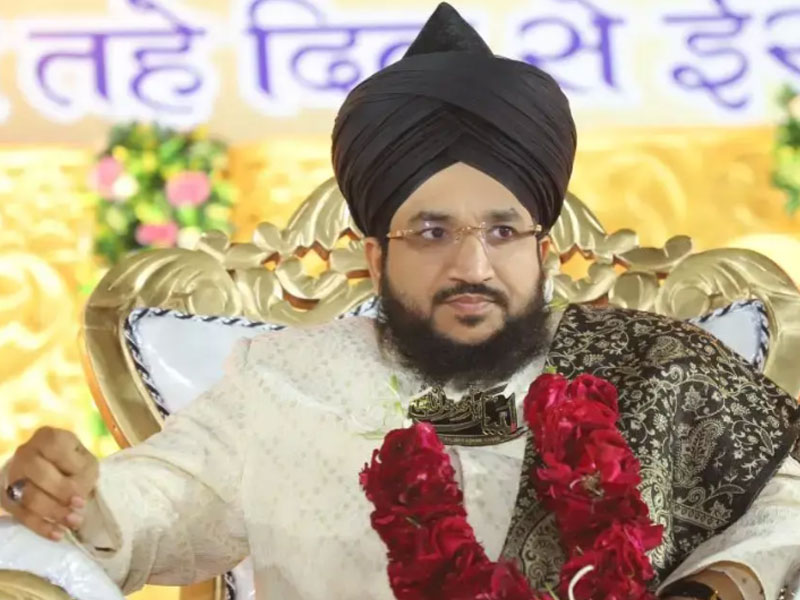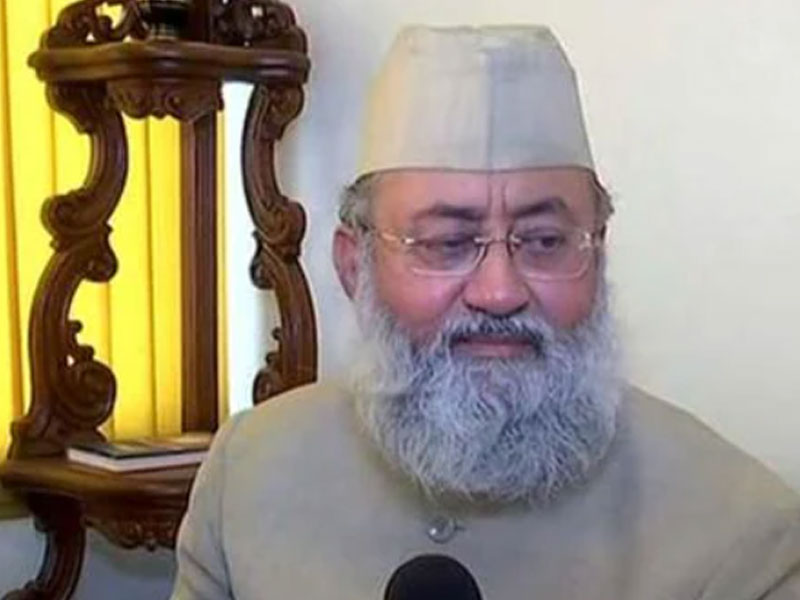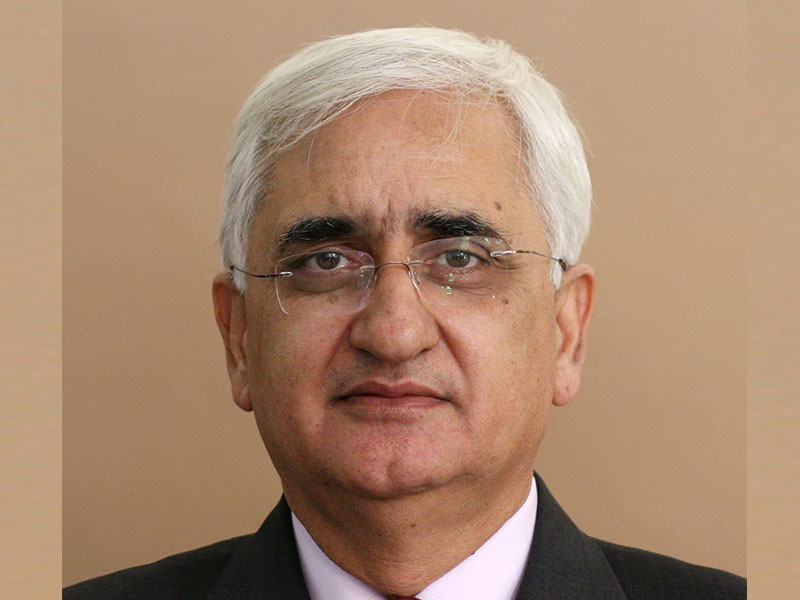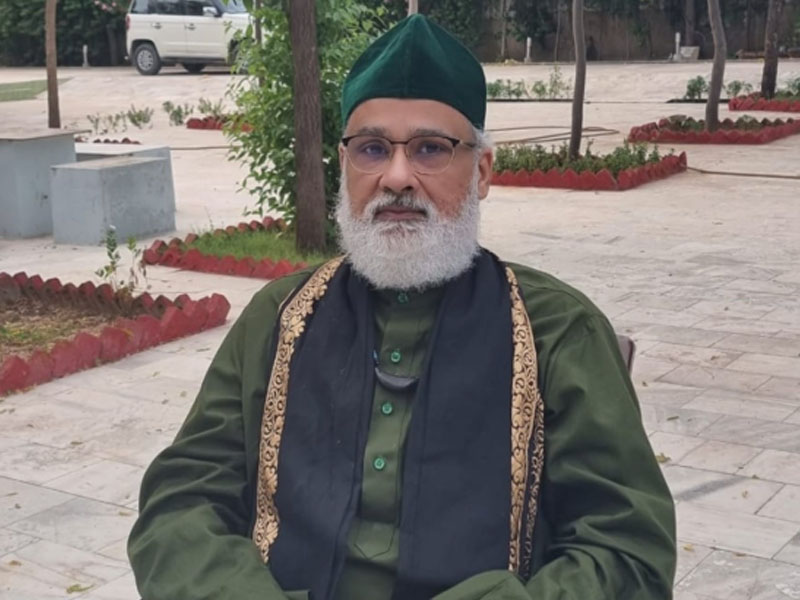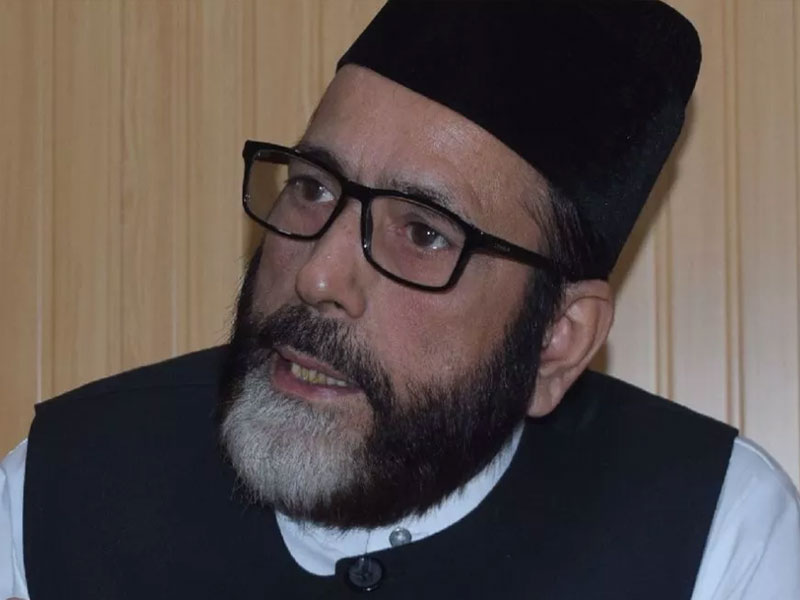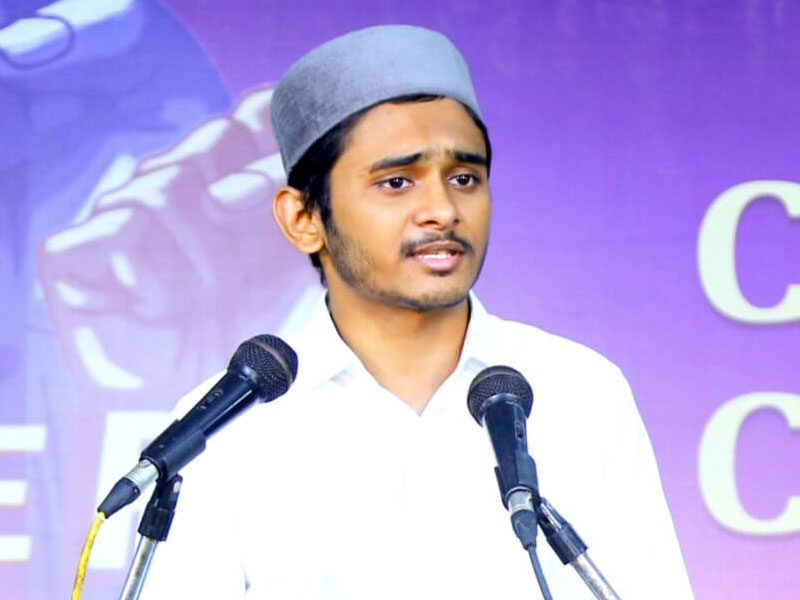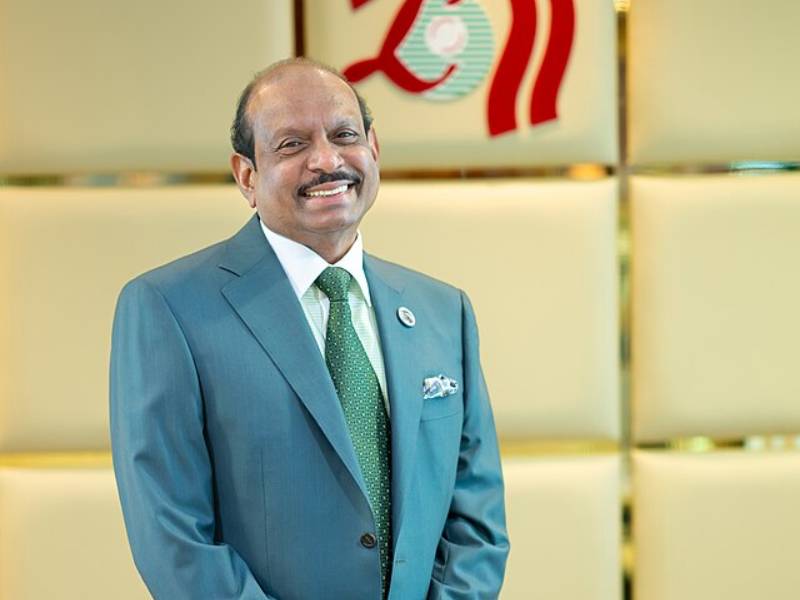
Syed Mohammad Ashraf Kichhouchhwi: Spiritual Leader
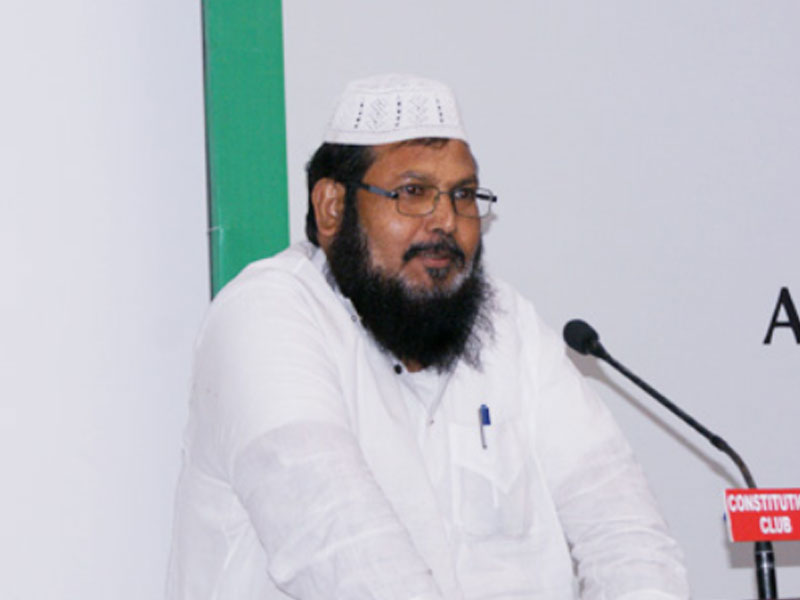
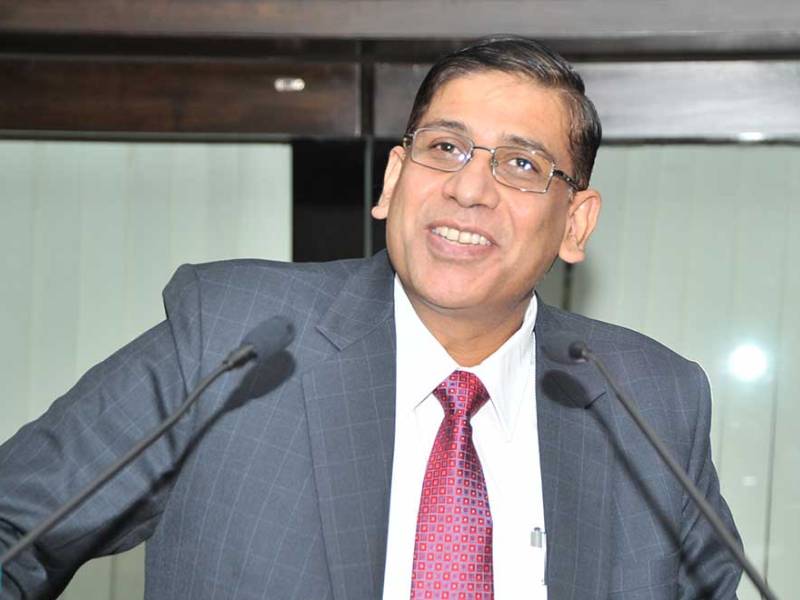
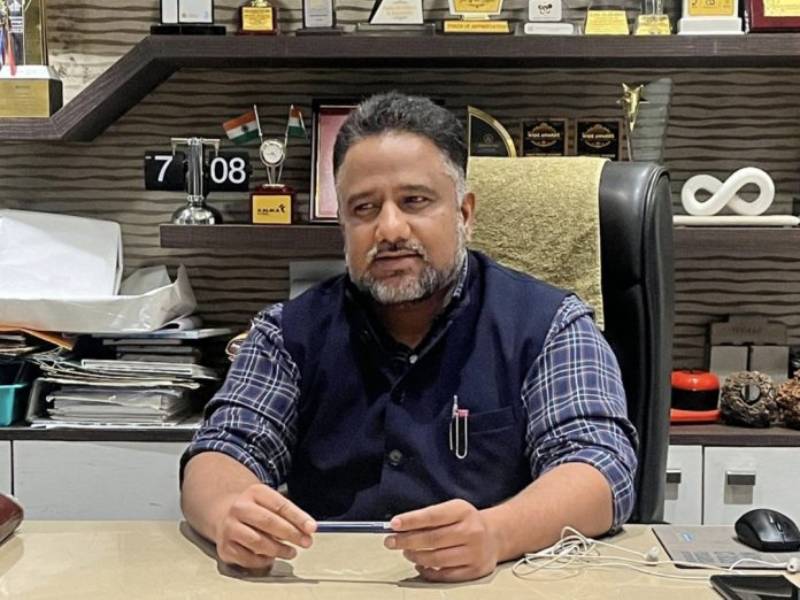
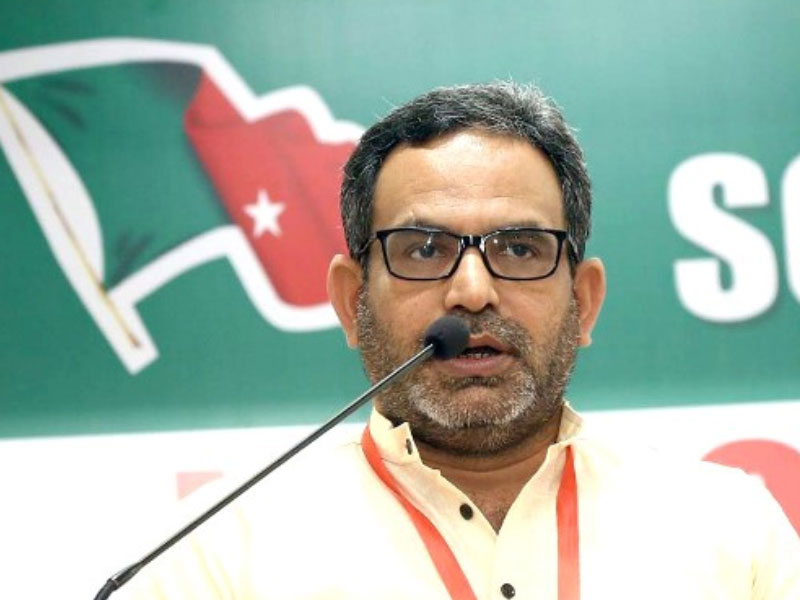
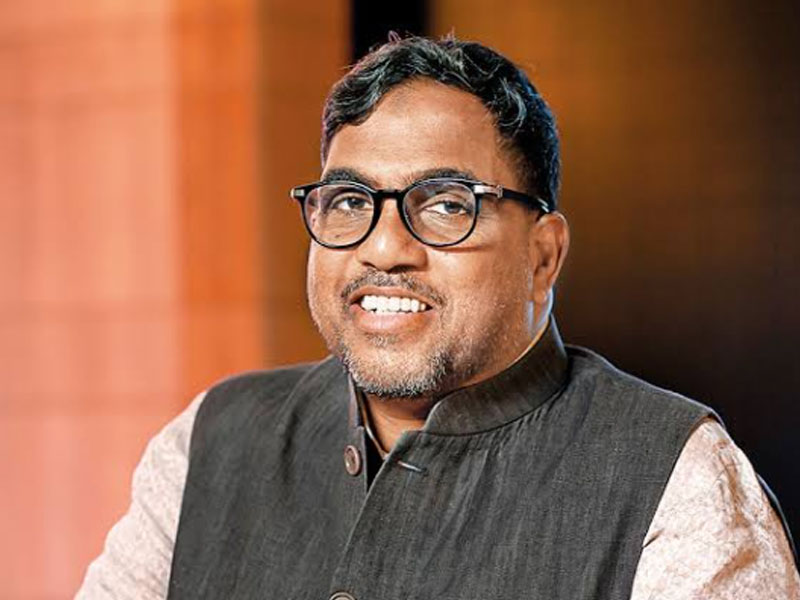
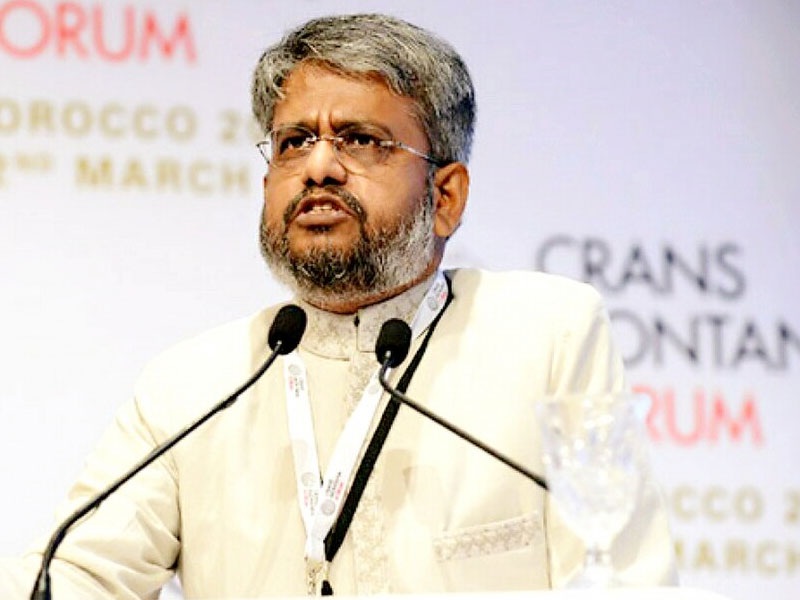
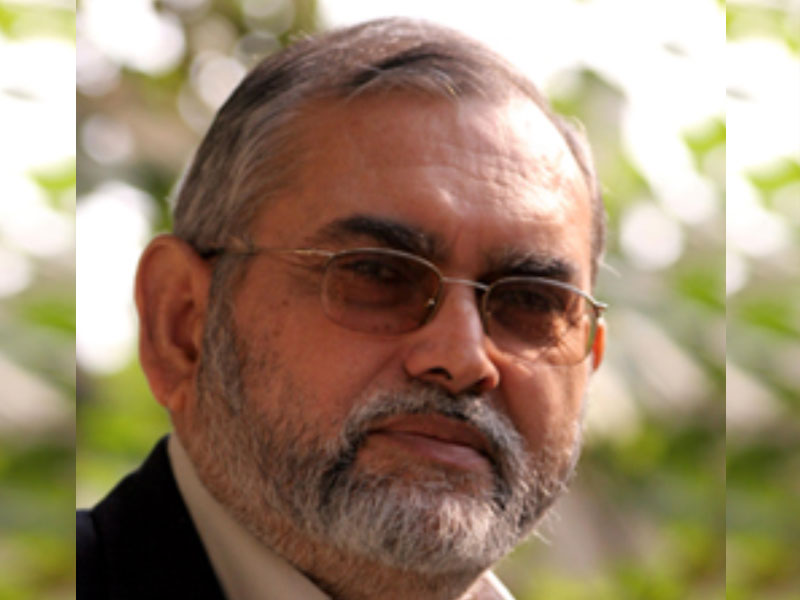
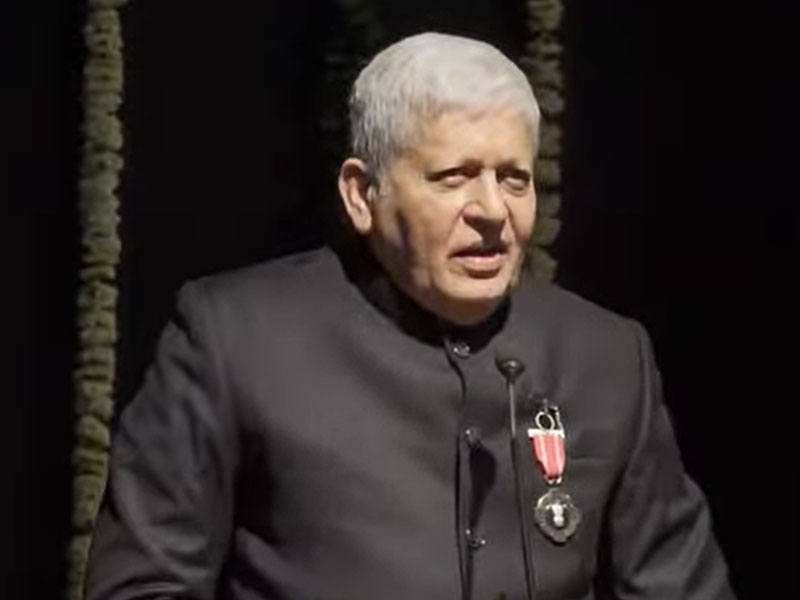
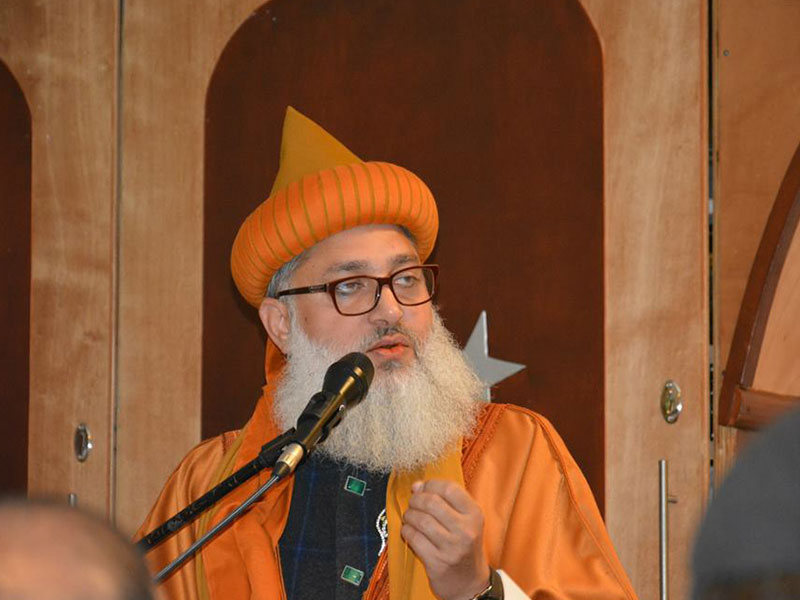
Syed Mohammad Ashraf Kichhouchhwi (born 5 July 1966) is a prominent Indian Sufi leader and spiritual master from Kichchouchcha Sharif, home to the renowned shrine of Ashraf Jahangir Semnani in Uttar Pradesh. He is an advocate for Sufi Sunni Muslims and the founder and National President of the All India Ulema and Mashaikh Board (AIUMB), a movement aimed at promoting Sufi values and countering extremism in India.
As the leader of AIUMB, Kichhouchhwi has rallied Sufi clerics and Muslim leaders to address terrorism and extremism. In 2015, he led a delegation that met the Indian Prime Minister to express concerns about rising extremism. He emphasized that groups like ISIS and al-Qaeda do not represent Islam, advocating for greater awareness and promoting Sufi traditions through initiatives like a "Sufi circuit" to rejuvenate shrines and boost tourism.
Kichhouchhwi has organized large-scale gatherings, known as "Muslim Maha Panchayats," to assert Sufi independence from Wahhabi influences. He has also led protests against controversial Islamic televangelists, including Zakir Naik, for their divisive rhetoric, emphasizing the need for religious harmony.
On the international stage, Kichhouchhwi represented Indian Sufis at the First Asia & Pacific Countries Muslim Religious Leaders' Summit in Turkey, where he called for united action against radicalism. He condemned terrorism as a threat to humanity and highlighted the historical values of Islam rooted in compassion and coexistence.
Following the Paris attacks in 2015, Kichhouchhwi denounced ISIS, stating that their actions violate Islamic principles and history. He has consistently opposed extremist ideologies, asserting that terrorism has no place in any religion, and continues to work toward fostering peace and unity among diverse communities.
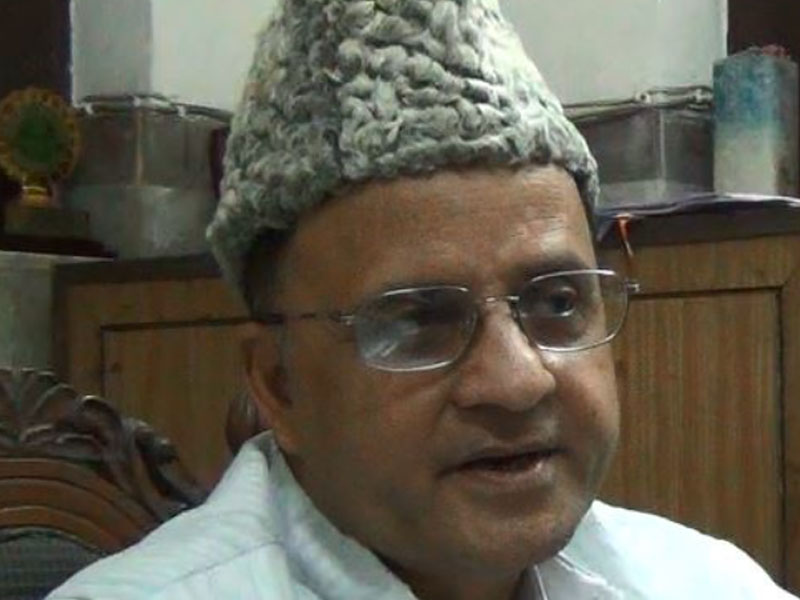
Qumruzzama Azmi: Islamic Scholar
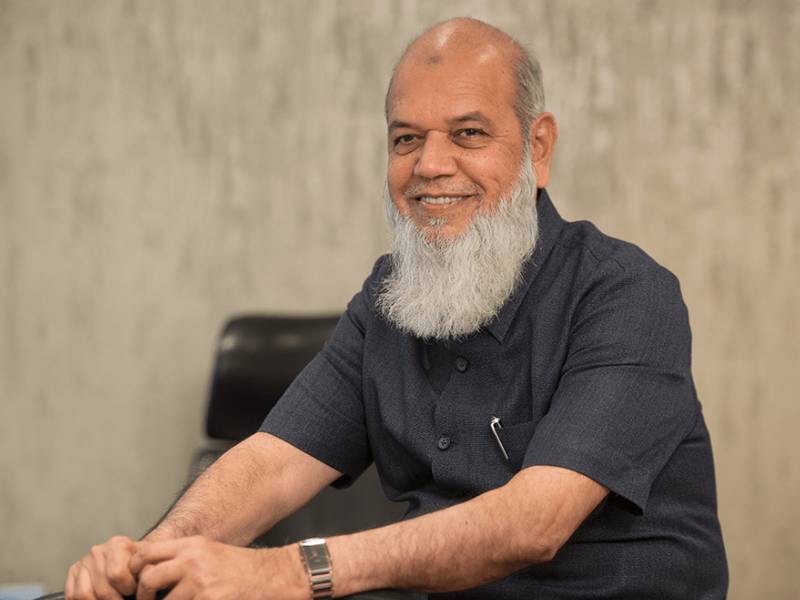
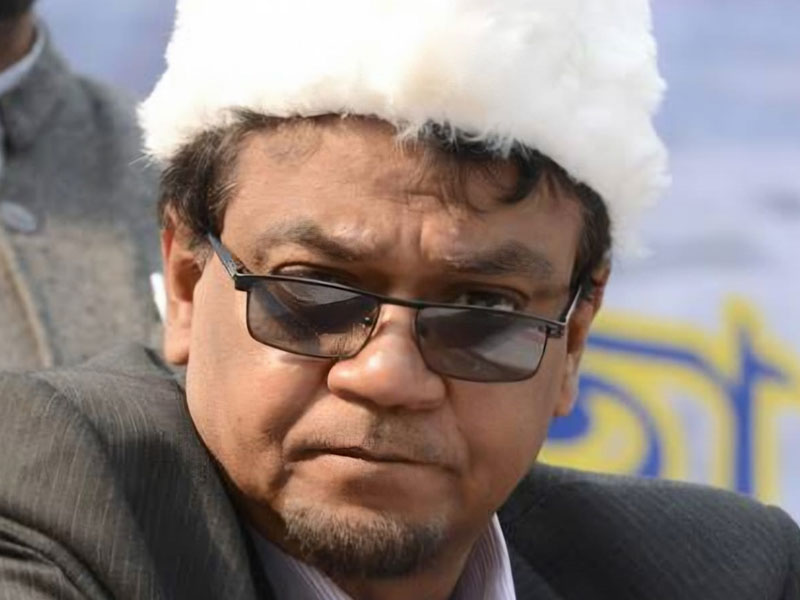
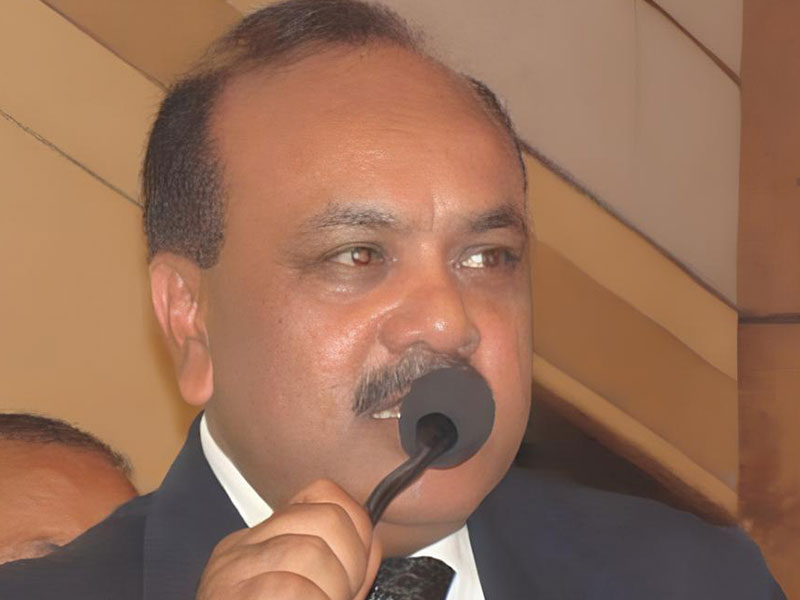
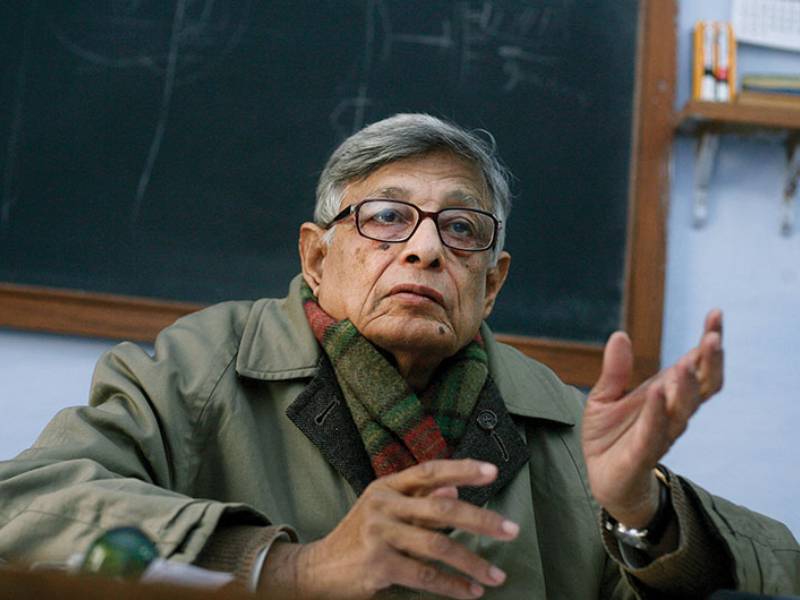
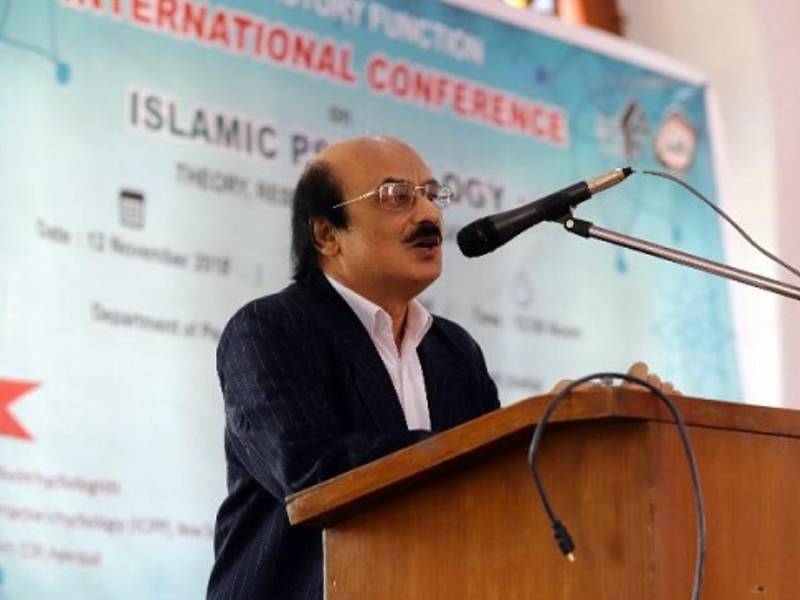
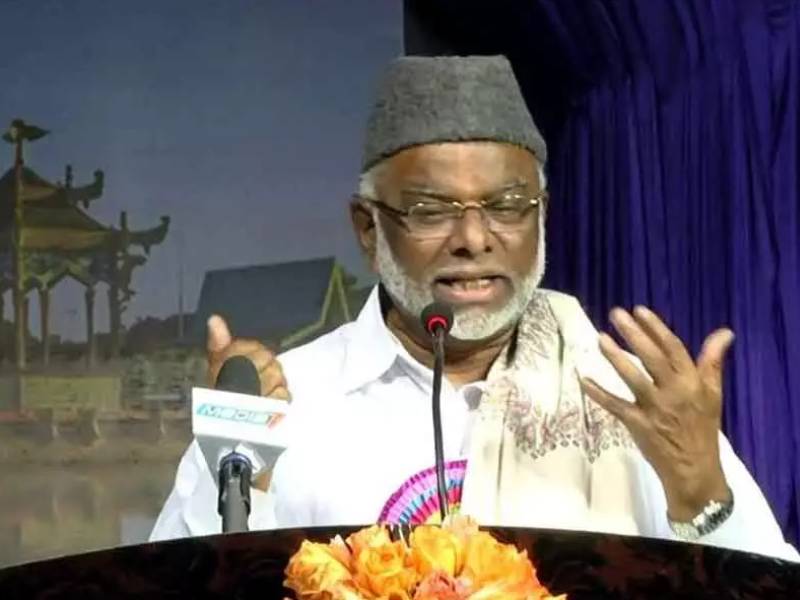
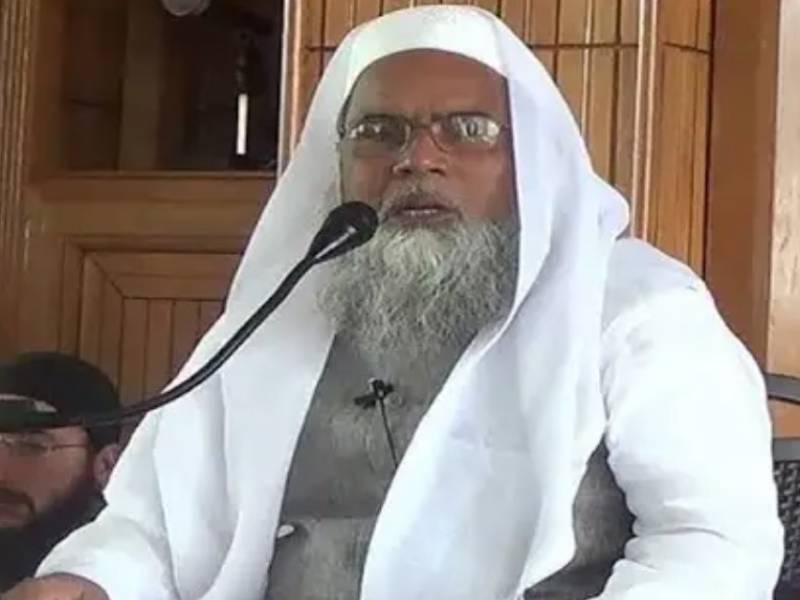
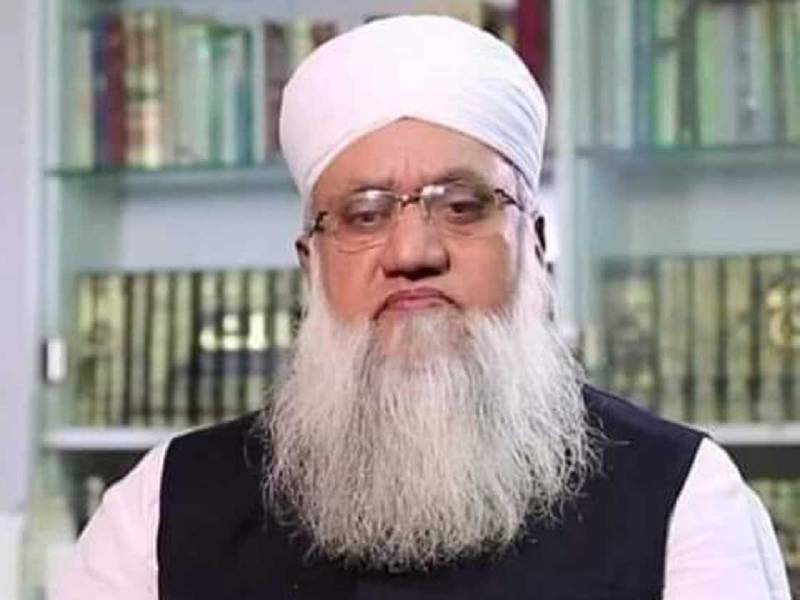
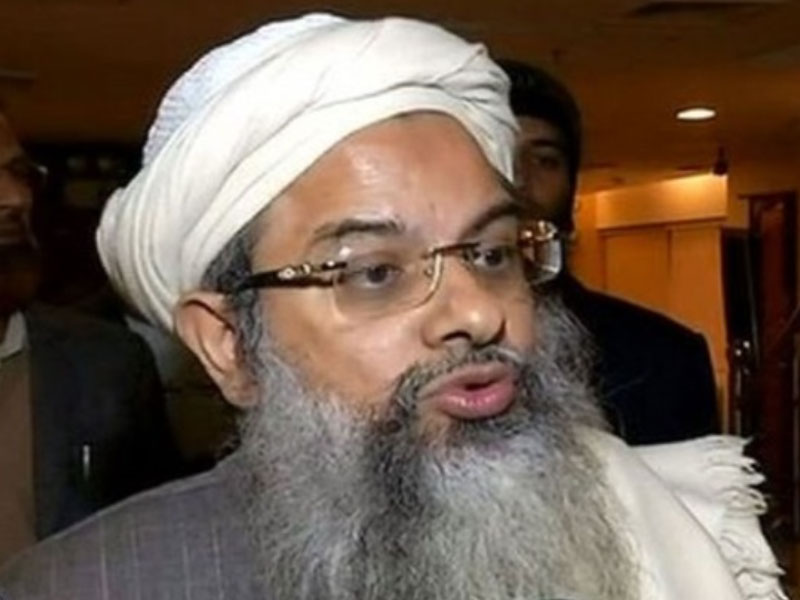
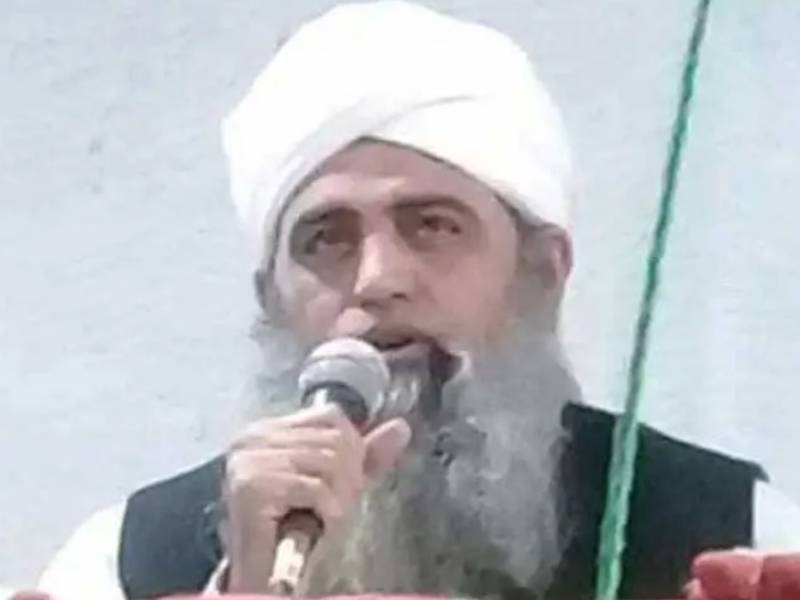
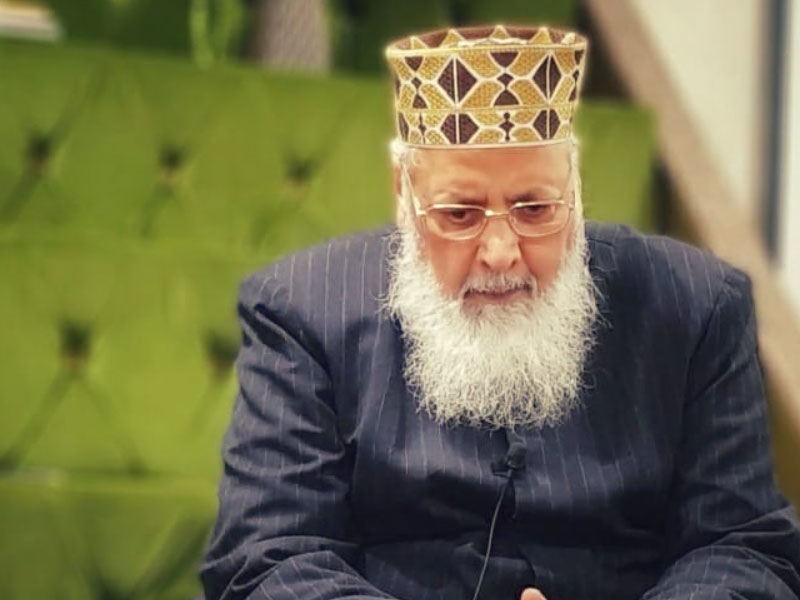
Qumruzzama Azmi (born 1946) widely respected as Maulana Azmi, is a distinguished Islamic scholar and one of the most influential voices in contemporary Islamic thought and leadership. Born in Azamgarh, Uttar Pradesh, India, in 1946, he received his early Islamic education at the esteemed Al Jamiatul Ashrafia, Mubarakpur, where he excelled in Islamic jurisprudence, theology, and Arabic literature.
Maulana Azmi’s profound understanding of Islamic teachings, coupled with his eloquence and insight, quickly earned him a reputation as a dynamic leader. His efforts to bridge gaps between communities and promote Islamic values in modern contexts have made him a sought-after scholar worldwide.
Azmi has dedicated much of his life to serving the Muslim community globally. He is closely associated with the World Islamic Mission (WIM), a prominent organization committed to promoting unity among Muslims and addressing the challenges they face. As the General Secretary of WIM, he has played a pivotal role in establishing mosques, Islamic centers, and educational institutions in various countries, particularly in Europe and North America.
An ardent advocate of peaceful coexistence, Maulana Azmi emphasizes the importance of interfaith dialogue and communal harmony. His lectures and writings have inspired countless Muslims to uphold the principles of justice, compassion, and ethical conduct.
Maulana Azmi is also deeply committed to the socio-economic upliftment of marginalized communities. He has initiated programs for education, healthcare, and poverty alleviation, ensuring the integration of Islamic values with humanitarian service.
Despite his international commitments, he remains rooted in his scholarship, dedicating time to writing, teaching, and guiding students of Islamic sciences. His intellectual contributions and spiritual leadership continue to influence generations of Muslims worldwide.
Qumruzzama Azmi’s legacy is one of knowledge, service, and unwavering dedication to the cause of Islam and humanity.