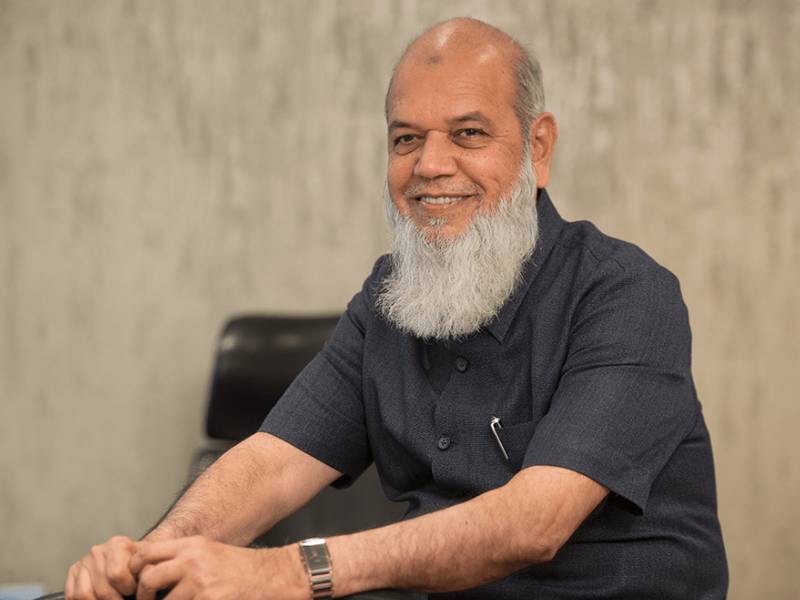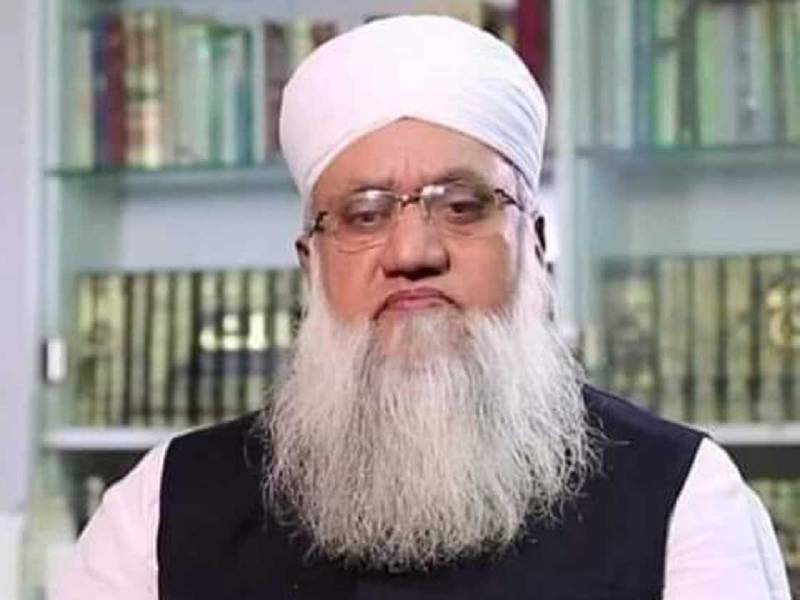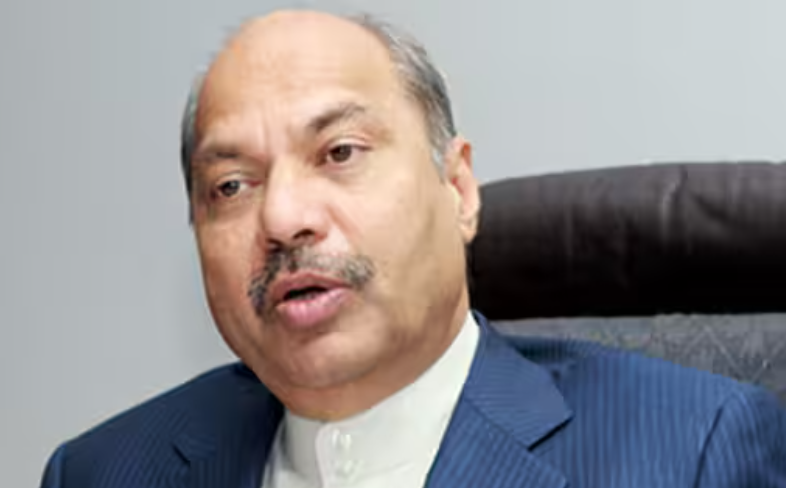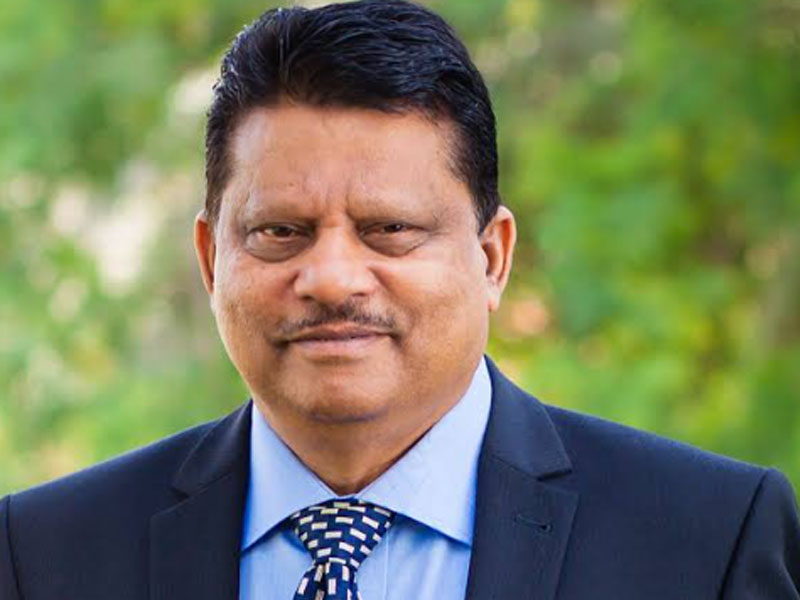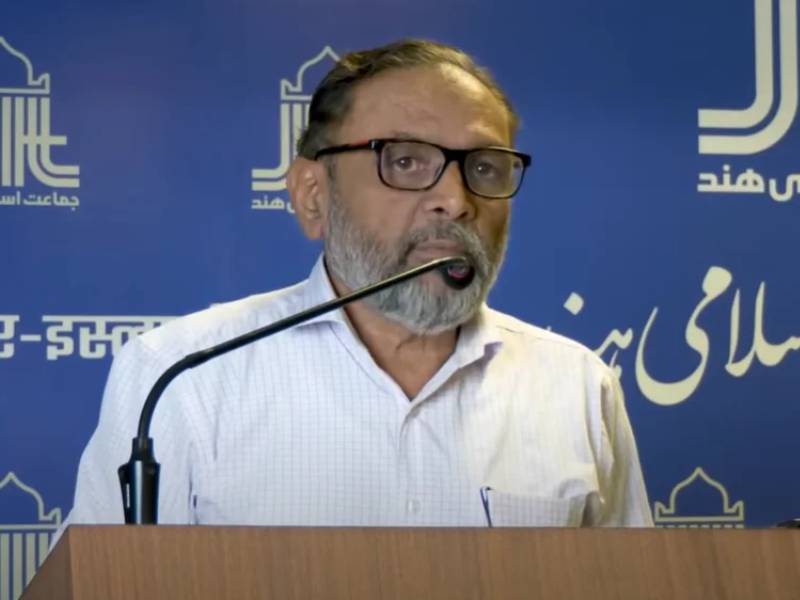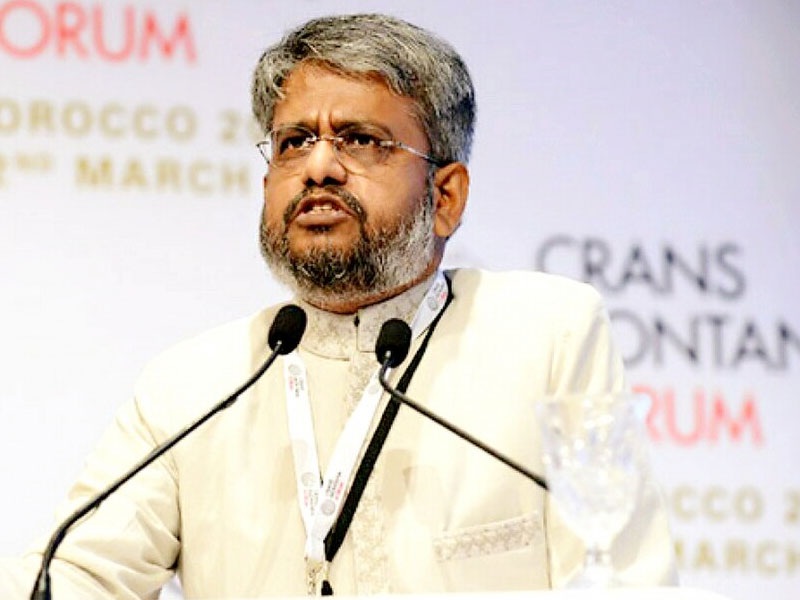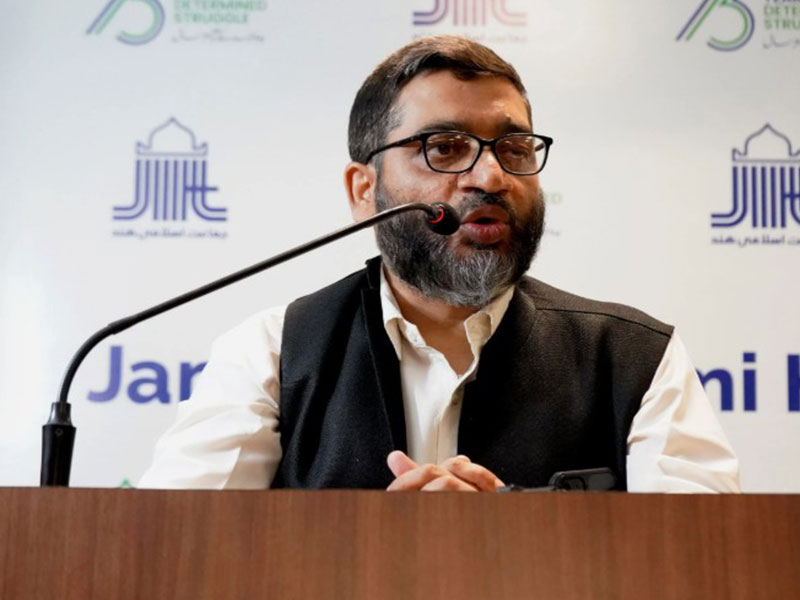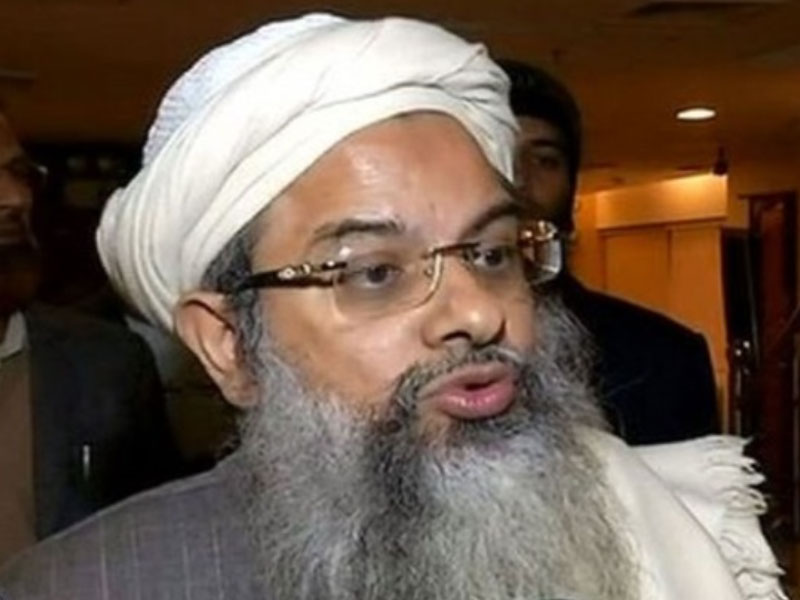
Maulana Mahmood Madani: A Leading Voice for Muslim Rights and National Harmony
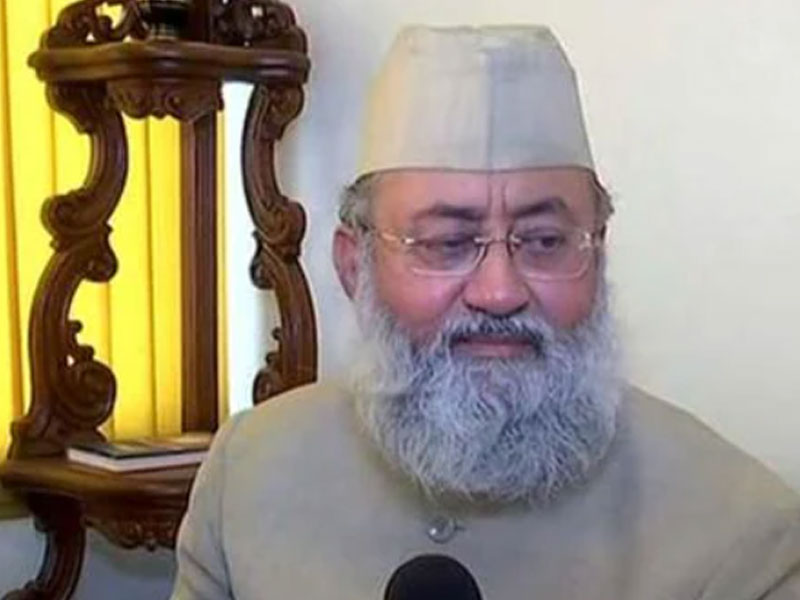
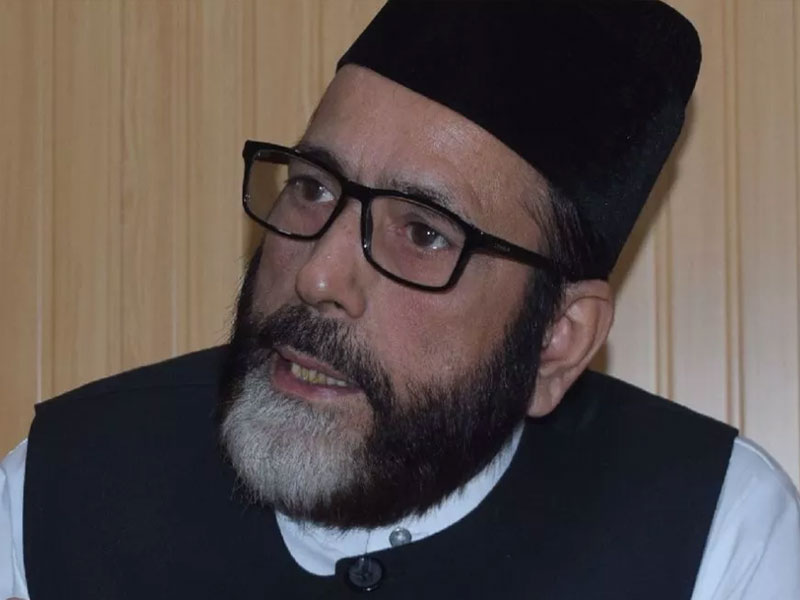
Maulana Mahmood Madani is a prominent Indian Islamic scholar, politician social activist and head of of Jamiat Ulama-i-Hind (JUH-M) one of the oldest and most influential Islamic organizations in India. Born in 1964 in Deoband, Uttar Pradesh, into a family deeply rooted in Islamic scholarship, he is the grandson of Maulana Husain Ahmad Madani, a revered freedom fighter and theologian.
Mahmood Madani received his early Islamic education at Darul Uloom Deoband, one of the world’s leading Islamic seminaries. A dynamic leader, he has been at the forefront of advocating for Muslim rights, national unity, and communal harmony in India. Under his leadership, JUH has played a critical role in addressing socio-political challenges faced by the Indian Muslim community, including issues of education, economic upliftment, and safeguarding constitutional rights.
Madani is known for his firm stance against terrorism and his efforts to de-link Islam from acts of violence. He has repeatedly condemned extremism and worked to foster interfaith dialogue and mutual respect among religious communities. His advocacy for secularism and pluralism resonates in his speeches, emphasizing the importance of peaceful coexistence in a diverse nation like India.
A pragmatic leader, Mahmood Madani has also been active in legal battles to protect the rights and heritage of the Muslim community, including cases related to Waqf properties and masjids. He has initiated programs for skill development, education, and disaster relief, reflecting his commitment to social welfare.
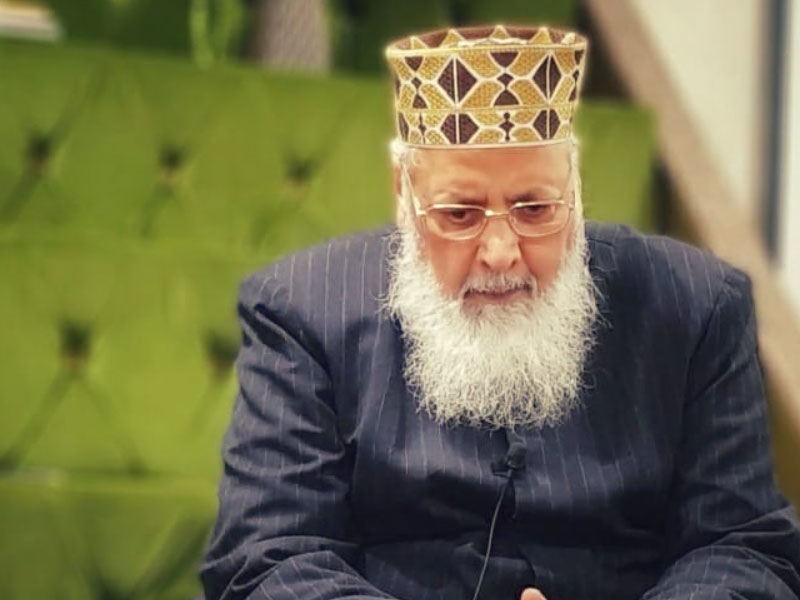
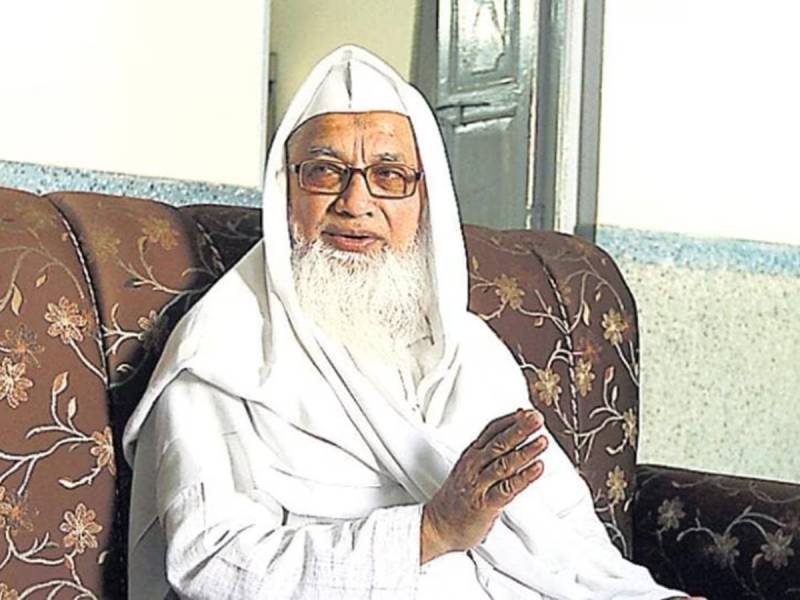
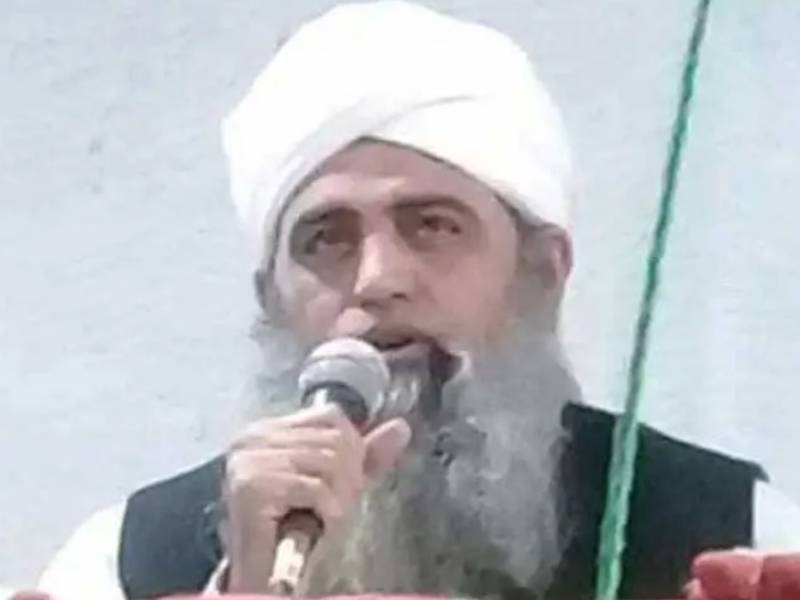
Qumruzzama Azmi: Islamic Scholar
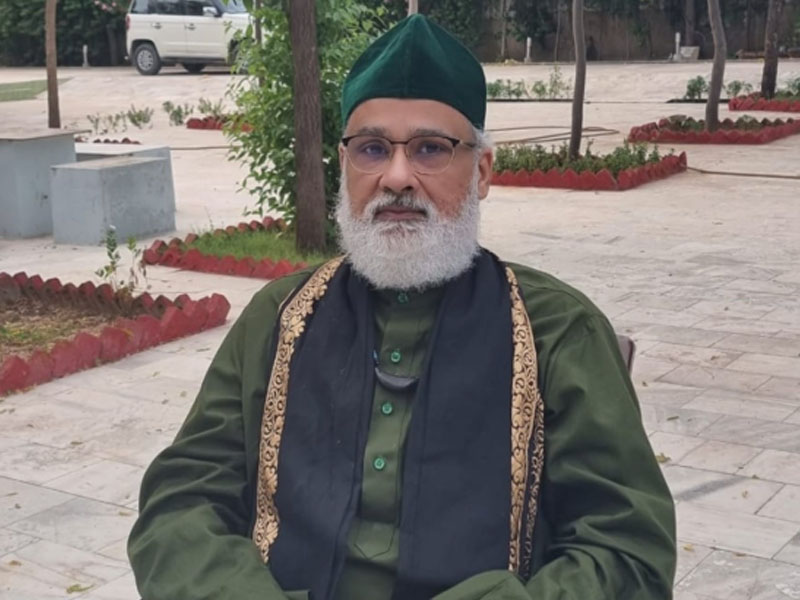
Qumruzzama Azmi (born 1946) widely respected as Maulana Azmi, is a distinguished Islamic scholar and one of the most influential voices in contemporary Islamic thought and leadership. Born in Azamgarh, Uttar Pradesh, India, in 1946, he received his early Islamic education at the esteemed Al Jamiatul Ashrafia, Mubarakpur, where he excelled in Islamic jurisprudence, theology, and Arabic literature.
Maulana Azmi’s profound understanding of Islamic teachings, coupled with his eloquence and insight, quickly earned him a reputation as a dynamic leader. His efforts to bridge gaps between communities and promote Islamic values in modern contexts have made him a sought-after scholar worldwide.
Azmi has dedicated much of his life to serving the Muslim community globally. He is closely associated with the World Islamic Mission (WIM), a prominent organization committed to promoting unity among Muslims and addressing the challenges they face. As the General Secretary of WIM, he has played a pivotal role in establishing mosques, Islamic centers, and educational institutions in various countries, particularly in Europe and North America.
An ardent advocate of peaceful coexistence, Maulana Azmi emphasizes the importance of interfaith dialogue and communal harmony. His lectures and writings have inspired countless Muslims to uphold the principles of justice, compassion, and ethical conduct.
Maulana Azmi is also deeply committed to the socio-economic upliftment of marginalized communities. He has initiated programs for education, healthcare, and poverty alleviation, ensuring the integration of Islamic values with humanitarian service.
Despite his international commitments, he remains rooted in his scholarship, dedicating time to writing, teaching, and guiding students of Islamic sciences. His intellectual contributions and spiritual leadership continue to influence generations of Muslims worldwide.
Qumruzzama Azmi’s legacy is one of knowledge, service, and unwavering dedication to the cause of Islam and humanity.