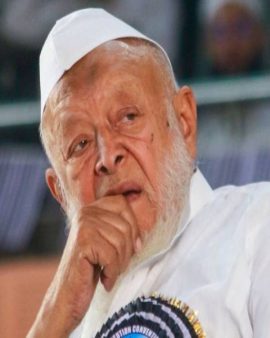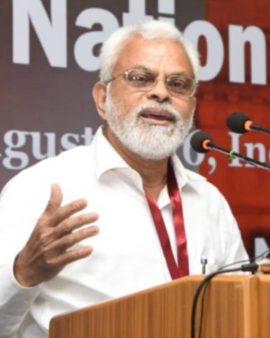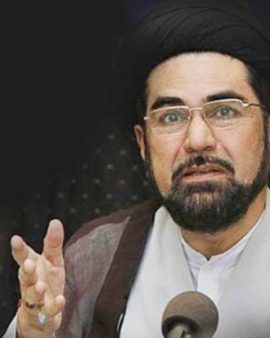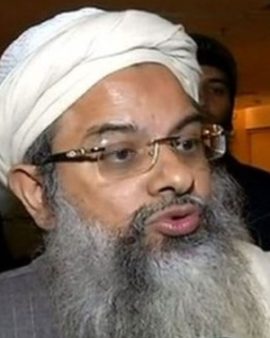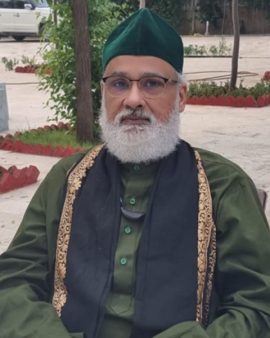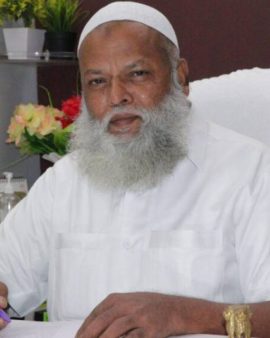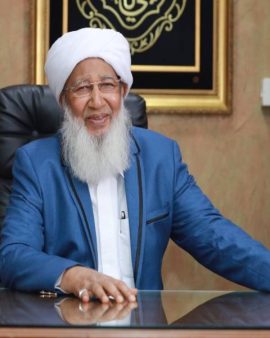
Faisal Rahmani: A Visionary Leader in Islamic Education and Social Reform
Faisal Rahmani is an influential figure in the realm of Islamic education and social reform, known for his commitment to empowering the Muslim community through knowledge and leadership. Born into a family with a strong tradition of religious scholarship, Faisal Rahmani was deeply inspired by his lineage and dedicated himself to the pursuit of Islamic learning from a young age.
Faisal Rahmani pursued his formal education in Islamic studies at some of the most esteemed institutions in India, where he excelled in various disciplines, including Fiqh (Islamic jurisprudence), Tafsir (Quranic exegesis), and Hadith (Prophetic traditions). His academic achievements were complemented by a strong sense of social responsibility, which led him to become actively involved in various community initiatives.
As a leader, Faisal Rahmani has been at the forefront of efforts to modernize and strengthen Islamic education in India. He has played a key role in the establishment and development of several educational institutions that aim to provide high-quality Islamic education alongside modern secular subjects. His vision is to create a generation of Muslims who are not only well-versed in their religious traditions but are also equipped to engage with the broader world in meaningful ways.
Beyond education, Faisal Rahmani is also a respected voice on issues of social justice and community development. He has been involved in numerous initiatives aimed at improving the socio-economic conditions of marginalized communities, advocating for their rights, and working towards their upliftment.
He has been General Secretary of All India Muslim Persoanl Law Board. Presently is is Sajjada Nasheen, Khanqah Rahmani, Munger, Bihar, Ameer-e-Shariat, Bihar, Orissa and Jharkhand and Presiden of Rahmani Mission.