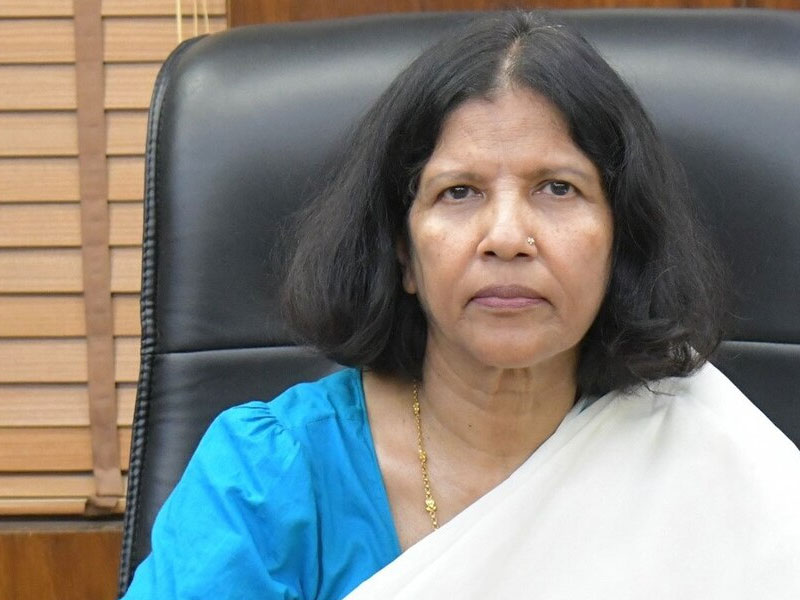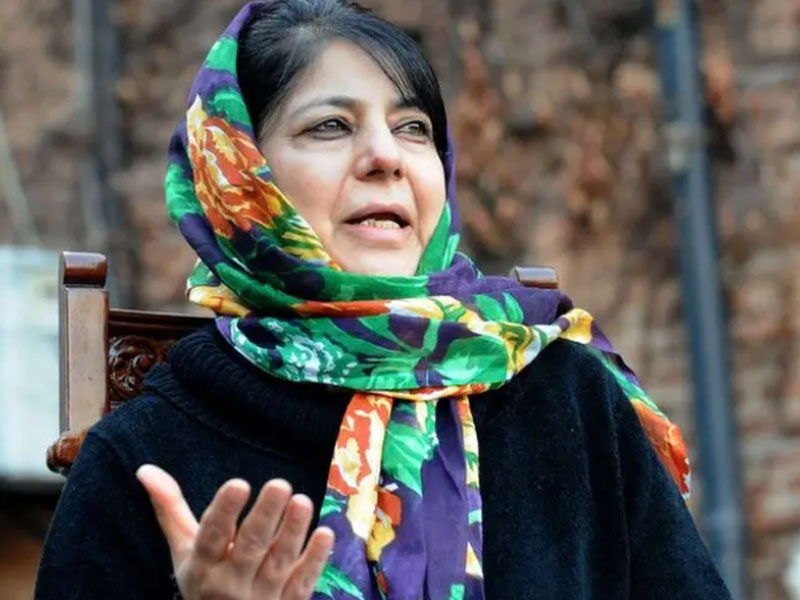
Mehbooba Mufti: A Defiant Voice for Democracy and Dialogue in Jammu and Kashmir
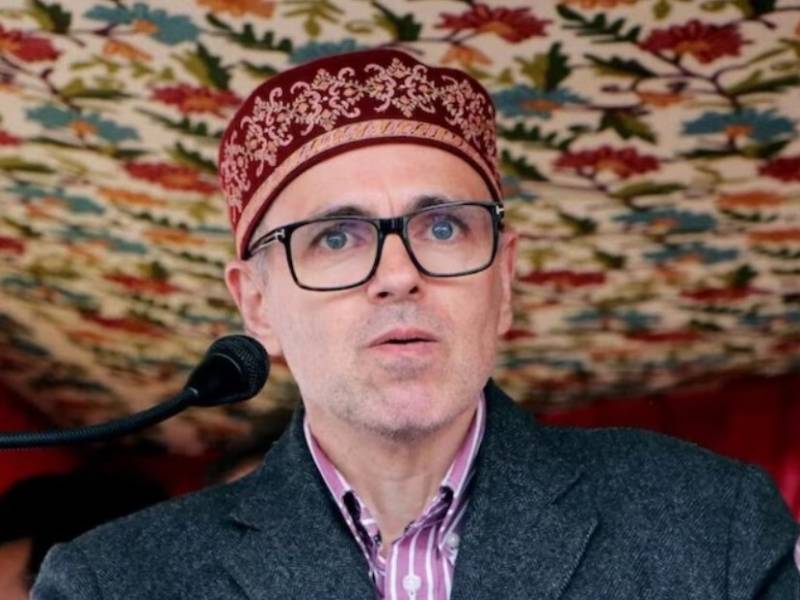
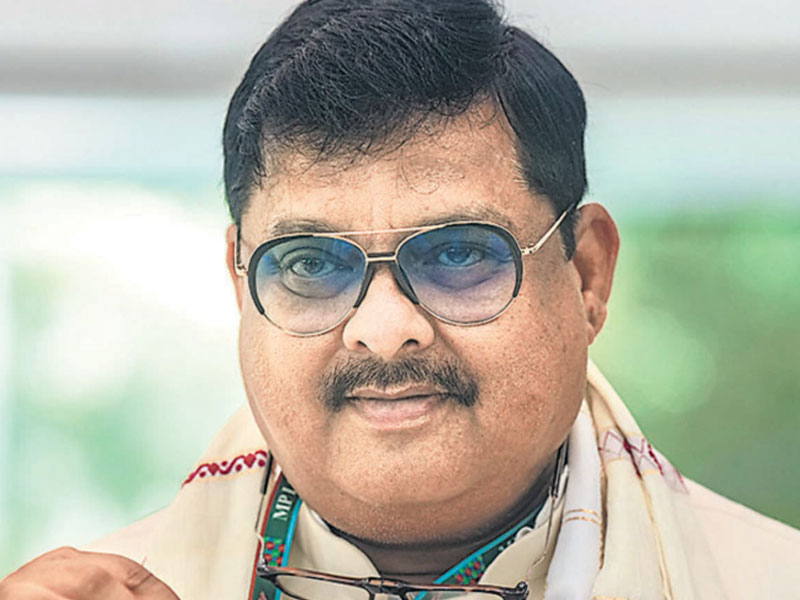
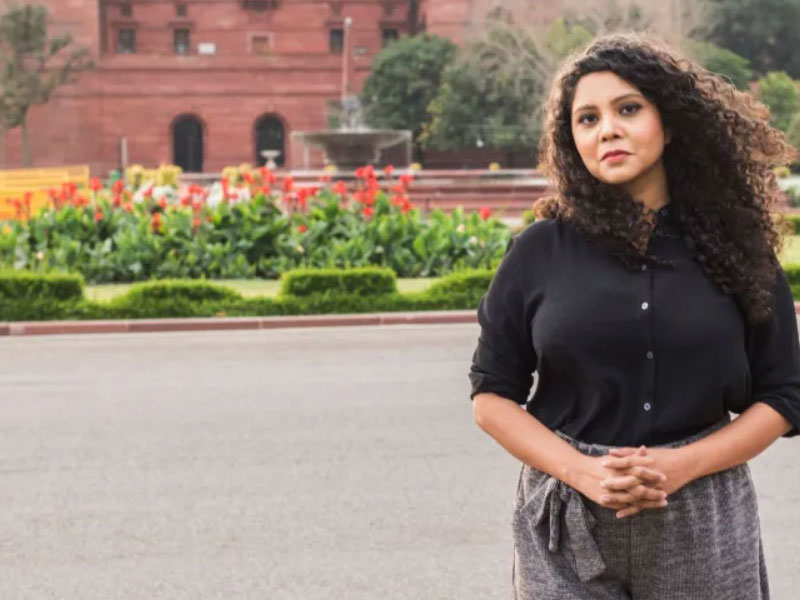
Mehbooba Mufti (born in 1959) is a prominent Indian politician and former Chief Minister of Jammu and Kashmir, has played a pivotal role in shaping the region's political landscape. She is the daughter of Mufti Mohammad Sayeed, a veteran politician and founder of the Jammu and Kashmir Peoples Democratic Party (PDP).
Mehbooba began her political career in the Congress Party but later joined her father in establishing the PDP in 1999. Known for her grassroots connect and empathetic approach, she quickly rose through the ranks, becoming the PDP’s first woman president. In the 2002 Jammu and Kashmir Assembly elections, she secured a victory from the Pahalgam constituency, marking the PDP's emergence as a significant political force.
In 2016, Mehbooba Mufti became the first woman Chief Minister of Jammu and Kashmir, succeeding her father after his demise. Her tenure was marked by efforts to balance governance in a volatile region and promote dialogue between the state and central governments. However, her alliance with the Bharatiya Janata Party (BJP) was heavily criticized, leading to the coalition’s collapse in 2018.
Post the abrogation of Article 370 in 2019, Mehbooba was placed under detention for over a year, further solidifying her image as a strong voice advocating for Jammu and Kashmir's special status and rights. She has consistently called for dialogue and reconciliation, often taking bold stands against divisive policies.
A charismatic leader with a deep connection to her people, Mehbooba Mufti remains a significant figure in Indian politics, championing democracy, regional autonomy, and peace in a challenging environment.
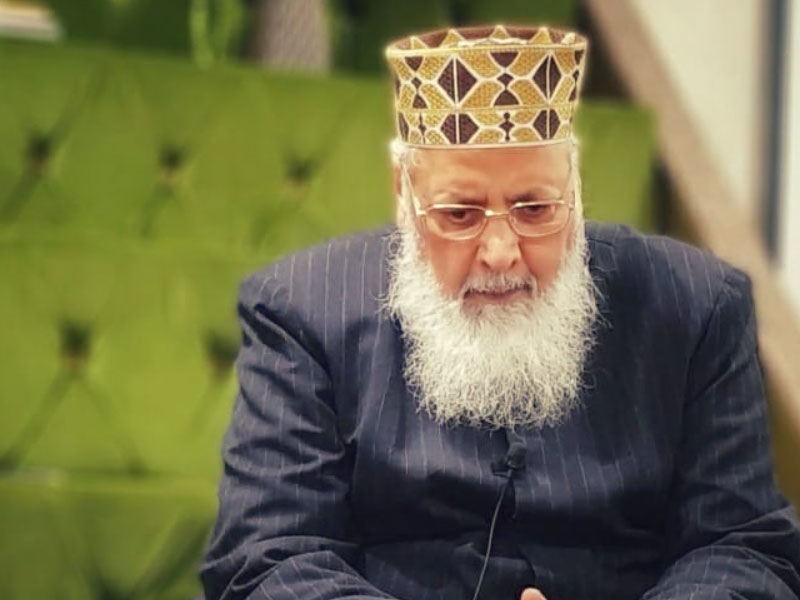
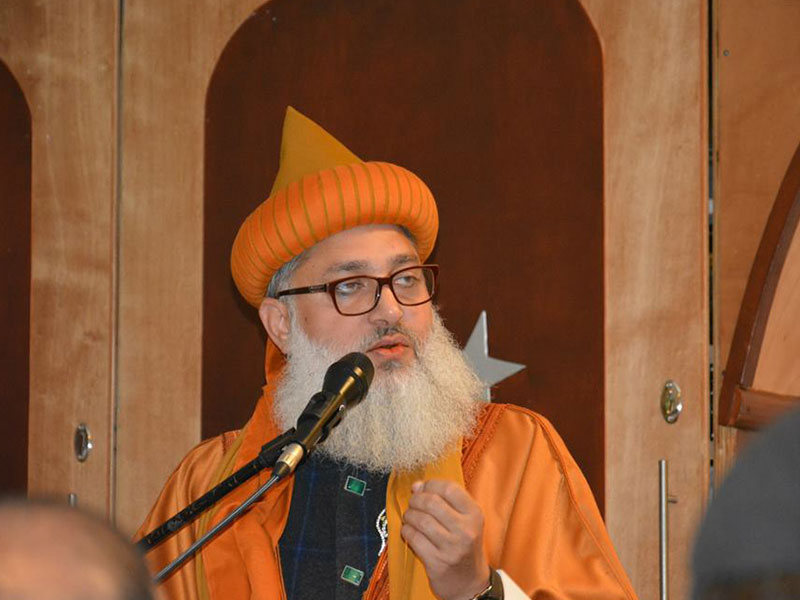
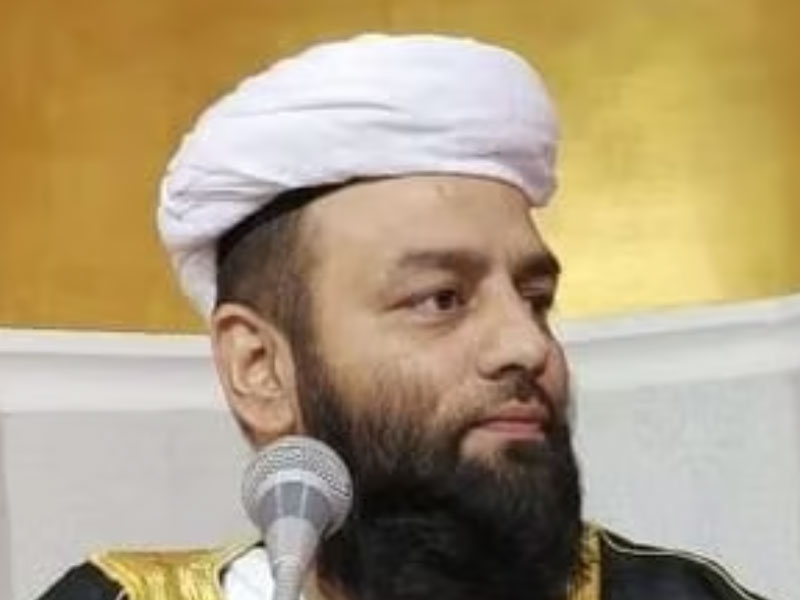
Qumruzzama Azmi: Islamic Scholar
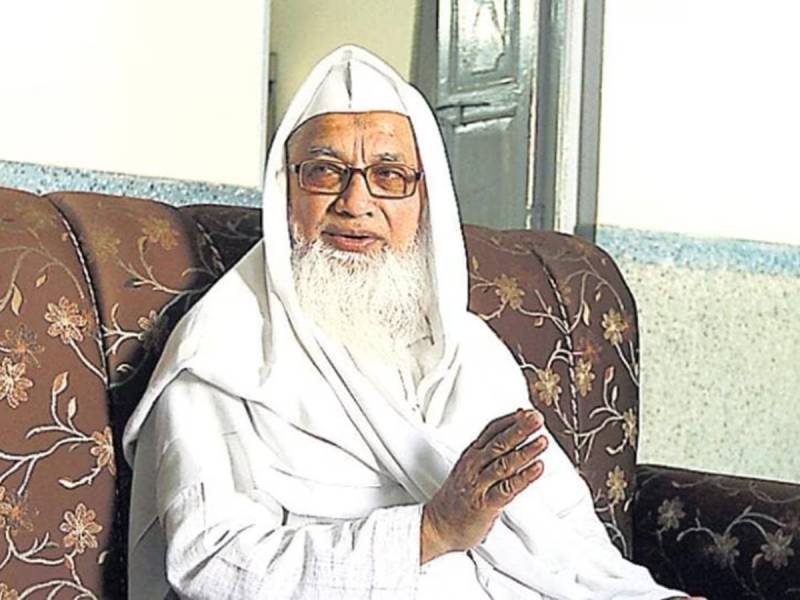
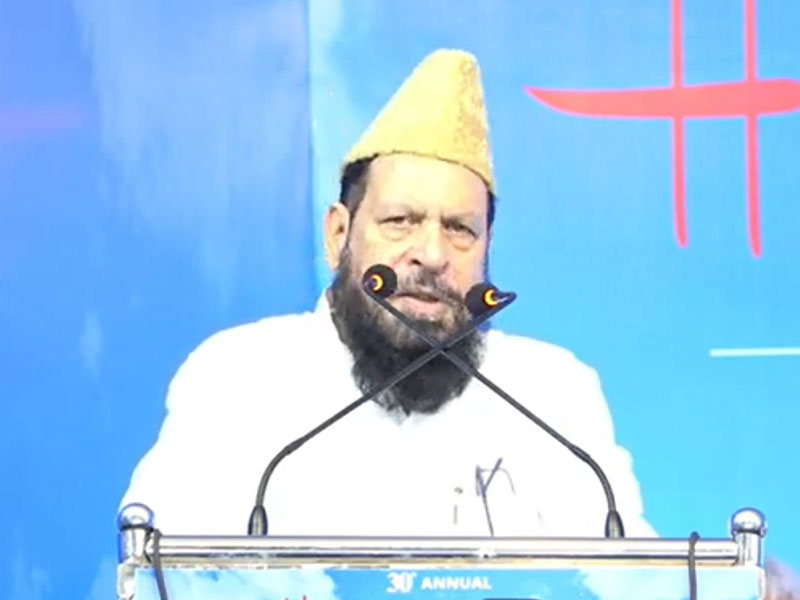
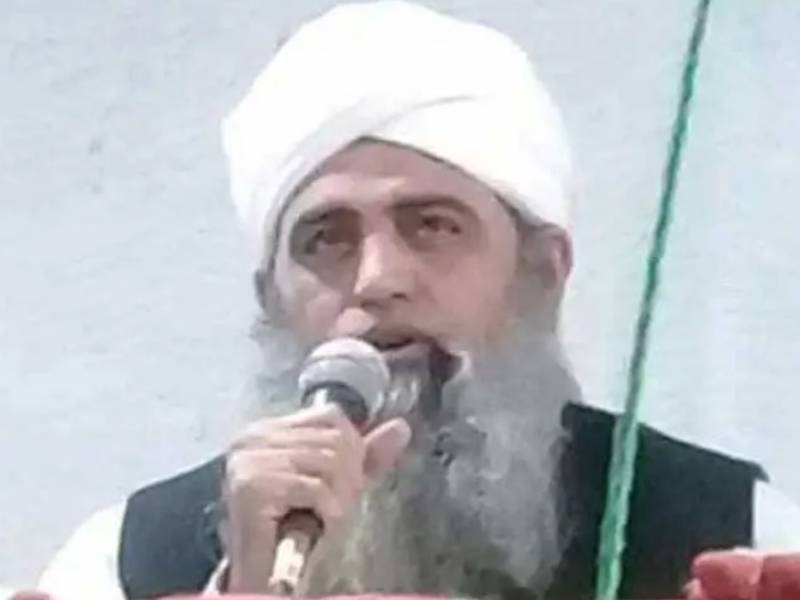
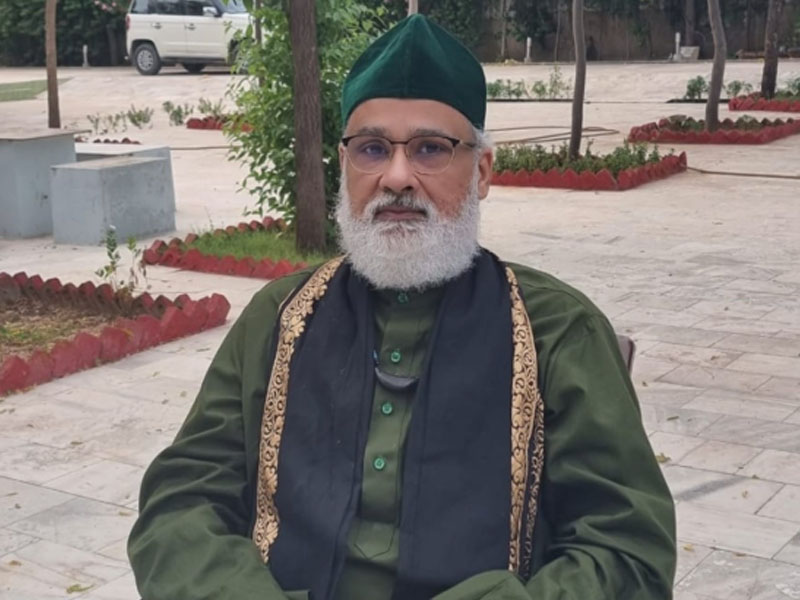
Qumruzzama Azmi (born 1946) widely respected as Maulana Azmi, is a distinguished Islamic scholar and one of the most influential voices in contemporary Islamic thought and leadership. Born in Azamgarh, Uttar Pradesh, India, in 1946, he received his early Islamic education at the esteemed Al Jamiatul Ashrafia, Mubarakpur, where he excelled in Islamic jurisprudence, theology, and Arabic literature.
Maulana Azmi’s profound understanding of Islamic teachings, coupled with his eloquence and insight, quickly earned him a reputation as a dynamic leader. His efforts to bridge gaps between communities and promote Islamic values in modern contexts have made him a sought-after scholar worldwide.
Azmi has dedicated much of his life to serving the Muslim community globally. He is closely associated with the World Islamic Mission (WIM), a prominent organization committed to promoting unity among Muslims and addressing the challenges they face. As the General Secretary of WIM, he has played a pivotal role in establishing mosques, Islamic centers, and educational institutions in various countries, particularly in Europe and North America.
An ardent advocate of peaceful coexistence, Maulana Azmi emphasizes the importance of interfaith dialogue and communal harmony. His lectures and writings have inspired countless Muslims to uphold the principles of justice, compassion, and ethical conduct.
Maulana Azmi is also deeply committed to the socio-economic upliftment of marginalized communities. He has initiated programs for education, healthcare, and poverty alleviation, ensuring the integration of Islamic values with humanitarian service.
Despite his international commitments, he remains rooted in his scholarship, dedicating time to writing, teaching, and guiding students of Islamic sciences. His intellectual contributions and spiritual leadership continue to influence generations of Muslims worldwide.
Qumruzzama Azmi’s legacy is one of knowledge, service, and unwavering dedication to the cause of Islam and humanity.