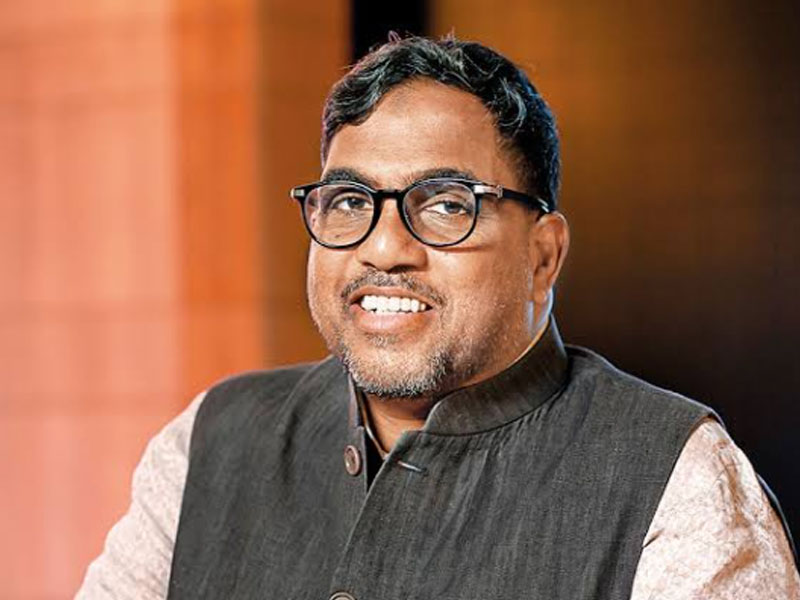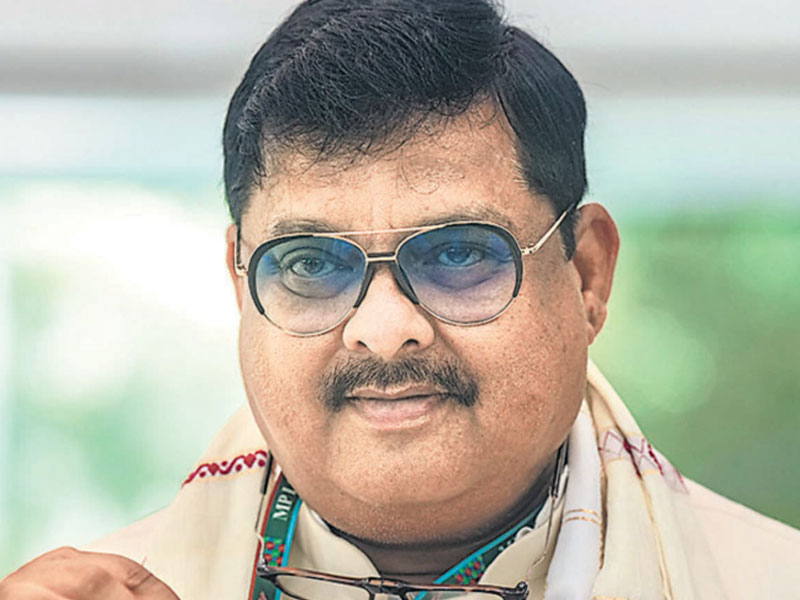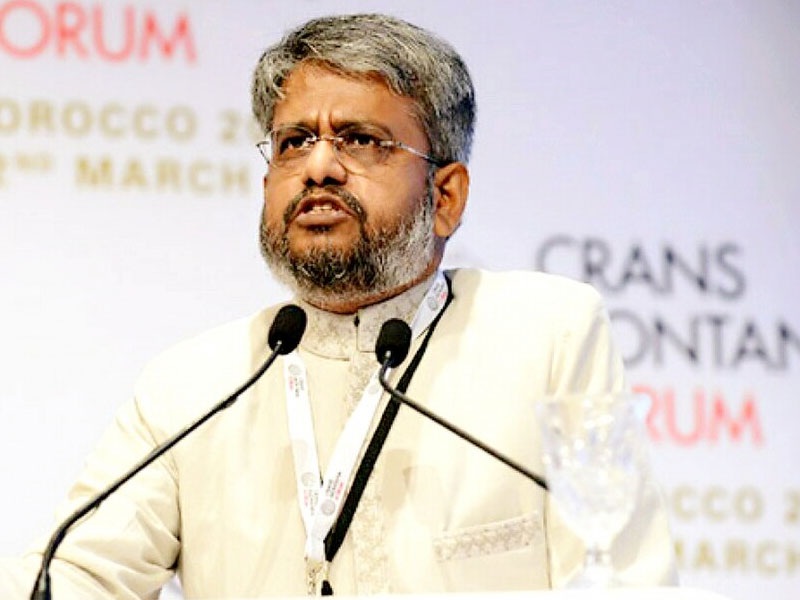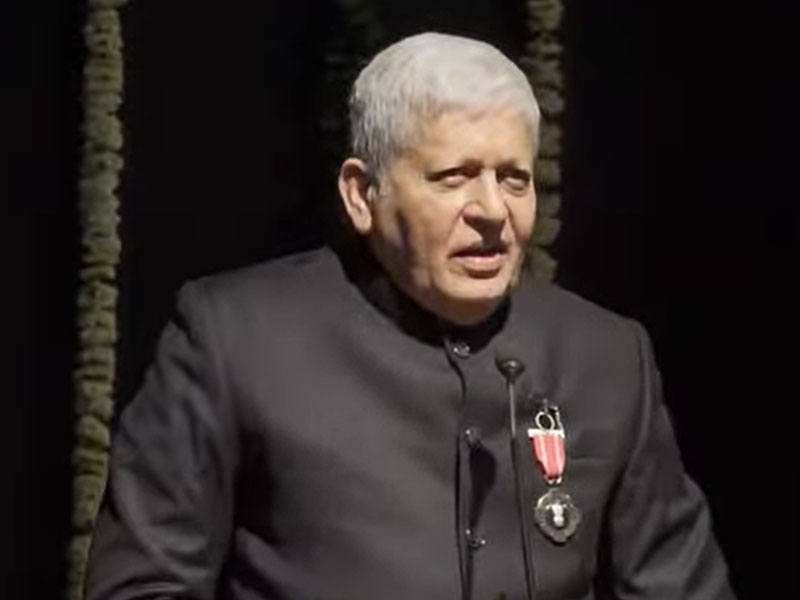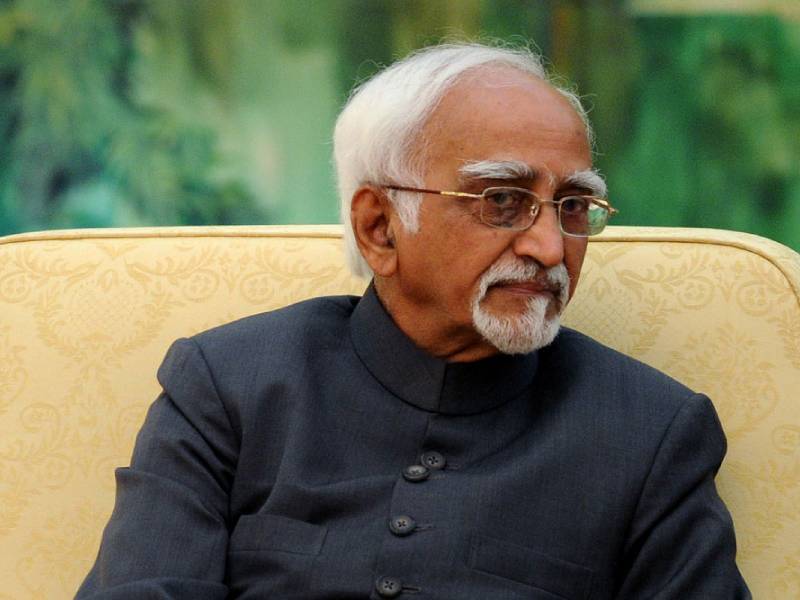
Hamid Ansari: Politician, Diplomat and Scholar
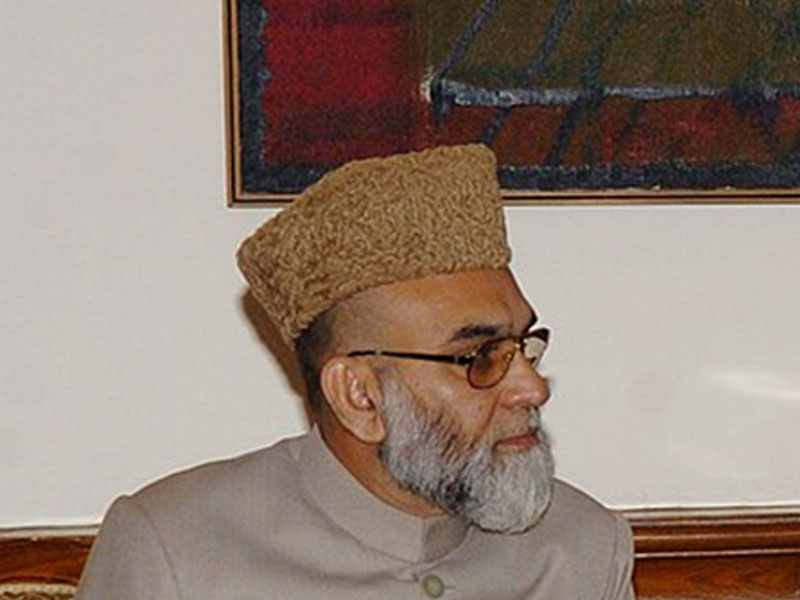
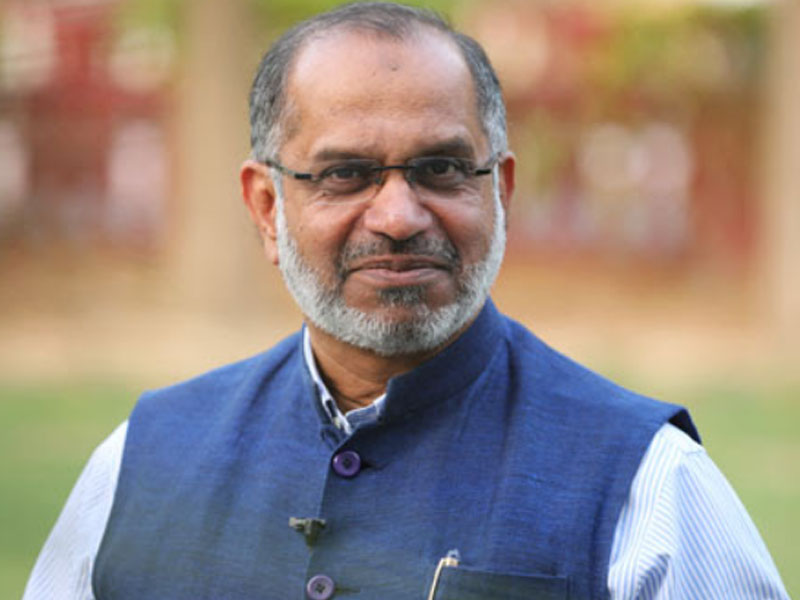
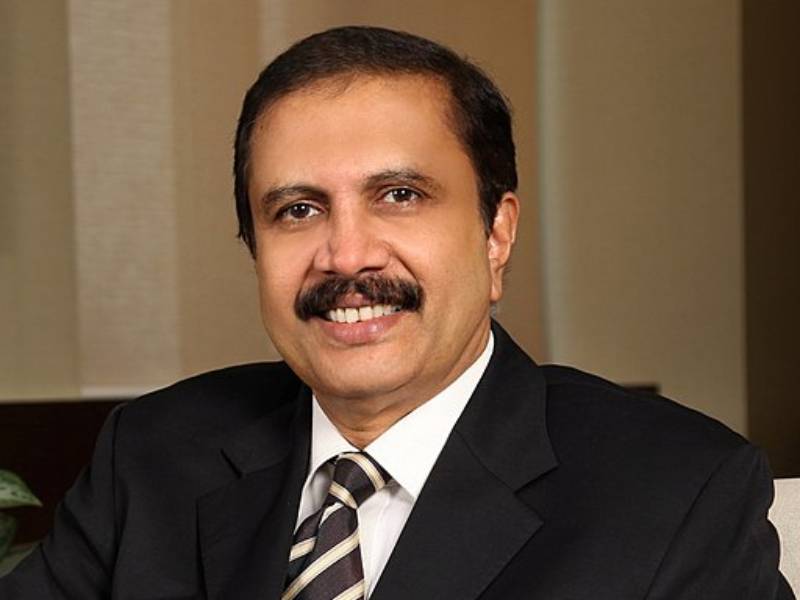
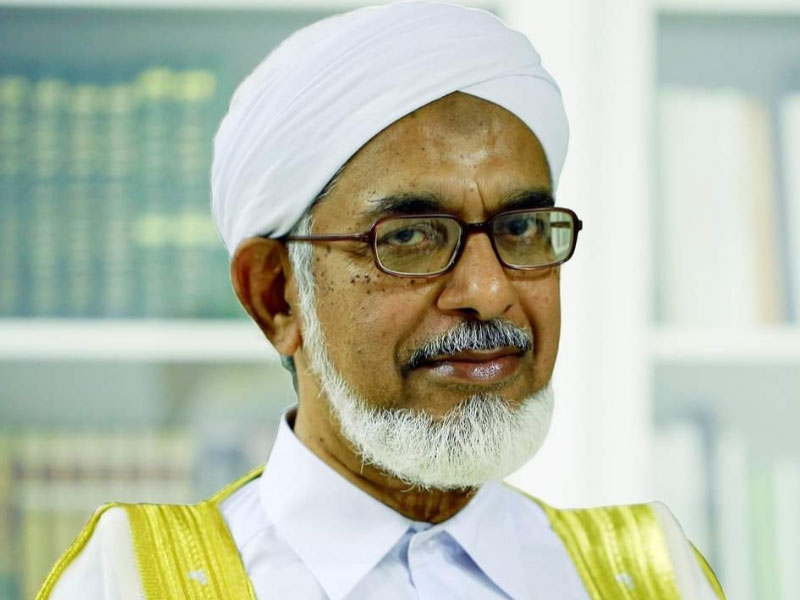
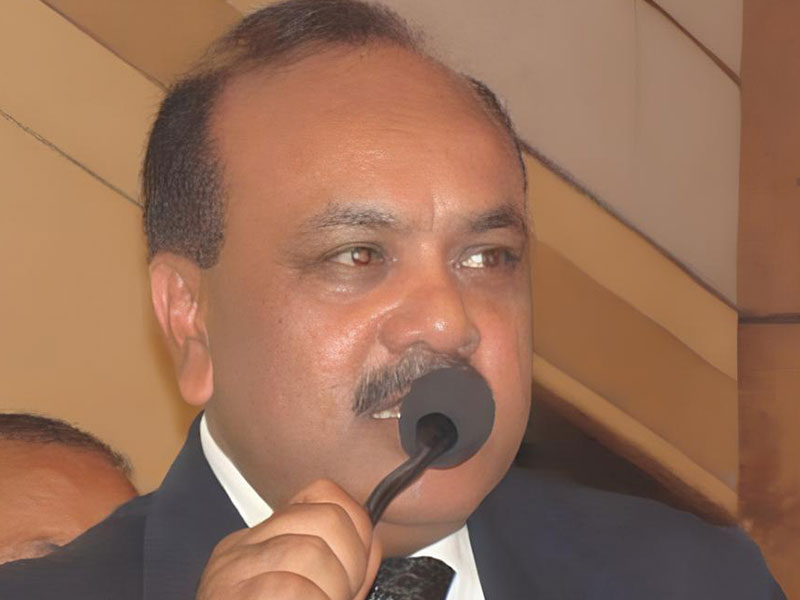
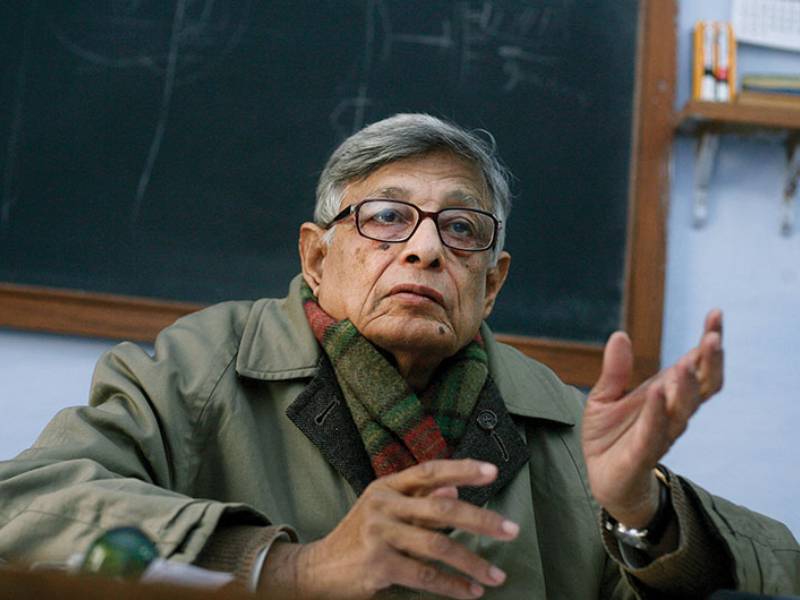
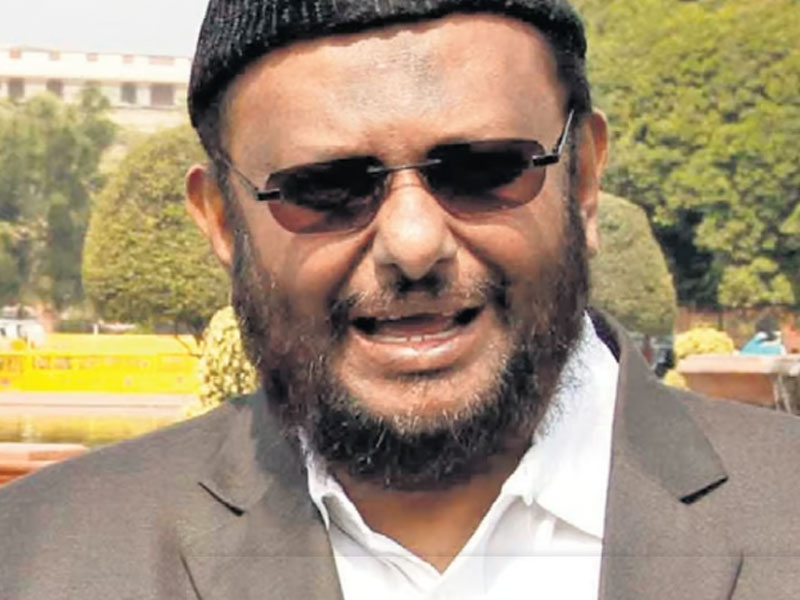
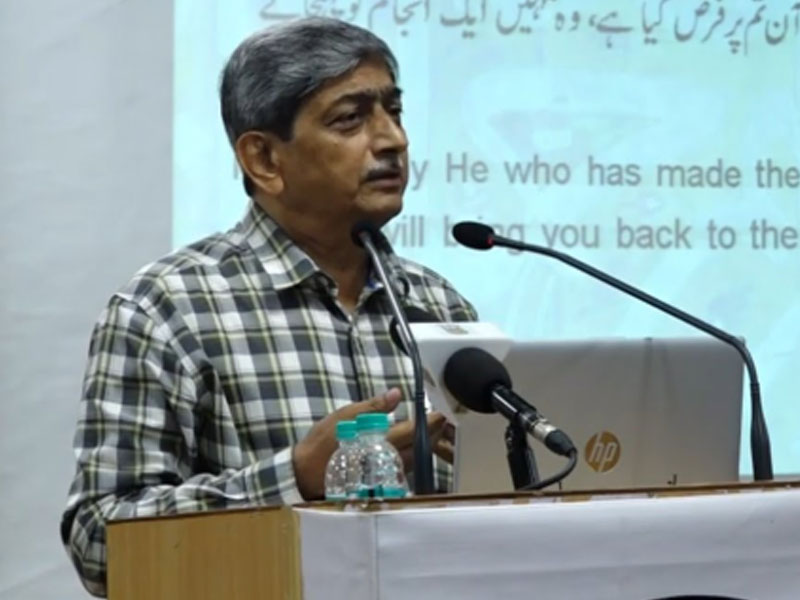
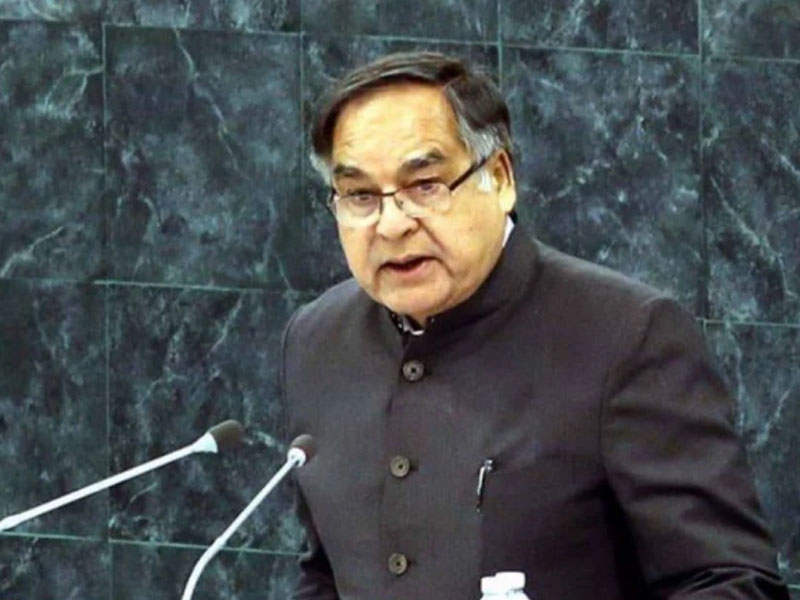
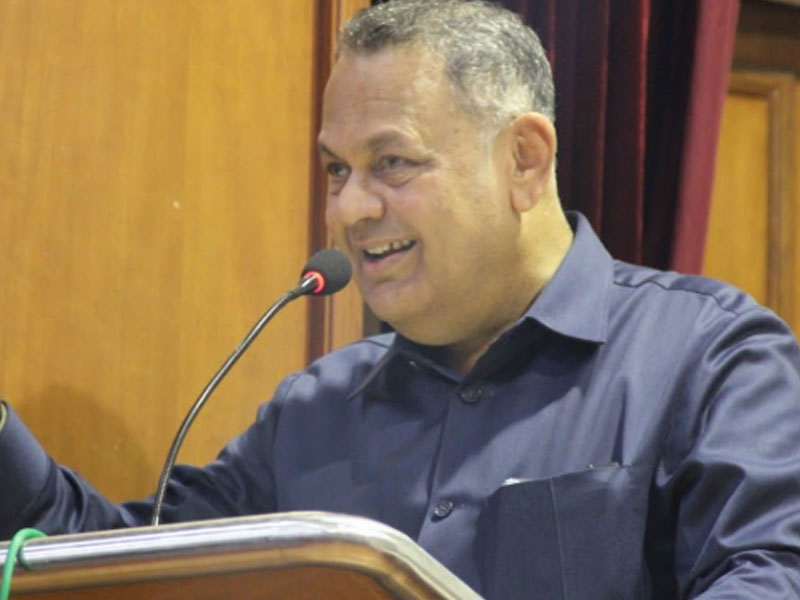
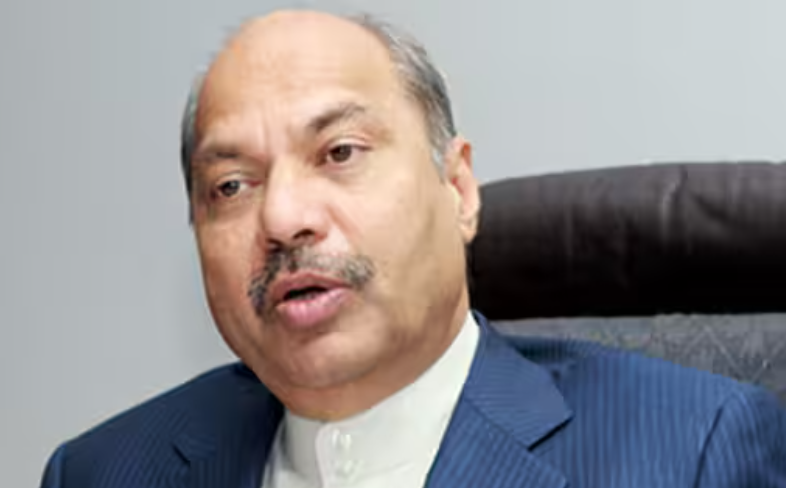
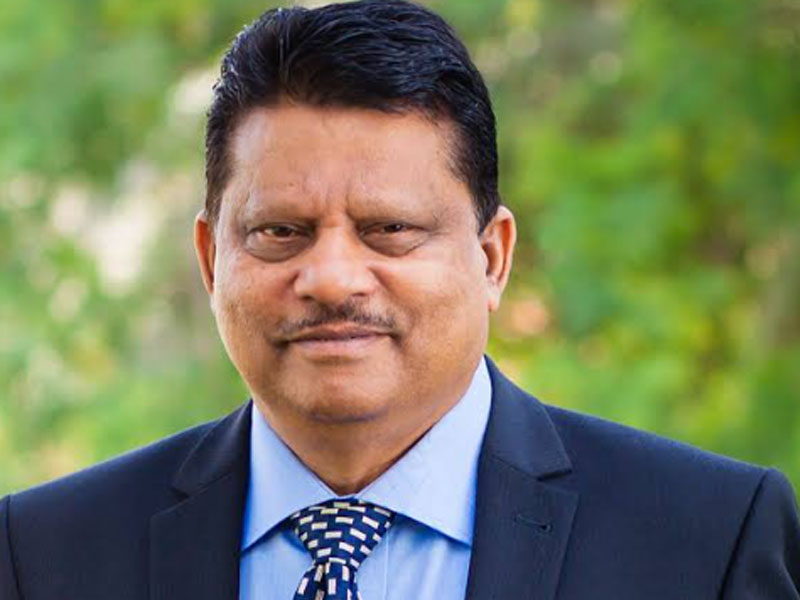
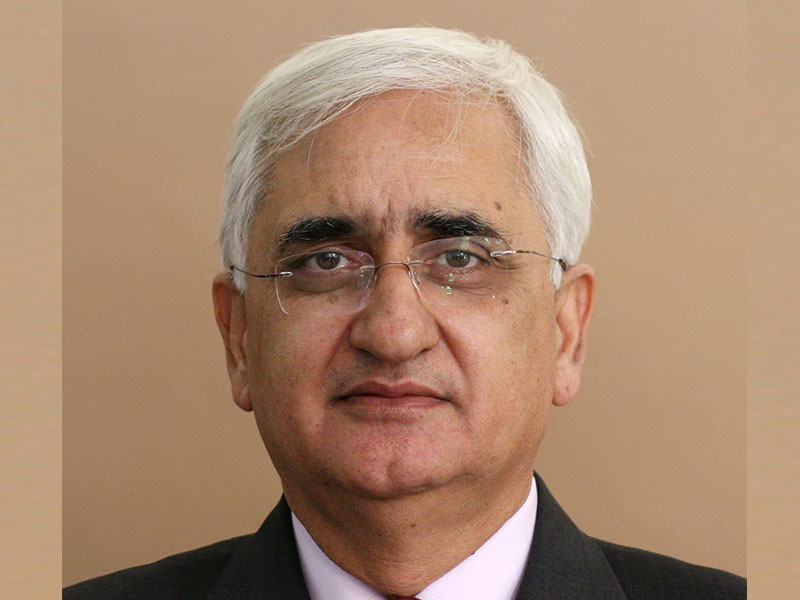
Mohammad Hamid Ansari (born in 1937) is a distinguished diplomat, academic, and politician who served as the 12th Vice President of India from 2007 to 2017. His illustrious career spans over five decades, encompassing diplomacy, academia, and public service.
Ansari began his education in Kolkata and completed his postgraduate studies in Political Science from Aligarh Muslim University. He joined the Indian Foreign Service (IFS) in 1961, marking the start of a long and accomplished diplomatic career. Ansari served in critical roles, including as India’s ambassador to the United Arab Emirates, Afghanistan, Iran, and Saudi Arabia. His tenure as Permanent Representative of India to the United Nations further solidified his reputation as a skilled diplomat and statesman.
In academia, Ansari served as Vice-Chancellor of Aligarh Muslim University, where he worked to modernize the institution and bridge the gap between traditional and contemporary education. Later, he became the Chairperson of the National Commission for Minorities, advocating for minority rights and inclusive development in India.
Ansari’s election as Vice President in 2007 was a testament to his commitment to democratic values and constitutional governance. As Chairman of the Rajya Sabha, he was known for his impartiality and emphasis on decorum in parliamentary proceedings. He was re-elected for a second term in 2012, becoming one of the few Vice Presidents to serve two consecutive terms.
A prolific writer and speaker, Ansari has authored books and essays on topics ranging from international relations to constitutional values and social justice. His book, Dare I Question?, reflects his insights on governance and democracy.
Hamid Ansari’s legacy is defined by his diplomatic finesse, commitment to constitutional principles, and advocacy for pluralism and secularism, making him one of India’s most respected public figures.
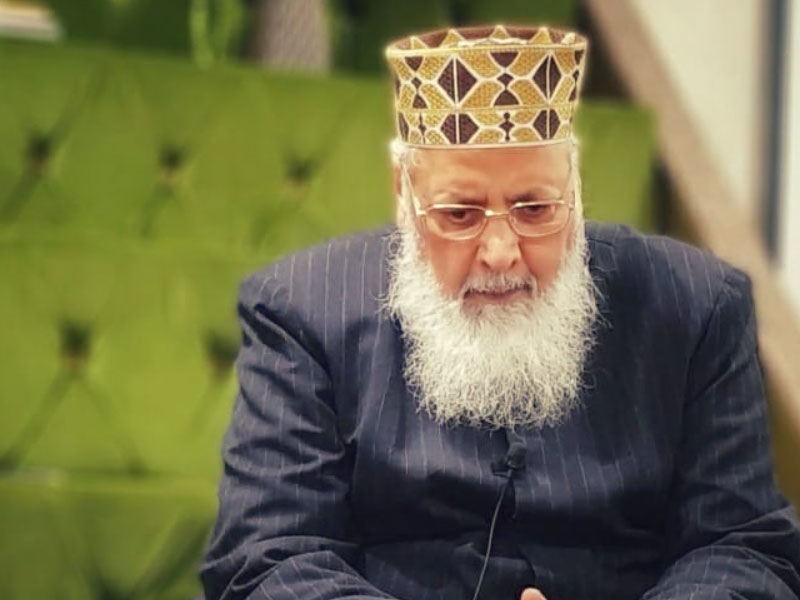
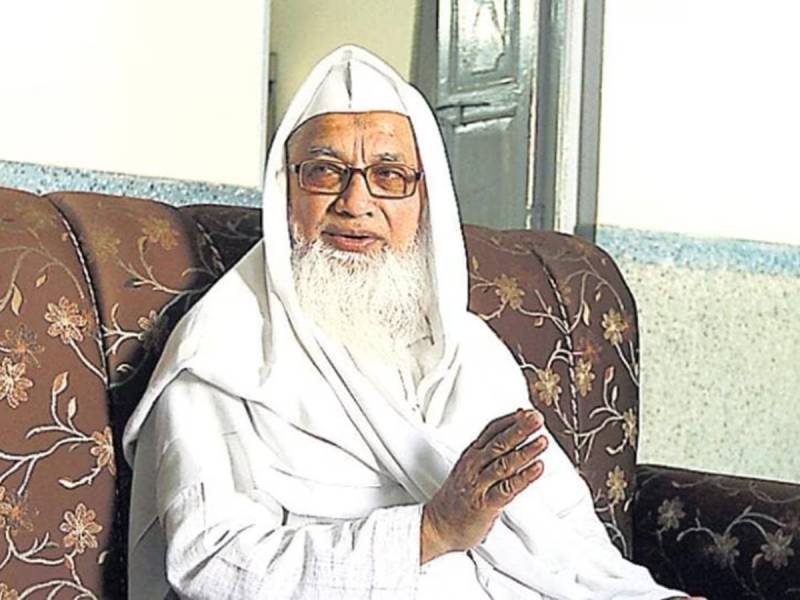
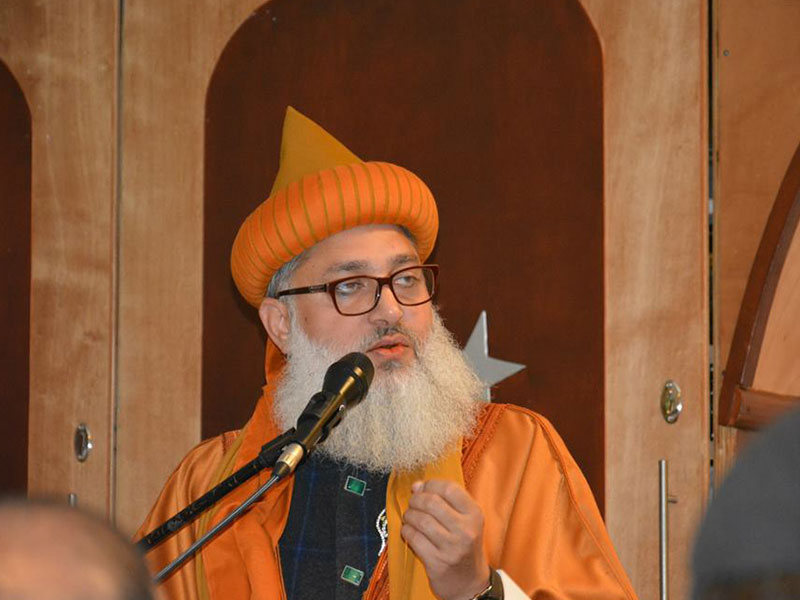
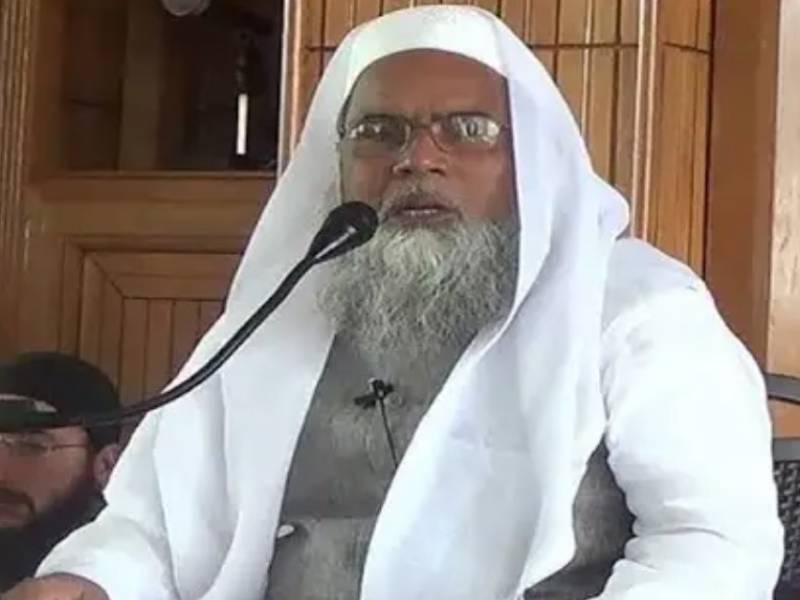
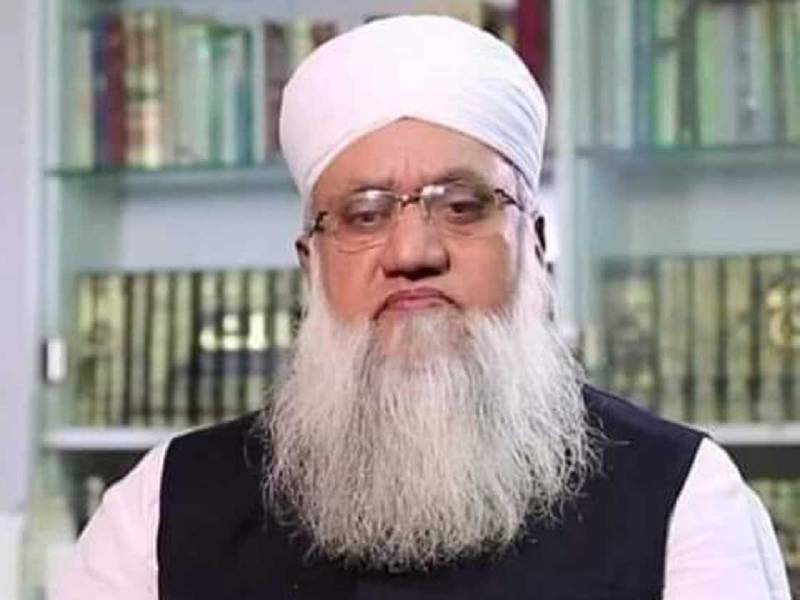
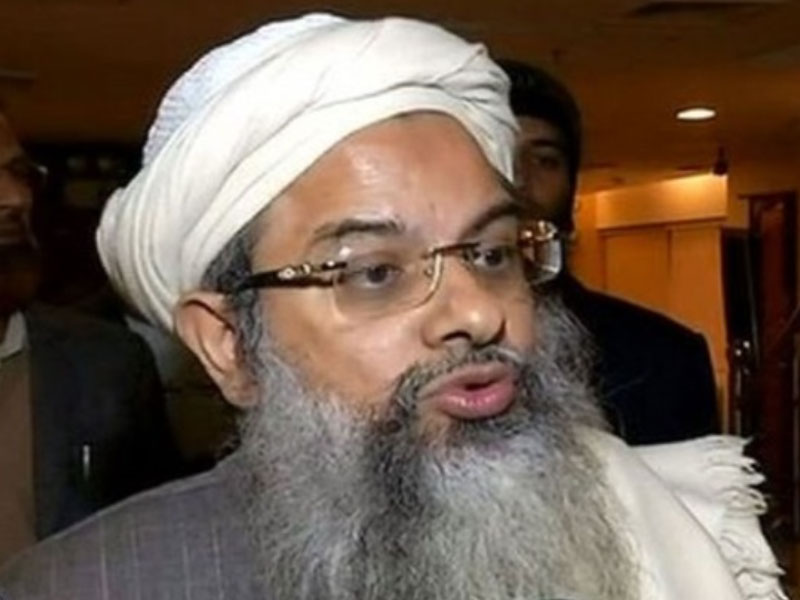
Qumruzzama Azmi: Islamic Scholar
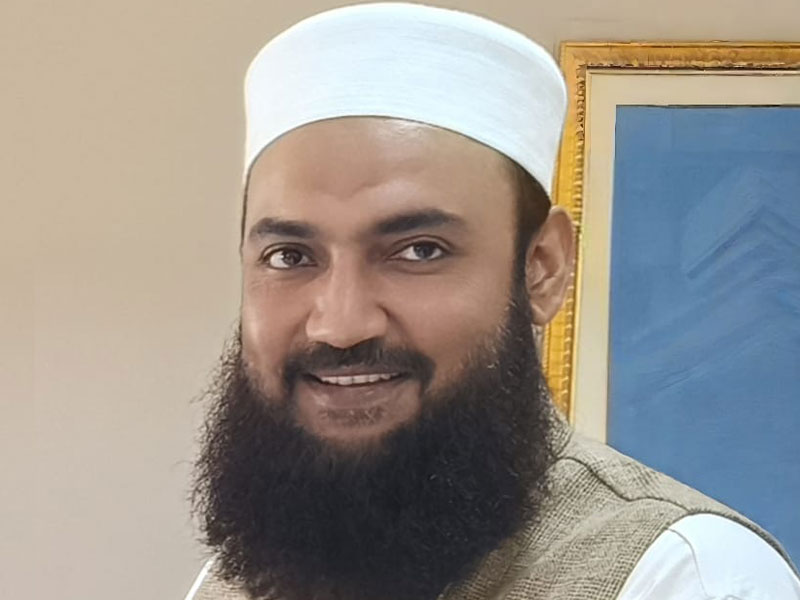
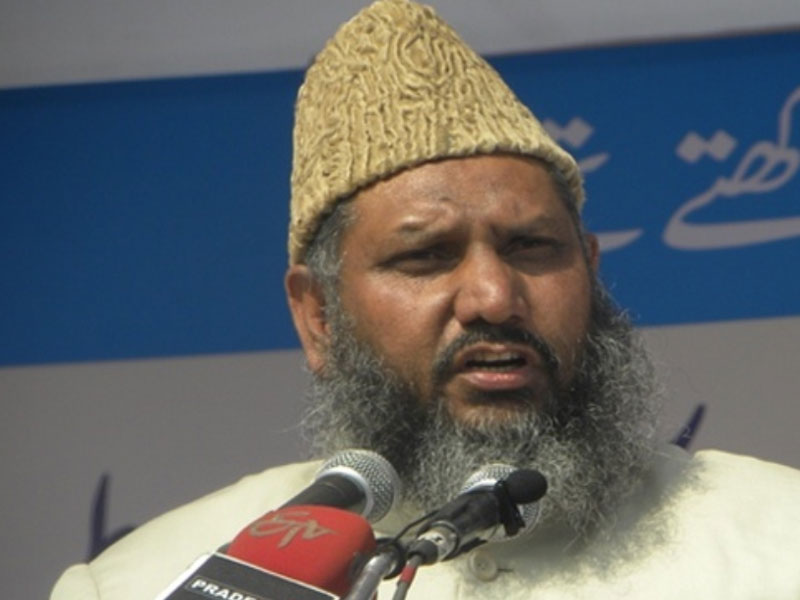
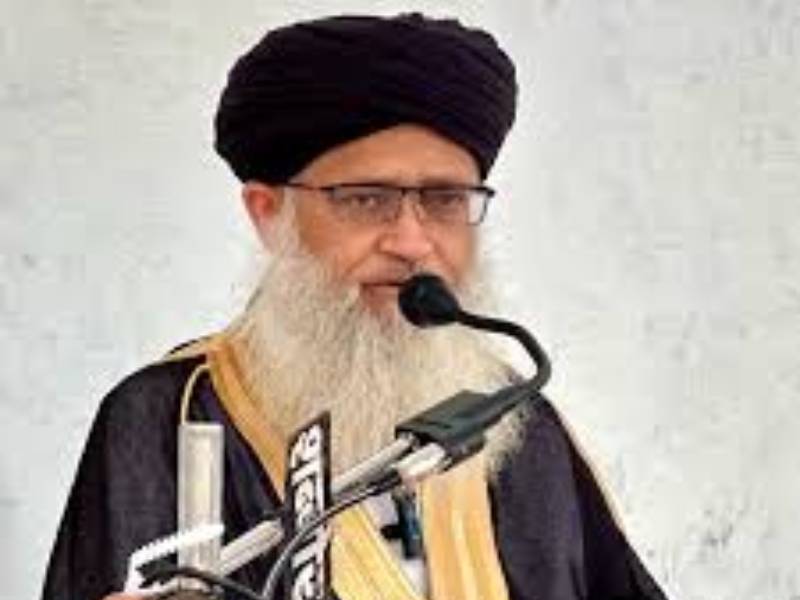
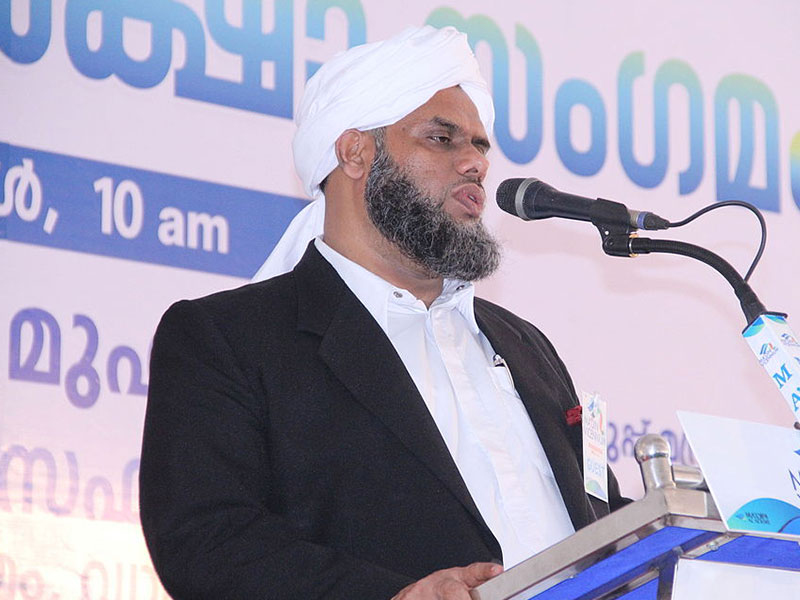
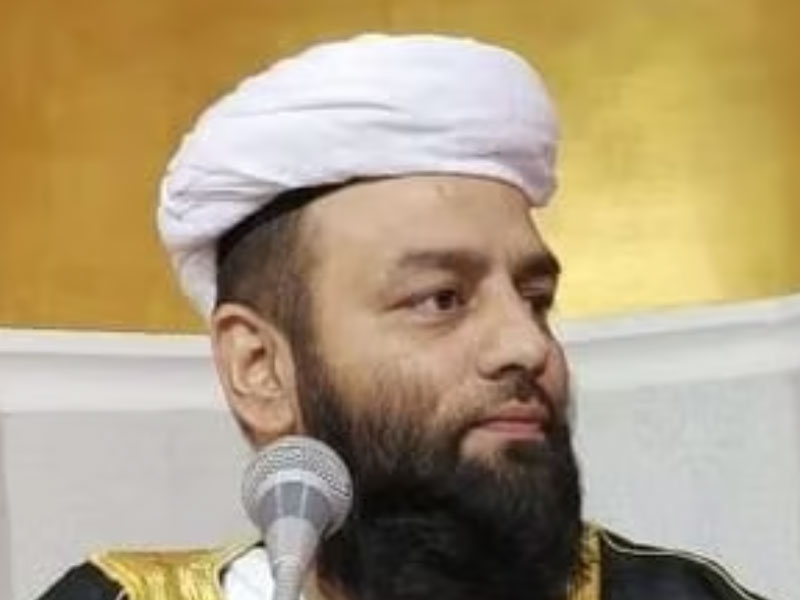
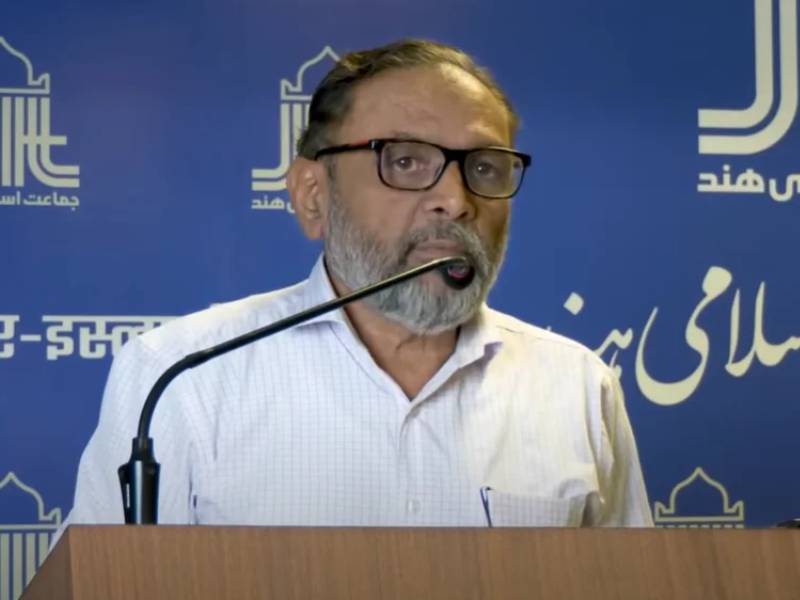
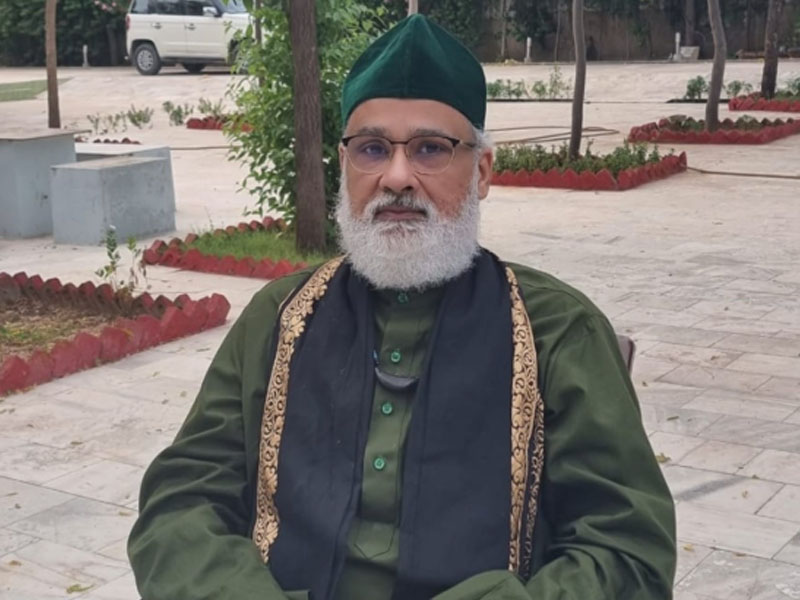
Qumruzzama Azmi (born 1946) widely respected as Maulana Azmi, is a distinguished Islamic scholar and one of the most influential voices in contemporary Islamic thought and leadership. Born in Azamgarh, Uttar Pradesh, India, in 1946, he received his early Islamic education at the esteemed Al Jamiatul Ashrafia, Mubarakpur, where he excelled in Islamic jurisprudence, theology, and Arabic literature.
Maulana Azmi’s profound understanding of Islamic teachings, coupled with his eloquence and insight, quickly earned him a reputation as a dynamic leader. His efforts to bridge gaps between communities and promote Islamic values in modern contexts have made him a sought-after scholar worldwide.
Azmi has dedicated much of his life to serving the Muslim community globally. He is closely associated with the World Islamic Mission (WIM), a prominent organization committed to promoting unity among Muslims and addressing the challenges they face. As the General Secretary of WIM, he has played a pivotal role in establishing mosques, Islamic centers, and educational institutions in various countries, particularly in Europe and North America.
An ardent advocate of peaceful coexistence, Maulana Azmi emphasizes the importance of interfaith dialogue and communal harmony. His lectures and writings have inspired countless Muslims to uphold the principles of justice, compassion, and ethical conduct.
Maulana Azmi is also deeply committed to the socio-economic upliftment of marginalized communities. He has initiated programs for education, healthcare, and poverty alleviation, ensuring the integration of Islamic values with humanitarian service.
Despite his international commitments, he remains rooted in his scholarship, dedicating time to writing, teaching, and guiding students of Islamic sciences. His intellectual contributions and spiritual leadership continue to influence generations of Muslims worldwide.
Qumruzzama Azmi’s legacy is one of knowledge, service, and unwavering dedication to the cause of Islam and humanity.