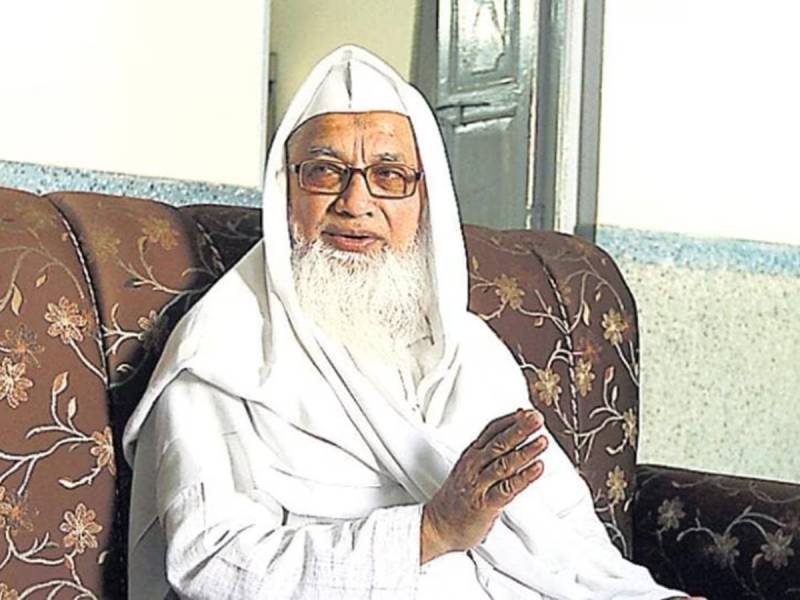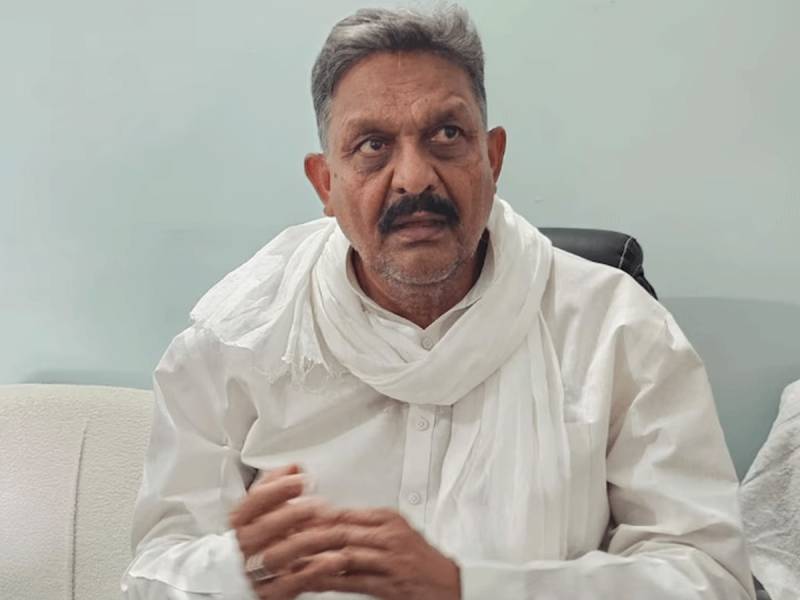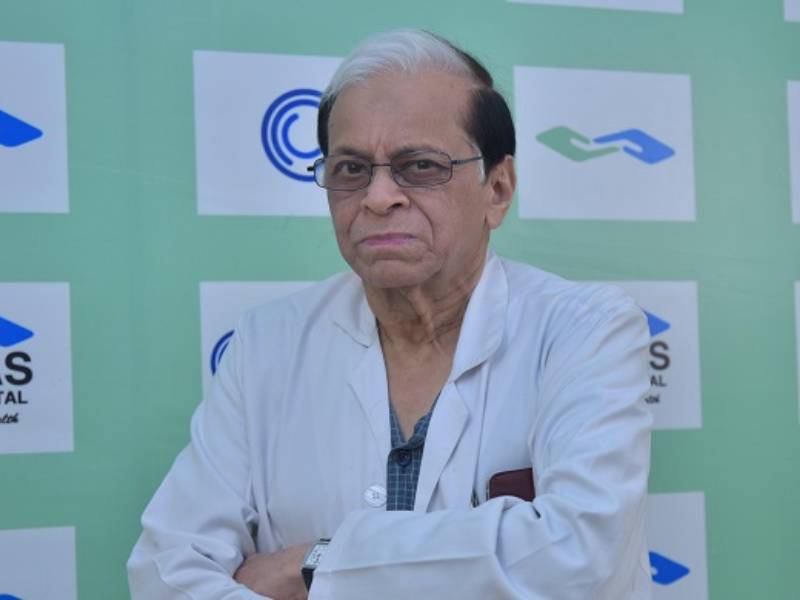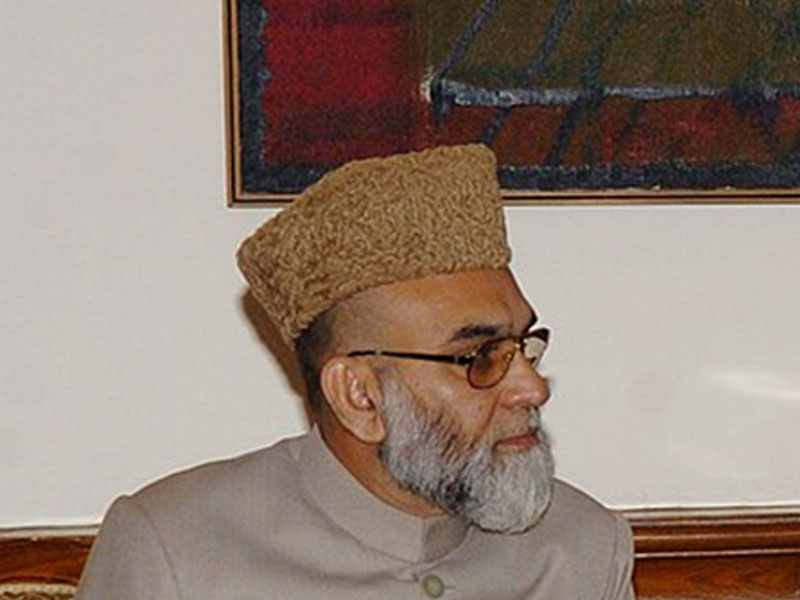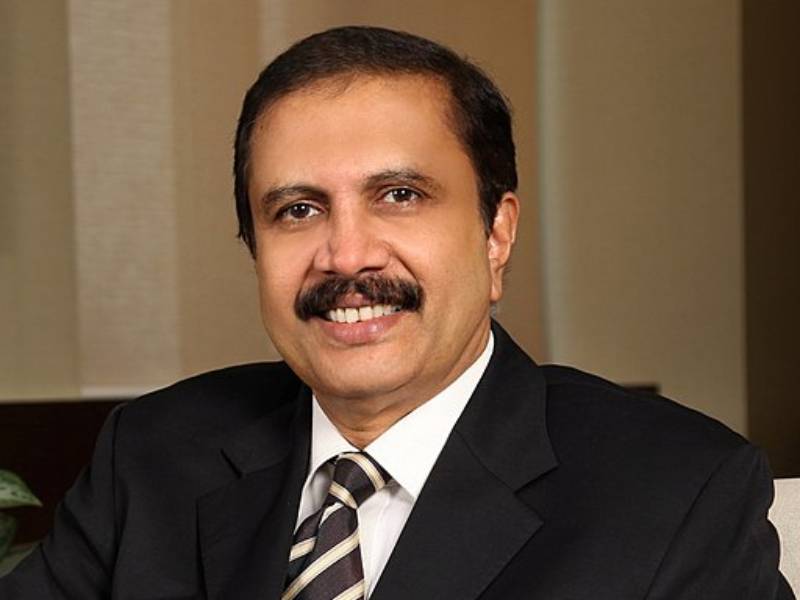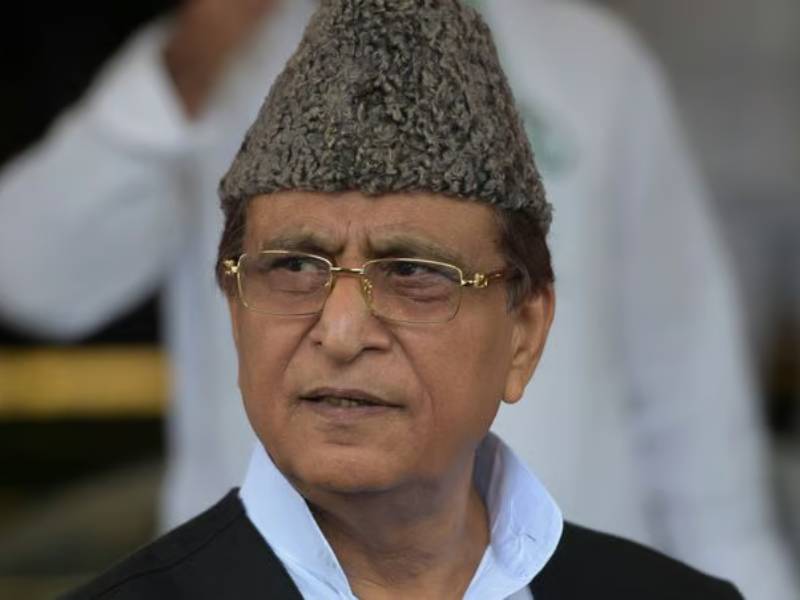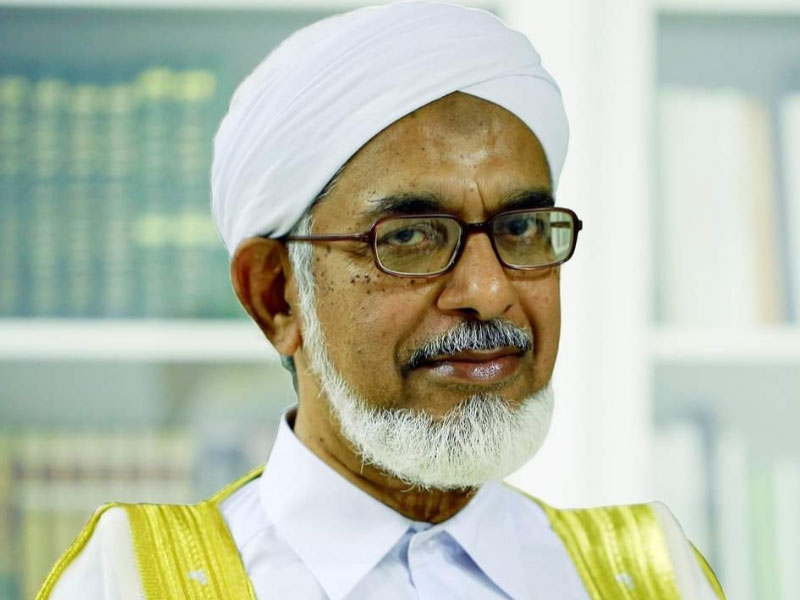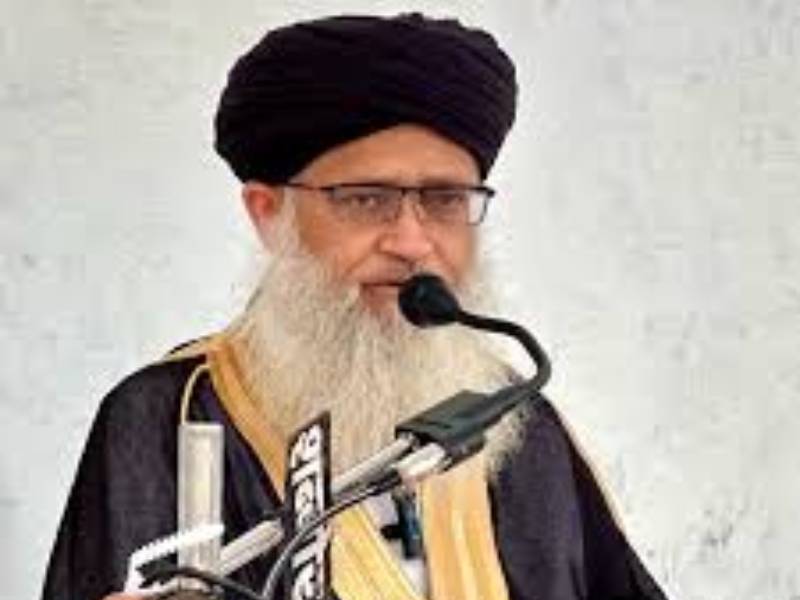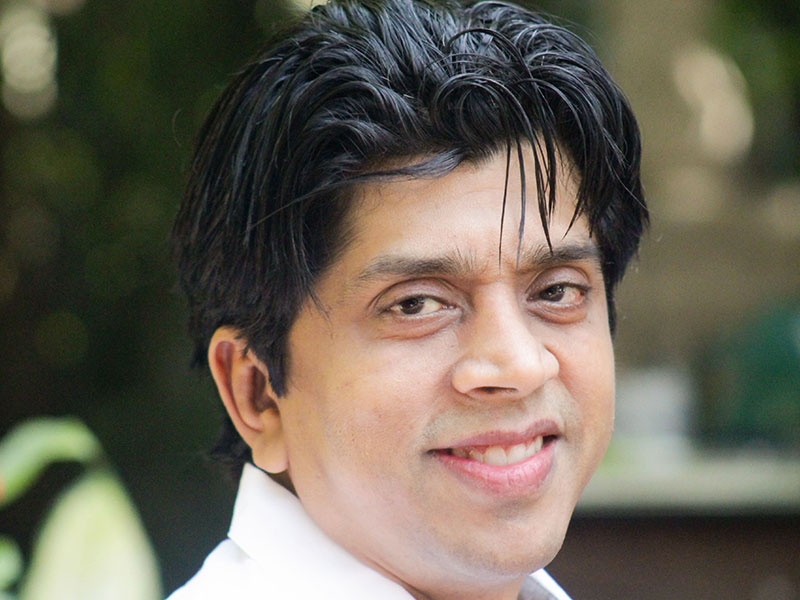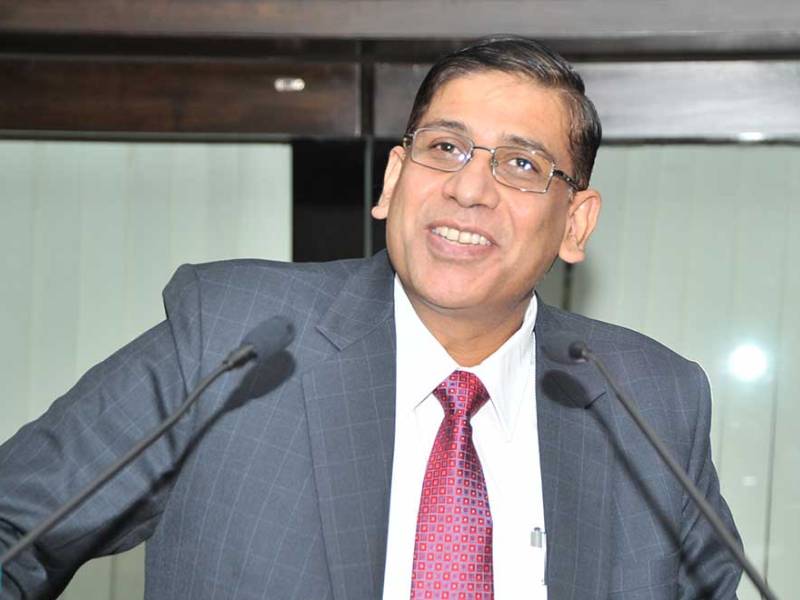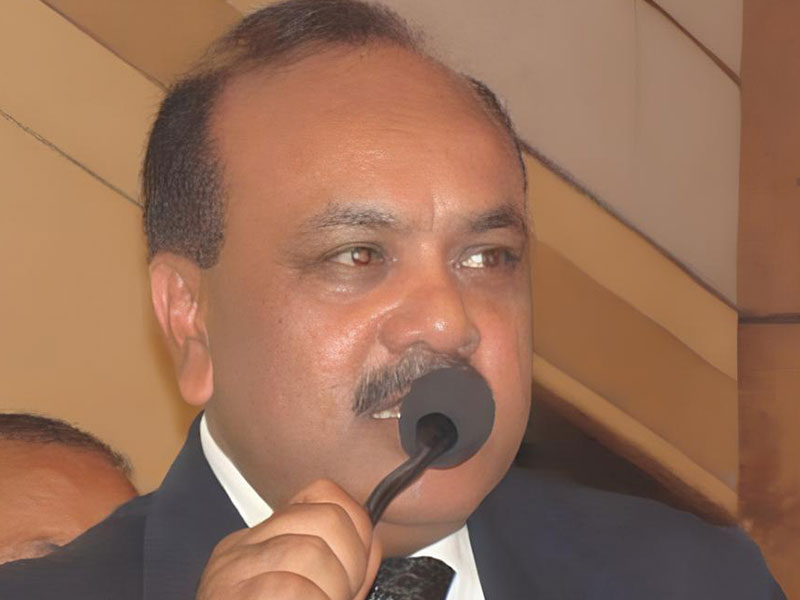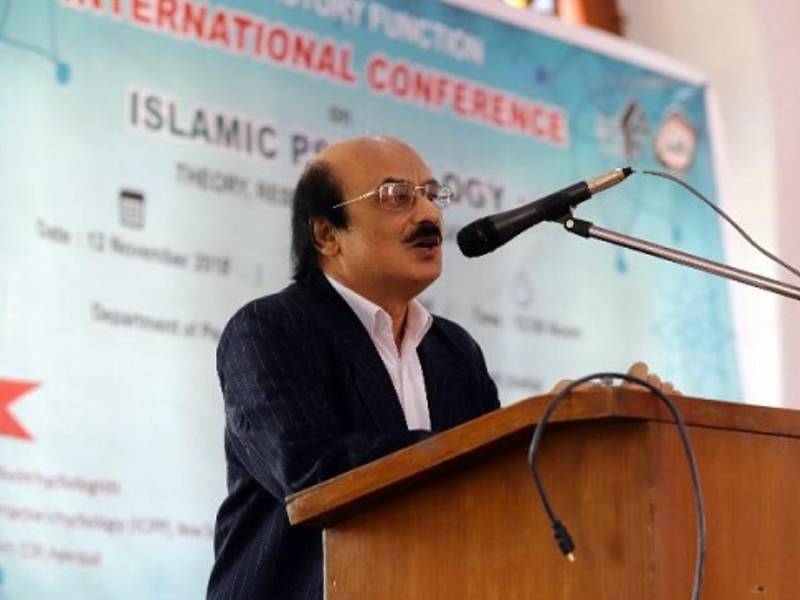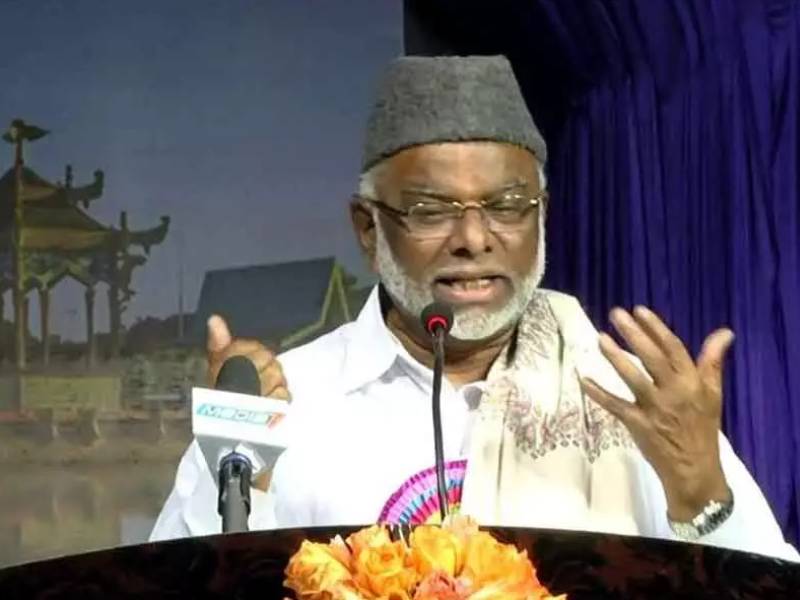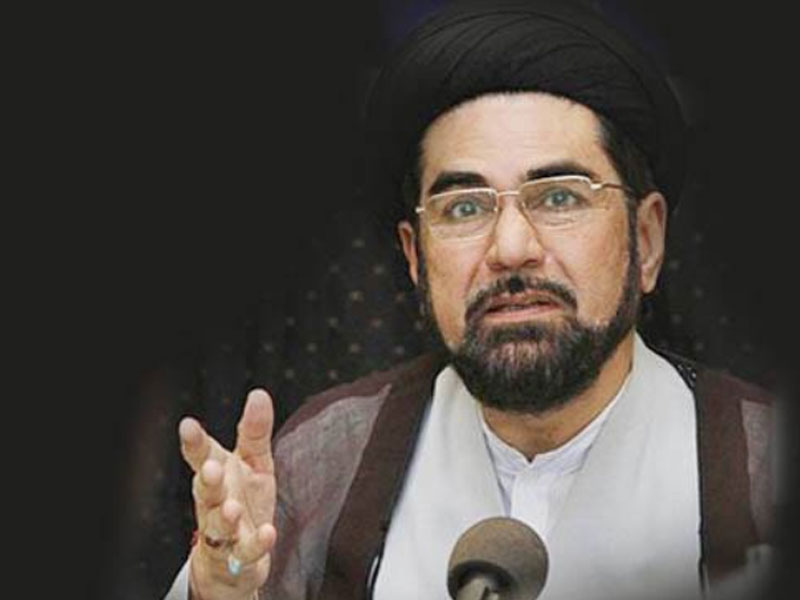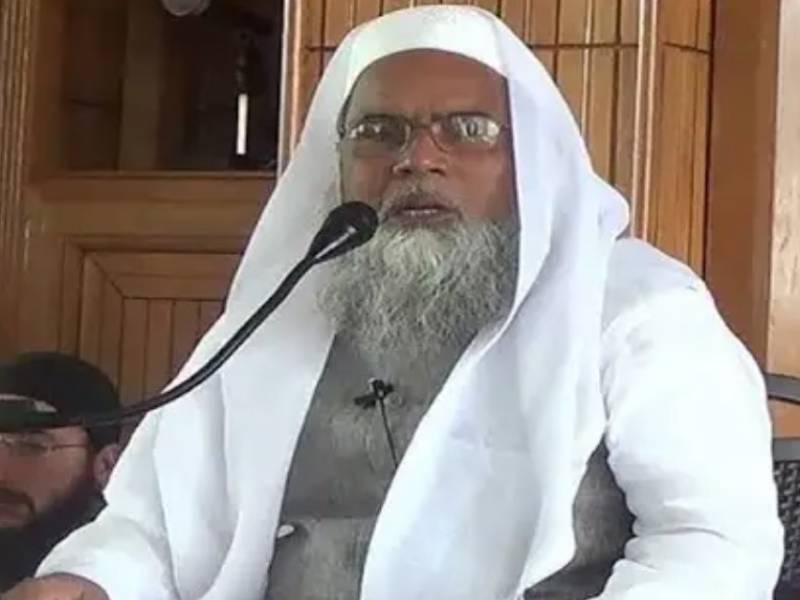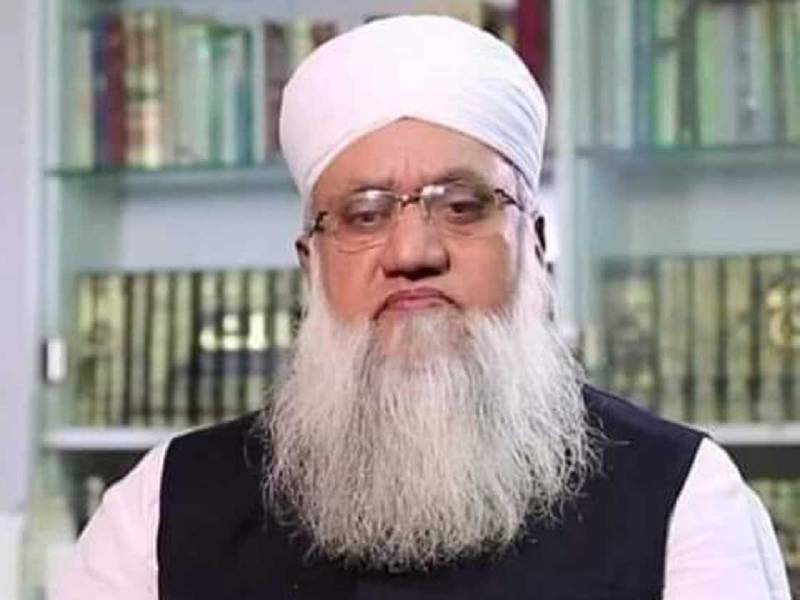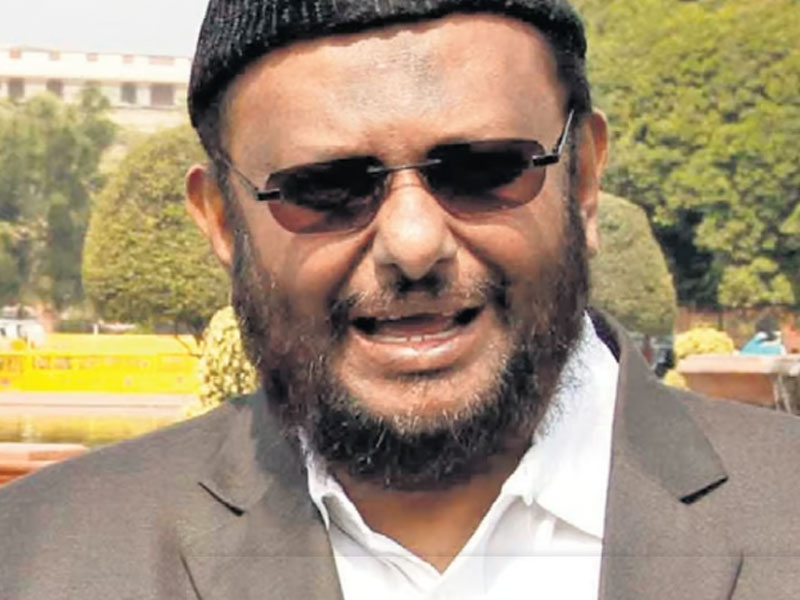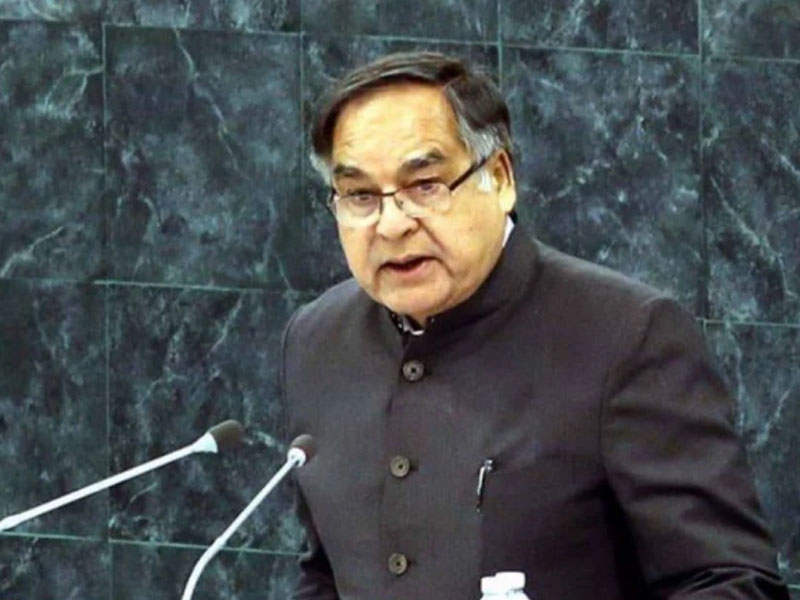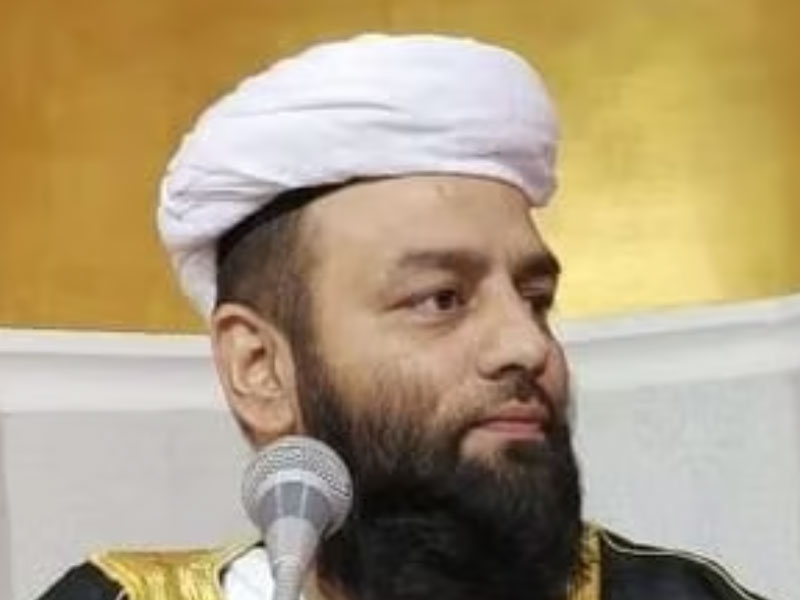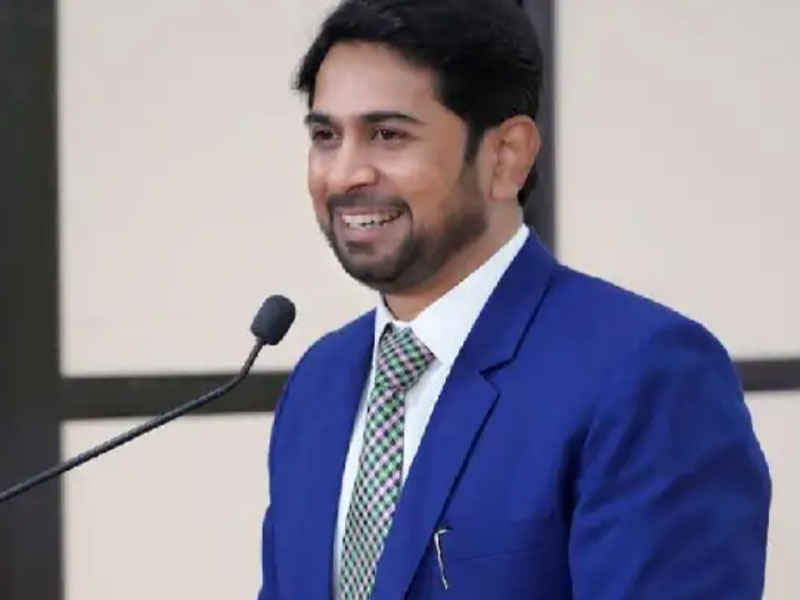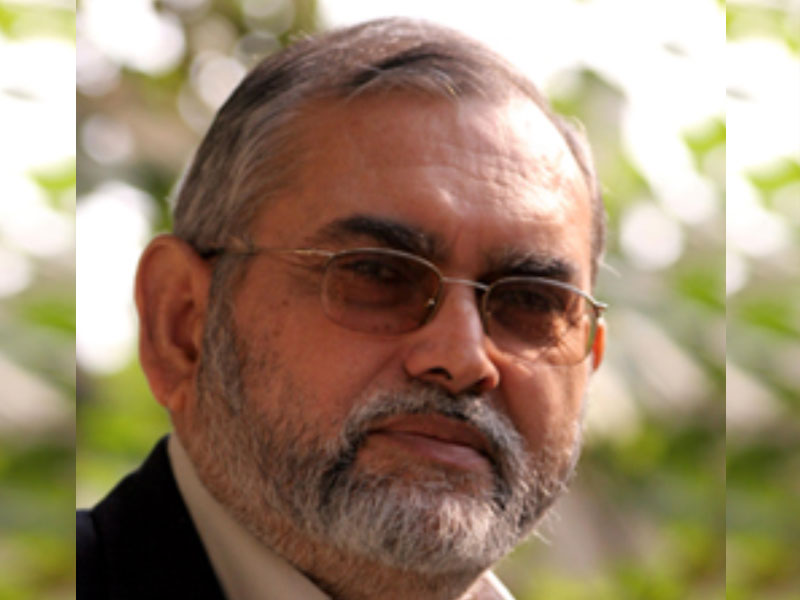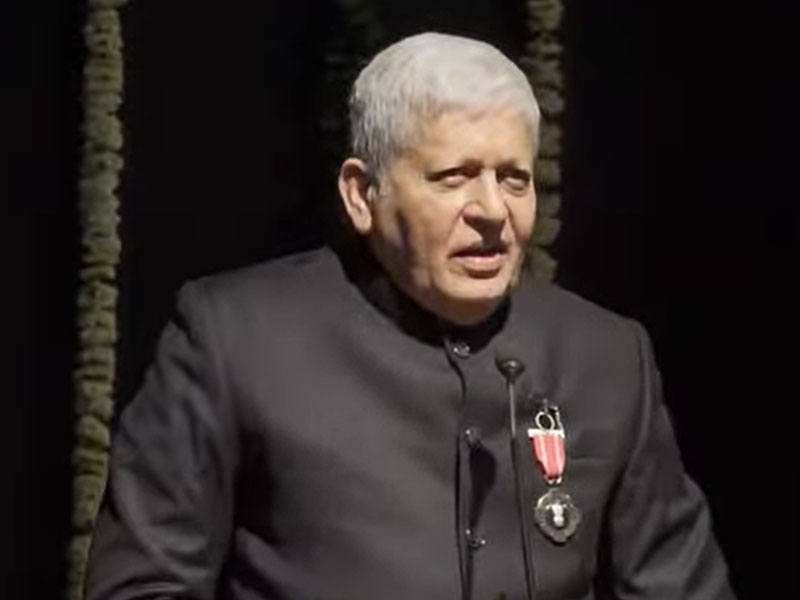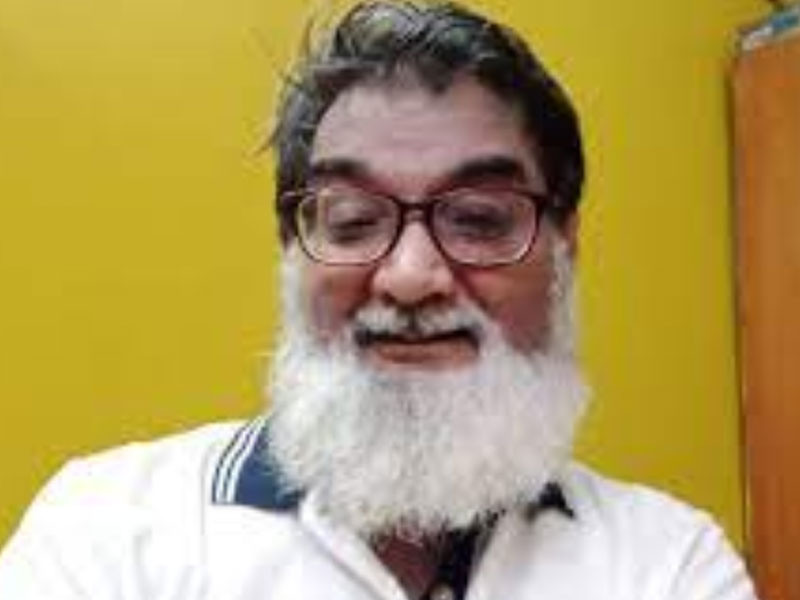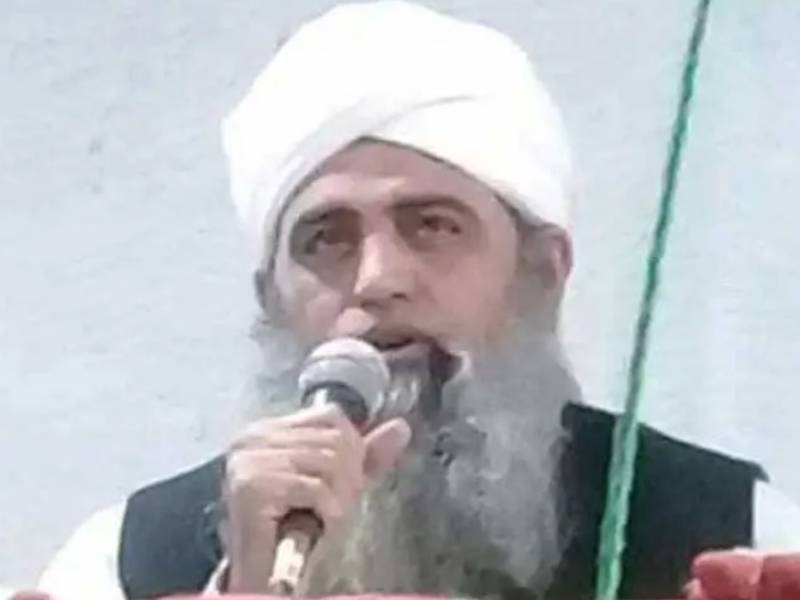
Muhammad Saad Kandhlawi: Religious Leader/Spiritual Leader
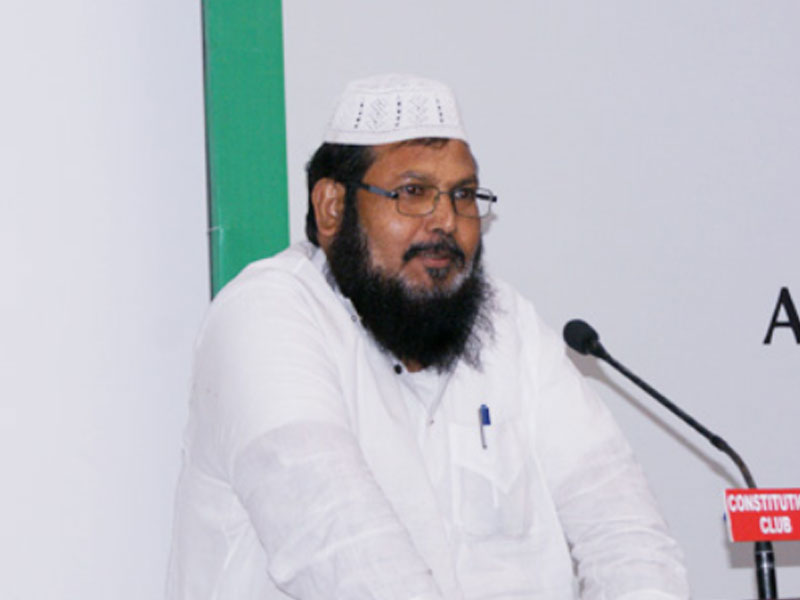
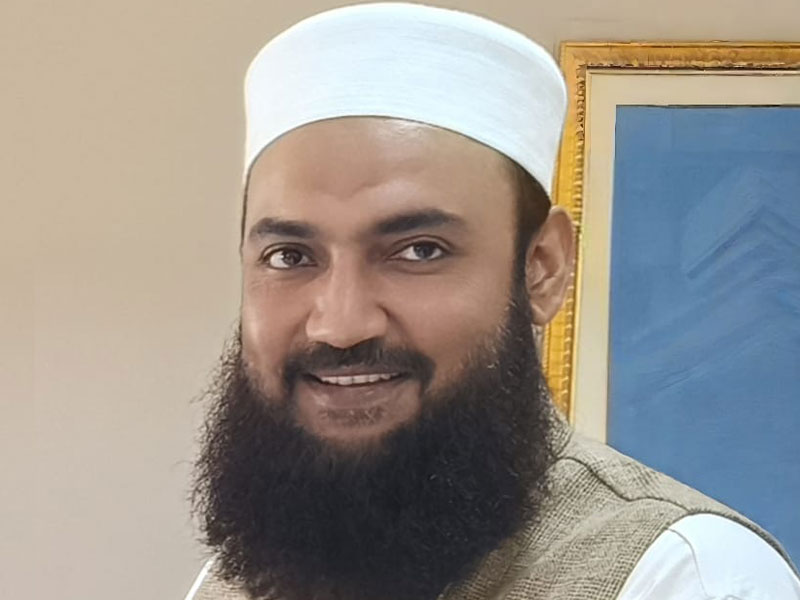
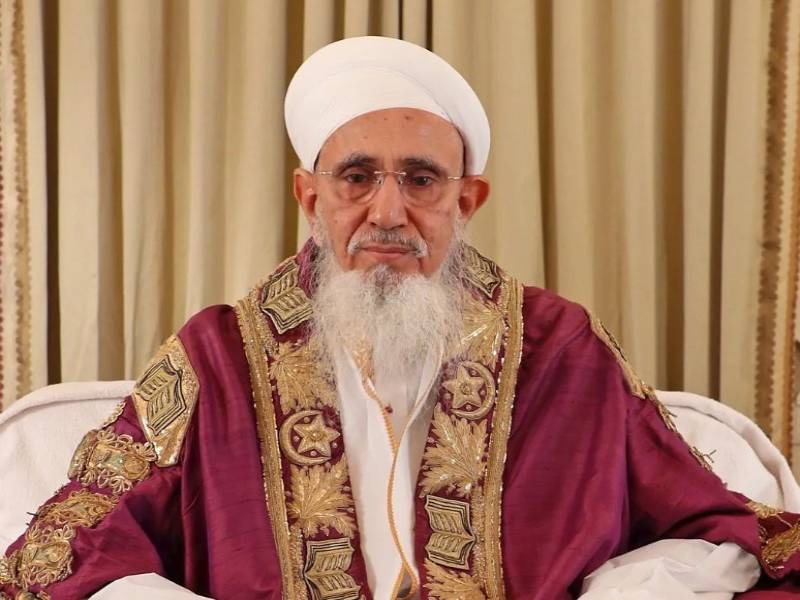
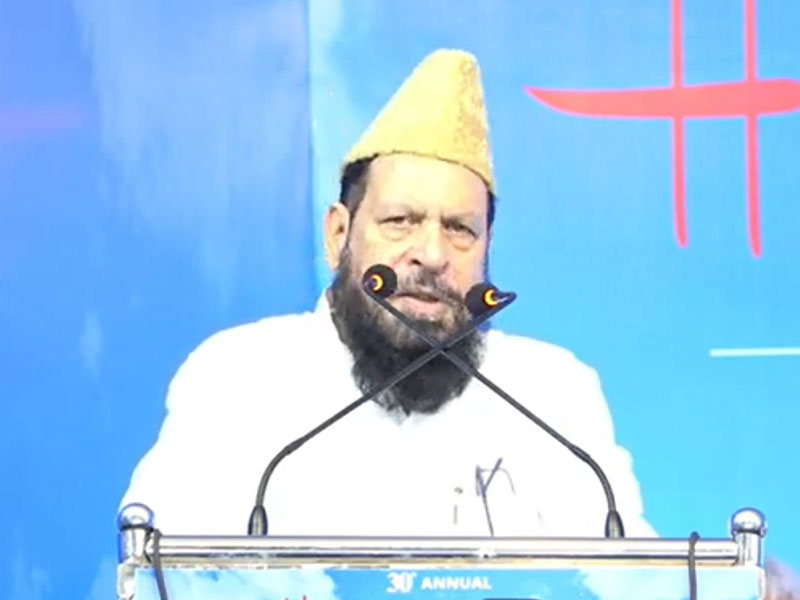
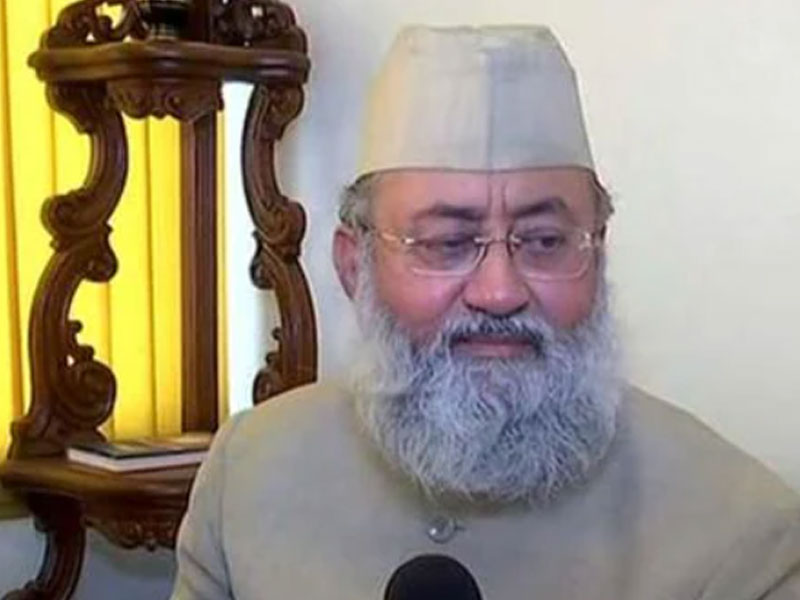
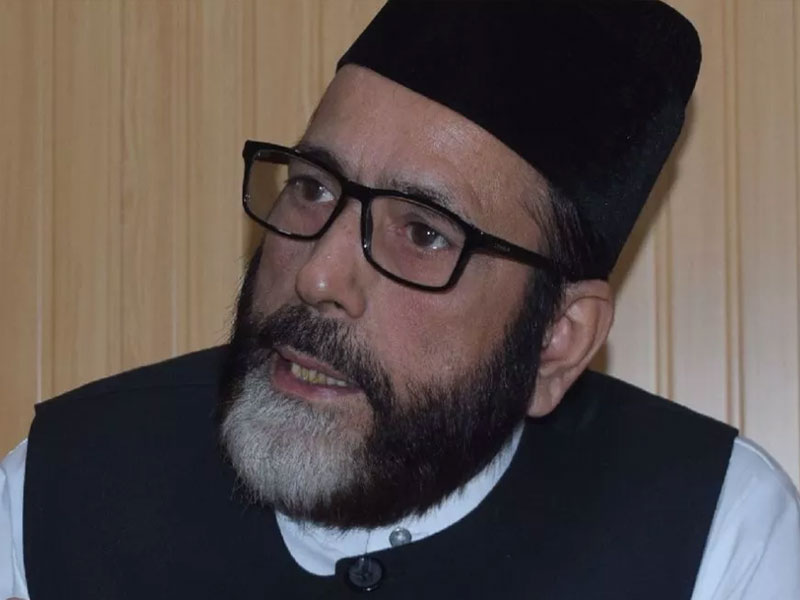
Muhammad Saad Kandhlawi ((born 1965) is an Indian Muslim preacher, leading the Nizamuddin Markaz faction of the Tablighi Jamaat, a global Islamic revival movement. He is the great-grandson of Muhammad Ilyas Kandhlawi, the founder of the Tablighi Jamaat, and the grandson of former leader Muhammad Yusuf Kandhlawi. Saad Kandhlawi was born in Kandhla, Shamli District, Uttar Pradesh, and completed his Islamic studies (Dars-e-Nizami) at Madrasa Kashiful Uloom, Nizamuddin Markaz, in Delhi in 1987.
After the death of Tablighi Jamaat’s former chief, Inamul Hasan Kandhlawi, a shura (council) was formed to elect a new leader. Though the council failed to appoint a single leader, Muhammad Saad Kandhlawi eventually emerged as the head of the movement, particularly after the passing of the other shura members. He was officially recognized as the leader of the Tablighi Jamaat during the All India Jod and the Tongi Ijtema in 2017.
Despite his leadership, Saad Kandhlawi's tenure has not been without controversy. Some of his statements have prompted fatwas from Deobandi scholars. South African scholar Mufti Ebrahim Desai issued a fatwa against him, as did India’s Darul Uloom Deoband, raising concerns about his leadership. Zaid Mazahiri of Nadwatul Ulama also penned treatises on the internal disputes within the Tablighi Jamaat. However, British scholar Yusuf Motala defended Kandhlawi.
During the COVID-19 pandemic, Saad faced further scrutiny when a religious event organized at the Nizamuddin Markaz resulted in a COVID-19 outbreak. This led to an FIR against him. In 2021, the Delhi High Court ordered the police to open his house following its closure.
Saad was also criticized when media reports exposed his ownership of a luxurious farmhouse, contrasting with the simple lifestyle he promotes to his followers. Despite these revelations, his family defended him, stating he rarely visited the property.
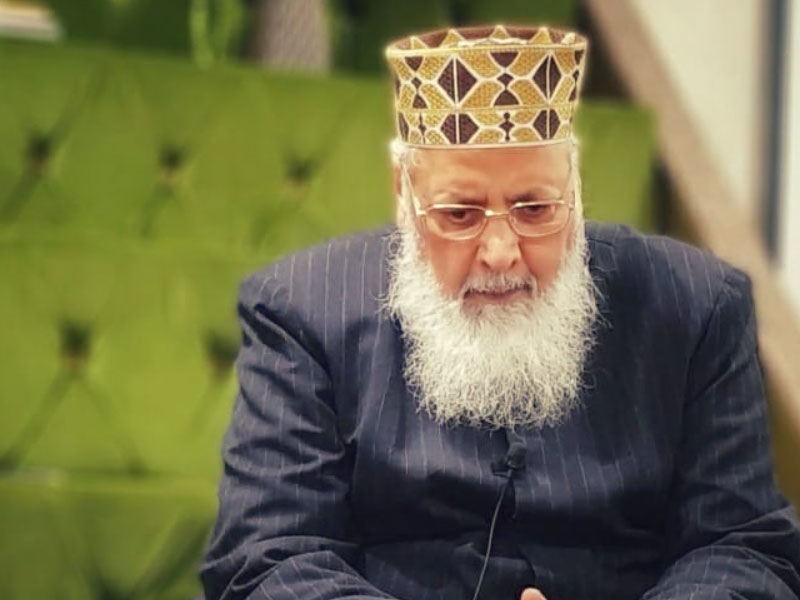
Qumruzzama Azmi: Islamic Scholar
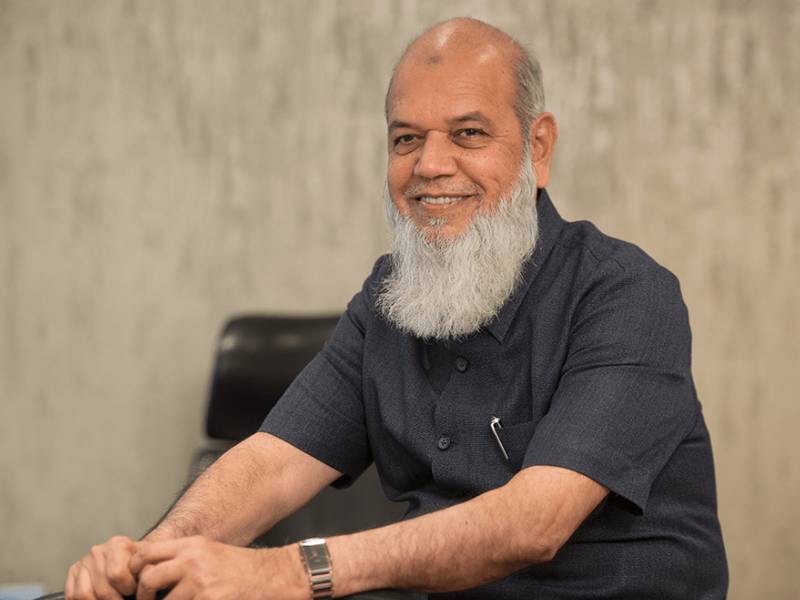
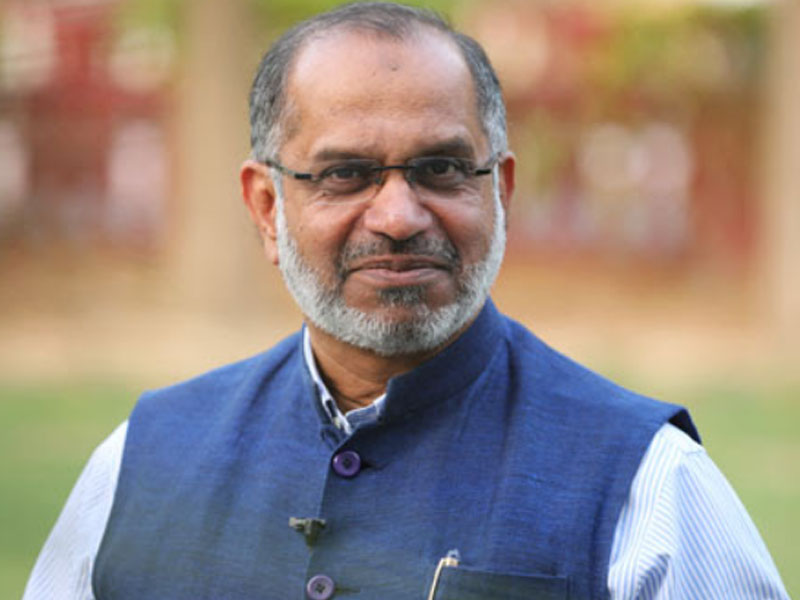
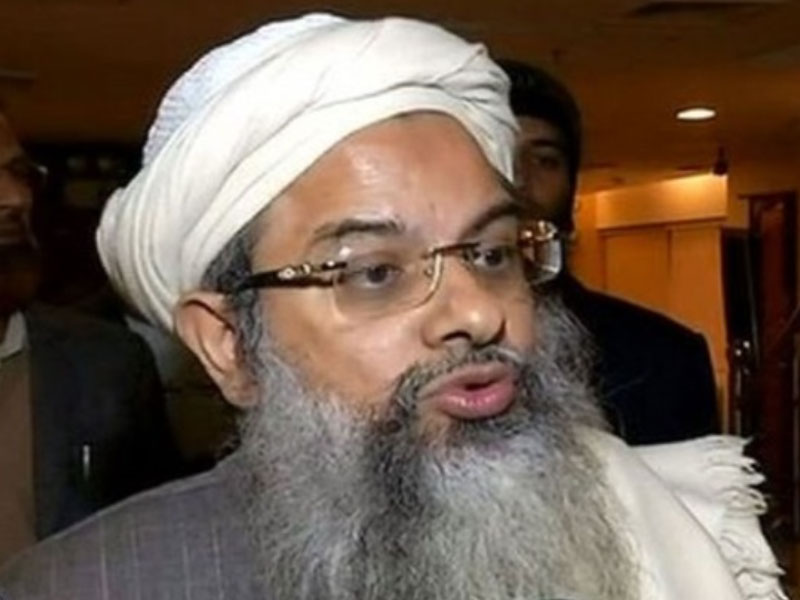
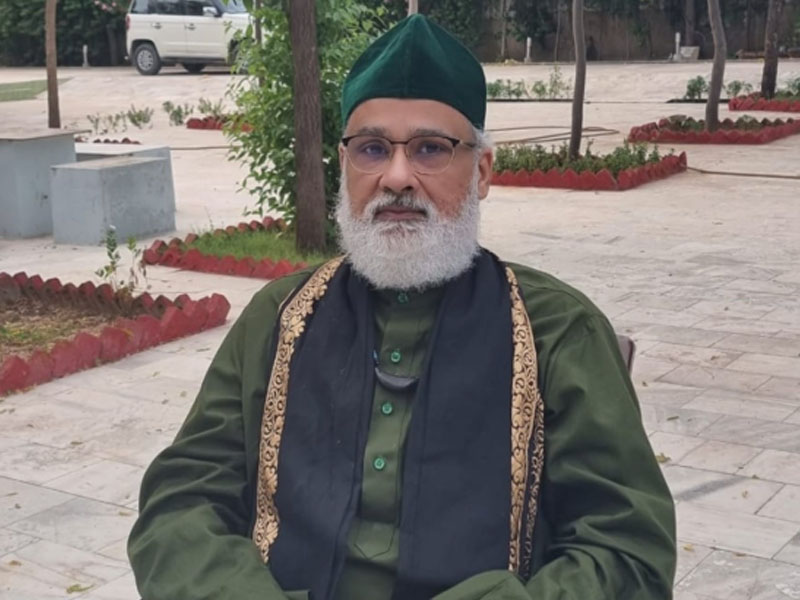
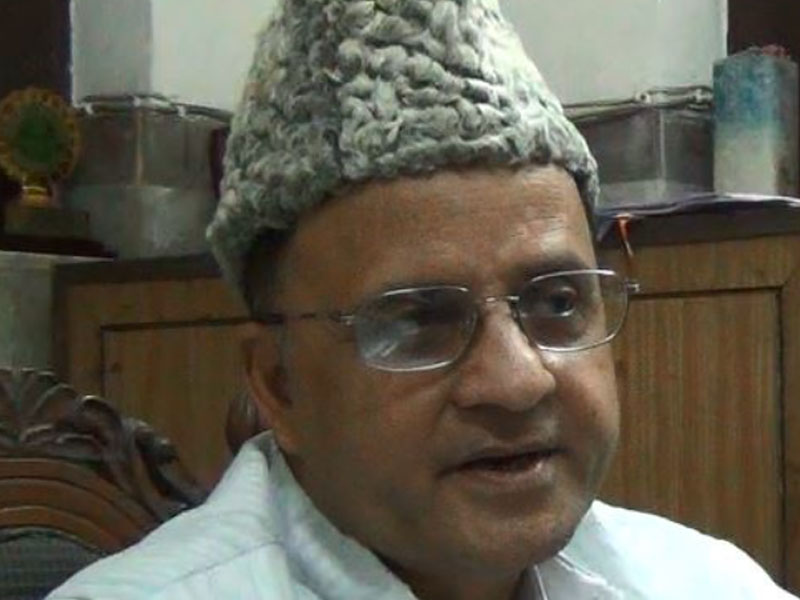
Qumruzzama Azmi (born 1946) widely respected as Maulana Azmi, is a distinguished Islamic scholar and one of the most influential voices in contemporary Islamic thought and leadership. Born in Azamgarh, Uttar Pradesh, India, in 1946, he received his early Islamic education at the esteemed Al Jamiatul Ashrafia, Mubarakpur, where he excelled in Islamic jurisprudence, theology, and Arabic literature.
Maulana Azmi’s profound understanding of Islamic teachings, coupled with his eloquence and insight, quickly earned him a reputation as a dynamic leader. His efforts to bridge gaps between communities and promote Islamic values in modern contexts have made him a sought-after scholar worldwide.
Azmi has dedicated much of his life to serving the Muslim community globally. He is closely associated with the World Islamic Mission (WIM), a prominent organization committed to promoting unity among Muslims and addressing the challenges they face. As the General Secretary of WIM, he has played a pivotal role in establishing mosques, Islamic centers, and educational institutions in various countries, particularly in Europe and North America.
An ardent advocate of peaceful coexistence, Maulana Azmi emphasizes the importance of interfaith dialogue and communal harmony. His lectures and writings have inspired countless Muslims to uphold the principles of justice, compassion, and ethical conduct.
Maulana Azmi is also deeply committed to the socio-economic upliftment of marginalized communities. He has initiated programs for education, healthcare, and poverty alleviation, ensuring the integration of Islamic values with humanitarian service.
Despite his international commitments, he remains rooted in his scholarship, dedicating time to writing, teaching, and guiding students of Islamic sciences. His intellectual contributions and spiritual leadership continue to influence generations of Muslims worldwide.
Qumruzzama Azmi’s legacy is one of knowledge, service, and unwavering dedication to the cause of Islam and humanity.