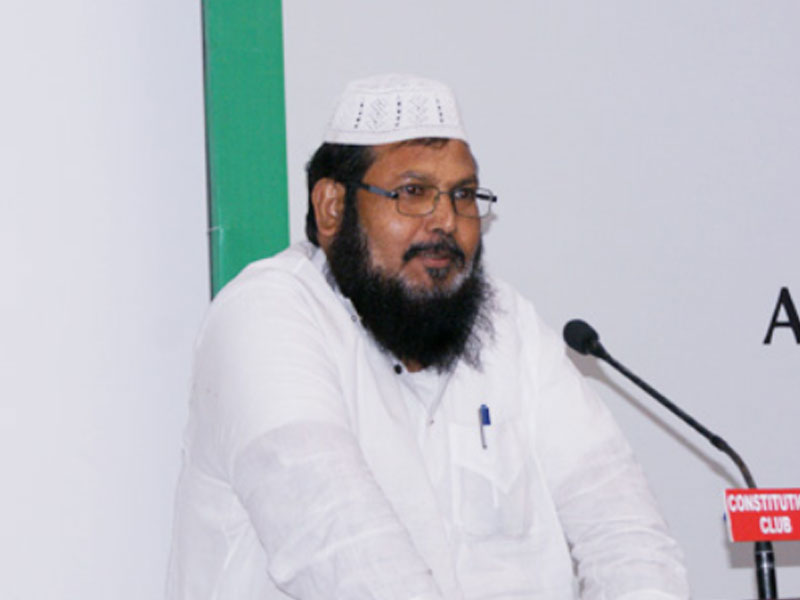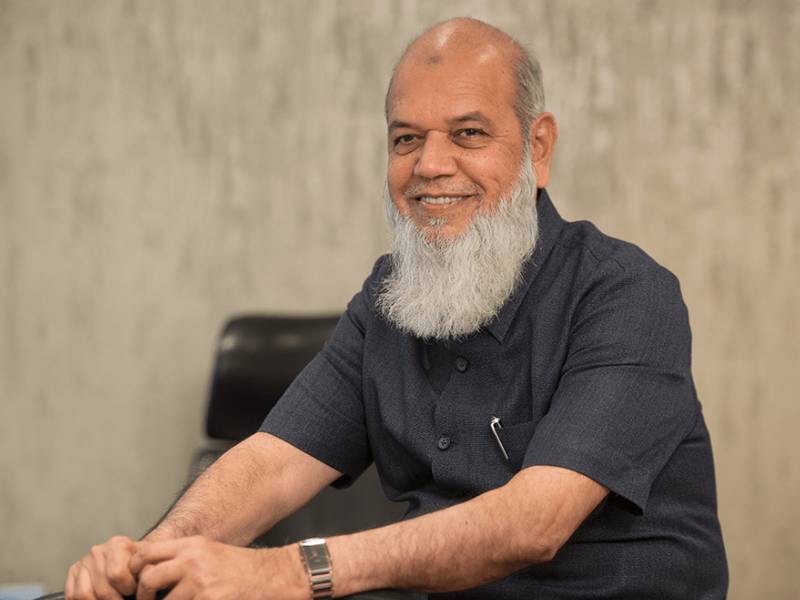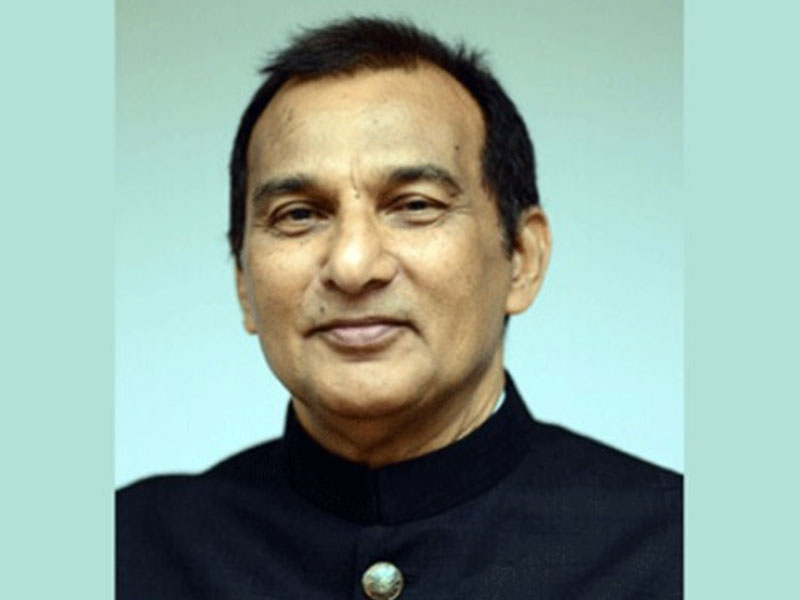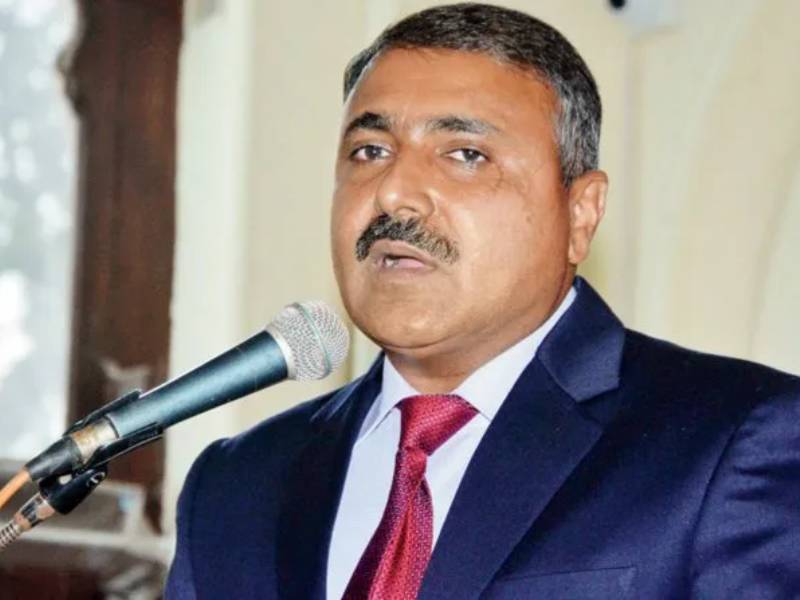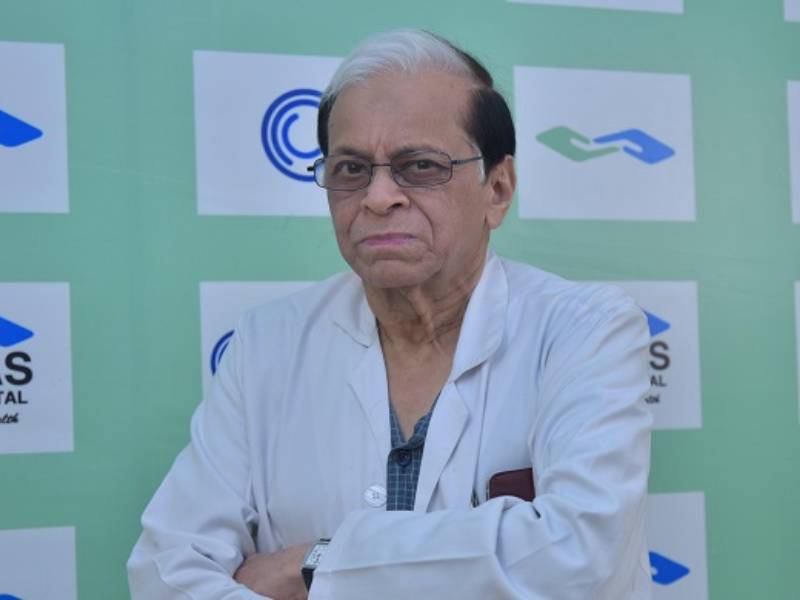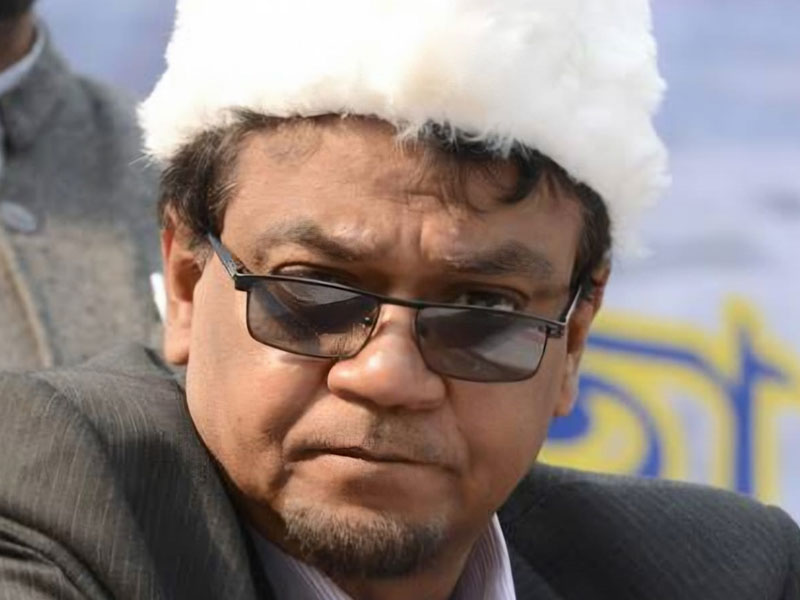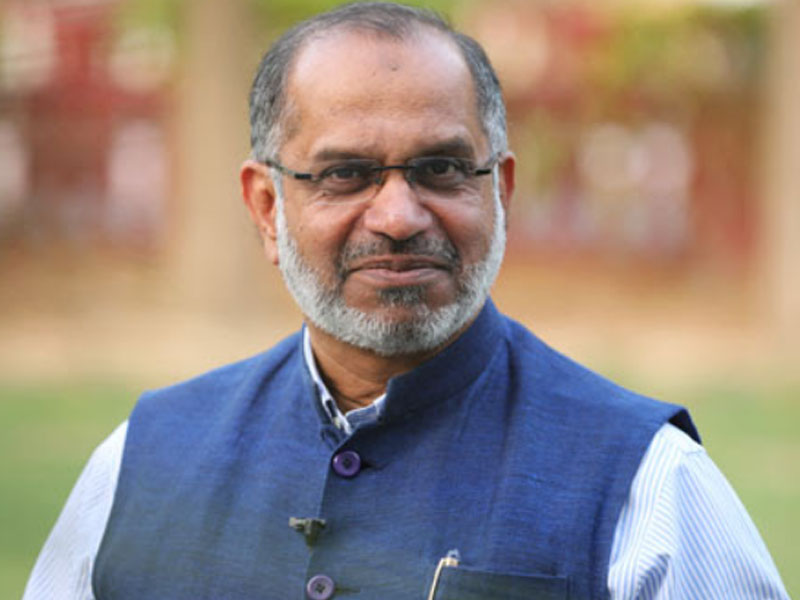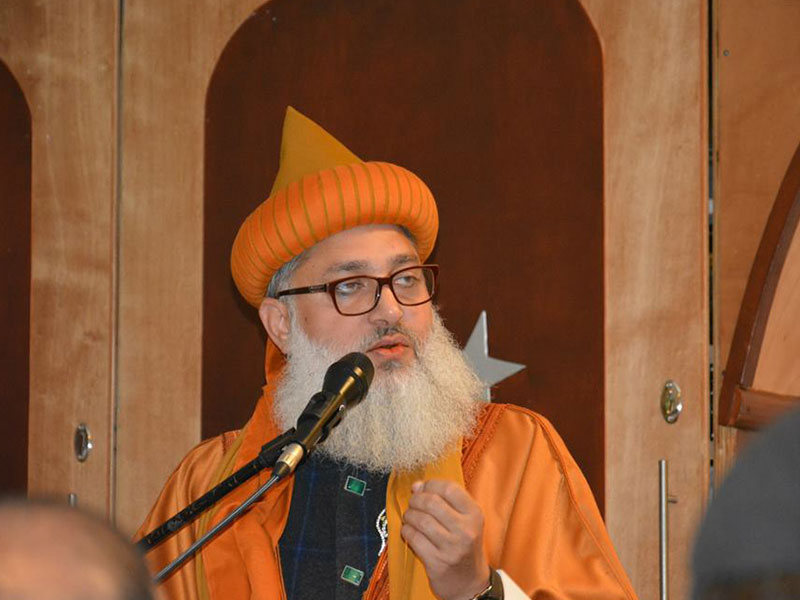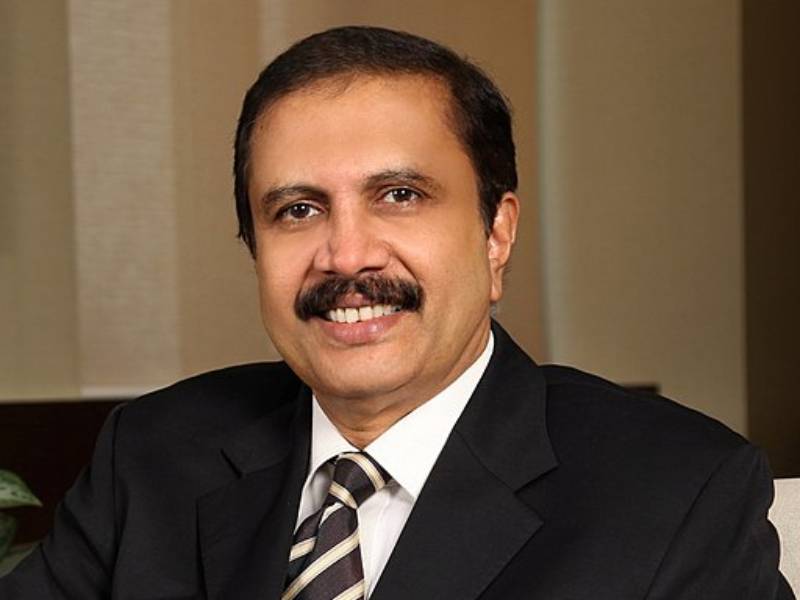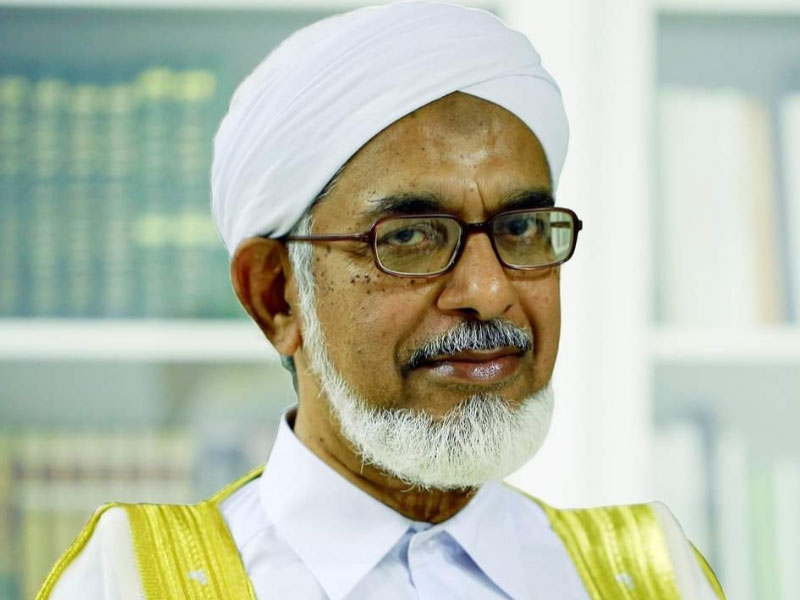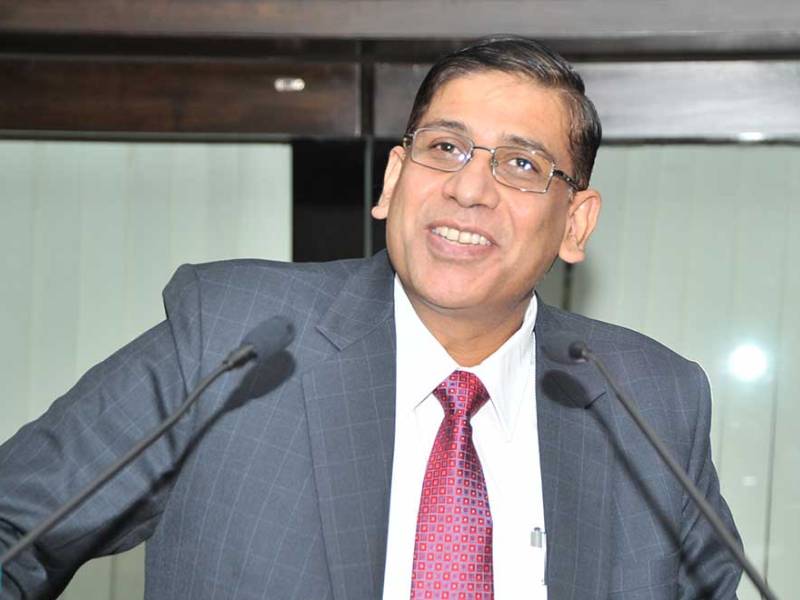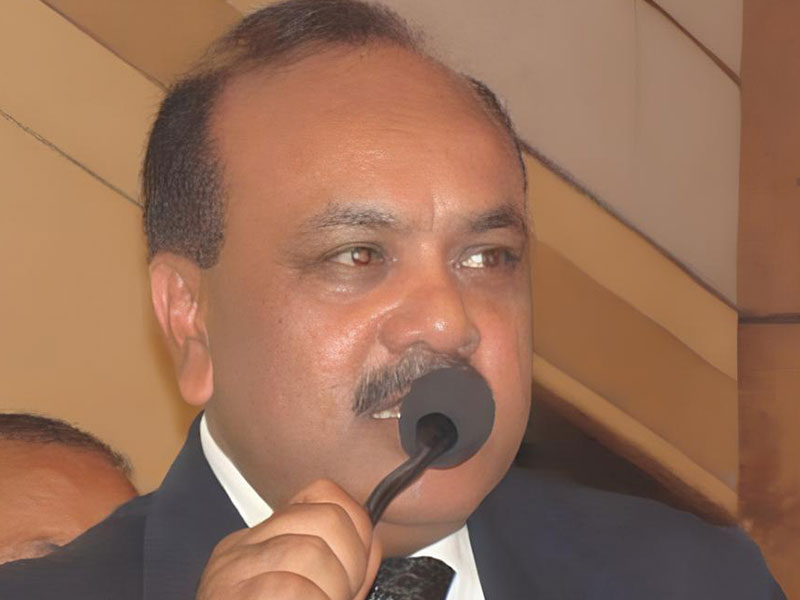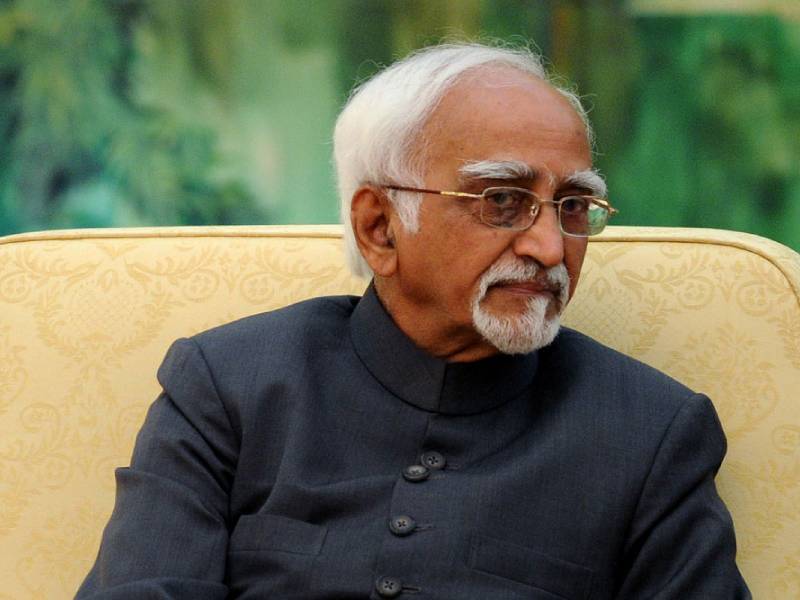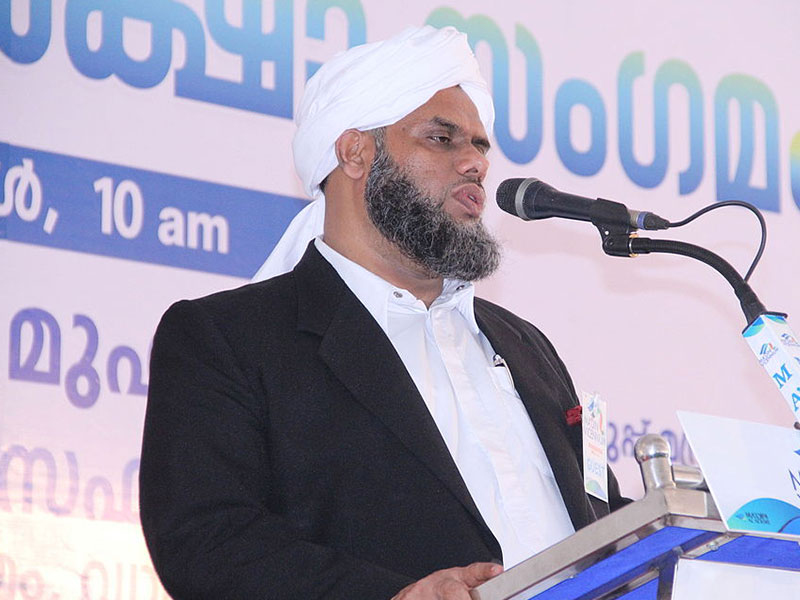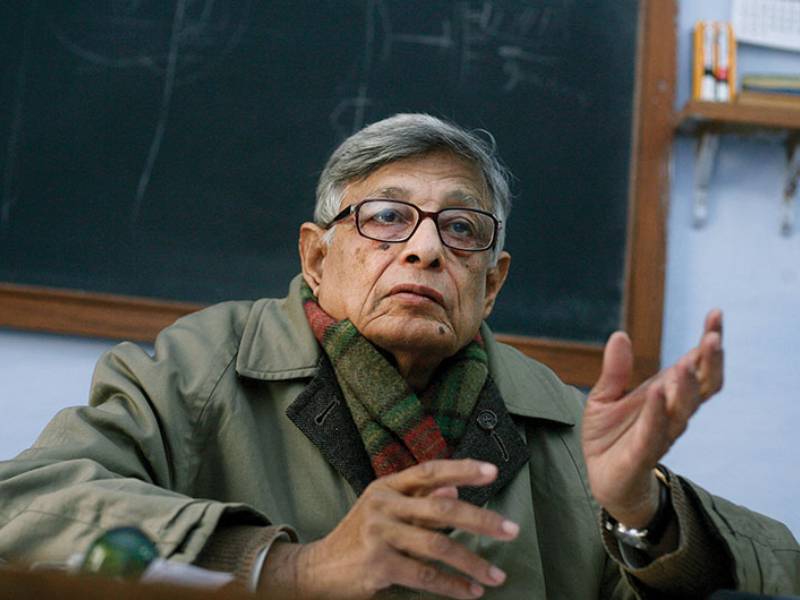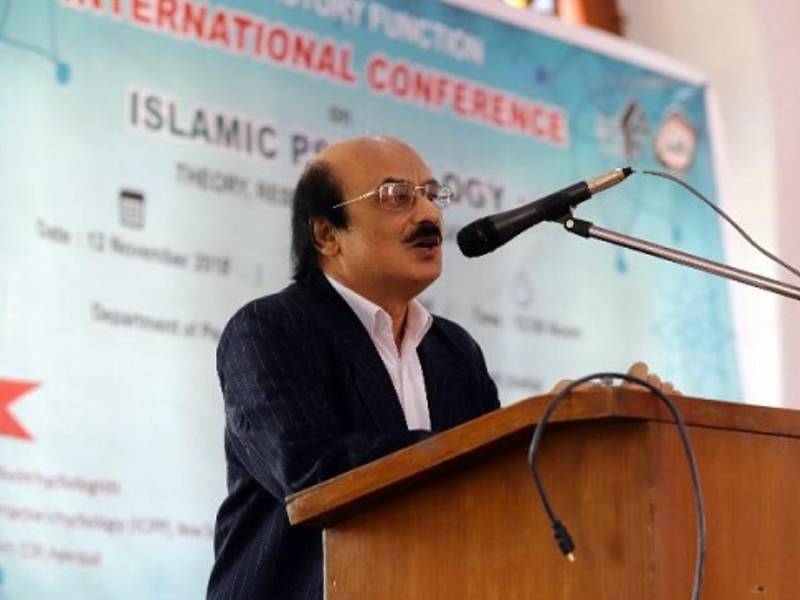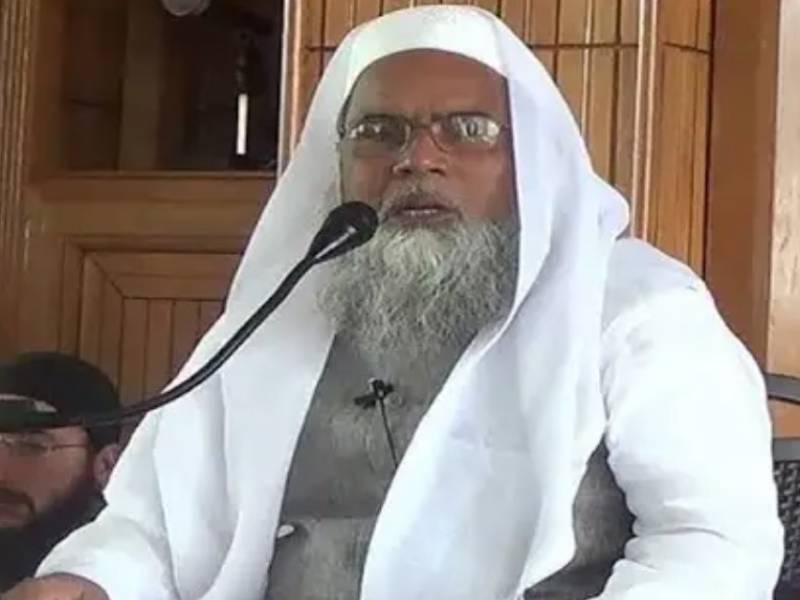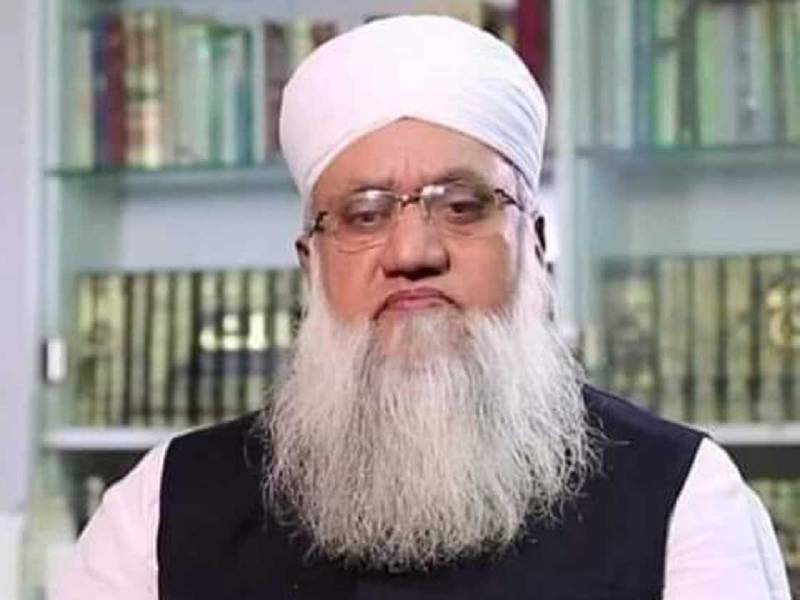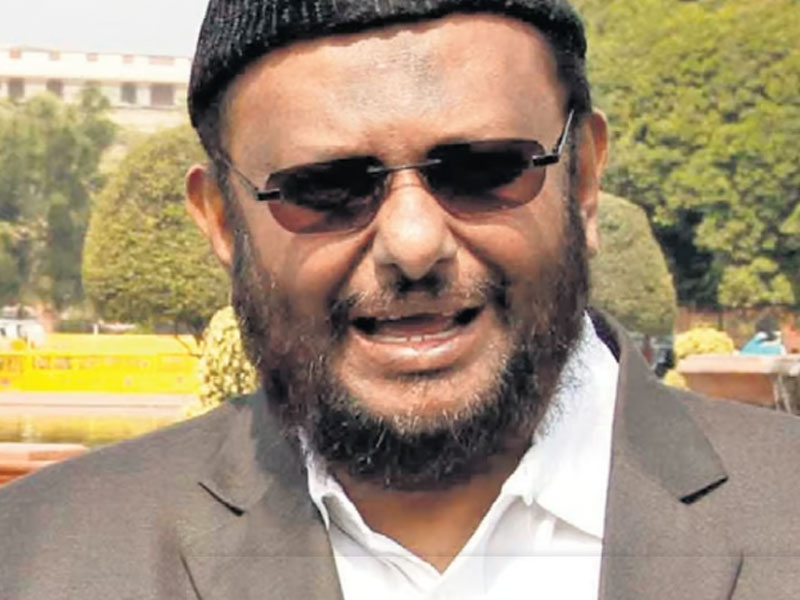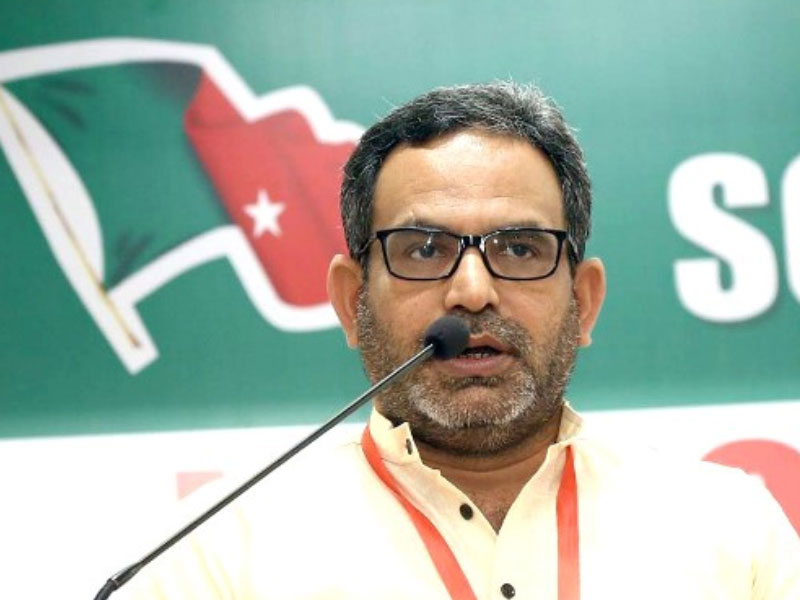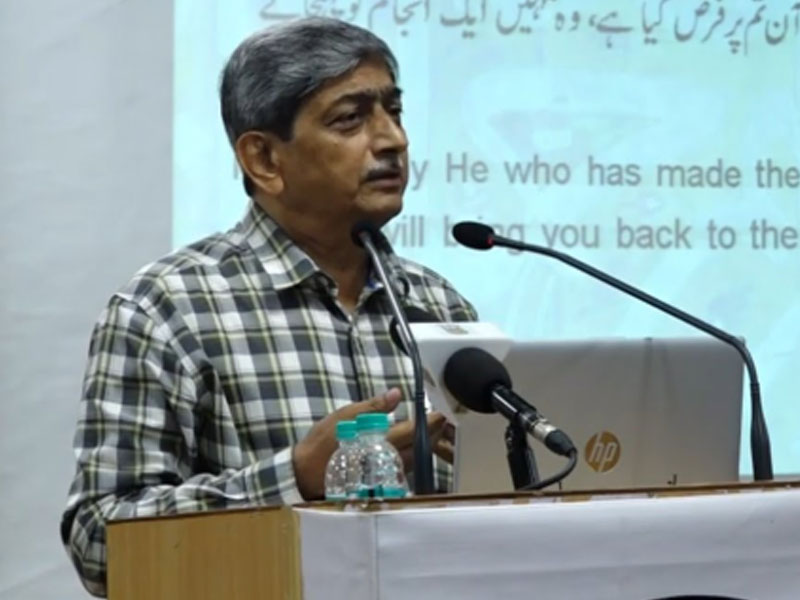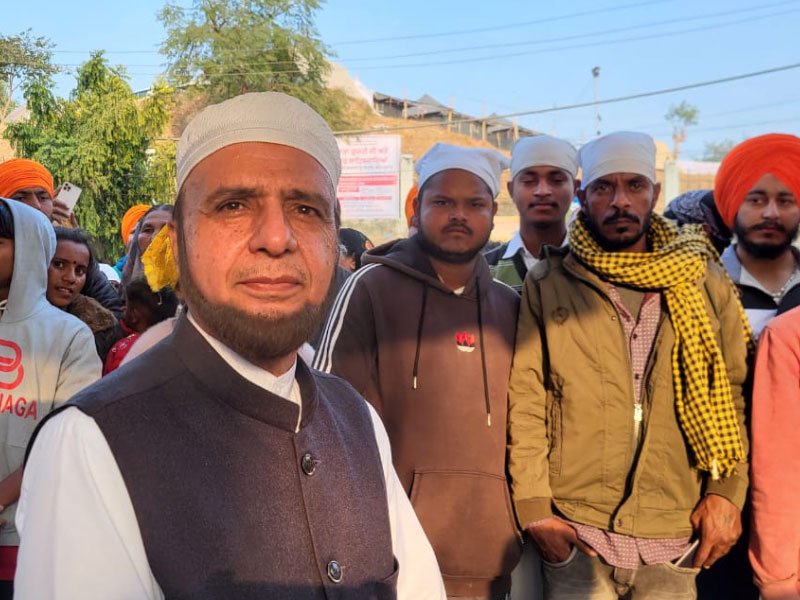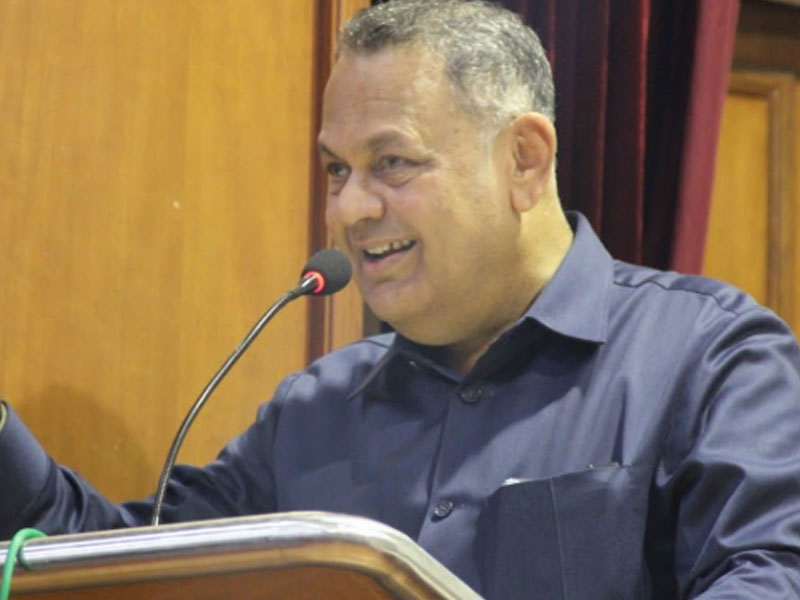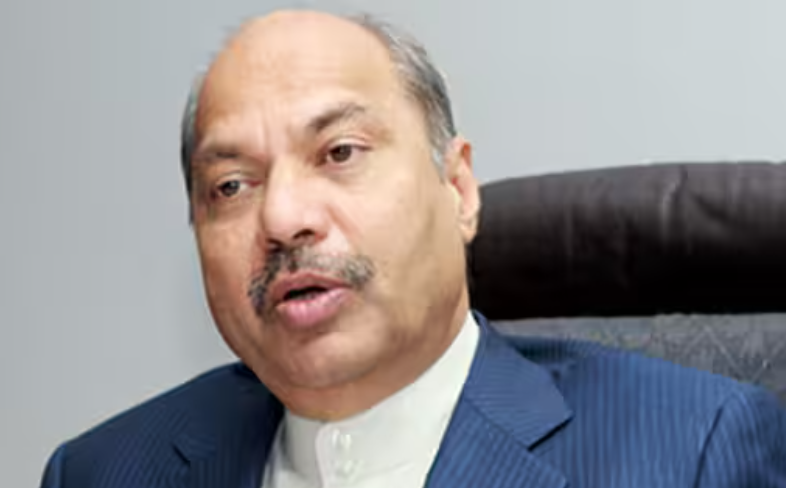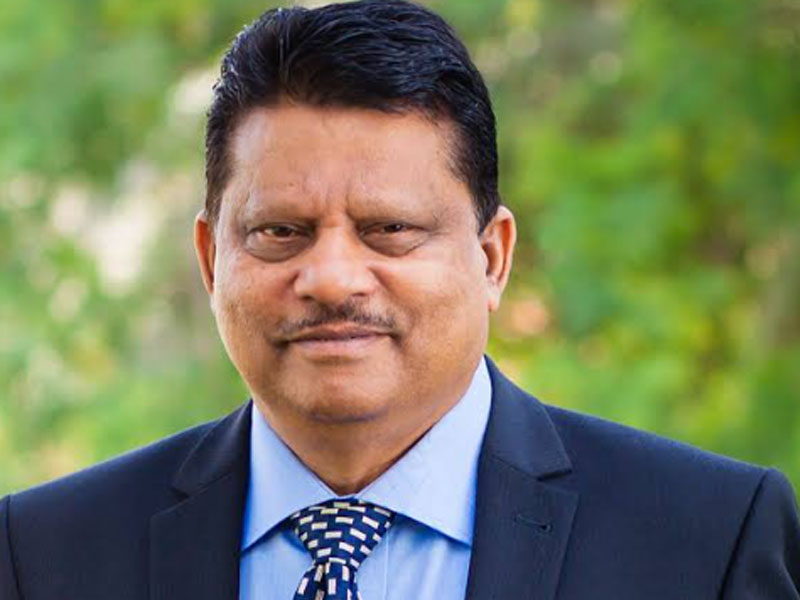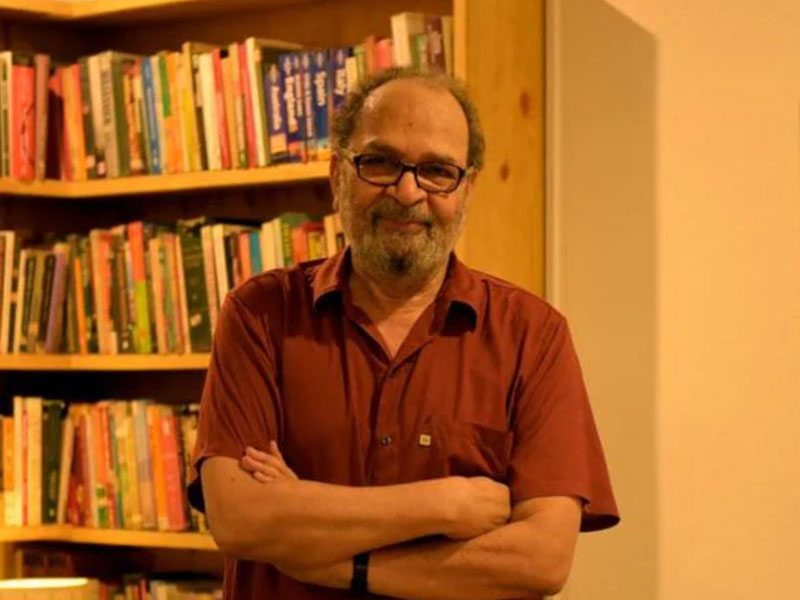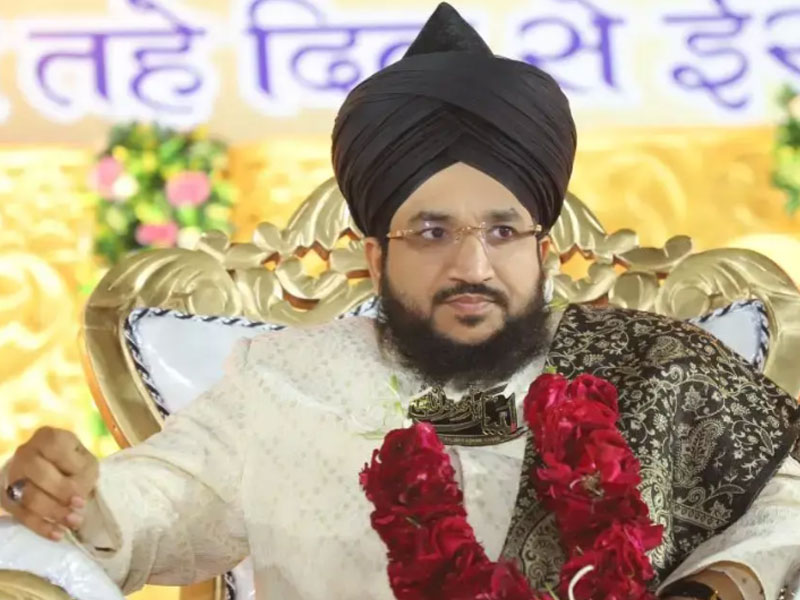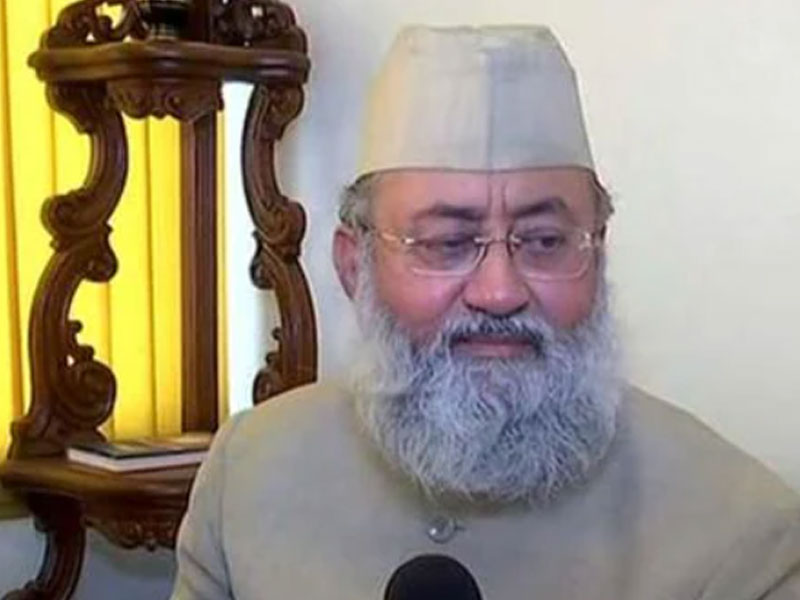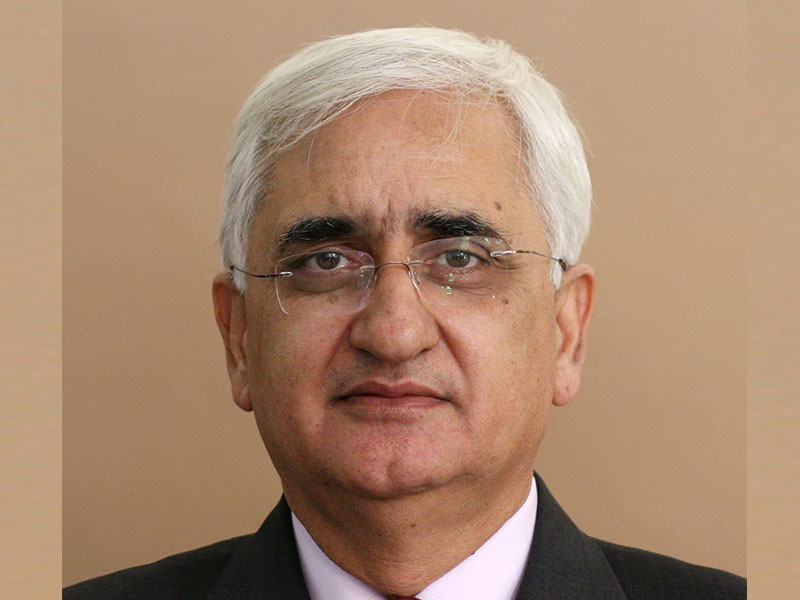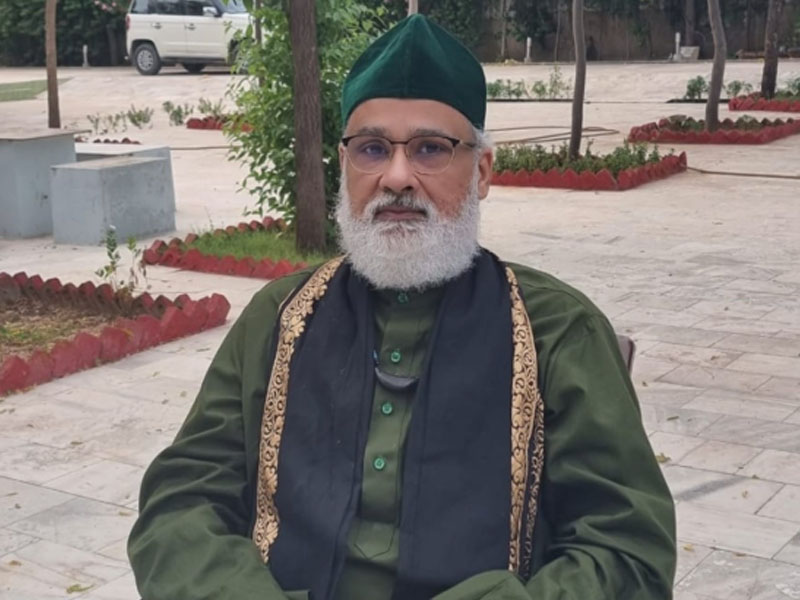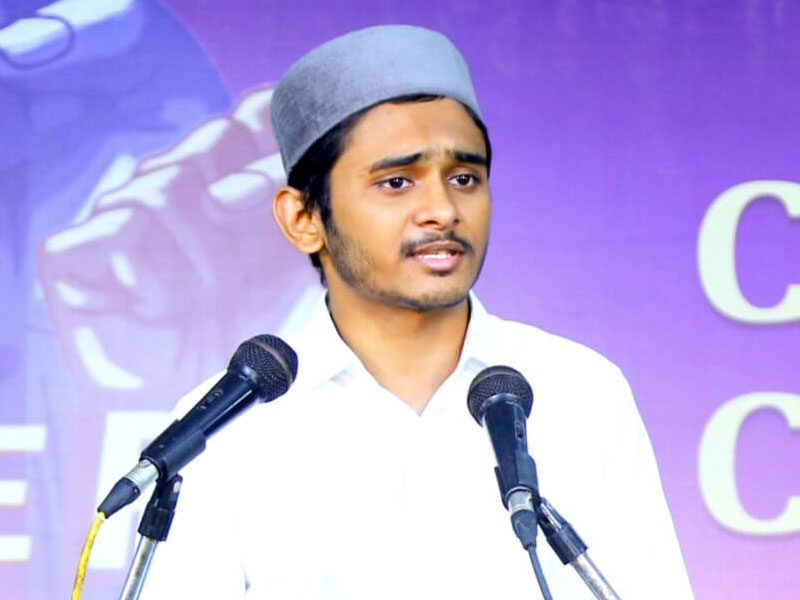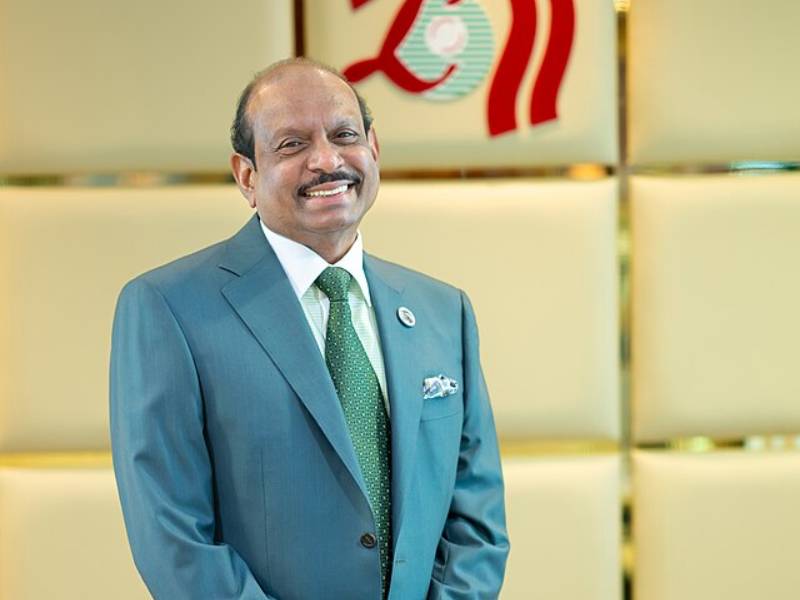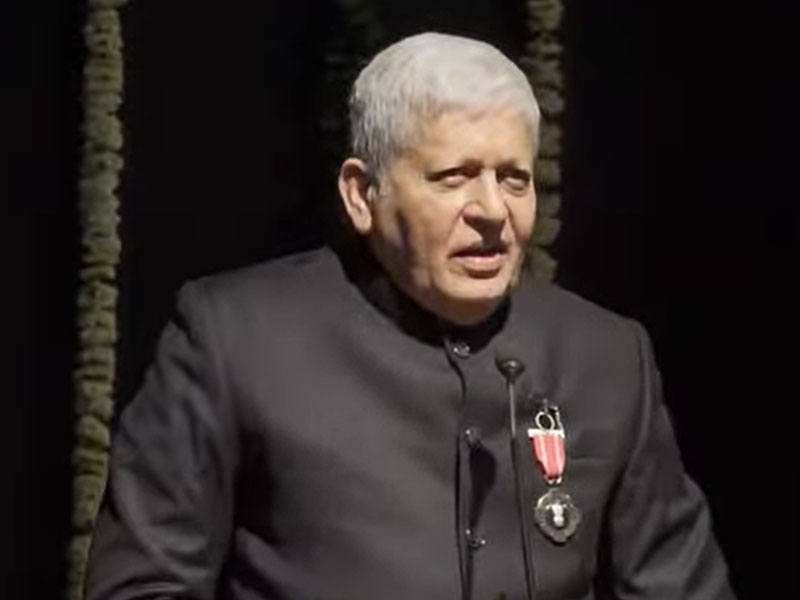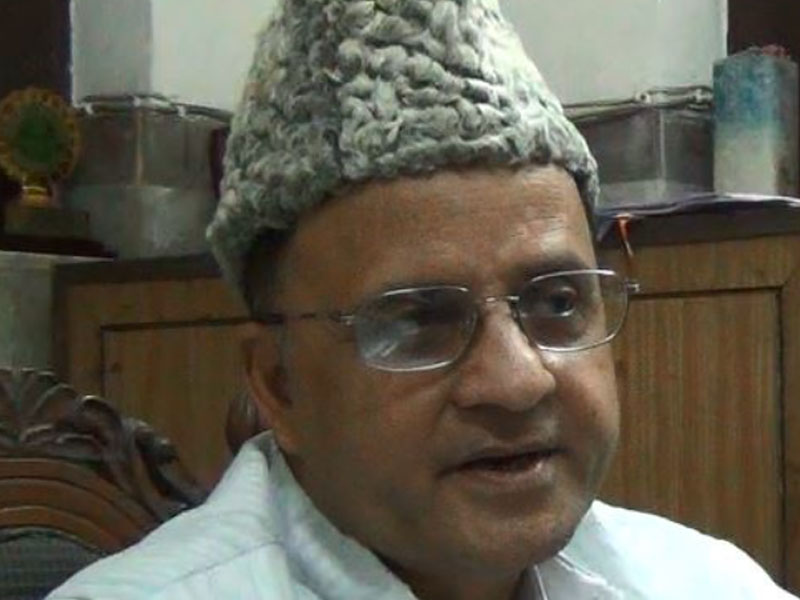
Dr. Syed Zafar Mahmood (Born: 1951) is a distinguished former Indian Revenue Service (IRS) officer, educationist, author, and social reformer who has dedicated his life to public service, minority empowerment, educational advancement, and interfaith harmony. He served as the Officer on Special Duty to the Prime Minister's High Level Committee on the Social, Economic and Educational Status of Muslims in India, widely known as the Justice Sachar Committee (2005–2007), which produced the landmark report on the condition of Indian Muslims.
An alumnus of Aligarh Muslim University (AMU), Dr. Mahmood holds a Ph.D. in Public Administration, an M.A. in Political Science (Gold Medalist), and a B.Sc. (Honours) in Physics, along with certificates in Computer Appreciation and Journalism.
After joining the Indian Revenue Service in 1977, he served in several senior positions across India before retiring as Chief Commissioner of Income Tax in 2009. His distinguished public service also includes diplomatic assignments as First Secretary and Director of Indian Haj Management and Indian International Schools in Saudi Arabia, Administrator of the Combined Waqf Board of Punjab, Haryana, Himachal Pradesh and Chandigarh, and National Level Monitor for the Government of India's minority welfare programmes. He has also served on the governing bodies of institutions including Aligarh Muslim University, Jamia Hamdard, and Integral University.
Dr. Mahmood is the Founder President of the Zakat Foundation of India, established in 1997, which has become one of India's leading organisations working in education, scholarships, coaching for competitive examibnations to join the Government at different levels, humanitarian relief, and community development. He also founded the Interfaith Coalition for Peace, God's Grace Group of Educational Institutions, Sir Syed Coaching & Guidance Centre, Iqbal Academy India, National Waqf Academy and the 'Ashaab-as-Suffa Institute' for Imams and Khateebs.
An internationally respected speaker, Dr. Mahmood has represented India at conferences and interfaith forums across the United States, United Kingdom, Australia, Russia, Malaysia, Indonesia, Saudi Arabia, Qatar, the UAE, and several other countries. He has delivered lectures at Harvard University, the House of Lords in London, Microsoft Headquarters in Seattle, and numerous universities in India and abroad.
A prolific author, Dr. Mahmood has written several books and more than 400 articles in English, Urdu, and Hindi, besides participating in over 100 television debates on public policy, education, interfaith dialogue, and minority affairs. Through his lifelong commitment to inclusive development and nation-building, he has earned recognition as one of India's most respected Muslim intellectuals and institution builders.
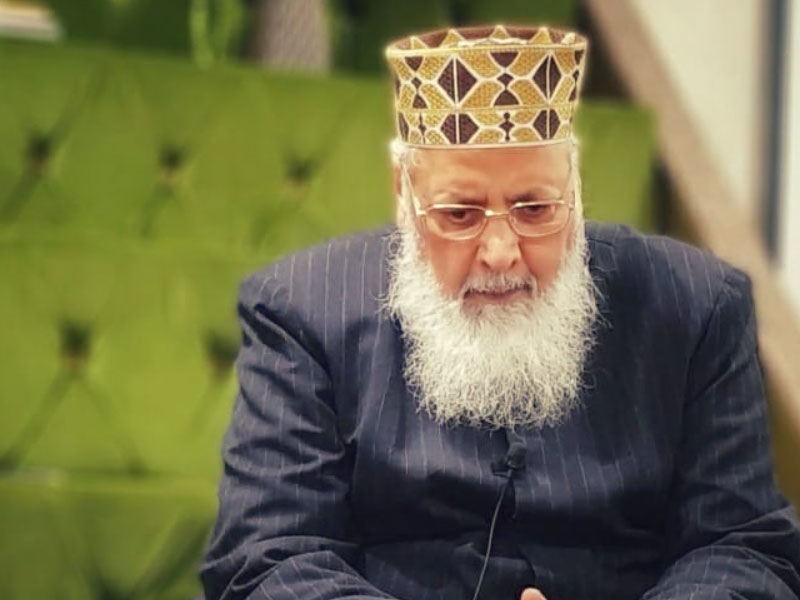
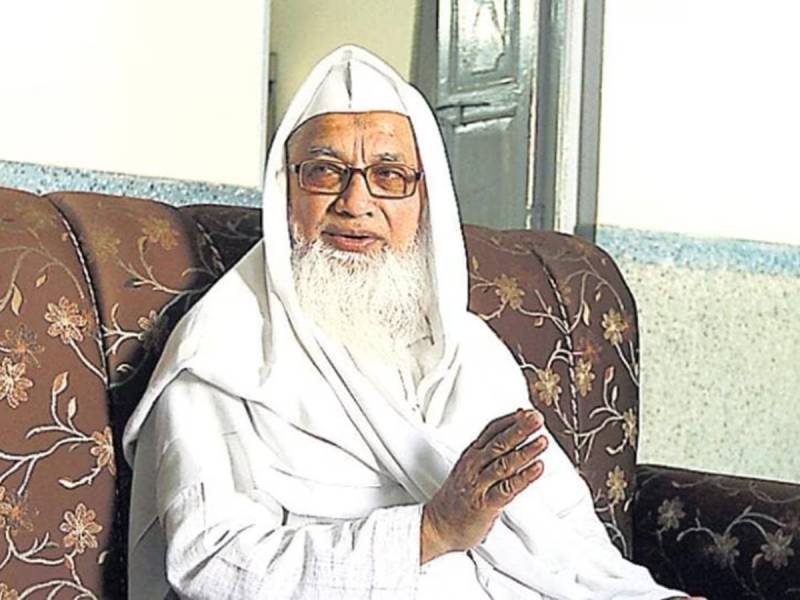
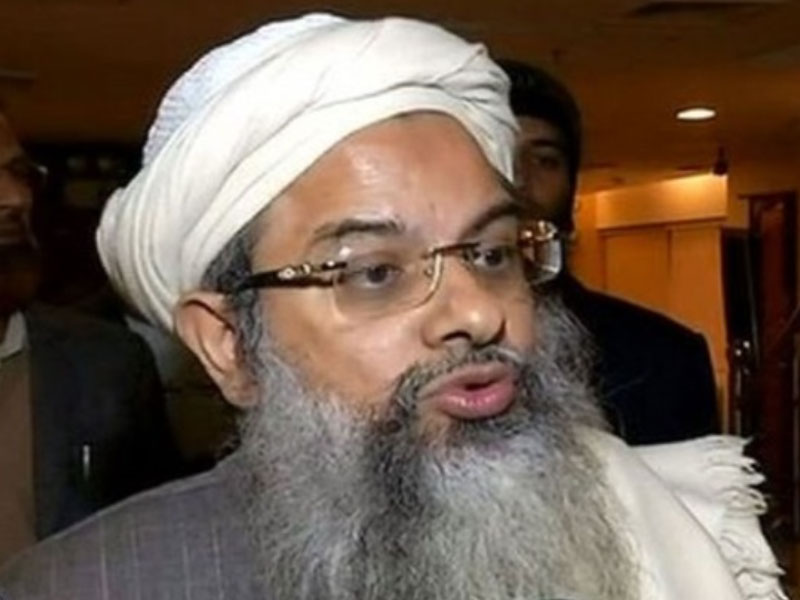
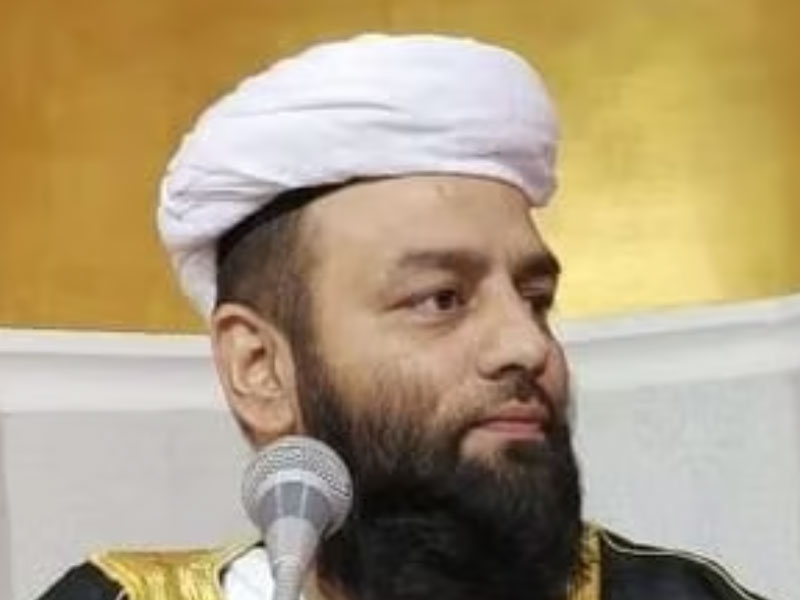
Qumruzzama Azmi: Islamic Scholar
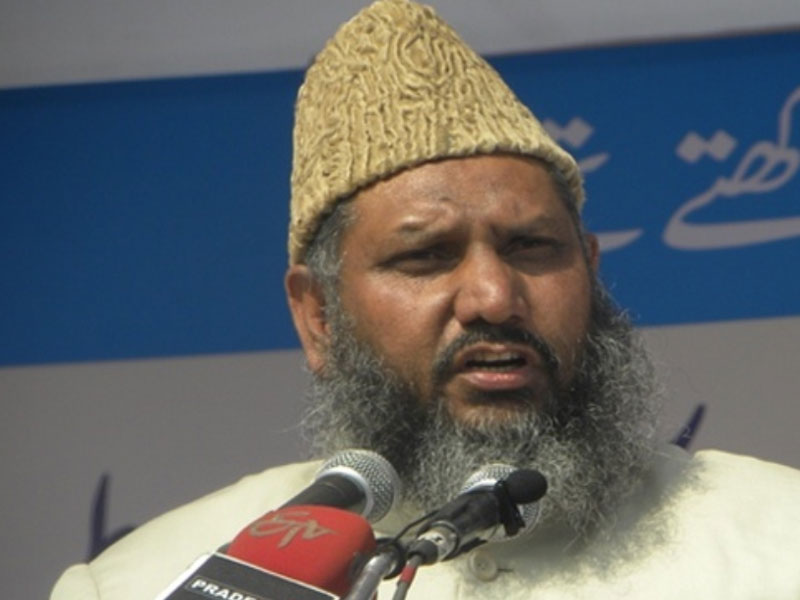
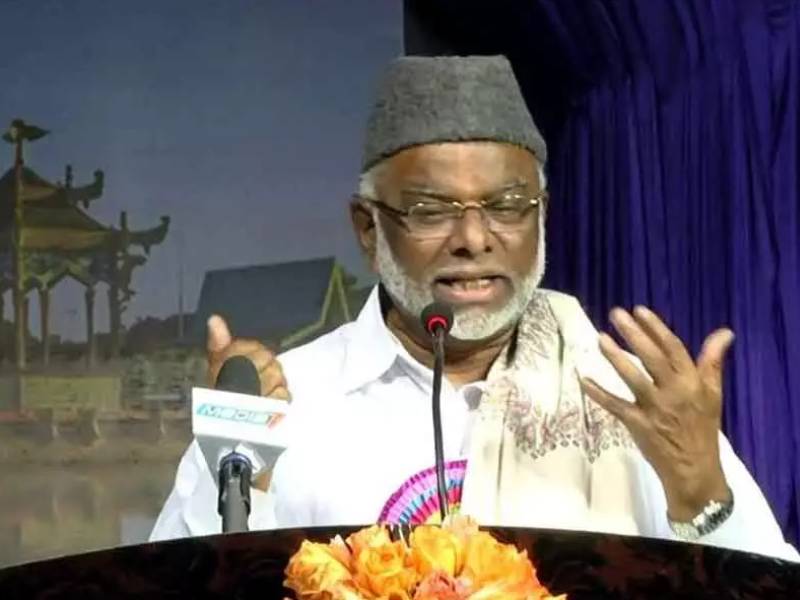
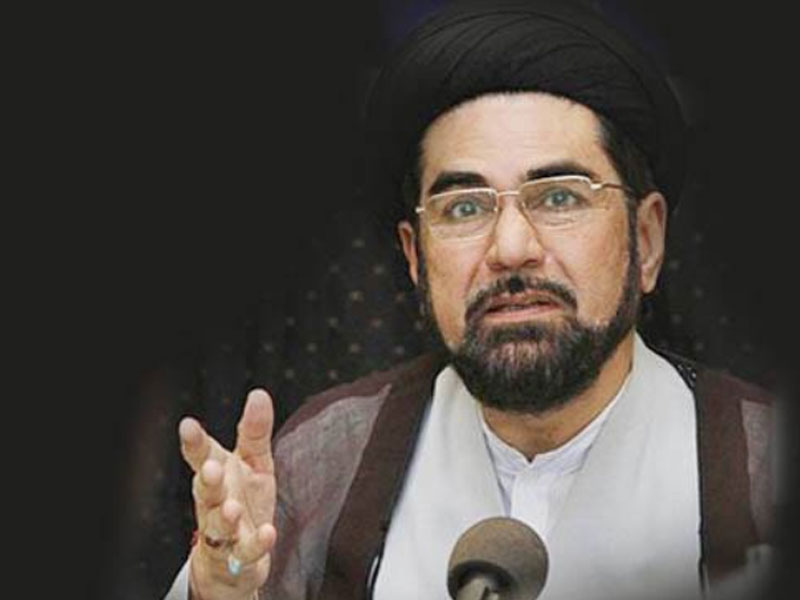
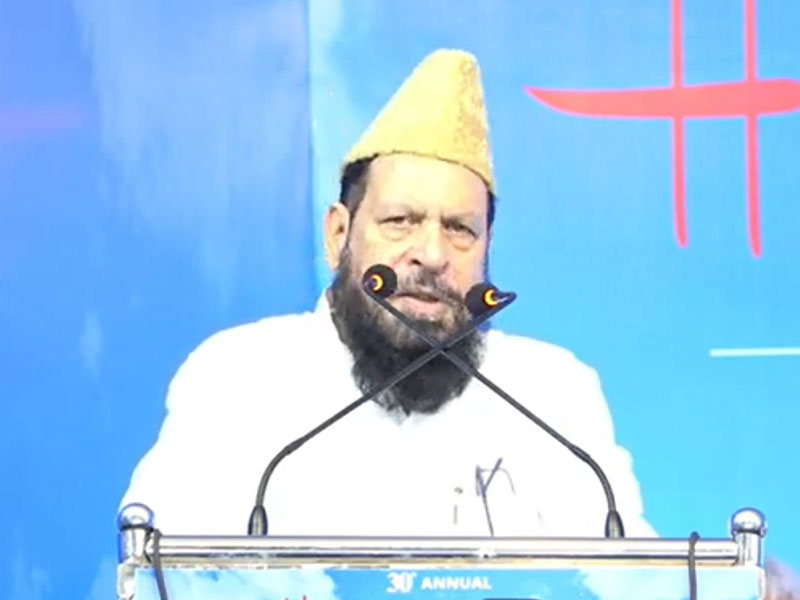
Qumruzzama Azmi (born 1946) widely respected as Maulana Azmi, is a distinguished Islamic scholar and one of the most influential voices in contemporary Islamic thought and leadership. Born in Azamgarh, Uttar Pradesh, India, in 1946, he received his early Islamic education at the esteemed Al Jamiatul Ashrafia, Mubarakpur, where he excelled in Islamic jurisprudence, theology, and Arabic literature.
Maulana Azmi’s profound understanding of Islamic teachings, coupled with his eloquence and insight, quickly earned him a reputation as a dynamic leader. His efforts to bridge gaps between communities and promote Islamic values in modern contexts have made him a sought-after scholar worldwide.
Azmi has dedicated much of his life to serving the Muslim community globally. He is closely associated with the World Islamic Mission (WIM), a prominent organization committed to promoting unity among Muslims and addressing the challenges they face. As the General Secretary of WIM, he has played a pivotal role in establishing mosques, Islamic centers, and educational institutions in various countries, particularly in Europe and North America.
An ardent advocate of peaceful coexistence, Maulana Azmi emphasizes the importance of interfaith dialogue and communal harmony. His lectures and writings have inspired countless Muslims to uphold the principles of justice, compassion, and ethical conduct.
Maulana Azmi is also deeply committed to the socio-economic upliftment of marginalized communities. He has initiated programs for education, healthcare, and poverty alleviation, ensuring the integration of Islamic values with humanitarian service.
Despite his international commitments, he remains rooted in his scholarship, dedicating time to writing, teaching, and guiding students of Islamic sciences. His intellectual contributions and spiritual leadership continue to influence generations of Muslims worldwide.
Qumruzzama Azmi’s legacy is one of knowledge, service, and unwavering dedication to the cause of Islam and humanity.