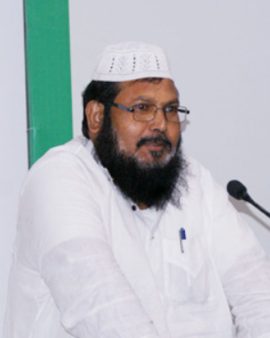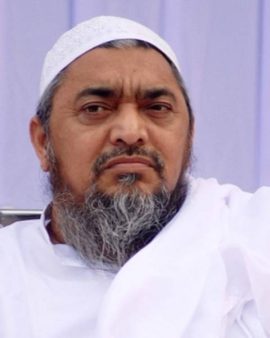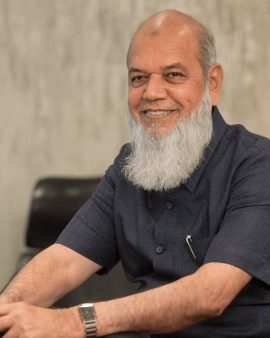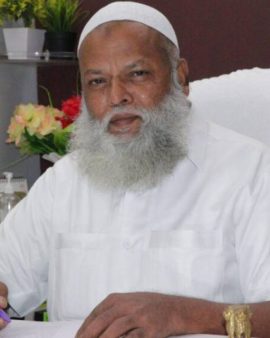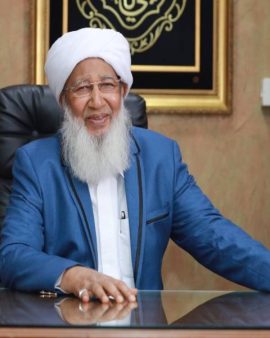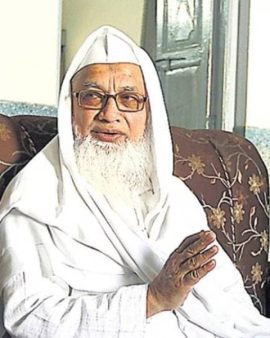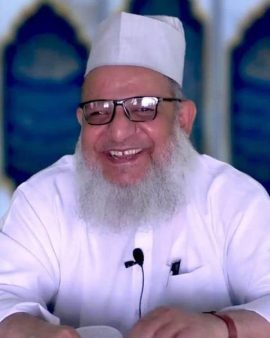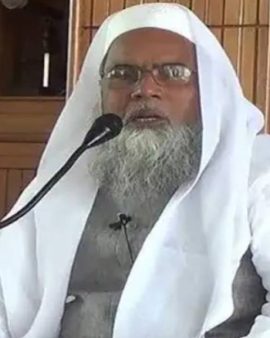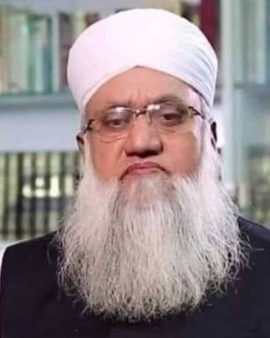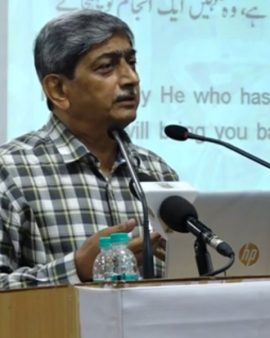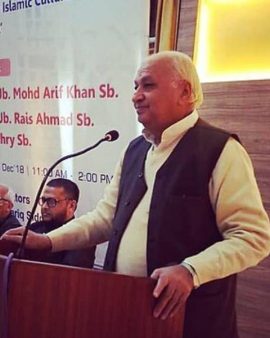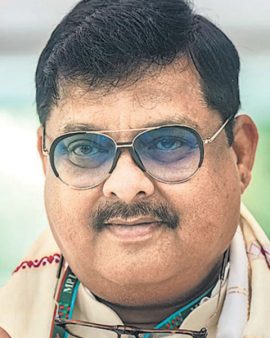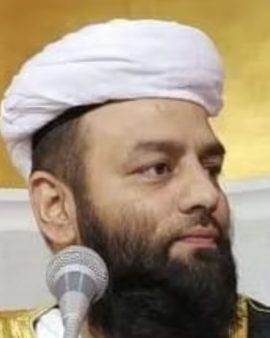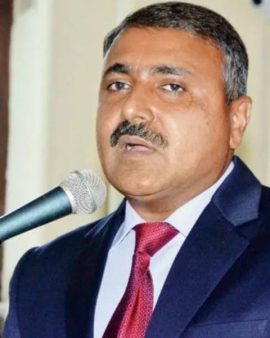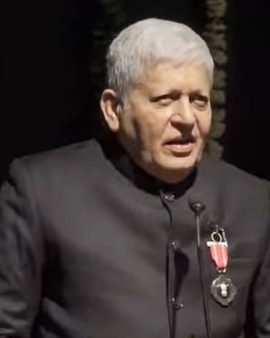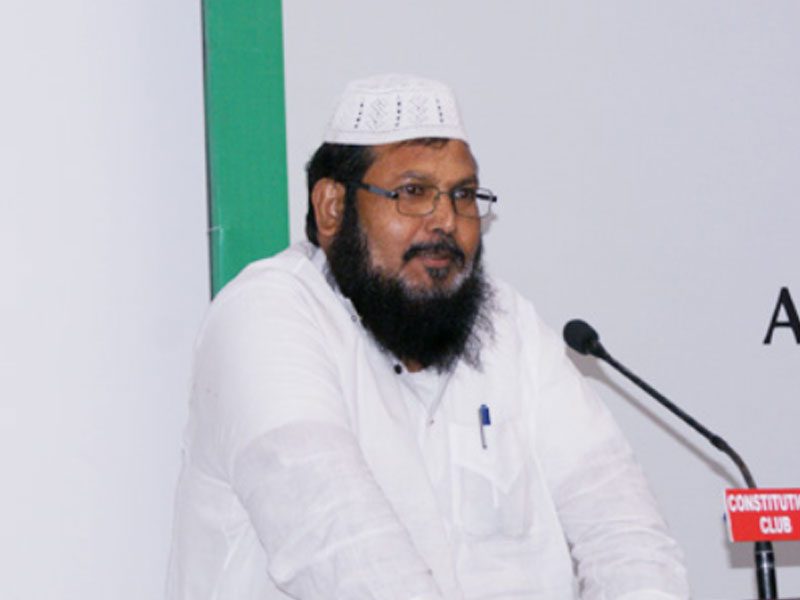
Abdul Hameed Nomani: Islamic scholar, Academic
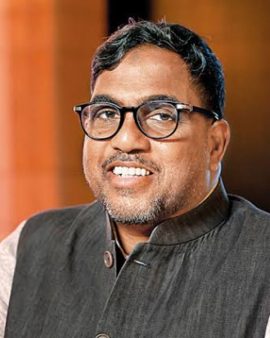
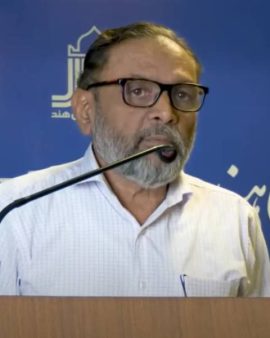
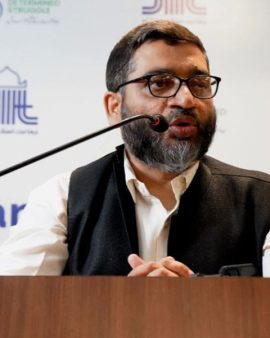
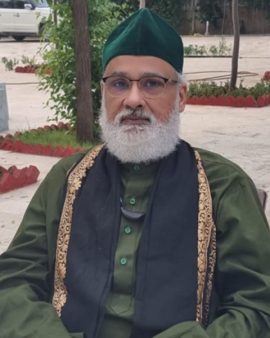
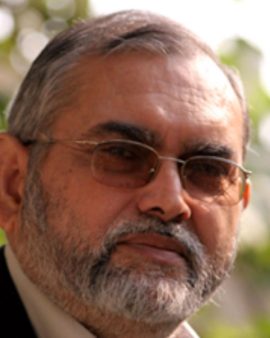
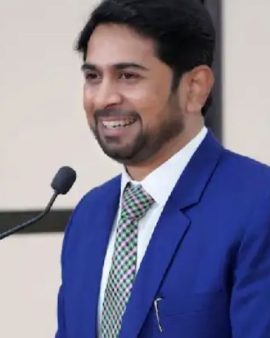
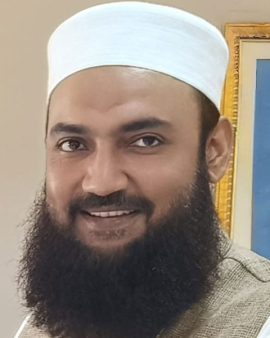
Maulana Abdul Hameed Nomani (1965) is a prominent Islamic scholar, author, and TV debater known for his in-depth knowledge of Islamic theology, jurisprudence, and his articulate defense of Islamic teachings in contemporary discussions. With a deep commitment to the propagation of authentic Islamic principles, he has become a significant figure in modern Islamic scholarship, especially among those seeking clarity on contemparory religions.
Born and raised in an academic family with a tradition of religious scholarship, Maulana Nomani pursued his religious education in various esteemed institutions, where he studied classical Islamic texts in depth. His knowledge spans a wide range of Islamic sciences, including Tafseer (Quranic exegesis), Hadith (Prophetic traditions), Fiqh (Islamic jurisprudence), and Islamic history. Through his scholarly approach, he has gained respect for his emphasis on understanding and interpreting Islam in the light of both classical sources and contemporary challenges.
Maulana Nomani is a prolific author, having written extensively on Islamic topics that encompass both theoretical and practical aspects of Islam. He is also a recognized expert on Hinduism, Hindutva, and the RSS, and has written several books analyzing Hindutva ideology and its key ideologues. Additionally, Maulana Nomani is a renowned scholar in the field of comparative religious studies. His major works include Hindutva: Ahdaaf o Masaail, Savarkar: Fikr o Tahreek – Ek Mutalea, and Hedgewar: Hayat o Fikr.
His works often address the correct understanding of various Islamic practices. His ability to articulate complex Islamic concepts in an easily accessible manner has earned him a wide readership
Apart from his writing, Maulana Abdul Hameed Nomani is a well-known television debater, where he represents Islamic viewpoints in debates with scholars and critics from different backgrounds. His calm demeanor, logical reasoning, and profound knowledge have made him a respected figure in these public intellectual exchanges. Through his media presence, he has successfully conveyed Islamic perspectives on contemporary issues, earning admiration for his balanced and thoughtful approach.
Maulana was also general secretary, All India Muslim Majlis-e-Mushawarat, an umbrella body of Muslim organizations.
Through his scholarship, writings, and media engagements, Maulana Abdul Hameed Nomani continues to make valuable contributions to the intellectual and spiritual discourse in India.