Amir Khan: Entertainer
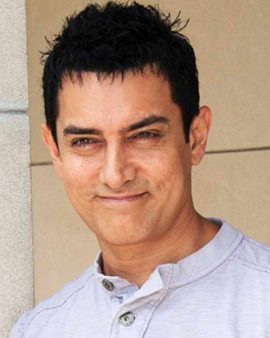
Amir Khan (1965) born as Mohammed Aamir Hussain Khan in Mumbai, India, is a renowned actor, filmmaker, and philanthropist, widely regarded as one of the most influential figures in Indian cinema. Known for his versatility and dedication to his craft, Aamir Khan has earned the moniker "Mr. Perfectionist" in Bollywood.
Khan's career began as a child actor in the 1973 film "Yaadon Ki Baaraat," directed by his uncle Nasir Hussain. His first major role came in 1988 with the film "Qayamat Se Qayamat Tak," which was a significant box-office success and earned him a Filmfare Award for Best Male Debut. Over the years, Khan has starred in a wide range of films, showcasing his ability to adapt to diverse roles. Some of his most notable works include "Lagaan" (2001), "Dil Chahta Hai" (2001), "Rang De Basanti" (2006), "Taare Zameen Par" (2007), "Ghajini" (2008), "3 Idiots" (2009), "PK" (2014), and "Dangal" (2016).
In addition to his acting prowess, Khan is also a successful filmmaker. He made his directorial debut with "Taare Zameen Par," a critically acclaimed film that addresses the issue of dyslexia in children. His production company, Aamir Khan Productions, has been responsible for producing several successful films.
Aamir Khan's influence extends beyond cinema. He is known for his social activism and commitment to various causes. His television show, "Satyamev Jayate," which aired from 2012 to 2014, highlighted pressing social issues in India, such as female foeticide, child sexual abuse, and domestic violence, and received widespread acclaim for its impactful storytelling and awareness-raising efforts.
Khan has received numerous awards and honors throughout his career, including multiple Filmfare Awards and the Padma Shri in 2003 and the Padma Bhushan in 2010, two of India's highest civilian honors. His contributions to Indian cinema and society have cemented his legacy as a transformative figure in both the entertainment industry and the realm of social change.