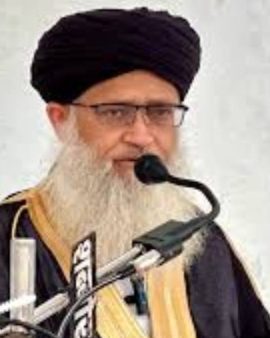
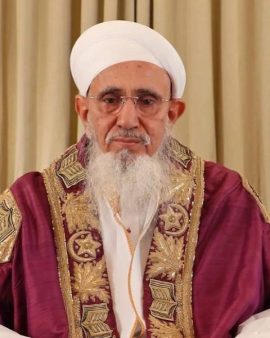
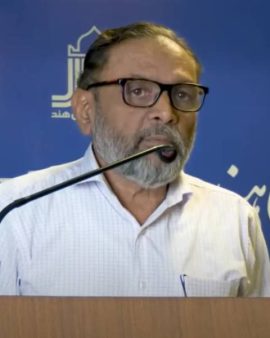
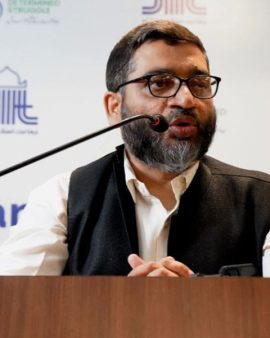
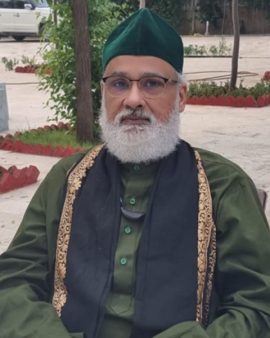
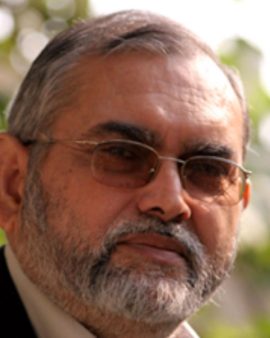
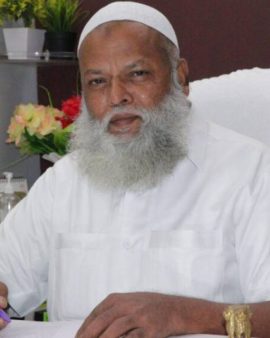
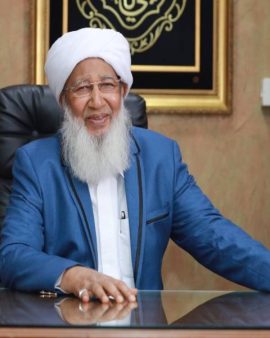
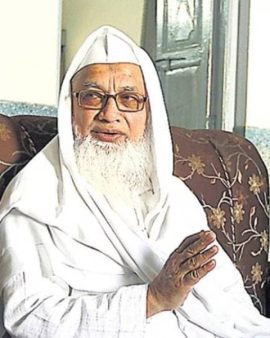
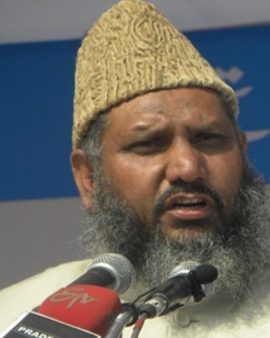
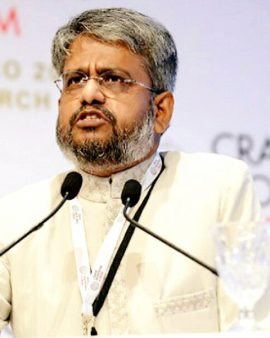
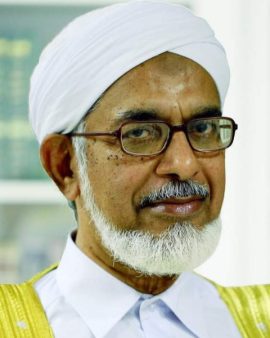
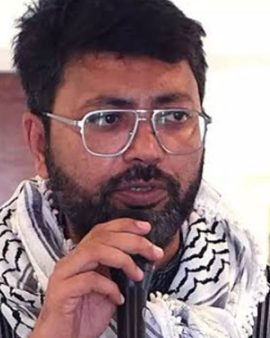
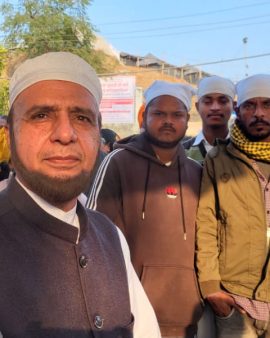
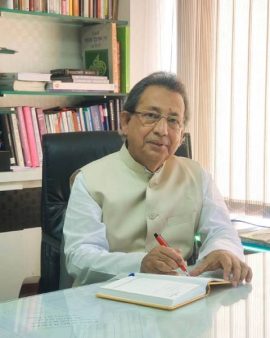
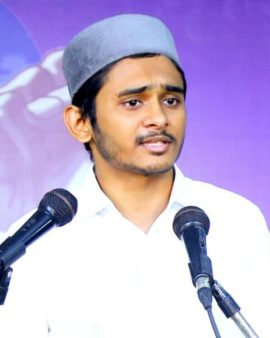
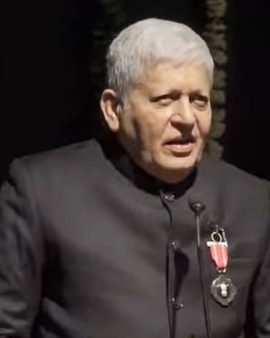
Mirwaiz Mohammad Umar Farooq: Politician/ Religious Leader
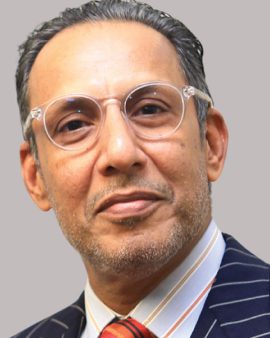
Mirwaiz Mohammad Umar Farooq (born 1973) is a prominent Kashmiri separatist leader and Islamic cleric with significant influence in the Kashmir Valley. As the 14th Mirwaiz of Kashmir and chairman of the All Parties Hurriyat Conference (APHC), he holds both political and spiritual authority over the region's Muslim population. He has led a faction of the APHC since 2004, advocating for Kashmiri self-determination and peaceful dialogue with India and Pakistan.
Born into a politically active family, Farooq became the Mirwaiz at 17, following the assassination of his father, Mirwaiz Maulvi Farooq, in 1990. His father’s death, along with the subsequent violence during the funeral procession, galvanized public sentiment and marked the beginning of his political journey. Mirwaiz Umar united 23 pro-freedom organizations into the APHC, advocating for a peaceful resolution to the Kashmir issue.
Educated at Burn Hall School in Srinagar, Farooq initially aspired to be a software engineer but later pursued religious and political studies. He holds a PhD from Jamia Millia Islamia, focusing on the politico-Islamic role of Shah-e-Hamdan, a 14th-century Islamic scholar who introduced Islam to Kashmir.
Mirwaiz Umar Farooq has consistently pushed for international recognition of the Kashmir issue, appearing as one of Time magazine’s Asian Heroes. However, his political activism led to his house arrest on August 4, 2019, ahead of the revocation of Jammu and Kashmir’s special status by the Indian government. After over four years in detention, he was briefly released in September 2023, only to be re-arrested in October, preventing him from leading Friday prayers once again.
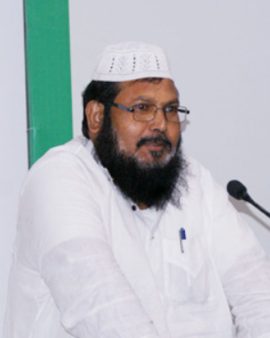
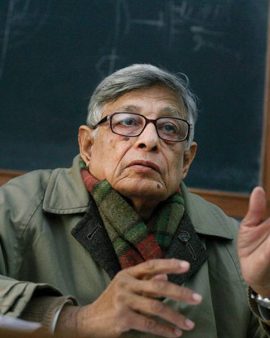
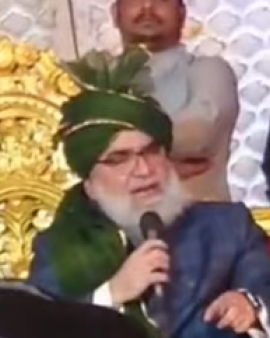
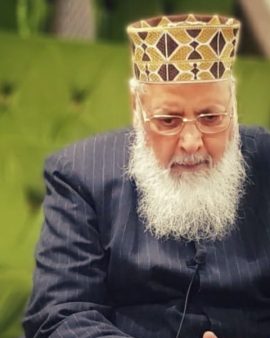
Qumruzzama Azmi: Islamic Scholar
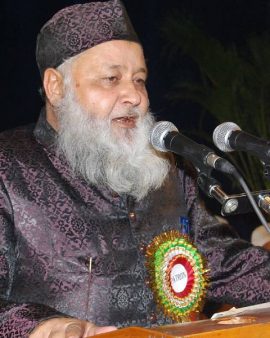
Qumruzzama Azmi (born 1946) widely respected as Maulana Azmi, is a distinguished Islamic scholar and one of the most influential voices in contemporary Islamic thought and leadership. Born in Azamgarh, Uttar Pradesh, India, in 1946, he received his early Islamic education at the esteemed Al Jamiatul Ashrafia, Mubarakpur, where he excelled in Islamic jurisprudence, theology, and Arabic literature.
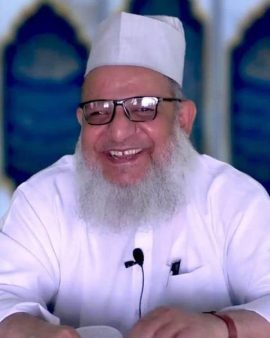

Maulana Azmi’s profound understanding of Islamic teachings, coupled with his eloquence and insight, quickly earned him a reputation as a dynamic leader. His efforts to bridge gaps between communities and promote Islamic values in modern contexts have made him a sought-after scholar worldwide.
Azmi has dedicated much of his life to serving the Muslim community globally. He is closely associated with the World Islamic Mission (WIM), a prominent organization committed to promoting unity among Muslims and addressing the challenges they face. As the General Secretary of WIM, he has played a pivotal role in establishing mosques, Islamic centers, and educational institutions in various countries, particularly in Europe and North America.
An ardent advocate of peaceful coexistence, Maulana Azmi emphasizes the importance of interfaith dialogue and communal harmony. His lectures and writings have inspired countless Muslims to uphold the principles of justice, compassion, and ethical conduct.
Maulana Azmi is also deeply committed to the socio-economic upliftment of marginalized communities. He has initiated programs for education, healthcare, and poverty alleviation, ensuring the integration of Islamic values with humanitarian service.
Despite his international commitments, he remains rooted in his scholarship, dedicating time to writing, teaching, and guiding students of Islamic sciences. His intellectual contributions and spiritual leadership continue to influence generations of Muslims worldwide.
Qumruzzama Azmi’s legacy is one of knowledge, service, and unwavering dedication to the cause of Islam and humanity.