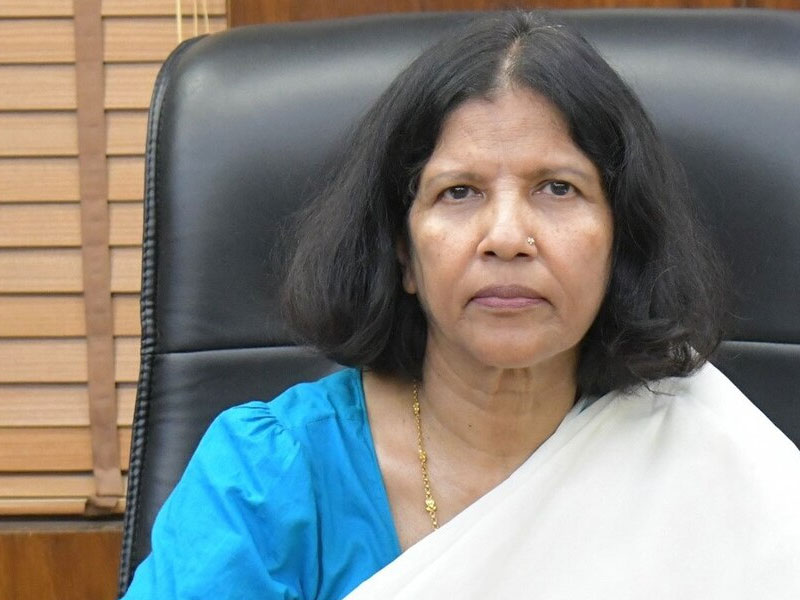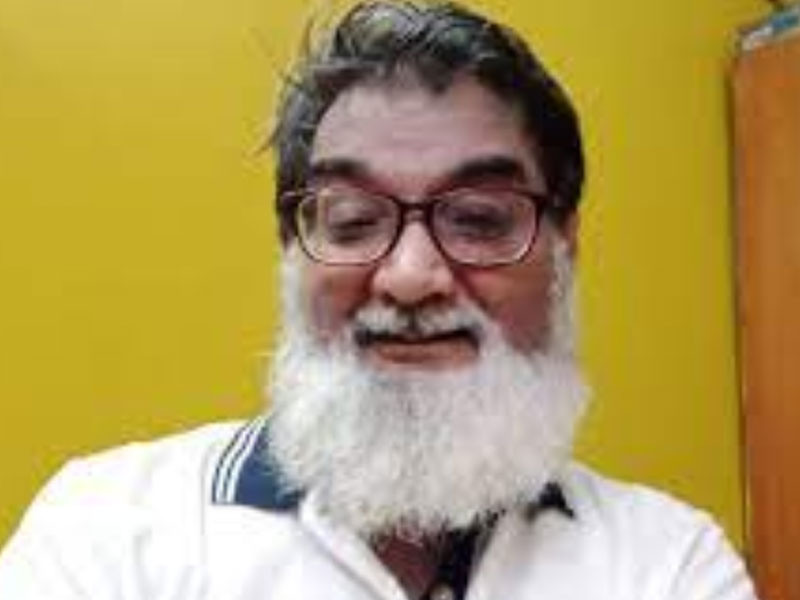
Rana Ayyub: Journalist
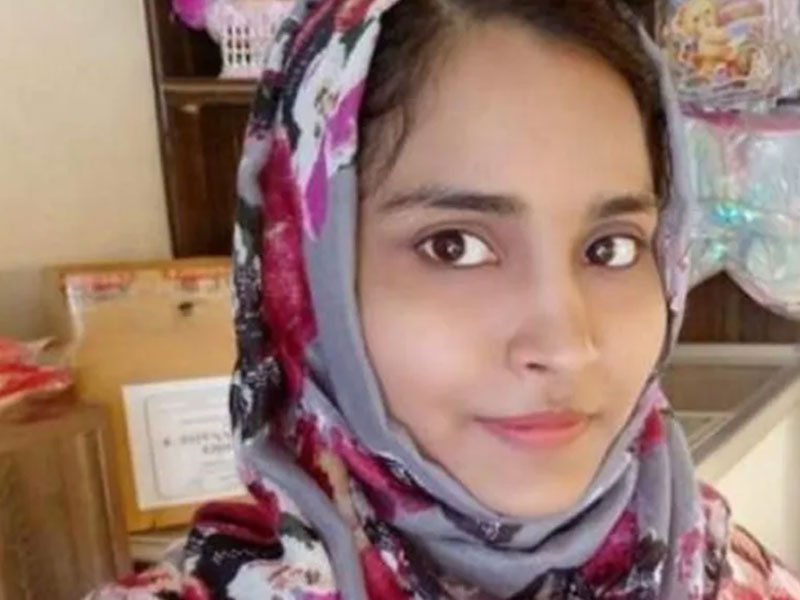
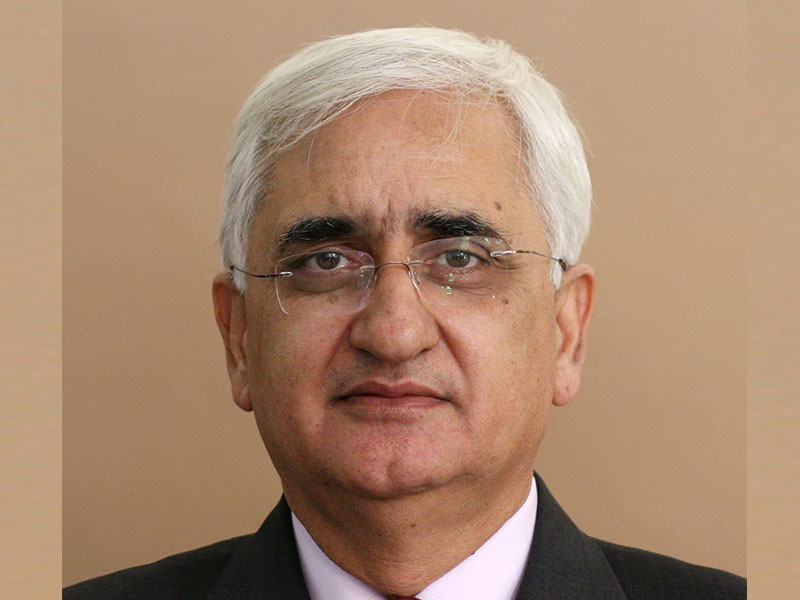
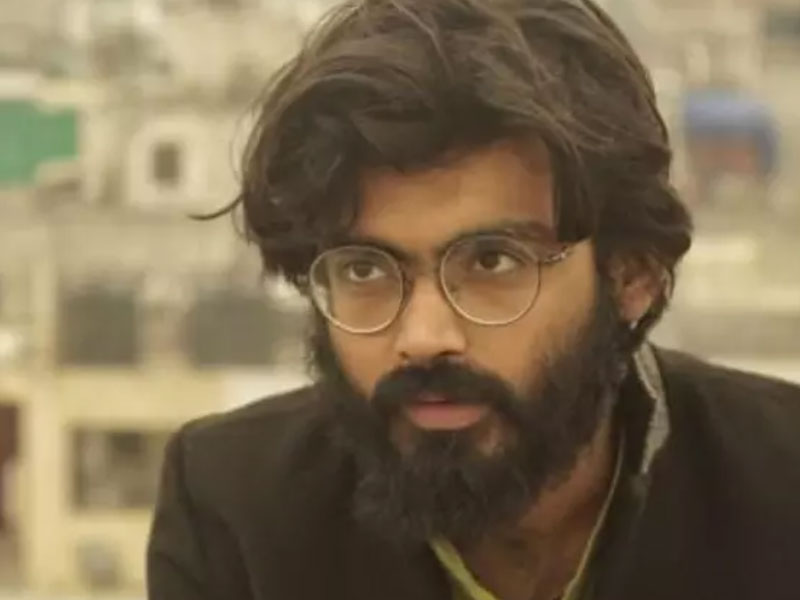
Rana Ayyub (born in 1984) is an award-winning investigative journalist, author, and global advocate for press freedom. Known for her fearless reporting and unflinching commitment to uncovering the truth, Ayyub has carved a niche in the world of journalism as one of India’s most prominent and controversial voices.
Born and raised in Mumbai, Ayyub studied at Sophia College and began her career in journalism with leading Indian publications. Her investigative work gained international recognition with the publication of her book, Gujarat Files: Anatomy of a Cover-Up (2016), a self-published exposé based on an eight-month undercover investigation into the 2002 Gujarat riots and their aftermath. The book, a landmark in Indian journalism, shed light on alleged complicity by powerful political figures, earning her both acclaim and threats.
Ayyub’s incisive reporting extends beyond Gujarat. She has written extensively on issues of human rights, religious polarization, and governmental accountability. Her articles have appeared in prominent global outlets such as The Washington Post, The New York Times, and Time Magazine, where she continues to highlight issues of social justice and marginalization.
Her fearless approach has often made her a target of online abuse, legal challenges, and intimidation. Despite these challenges, she remains undeterred, advocating for press freedom and amplifying marginalized voices. Ayyub’s contributions have been recognized globally; she was honored with the McGill Medal for Journalistic Courage in 2020 and listed among Time Magazine’s 100 Most Influential People in 2022.
Beyond her journalism, Rana Ayyub uses her platform to address systemic injustices and champion the rights of the oppressed. Her work exemplifies the power of journalism as a tool for accountability, truth, and change. In an era of rising authoritarianism, Ayyub’s voice stands as a testament to courage and integrity.
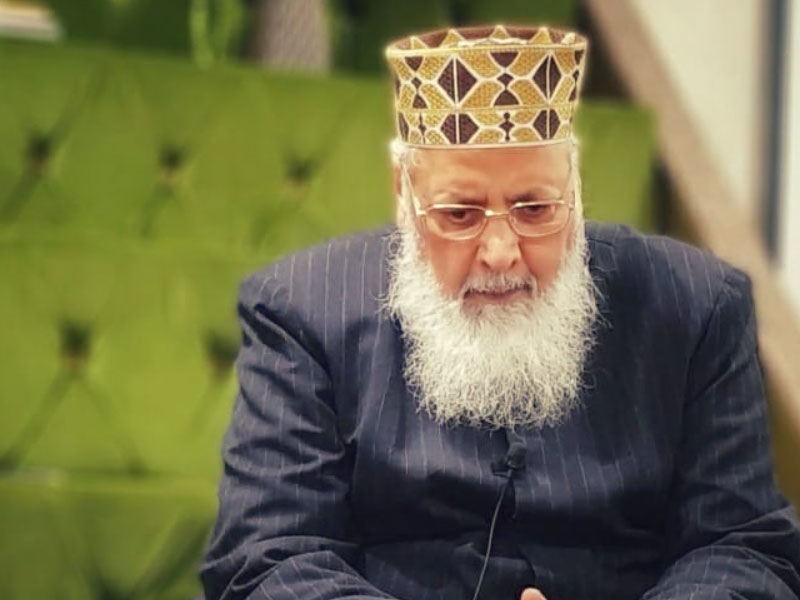
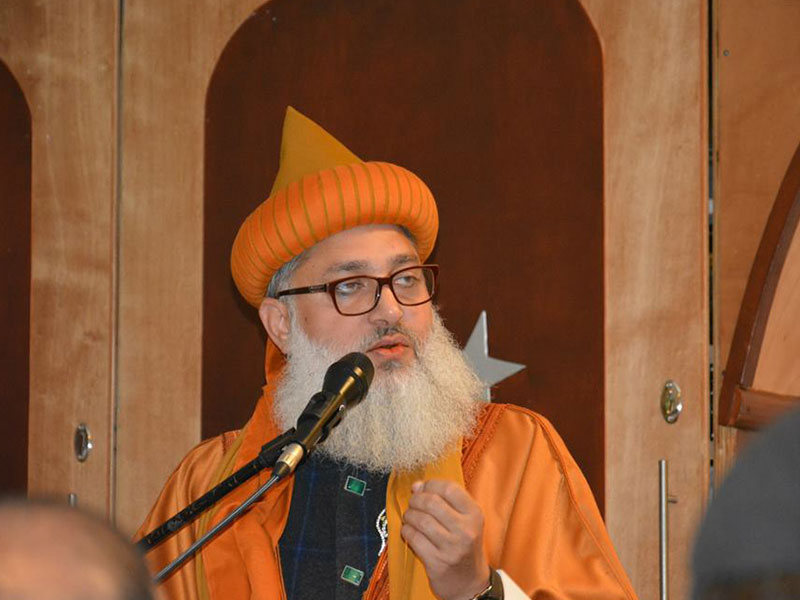
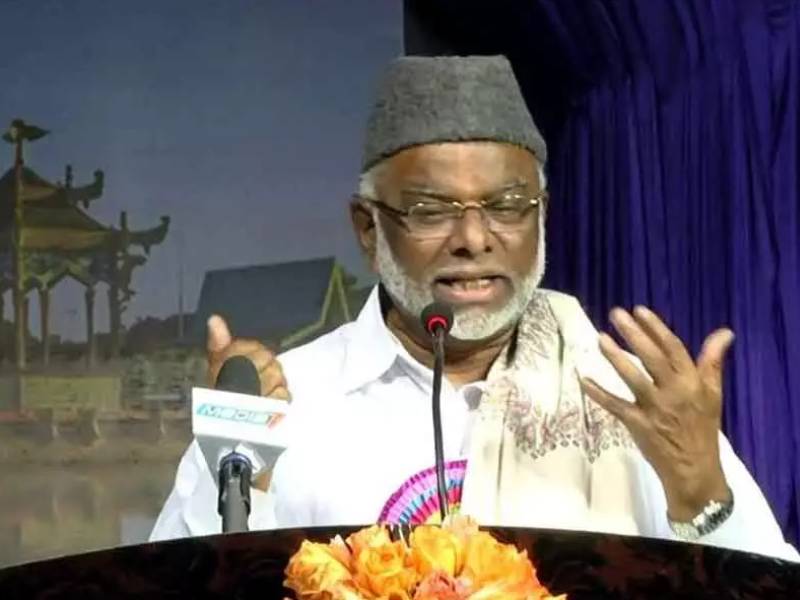
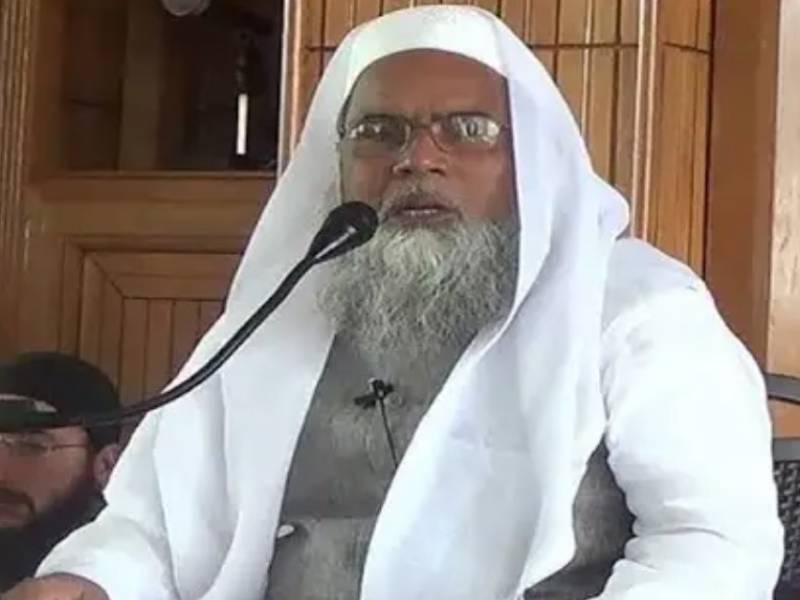
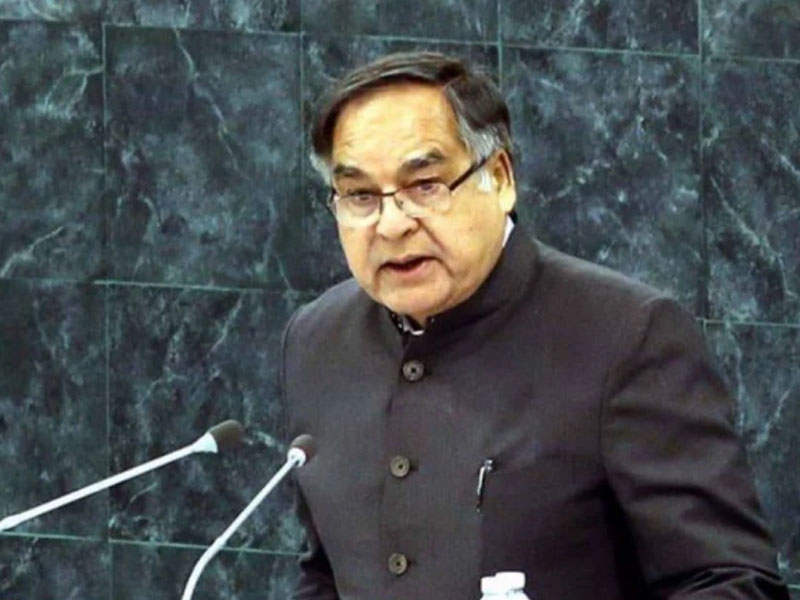
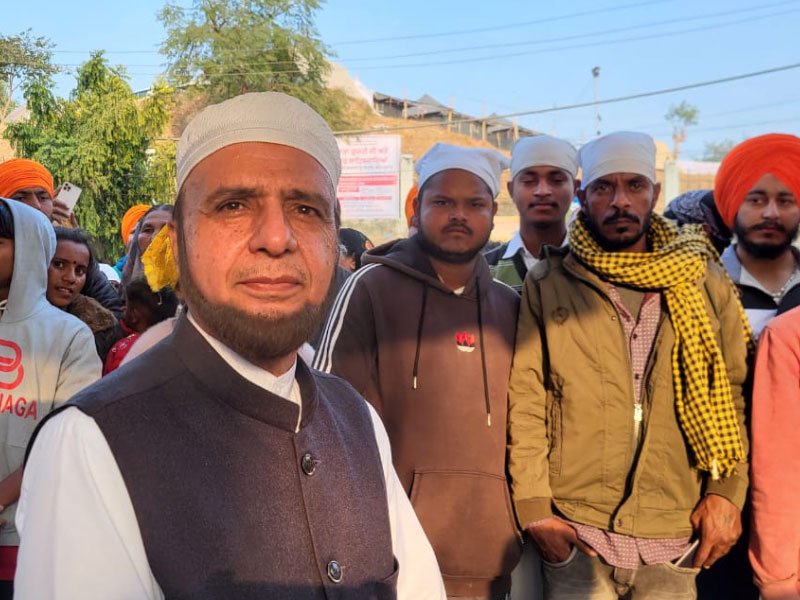
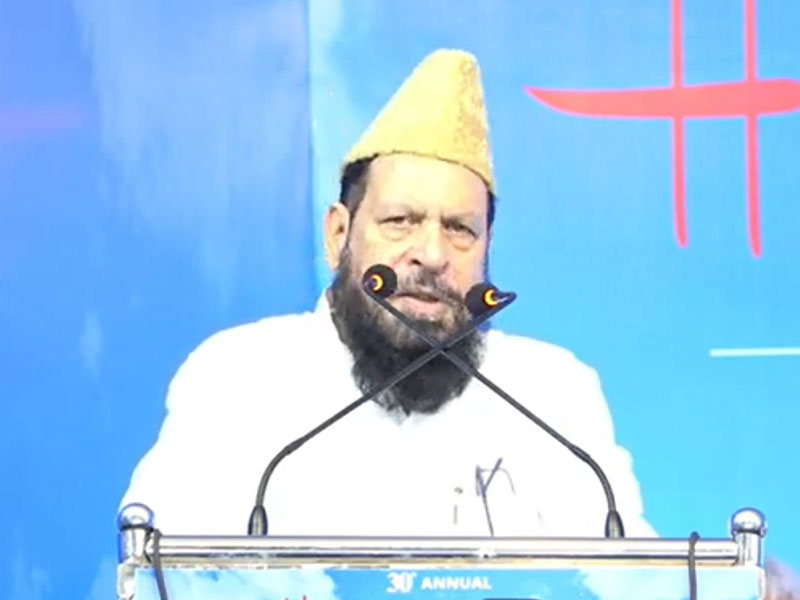
Qumruzzama Azmi: Islamic Scholar
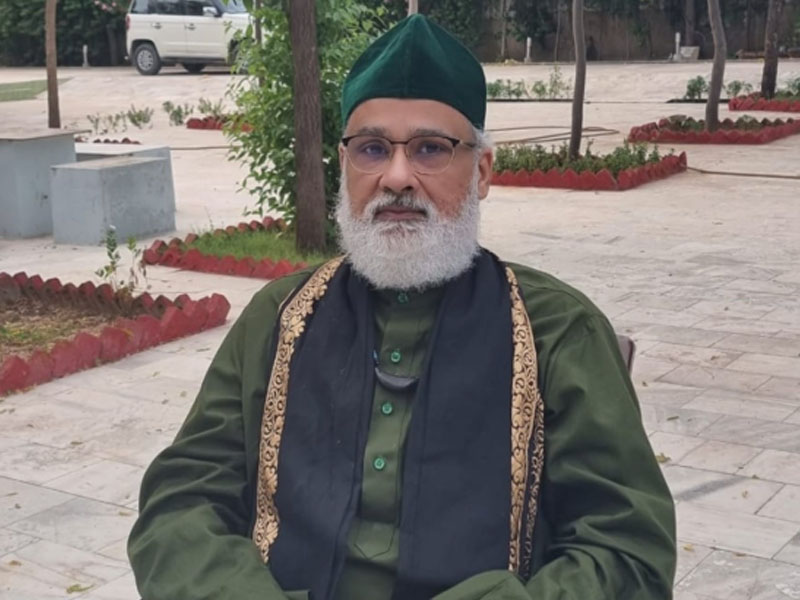
Qumruzzama Azmi (born 1946) widely respected as Maulana Azmi, is a distinguished Islamic scholar and one of the most influential voices in contemporary Islamic thought and leadership. Born in Azamgarh, Uttar Pradesh, India, in 1946, he received his early Islamic education at the esteemed Al Jamiatul Ashrafia, Mubarakpur, where he excelled in Islamic jurisprudence, theology, and Arabic literature.
Maulana Azmi’s profound understanding of Islamic teachings, coupled with his eloquence and insight, quickly earned him a reputation as a dynamic leader. His efforts to bridge gaps between communities and promote Islamic values in modern contexts have made him a sought-after scholar worldwide.
Azmi has dedicated much of his life to serving the Muslim community globally. He is closely associated with the World Islamic Mission (WIM), a prominent organization committed to promoting unity among Muslims and addressing the challenges they face. As the General Secretary of WIM, he has played a pivotal role in establishing mosques, Islamic centers, and educational institutions in various countries, particularly in Europe and North America.
An ardent advocate of peaceful coexistence, Maulana Azmi emphasizes the importance of interfaith dialogue and communal harmony. His lectures and writings have inspired countless Muslims to uphold the principles of justice, compassion, and ethical conduct.
Maulana Azmi is also deeply committed to the socio-economic upliftment of marginalized communities. He has initiated programs for education, healthcare, and poverty alleviation, ensuring the integration of Islamic values with humanitarian service.
Despite his international commitments, he remains rooted in his scholarship, dedicating time to writing, teaching, and guiding students of Islamic sciences. His intellectual contributions and spiritual leadership continue to influence generations of Muslims worldwide.
Qumruzzama Azmi’s legacy is one of knowledge, service, and unwavering dedication to the cause of Islam and humanity.