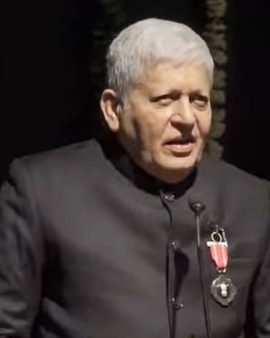
Azam Khan: Politician
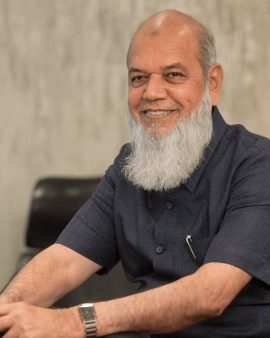
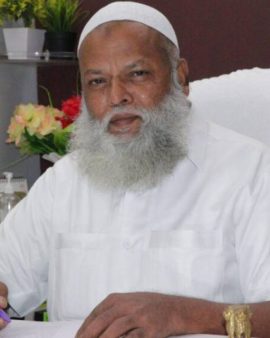
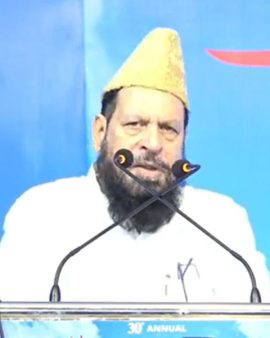
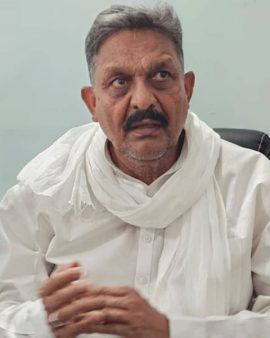
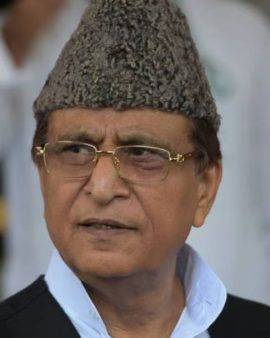
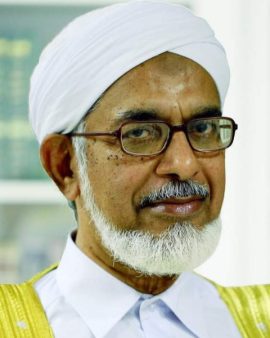
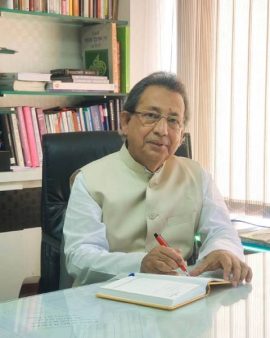
Azam Khan (born in 1948) in Rampur, Uttar Pradesh, is a prominent Indian politician known for his long-standing association with the Samajwadi Party (SP). With a political career spanning several decades, Khan has been a significant figure in Uttar Pradesh politics and has held various important positions in the state government.
Khan began his political journey in the 1970s, actively participating in student politics. He graduated from Aligarh Muslim University, where he was involved in the student union, laying the foundation for his future political endeavors. His early involvement in politics was marked by his commitment to social justice and advocacy for the rights of minorities.
In 1980, Khan was elected to the Uttar Pradesh Legislative Assembly for the first time as a member of the Janata Party. He later joined the Samajwadi Party, founded by Mulayam Singh Yadav, and became one of its key leaders. Over the years, he has been elected to the Uttar Pradesh Legislative Assembly multiple times, representing the Rampur constituency.
Azam Khan has held several ministerial portfolios in the Uttar Pradesh government, including Urban Development, Minority Welfare, and Parliamentary Affairs. His tenure as a minister was marked by his efforts to improve urban infrastructure, promote minority education, and advocate for the welfare of marginalized communities.
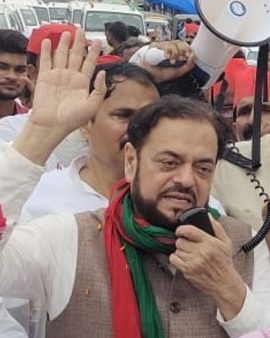
A controversial and outspoken leader, Khan has often found himself at the center of political debates and controversies. His fiery speeches and unfiltered remarks have sometimes drawn criticism, but they have also endeared him to his supporters, who see him as a fearless advocate for their rights.
Despite facing legal challenges and political opposition, Khan has remained a steadfast figure in Uttar Pradesh politics. His resilience and commitment to his constituents have earned him a loyal following, particularly among the Muslim community in the state.
Azam Khan's political journey is characterized by his unwavering dedication to social justice, minority rights, and grassroots development. His impact on Uttar Pradesh politics and his role in shaping the Samajwadi Party's policies continue to make him a significant and influential figure in Indian politics.