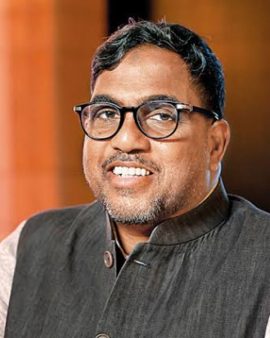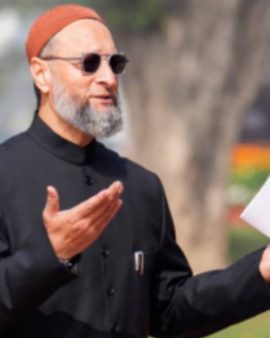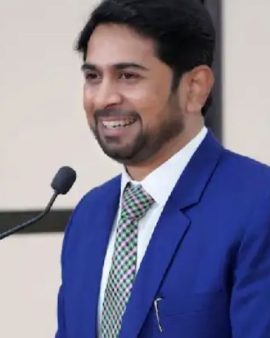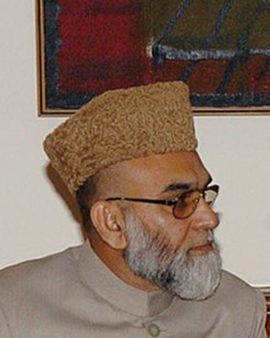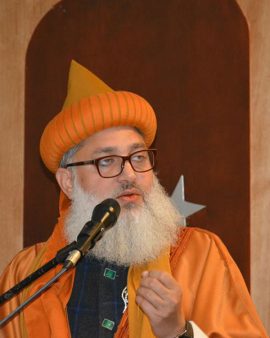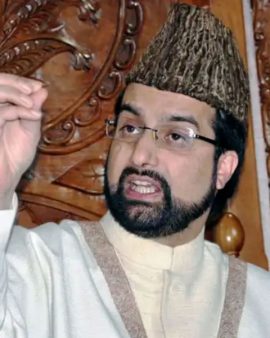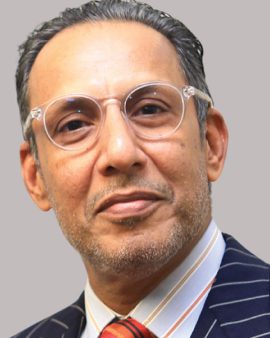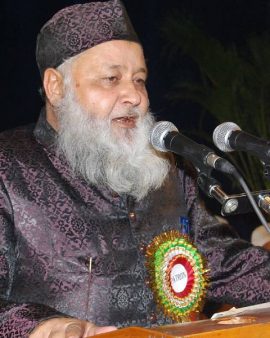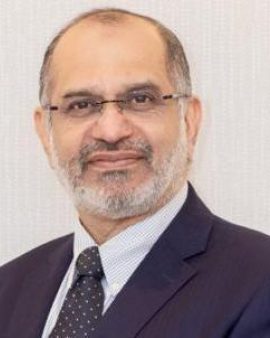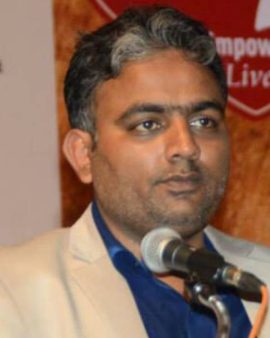
Asaduddin Owaisi: Politician
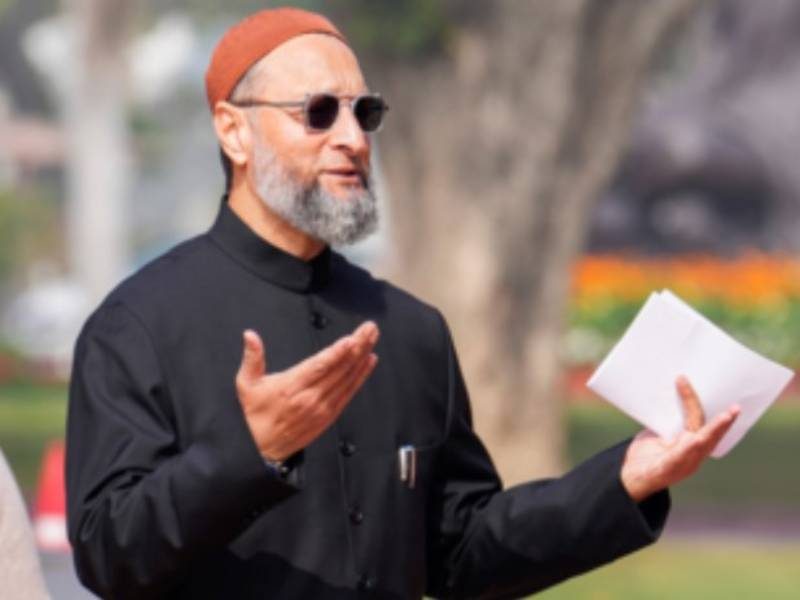
Asaduddin Owaisi (born in 1969) is a prominent Indian politician, lawyer, and the president of the All India Majlis-e-Ittehadul Muslimeen (AIMIM). Born in Hyderabad, Telangana, Owaisi hails from a distinguished family of political leaders. His father, Sultan Salahuddin Owaisi, was a renowned politician and former president of AIMIM, laying the foundation for Asaduddin’s future in politics.
Owaisi completed his schooling in Hyderabad and went on to study law at Lincoln's Inn in London, becoming a barrister. His legal training and sharp oratory skills have significantly contributed to his political career. Returning to India, Owaisi entered politics, continuing his family's legacy. He was first elected as a Member of Parliament (MP) for Hyderabad in 2004 and has since been re-elected multiple times, becoming a vocal and influential figure in Indian politics.
As the president of AIMIM, Owaisi has transformed the party from a regional entity into a significant political force with a growing presence across various states in India. Under his leadership, AIMIM has focused on issues concerning Muslims and other marginalized communities, advocating for their rights and socio-economic development. Owaisi's speeches and parliamentary interventions often address critical issues such as communalism, social justice, and minority rights.
Owaisi is known for his articulate and impassioned speeches, both in Parliament and public rallies. He has been a strong critic of policies he perceives as discriminatory towards Muslims and other minority groups. Despite facing criticism and controversy, Owaisi remains steadfast in his commitment to secularism and inclusive politics. His leadership style combines a deep understanding of legal and constitutional matters with a pragmatic approach to electoral politics.
Beyond his political endeavors, Owaisi is involved in various social and educational initiatives through the Owaisi Hospital & Research Centre and several educational institutions aimed at improving the socio-economic conditions of the underprivileged.
Asaduddin Owaisi's dynamic leadership and unwavering advocacy for minority rights have earned him a prominent place in Indian politics. His work continues to inspire many, highlighting the importance of representation, justice, and equality in a diverse democracy.