Mahbubul Hoque: The Edupreneur Redefining Education and Healthcare in Northeast India
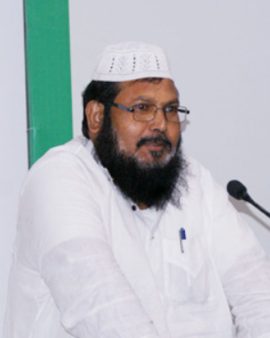
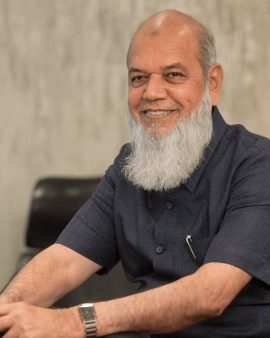
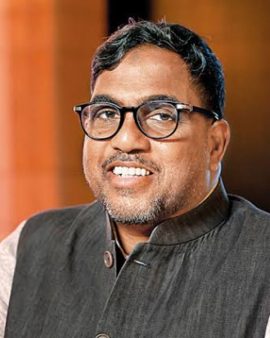
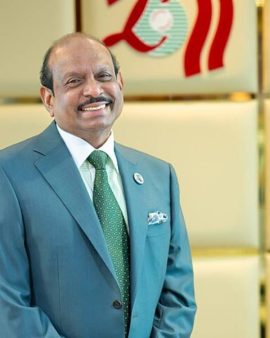
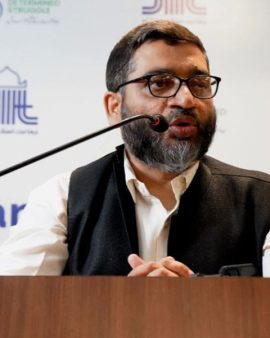
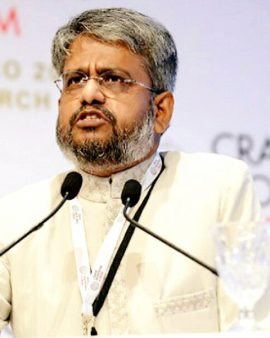
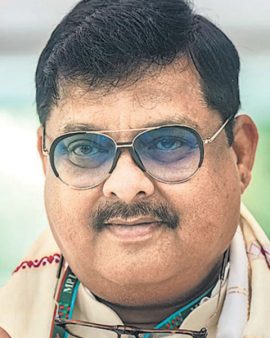
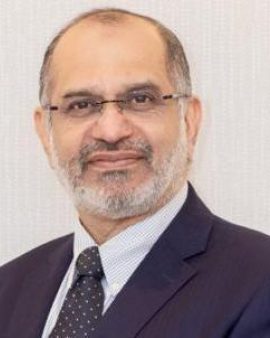
Mahbubul Hoque, an Aligarh Muslim University (AMU) alumnus (1993-2000), is a visionary edupreneur and the founder of multiple educational institutions, including the University of Science and Technology Meghalaya (USTM) and the Chairman of the Education Research and Development Foundation (ERDF) Guwahati, is one such inspiring figure. His vision has not only reshaped the educational prospect in Northeast India but has also brought advanced medical facilities closer to the region’s underserved population. Recently, the Ministry of Health and Family Welfare and the National Medical Commission (NMC) approved the establishment of the PA Sangma International Medical College (PIMC), a collaborative venture between USTM and the Government of Meghalaya, marking a new milestone in Hoque’s journey.
Network of institutions founded by Hoque include schools and colleges specializing in pharmacy, ayurveda, medicine, law, education, engineering, business, and several other streams of education. These are part of the University of Science and Technology Meghalaya, which ranks among the top 200 universities in the country and is accredited with an A grade by NAAC.
Born into a rural family in Karimganj, Assam, Mahbubul Hoque faced a challenging childhood. He lost both his parents and an elder brother at a young age and had to support himself through private tutoring and selling home-grown vegetables to continue his studies. Despite these hardships, he excelled academically, earning first-class marks throughout his career. He completed his B.Sc. and MCA from the prestigious AMU in 2000.
Driven by a deep commitment to education, Hoque returned to Assam with a vision to transform the region’s educational landscape. Rejecting lucrative job offers, he embarked on his entrepreneurial journey in 2001 with just Rs 85, a single computer, and four students. His first venture was a study center housed in a rented building, which he funded by selling assembled computers to establish a computer lab. This initiative quickly became the second-best study center of the Manipal Group nationwide.
Hoque’s journey from a struggling student in rural Assam to a trailblazing educational entrepreneur is a testament to his resilience and visionary leadership. Through ERDF and USTM, he has transformed the lives of thousands of students, provided affordable healthcare, and created a network of institutions dedicated to serving the region. His initiatives continue to reshape the educational and healthcare landscape in Northeast India, making quality education and healthcare more accessible to those in need.
By dedicating himself to his community and country at large, Mahbubul Hoque has established a legacy of hope and opportunity. His life story is a powerful reminder that with determination, innovation, and empathy, one individual can indeed create a ripple effect of positive change.