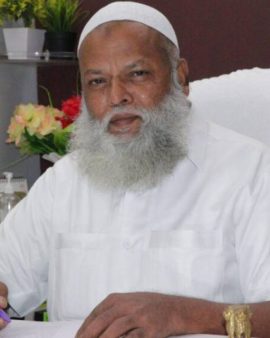
Afzal Ansari: Politician, Phylonthropist
Afzal Ansari (born in 1953) a seasoned politician and prominent Member of Parliament (MP) from Uttar Pradesh, has had a significant impact on Indian politics. Born on August 14, 1953, in Yusufpur, Ghazipur district, Ansari comes from a family deeply rooted in political and social service. He is the elder brother of Mukhtar Ansari, a well-known figure in Uttar Pradesh politics.
Ansari began his political career in the early 1980s and quickly established himself as a formidable leader. He first gained prominence by winning the assembly elections from the Mohammadabad constituency in 1985, representing the Communist Party of India (CPI). His deep connection with grassroots politics and dedication to social justice issues earned him considerable respect and a loyal voter base.
Over the years, Afzal Ansari transitioned to various political parties, reflecting his pragmatic approach to politics. He joined the Bahujan Samaj Party (BSP), where his influence grew significantly. Ansari's tenure as an MP began in 2004 when he won the Lok Sabha seat from Ghazipur on a BSP ticket. His articulate speeches and active participation in parliamentary debates underscored his commitment to his constituents and national issues.
Ansari's political journey has not been without challenges. He faced legal battles and controversies, often linked to his brother's criminal allegations. Despite these hurdles, Afzal Ansari maintained his political relevance through his resilience and strategic alliances. In the 2019 general elections, he secured a decisive victory from Ghazipur as a candidate of the BSP, once again proving his enduring appeal and political acumen.
Known for his eloquence and deep understanding of rural issues, Afzal Ansari continues to be a significant figure in Uttar Pradesh politics. His focus on development, social justice, and community welfare remains at the core of his political agenda, making him a respected leader in his constituency and beyond.