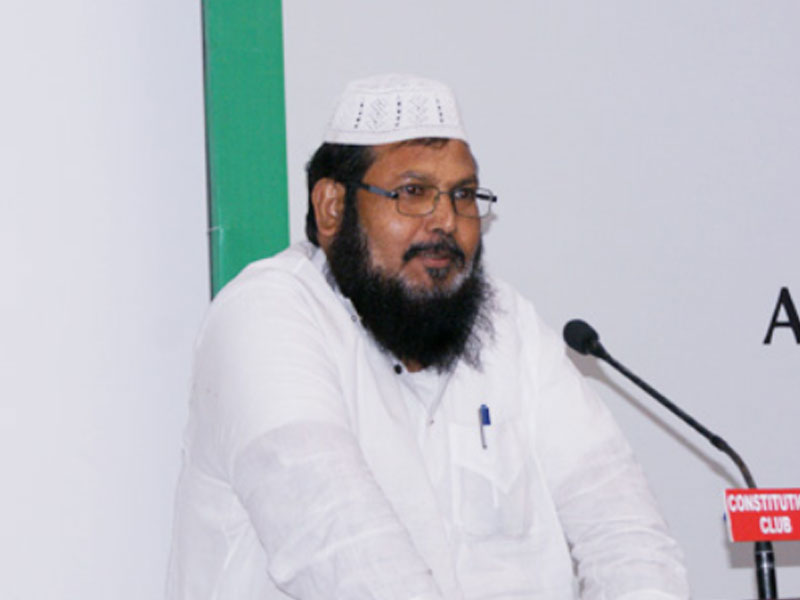
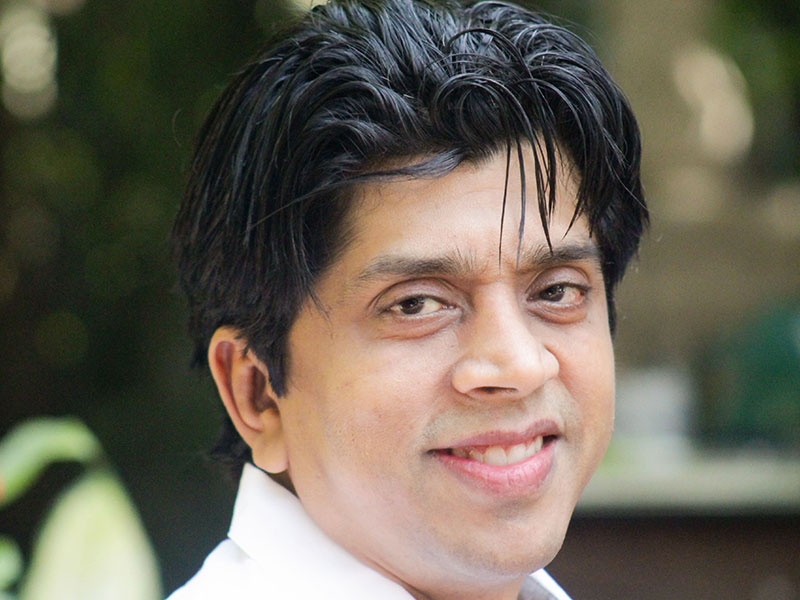
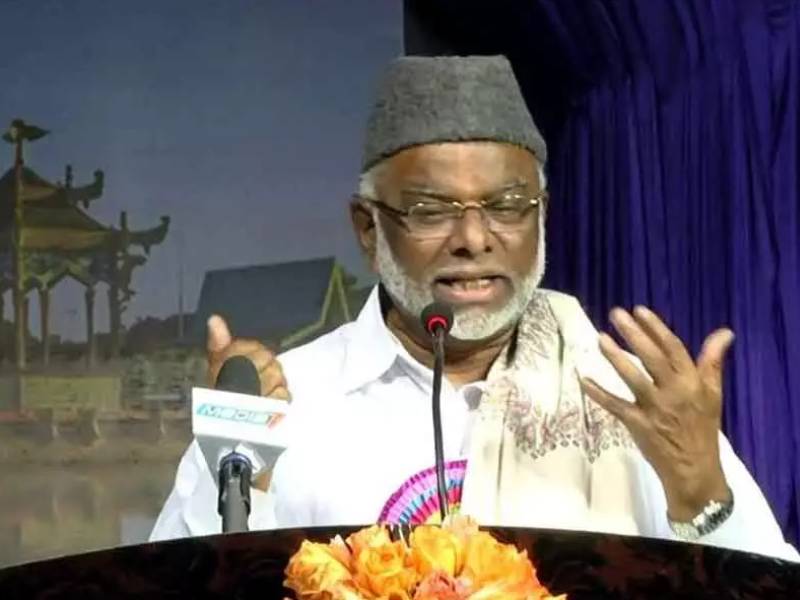
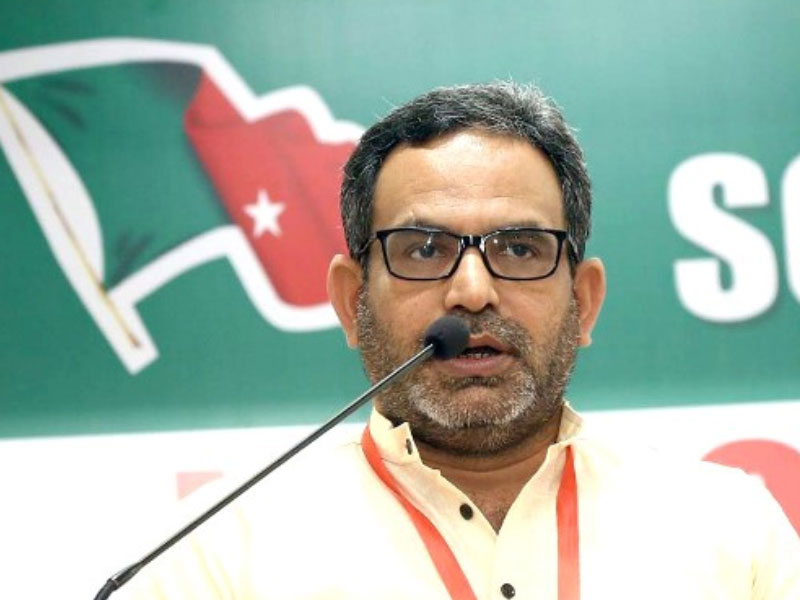
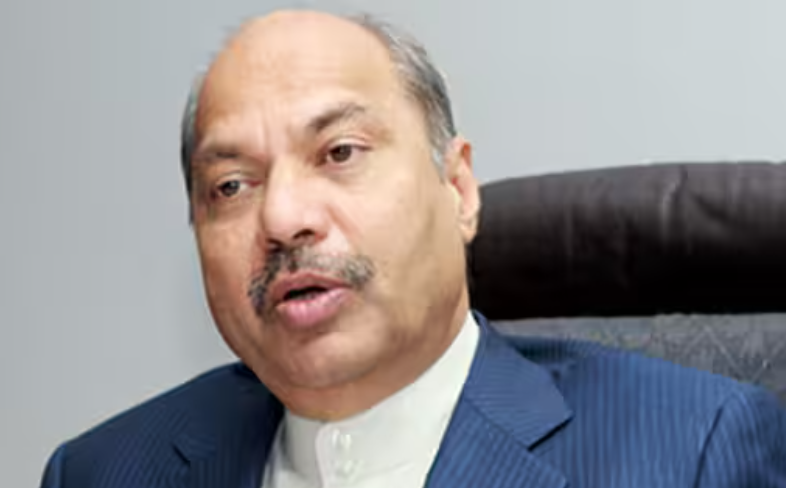
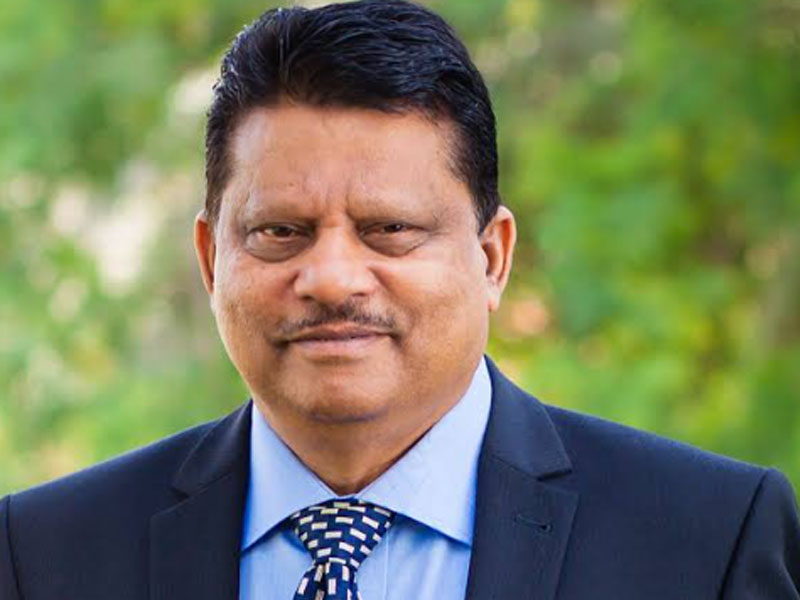
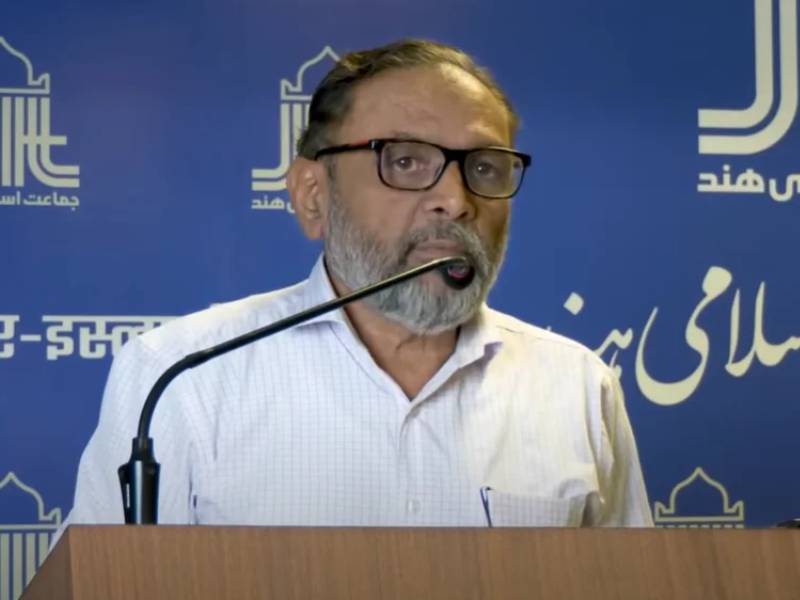
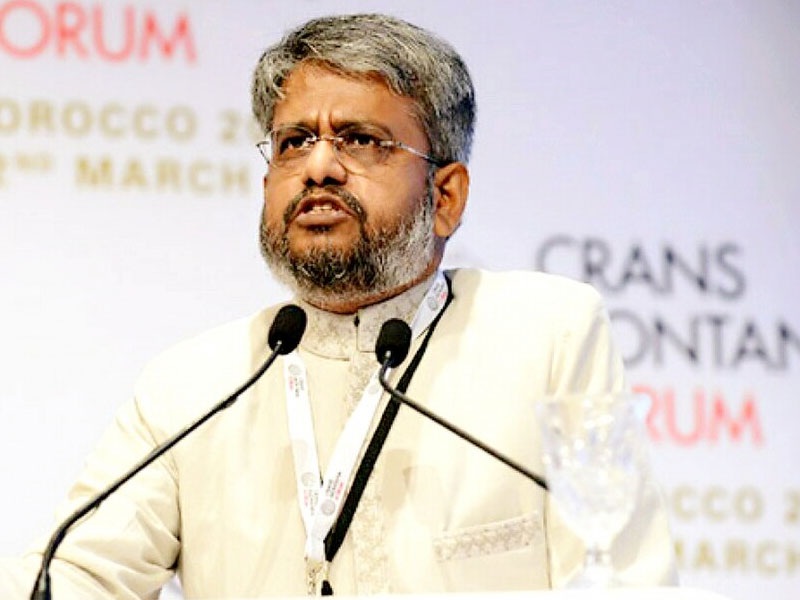
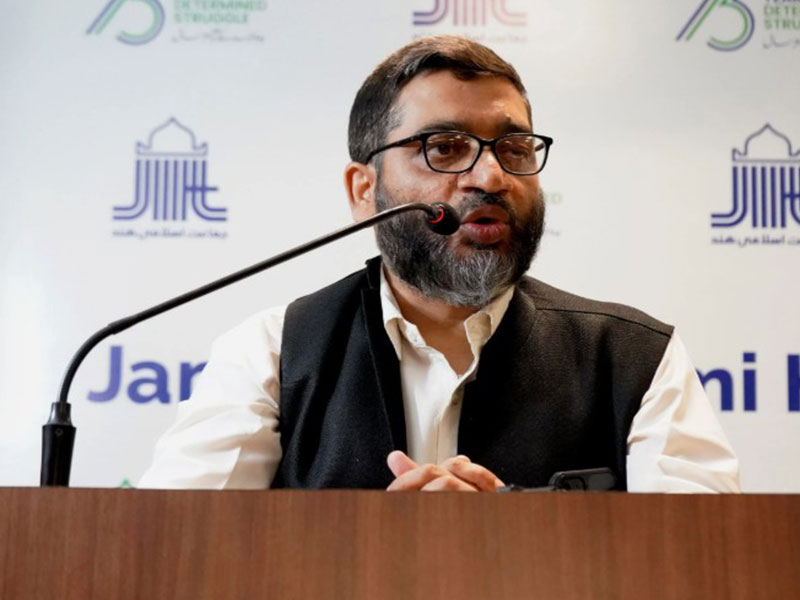
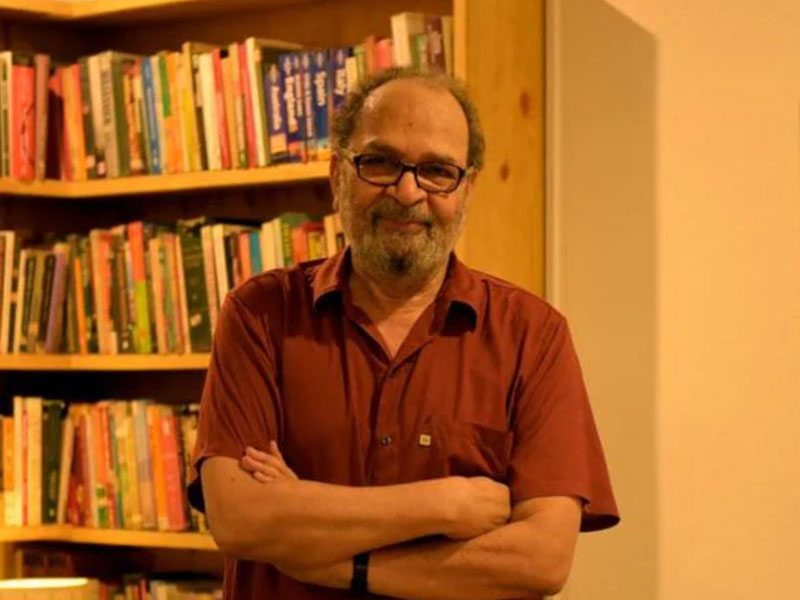
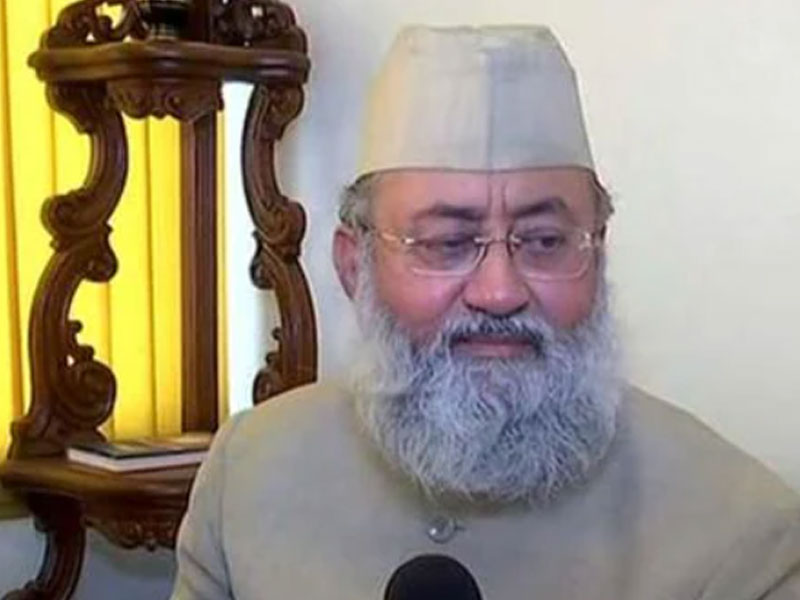
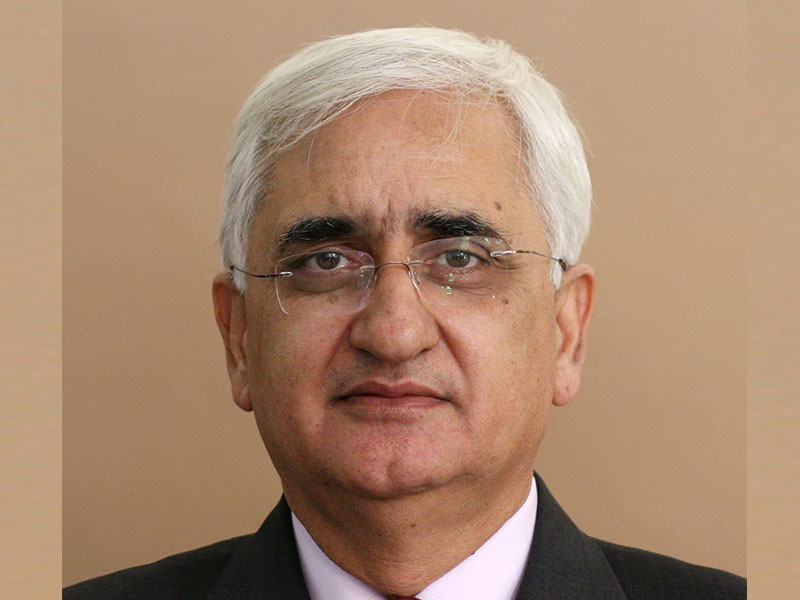
Dr. Manzoor Alam: Intellectual/ Thought leader
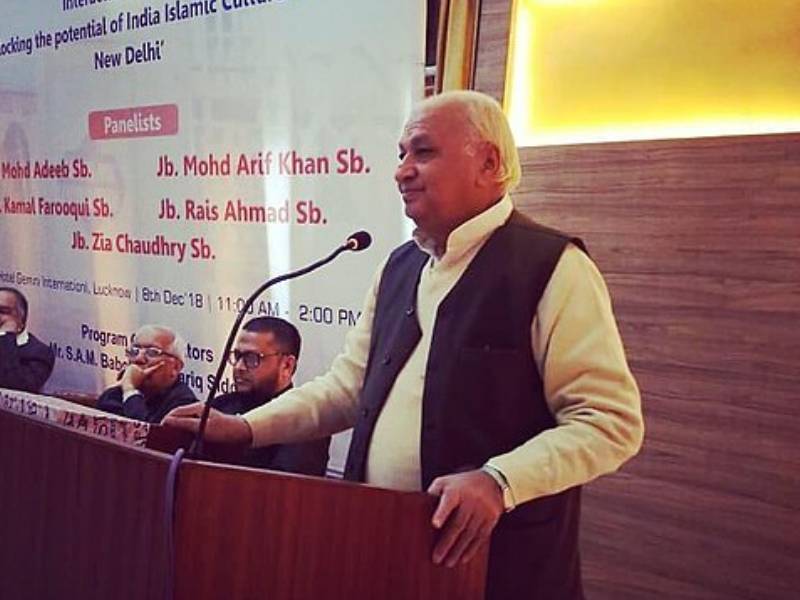
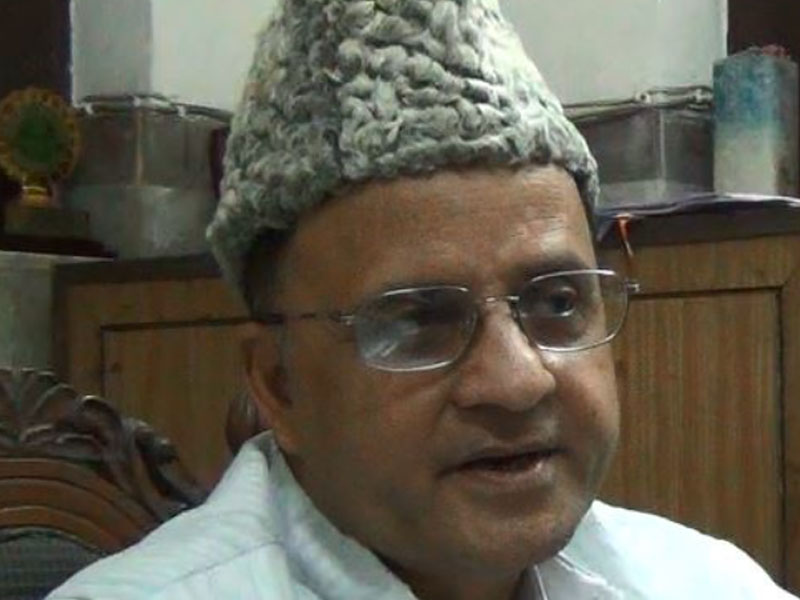
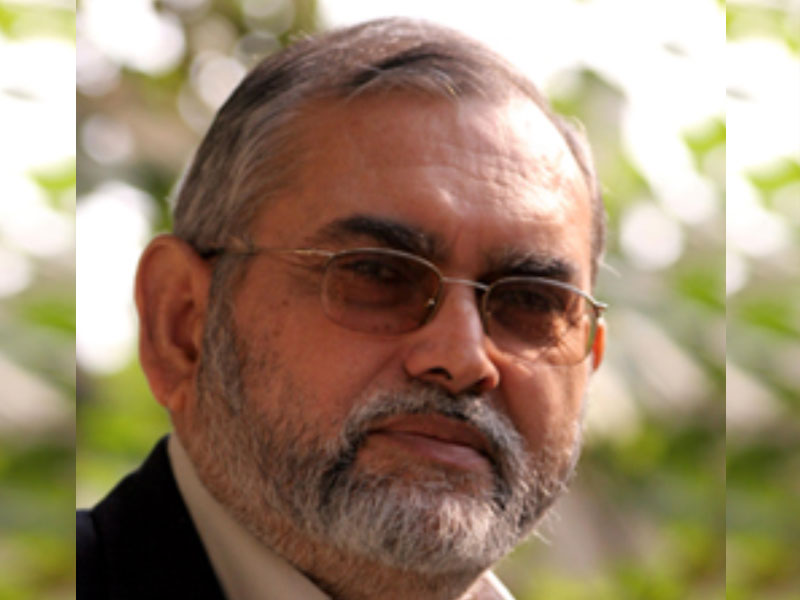
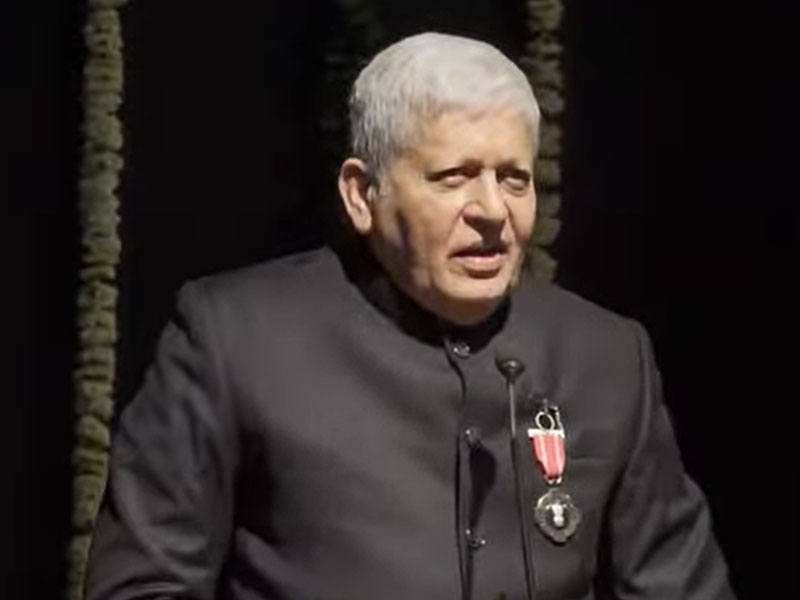
Dr. Mohammad Manzoor Alam is the Chairman of the Institute of Objective Studies (IOS), one of India’s premier think tanks focused on addressing issues concerning Muslims and other marginalized communities. With a career spanning decades, Dr. Alam has dedicated his life to promoting socio-economic development, education, and intellectual empowerment for underrepresented groups in India.
Dr. Alam's leadership at IOS has been instrumental in shaping research and policy recommendations on a range of issues, including human rights, education, and social justice. Under his guidance, the institute has published numerous books, reports, and journals, serving as a critical resource for scholars, policymakers, and community leaders alike. The IOS has also played a pivotal role in fostering dialogue between different religious and social groups, striving for communal harmony and national integration.
Born and educated in India, Dr. Alam pursued advanced studies in social sciences, earning a Ph.D. in Sociology. His academic background, coupled with his deep understanding of Islamic principles and philosophy, has enabled him to bridge the gap between tradition and modernity in his work. He has been an advocate for the introduction of modern education alongside religious studies in madrasa systems, emphasizing the need for holistic education to uplift the Muslim community.
Beyond his work at IOS, Dr. Alam has served in various capacities within national and international organizations, contributing to policy discussions on minority rights, interfaith dialogue, and education reform. He is widely respected for his thoughtful approach to addressing complex socio-political challenges and his commitment to empowering marginalized communities.
Dr. Manzoor Alam continues to be a key figure in India’s intellectual and social landscape, fostering critical thought and action toward a more inclusive and just society.
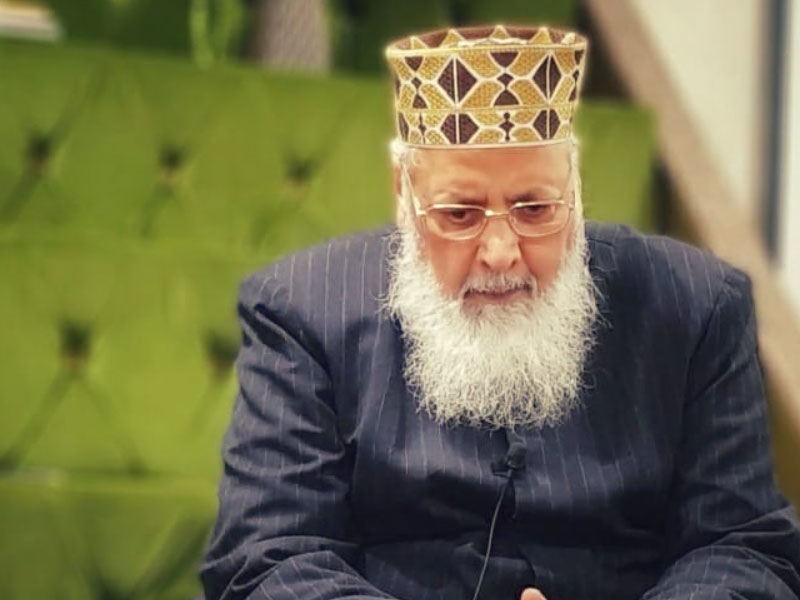
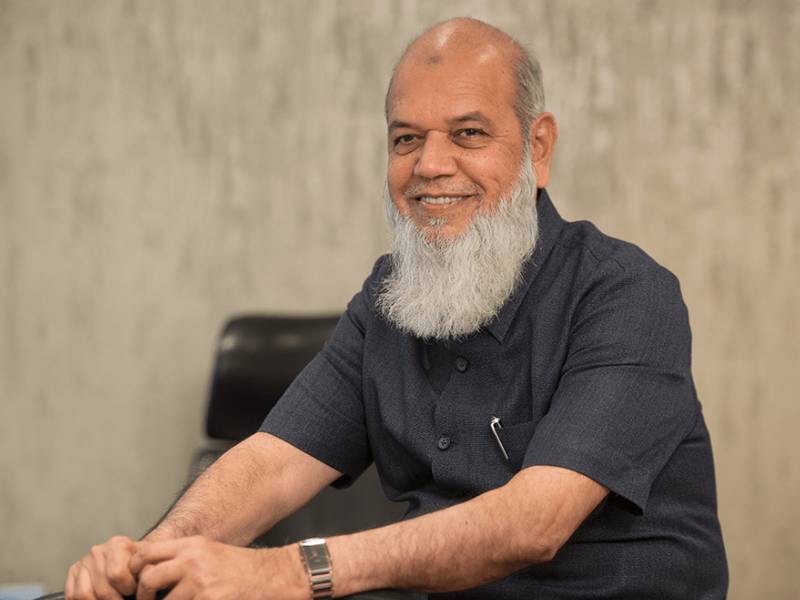
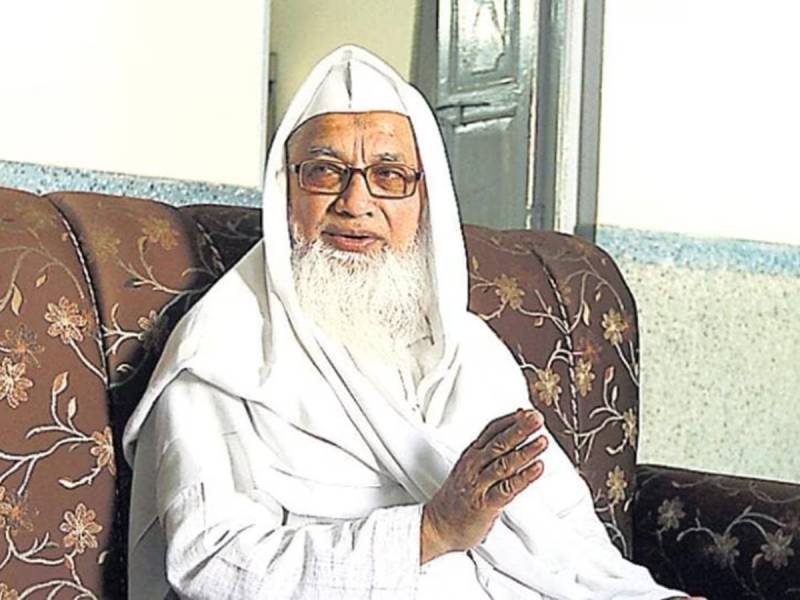
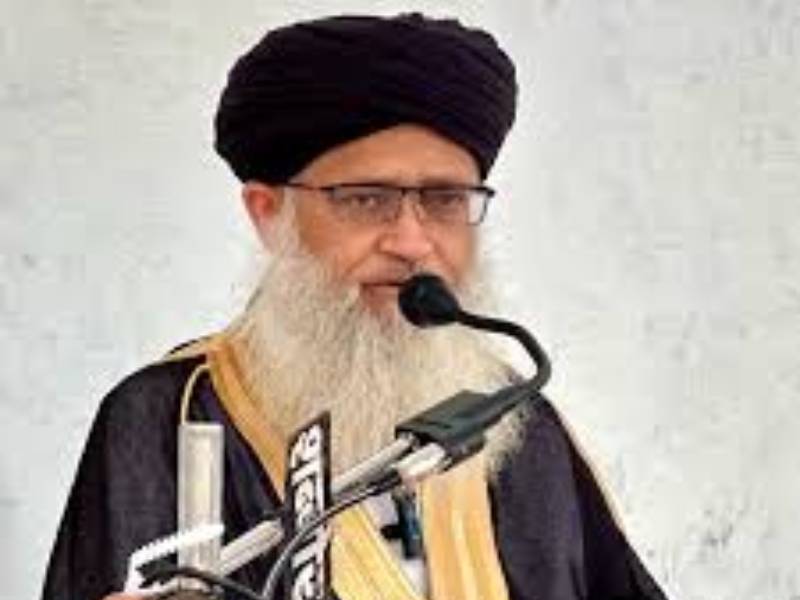
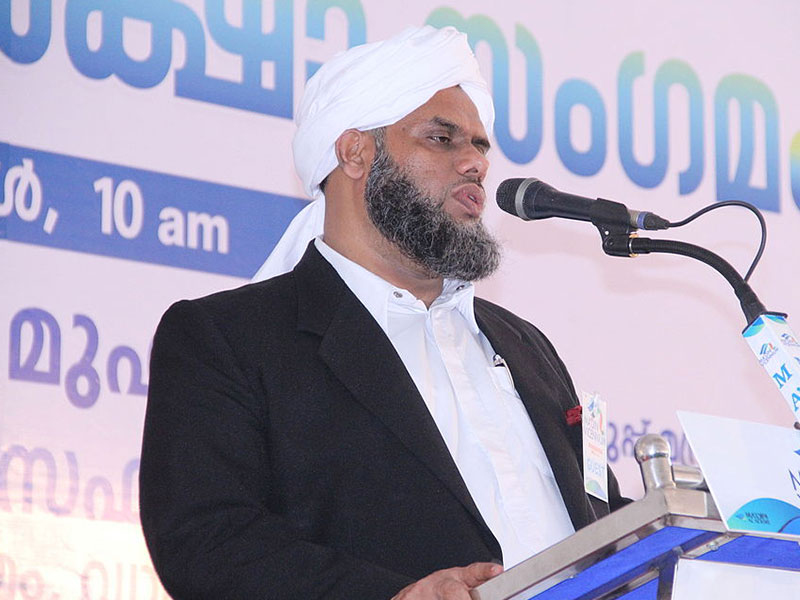
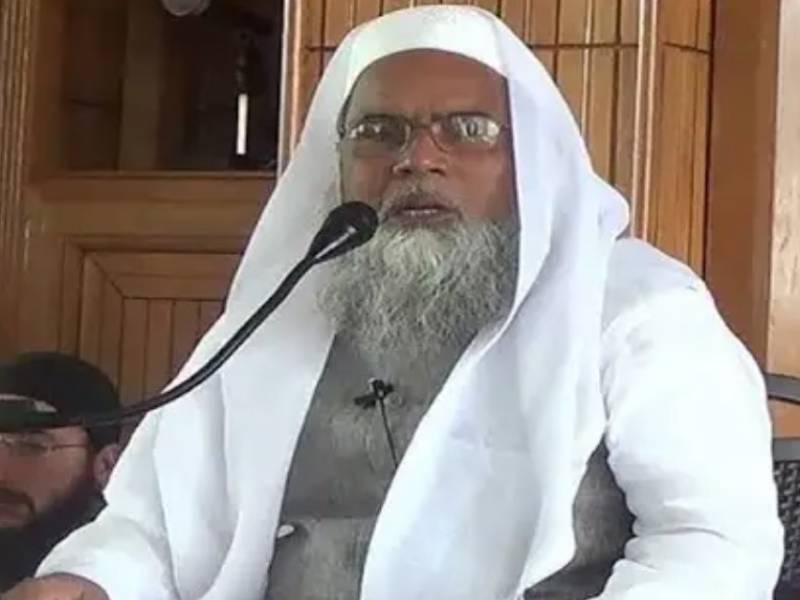
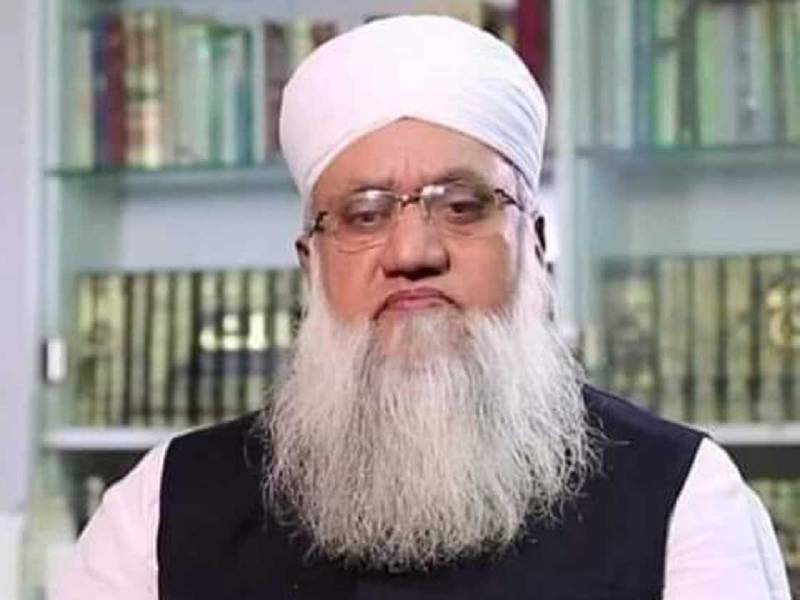
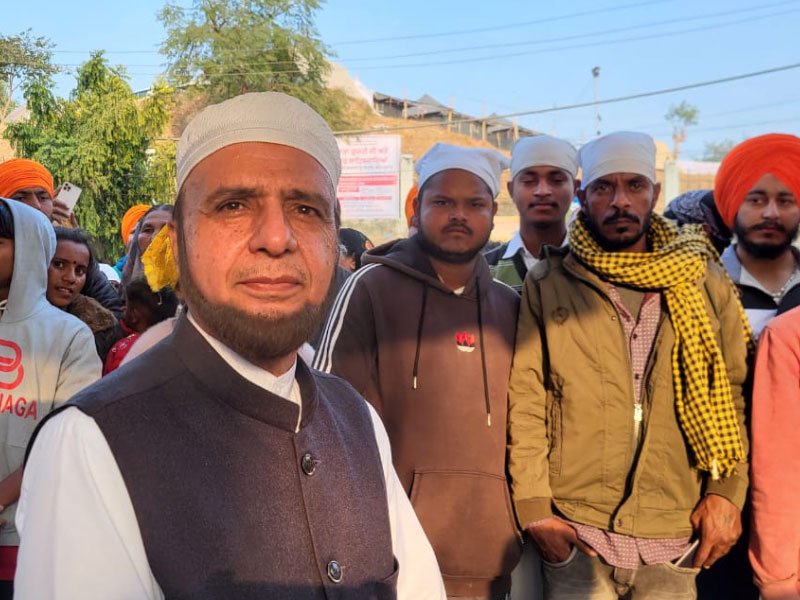
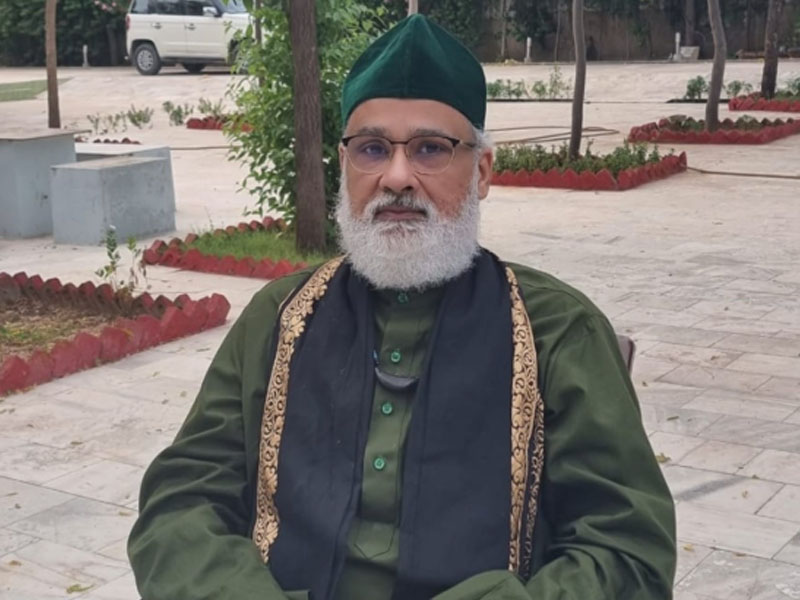
Qumruzzama Azmi: Islamic Scholar
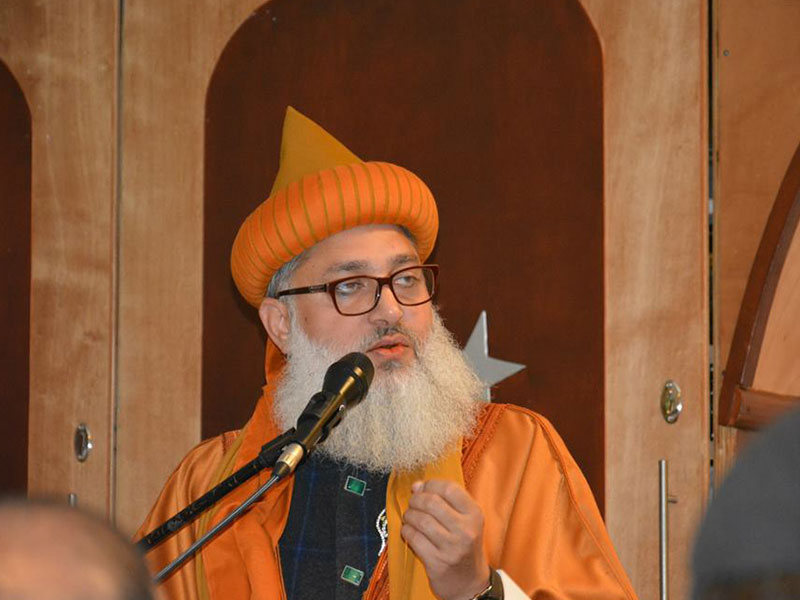
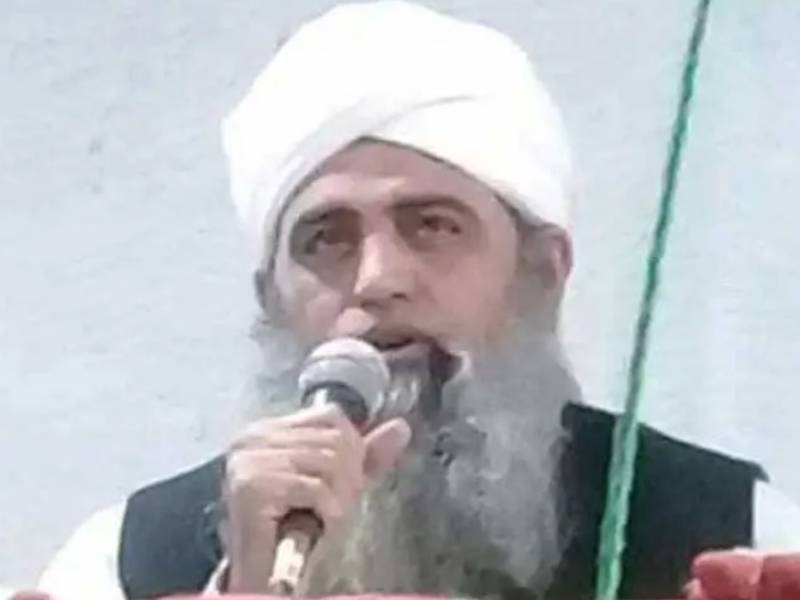
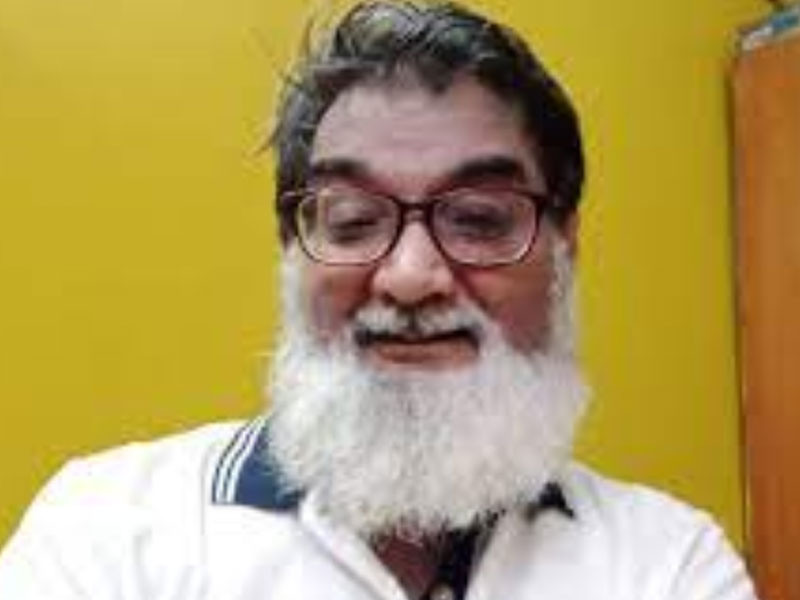
Qumruzzama Azmi (born 1946) widely respected as Maulana Azmi, is a distinguished Islamic scholar and one of the most influential voices in contemporary Islamic thought and leadership. Born in Azamgarh, Uttar Pradesh, India, in 1946, he received his early Islamic education at the esteemed Al Jamiatul Ashrafia, Mubarakpur, where he excelled in Islamic jurisprudence, theology, and Arabic literature.
Maulana Azmi’s profound understanding of Islamic teachings, coupled with his eloquence and insight, quickly earned him a reputation as a dynamic leader. His efforts to bridge gaps between communities and promote Islamic values in modern contexts have made him a sought-after scholar worldwide.
Azmi has dedicated much of his life to serving the Muslim community globally. He is closely associated with the World Islamic Mission (WIM), a prominent organization committed to promoting unity among Muslims and addressing the challenges they face. As the General Secretary of WIM, he has played a pivotal role in establishing mosques, Islamic centers, and educational institutions in various countries, particularly in Europe and North America.
An ardent advocate of peaceful coexistence, Maulana Azmi emphasizes the importance of interfaith dialogue and communal harmony. His lectures and writings have inspired countless Muslims to uphold the principles of justice, compassion, and ethical conduct.
Maulana Azmi is also deeply committed to the socio-economic upliftment of marginalized communities. He has initiated programs for education, healthcare, and poverty alleviation, ensuring the integration of Islamic values with humanitarian service.
Despite his international commitments, he remains rooted in his scholarship, dedicating time to writing, teaching, and guiding students of Islamic sciences. His intellectual contributions and spiritual leadership continue to influence generations of Muslims worldwide.
Qumruzzama Azmi’s legacy is one of knowledge, service, and unwavering dedication to the cause of Islam and humanity.